Attractions and Places To See around Mancha - Top 20
Best attractions and places to see around Mancha include a diverse landscape of historic cities, iconic windmills, and significant natural parks. This central Spanish region, known as Castilla-La Mancha, features a rich history and is the setting for Cervantes' *Don Quixote*. It offers a variety of cultural sites, medieval castles, and extensive wetlands and forests. The area provides opportunities to explore both man-made monuments and natural features.
Best attractions and places to see around Mancha
- The most popular attractions is…
Last updated: July 6, 2026
Tablas de Daimiel National Park
Highlight • Natural Monument
Translated by Google •
Tip by

Peñarroya Castle
Highlight • Castle
Translated by Google •
Tip by
Sign up now to discover places like this
Get recommendations on the best single tracks, peaks, & plenty of other exciting outdoor places.
Sign up for free
Church of the Santísimo Cristo del Valle
Highlight • Religious Site
Translated by Google •
Tip by
Laguna del Rey
Highlight • Lake
Translated by Google •
Tip by
Campo de Criptana Windmills
Highlight • Monument
Translated by Google •
Tip by
Puerto Lápice Windmills
Highlight • Monument
Translated by Google •
Tip by
Observation point
Highlight • Viewpoint
Observatories at the Permanent Lagoon: This 800-meter linear trail takes …
Translated by Google •
Tip by
Valdepeñas
Highlight • Settlement
Translated by Google •
Tip by
Church of San Pedro Apóstol (Daimiel)
Highlight • Religious Site
Translated by Google •
Tip by

Molino de Melocho
Highlight • Monument
Translated by Google •
Tip by
Sign up for free to discover even more attractions around Mancha.
Sign up for free
Already have an account?
Start today with a free account
Your next adventure awaits.
Login or Signup
Popular around Mancha
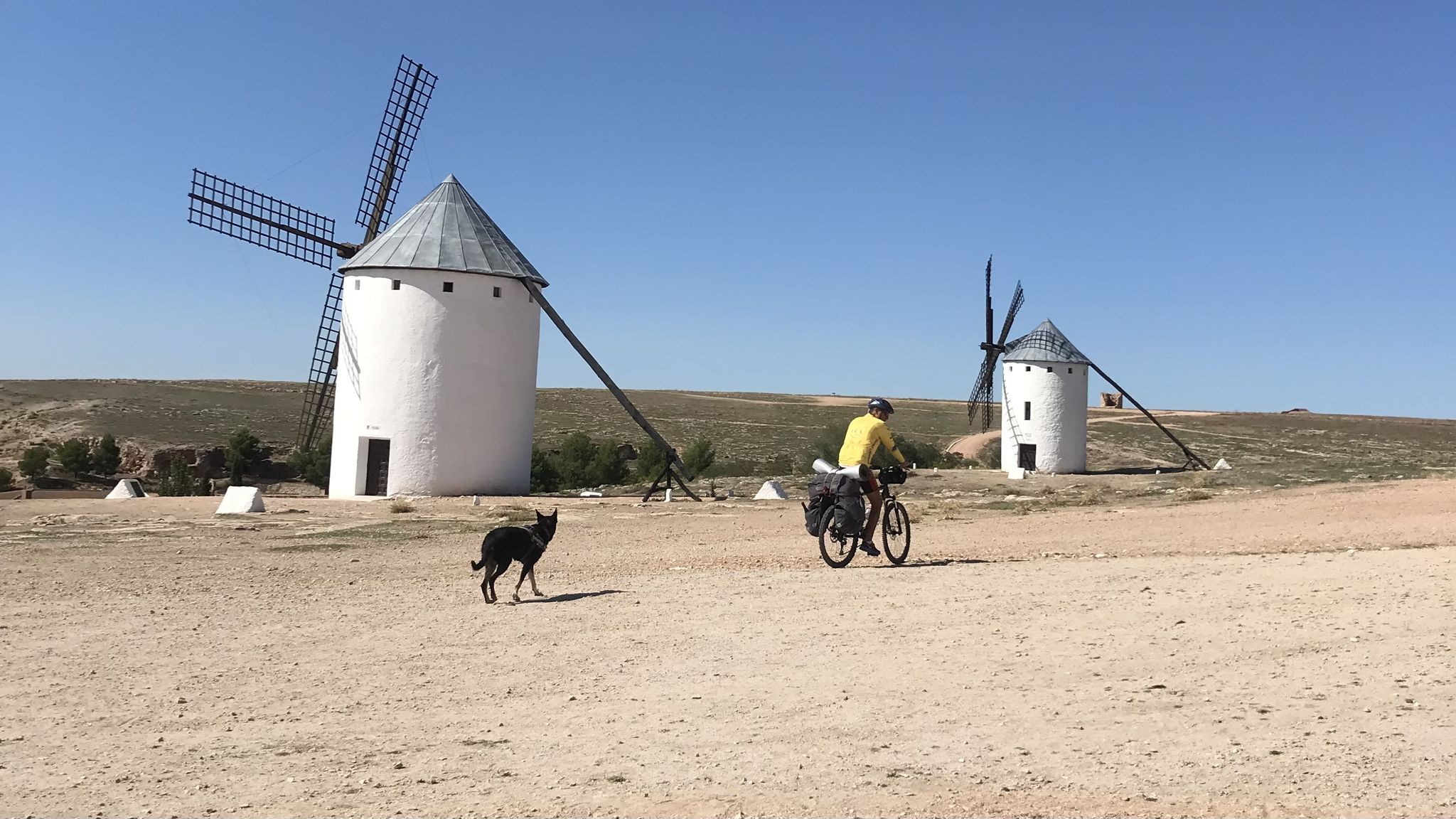
Don Quixote's route – The knight of the sorry face
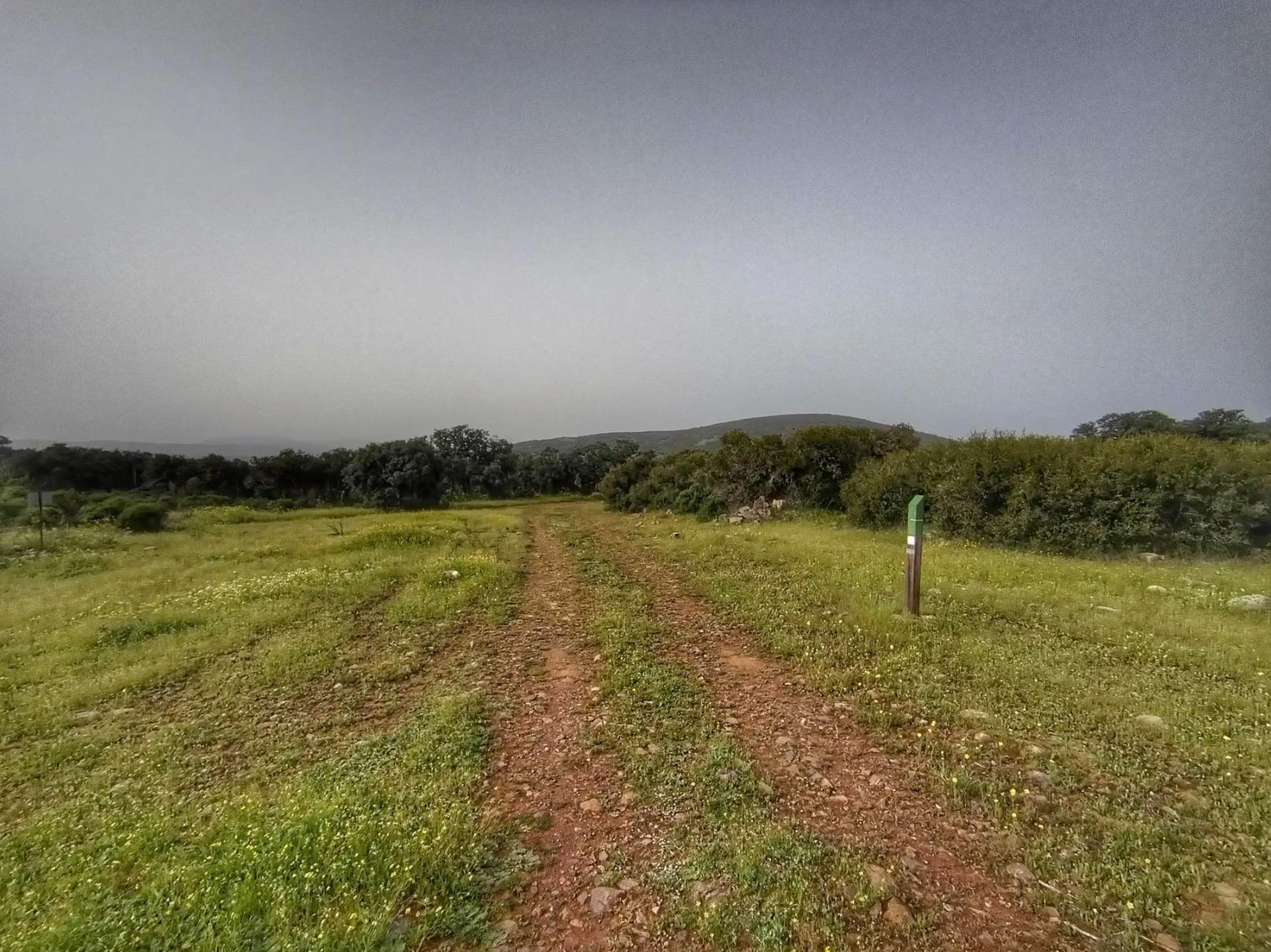
Sigue la trashumancia — GR 164 Cañada Real Conquense o Los Serranos
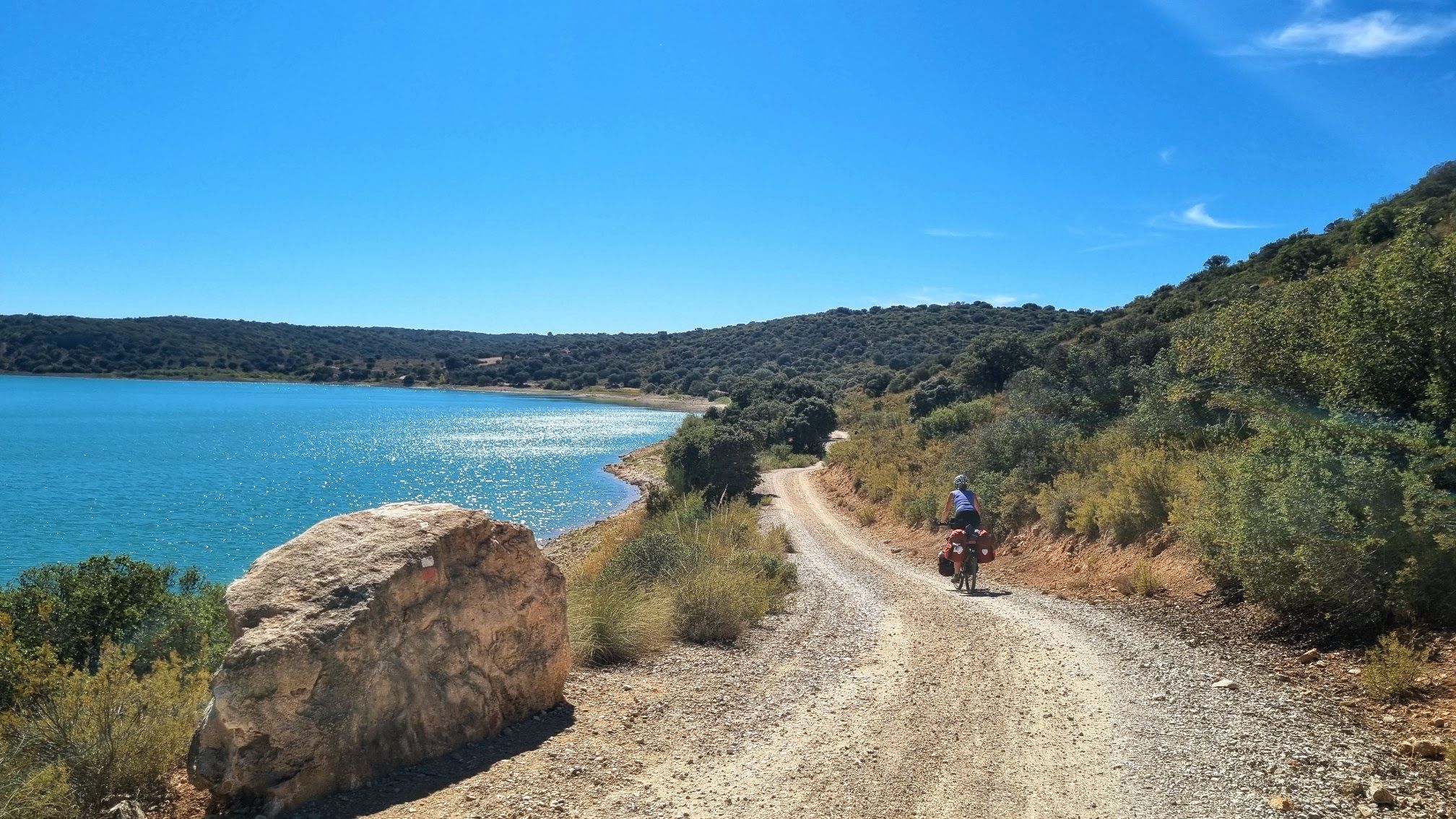
Pedalea junto al gran río — Camino Natural del Guadiana
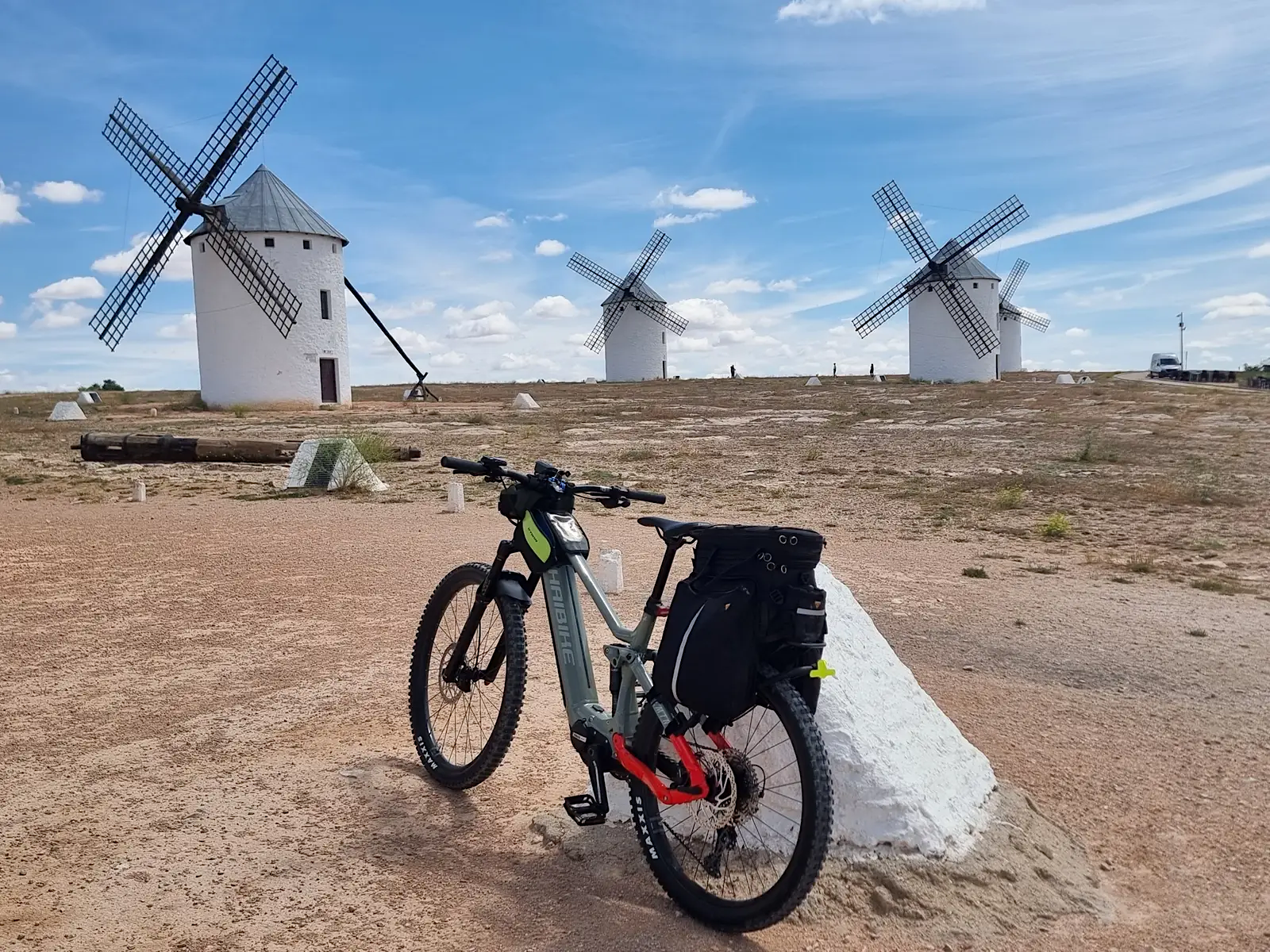
Route of Don Quixote – cycling between rivers, lagoons and hills
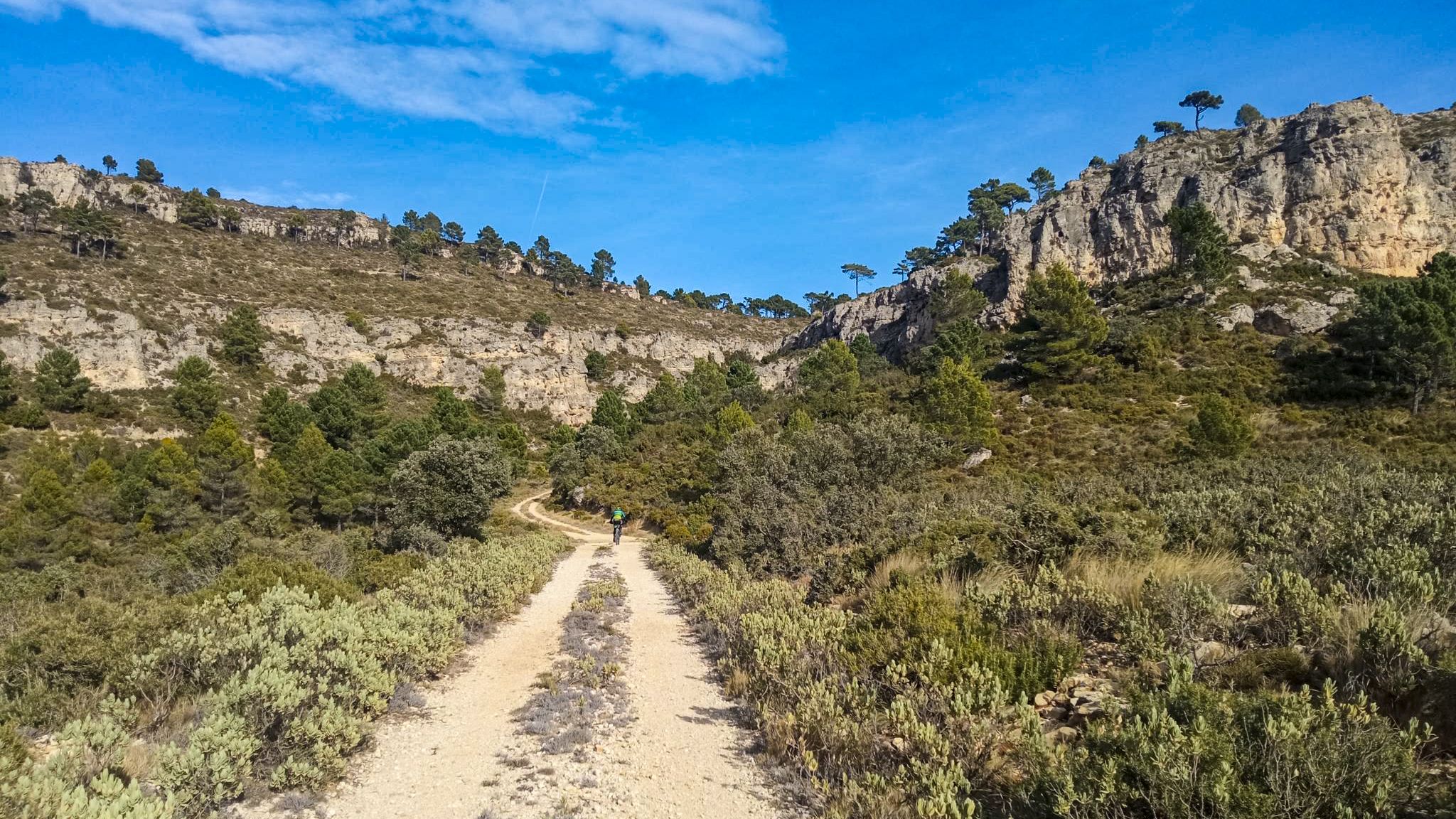
10 gravel routes to discover hidden gems in Spain
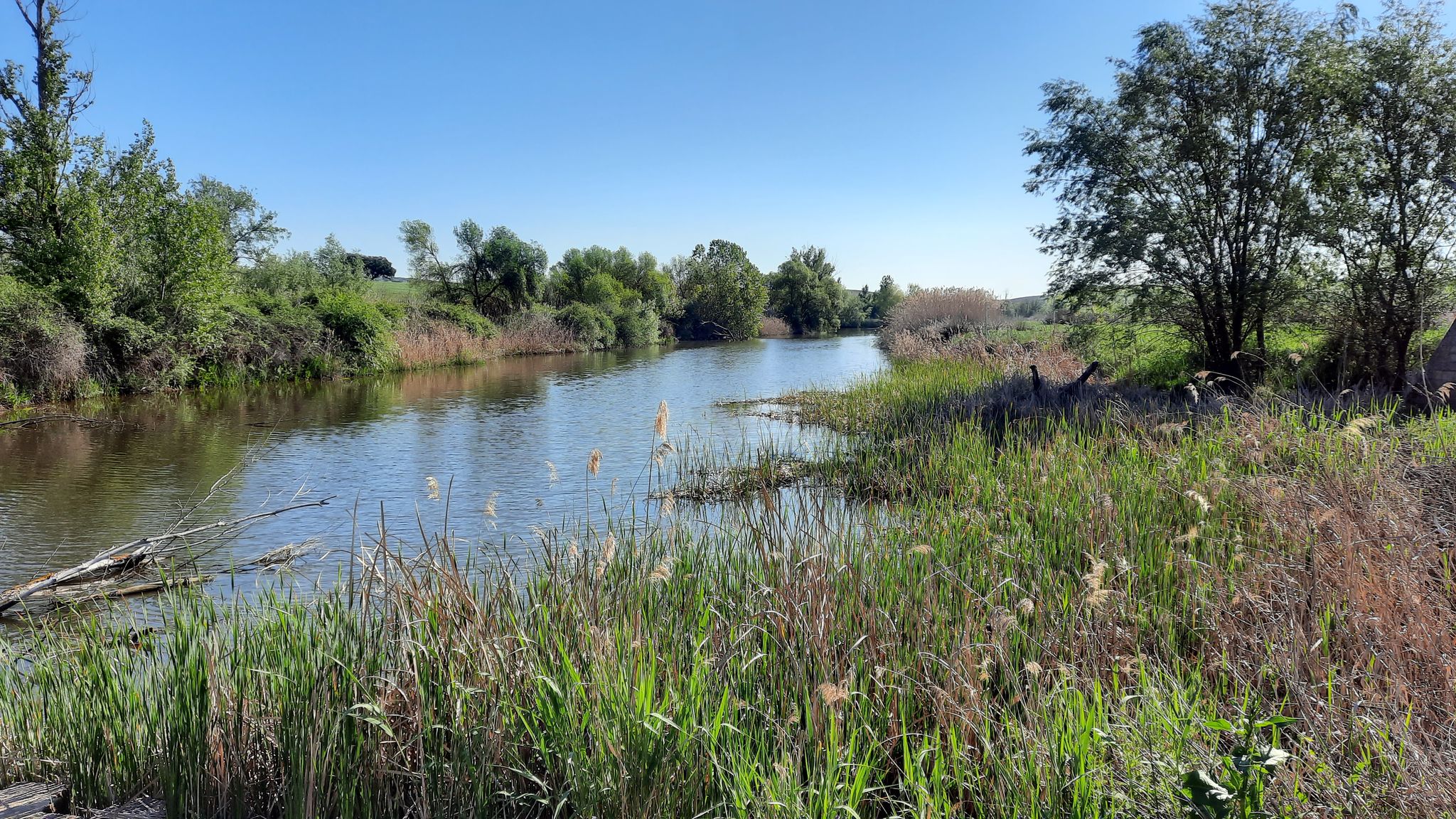
The magic of an endless river – Spain's Guadiana Natural Trail (GR 114)
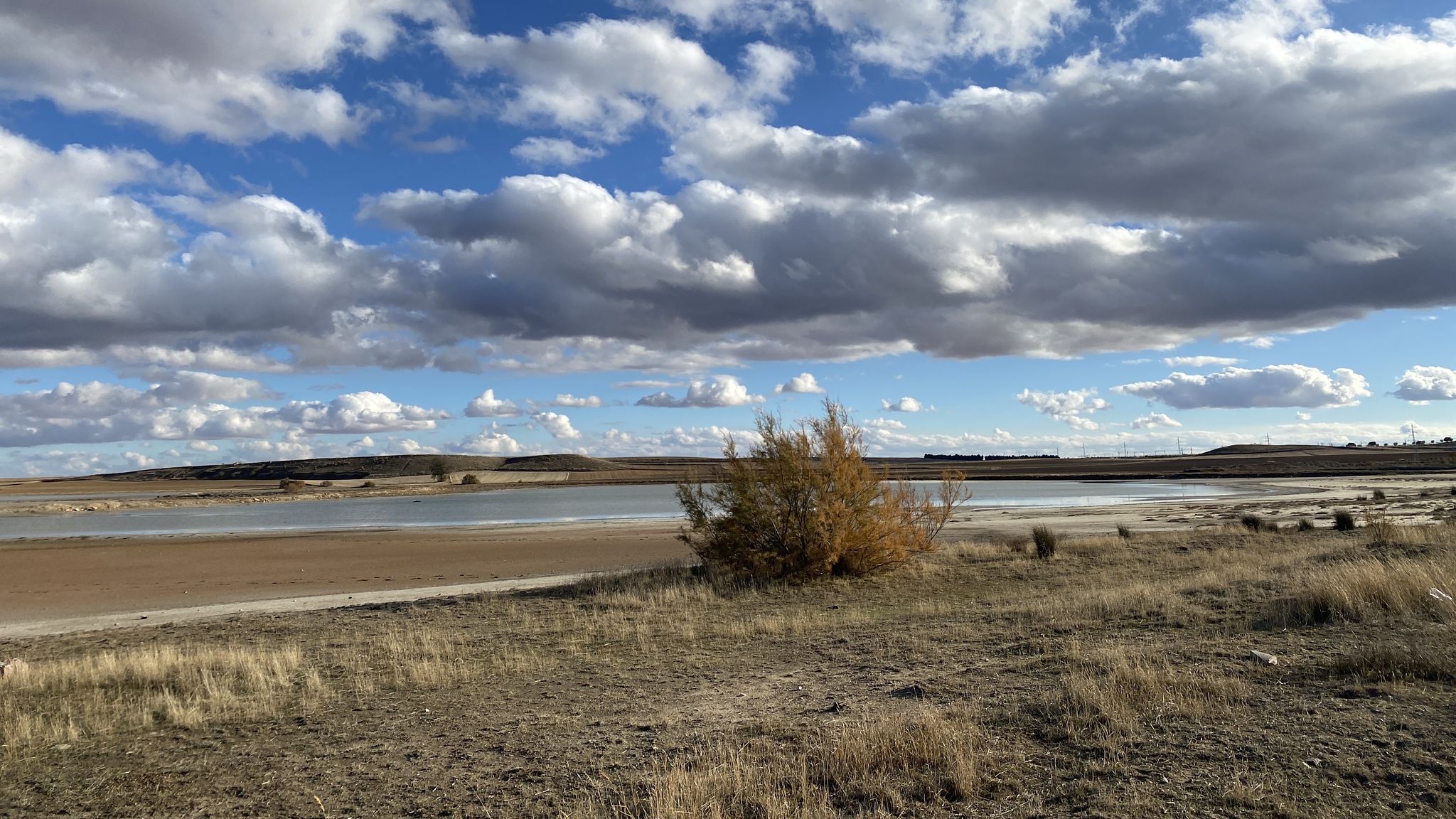
An adventure through La Mancha’s wetlands – discover an oasis
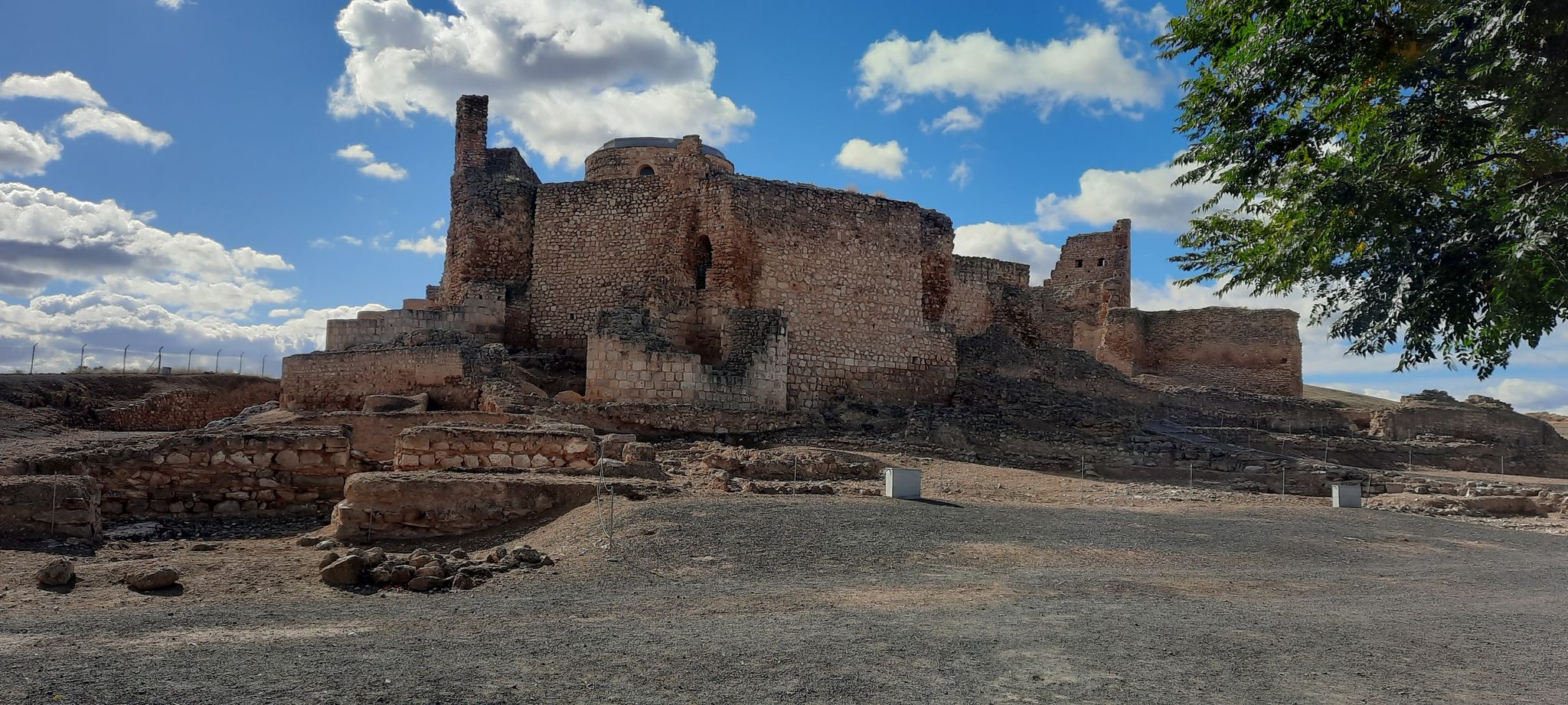
Old volcanoes and castles – bikepacking through Campo de Calatrava
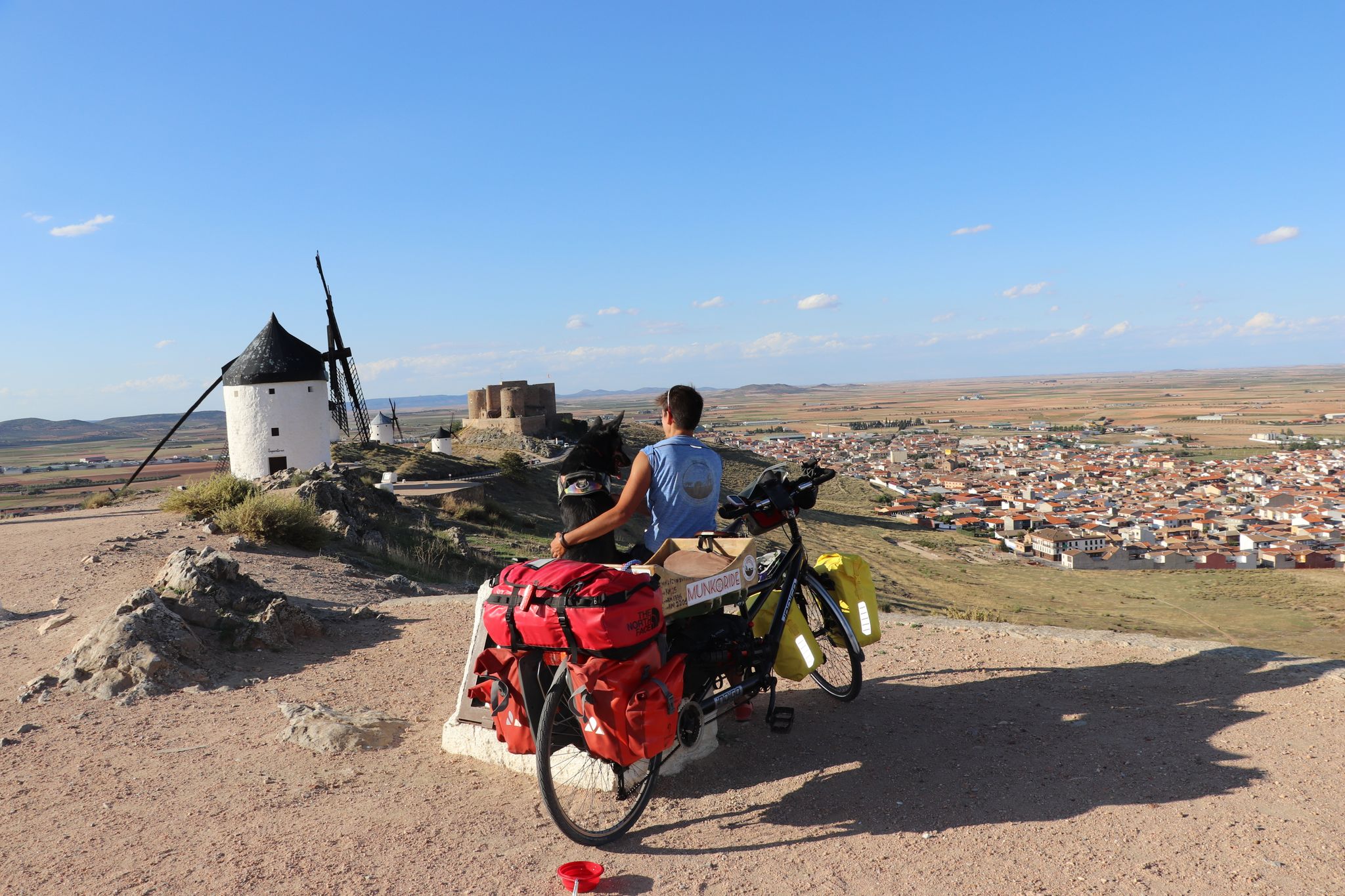
Cycle among the Giants of La Mancha in Spain – Route of Don Quixote
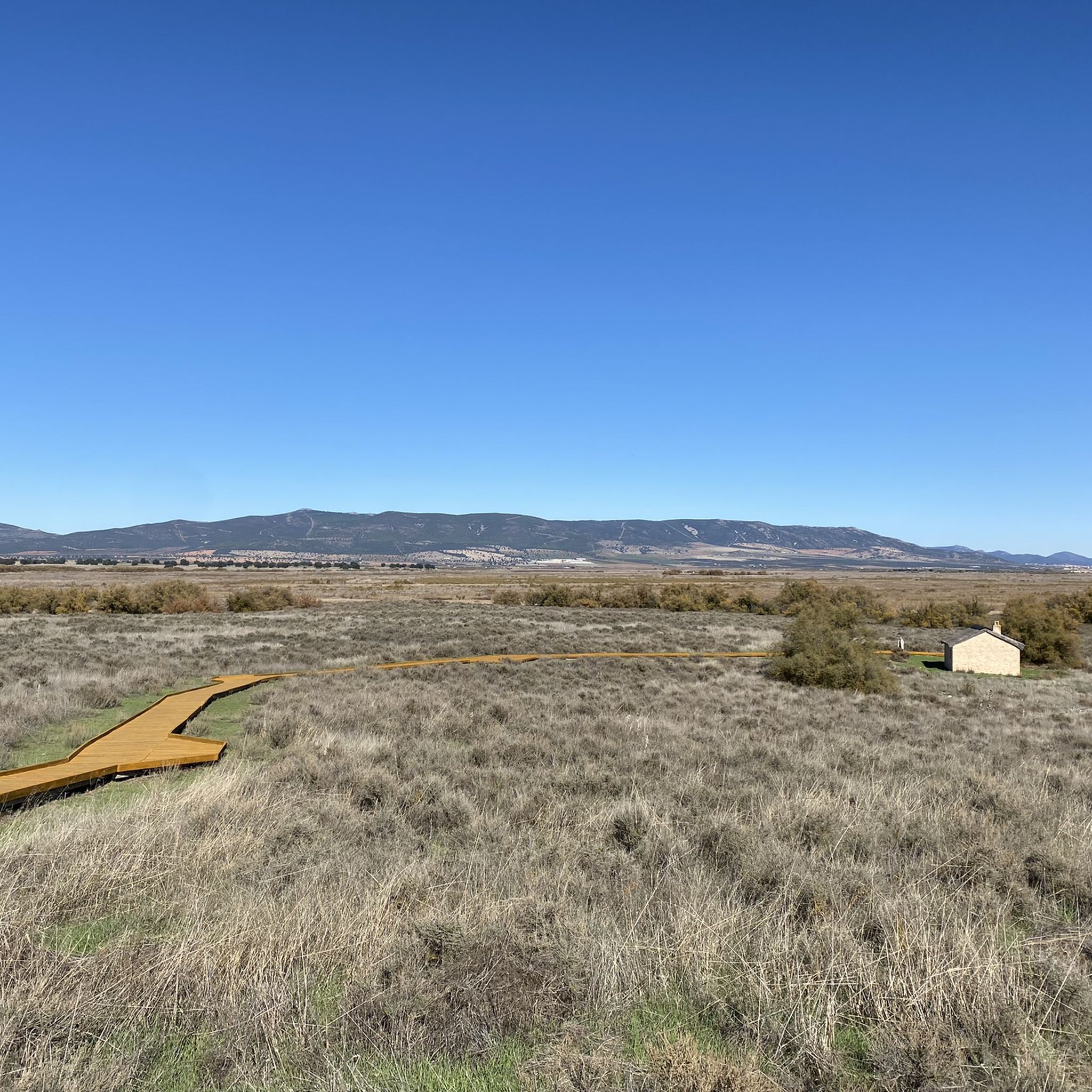
Hiking around Mancha
Other adventures around Mancha


Tips from the Community

Return to the town of Campo de Criptana
0
0

The Valdepeñas Ornamental Fountain is located in the Plaza de España, the historic heart of the town. It is one of the city's most emblematic features and stands out for its design and symbolism: Design: A very beautiful ornamental fountain, considered a visual symbol of the square. Setting: Surrounded by historic buildings such as the Church of the Assumption and the neoclassical Town Hall. The square is characterized by traditional white and indigo arcades. In 2017, the flowerbeds were redesigned, and a permeable fixed aggregate was installed to preserve the design and reduce maintenance.
10
0
In Las Tablas de Daimiel National Park, there are several wildlife observatories where you can enjoy bird and animal watching. Observatories at the Permanent Lagoon: This 800-meter linear trail takes you to a lagoon from whose observatories you can see various aquatic birds depending on the season. Observatories on the Prado Ancho Tower Route: This 4-kilometer trail includes four wildlife observatories and ends at a two-story tower that offers impressive panoramic views of the wetland. Observatories on the Bread Island Route: This 2.5-kilometer circular trail is the most popular in the park and has several observatories where you can see ducks and other aquatic birds.
30
0

Beautiful castle ruins on top of the swamp
0
0
La Laguna del Rey is one of the most outstanding lagoons in the Lagunas de Ruidera Natural Park, located in Castilla-La Mancha. This lagoon is known for being one of the largest and deepest in the lagoon complex. La Laguna del Rey is ideal for water sports such as canoeing and paddle surfing. Its natural surroundings and crystal-clear waters make it a perfect place to relax and enjoy nature.
7
0
In 1925 this mill was still in operation. The neighbours could access it to grind wheat, either via the horse trail located on its eastern side, or via the road called La Nava for carts. This mill also had a nearby building, the miller's hut, and a dividing wall was also built to allow livestock to be kept.
8
0

The mills in La Mancha are the quintessential sign of identity of this beautiful land. Strategically located at any elevation of the land to take advantage of the prevailing wind, they are part of the La Mancha landscape and universal heritage.
1
0
These iconic mills are symbols of Campo de Criptana and all of Castilla-La Mancha. Its blades preside over the life of the town of La Mancha from above. The mills are of the “tower” type, built in masonry and whitewashed with lime. They have a circular plan pierced with small windows, which served as a guide for the orientation of the wind. This indicated where to turn the conical cover so that its blades could take advantage of the wind as desired. Each mill has three floors: the upper one with the grinding stones and the lower ones for storage and packaging. The oldest mills, such as the Sardinero, Burleta and Infante, have been standing since the 16th century and preserve their original mechanism. There are also more modern mills, such as the Inca Garcilaso, the Cariari, the Vicente Huidobro, the Pilón, the Lagarto, the Culebro and the Poyatos, which date back to 1900. Currently, some of these mills can be visited, such as the Molino Infante, the Burleta, the Culebro (which houses the Sara Montiel Museum), the Quimera (which houses the town's Holy Week Museum) and the Poyatos Mill (current tourist information point). The others are closed to the public. I hope you enjoy exploring these iconic windmills! 😊
8
0
Frequently Asked Questions
What historical sites and cultural attractions can I explore in Mancha?
Mancha is rich in history and culture. You can visit the UNESCO World Heritage City of Toledo, home to an impressive Cathedral and the Alcázar. Cuenca is famous for its unique "Hanging Houses" and medieval old town. Don't miss Almagro's Corral de Comedias, the oldest theater in Spain. The region also boasts numerous castles like Peñarroya Castle, Belmonte Castle, and Alarcón Castle, as well as Roman ruins at the Archaeological Park of Segóbriga.
Where can I experience the iconic Don Quixote windmills in Mancha?
The iconic windmills, famously associated with Don Quixote, are a must-see. You can find them perched atop Calderico Hill in Consuegra, offering panoramic views. Another excellent location is the Windmills of Campo de Criptana, where some mills still preserve their original 16th-century mechanisms. You can also visit the Sierra de los Molinos Windmills and Puerto Lápice Windmills.
Are there any natural parks or significant natural features to visit in Mancha?
Yes, Mancha offers several stunning natural parks. The Tablas de Daimiel National Park is a crucial wetland ecosystem, perfect for nature enthusiasts and birdwatching. Other notable parks include Cabañeros National Park, known for its Mediterranean forest, Ruidera Lakes Natural Park with its interconnected lakes and waterfalls, and Serranía de Cuenca Natural Park, featuring the unique "Enchanted City" rock formations. The Laguna Grande de Villafranca is also a popular recreational spot.
What kind of outdoor activities can I do near Mancha's attractions?
Mancha offers a variety of outdoor activities, especially hiking and cycling. Near the natural parks, you'll find numerous trails. For instance, around the Ruidera Lakes Natural Park, you can enjoy routes like the "Lagunas del Rey y de la Colgada" loop. The Tablas de Daimiel National Park also has easy walking paths such as the "Itinerario de la Isla del Pan." For more options, explore the hiking routes around Mancha or MTB trails around Mancha.
Are there family-friendly attractions in Mancha?
Many attractions in Mancha are suitable for families. The iconic windmills, such as the Windmills of Campo de Criptana, offer an engaging historical experience. Natural parks like Tablas de Daimiel National Park and Ruidera Lakes Natural Park provide easy trails and opportunities for wildlife spotting. Historical sites like Peñarroya Castle and the Church of the Santísimo Cristo del Valle are also generally accessible and interesting for all ages.
What is the best time to visit Mancha for outdoor activities?
The best time to visit Mancha for outdoor activities is typically during spring (April to June) and autumn (September to October). During these seasons, the weather is milder and more pleasant for hiking, cycling, and exploring natural parks. Summers can be very hot, especially in July and August, while winters are generally cool.
Where can I find unique cultural experiences or local crafts in Mancha?
For unique cultural experiences, consider visiting Toledo to witness traditional damasquinado craftsmanship and sword-making workshops. Almagro's Corral de Comedias hosts the International Festival of Classical Theater, offering a glimpse into Spain's theatrical heritage. The Saffron Museum in Madridejos provides insight into the region's historical saffron production. You can also follow parts of the Don Quixote's Route to immerse yourself in the landscapes that inspired Cervantes.
Are there any easy walking trails suitable for beginners or families in Mancha?
Yes, several easy walking trails are available. The Tablas de Daimiel National Park offers accessible routes like the "Itinerario de la Isla del Pan," which is less than 3 km long and rated easy. The Ruidera Lakes Natural Park also has gentle paths around its lagoons, such as the "Ribera de la Laguna del Rey" loop, which is about 4 km. These trails are ideal for a relaxed stroll and enjoying nature.
What are some lesser-known natural gems or hidden outdoor spots in Mancha?
Beyond the major national parks, consider exploring the "Enchanted City" (Ciudad Encantada) rock formations within the Serranía de Cuenca Natural Park for a unique geological experience. El Hosquillo Park, also in Serranía de Cuenca, is a wildlife conservation area. The "Ventano del Diablo" natural viewing point offers breathtaking vistas. The Alto Tajo Natural Park, characterized by its gorges, provides stunning natural scenery away from the more frequented areas.
Can I find accommodation or dining options near the main attractions?
Yes, most major attractions and natural parks have nearby towns or villages offering accommodation, cafes, and restaurants. For instance, towns like Consuegra, Daimiel (near Tablas de Daimiel), and Ruidera (near Ruidera Lakes) provide various options for visitors. Larger cities like Toledo and Cuenca have a wide range of hotels and dining establishments to suit all preferences.
What are the best places for wildlife spotting in Mancha?
Mancha is an excellent region for wildlife spotting, particularly in its natural parks. The Tablas de Daimiel National Park is a vital wetland for migratory birds and diverse Iberian fauna. Cabañeros National Park is known for its rich biodiversity, including deer, wild boar, and various bird species. The Valle de Alcudia and Sierra Madrona Natural Park also showcases a complete representation of the Mediterranean peninsular forest, offering opportunities to observe local wildlife.
Most popular routes around Mancha
Most popular attractions around Mancha

Get inspired with the komoot mobile app


Didn’t find what you were looking for?
Are you keen on exploring more awesome places nearby? Browse our guides:
Explore more
Still not found the Highlight you’re looking for? See guides of the top attractions in other regions:
