Attractions and Places To See around Sagra-Toledo - Top 20
Best attractions and places to see around Sagra-Toledo include a rich tapestry of historical, cultural, and natural sites. The city of Toledo, a UNESCO World Heritage site, showcases a blend of Christian, Muslim, and Jewish influences. The broader La Sagra region features a cultivated landscape with cereal steppes, small Mediterranean forests, and riverside areas along the Tagus and Guadarrama rivers. This area offers a variety of landmarks, natural features, and cultural sites for exploration.
Best attractions and places to see…
Last updated: July 20, 2026
Toledo Cathedral
Highlight • Religious Site
Translated by Google •
Tip by

El Arco de la Sangre, unique gate with statue
Highlight • Monument
Translated by Google •
Tip by

Sign up now to discover places like this
Get recommendations on the best single tracks, peaks, & plenty of other exciting outdoor places.
Sign up for free
San Martín Bridge
Highlight • Bridge
Destroyed in the …
Translated by Google •
Tip by
Alcántara Bridge
Highlight • Bridge
Originally built by …
Translated by Google •
Tip by
Bisagra Gate
Highlight • Historical Site
Translated by Google •
Tip by
Public Fountain (Parking lots)
Highlight • Viewpoint
It is located on the Circunvalación …
Translated by Google •
Tip by
Mosque 🕌 Hermitage of Cristo de la Luz, Toledo
Highlight • Religious Site
Translated by Google •
Tip by
Palacio de Galiana
Highlight • Historical Site
Translated by Google •
Tip by

El Tránsito Synagogue and Sephardic Museum
Highlight • Religious Site
Translated by Google •
Tip by
Puñoenrostro Castle
Highlight • Castle
Built …
Translated by Google •
Tip by
Sign up for free to discover even more attractions around Sagra-Toledo.
Sign up for free
Already have an account?
Start today with a free account
Your next adventure awaits.
Login or Signup
Popular around Sagra-Toledo
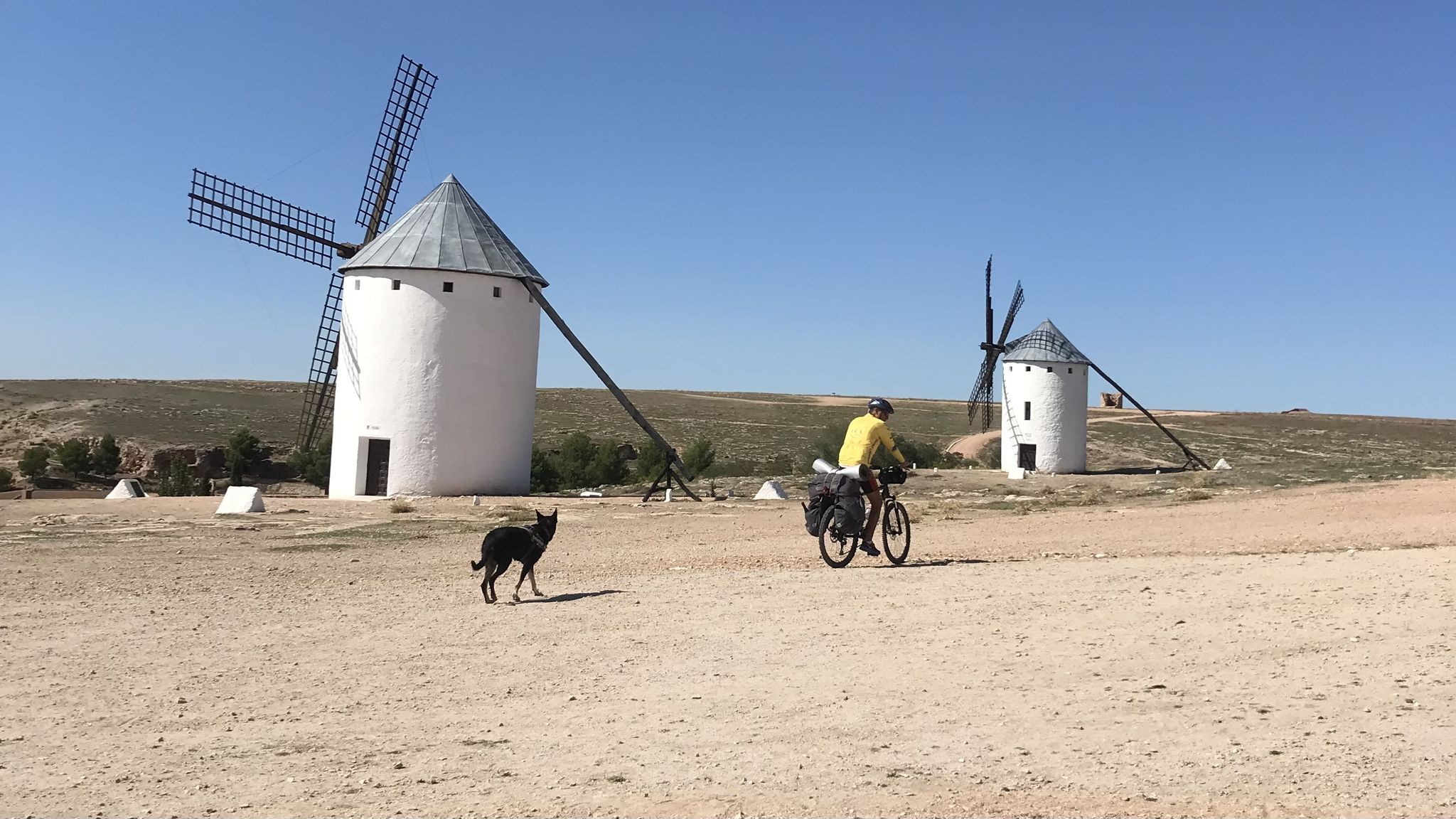
Don Quixote's route – The knight of the sorry face

Around the World in 80 Days
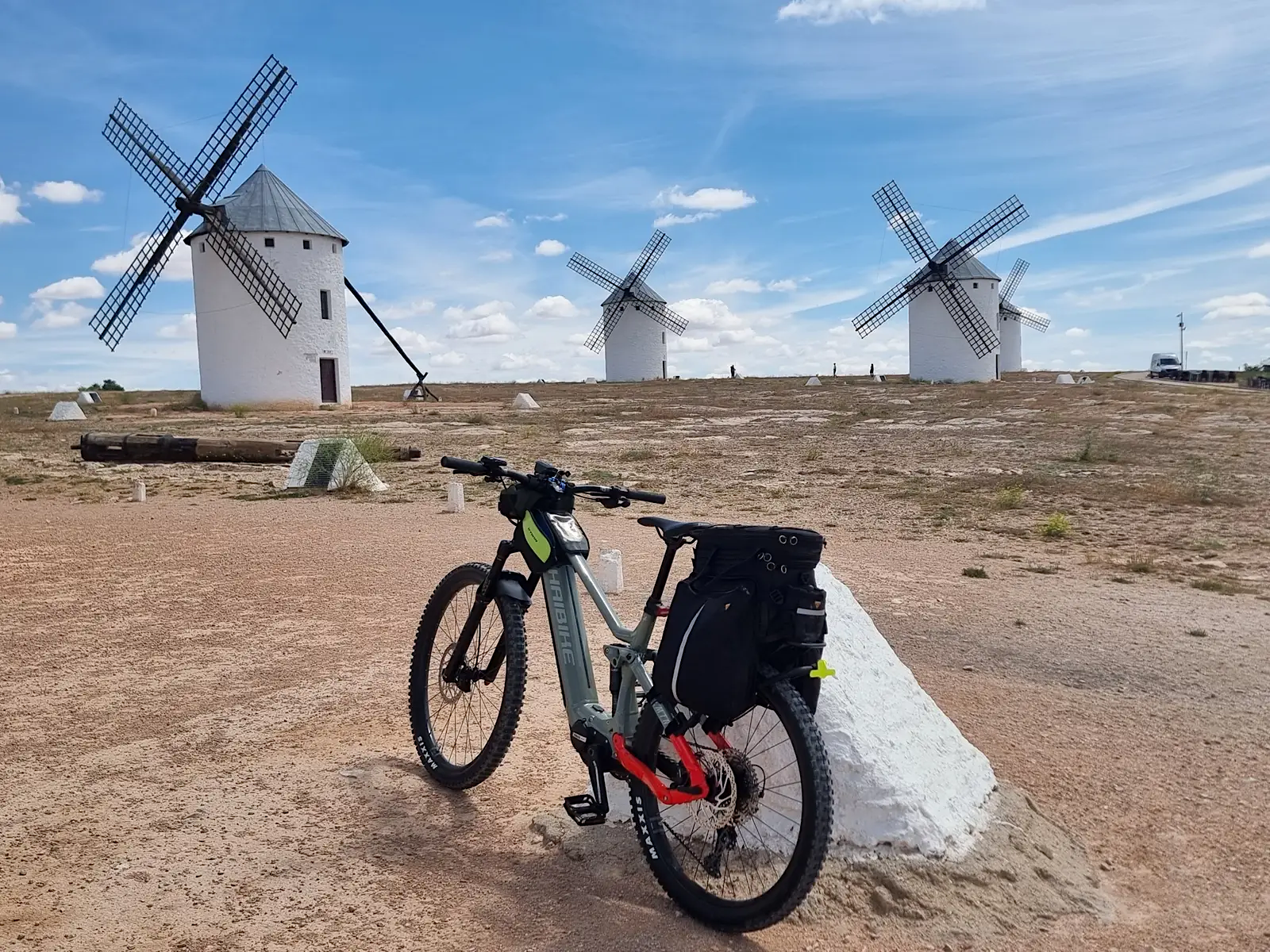
Route of Don Quixote – cycling between rivers, lagoons and hills
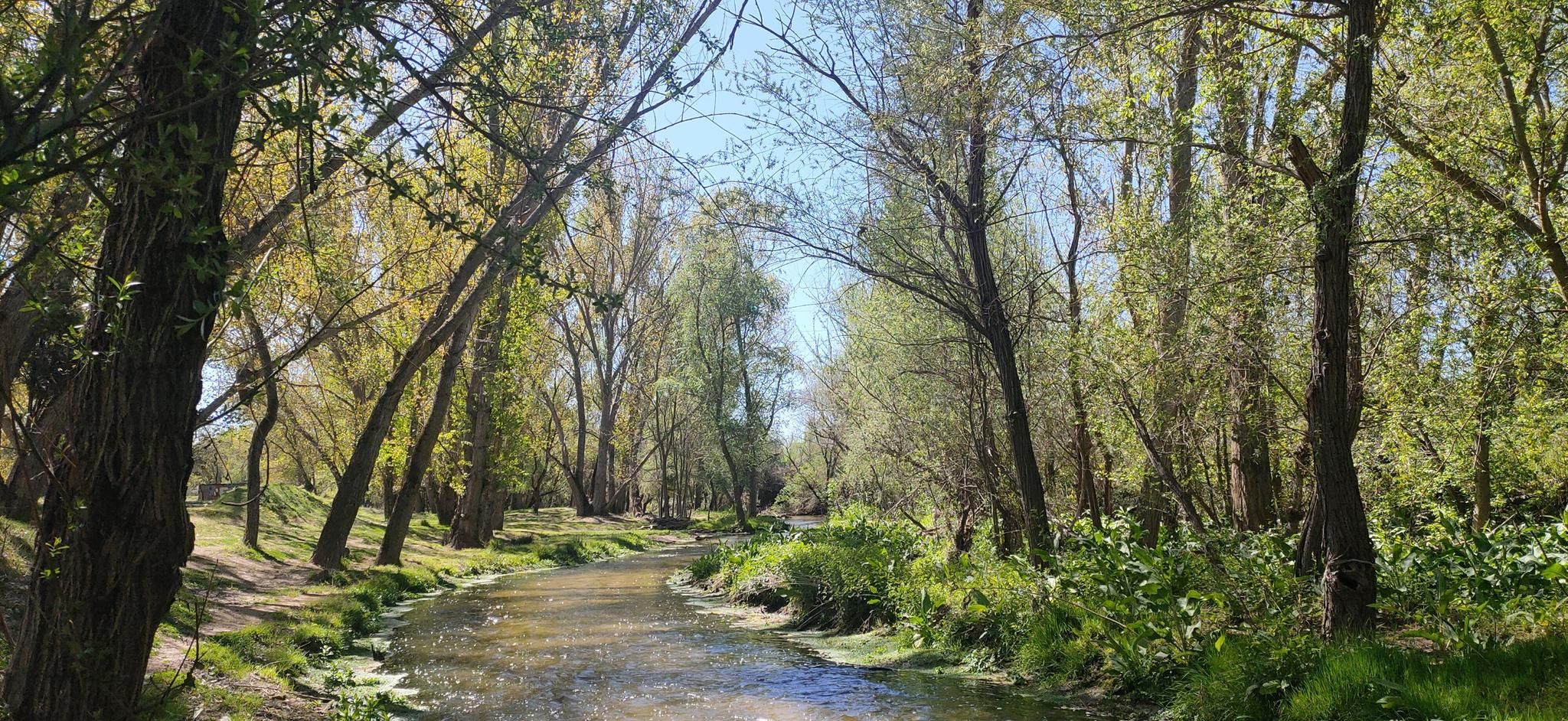
Hidden treasures in the river – hike along Spain’s Guadarrama River
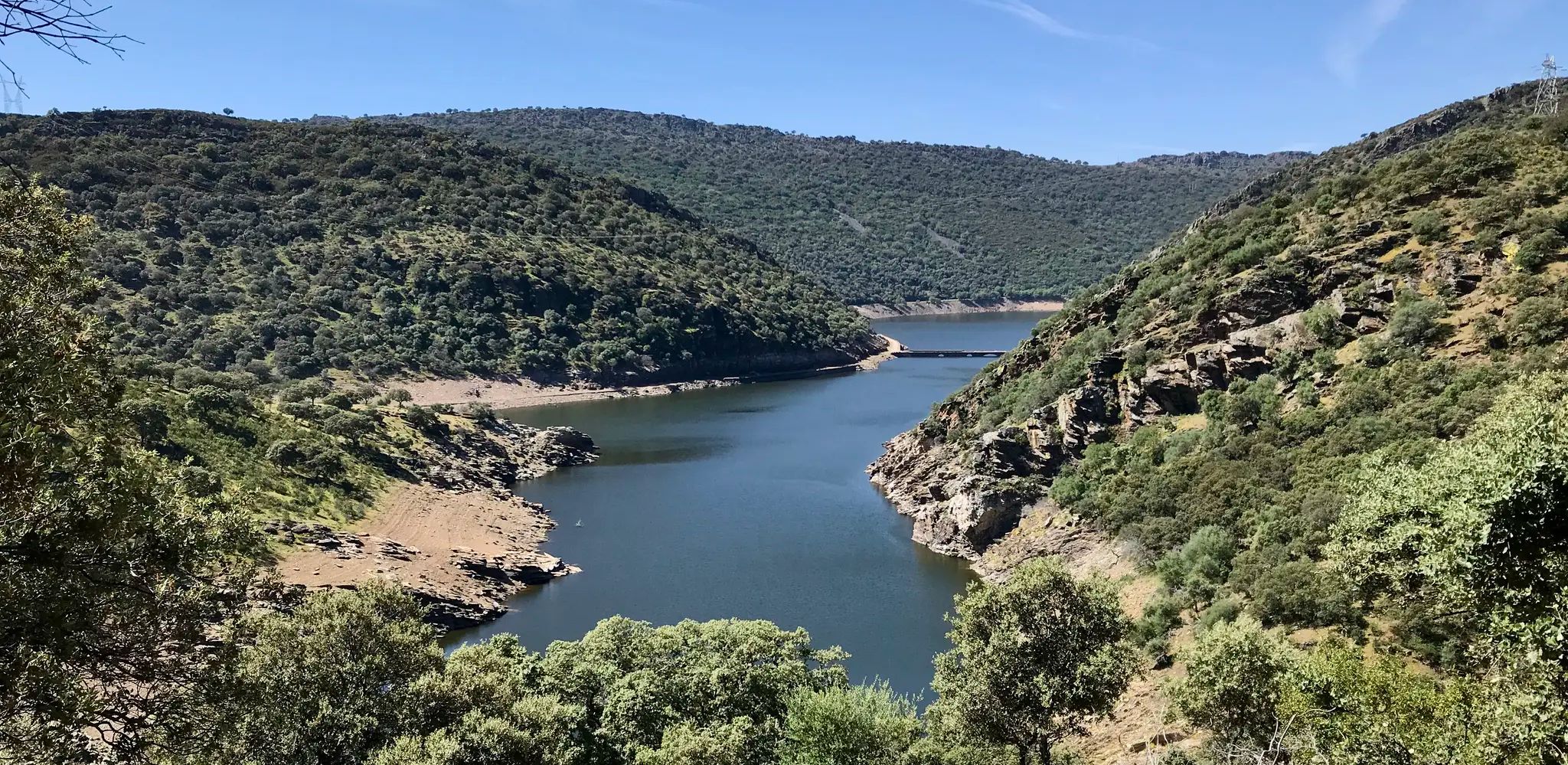
Toledo to Cedillo – Camino Natural del Tajo West
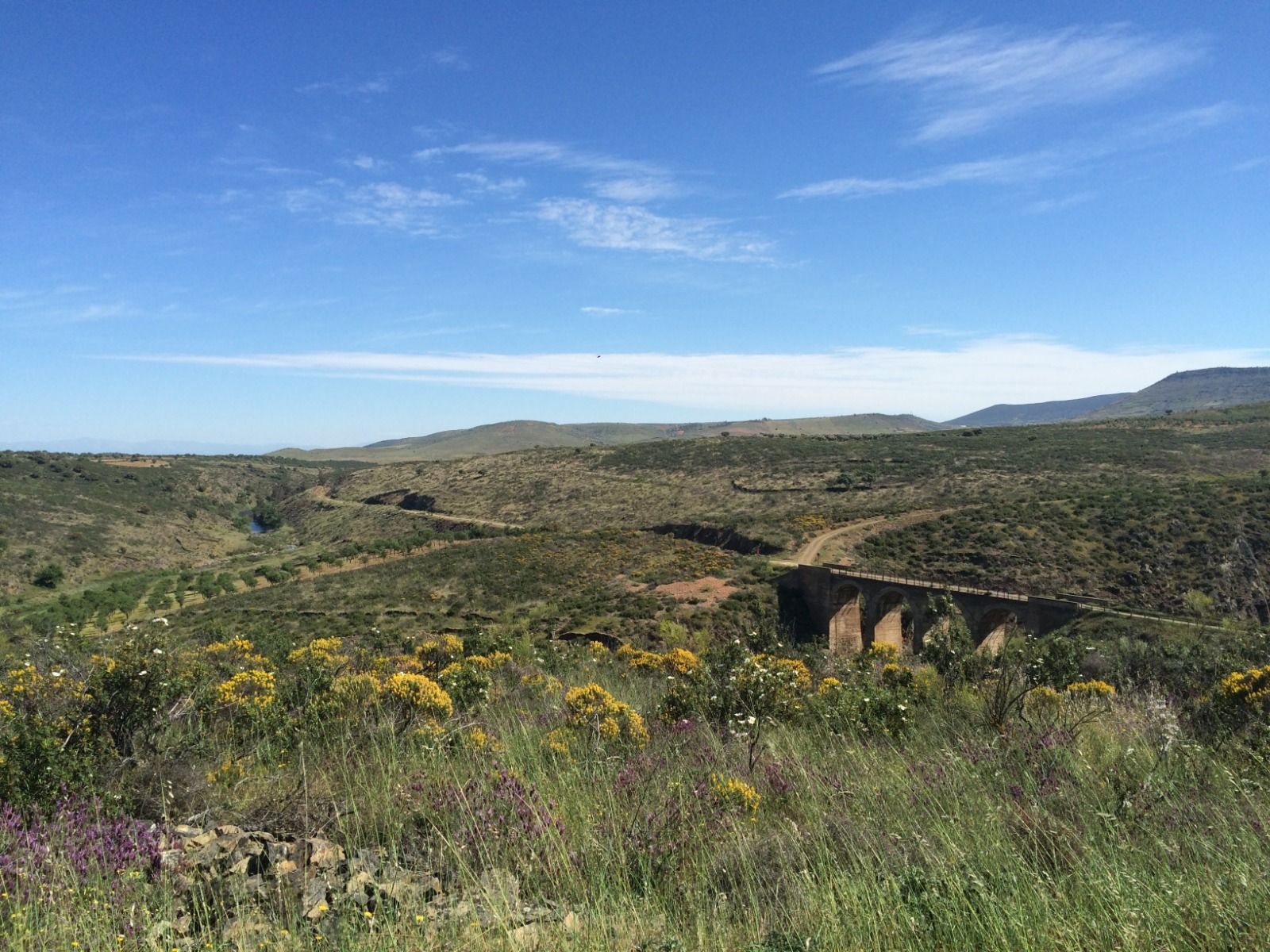
A gravel pilgrimage – Toledo to Guadalupe (GR 166)
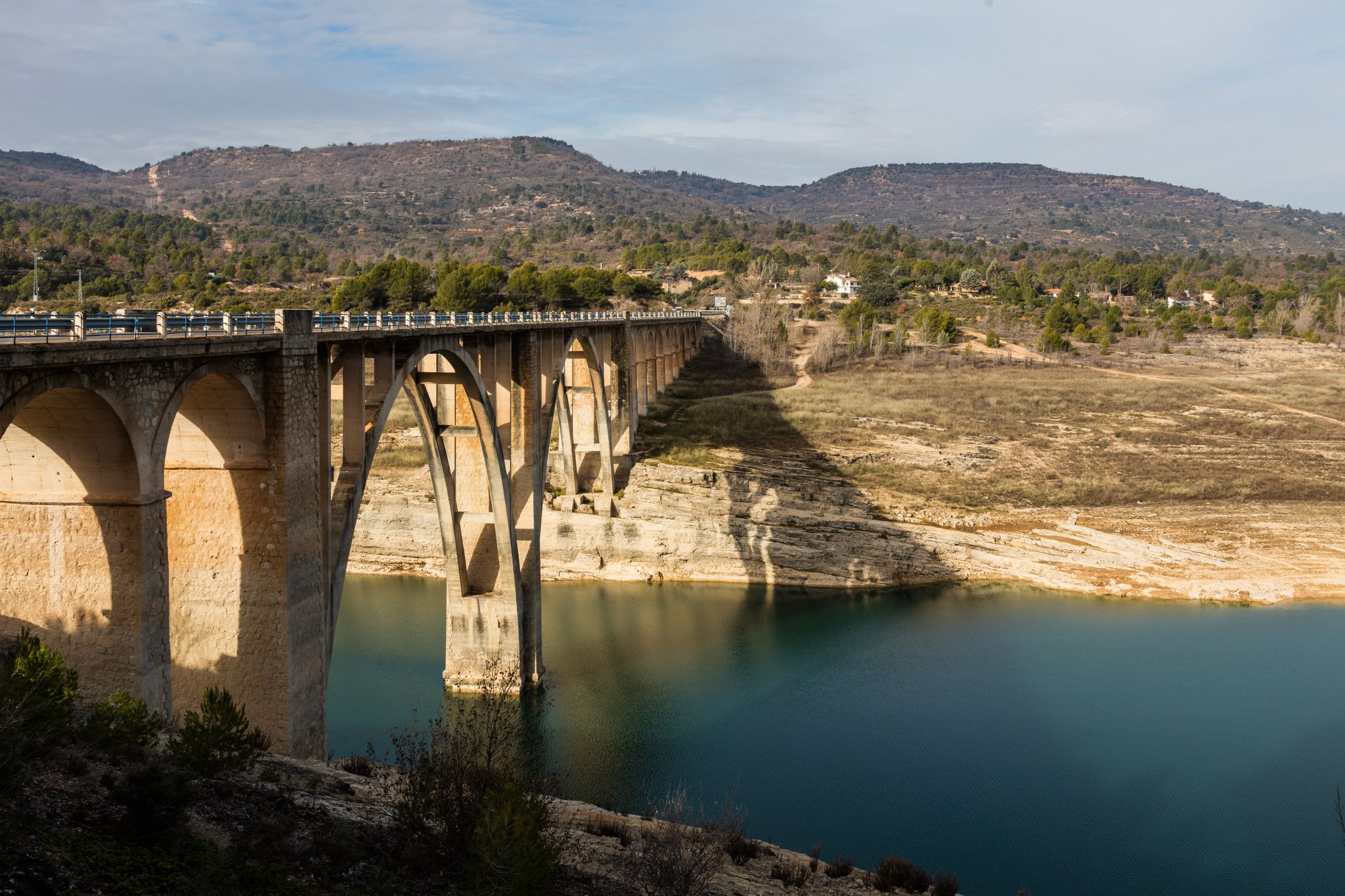
A journey on the Iberian Peninsula – Tagus Nature Trail
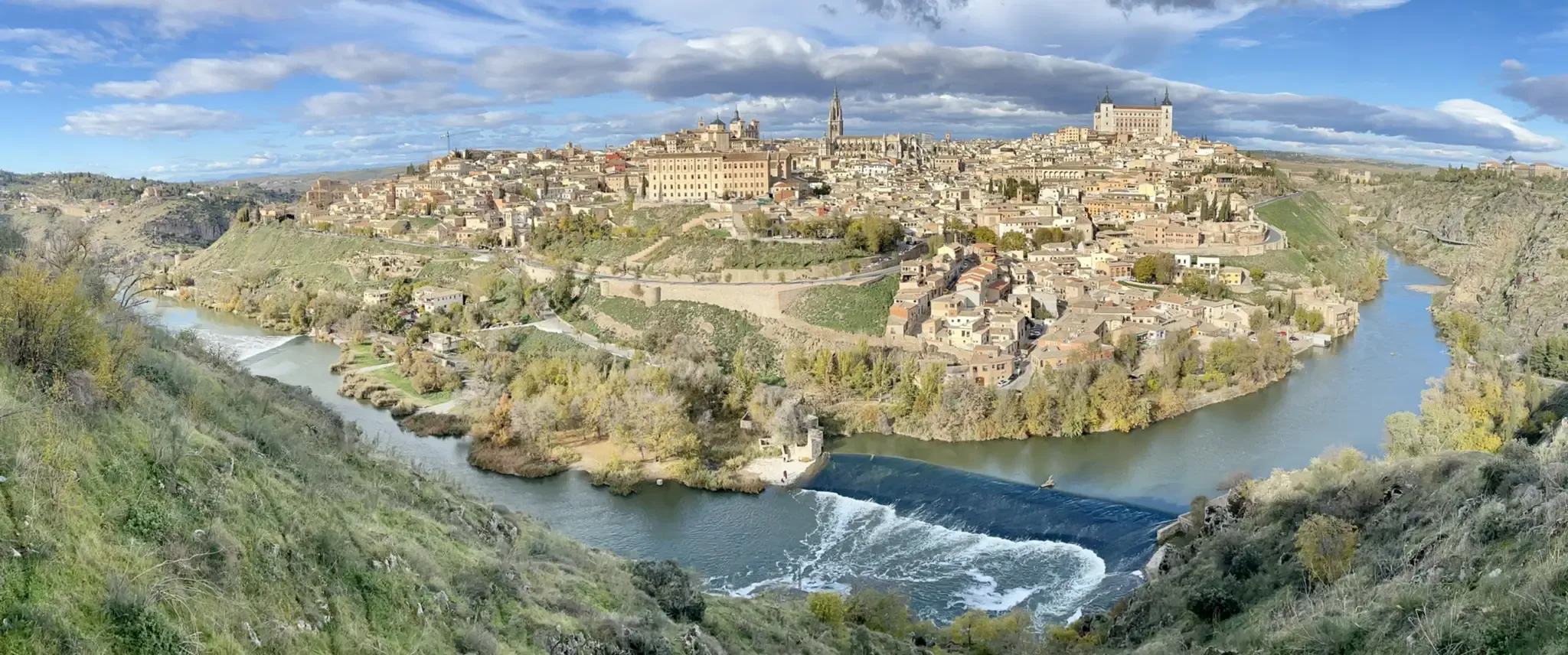
A journey to the interior of the Iberian Peninsula – Levante Way (GR 239)
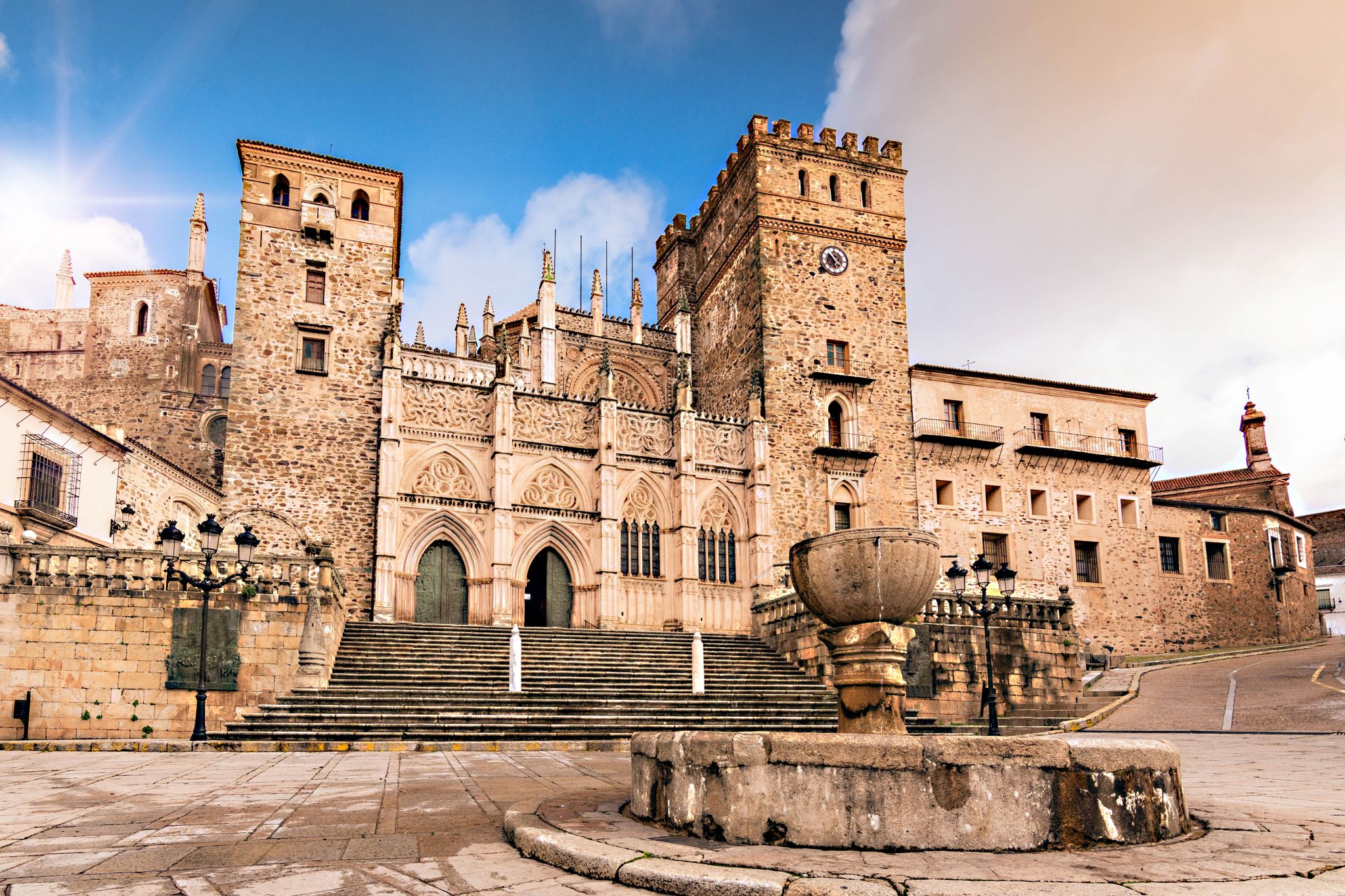
A Spanish pilgrimage by bicycle — the royal road to Guadalupe
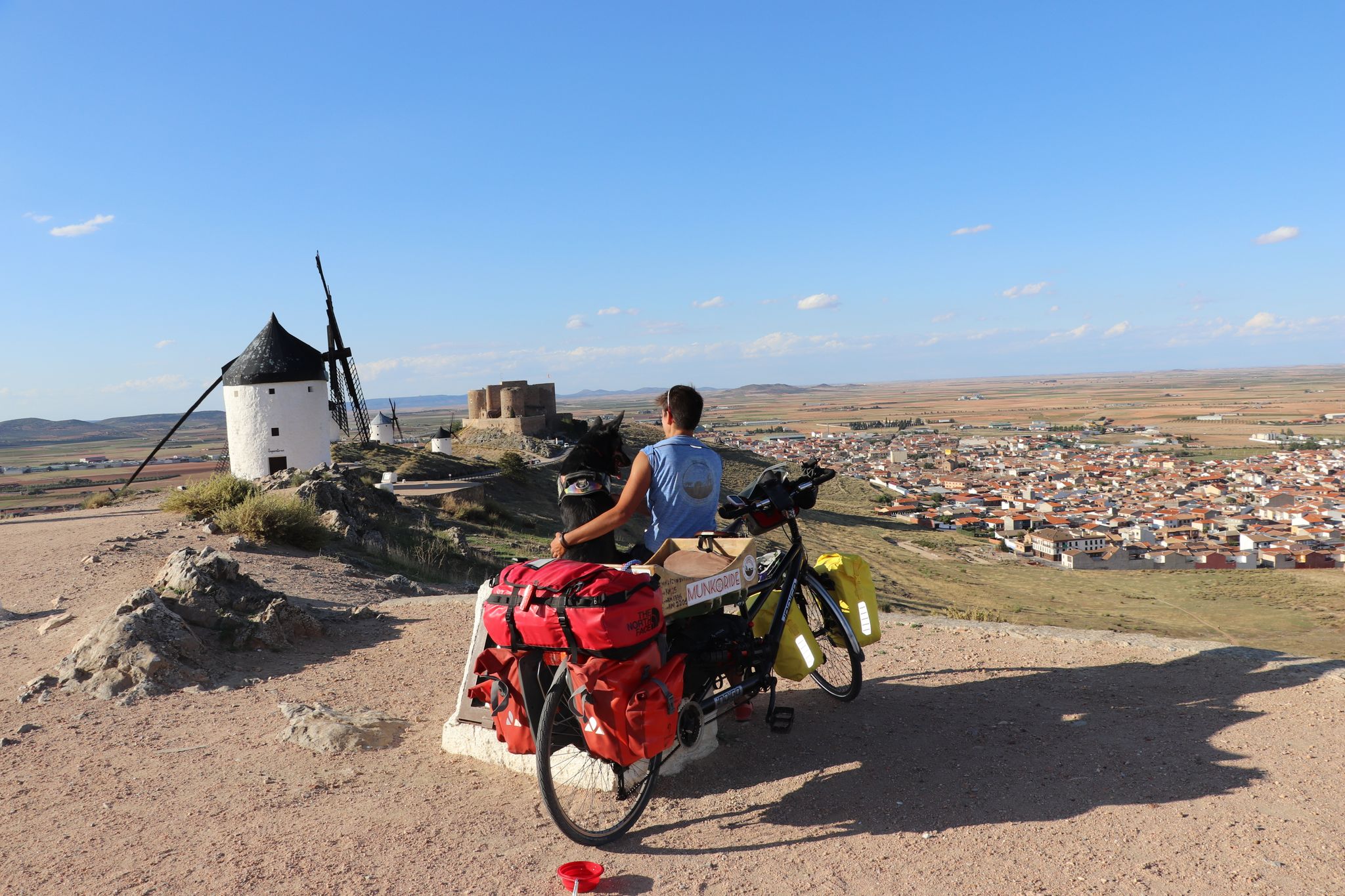
Cycle among the Giants of La Mancha in Spain – Route of Don Quixote
Other adventures around Sagra-Toledo


Tips from the Community

How beautifully the Tagus winds around Toledo
8
1

The Castle of Puñoenrostro (also known as the Castle of Seseña) is an imposing 14th-century fortress located in Seseña, in the province of Toledo (Spain). Declared a protected asset since 1949, it is famous for its massive Torre del Homenaje (keep) and is currently privately owned, not visitable inside.
1
0

Built in 999, this church was first a mosque and later converted into a Christian temple after the Reconquista. The main facade is made of unplastered brick and features three doorways. One has a semicircular arch, another a horseshoe arch, and the third a five-lobed arch. Above these runs a frieze of interlaced horseshoe arches, a network of lozenges, and the founding inscription. You can visit the monument from Monday to Sunday during the following hours: Summer Hours March 1 to October 15 10:00 AM – 6:45 PM Winter Hours October 16 to February 28 10:00 AM – 5:45 PM Prices vary, and there is also the option to purchase a tourist bracelet that includes other monuments, thus reducing the price.
1
0

The large archway in the middle of the building is the Arco de la Sangre (Arch of Blood).
1
0

The Bisagra Gate is one of Toledo's most iconic monuments and a monumental entrance to its historic center. Muslim Origin: The original gate, known as the Old Bisagra Gate or Bab al-Saqra ("Sacred Gate"), was built in the 9th century during Islamic rule. Renaissance Reconstruction: In the 16th century, under the reigns of Charles V and Philip II, the New Bisagra Gate was built, the gate that remains today. Construction began around 1540 and was completed in 1576. Notable Architects: Alonso de Covarrubias, Nicolás de Vergara the Elder, Juan de Benavides, Eugenio Sánchez, among others, participated.
10
0
Toledo Cathedral, also known as the Primate Cathedral of Spain, is one of the masterpieces of Gothic art in Europe and a symbol of the city. Its construction began in 1226 during the reign of Ferdinand III and lasted for more than two centuries. It is dedicated to Saint Mary and stands on the site of an old mosque, which in turn was built on the site of a Visigothic church.
12
0
Puñoenrostro Castle is an impressive medieval fortress located in Seseña (Toledo), although it is also associated with Torrejón de Velasco (Madrid) due to its proximity and recent restoration projects. Built in the 14th century, it was granted by Henry IV to Diego Arias de Ávila, his accountant and secretary. His descendants were named Counts of Puñoenrostro under Charles I. In 1862, the castle was sold along with its pastureland.
15
0
The Alcántara Bridge is one of Toledo's most iconic monuments, with a history dating back to Roman times and an architecture that has evolved over the centuries. Originally built by the Romans in the 3rd century AD, as part of the network of roads that connected the Empire. Its name comes from the Arabic "al-qanṭarah," meaning "the bridge," given by the Muslims after its reconstruction in the 10th century.
10
0
Frequently Asked Questions
What historical sites should I visit in Sagra-Toledo?
Sagra-Toledo is rich in history, reflecting its 'City of Three Cultures' heritage. Key historical sites include the magnificent Toledo Cathedral, a Gothic masterpiece, and the ancient Alcántara Bridge with Roman origins. Don't miss the Mosque of Cristo de la Luz, Toledo's oldest monument, or the iconic Bisagra Gate, a monumental entrance to the historic center.
Are there any natural features or viewpoints to explore around Sagra-Toledo?
Yes, the region offers stunning natural beauty and panoramic views. The Mirador del Valle (listed as Public Fountain (Parking lots) in our highlights) provides spectacular panoramic views of the entire historic city of Toledo with the Tagus River winding below. You can also explore the Tagus River banks for ecological walks or venture to the Montes de Toledo, where Noez Peak offers a high vantage point.
What outdoor activities can I do near these attractions?
The Sagra-Toledo region is excellent for outdoor enthusiasts. You can find numerous cycling routes, such as the 'Toledo and Tajo Nature Trail Loop' or 'La Sagra Villages Loop'. For road cycling, consider routes like 'Between Toledo and Madrid – circular from Valmojado to Navalcarnero'. Gravel biking options include the 'Alcántara Bridge – View of the Palacio de Galiana loop from Toledo'. You can find more details and routes on our dedicated guides for cycling, road cycling, and gravel biking around Sagra-Toledo.
Are there family-friendly attractions in Sagra-Toledo?
Many attractions in Sagra-Toledo are suitable for families. The historic bridges like San Martín Bridge and Alcántara Bridge are great for exploring. The Mirador del Valle viewpoint offers a memorable experience for all ages. The Old Town of Toledo itself, a UNESCO World Heritage Site, is a fascinating place to wander with children, offering a maze of narrow streets and historical discoveries.
What cultural experiences does Sagra-Toledo offer beyond historical buildings?
Beyond its impressive architecture, Sagra-Toledo offers rich cultural experiences. The city is famous for its traditional crafts, including sword-making, which you can often see in artisan shops. The Jewish Quarter, with sites like the Synagogue of Santa María la Blanca and El Tránsito Synagogue, provides insight into the region's multi-faith history. Additionally, the city's gastronomy, featuring dishes like *migas* and *mazapanes*, offers a delicious cultural immersion.
What is the significance of the 'City of Three Cultures' in Toledo?
Toledo is famously known as the 'City of Three Cultures' because Christians, Muslims, and Jews coexisted there for centuries, leaving an indelible mark on its architecture, art, and traditions. This blend is evident in sites like the Toledo Cathedral (built on a former mosque site), the ancient Mosque of Cristo de la Luz, and the historic synagogues like Santa María la Blanca and El Tránsito, all within the city's old town.
Are there any unique monuments or statues to see?
Yes, beyond the grand historical structures, you can find unique monuments. For instance, the Monument to Federico Martín Bahamontes, dedicated to the famous cyclist, is a notable man-made monument. The El Arco de la Sangre is a unique archway with a statue, offering a glimpse into the city's ancient past and providing a charming passage towards the Alcántara bridge.
What is the best way to experience the panoramic views of Toledo?
The most iconic way to experience the panoramic views of Toledo is from the Mirador del Valle. Located on the Circunvalación Highway across the Tagus River, it offers a complete frontal view of the city, including the Alcázar, the Primate Cathedral, and both the Alcántara and San Martín bridges. Many visitors find this spot ideal for photography, especially at sunrise or sunset.
What is the Palacio de Galiana and can I visit it?
The Palacio de Galiana is a historical site and castle located near Toledo. It is an 11th-century Mudéjar palace, known for its beautiful gardens and views over the Tagus River. While it is a private property, it is occasionally open for events or guided tours, offering a glimpse into Islamic architecture and garden design in Spain.
What is the broader La Sagra region known for?
The broader La Sagra region, situated between Madrid and Toledo, is characterized by its generally flat, cultivated landscape. Historically known as 'Al-Saqra' or 'cultivated field,' it features cereal steppes, small Mediterranean forests, gypsum hills, and riverside forests along the Guadarrama and Tagus rivers. It's an area that offers a different perspective of the Spanish countryside compared to the historic city of Toledo.
Are there any UNESCO World Heritage sites in the Sagra-Toledo area?
Yes, the entire historic city of Toledo is a UNESCO World Heritage site. It was designated for its extensive monumental and cultural heritage, which reflects the city's long history as a melting pot of Christian, Muslim, and Jewish cultures. You can find more information about its designation on the UNESCO website.
Most popular routes around Sagra-Toledo
Most popular attractions around Sagra-Toledo

Get inspired with the komoot mobile app


Didn’t find what you were looking for?
Are you keen on exploring more awesome places nearby? Browse our guides:
Explore more
Still not found the Highlight you’re looking for? See guides of the top attractions in other regions:
