Attractions and Places To See around Avila - Top 20
Best attractions and places to see around Avila include a UNESCO World Heritage city known for its well-preserved medieval architecture and significant cultural sites. Located in the Castile and León region, Avila is often referred to as the "City of Saints and Stones." The city is situated next to the Adaja River, with the Sierra de Gredos offering natural beauty nearby.
Best attractions and places to see around Avila
- The most popular attractions is Ávila City Walls (North Section), a man-made monument that stretches for over 2.5 kilometers. These medieval walls are among the best-preserved in Europe, featuring 88 towers and nine gates.
- Another must-see spot is Plaza del Mercado Chico, a historical site that has been the heart of Avila since Roman times. This square remains a lively gathering place with arcades and historic buildings, including the city hall.
- Visitors also love Old Roman bridge over the Adaja River, a historical bridge that connects the city with the opposite bank. This stone bridge, visible today, dates back to the 12th century and provides an impressive welcome to the old town.
- Avila is known for its medieval architecture, historical sites, and natural viewpoints. Visitors can explore a variety of attractions, from ancient city walls to Romanesque churches and scenic river crossings.
- The attractions around Avila are appreciated by the komoot community, with 38 upvotes and 26 photos shared by visitors.
Last updated: August 30, 2026
Ávila City Walls (North Section)
Highlight • Monument
Translated by Google •
Tip by

Walls of Ávila
Highlight • Monument
Showing Translation
Tip by

Sign up now to discover places like this
Get recommendations on the best single tracks, peaks, & plenty of other exciting outdoor places.
Sign up for free
Plaza del Mercado Chico
Highlight • Historical Site
Translated by Google •
Tip by
Basilica of San Vicente of Ávila
Highlight • Religious Site
Translated by Google •
Tip by
Pico Zapatero
Highlight • Summit
Translated by Google •
Tip by

Old Roman bridge over the Adaja River
Highlight • Bridge
Translated by Google •
Tip by
Church of San Pedro Apóstol (Ávila)
Highlight • Religious Site
It has a Latin cross plan, with a central nave that is larger than the lateral ones. Begun in the second quarter of the 12th century and concluded in the 13th century, after a period in which the works were paralyzed, an interesting evolution is observed in architecture and decoration, the result of this extensive construction.
Translated by Google •
Tip by
Mosén Rubí Chapel
Highlight • Religious Site
Translated by Google •
Tip by

Hermitage of Nuestra Señora de las Nieves (Former Synagogue), Ávila
Highlight • Religious Site
Translated by Google •
Tip by
Puerta del Alcázar of Ávila
Highlight • Historical Site
Because there is a wide plaza in the direction of the door, its grandeur can be admired from a distance.
Translated by Google •
Tip by
Sign up for free to discover even more attractions around Avila.
Sign up for free
Already have an account?
Start today with a free account
Your next adventure awaits.
Login or Signup

Other adventures around Avila

Tips from the Community

The visit to the medieval city wall from the 11th-14th century is highly recommended with its 88 towers and 9 city gates - the entrance fee is justified, a large part of the city wall is accessible. Unfortunately, there were too few audio guides - we didn't have any. You have grandiose views of the Congress Hall, the Carmelite Convent of San José (place of activity of St. Teresa in the 16th century), the Cathedral, the Romanesque Church of San Vicente and into the nearby mountains.
0
0

The Basilica of San Vicente in Ávila is one of the finest examples of Romanesque architecture in Spain. Built between the 12th and 14th centuries, this basilica is dedicated to the martyrs Vicente, Sabina, and Cristeta. According to tradition, these brothers were martyred in 306 during the Diocletian persecution. The basilica is also known for its cenotaph, a funerary monument depicting the legend of the martyrs and the repentance of the Jew responsible for their deaths.
15
0
The Chapel of Mosén Rubí, located in Ávila, is a beautiful example of architecture that combines late Gothic and Renaissance styles. It was built in the 16th century and is dedicated to Mosén Rubí de Bracamonte, lord of Fuentesol.
3
0
The Alcázar Gate is one of the most impressive entrances to the Ávila wall. Located to the east of the walled area, it is distinguished by its two large towers, each over 20 meters high, connected by a semicircular arch. This gate was one of the first to be built, along with the San Vicente Gate, and retains its Romanesque style.
5
0
This bridge was built to facilitate crossing the Adaja River and connect the Roman city of Ávila with the opposite bank. Although only the hidden abutments on the edges of the original Roman bridge remain, the bridge visible today dates back to the 12th century.
13
0

In the Great Market Square.
3
0
I tried to visit it inside twice and both times I found it closed.
3
0
Perhaps the most beautiful gate of all those in the wall.
2
1
Frequently Asked Questions
What historical landmarks should I visit in Ávila?
Ávila is rich in history. Beyond its iconic walls, consider visiting the Basilica of San Vicente of Ávila, a prime example of Romanesque architecture. Also, the Church of San Pedro Apóstol (Ávila), located in Plaza del Mercado Grande, showcases a blend of architectural styles from the 12th and 13th centuries. For a unique historical perspective, explore the Old Roman bridge over the Adaja River, which provides an impressive welcome to the old town.
Are there any family-friendly attractions in Ávila?
Yes, Ávila offers several family-friendly spots. The Plaza del Mercado Chico is a lively gathering place with arcades and historic buildings, perfect for a stroll and enjoying local tapas. The Old Roman bridge over the Adaja River is also noted as family-friendly, offering a pleasant walk with historical significance. Walking along sections of the Ávila City Walls (North Section) can also be an engaging experience for families.
What are the best viewpoints to see the Walls of Ávila?
For the most spectacular panoramic views of Ávila, especially at sunset when the walls are floodlit, head to the Cuatro Postes (The Four Posts). This viewpoint, located just outside the city walls, is a popular spot for photography and offers an unparalleled perspective of the entire walled city.
What outdoor activities can I do near Ávila?
The area around Ávila is great for outdoor enthusiasts. You can find numerous routes for different activities. For running, explore options like the 'City of Ávila by the Río Adaja — circular' or more challenging trails like 'La Atalaya and Cueva Mingubela Loop'. Hikers can enjoy routes such as 'Southeastern Way of St. James and Teresian Route Loop' or 'Walls of Ávila and Cuatro Postes Loop'. Cyclists have a variety of road cycling routes, including the 'Sierra de Ávila and Puerto de las Fuentes Loop'. You can find more details on these and other routes on the respective guide pages for Running Trails around Avila, Hiking around Avila, and Road Cycling Routes around Avila.
Are there any natural features or wild swimming spots near Ávila?
While Ávila city is known for its architecture, the surrounding province offers natural beauty. The city itself is situated next to the Adaja River. For wild swimming, the Sierra de Gredos, particularly the Tiétar Valley, is known for its natural pools and ponds, such as those in Arenas de San Pedro and the Charca Verde de Guisando, making it a popular spot to escape the summer heat.
What cultural sites related to Saint Teresa of Ávila can I visit?
Ávila is deeply connected to Saint Teresa. You can visit the Convent of Santa Teresa, built on the site of her birthplace, which offers insights into her legacy through relics, artwork, and a peaceful chapel. Additionally, the San Juan Bautista Church holds the baptismal font where Saint Teresa of Ávila was baptized.
What is the best time of year to visit Ávila?
Ávila can be visited year-round, but spring (April-May) and autumn (September-October) generally offer pleasant weather for exploring the city's outdoor attractions like the walls. Summer can be hot, but the Sierra de Gredos offers natural pools for cooling off. The city also hosts special events like Medieval Days in September and moving Easter rituals, which might influence your visit.
Are there any hidden gems or less-known historical sites in Ávila?
Beyond the main attractions, consider exploring the Mosén Rubí Chapel, a beautiful example of late Gothic and Renaissance architecture. Another significant, though less prominent, site is the Old Synagogue of Don Samuel (also known as the Chapel of the Virgin of the Snows), which serves as an important remnant of Ávila's Jewish community.
What can I learn about Ávila's history and culture in a museum?
The Museum of Ávila houses archaeological pieces, religious art, and ethnographic elements that illustrate the history and culture of the region. For those interested in Christian mysticism, the Mysticism Interpretation Centre is highly recommended to understand its representatives in Ávila.
What do visitors enjoy most about the Ávila City Walls?
Visitors consistently praise the Ávila City Walls for their exceptional preservation and historical importance. Many recommend walking along sections of the ramparts, which offers great views over the city and surrounding countryside. The walls, with their 88 towers and nine gates, are considered among the best-preserved medieval enclosures in Europe.
Is Ávila a UNESCO World Heritage site?
Yes, Ávila is a UNESCO World Heritage city, recognized for its well-preserved medieval architecture, significant cultural sites, and impressive landmarks. You can find more information about its World Heritage status on the UNESCO website.
Are there any challenging hikes or natural monuments near Ávila?
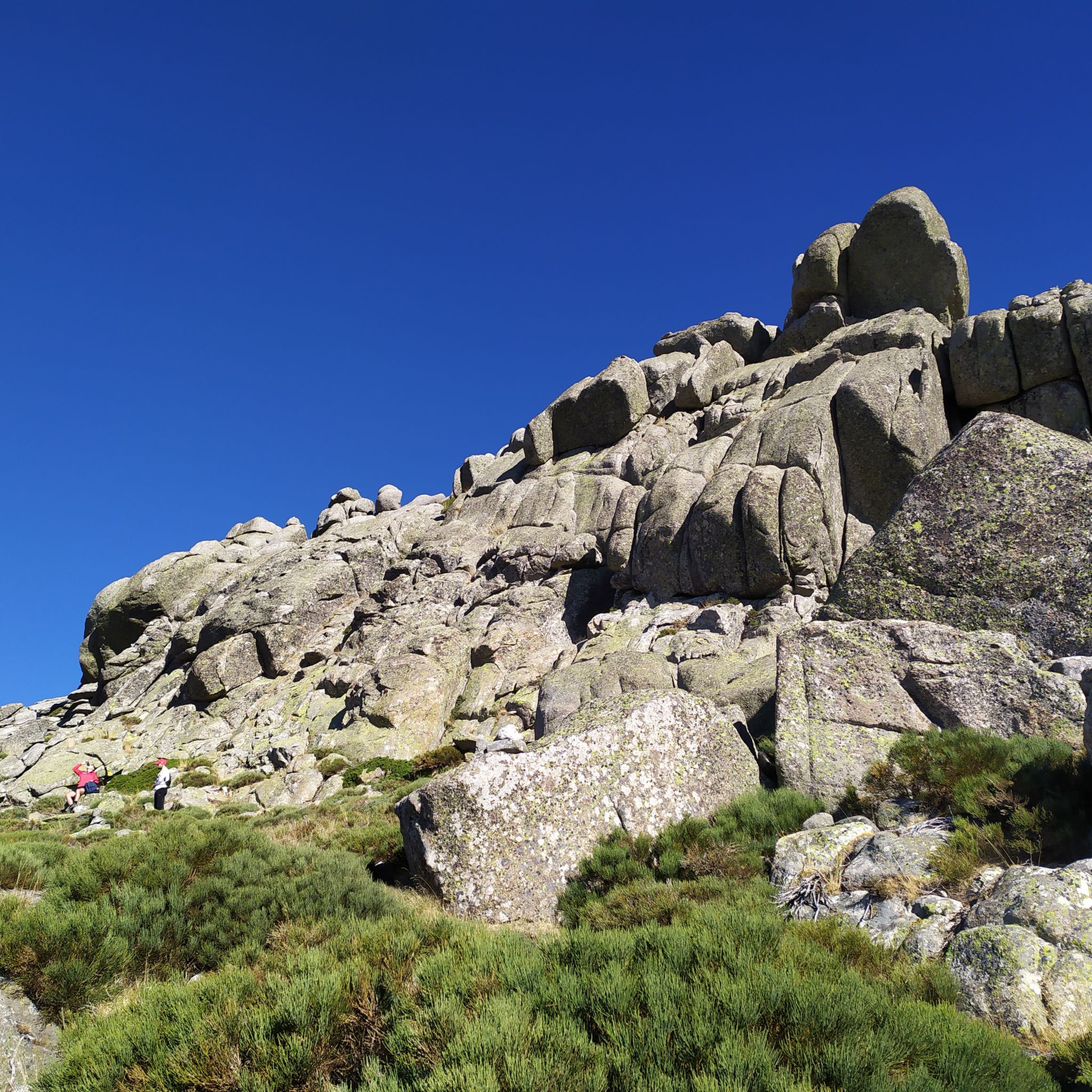
For those seeking a challenge, Pico Zapatero offers a demanding hike to a summit with breathtaking views. The unique granite landscape, formed by mineral composition and weathering, creates an authentic labyrinth of stone sculptures. The ascent involves rocky steps and channels, rewarding hikers with panoramic vistas from the top.
Most popular routes around Avila
Most popular attractions around Avila

Get inspired with the komoot mobile app


Didn’t find what you were looking for?
Are you keen on exploring more awesome places nearby? Browse our guides:
Explore more
Still not found the Highlight you’re looking for? See guides of the top attractions in other regions:
