Attractions and Places To See around Vitigudino - Top 20
Best attractions and places to see around Vitigudino include a blend of historical landmarks, cultural sites, and natural features. This municipality in Salamanca, Spain, serves as a gateway to the Arribes del Duero Natural Park, characterized by unique views of the Duero River. The area offers a variety of experiences, from impressive waterfalls to historical trails.
Best attractions and places to see around Vitigudino
- The most popular attractions is Pozo de los Humos Waterfall, a waterfall known for its…
Last updated: August 30, 2026
Pozo de los Humos Waterfall
Highlight • Waterfall
Translated by Google •
Tip by

Camino de Hierro
Highlight • Trail
Translated by Google •
Tip by
Sign up now to discover places like this
Get recommendations on the best single tracks, peaks, & plenty of other exciting outdoor places.
Sign up for free
Cascada de Pinero
Highlight • Waterfall
Translated by Google •
Tip by
Vega Terrón River Pier and Railway Bridge
Highlight • Bridge
Translated by Google •
Tip by
Picón de Felipe Viewpoint
Highlight • Viewpoint
Translated by Google •
Tip by

Rupurapay Viewpoint
Highlight • Viewpoint
Translated by Google •
Tip by
Friar's Viewpoint
Highlight • Viewpoint
Translated by Google •
Tip by
Hinojosa de Duero
Highlight • Settlement
Translated by Google •
Tip by
Castle of San Felices de los Gallegos
Highlight • Castle
It …
Translated by Google •
Tip by
Águeda Railway Bridge
Highlight • Bridge
Translated by Google •
Tip by

Sign up for free to discover even more attractions around Vitigudino.
Sign up for free
Already have an account?
Start today with a free account
Your next adventure awaits.
Login or Signup


Tips from the Community

Hinojosa de Duero is a charming village in the El Abadengo region (Salamanca), located right on the border with Portugal and within the Arribes del Duero Natural Park, making it an ideal destination for rural tourism, nature and gastronomy.
3
0
What to see in Hinojosa de Duero Church of San Pedro 16th century, Gothic style with later renovations. Its Baroque altarpieces are particularly noteworthy. Hermitage of Christ of Mercy Located on San Pedro hill, with a 13th-century Romanesque carving and spectacular views. Monument to the Sacred Heart of Jesus Erected during the Second Republic, in the upper part of the town, surrounded by crosses and a Calvary. El Corralito and Plaza de la Constitución Former town hall meeting place, now a local gathering spot. Ethnographic Museum Collections on traditional life and local culture. Natural viewpoints Peña La Vela, Mirador del Contrabando, Cachón del Camaces, and Cachón de la Diabla offer unique views of the Duero River and the Arribes del Duero Natural Park.
2
0
Hinojosa de Duero is a charming village in the El Abadengo region (Salamanca), located right on the border with Portugal and within the Arribes del Duero Natural Park, making it an ideal destination for rural tourism, nature, and gastronomy. [turismocas...ayleon.com], [pte.es]
1
0

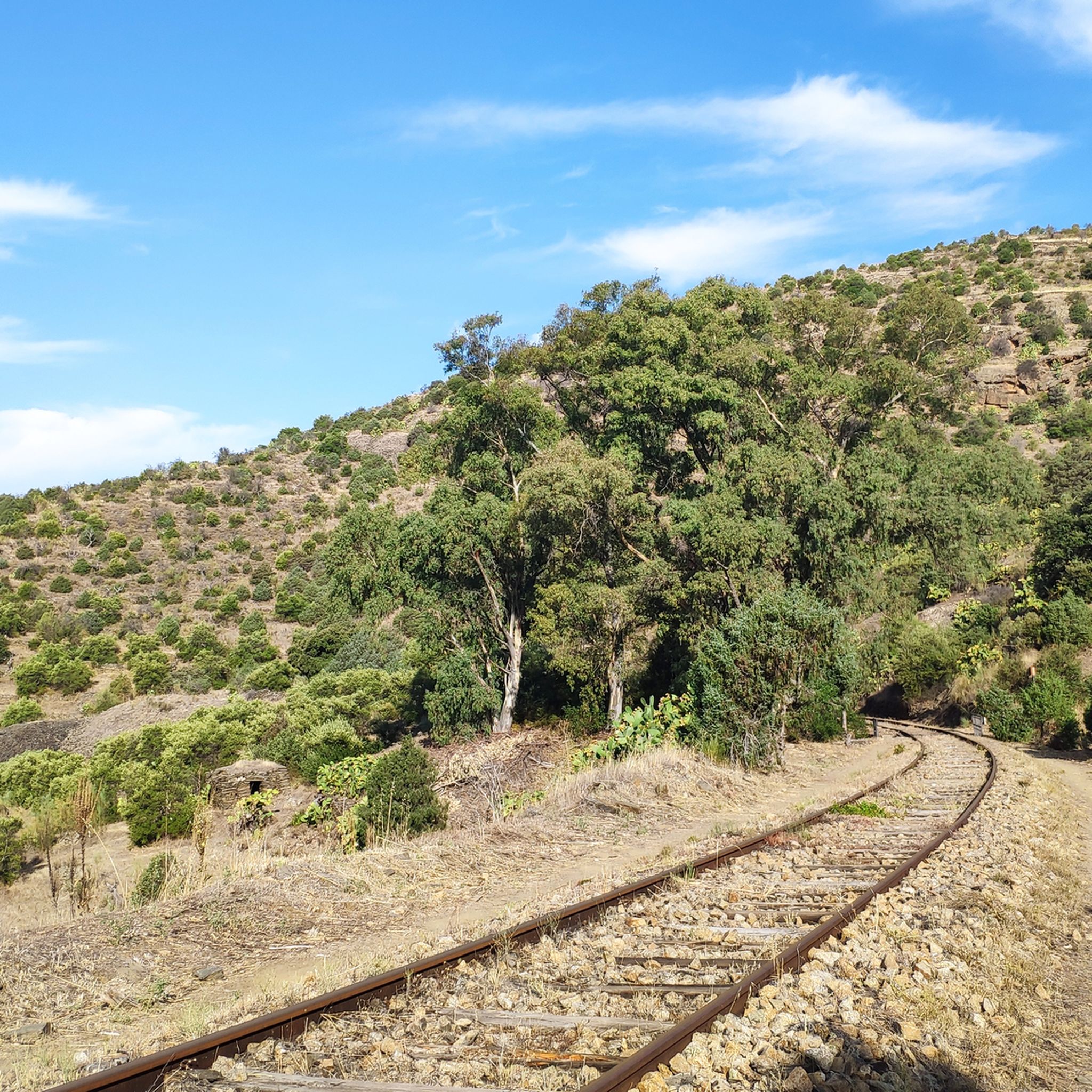
When it was closed in 1985, the region lost its direct connection; the bridge fell into disrepair for decades and was inaccessible for a long time. Only in recent years has the entire route been reopened to hikers and visitors as the "Camino de Hierro" (Iron Way). Crossing the bridge offers spectacular views of the Águeda Gorge and the terraced landscapes of olive, almond, and vineyards. Today, it is an industrial monument and also a tourist highlight in the Arribes del Duero Natural Park.
1
0
The bridge was built as an iron truss structure following the French school's model (inspired by Gustave Eiffel) and spans the deeply cut Río Águeda, approximately 250 meters long and about 20 meters high above the river. The supporting structure consists of riveted steel girders resting on massive stone piers. It was part of the cross-border connection between Spain and Portugal, connecting Salamanca to Porto. Due to its challenging topography—gorges, steep mountain slopes, and narrow valleys—the line was considered one of the most spectacular railway lines in Europe, with a total of 20 tunnels and 13 bridges, of which the Águeda Bridge was the most famous. It served as the gateway to the La Fregeneda–Barca d'Alva border station, where the crossing into Portugal took place.
1
0
The former railway bridge over the Río Águeda near La Fregeneda is one of the most impressive structures on the disused La Fuente de San Esteban – Barca d’Alva railway line (opened in 1887, closed in 1985).
1
0
Camino de Hierro is a 17-kilometer-long pedestrian path that runs along a section of a closed-to-traffic, renovated railway line. It combines the grandeur of the most representative civil engineering (tunnels and viaducts) of the 19th century with spectacular natural beauty.
10
1
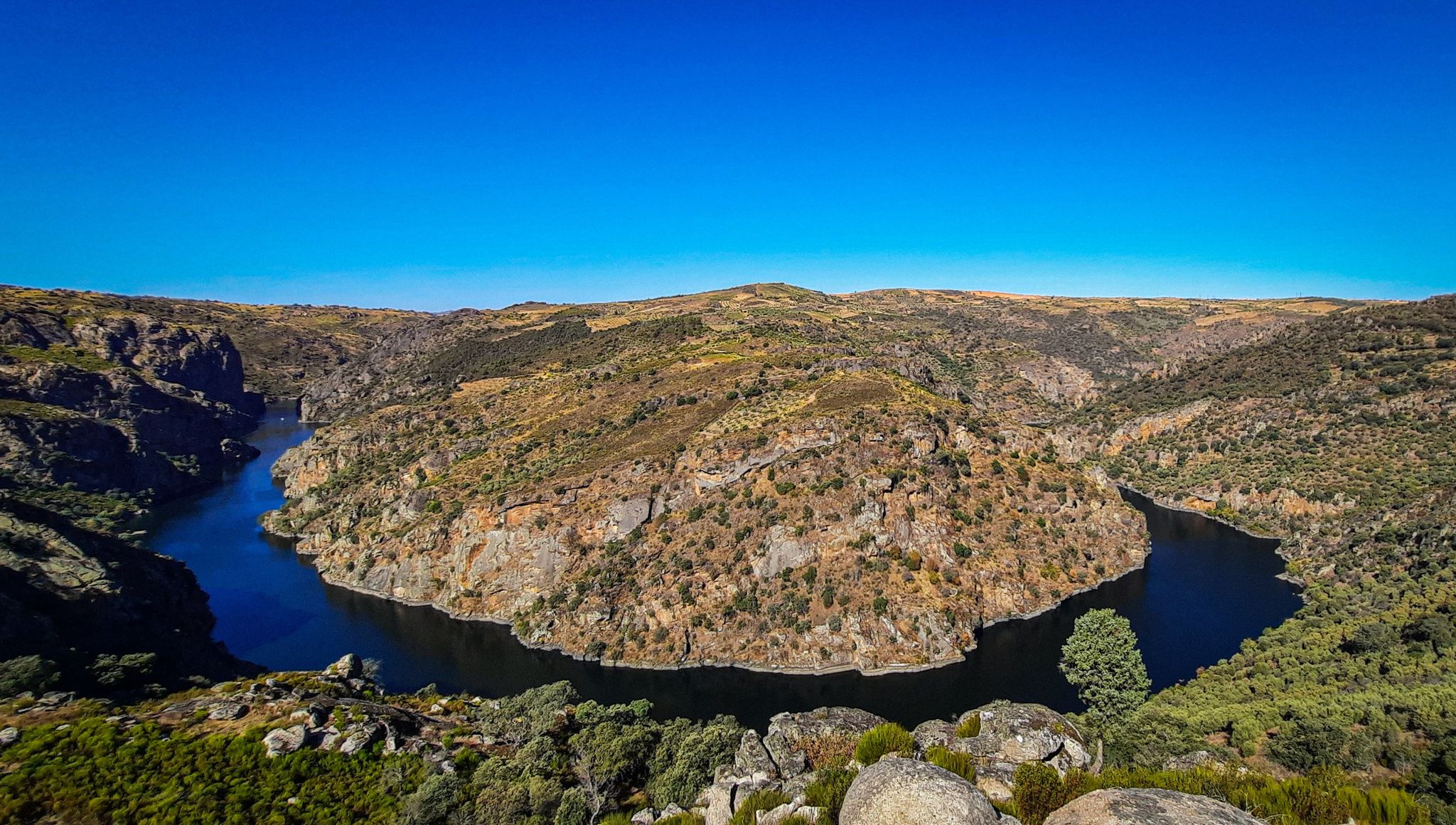
The Mirador de Rupurupay is located in Aldeadávila de la Ribera, in the province of Salamanca, Castilla y León. This viewpoint offers stunning views of the Duero River and is an ideal starting point for exploring the Cascada del Remolino. The route to the viewpoint is quite accessible and takes approximately 3 hours and 40 minutes, with a distance of 9.4 km. It is a perfect excursion to enjoy nature and the characteristic landscape of the area, including the exploitation of olive and almond trees on terraces.
2
0
Frequently Asked Questions
What natural features can I explore near Vitigudino?
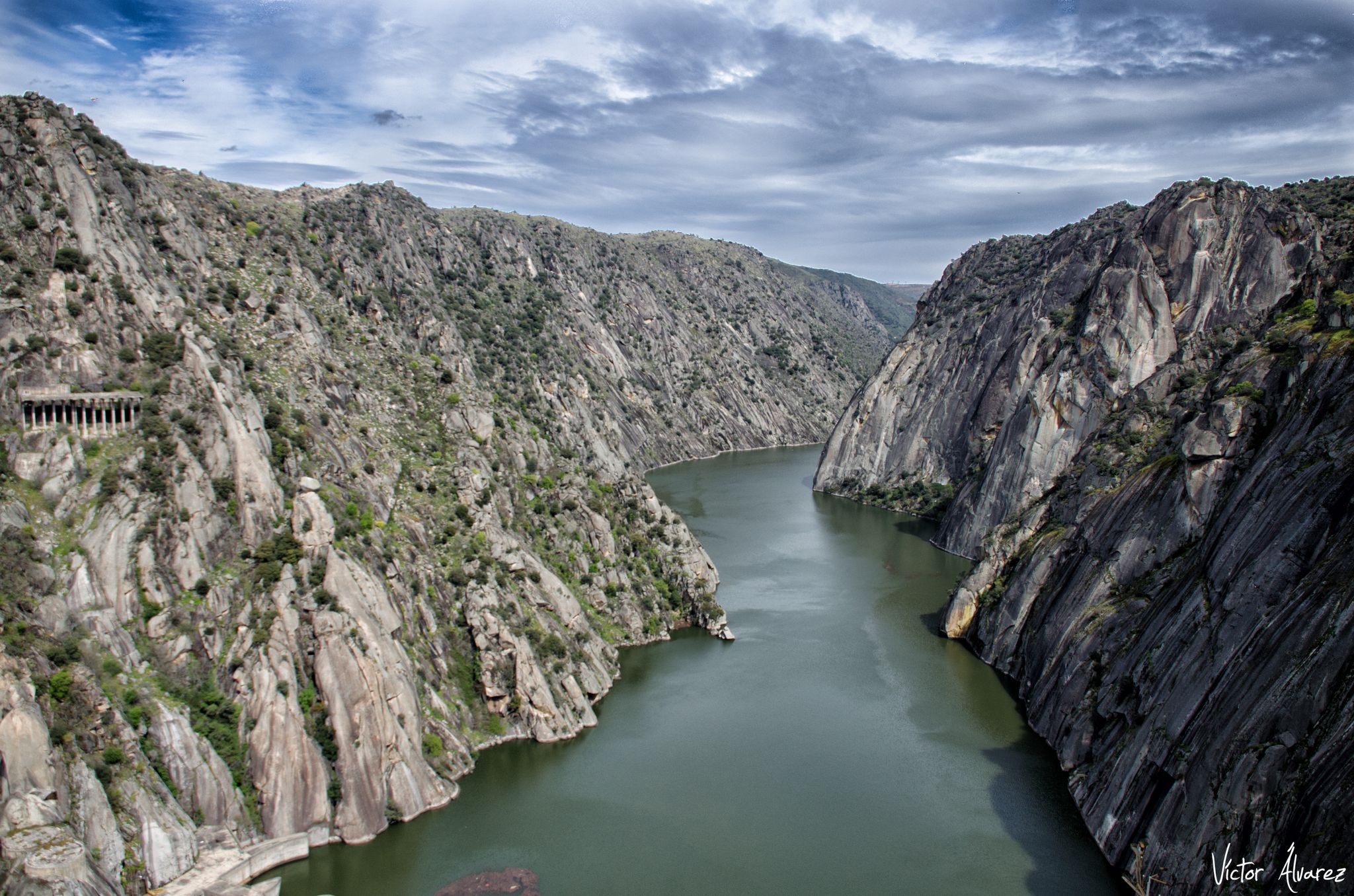
Vitigudino is a gateway to the Arribes del Duero Natural Park, characterized by unique views of the Duero River. You can discover impressive waterfalls like Pozo de los Humos Waterfall and Cascada de Pinero, as well as numerous natural viewpoints offering spectacular vistas of the river and its gorges.
Are there impressive waterfalls to visit around Vitigudino?
Yes, the region is known for its waterfalls. The most prominent is Pozo de los Humos Waterfall, an impressive 50-meter high waterfall on the Uces River. Another beautiful one is Cascada de Pinero, also known as Cola de Caballo, located within the Arribes del Duero Natural Park.
When is the best time to visit the waterfalls near Vitigudino?
The waterfalls, especially Pozo de los Humos Waterfall, are most spectacular during the rainy season, typically from December to May, when the Uces River has a high water flow, creating a powerful natural display.
What historical and cultural sites are there in Vitigudino?
Vitigudino offers several historical and cultural landmarks. The main attraction is the 15th-century Church of San Nicolás de Bari. Other notable sites include the Hermitage of Cristo de la Misericordia on San Pedro hill, the Ethnographic Museum showcasing local culture, and the Convent of Santo Toribio de Liébana.
Can I explore historical trails near Vitigudino?
Absolutely. The Camino de Hierro is a unique 17-kilometer pedestrian path along a disused railway line. It combines 19th-century civil engineering, including tunnels and viaducts, with spectacular natural scenery of the Arribes del Duero.
What outdoor activities are popular around Vitigudino?
The area around Vitigudino is excellent for outdoor activities, particularly hiking and mountain biking. You can explore various trails that lead to viewpoints, waterfalls, and through the natural park. For more details on routes, check out the Hiking around Vitigudino and MTB Trails around Vitigudino guides.
Are there hiking trails suitable for different skill levels?
Yes, there are hiking trails for various abilities. For example, the Pozo de los Humos Trail is considered easy, while routes like the Iron Way Trail or the circular route from Masueco to Pozo de los Humos are more challenging. You can find a range of options in the Hiking around Vitigudino guide.
Are there family-friendly attractions around Vitigudino?
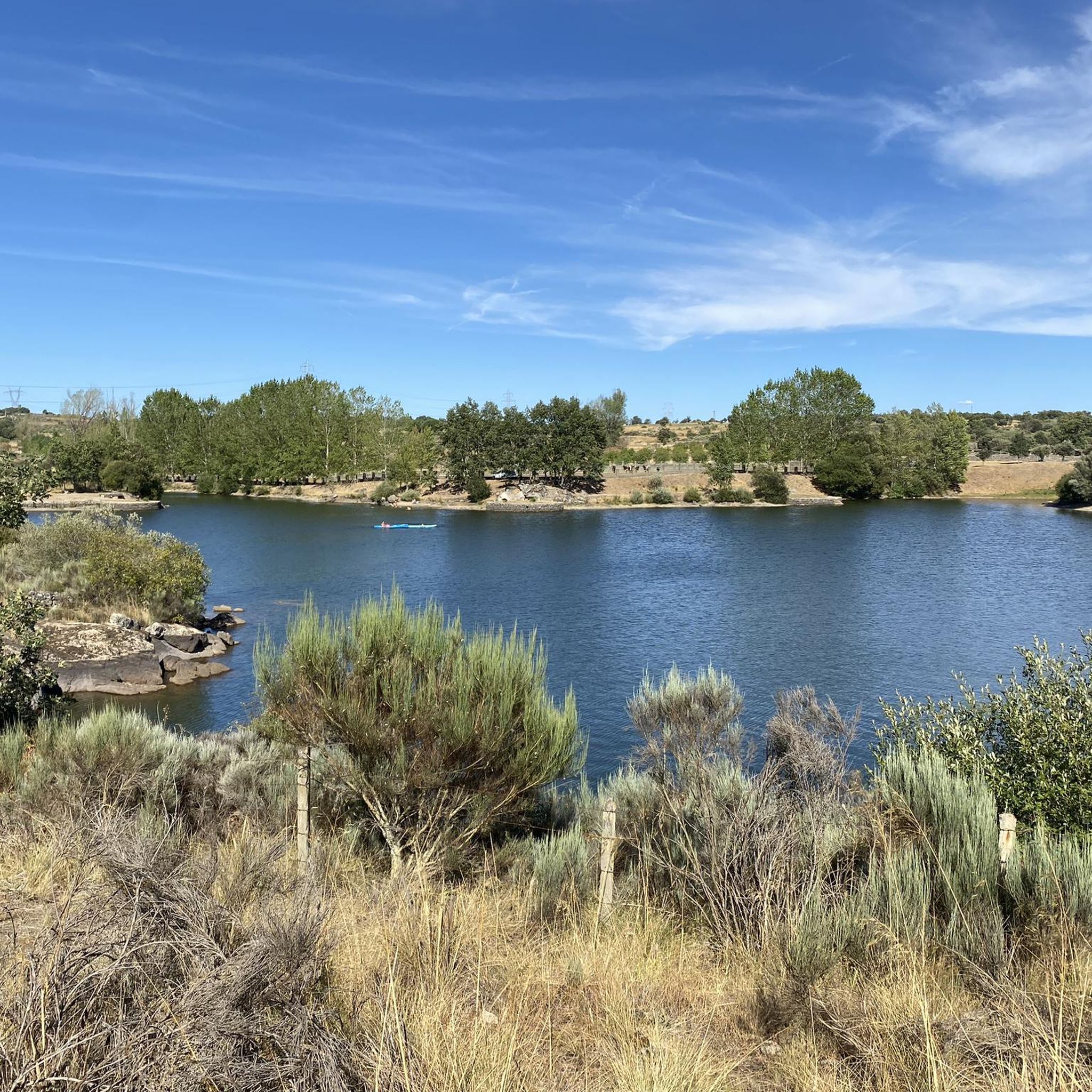
Yes, several spots are suitable for families. The Vega Terrón River Pier and Railway Bridge offers a river port experience with a restaurant and information center. The Rupurapay Viewpoint is also considered family-friendly, providing impressive views of the Duero River.
Where can I find the best viewpoints of the Duero River?
The Arribes del Duero Natural Park, accessible from Vitigudino, boasts several stunning viewpoints. Highlights include Rupurapay Viewpoint, Friar's Viewpoint, Peña La Vela, and Mirador del Contrabando, all offering unique vistas of the Duero River and its dramatic gorges.
Are there any wheelchair-accessible viewpoints in the area?
Yes, the Friar's Viewpoint is noted as wheelchair-accessible, allowing everyone to enjoy the magnificent views of the river and canyon.
What do visitors enjoy most about the attractions near Vitigudino?
Visitors particularly appreciate the blend of natural beauty and historical significance. The powerful waterfalls, the unique engineering of the Camino de Hierro, and the breathtaking views from the various viewpoints are frequently highlighted as memorable experiences.
Can I visit historical castles or religious buildings near Vitigudino?
Yes, you can explore historical structures such as the Castle of San Felices de los Gallegos, which offers historical insights and views. Additionally, the Hermitage of Our Lady of the Castle is another significant religious and historical site in the vicinity.
Most popular routes around Vitigudino
Most popular attractions around Vitigudino

Get inspired with the komoot mobile app


Didn’t find what you were looking for?
Are you keen on exploring more awesome places nearby? Browse our guides:
Explore more
Still not found the Highlight you’re looking for? See guides of the top attractions in other regions:
