Attractions and Places To See around Salamanca - Top 20
Best attractions and places to see around Salamanca include a rich collection of historical sites, architectural marvels, and natural features. The city, a UNESCO World Heritage site, is characterized by its golden-hued buildings and ancient university. Visitors can explore a variety of urban landmarks and serene natural landscapes along the Tormes River. The region offers diverse experiences, from historical exploration to scenic walks.
Best attractions and places to see around Salamanca
- The most popular attractions is Old Cathedral of Salamanca, a religious building dedicated to Santa María de la Sede. Built throughout the 12th and 13th centuries, it features a basilica plan with three naves.
- Another must-see spot is Plaza Mayor of Salamanca, a man-made monument. This 18th-century Baroque square is considered one of Europe's most beautiful urban monumental squares and serves as a central meeting point.
- Visitors also love Salamanca Cathedral, a religious building that includes both the New and Old Cathedrals. The New Cathedral, completed in 1733, is one of the last manifestations of Spanish Gothic architecture, with its bell tower offering panoramic city views.
- Salamanca is known for its historical sites, religious buildings, and man-made monuments. The area offers a variety of attractions to see and explore, from ancient bridges to grand plazas.
- The attractions around Salamanca are appreciated by the komoot community, with more than 250 upvotes and over 260 photos shared by visitors.
Last updated: July 20, 2026
Plaza Mayor of Salamanca
Highlight • Monument
Translated by Google •
Tip by

House of Shells
Highlight • Historical Site
Its construction began in the late 15th century by order of Rodrigo Maldonado de Talavera, although it was his son, Rodrigo Arias Maldonado, who completed it and lived there.
It owes its name to the more than 300 shells depicted on its façade, arranged in staggered rows, following a rhomboidal composition typical of the Mudejar style.
Translated by Google •
Tip by
Sign up now to discover places like this
Get recommendations on the best single tracks, peaks, & plenty of other exciting outdoor places.
Sign up for free
Old Cathedral of Salamanca
Highlight • Religious Site
Translated by Google •
Tip by
Roman Bridge of Salamanca
Highlight • Bridge
Translated by Google •
Tip by
Jeronimus Tower/Cathedral
Highlight • Religious Site
Translated by Google •
Tip by
New Cathedral, Salamanca
Highlight • Religious Site
The need to build this building arose when the one now known as the Old Cathedral became too small due to the boom in the city, due to university activity, at the beginning of the 16th century. Aid was requested from the Catholic Monarchs for its construction.
The work began in 1512, based on a project by Gil de Ontañón, and was completed in 1733, making this cathedral one of the last manifestations of Spanish Gothic.
It was planned that the Old Cathedral would remain standing to allow worship until the construction work on the New Cathedral was completed, when it would be demolished. When the work was completed, more than two centuries later, the idea was reconsidered and, fortunately, both buildings were preserved.
Translated by Google •
Tip by
Salamanca — UNESCO World Heritage Site
Highlight • Historical Site
Enjoy your visit to this city full of culture and beauty! 🌟
Translated by Google •
Tip by
Convent of San Esteban
Highlight • Religious Site
Translated by Google •
Tip by
Church of Santiago (Iglesia de Santiago), Salamanca
Highlight • Religious Site
It is located next to the Roman Bridge and is in the Romanesque-Mudejar style on the outside and Baroque on the inside.
Translated by Google •
Tip by
Royal College of the Society of Jesus (La Clerecía)
Highlight • Historical Site
Translated by Google •
Tip by
Sign up for free to discover even more attractions around Salamanca.
Sign up for free
Already have an account?
Start today with a free account
Your next adventure awaits.
Login or Signup
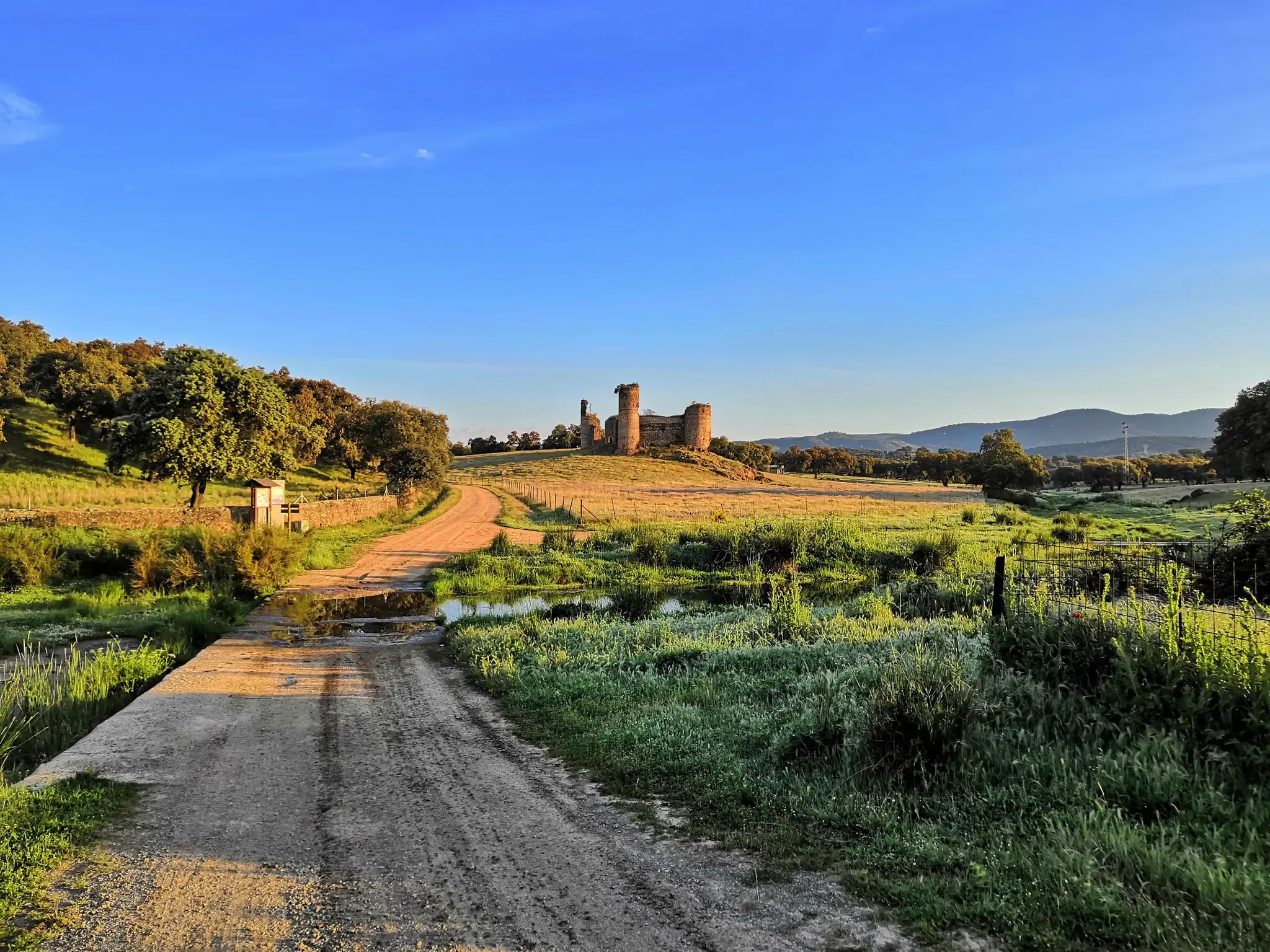
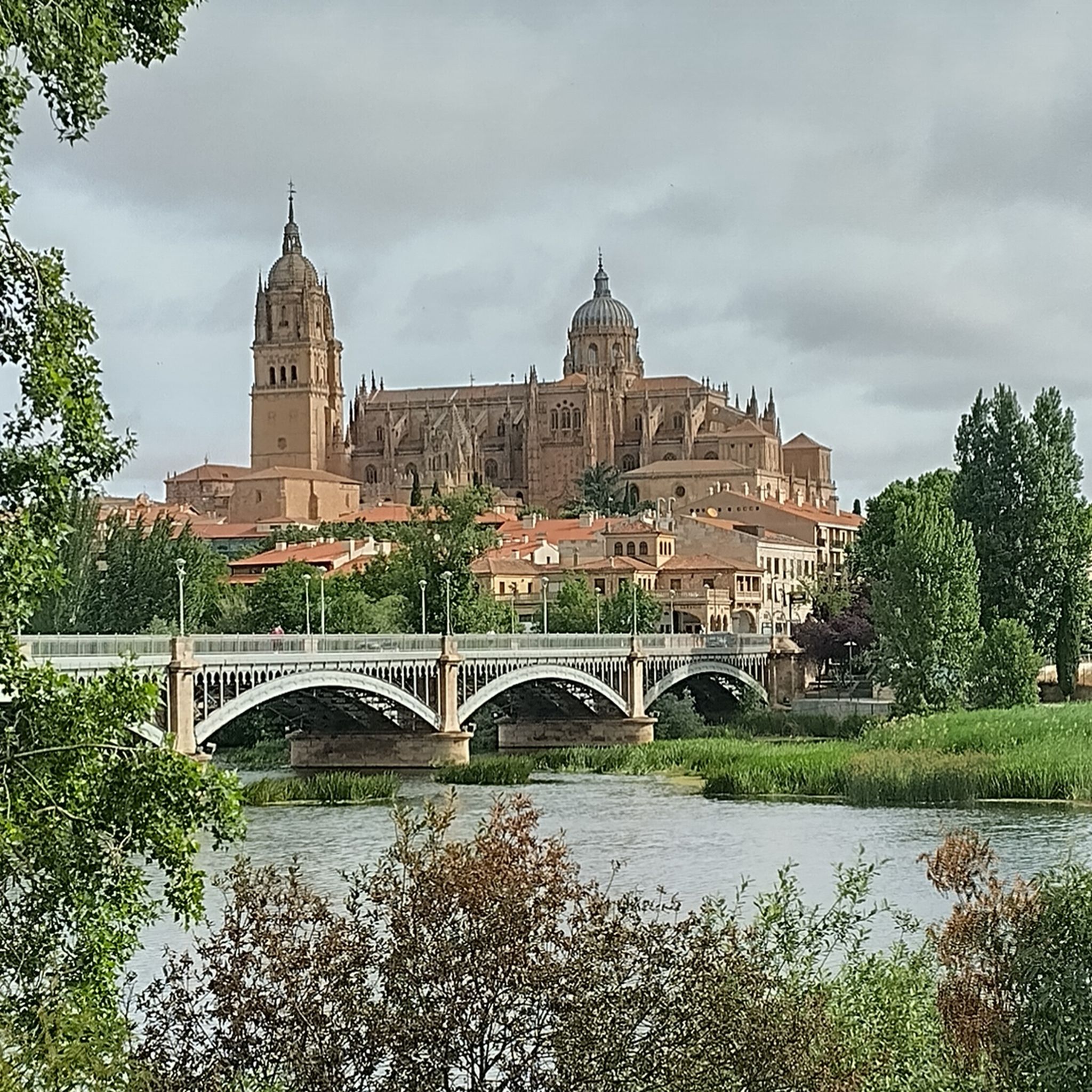
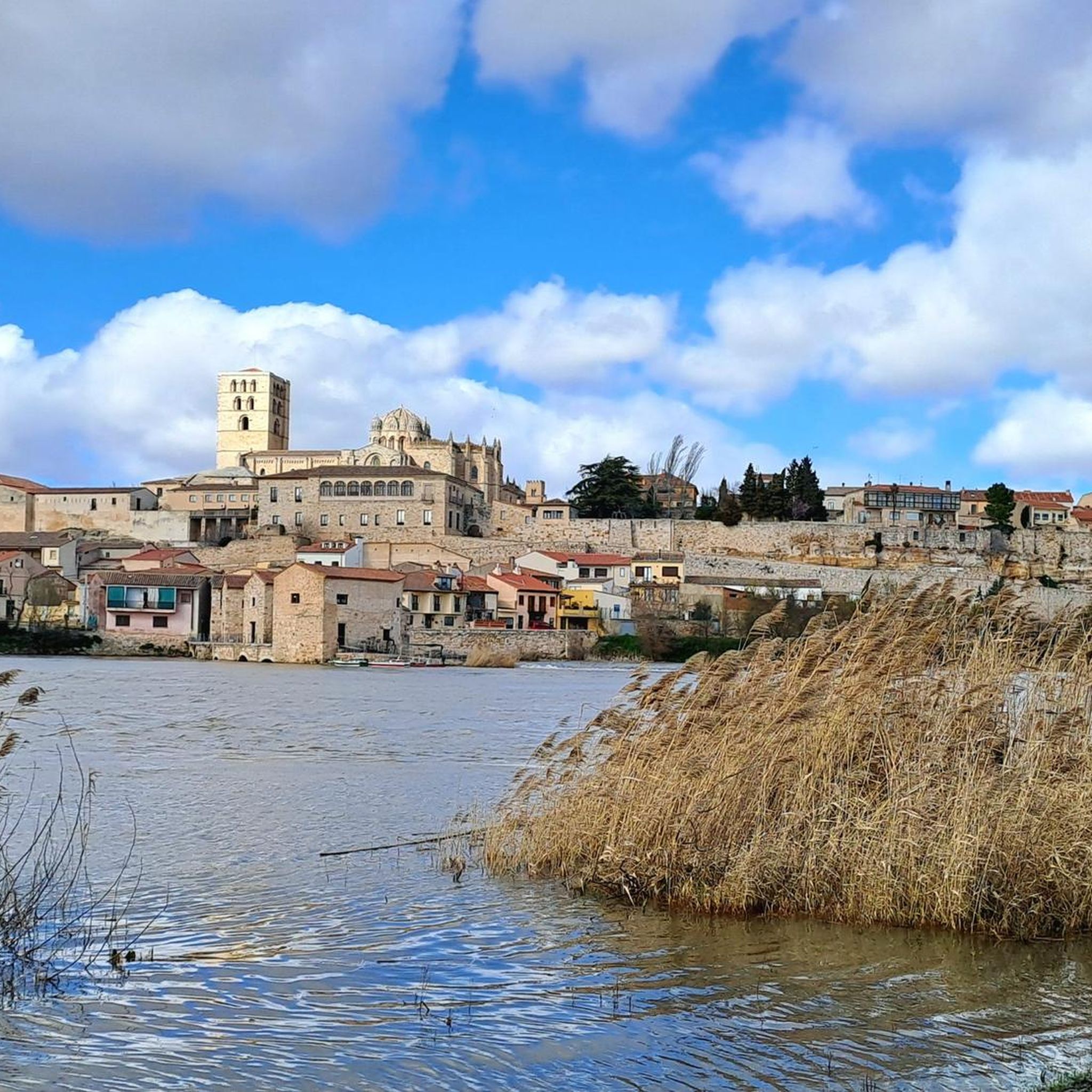
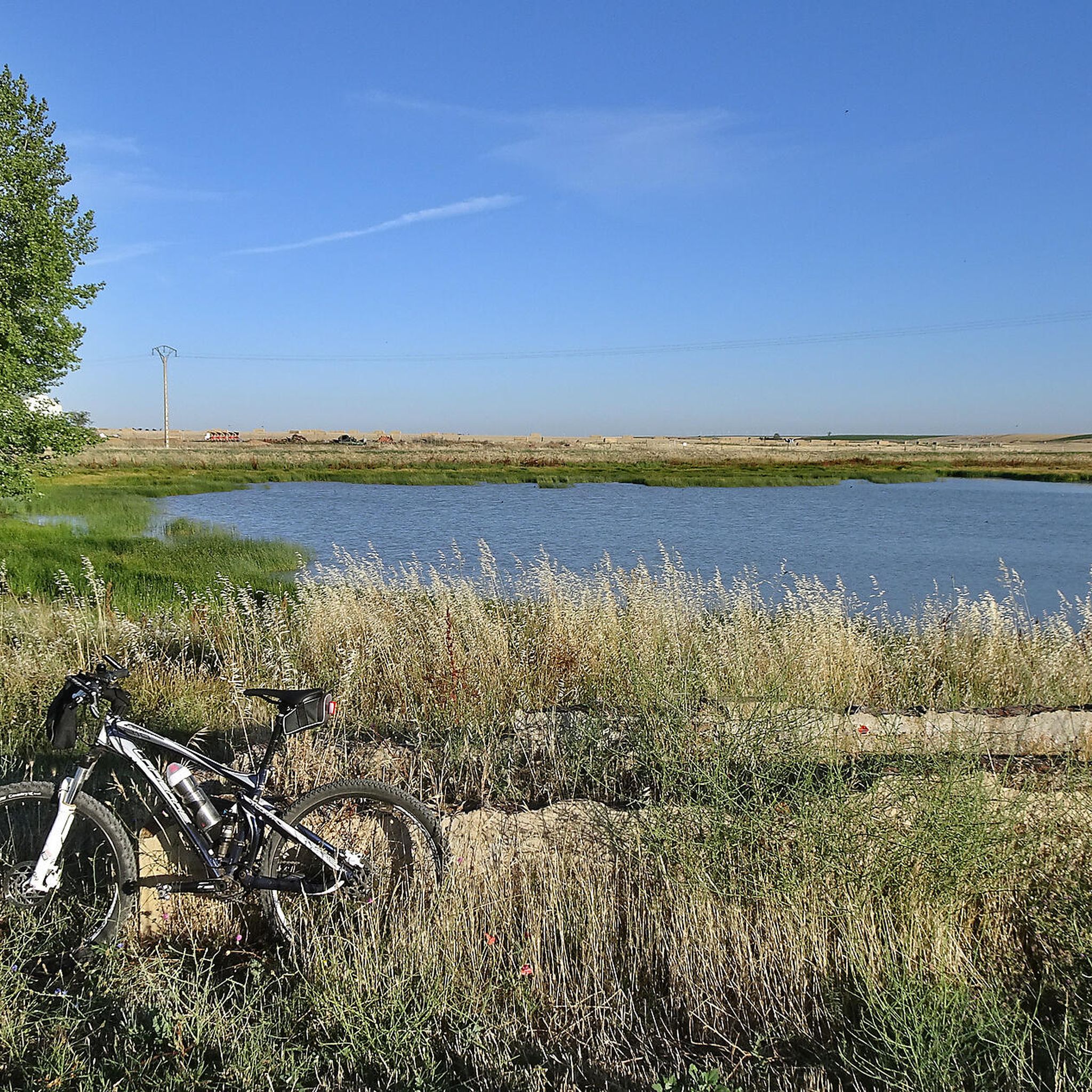

Other adventures around Salamanca

Tips from the Community

Enormous square that comes alive in the evening when it is illuminated.
7
0
It is one of the highest cathedrals in Spain and is known for its detailed plateresque facade, rich interior, and the famous, intriguing "astronaut" on the north facade. The astronaut or alien shows timelessness or that not everything you see is true.
9
1
One of the many historic buildings with 365 shells as a symbol of love for his wife.
5
1
The cathedral is a beautiful example of Spain's medieval history, offering a quiet, historical atmosphere in contrast to the larger, adjacent 16th-century New Cathedral.
9
1

The Old Cathedral of Salamanca is much more than a religious building: it is a living testament to the history, architecture, and cultural identity of the city. Here is a complete overview from a historical and artistic perspective. Construction began in the 12th century, following the restoration of the diocese by Alfonso VI and the repopulation of Salamanca. The first to promote it was Bishop Jerónimo de Périgord. It represents the transition between Romanesque and Gothic styles, evident in its pillars and vaults: the former designed for barrel vaults, and the latter featuring Gothic rib vaulting. The Old Cathedral of Salamanca is open to the public and forms part of the monumental complex along with the New Cathedral.
2
0
The history of Salamanca's Roman bridge is intertwined with that of the city itself, and it has been one of its defining features for centuries. Located in a position that facilitated human settlement and the development of economic activity, its proximity to the three hills and the Tormes River made it a strategic location. It is a solid bridge, resistant to the passage of time. For centuries it served as the main access point to the city, until a new bridge was completed over the Tormes River in 1913, allowing the passage of vehicles.
10
0

Incredible buildings in Salamanca
0
0

The fact that a place on the Iberian Peninsula is included in the list of the three most famous pilgrimage destinations in the Christian world – along with Jerusalem and Rome – is thanks to one of Jesus' apostles, who is said to have preached here. After his martyrdom, which is briefly reported in the Acts of the Apostles, his body miraculously found its final resting place here: Saint James the Greater. A small local sanctuary was initially built over his grave; later, a city developed that even bears his name (Santiago de Compostela), and the church in his honor became a cathedral, i.e., a bishop's church. According to national legend, Saint James also played a key role in the reconquest of the Iberian Peninsula from the Moors and is the patron saint of Spain.
2
0
Frequently Asked Questions
What historical sites should I visit in Salamanca?
Salamanca is rich in history. Key historical sites include the magnificent Plaza Mayor of Salamanca, the unique combination of the Salamanca Cathedral (New and Old), and the iconic House of Shells. Don't miss the ancient Roman Bridge of Salamanca and the stunning Convent of San Esteban.
Are there any natural features or parks to explore near Salamanca?
Yes, you can enjoy the serene Tormes River with pleasant strolls along its banks. The Huerto de Calixto y Melibea Garden offers a charming escape with diverse plants and views of the historic center. For more extensive natural beauty, consider visiting the Las Batuecas-Sierra de Francia Natural Park or the Arribes del Duero Natural Park, both known for their scenic landscapes and wildlife.
What are some family-friendly attractions in Salamanca?
Many of Salamanca's main attractions are suitable for families. The Plaza Mayor of Salamanca is a great place for children to run around, and the Salamanca Cathedral offers an engaging experience, especially with the famous astronaut carving on its facade (Astronaut carving, Salamanca Cathedral). The House of Shells and the Roman Bridge of Salamanca are also popular with families.
Where can I find the best panoramic views of Salamanca?
For breathtaking panoramic views, climb the Scala Coeli towers at the Clerecía Church or the bell tower of the Salamanca Cathedral. The Roman Bridge of Salamanca also offers magnificent vistas of the old city and the Tormes River.
Are there any accessible attractions for wheelchair users in Salamanca?
The Plaza Mayor of Salamanca is wheelchair accessible, allowing everyone to enjoy this beautiful central square. Many of the city's main streets and public areas are also generally accessible, though some older historical sites may have limitations.
What kind of outdoor activities can I do near Salamanca?
Near Salamanca, you can enjoy various outdoor activities. There are several easy hiking trails, such as the Salamanca Historic Center Trail or the Tormes River Fluvial Park loop. For cycling enthusiasts, there are MTB trails and road cycling routes, including the Tormes River Route. The Tormes River itself offers opportunities for pleasant walks and pedal boating.
What is unique about the University of Salamanca?
The University of Salamanca is the oldest university in Spain, founded in 1218, and one of the oldest in Europe. It is famous for its intricate Plateresque facade. A popular tradition involves students searching for a hidden frog carving on the facade, believed to bring good luck in exams.
What cultural experiences can I find beyond the main landmarks?
Beyond the major landmarks, explore the vibrant Bario del Oeste, known for its street art and tapas culture. The Casa Lis (Art Nouveau and Art Deco Museum) offers a unique artistic experience in a beautiful building. You can also visit the Convento de las Dueñas for a glimpse into monastic life with its stunning Gothic cloister.
What do visitors enjoy most about Salamanca?
Visitors frequently praise Salamanca's stunning architecture, particularly the golden-hued buildings and the grandeur of the Plaza Mayor. The historical depth, from the ancient Roman Bridge to the intricate details of the Cathedrals, is highly appreciated. Many also enjoy the lively atmosphere, the charming cobblestone streets, and the opportunities for scenic walks along the Tormes River.
Are there any hidden gems or less-known attractions worth visiting?
While not entirely hidden, the Museum of Automotive History offers an interesting diversion for car enthusiasts. The Bario del Oeste, with its vibrant street art and local tapas scene, provides a more contemporary and authentic cultural experience away from the main tourist routes.
Can I find hiking trails suitable for different difficulty levels near Salamanca?
Yes, the area around Salamanca offers a range of hiking options. You can find easy hikes like the Salamanca Historic Center Trail or the Tormes River Fluvial Park loop. For more challenging routes, you might explore trails further afield in natural parks like Las Batuecas-Sierra de Francia, though specific difficulty levels vary by trail.
Most popular routes around Salamanca

Get inspired with the komoot mobile app


Didn’t find what you were looking for?
Are you keen on exploring more awesome places nearby? Browse our guides:
Explore more
Still not found the Highlight you’re looking for? See guides of the top attractions in other regions:
