Attractions and Places To See around Ciudad Rodrigo - Top 20
Best attractions and places to see around Ciudad Rodrigo include a rich array of historic sites and natural features. This fortified town in Salamanca, Spain, is situated on a rocky hill overlooking the Águeda River. Its well-preserved medieval heritage offers numerous notable landmarks and cultural sites. The surrounding landscape provides panoramic views and opportunities for outdoor exploration.
Best attractions and places to see around Ciudad Rodrigo
- The most popular attractions is Castle of Enrique II of Trastámara, a castle built in 1372 for surveillance and defense purposes. It features an imposing tower and now houses a historic hotel, offering gardens and views from its walls.
- Another must-see spot is Cathedral of Santa María, a religious building whose construction began in the 12th century. This imposing temple in the city's heart showcases a blend of architectural styles and includes a museum and cloister.
- Visitors also love Plaza Mayor Ciudad Rodrigo, the historical and social heart of the city. This central square is surrounded by historic buildings and has been a hub for public life, markets, and festivities since the Middle Ages.
- Ciudad Rodrigo is known for its castles, cathedrals, and historical squares. The area offers a variety of attractions, from ancient fortifications to vibrant urban centers, providing insights into its rich history and culture.
- The attractions around Ciudad Rodrigo are appreciated by the komoot community, with 12 upvotes and 17 photos shared across various highlights.
Last updated: July 6, 2026
Castle of Enrique II of Trastámara
Highlight • Castle
Translated by Google •
Tip by

Plaza Mayor Ciudad Rodrigo
Highlight • Historical Site
Translated by Google •
Tip by
Sign up now to discover places like this
Get recommendations on the best single tracks, peaks, & plenty of other exciting outdoor places.
Sign up for free
Plaza del Buen Alcalde
Highlight • Settlement
Translated by Google •
Tip by
Alcázar Gate
Highlight • Castle
Translated by Google •
Tip by
Town Hall
Highlight • Monument
Translated by Google •
Tip by

Cathedral of Santa María
Highlight • Religious Site
Translated by Google •
Tip by
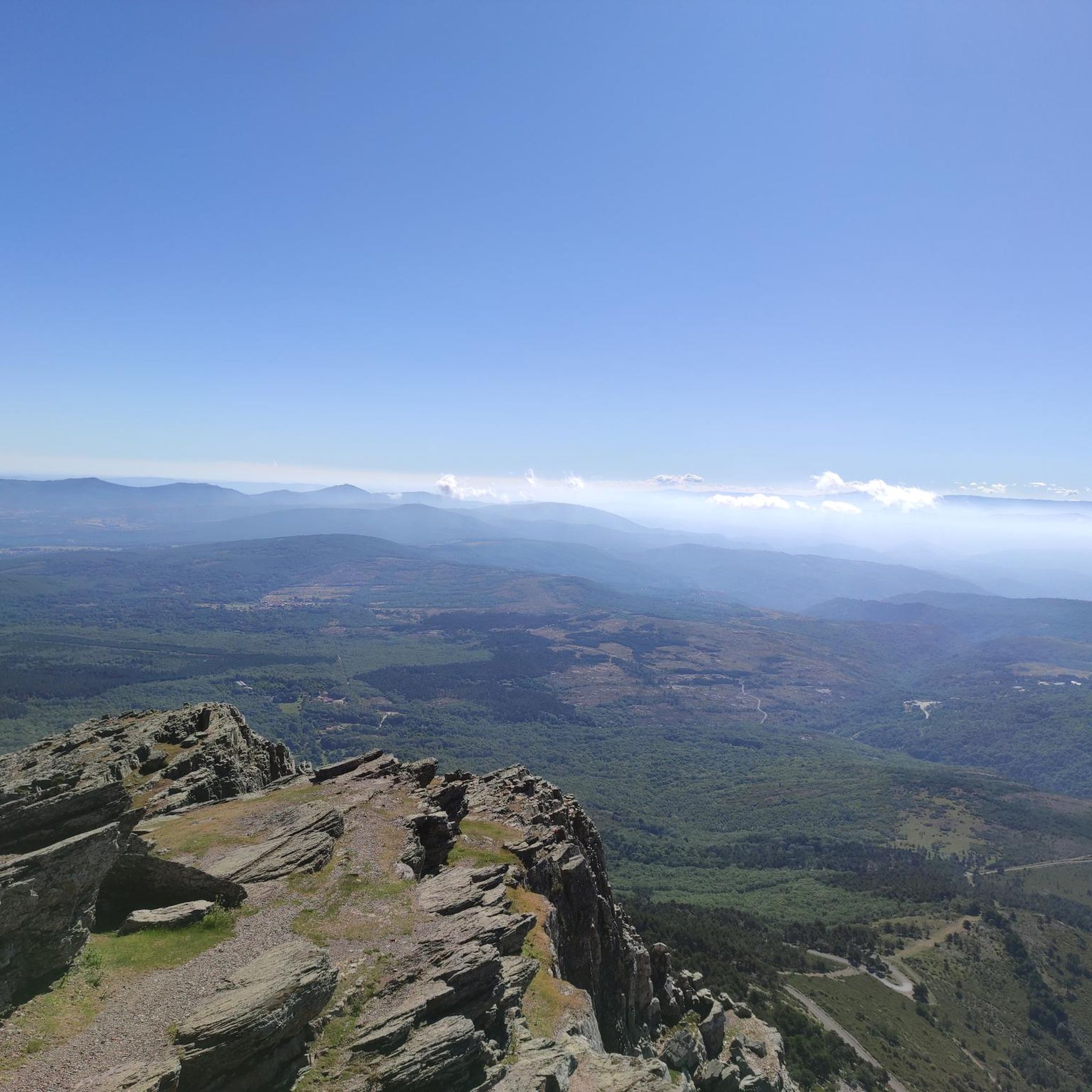
Pico Jálama Summit
Highlight • Summit
The route to climb Pico Jálama is popular with hikers and offers spectacular views of the region. The route begins in the town of Acebo and passes by the Mirador de La Ventosa and Puerto de Perales.
Translated by Google •
Tip by
Climb from Monsagro to Paso de los Lobos
Highlight (Segment) • Mountain Pass
12km of ascent around 4%, although with some somewhat harder km towards the end. From there another 4km to La Peña de Francia
Translated by Google •
Tip by

Ascent to Peña de Francia
Highlight (Segment) • Summit
Altitude: 1732m
Distance: 12km
Height difference: 720m
Average Slope: 6%
Translated by Google •
Tip by
Los Lobos Pass (1,499 m)
Highlight • Mountain Pass
Translated by Google •
Tip by

Sign up for free to discover even more attractions around Ciudad Rodrigo.
Sign up for free
Already have an account?
Start today with a free account
Your next adventure awaits.
Login or Signup
Popular around Ciudad Rodrigo
10 gravel routes to discover hidden gems in Spain
Landscapes and fortresses by bike – Walled Cities Route
Road Cycling Routes around Ciudad Rodrigo
Hiking around Ciudad Rodrigo
Cycling around Ciudad Rodrigo
MTB Trails around Ciudad Rodrigo
Running Trails around Ciudad Rodrigo

Gravel biking around Ciudad Rodrigo


Tips from the Community

Beautiful view here, now the last stretch to the top with 200 altitude meters to go.
0
0

The Alcázar Gate in Ciudad Rodrigo is one of the historic entrances to the city walls and has great heritage and scenic value. It was opened in 1507 by Antonio del Águila, warden of the Alcázar, when he built the defensive barrier in that area. It is located next to the Castle of Henry II of Trastámara, in the section of the wall facing the Águeda River, known as the Battery, due to the cannons that were once installed there.
4
0
The Plaza Mayor of Ciudad Rodrigo is the historical and social heart of the city, with a rich history that reflects its importance as an urban center: Since the Middle Ages, the Plaza Mayor has been the hub of public life: markets, proclamations, and council meetings were held there in the cloister of the former Church of San Juan. In the 16th century, public butcher shops were built, and it became a consolidated space for commercial and festive activities. Until then, the square was home to the Three Roman Columns, a vestige of the ancient Miróbriga, which had been a symbol of the city since the 13th century. In 1580, the square was expanded, incorporating the space that once housed the old prison and the Audiencia (Courthouse). It even had corridors for watching bullfights, a tradition that continues during carnivals.
7
0
Ciudad Rodrigo's Town Hall is located in the Plaza Mayor and is one of the city's most emblematic buildings. Its history is linked to the urban and political development of Ciudad Rodrigo since the Middle Ages. Medieval Origins: Ciudad Rodrigo was founded in Roman times, but its consolidation as a fortified urban center occurred in the Middle Ages. Municipal government was organized around the council, which initially met in council houses until the current building was built.
1
0

This is the Wolves Pass, the end of the climb to Peña de Francia (Granite Throne) ;)
0
0
At 1,487 metres above sea level, it is one of the highest peaks in the Sierra de Gata. The route to climb Pico Jálama is popular with hikers and offers spectacular views of the region. The route begins in the town of Acebo and passes by the Mirador de La Ventosa and Puerto de Perales.
7
0
The Puerta del Alcázar is one of the ancient access gates to the walled enclosure of Ciudad Rodrigo. This gate, along with others such as the Puerta del Sol and the Puerta de Santiago, was part of the city's defensive system.
4
0
The Cathedral of Santa María is an imposing testimony of faith and art. It began to be built in the 12th century and stood as a grandiose temple in the heart of the city. Its history is intertwined with the presence and return of Christianity after Muslim domination. A visit to the cathedral includes exploring its museum and cloister, allowing you to immerse yourself in its rich history and architectural beauty.
10
0
Frequently Asked Questions
What historical landmarks should I visit in Ciudad Rodrigo?
Ciudad Rodrigo is rich in history. Key landmarks include the impressive Castle of Enrique II of Trastámara, which now houses a historic hotel, and the ancient City Walls that encircle the old town, offering panoramic views. The Cathedral of Santa María, with its blend of Romanesque, Gothic, and Plateresque styles, is another must-see, along with the vibrant Plaza Mayor Ciudad Rodrigo, the city's historical and social heart.
Where can I find the best panoramic views in Ciudad Rodrigo?
For breathtaking panoramic views, stroll along the ancient City Walls, especially during the late afternoon. The Castle of Enrique II of Trastámara also offers beautiful vistas from its gardens and walls. For more challenging natural viewpoints, consider the Pico Jálama Summit or the Ascent to Peña de Francia, both offering expansive views of the surrounding landscape.
Are there any unique cultural attractions in Ciudad Rodrigo?
Yes, Ciudad Rodrigo offers some truly unique cultural experiences. Beyond its grand palaces like the Palacio de los Águila and Palacio de los Castro, you can visit the quirky Museo del Orinal (Urinal Museum), which houses an extensive collection of chamber pots from various eras. The city is also famous for its centuries-old Carnaval del Toro, a significant cultural festival.
What family-friendly attractions are available in Ciudad Rodrigo?
Families will enjoy exploring the Plaza Mayor Ciudad Rodrigo, which is the lively center of the city with historic buildings. Walking along the ancient City Walls is also a great activity for all ages, offering space to explore and enjoy the views. The Cathedral of Santa María also welcomes families to explore its history and architecture.
Are there hiking opportunities near Ciudad Rodrigo?
Yes, there are several hiking opportunities around Ciudad Rodrigo. You can find easy trails like the Ciudad Rodrigo Walls Trail, which is a 5.2 km route. Other options include the El Chorro de la Meancera waterfall trail or the Natural pools of Riofrío. For more details and routes, check out the easy hikes around Ciudad Rodrigo guide.
Can I go cycling around Ciudad Rodrigo?
Absolutely! Ciudad Rodrigo offers excellent cycling routes. For gravel biking, you can explore the 'Gravel route of the walled cities' or the 'Collada de la Genera – Views of the Sierra de Francia loop'. If you prefer road cycling, consider the 'Peña de Francia CIMA Loop' or the 'Ciudad Rodrigo and Monasterio de la Caridad - circular through the plain of the Río Águeda'. You can find more routes in the Gravel biking around Ciudad Rodrigo and Road Cycling Routes around Ciudad Rodrigo guides.
What natural features can I explore near Ciudad Rodrigo?
Ciudad Rodrigo is situated on a rocky hill overlooking the winding Águeda River, which offers scenic views, especially from the ancient Roman Bridge. The city's elevated position and its walls provide magnificent panoramic views of the surrounding countryside. While specific natural parks are not directly within the city, the broader region of Castile and León is known for its natural beauty, including areas like the Arribes del Duero Natural Park.
What architectural styles are prominent in Ciudad Rodrigo?
Ciudad Rodrigo showcases a rich blend of architectural styles, reflecting its long history. The Cathedral of Santa María is a prime example, featuring Romanesque, Gothic, and Plateresque elements. Many historic buildings around the Plaza Mayor Ciudad Rodrigo, including the Renaissance-style Town Hall and various palaces, also display these and other historical styles.
Are there any wheelchair-accessible attractions in Ciudad Rodrigo?
While many historic sites in Ciudad Rodrigo involve uneven terrain or steps, the Plaza del Buen Alcalde is noted as wheelchair accessible. It's advisable to check specific accessibility details for other attractions like the City Walls or the Plaza Mayor Ciudad Rodrigo, which generally offer accessible areas.
What is the best time to visit Ciudad Rodrigo?
The best time to visit Ciudad Rodrigo largely depends on your interests. Spring and autumn offer pleasant weather for exploring historical sites and outdoor activities. If you're interested in unique cultural events, visiting during the Carnaval del Toro, a centuries-old bull-running festival, provides a vibrant and deeply traditional experience, though it can be very crowded.
What are some lesser-known historical sites worth visiting?
Beyond the main landmarks, explore the grand 16th-century Palacio de los Águila, also known as the Prince's Palace, which showcases the Plateresque style and hosts cultural events. The Palacio de los Castro (or Palacio de Montarco) is another 16th-century gem with a stunning façade and historical significance, having served as Wellington's headquarters in 1812. Don't miss the ancient Puente Romano (Roman Bridge) crossing the Águeda River, much restored but with origins dating back to the 1st century.
Most popular routes around Ciudad Rodrigo
Most popular attractions around Ciudad Rodrigo

Get inspired with the komoot mobile app


Didn’t find what you were looking for?
Are you keen on exploring more awesome places nearby? Browse our guides:
Explore more
Still not found the Highlight you’re looking for? See guides of the top attractions in other regions:
