Attractions and Places To See around Segovia - Top 20
Best attractions and places to see around Segovia, a historic city and UNESCO World Heritage site, offers a rich array of experiences. The region is characterized by its ancient Roman engineering marvels, significant cultural sites, and stunning natural landscapes. Visitors can explore a blend of historical architecture and diverse natural features, including mountains and river gorges. This area provides numerous opportunities for exploration and discovery.
Best attractions and places to see around Segovia
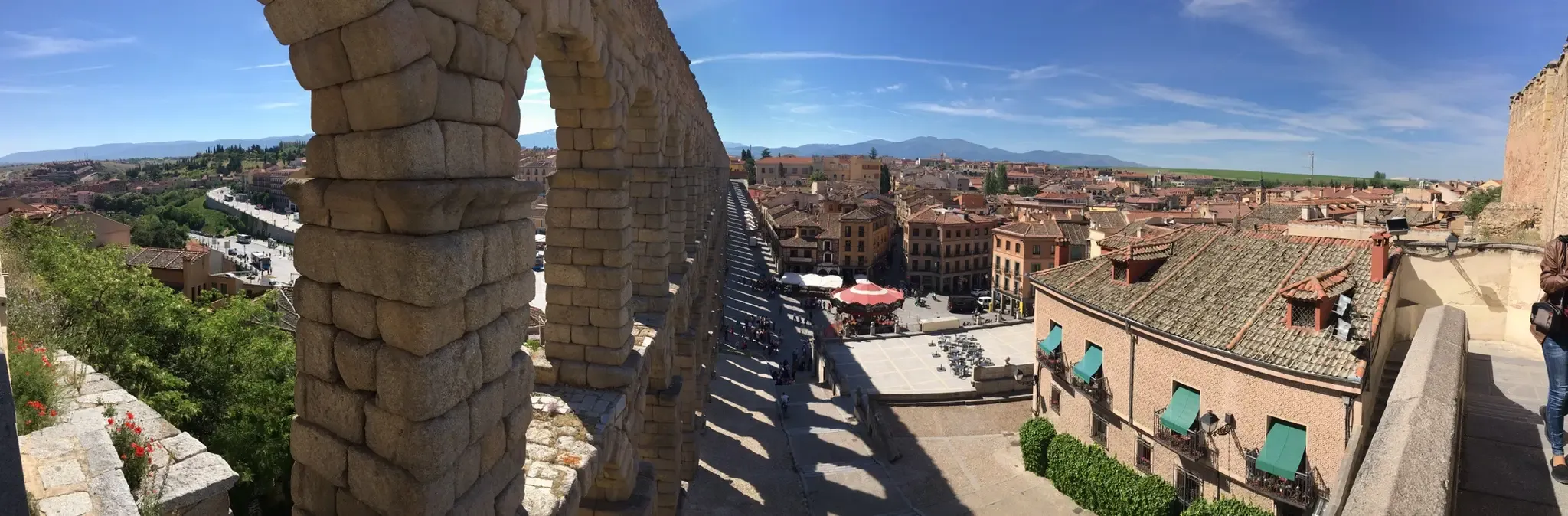
- The most popular attractions is Aqueduct of Segovia, a man-made monument that is an impressive architectural structure dating back to the 1st century AD. It was built by the Romans to supply water to the city, transporting it from the mountains to the city center.
- Another must-see spot is Segovia Cathedral, a religious building. This majestic cathedral, known as the "Lady of the Cathedrals," is a stunning testament to late Gothic architecture, with its construction starting in the 16th century.
- Visitors also love Seven Peaks, a summit in the Sierra de Guadarrama. This mountainous formation offers a challenging yet rewarding experience, with its granite ridge providing striking reliefs and opportunities for mountain hiking.
- Segovia is known for its ancient Roman engineering, impressive Gothic architecture, and diverse natural landscapes. The region offers a variety of attractions, from historical monuments to mountain summits and natural gorges, providing many places to see and explore.
- The attractions around Segovia are appreciated by the komoot community, with more than 290 upvotes and 70 photos shared across various highlights.
Last updated: August 30, 2026
Navacerrada Pass
Highlight • Mountain Pass
Translated by Google •
Tip by

Seven Peaks
Highlight (Segment) • Summit
Translated by Google •
Tip by

Sign up now to discover places like this
Get recommendations on the best single tracks, peaks, & plenty of other exciting outdoor places.
Sign up for free
Peñalara Peak
Highlight • Summit
Translated by Google •
Tip by
Aqueduct of Segovia
Highlight • Monument
The Segovia Aqueduct is a heraldic symbol of the city and one of the most impressive works that the Romans left in their vast empire. If you ever have the opportunity to visit, I recommend that you do so. It's really amazing! 😊🏛️
Translated by Google •
Tip by
Fuente de la Reina
Highlight • Natural Monument
Translated by Google •
Tip by

Boca del Asno Gorge and Waterfalls
Highlight • Gorge
At the entrance of the car park there is a Sierra de Guadarrama National Park Visitor Center set up in an old forest house of the forest nursery. The center has route information and data of interest. The exhibition has an audiovisual of the Montes de Valsaín, the flora, the fauna and the territory of the summits. It also has thematic panels, projections and a room that develops the exploitation of pines and the use of wood as an economic resource. The visit is very interesting to learn about the natural, cultural and traditional world of the territory included in the protected area and the peripheral belt.
Translated by Google •
Tip by

Alto de las Guarramillas (Bola del Mundo)
Highlight • Summit
Translated by Google •
Tip by
Puente de los Canales
Highlight • Bridge
Translated by Google •
Tip by

Alto del León
Highlight • Mountain Pass
Translated by Google •
Tip by
Chozo de Aranguez
Highlight • Mountain Hut
Translated by Google •
Tip by

Sign up for free to discover even more attractions around Segovia.
Sign up for free
Already have an account?
Start today with a free account
Your next adventure awaits.
Login or Signup
Popular around Segovia
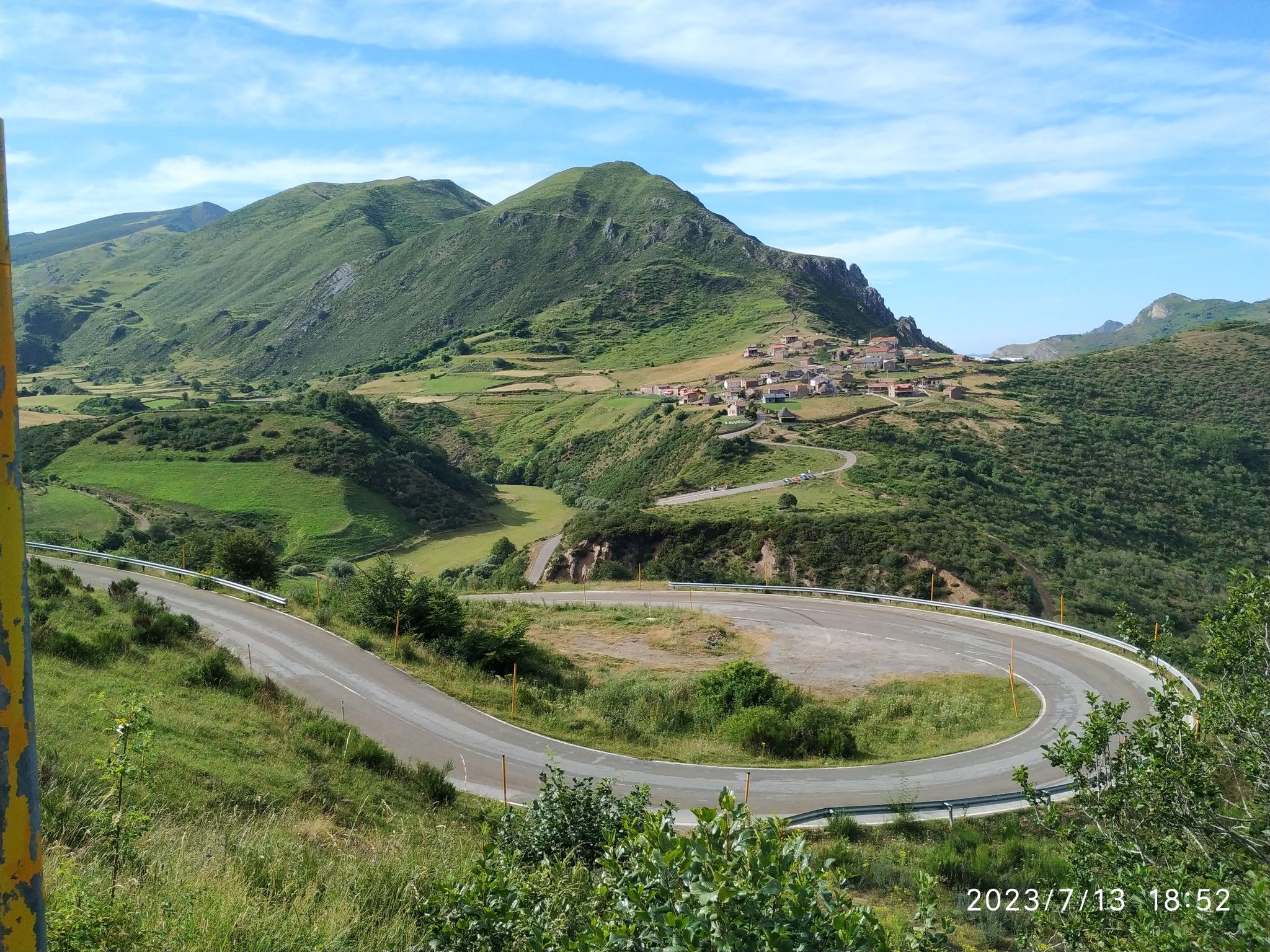
Height Challenges — Ports in Castilla y León
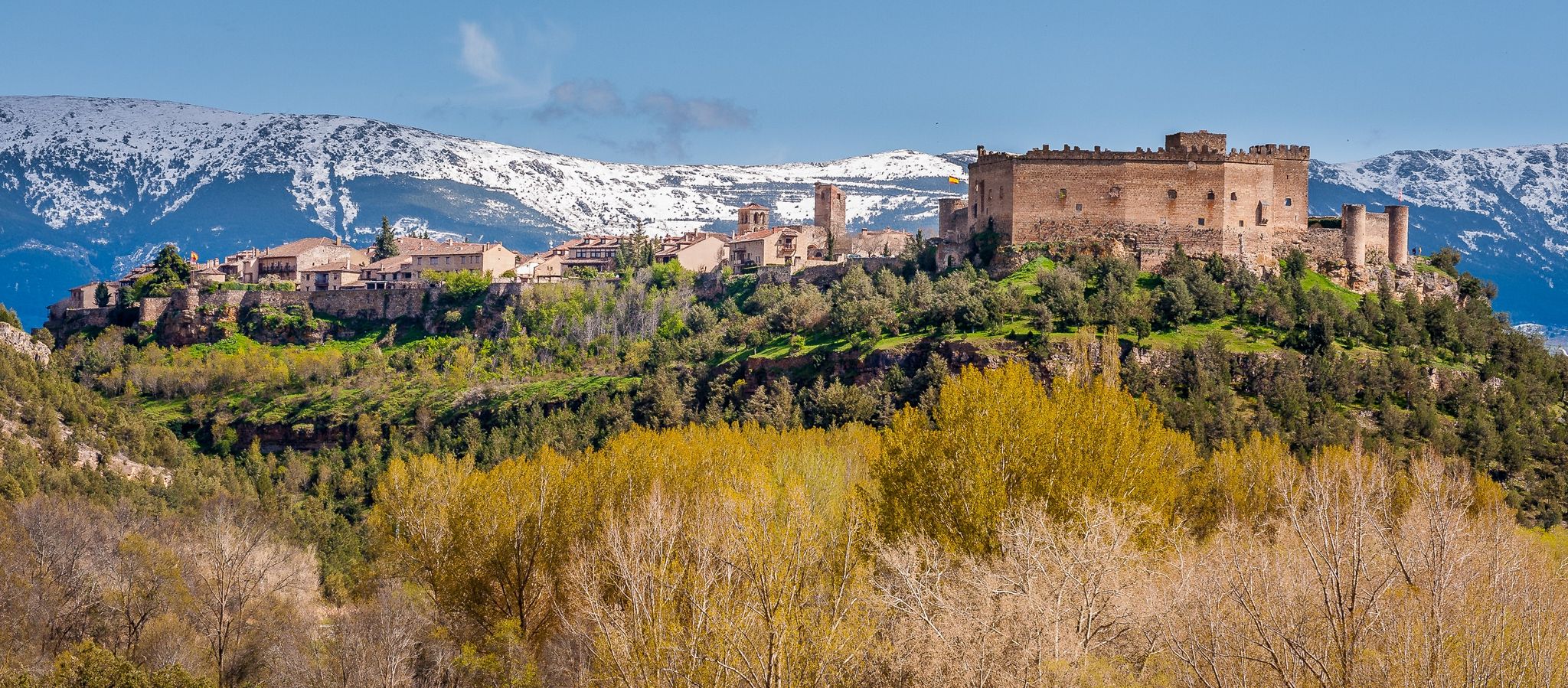
Nature, history and tradition – Segovia Trail (GR 88)
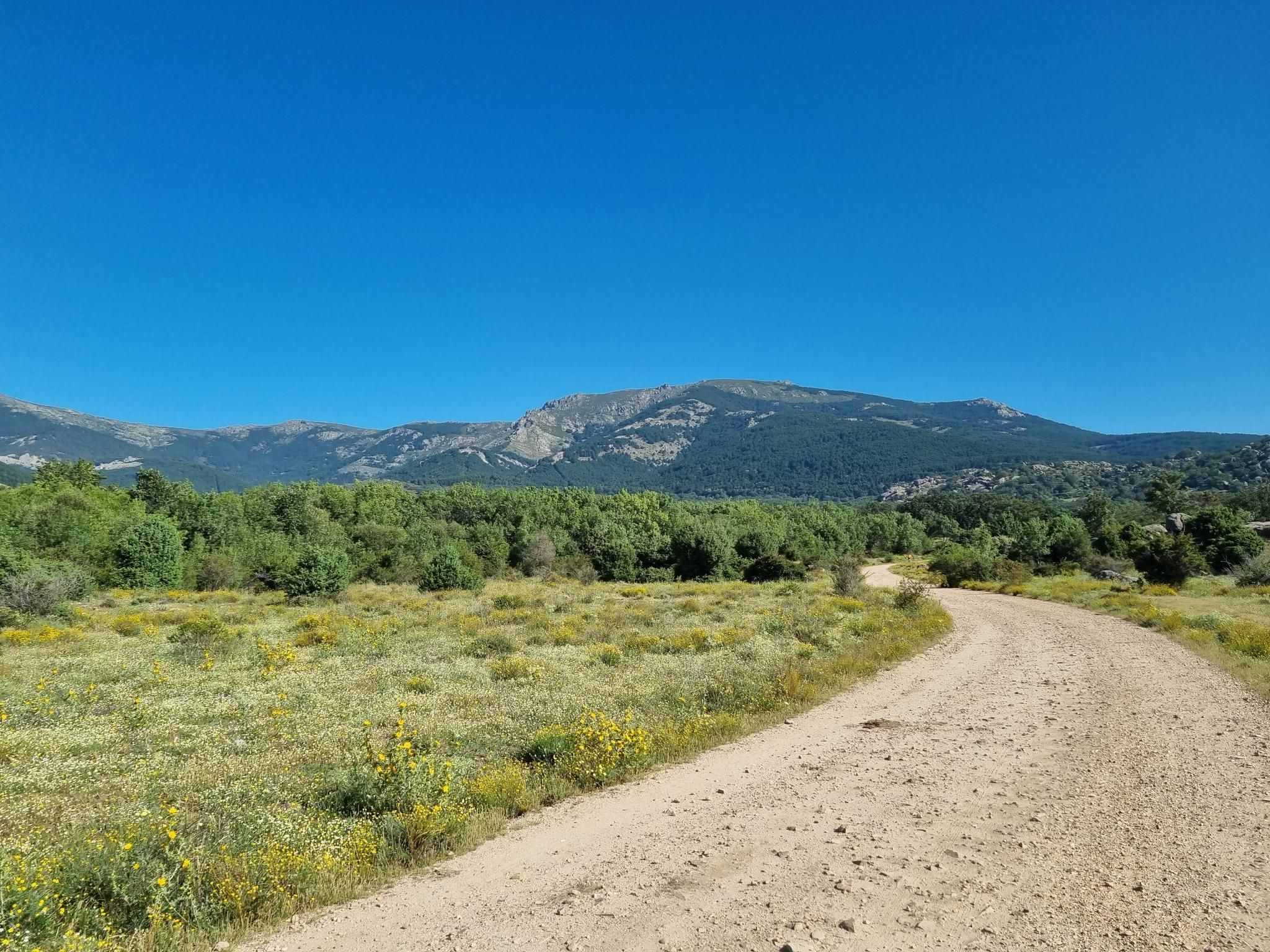
The treasures of Guadarrama – on foot along the GR 10 in Madrid
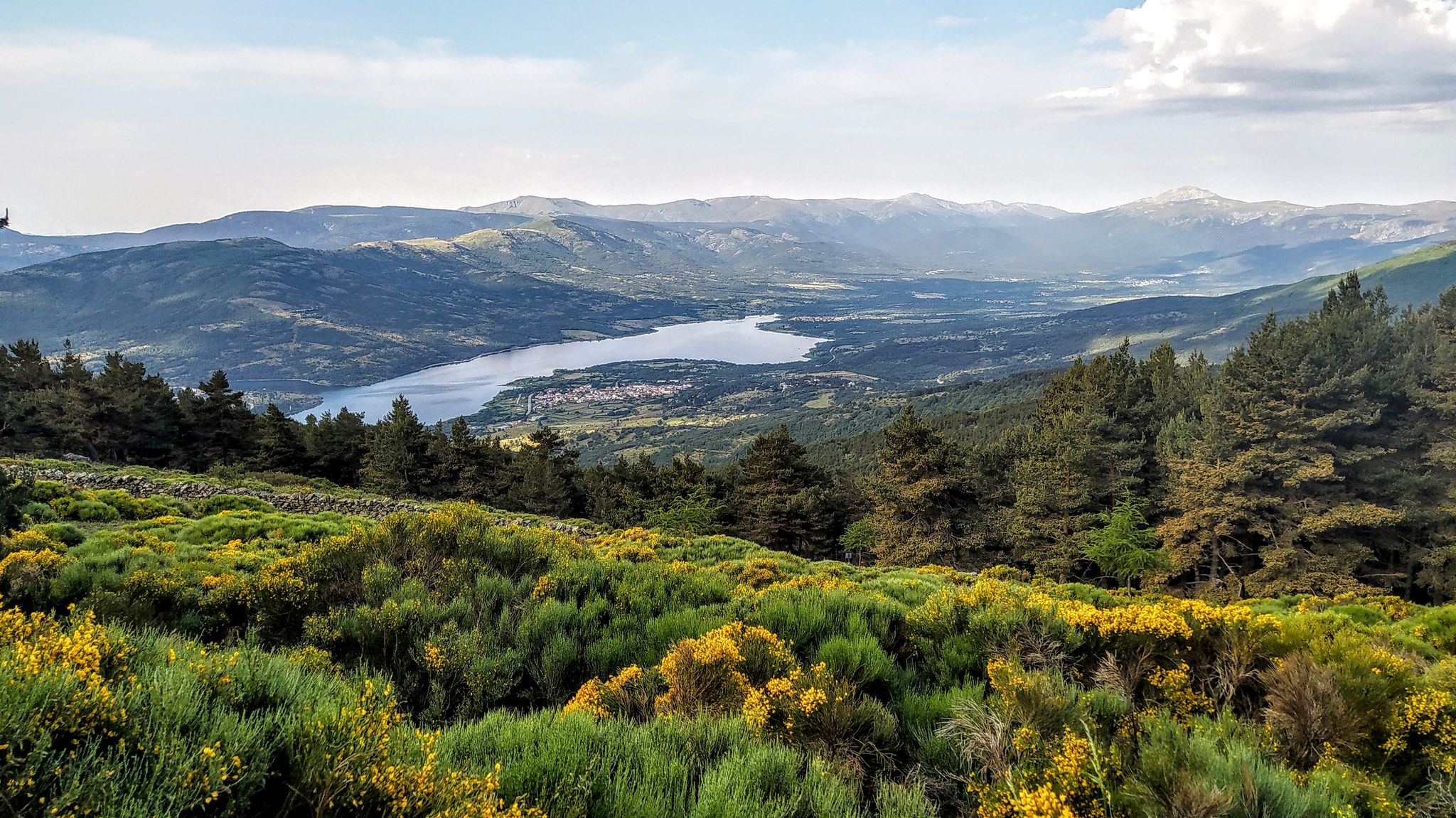
Forests and palaces – Tour of the Sierra de Guadarrama Mountain Range on MTB
Riding through Spain’s Segovian countryside — Eresma Valley Greenway
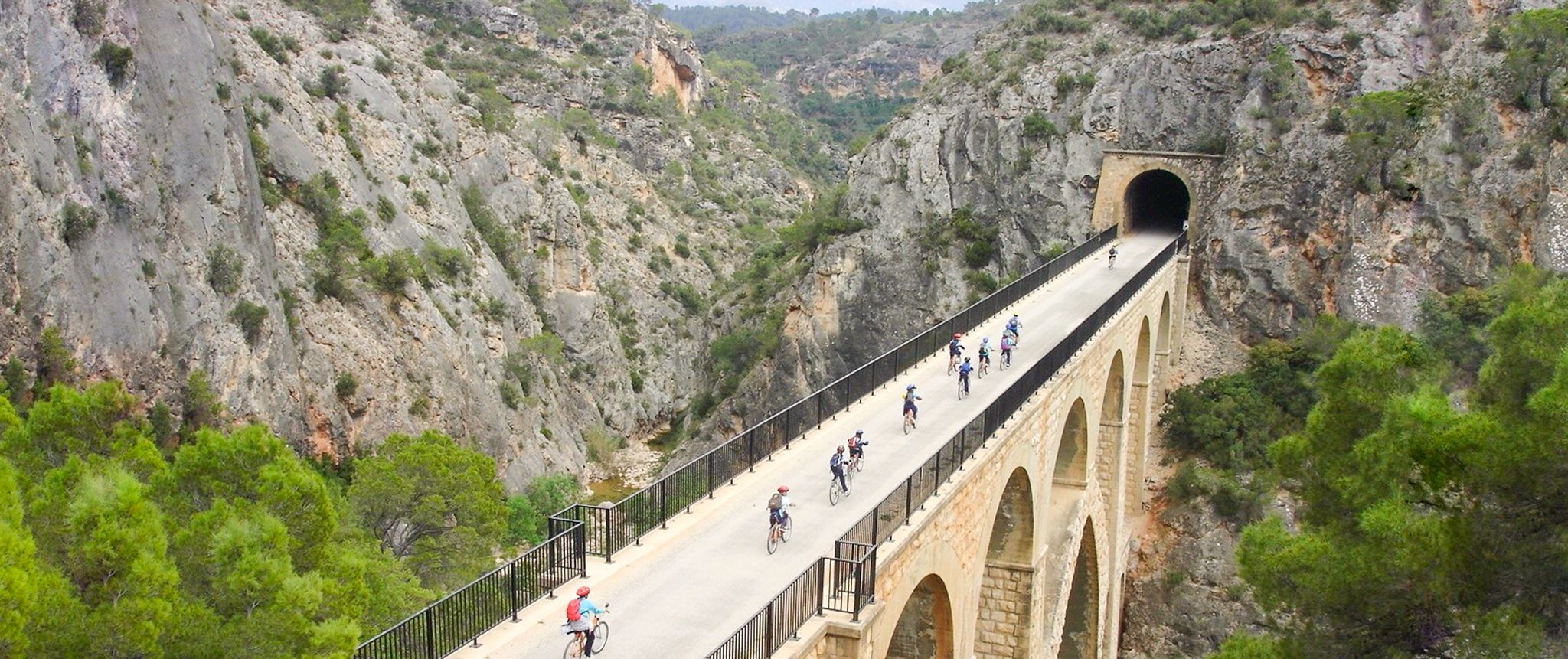
Vías Verdes – traffic-free cycling along railway history in Spain
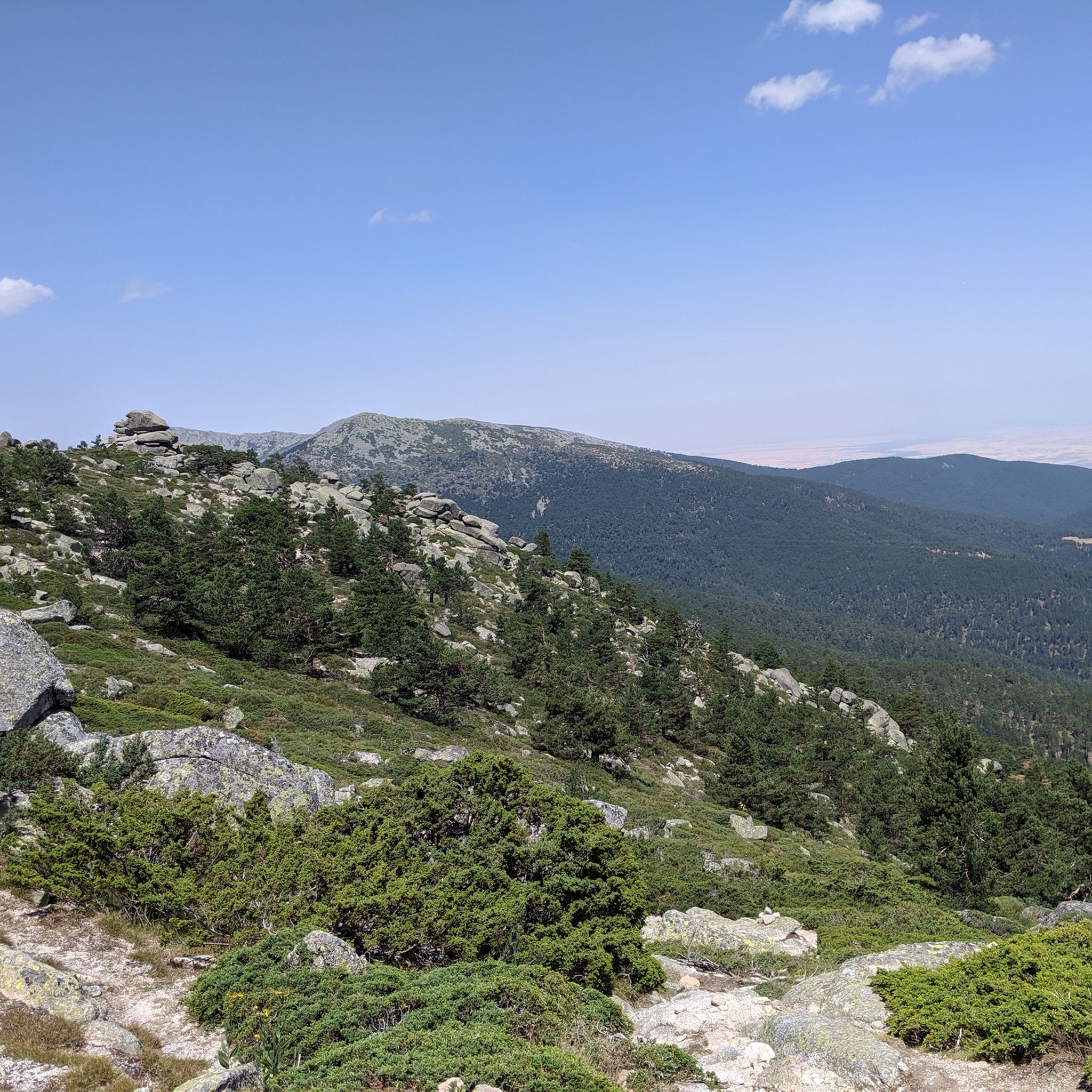
Hiking around Segovia
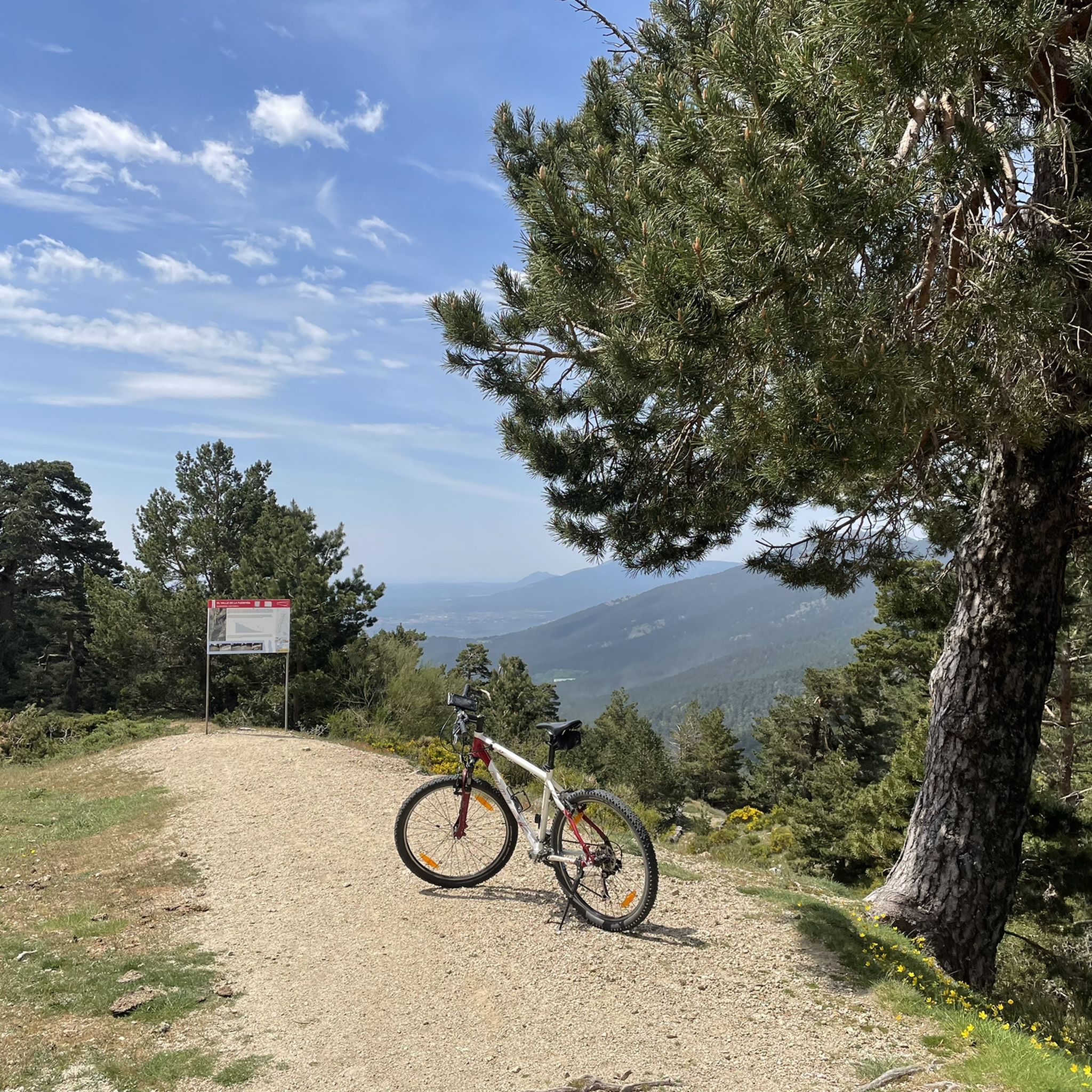
MTB Trails around Segovia
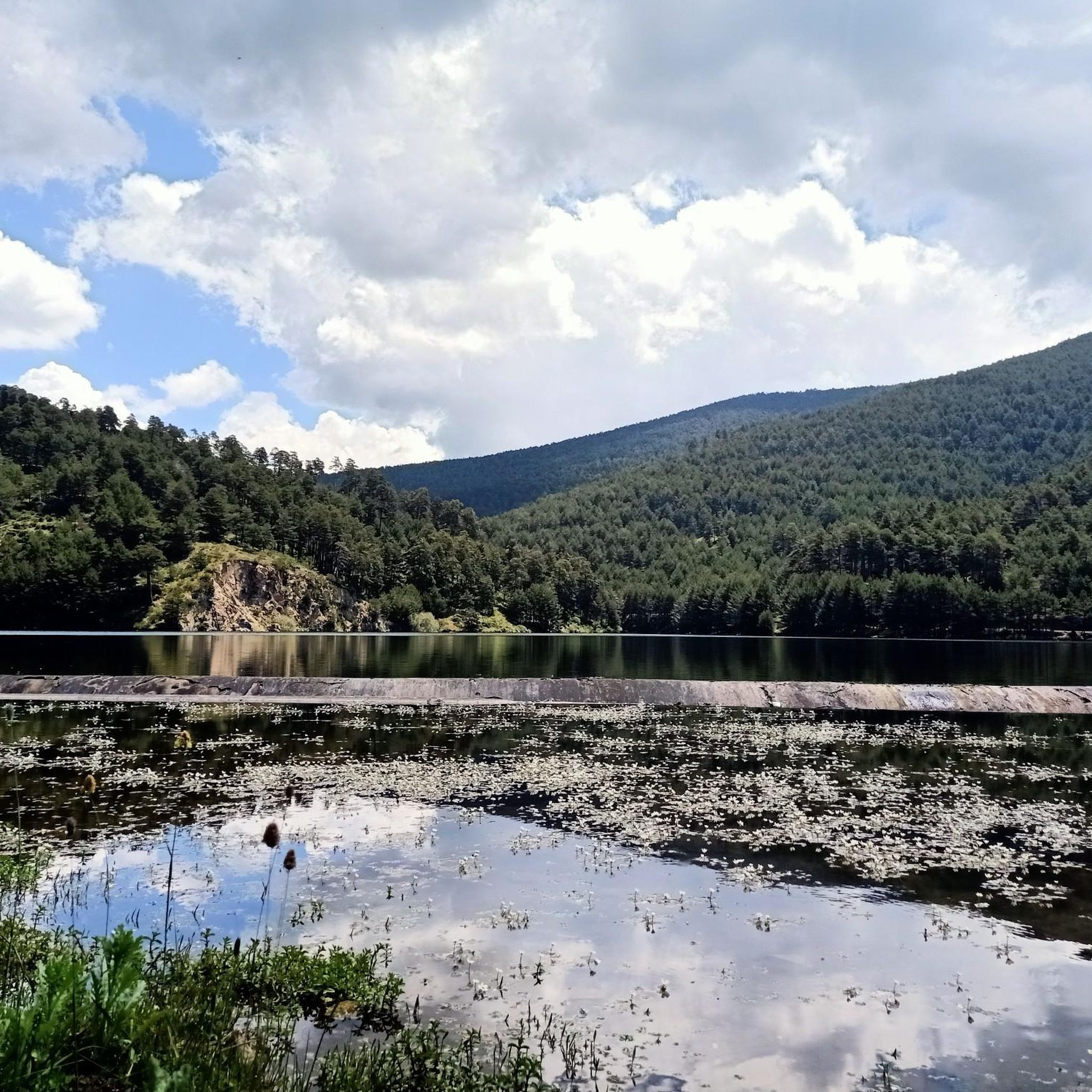
Running Trails around Segovia
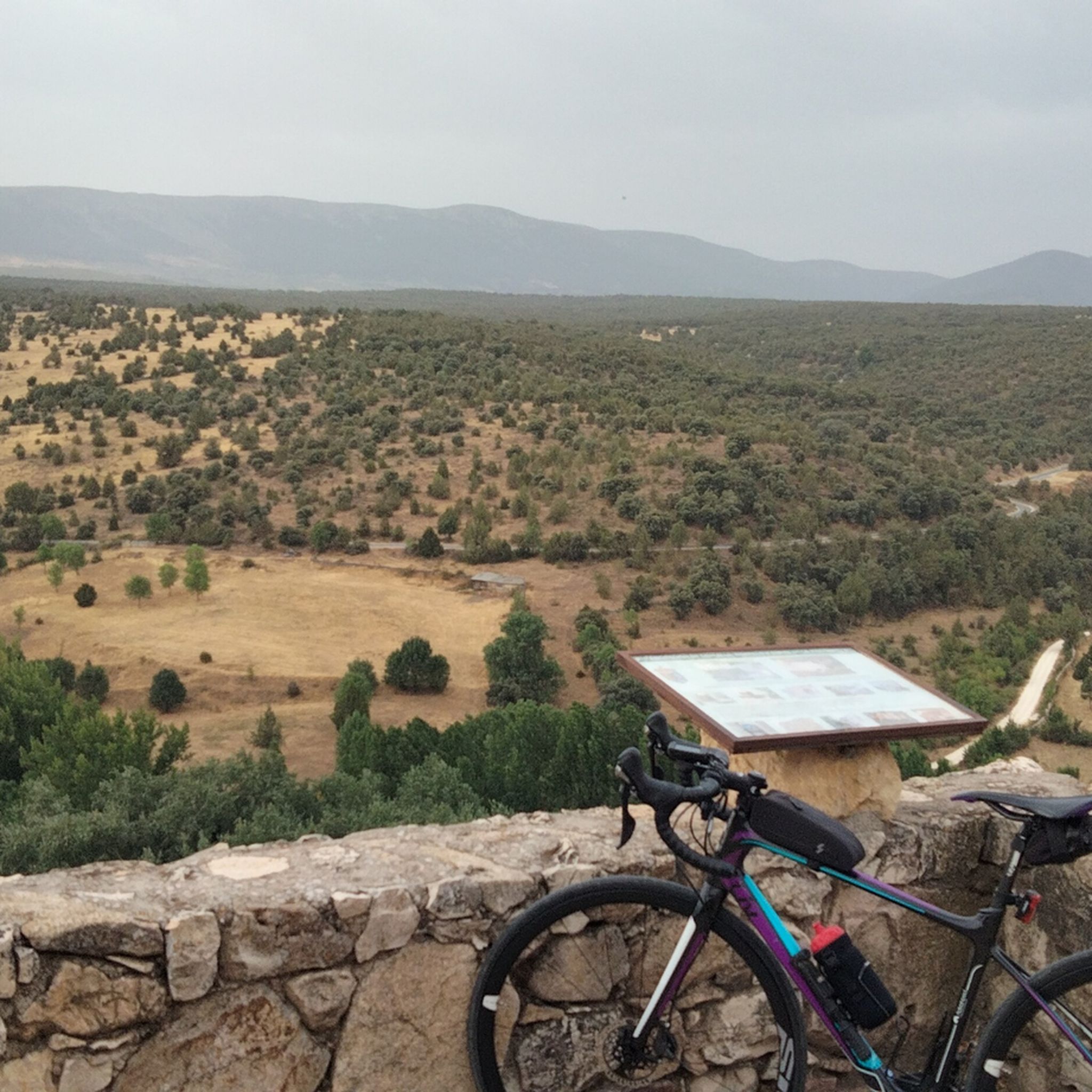
Road Cycling Routes around Segovia
Other adventures around Segovia


Tips from the Community

Beautiful trail that leaves Alto del León and descends to the Arcipreste or de los Lomitos path.
0
0

If the Queen drank this water, it is because it is good and fresh.
0
1

This refuge is located in one of the most beautiful meadows in the Guadarrama mountain range, on the north side of Peñalara. It is important to maintain it and keep it in good condition.
0
0

Information about the “Acueducto de Segovia” and many more photos can be found in the corresponding hiking highlight at => https://www.komoot.com/de-de/highlight/4225055
3
0

This peak is famous for the television and radio repeater antennas installed on its summit in 1959. It is a popular destination for hiking, with routes starting from Puerto de Navacerrada and Puerto de Cotos. The climb offers spectacular views and is especially beautiful in winter, although it can be challenging due to ice and snow.
5
0

Fantastic construction, it impressed me as much as the first time I saw it as a child.
3
0


Frequently Asked Questions
What are the must-see historical landmarks in Segovia?
Segovia is rich in history. You absolutely must visit the iconic Aqueduct of Segovia, a Roman engineering marvel built without mortar. Another essential stop is the magnificent Segovia Cathedral, known as the "Lady of the Cathedrals" and one of Europe's last Gothic cathedrals. Don't miss the Alcázar of Segovia, a fairytale castle believed to have inspired Disney, offering stunning views and rich history.
Are there any natural attractions or parks near Segovia?
Yes, Segovia is surrounded by beautiful natural landscapes. The Boca del Asno Gorge and Waterfalls is a popular recreational area with small waterfalls and pools, perfect for families. You can also explore the dramatic limestone gorges of the Hoces del Río Duratón Natural Park, home to griffon vultures, or hike in the Sierra de Guadarrama mountains, which include peaks like Seven Peaks and Alto de las Guarramillas (Bola del Mundo).
What are some family-friendly activities in Segovia?
Many attractions in Segovia are suitable for families. The Aqueduct of Segovia is impressive for all ages, and the Segovia Cathedral offers a glimpse into history. For nature, the Boca del Asno Gorge and Waterfalls is a great spot for outdoor fun. The Alcázar of Segovia, with its fairytale appearance, is also a hit with children. Additionally, the Fuente de la Reina is a pleasant natural monument with fresh water, ideal for a refreshing stop.
Where can I find good viewpoints to see the city or natural landscapes?
For stunning views of the Alcázar, head to the Mirador de la Pradera de San Marcos. You can also get panoramic views from the Torre del Homenaje within the Alcázar itself. The medieval city walls offer scenic walks with views of the Clamores and Eresma valleys. For mountain vistas, the summits like Seven Peaks and Alto de las Guarramillas (Bola del Mundo) in the Sierra de Guadarrama provide challenging but rewarding perspectives.
What kind of outdoor activities can I do around Segovia?
The Segovia region offers a variety of outdoor activities. You can enjoy hiking and climbing in the Sierra de Guadarrama, with routes around peaks like Seven Peaks. Canoeing is popular in the Hoces del Río Duratón Natural Park. For cycling enthusiasts, there are numerous routes for road cycling, mountain biking, and gravel biking. You can find detailed tours and guides for these activities on the Road Cycling Routes around Segovia, MTB Trails around Segovia, and Gravel biking around Segovia guide pages.
Are there any notable cultural sites beyond the main landmarks?
Beyond the major landmarks, Segovia boasts several significant cultural sites. Explore the charming Old Jewish Quarter (La Judería) with its narrow streets and historic sites like the San Andrés Gate. Just outside the city walls, you'll find the 15th-century Monastery of Santa María del Parral, showcasing late Gothic and Mudejar styles. The Royal Palace of La Granja de San Ildefonso, a 17th-century Baroque palace with extensive gardens, is also a short drive away.
What is the best time of year to visit Segovia?
Segovia is beautiful year-round, but spring (April-May) and autumn (September-October) generally offer the most pleasant weather for exploring both the city and its natural surroundings. Temperatures are mild, and the landscapes are vibrant. Summer can be hot, especially in July and August, while winter can be cold, particularly in the mountains, though it offers a different kind of charm.
What are some unique experiences or hidden gems in the Segovia area?
For a unique perspective, consider a hot air balloon ride over Segovia to see the Aqueduct and Alcázar from above. Explore the Royal Mint Museum of Segovia (Casa de la Moneda) to learn about the history of coinage. The Boca del Asno Gorge and Waterfalls, with its visitor center, offers a deeper dive into the Valsaín pine forests. Also, don't miss the opportunity to savor Segovia's famous roast suckling pig ('cochinillo') at a traditional restaurant.
Are there any hiking trails suitable for beginners near Segovia?
Yes, there are several trails suitable for various skill levels. While peaks like Seven Peaks offer challenging climbs, many sections of the Sierra de Guadarrama and walks along the city walls provide easier options. The "Vía Verde del Eresma" is a path along repurposed railway tracks, offering a gentle and scenic walk. The recreational areas around Boca del Asno Gorge also have accessible paths.
What do visitors enjoy most about the attractions around Segovia?
Visitors consistently praise the sheer grandeur of the Aqueduct of Segovia, often describing it as an 'impressive architectural structure' and a 'heraldic symbol' of the city. The Alcázar's fairytale charm and panoramic views are also highly rated. Many appreciate the blend of historical sites with accessible natural beauty, like the refreshing waters of Fuente de la Reina and the scenic Boca del Asno Gorge, making it a diverse destination for exploration.
How accessible are Segovia's main attractions for people with mobility challenges?
The Aqueduct of Segovia is generally accessible, as it's an open-air monument in the city center. While the historic city center has some uneven cobblestone streets, many areas are navigable. Specific accessibility details for other sites like the Alcázar or Cathedral would need to be checked directly with the venues, as older buildings can present challenges. Natural areas like the Sierra de Guadarrama or Hoces del Río Duratón Natural Park may have varied terrain.
Are there any specific bridges or historical passes worth visiting?
Beyond the famous Aqueduct, you can explore other historical structures. The Puente de los Canales is another notable bridge with historical significance. For mountain passes, Navacerrada Pass and Alto del León are historically important and offer scenic views, often serving as starting points for mountain trails.
Most popular routes around Segovia
Most popular attractions around Segovia

Get inspired with the komoot mobile app


Didn’t find what you were looking for?
Are you keen on exploring more awesome places nearby? Browse our guides:
Explore more
Still not found the Highlight you’re looking for? See guides of the top attractions in other regions:
