Attractions and Places To See around Campo De Gomara - Top 20
Best attractions and places to see around Campo De Gomara include a variety of historical, cultural, and natural sites in the eastern part of Soria, Spain. This region is characterized by its agricultural landscape and striking red earth geological formations. Visitors can explore ancient castles, Romanesque churches, and significant archaeological sites. The area also offers natural features like the Moncayo summit and waterfalls, providing diverse points of interest.
Best attractions and places to see around Campo De Gomara
- The most…
Last updated: July 6, 2026
Moncayo Summit
Highlight • Summit
Translated by Google •
Tip by

Monasterio de Santa María de Huerta
Highlight • Religious Site
Translated by Google •
Tip by

Sign up now to discover places like this
Get recommendations on the best single tracks, peaks, & plenty of other exciting outdoor places.
Sign up for free
Ólvega
Highlight • Settlement
Translated by Google •
Tip by

Peña del Tío Fresquito
Highlight • Viewpoint
Translated by Google •
Tip by
Church of San Miguel Arcángel of Ágreda
Highlight • Religious Site
Of the latter, the Romanesque temples of San Miguel …
Translated by Google •
Tip by

Matalebreras
Highlight • Settlement
It was established as a constitutional municipality with the name of Matalebrera, with 90 homes and 269 neighbors in 1842.
Translated by Google •
Tip by
Church, Medieval Bridge, and Stele of Renieblas
Highlight • Religious Site
The most remarkable thing is its church, the …
Translated by Google •
Tip by

Church of Nuestra Señora de la Blanca, Montenegro de Ágreda
Highlight • Religious Site
Translated by Google •
Tip by
Pozo de las Truchas Waterfall
Highlight • Waterfall
Translated by Google •
Tip by
Borobia
Highlight • Settlement
Translated by Google •
Tip by

Sign up for free to discover even more attractions around Campo De Gomara.
Sign up for free
Already have an account?
Start today with a free account
Your next adventure awaits.
Login or Signup
Popular around Campo De Gomara
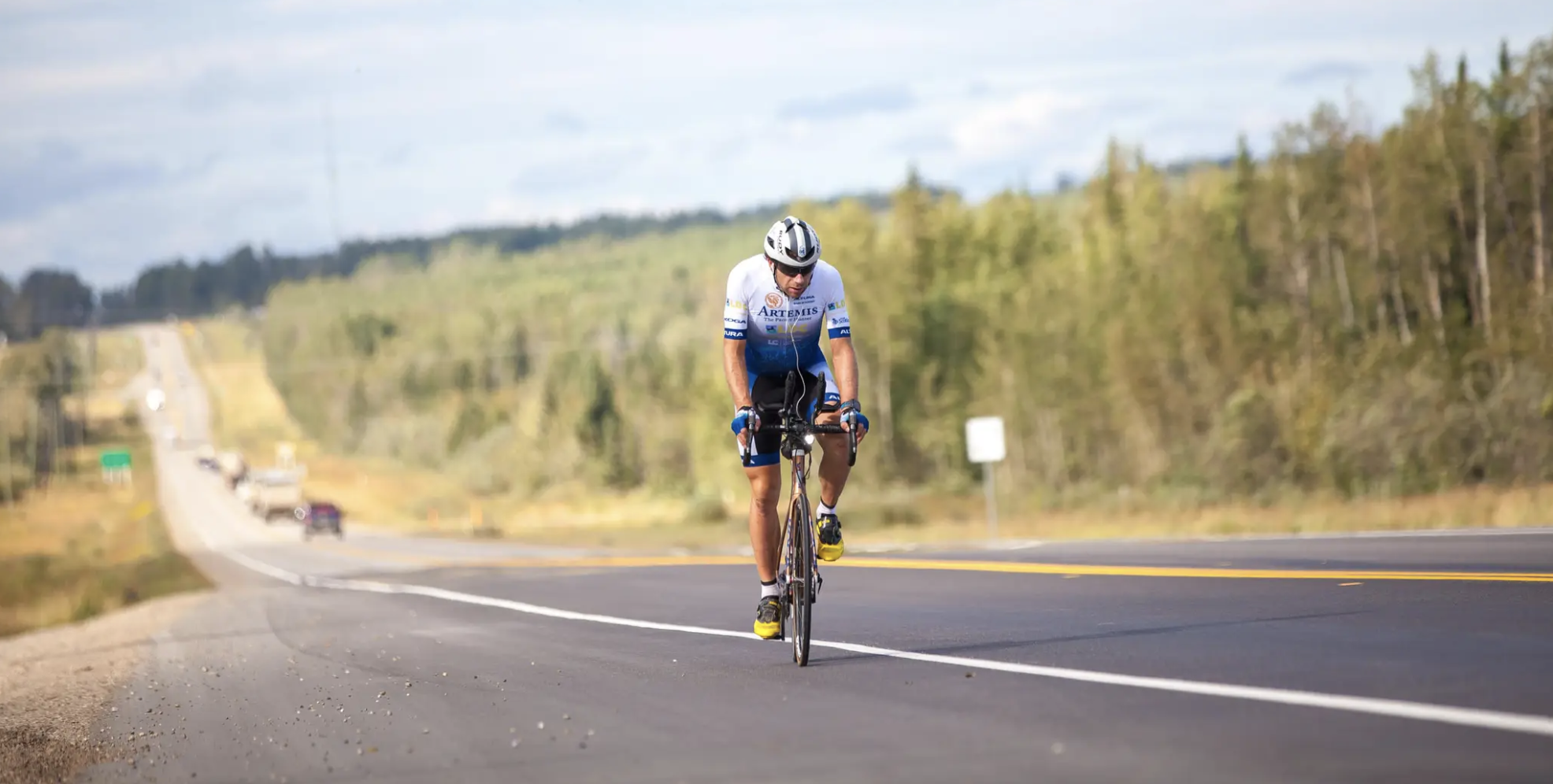
Around the World in 80 Days
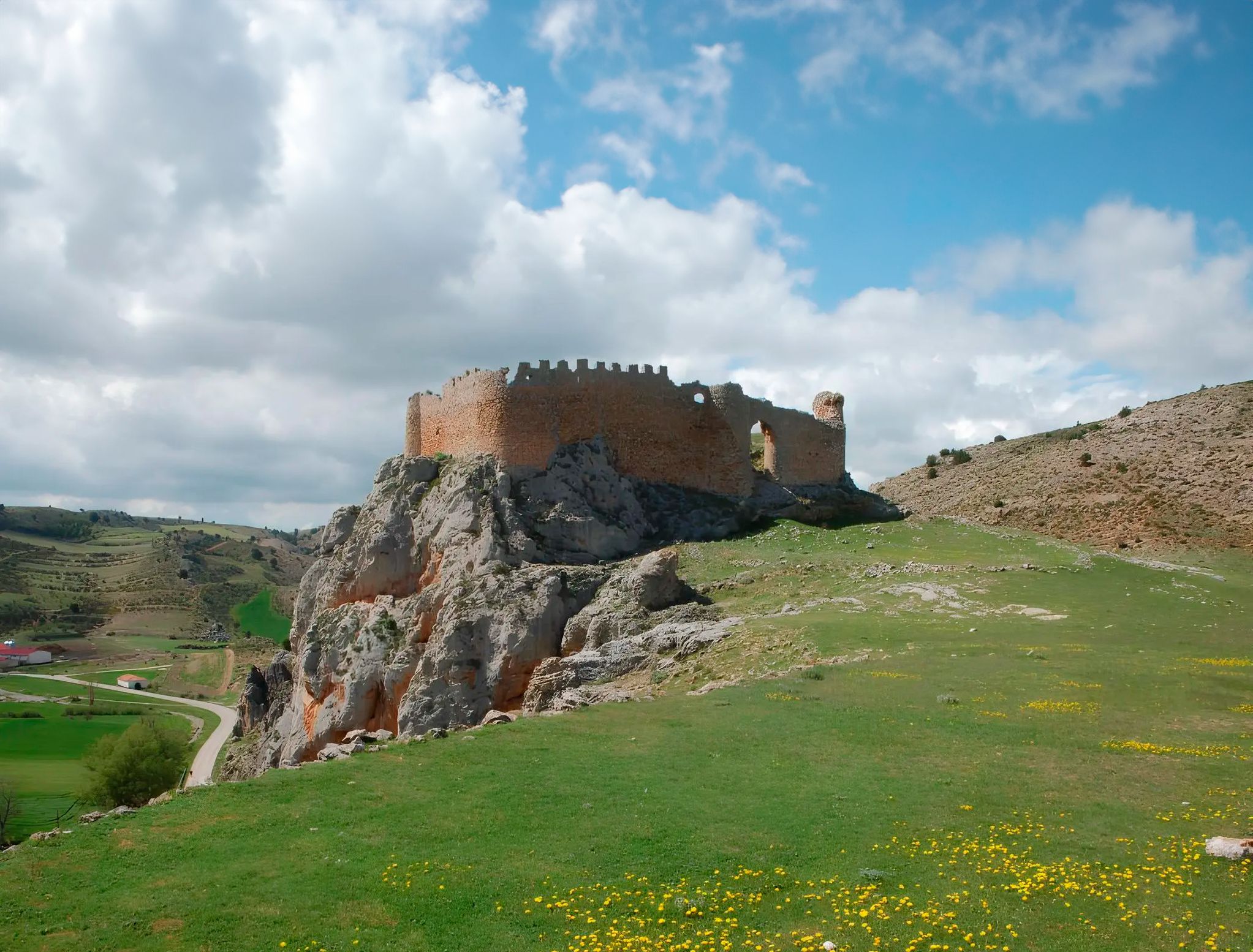
Around the Spanish province of Soria - Sendero Ibérico Soriano (GR 86)
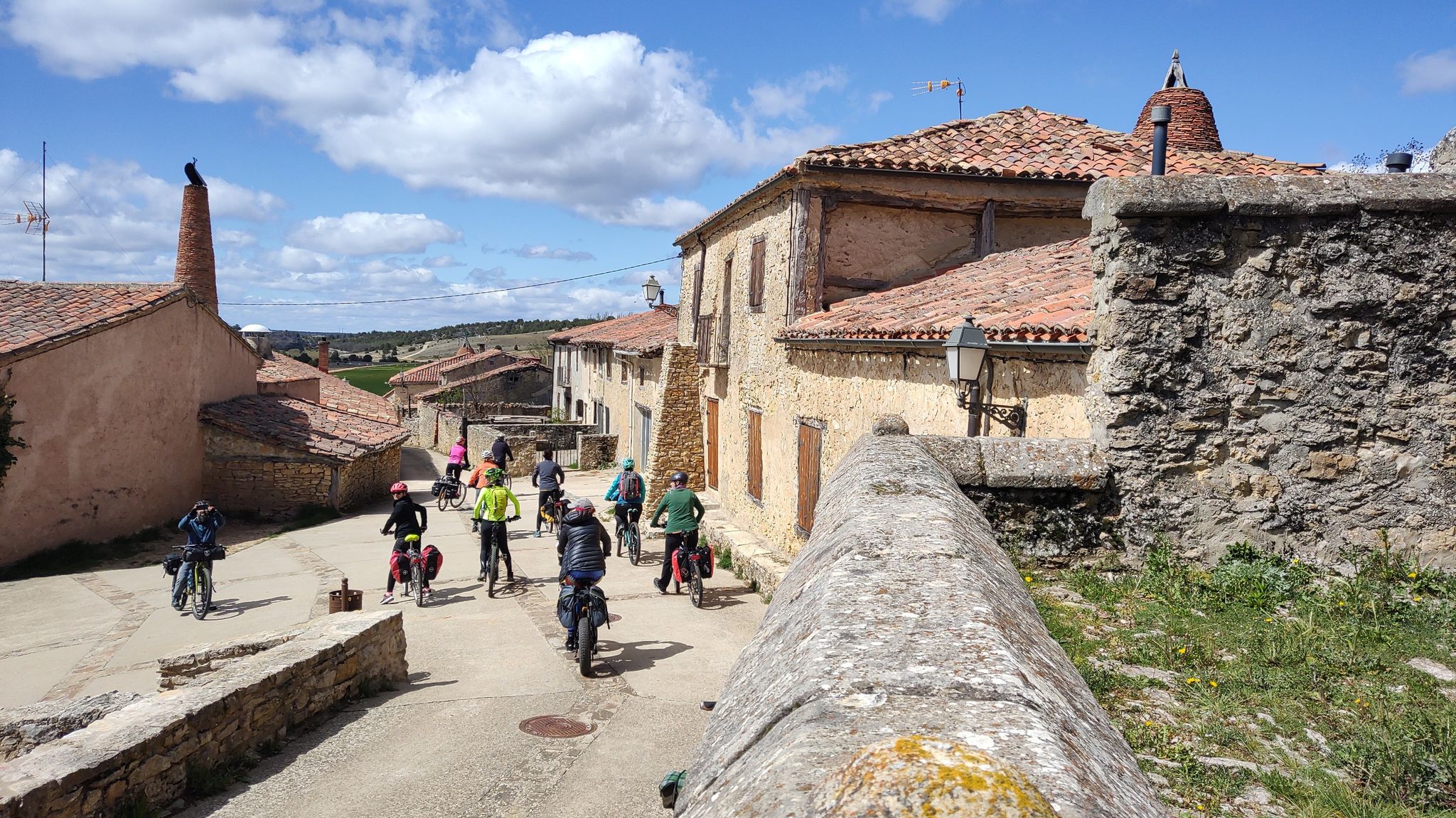
Millennial treasures on pedals – Romanesque art of Soria by MTB
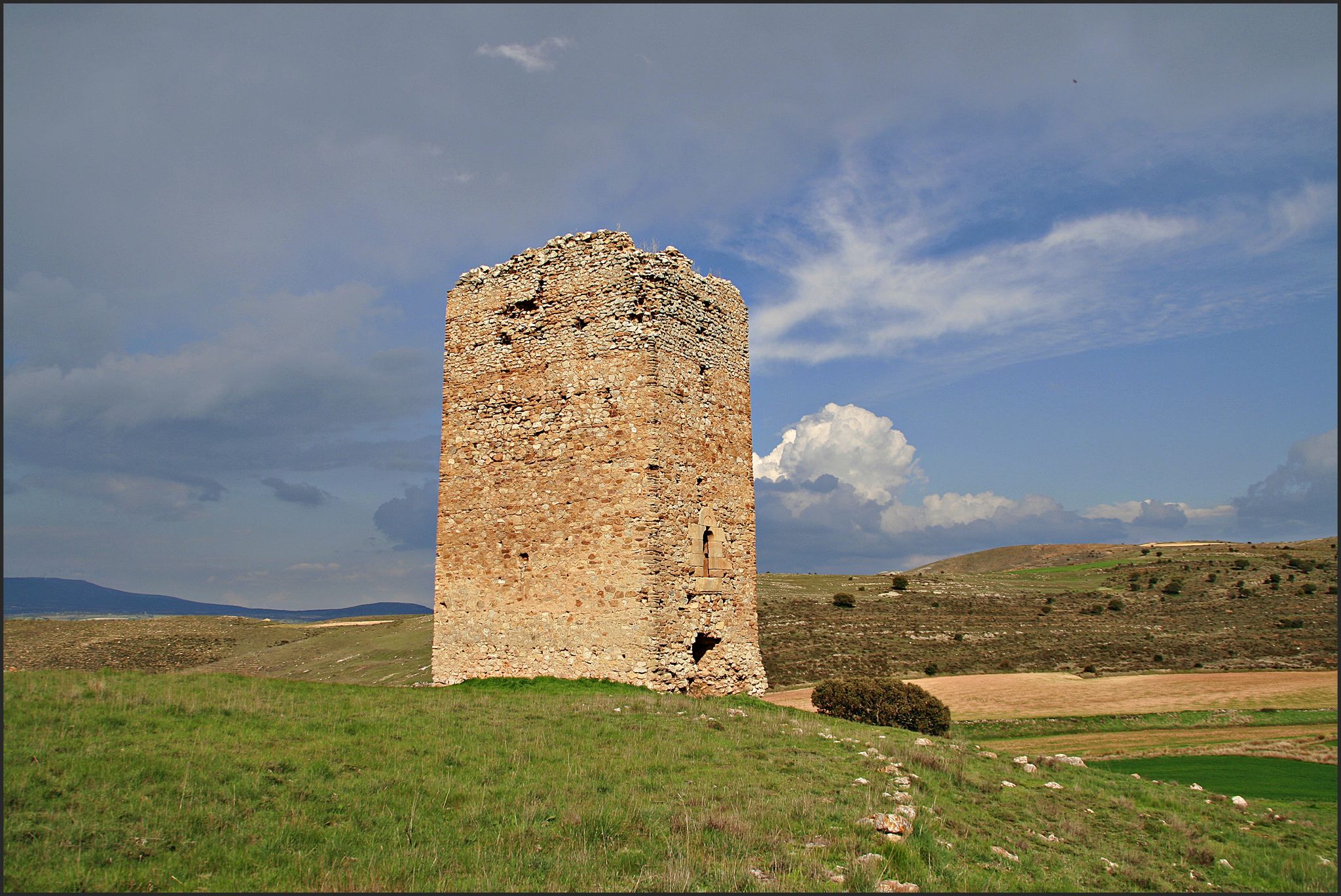
The Duero to the Ebro – Soriano Water Natural Trail
Tierras de Frontera on a gravel bike – El Camino del Cid
El Camino del Cid – The Borderlands on MTB
Camino del Cid by bicycle — frontier lands in Spain
Hiking around Campo De Gomara
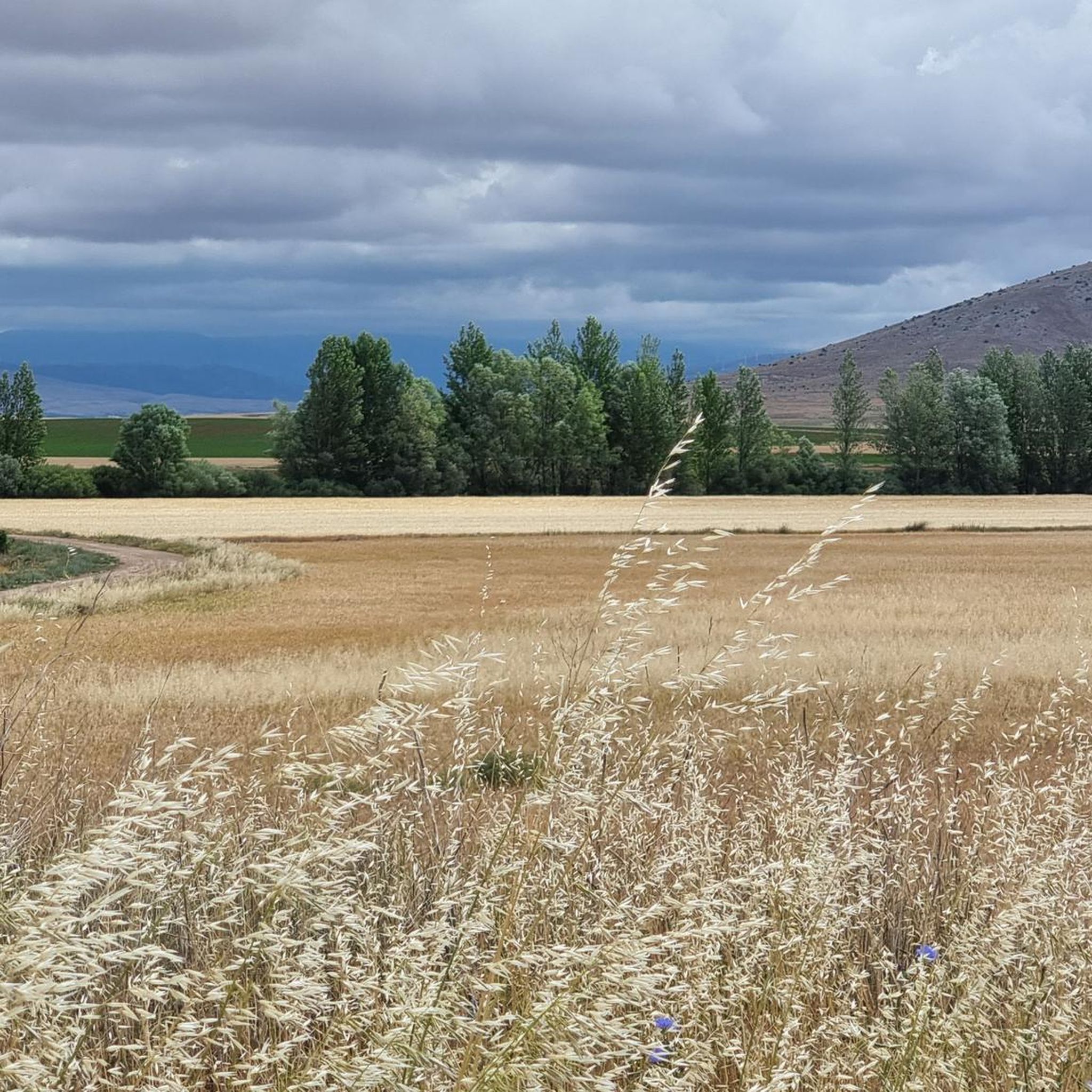
Road Cycling Routes around Campo De Gomara
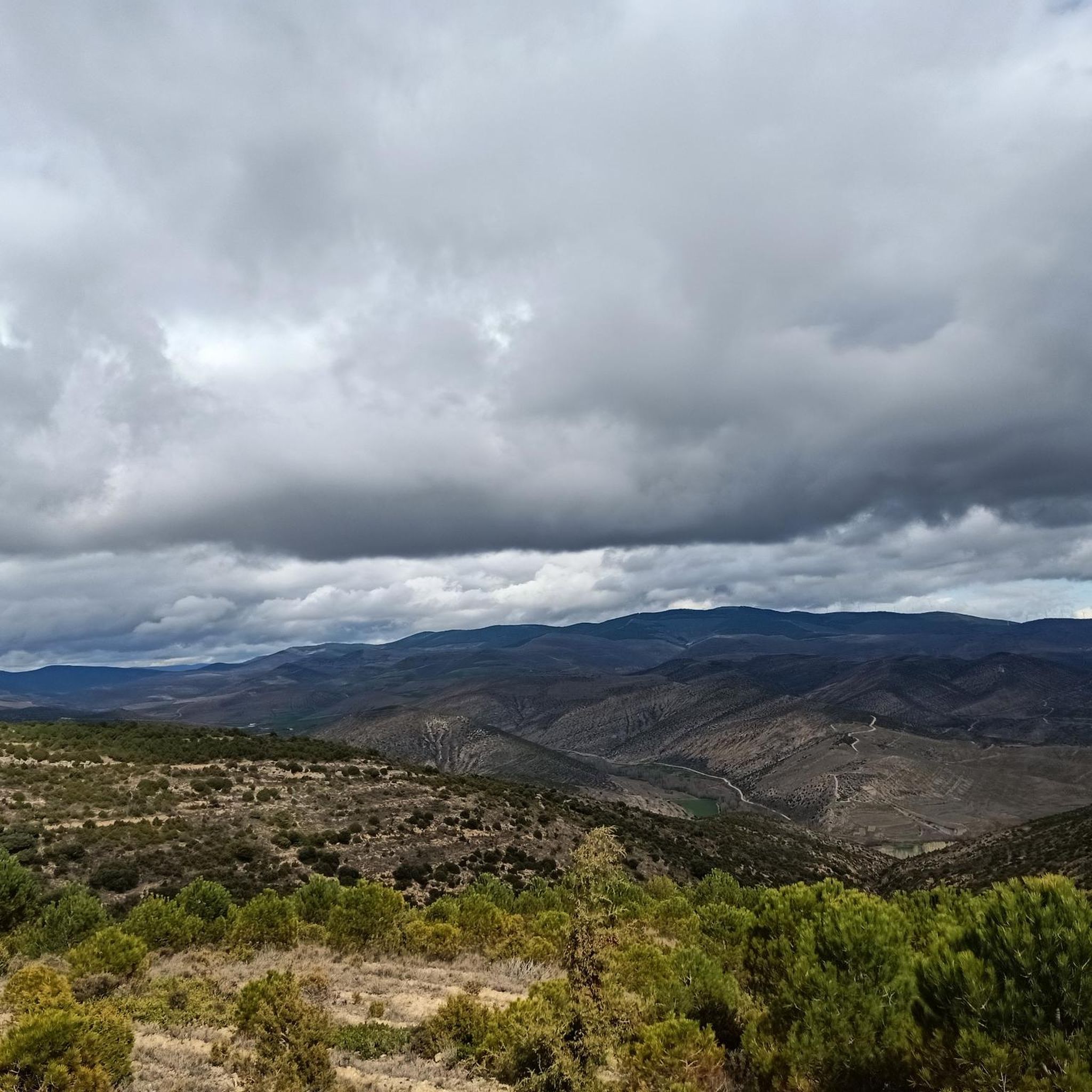
Cycling around Campo De Gomara
Other adventures around Campo De Gomara


Tips from the Community

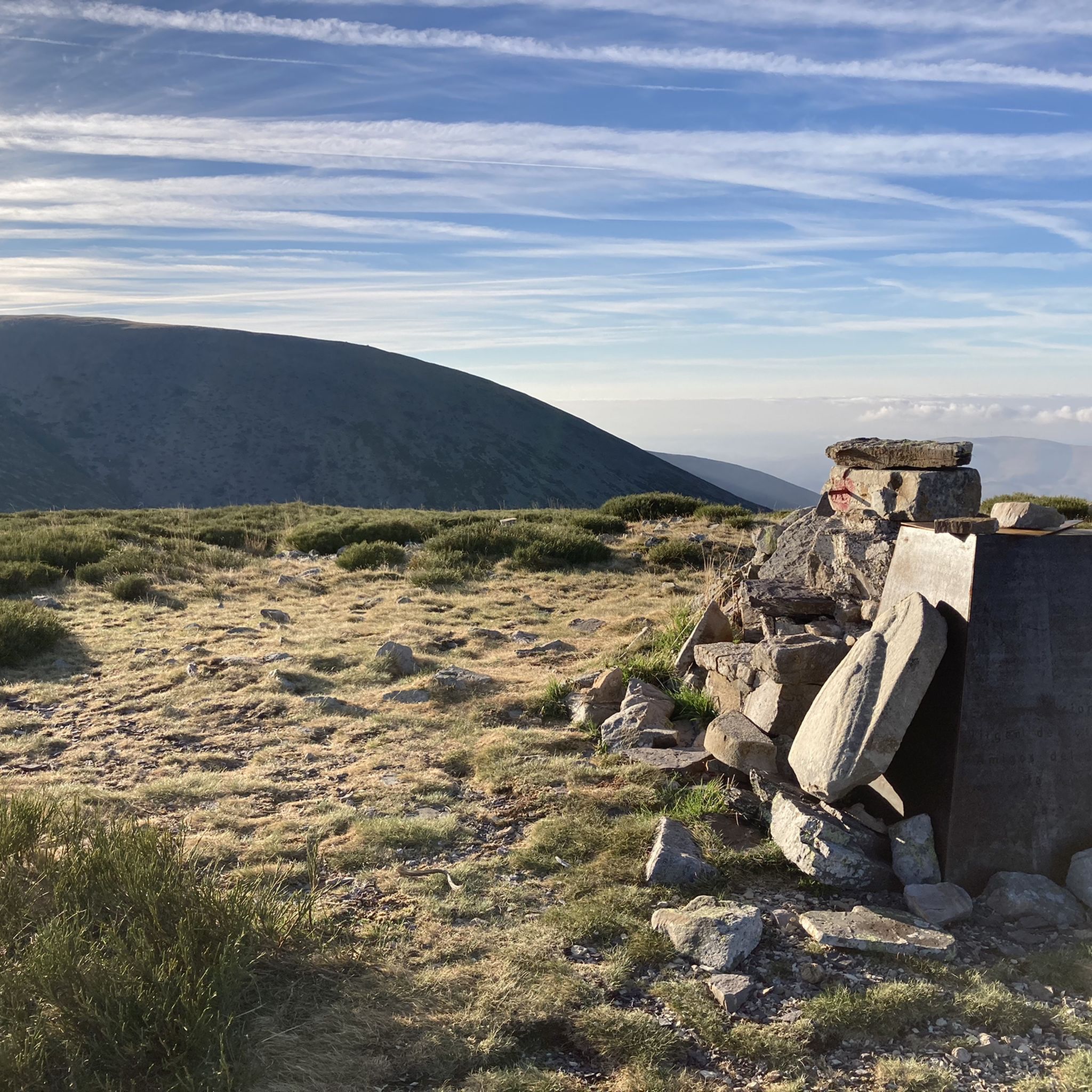
The summit of Moncayo, also known as Pico San Miguel, is the highest mountain in the Iberian system, with an altitude of 2315 metres. It is located between the provinces of Zaragoza (Aragon) and Soria (Castile and Leon) in Spain. To reach the summit, many hikers start from the Sanctuary of the Virgin of Moncayo, located at 1621 metres. From there, the route passes through the Cucharón cirque and the San Miguel basin before reaching the summit. The route offers spectacular views and is especially popular in spring and summer.
5
0

Moncayo never disappoints. From Cueva de Agreda the climb is longer and harder, but it is worth the sacrifice. The views from the summit, towards Aragon and towards Castilla, are impressive.
1
0

Montenegro de Ágreda is a town belonging to the municipality of Matalebreras, in the province of Soria, region of Moncayo, in the community of Castilla y León. It stands out for the church of Nuestra Señora de la Blanca, a proto-Gothic fortified church from the 13th century that took advantage of the structure of an old Berber tower in its construction.
0
0
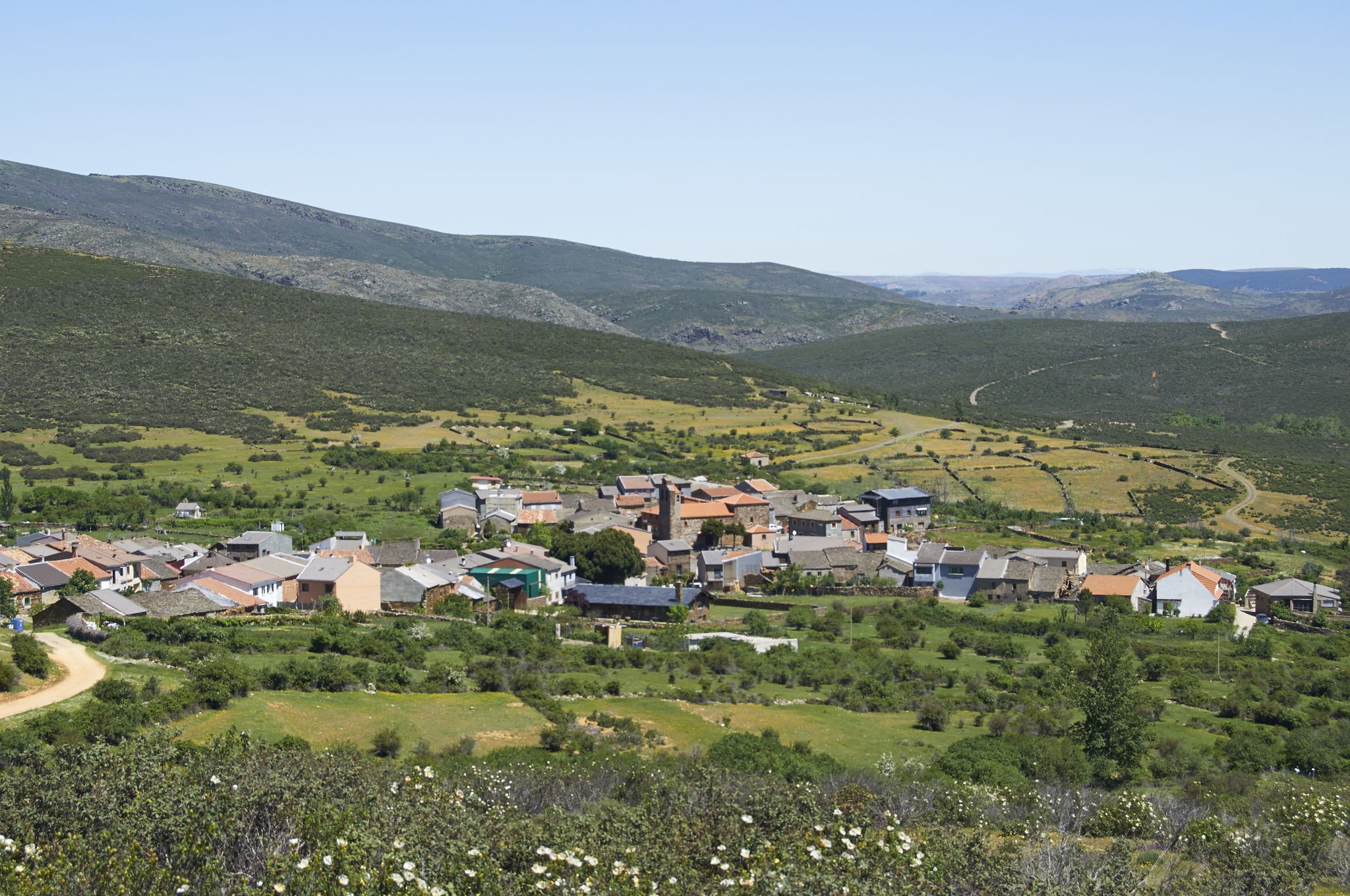
Matalebreras is a municipality in the province of Soria, in the Moncayo region, in the community of Castilla y León. It was established as a constitutional municipality with the name of Matalebrera, with 90 homes and 269 neighbors in 1842. Of its heritage, the Gothic church of San Pedro Apóstol from the 18th century stands out, although it preserves a chapel and the nave from the 16th century. Another unique building is the Mozarabic tower, today in ruins, in addition to three emblazoned houses from the 17th-18th centuries, one of them belonging to the Marquis of Velamazán.
2
0
Ólvega is a municipality in Soria in the community of Castilla y León. Its origin dates back to the beginning of the 5th century, although even older archaeological remains have been found from two nearby Celtiberian forts. It is popularly known as "Niña del Moncayo", for being at the foot of this mountain, and also as "Second Numancia", for the popular revolt of 1474 to avoid rendering vassalage to the Count of Medinaceli.
1
0

In Montenegro de Ágreda, the ancient fortified church of Nuestra Señora de la Blanca remains standing, built at the end of the 12th century, attached to a Berber defensive tower, from the 10th century. Another jewel of the Romanesque style that spread throughout the medieval border lands .
1
0
Ágreda lies at the foot of Moncayo and enjoys an enormous historical heritage of cultures: Celtiberian, Roman, Muslim, Jewish and Christian. Of the latter, the Romanesque temples of San Miguel Arcángel, Virgen de la Peña and San Juan Bautista stand out especially.
2
0

Impressive building that houses a monastery and church of the Benedictine order in the town of Santa María de Huerta next to the Jalón river.
1
1
Frequently Asked Questions
What historical sites and landmarks can I explore in Campo De Gómara?
The region is rich in history. You can visit the impressive Castillo de Almenar de Soria, located just 3 km from Almenar de Soria. The Monasterio de Santa María de Huerta is a Cistercian monastery primarily built in an early Gothic style. Don't miss the Church, Medieval Bridge, and Stele of Renieblas, which features a remarkable church, a medieval bridge of Roman origin, and a Roman milestone. The ancient Celtiberian city at the Yacimiento Arqueológico de Numancia also offers significant insights into the past.
Are there any notable natural attractions or viewpoints in the area?
Absolutely. The Moncayo Summit, at 2,314.3 meters, offers splendid panoramic views within the Natural Park of Moncayo, with a route passing through a beautiful oak forest. You can also discover the serene Pozo de las Truchas Waterfall in the Cañón del Río Val, a peaceful natural setting. The region is also characterized by striking red earth geological formations, offering unique natural scenery.
What outdoor activities, like hiking or cycling, are available near these attractions?
Campo De Gómara offers diverse outdoor activities. For hiking, consider routes like the challenging Moncayo from Cueva de Ágreda Trail or the moderate Barranco del Val Trail. Cyclists can explore routes such as the Magaña Castle and Alhama Valley Biosphere Loop for road cycling, or the Cañón del Val, Los Fayos y Vozmediano – circular desde Ágreda for mountain biking. You can find more details on these and other routes on the hiking, road cycling, and MTB guides for the region.
Are there family-friendly attractions in Campo De Gómara?
Many attractions in the region are suitable for families. The Monasterio de Santa María de Huerta is listed as family-friendly, offering an engaging historical experience. Settlements like Matalebreras, Borobia, and Ólvega also offer family-friendly environments to explore, often with historical or religious sites.
Where can I see Romanesque architecture in the Campo De Gómara region?
The Campo de Gómara region is notable for its Romanesque churches. Along the N-122 road, you'll find magnificent examples in Fuensaúco (Nuestra Señora de los Ángeles de Fuensaúco), Tozalmoro (Iglesia de Tozalmoro), and Omeñaca. Further south, the Iglesia de Peroniel de Campo and Torralba de Arciel also feature interesting Romanesque structures. In Ágreda, the Church of San Miguel Arcángel has a Romanesque crenellated tower, and the Church of the Virgen de la Peña is another 12th-century Romanesque temple.
What are some unique cultural experiences or towns to visit?
The town of Ágreda, at the foot of Moncayo, boasts a rich historical heritage influenced by Celtiberian, Roman, Muslim, Jewish, and Christian cultures, with numerous Romanesque temples and historical monuments. Borobia is known for its clear skies, making it ideal for stargazing. Renieblas offers a unique combination of a medieval bridge of Roman origin, a water spring, a medieval funerary stele, and a Roman milestone, alongside the remains of a Roman camp.
What is the highest point in the region and what does it offer?
The highest point is the Moncayo Summit, also known as Pico San Miguel, at an altitude of 2,314.3 meters. It is the highest point of the Iberian System and offers splendid panoramic views. The route to the peak is also highly regarded, passing through a beautiful oak forest. Visitors are advised to bring a coat, as the wind can be strong at any season.
What are some significant religious buildings to visit in the area?
Beyond the Romanesque churches, Gómara itself hosts the Iglesia de San Juan Bautista with Gothic elements and a Renaissance altarpiece, and the Ermita de la Virgen de la Fuente. The Monasterio de Santa María de Huerta is a prominent Cistercian monastery. In Ágreda, the Church of San Miguel Arcángel and the Church of the Virgen de la Peña are notable. The Church of Nuestra Señora de la Blanca in Montenegro de Ágreda is also a significant historical religious site.
What do visitors particularly enjoy about the attractions around Campo De Gómara?
Visitors appreciate the diverse range of attractions, from ancient architecture to mountain peaks and waterfalls. The panoramic views from the Moncayo Summit are frequently highlighted. The well-preserved architecture and historical significance of sites like the Monasterio de Santa María de Huerta are also highly valued. The peaceful natural setting of the Pozo de las Truchas Waterfall is another favorite, often praised for its tranquility and clear signage.
What is the best time of year to visit Campo De Gómara?
The best time to visit Campo De Gómara largely depends on your planned activities. Spring and summer are ideal for hiking, especially to the Moncayo Summit, when the weather is generally milder. However, the region's historical sites and charming towns can be explored year-round. For stargazing in places like Borobia, clear nights are essential, which can occur in any season.
Are there any specific places to visit within the city of Soria that are related to the Campo De Gómara region?
While located in the city of Soria, the Palace of Los Condes de Gómara is a 16th-century Renaissance palace that reflects the splendor of the plateau and is considered a jewel of Soria's civil architecture. Although its interior is not visitable, its exterior and prominent tower are significant landmarks. The Museo Numantino in Soria also preserves and exhibits artifacts related to the Numantian culture and the history of Soria, which is closely tied to the region.
Most popular routes around Campo De Gomara
Most popular attractions around Campo De Gomara

Get inspired with the komoot mobile app


Didn’t find what you were looking for?
Are you keen on exploring more awesome places nearby? Browse our guides:
Explore more
Still not found the Highlight you’re looking for? See guides of the top attractions in other regions:
