Top 20 Mountain Passes around Val D'Aran
Best mountain passes around Val D'Aran are located in the Catalan Pyrenees, offering diverse experiences for cyclists, hikers, and sightseers. This unique valley is known for its challenging climbs, scenic routes, and connection to historical and cycling significance. The region's geographic features include high-alpine environments, verdant forests, and glacial lakes, providing a natural landscape for exploration.
Best mountain passes around Val D'Aran
- The most popular mountain passes is Ascent to Col du Portillon from Bossòst, a mountain pass that…
Last updated: August 20, 2026
Ascent to Col du Portillon from Bossòst
Highlight (Segment) • Mountain Pass
Translated by Google •
Tip by

Portillón Pass
Highlight • Mountain Pass
Translated by Google •
Tip by

Sign up now to discover places like this
Get recommendations on the best single tracks, peaks, & plenty of other exciting outdoor places.
Sign up for free
Bonaigua Pass
Highlight • Mountain Pass
Translated by Google •
Tip by
Picada Pass
Highlight • Mountain Pass
very beautiful, with unbeatable views of the north face of Maladeta.
The path is well defined …
Translated by Google •
Tip by

Port de Ratera d'Espot
Highlight • Mountain Pass
Translated by Google •
Tip by

Collado de Baretja
Highlight • Mountain Pass
Translated by Google •
Tip by

Pla de Beret
Highlight • Mountain Pass
Translated by Google •
Tip by

Artiga de Lin Valley
Highlight • Viewpoint
Translated by Google •
Tip by
Port de Caldes
Highlight • Mountain Pass
Showing Translation
Tip by

Còth del Tuc Gran de Sendrosa
Highlight • Mountain Pass
Translated by Google •
Tip by
Sign up for free to discover even more mountain passes around Val D'Aran.
Sign up for free
Already have an account?
Start today with a free account
Your next adventure awaits.
Login or Signup
Popular around Val D'Aran
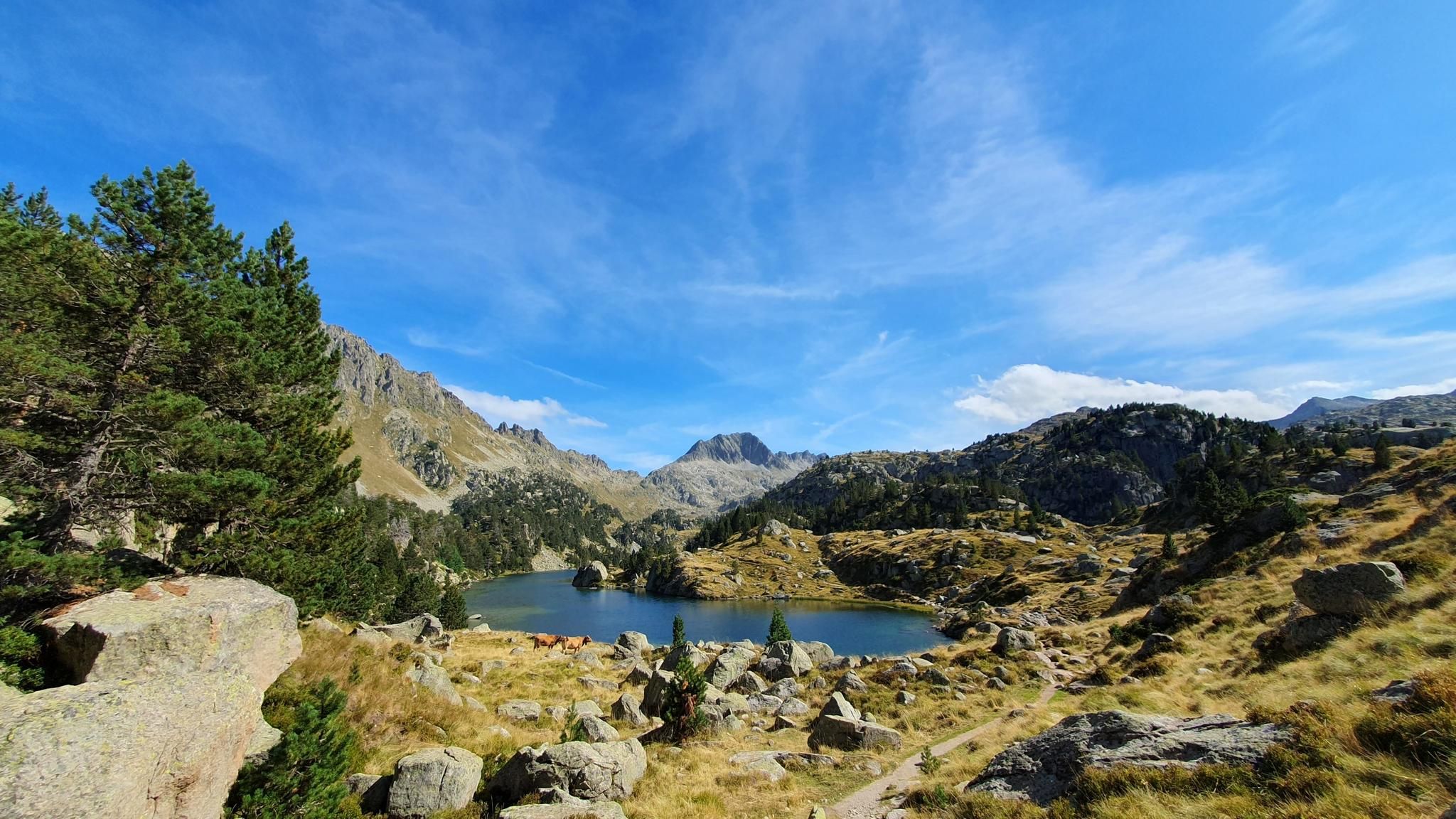
100 miles in paradise - Discover the Val d'Aran by UTMB
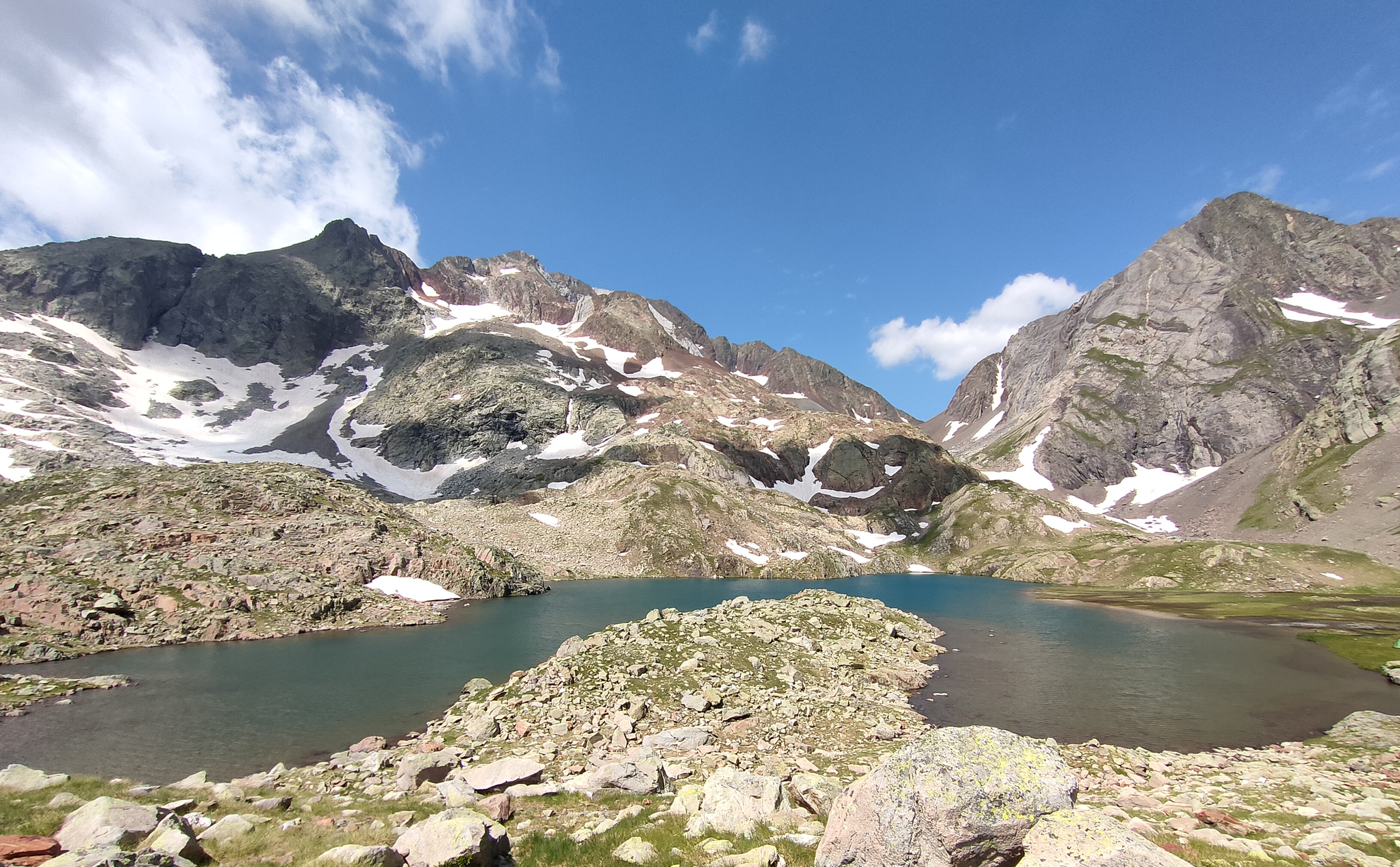
Panoramic Pyrenees – 15 hikers' peaks of over 3,000 metres
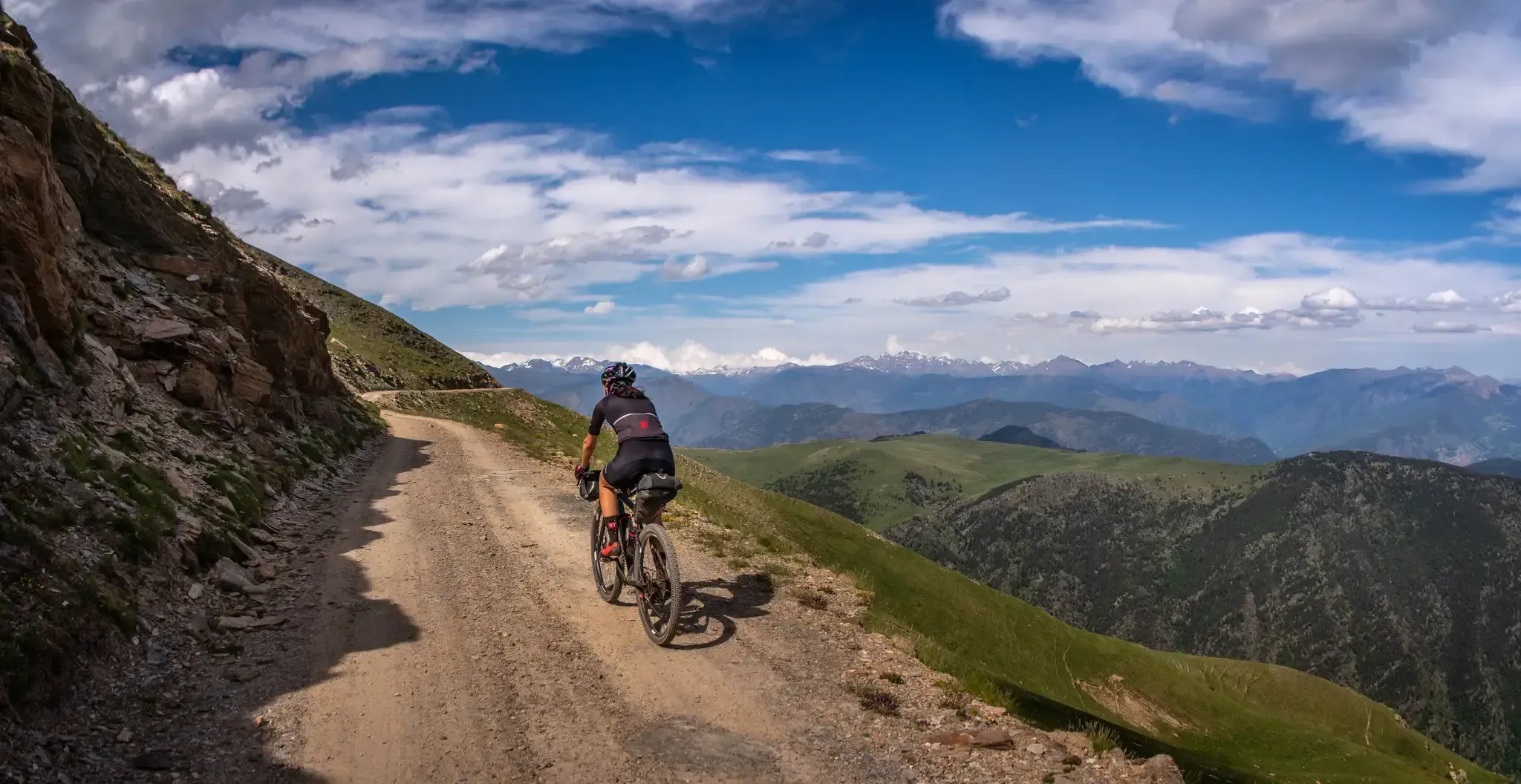
Pedals de Foc – An adventure through the Catalan Pyrenees
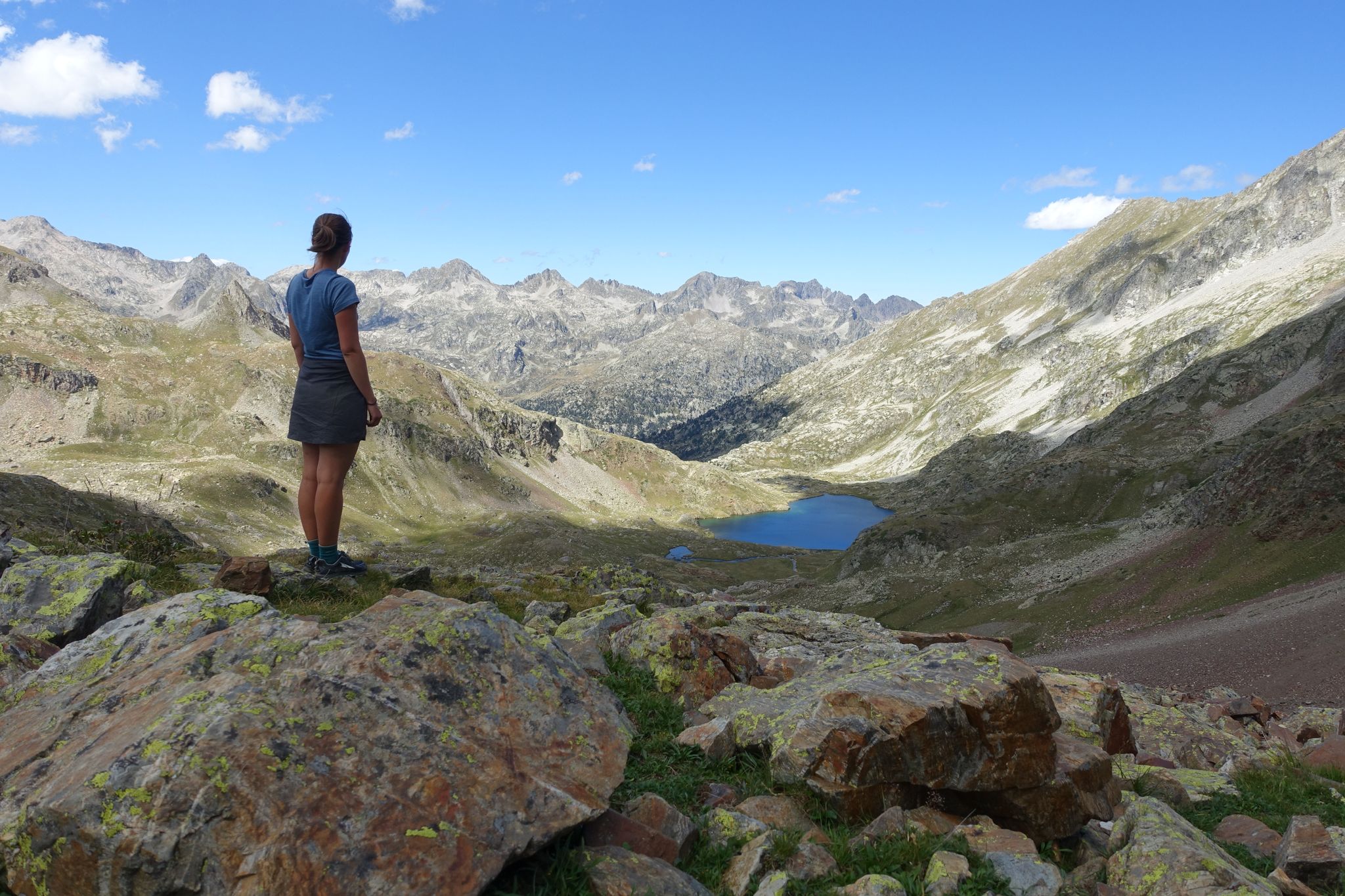
Haute Route Pyrénéenne – Pyrenees Crossing
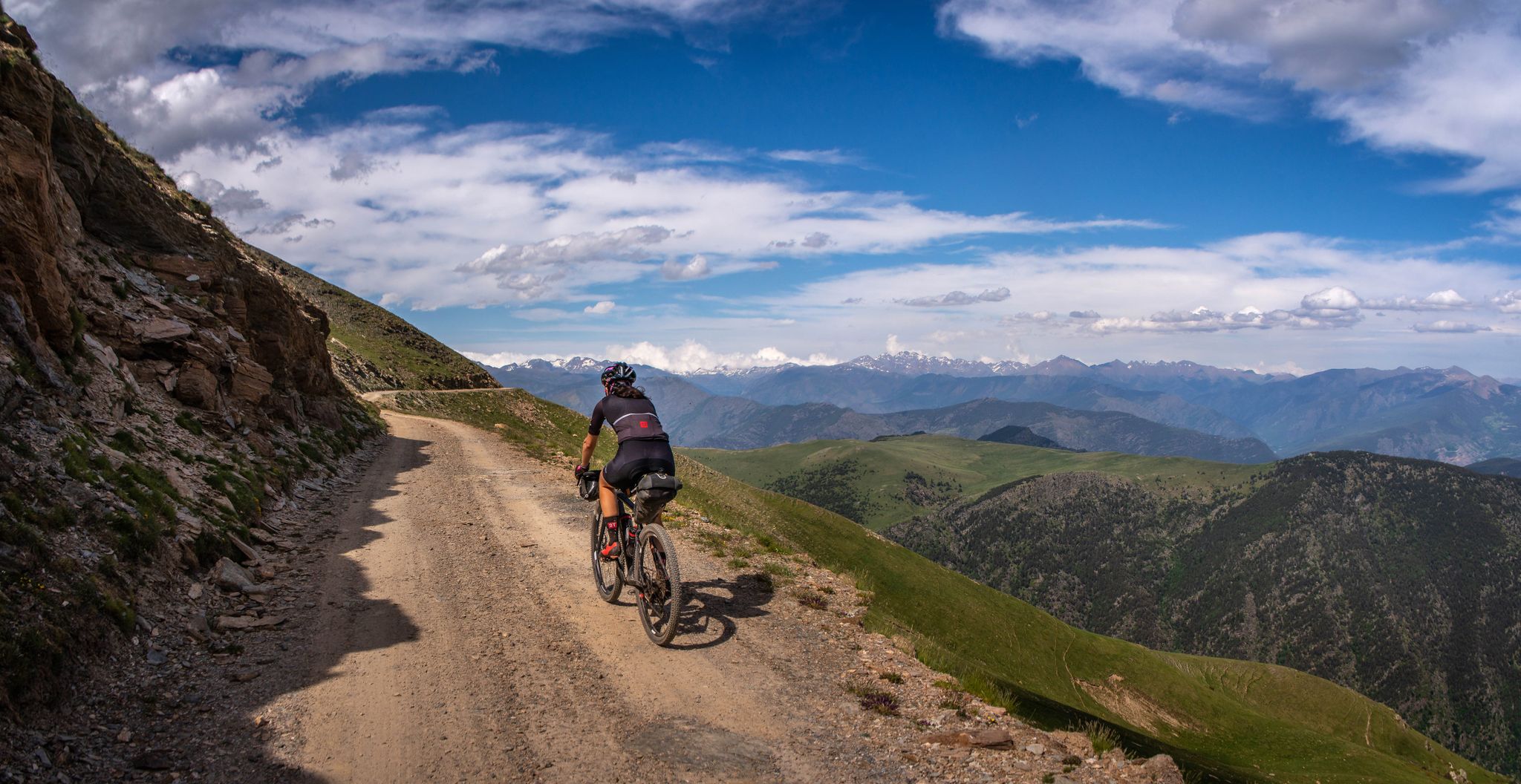
Bikepacking in the Catalan Pyrenees
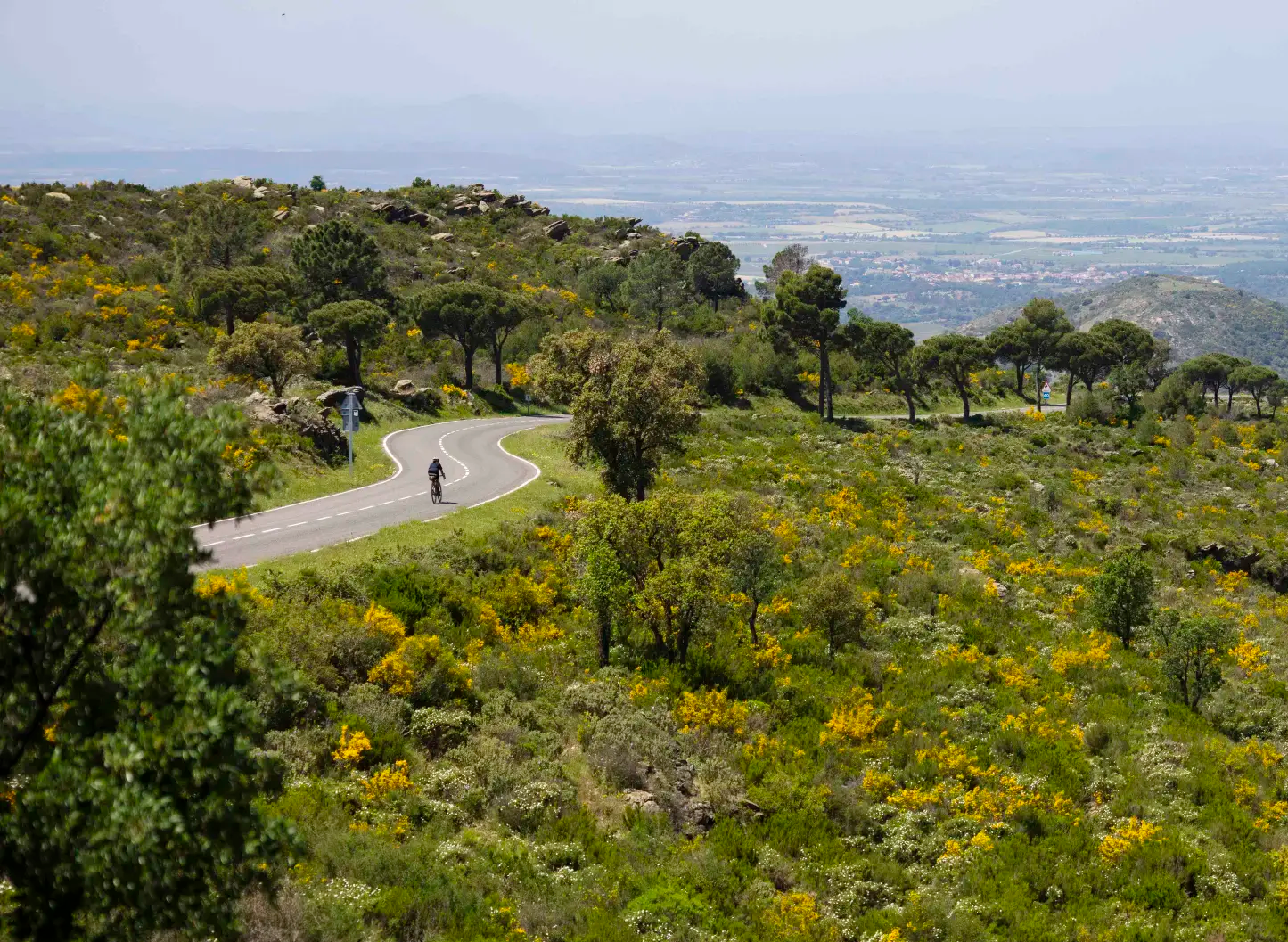
Ports and Roads — Catalonia on Wheels
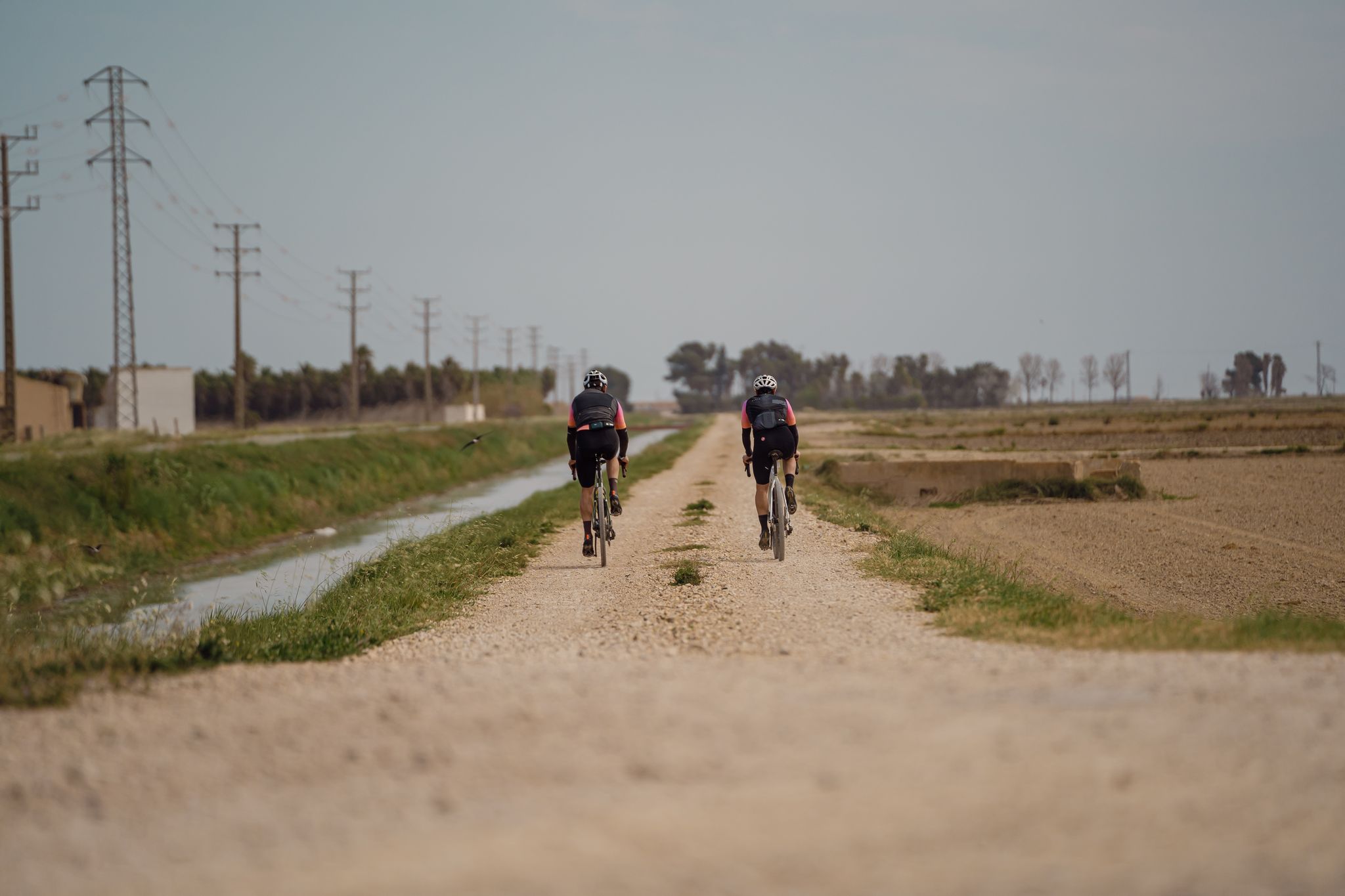
Discover Catalonia on a gravel bike
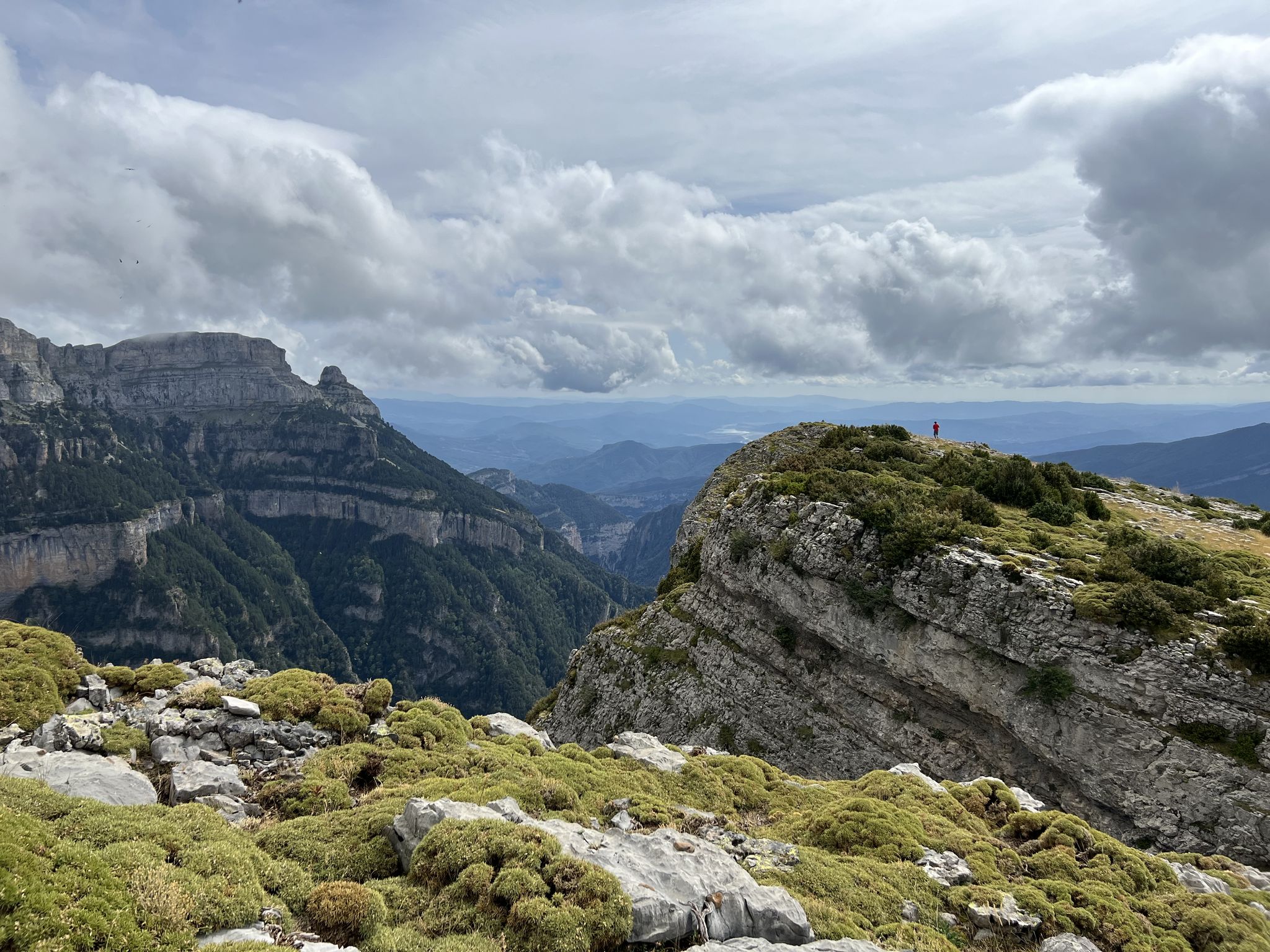
Summit conquests and idyllic mountain lakes – Spanish Pyrenees
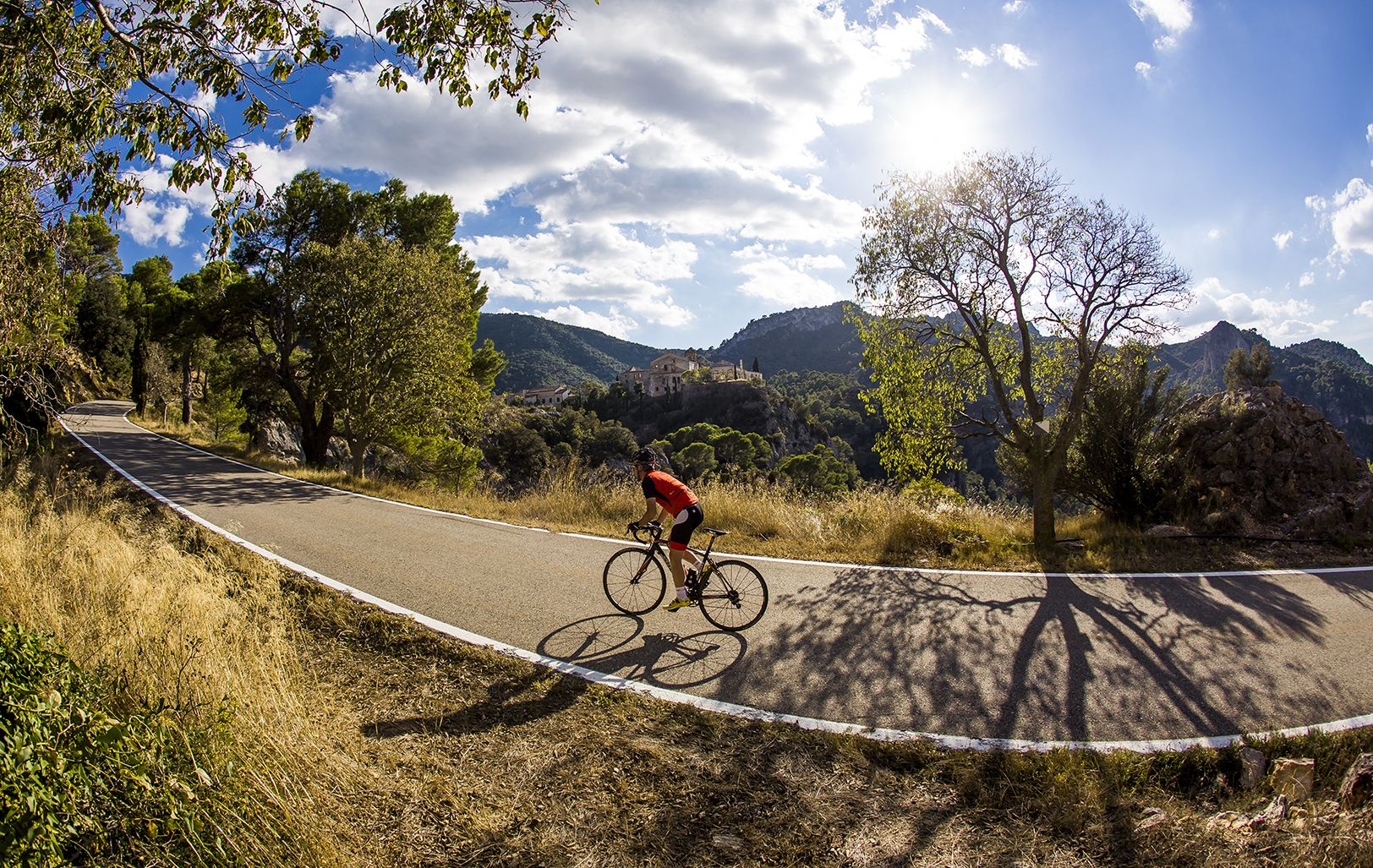
Discover Catalonia by road bike
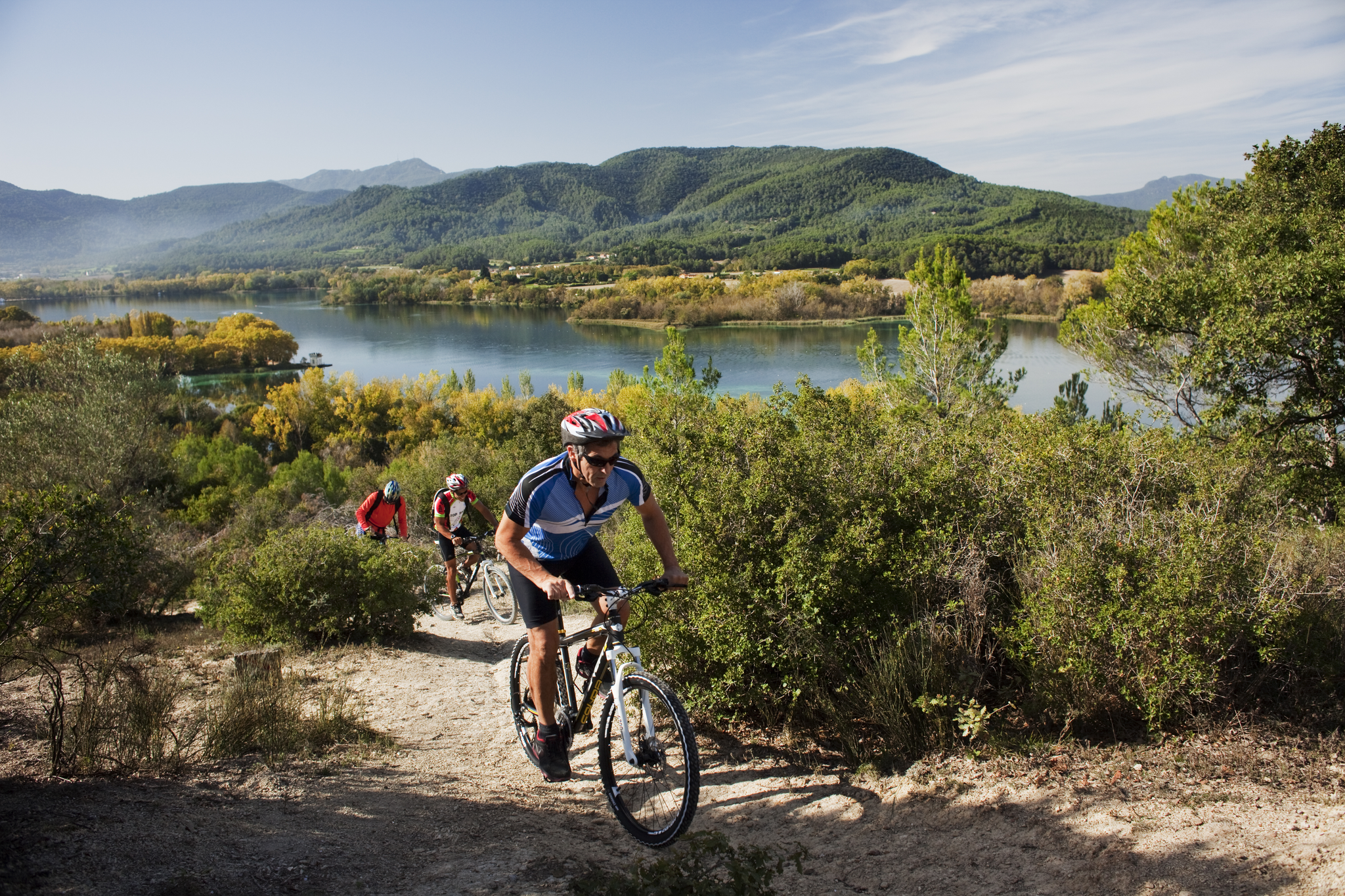
Discover Catalonia on a mountain bike
Other adventures around Val D'Aran


Tips from the Community

Beautiful port with a French side heavily covered by forest
0
0

The Port de la Bonaigua is one of the great Pyrenean passes, with a challenging climb that immerses you in majestic landscapes and high mountain scenery. Reaching the summit by bike is a legendary experience that connects Pallars with the Val d'Aran, amid curves and breathtaking views.
1
0

Beautiful road marked on every bend by posts celebrating Spanish winners of the Tour de France, and kilometre markers with gradient, altitude etc. it finishes at the border, which is the col.
0
0
The Col du Portillón is a short but intense mountain pass that connects the Aran Valley to France via a narrow, shady road through forests. Its ascent, with its pleasant slopes, is highly appreciated by local and professional cyclists.
1
0

A challenging climb from Luchon, but still worth it.
0
0
Strenuous but worthwhile climb.
0
0

Incredible climb that connects the Pallars Sobirà with the Aran Valley. From the Pallars, the hardest section is on the straights until before the hermitage of Our Lady of the Ares. Once here, the pans gently take us up to the neck. Highly recommended.
0
0
It is a port that, despite not having the characteristics of its neighbors, it is important that we do not lose respect for it. From Bossosst it climbs really hard, from Luchon a little more gently, although they don't give anything away.
0
0
Frequently Asked Questions
What are the best cycling routes around Val d'Aran's mountain passes?
Val d'Aran is a prime destination for cyclists. You can find challenging routes like the 'Val de Ruda - Collado de Baret & Bonaigua' or the 'Col du Portillon, Artiga de Lin, and Mirador d'Arres Loop'. For a more relaxed ride, consider the 'Garonne Cycle Route (V83)'. You can explore more options on the Road Cycling Routes around Val D'Aran guide.
Are there popular hiking trails near Val d'Aran's mountain passes?
Yes, Val d'Aran offers numerous hiking opportunities. Popular trails include the 'Lagos del Circo de Colomèrs' or the 'Pla de Beret to Montgarri Sanctuary Trail'. For an easier option, try the 'Artiga de Lin y Uelhs deth Joeu / Eyes of the Devil'. Discover more hiking routes in the Hiking around Val D'Aran guide.
What makes Col du Portillón a significant mountain pass?
The Ascent to Col du Portillon from Bossòst is an emblematic feature of the Pyrenees and the Tour de France, having been included multiple times. It peaks at 1,293 meters above sea level and features a stele on the Spanish side honoring Spanish Tour de France winners. It's known for its intense, shady road through forests, highly appreciated by cyclists.
What can I expect when visiting Port de la Bonaigua?
The Bonaigua Pass is considered one of the great Pyrenean passes. It offers a challenging climb through majestic high-mountain scenery, connecting Pallars with Val d'Aran. Reaching its summit, especially by bike, is described as a legendary experience with breathtaking views. Historically, it was a primary access point to Val d'Aran.
What views does Picada Pass offer?
The Picada Pass provides unbeatable views of the north face of Maladeta. The well-defined path to the pass gently zigzags past small lakes called Basetas del Portillón. From the pass, you can also observe other small lakes known as Bom des Clòts de Lunfèrn and the valley descending towards Artiga de Lin.
When is the best time to visit Val d'Aran's mountain passes for outdoor activities?
The best time to visit Val d'Aran's mountain passes for hiking and cycling is generally from late spring to early autumn (May to October). During these months, the weather is milder, and the passes are typically clear of snow, offering optimal conditions for outdoor activities and enjoying the high-alpine scenery.
Are there family-friendly mountain passes or activities in Val d'Aran?
While many passes offer challenging routes, some areas around Val d'Aran are more accessible. For instance, the Arres Pond is noted as family-friendly and offers facilities. When planning, look for trails marked as 'easy' or 'intermediate' and consider areas with amenities or shorter, less strenuous paths.
What natural features can I see around Val d'Aran's mountain passes?
The mountain passes in Val d'Aran immerse visitors in the majestic and varied landscapes of the Pyrenees. You can expect to see high-alpine environments, verdant forests, glacial lakes like the Basetas del Portillón near Picada Pass, and stunning viewpoints offering panoramic vistas. The region's Atlantic climate supports diverse flora and fauna.
What historical significance do Val d'Aran's mountain passes hold?
Beyond their natural beauty, some passes have significant historical importance. The Col du Portillón, for example, is emblematic in the history of the Tour de France. Before the construction of the Vielha tunnel, the Port de la Bonaigua was also a crucial access point to Val d'Aran, especially during winter, connecting the valley to the rest of Catalonia.
What are the typical weather conditions in Val d'Aran's mountain passes?
Val d'Aran experiences an Atlantic climate, which means it can be quite varied. Summers are generally pleasant, ideal for outdoor activities, while winters bring significant snowfall, making many passes challenging or inaccessible. Always check the local weather forecast before heading out, as conditions can change rapidly in the mountains.
Are there other notable mountain passes in Val d'Aran besides the most popular ones?
Yes, Val d'Aran features several other remarkable passes. For instance, Port de Ratera d'Espot is an important crossroads offering challenging climbs and views of the Circ de Saboredo. Another is Port de Caldes, which also provides challenging trails and viewpoints.
What kind of wildlife can be found in the Val d'Aran region?
The diverse flora and fauna of Val d'Aran, fostered by its Atlantic climate, include various species. Visitors might spot wildlife such as mountain goats, bearded vultures, and other birds of prey. The forests are home to pine, fir, beech, and oak trees, providing rich habitats.
Most popular routes around Val D'Aran
Most popular attractions around Val D'Aran

Get inspired with the komoot mobile app


Didn’t find what you were looking for?
Find even more amazing mountain passes around Val D'Aran organized by region:
Explore more
See even more epic mountain passes by checking out these guides around Val D'Aran:
