Attractions and Places To See around Caceres - Top 20
Best attractions and places to see around Caceres include a UNESCO World Heritage Old Town, known for its blend of Roman, Islamic, Northern Gothic, and Italian Renaissance architectural styles. The city offers a range of historical landmarks and cultural sites within its ancient walls. Beyond the urban center, the region features natural areas with unique geological formations and diverse wildlife. These varied landscapes provide opportunities for exploration and discovery.
Best attractions and places to see around Caceres
- The most popular attractions is Co-Cathedral of Santa María, Cáceres, a religious building that is the most important Christian temple in Cáceres. Its origin dates back to the 13th century, with a significant rebuilding in Gothic style between the 15th and 16th centuries.
- Another must-see spot is Historic Centre of Cáceres, a historical site recognized as a UNESCO World Heritage Site. This area features a maze of stone-paved alleys, fortified houses, palaces, and towers, offering a preserved medieval experience.
- Visitors also love Cáceres Main Square, a historical site. This bustling square serves as a starting point for exploring the Old Town and is surrounded by a 16th-century porticoed arcade.
- Caceres is known for its historical sites, cultural attractions, and natural features. Visitors can explore ancient architecture, museums, and nearby natural monuments and parks.
- The attractions around Caceres are appreciated by the komoot community, with more than 80 upvotes and over 50 photos shared.
Last updated: August 30, 2026
Co-Cathedral of Santa María, Cáceres
Highlight • Religious Site
The origin of this church dates back to the 13th century as a Romanesque temple, but its destruction led to the creation of a new late-Gothic church between the 15th and 16th centuries. Late-Romanesque corbels - heads of the beam that protrude outside - remain from this Romanesque period on the western and southern Gothic doors.
Translated by Google •
Tip by

Cáceres Main Square
Highlight • Historical Site
Translated by Google •
Tip by
Sign up now to discover places like this
Get recommendations on the best single tracks, peaks, & plenty of other exciting outdoor places.
Sign up for free
Historic center of Cáceres
Highlight • Historical Site
Translated by Google •
Tip by

Bridge Over the Tagus Reservoir
Highlight • Bridge
Translated by Google •
Tip by
Montánchez Castle
Highlight • Castle
Translated by Google •
Tip by
Cáceres Museum and Cistern
Highlight • Historical Site
Inaugurated in February 1933, the Cáceres Museum occupies two palace-houses in the Monumental City: the Palacio de las Veletas, which houses the archeology and ethnography sections, and the Casa de los Caballos, which houses the collection of Fine Arts from 1992.
Translated by Google •
Tip by
Hermitage of Santiago
Highlight • Religious Site
Translated by Google •
Tip by
Church of Santiago
Highlight • Religious Site
Translated by Google •
Tip by
Andalusian Cistern of the Palace of the Veletas
Highlight • Historical Site
Translated by Google •
Tip by
Puente de San Francisco, Cáceres
Highlight • Bridge
Translated by Google •
Tip by
Sign up for free to discover even more attractions around Caceres.
Sign up for free
Already have an account?
Start today with a free account
Your next adventure awaits.
Login or Signup
Popular around Caceres
Six routes to discover Extremadura on foot
Toledo to Cedillo – Camino Natural del Tajo West
A journey on the Iberian Peninsula – Tagus Nature Trail
A romantic journey in the footsteps of the Romans – Via de la Plata
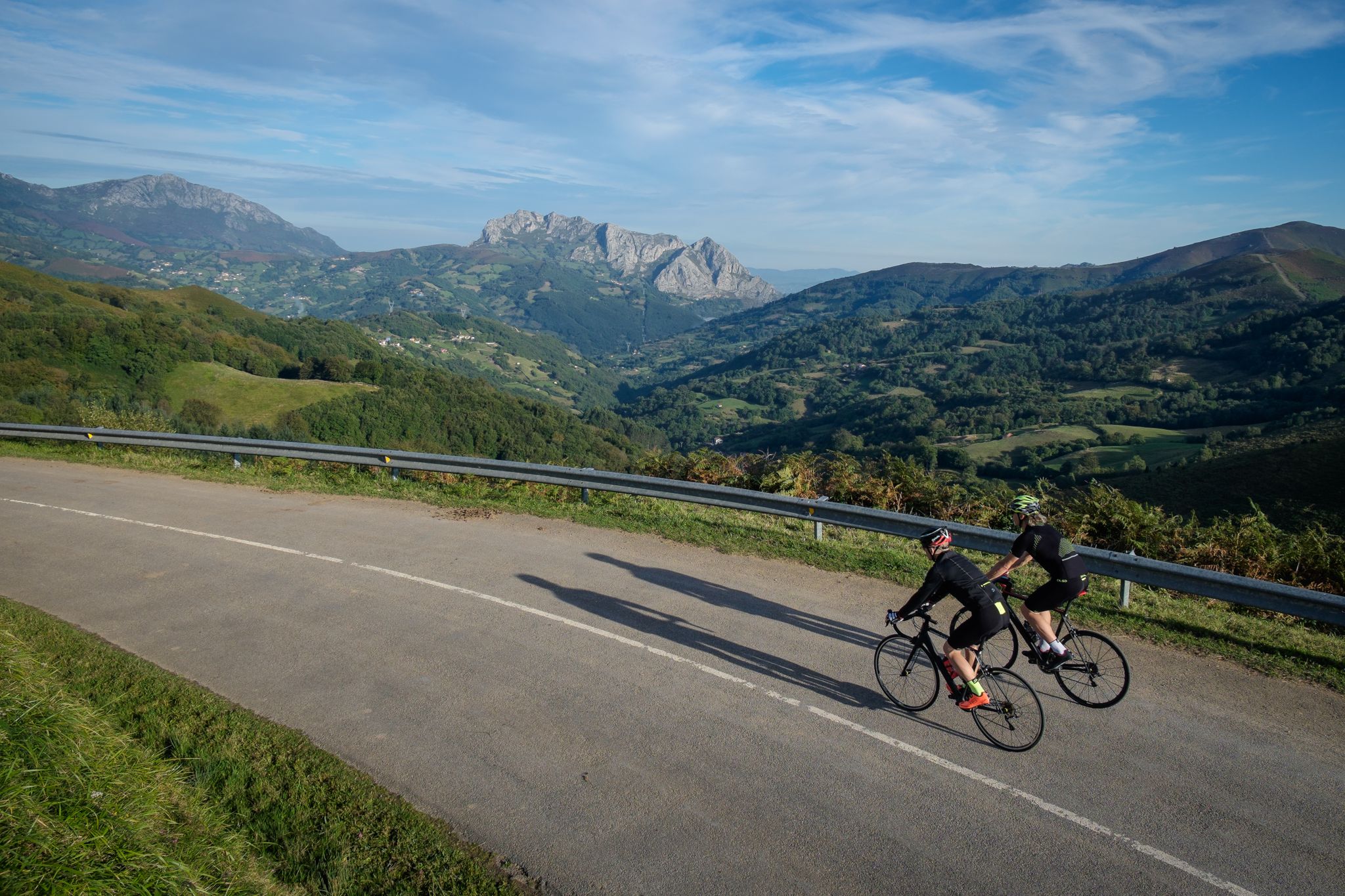
Explore Spain’s monuments and landscapes – cycle the Via de la Plata
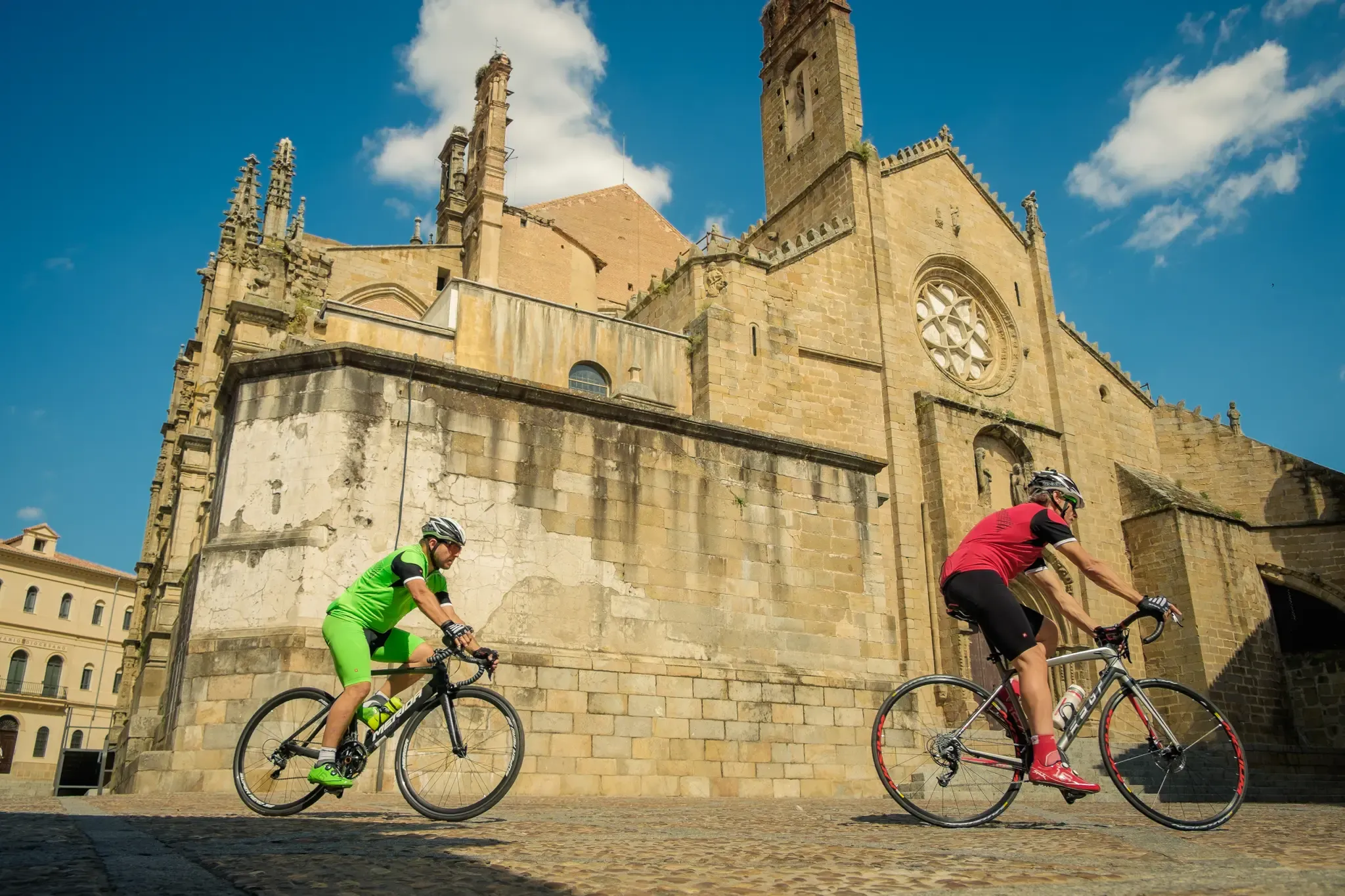
Vía de la Plata – from Seville to Gijón by bike
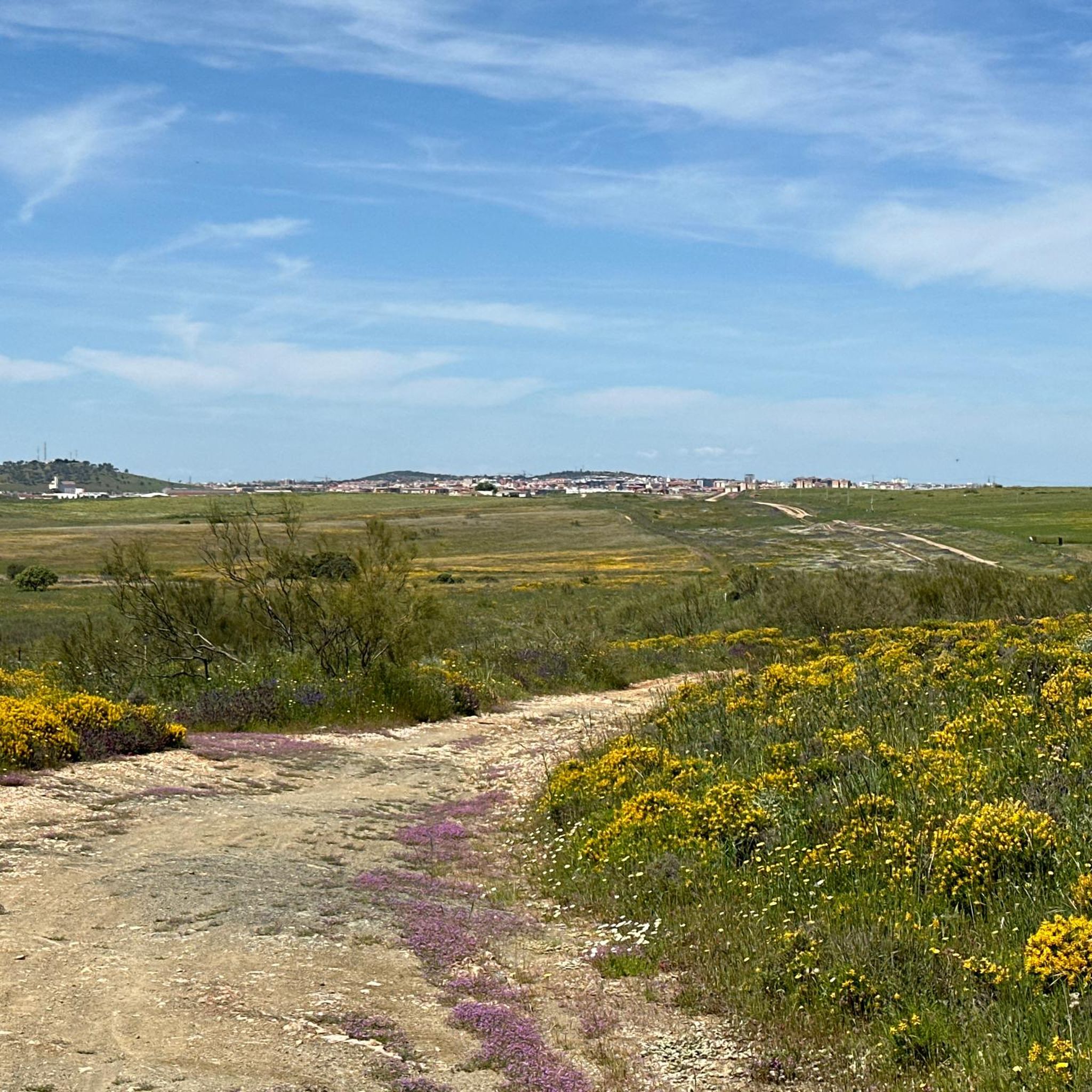
Running Trails around Caceres
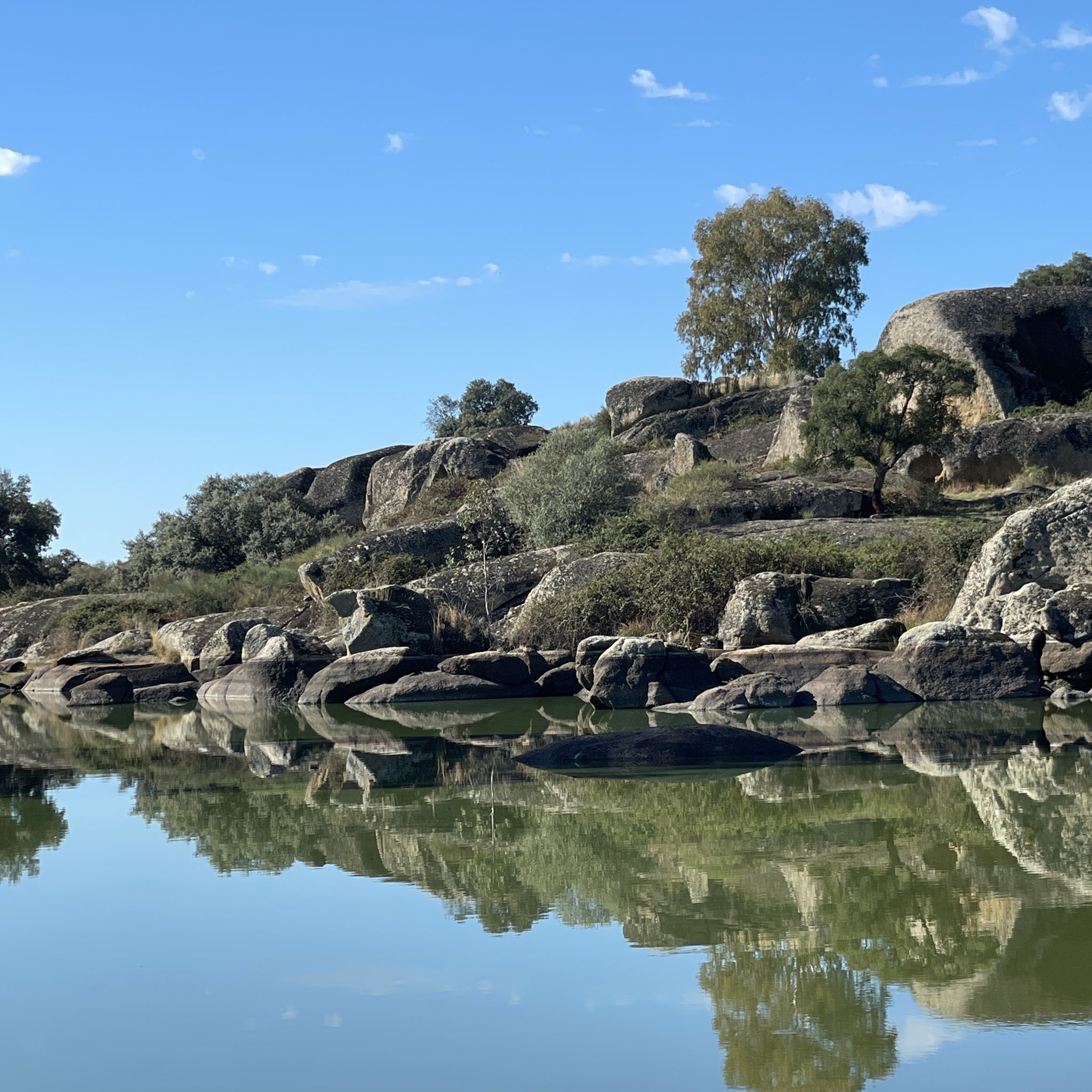
Cycling around Caceres
MTB Trails around Caceres
Road Cycling Routes around Caceres
Other adventures around Caceres


Tips from the Community

This 16th-century building, with its simple rectangular nave and the absence of an apse, is a small structure that was renovated in the 18th century. The oldest preserved document of the brotherhood dates from 1578.
11
1
Small museum. With extremely friendly staff, free admission.
5
0

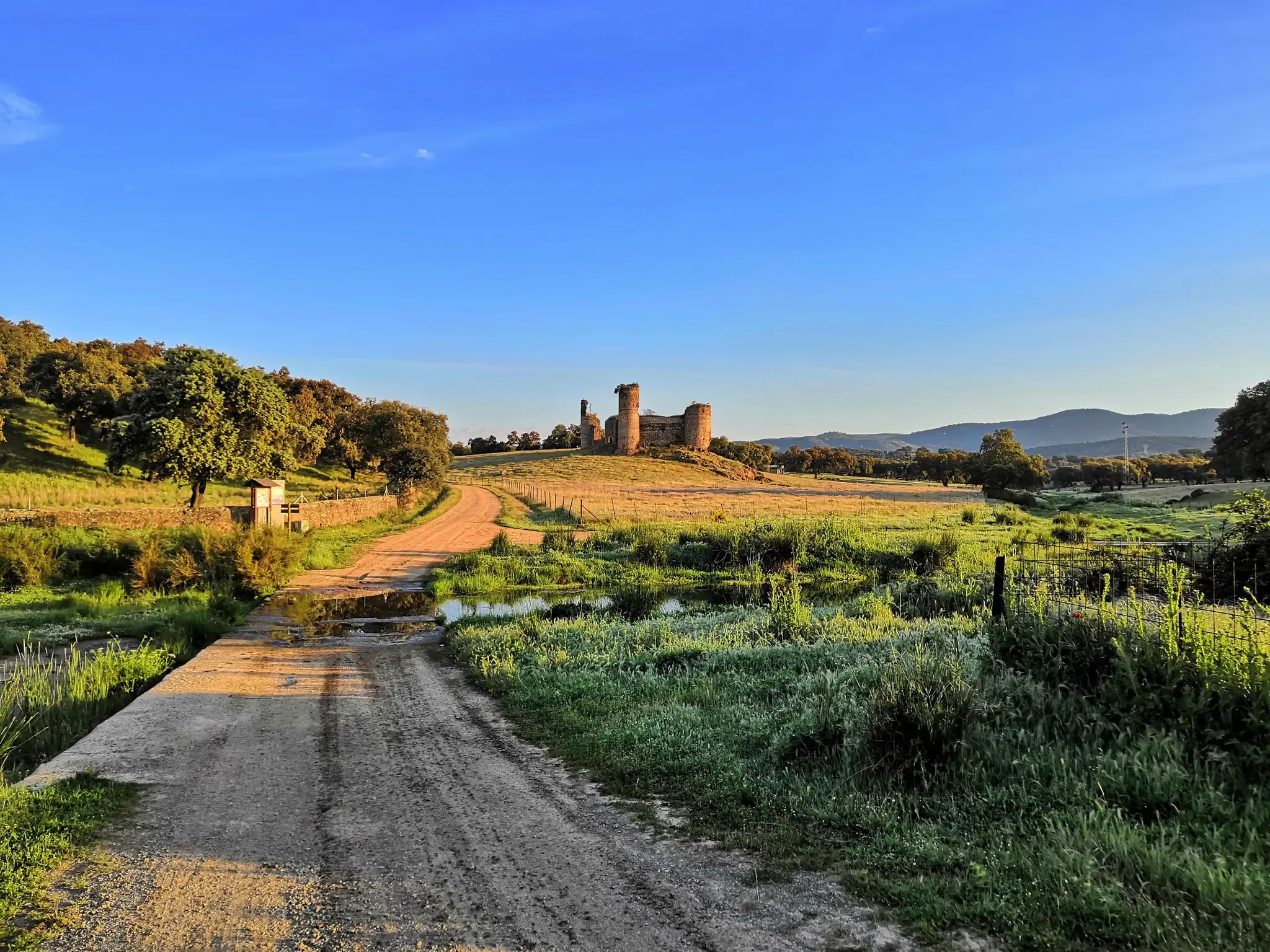
It is located atop a hill in the Sierra de Montánchez, also known as the "balcony of Extremadura," at an altitude of approximately 700–900 meters above sea level. Founded on the site of an earlier Roman fortress, its main structure dates back to the Caliphate period of the 9th century (Almohad era). It preserves three underground cisterns built between the 11th and 13th centuries. Captured around 1156–1230, it passed to the Order of Santiago after being granted by Alfonso XI. Walls, a keep, and defensive enclosures were added. 17th century: A hermitage and an interior pond were added. In 1620, it served as a prison for Don Rodrigo Calderón.
1
0
The historic center of Cáceres, declared a UNESCO World Heritage Site, is one of the most impressive monumental complexes in Spain. Walking through its cobbled streets is like traveling to the Middle Ages, thanks to its excellent state of preservation and the absence of modern buildings that alter its aesthetics.
14
1
The San Francisco Bridge in Cáceres is a historic structure that has undergone several transformations over the years. Originally built in the 16th century, this medieval bridge is located in the eastern part of the city, on the old road to Trujillo. The bridge was built to level the terrain of a promenade next to the San Francisco convent and was adorned with two rows of black poplars planted in 1752.
17
0
In 2011, the redevelopment and remodeling works of the Plaza Mayor were completed, led by architects Antonino Antequera, Francisco Pol Méndez and Asunción Rodríguez Montejano. The project included the creation of several spaces, such as the Summer Plaza, a shady place with trees and fountains; the Winter Square, flanked by a fountain wall and a continuous stone bench; the new Music Forum, in the Balbos Forum, next to the Town Hall, for chamber concerts; and a large central free space for events, whose pavement formally recalls the vernacular Cáceres brick vault, and which has water fountains to combat the summer heat. If you visit Cáceres, you cannot miss exploring this emblematic Plaza Mayor and admiring its rich history and architecture.
10
0
Being able to walk anywhere through its narrow cobbled streets is like traveling to another era. You will be surrounded by mansions, Renaissance palaces and churches crowned with stork nests and you will understand why Cáceres is a World Heritage City. Prepare your camera to photograph one of the most beautiful historic centers in Spain.
14
1
In this church, the images it houses stand out above all, the most important being the Nazareth Jesus, carved in Seville in 1609 by Tomás de la Huerta and San Judas Tadeo of great devotion in the city.
30
0
Frequently Asked Questions
What historical and cultural sites can I explore in Cáceres?
Cáceres is rich in history and culture. You can wander through the Historic Centre of Cáceres, a UNESCO World Heritage site, with its medieval alleys and fortified houses. Don't miss the Co-Cathedral of Santa María, the Cáceres Main Square, and the Torre de Bujaco. Other notable sites include the Palace of the Golfines de Abajo, Carvajal Palace, and the Jewish Quarter.
Can I climb any towers for panoramic views of Cáceres?
Yes, you can climb the Torre de Bujaco, an iconic Almohad tower, for excellent city views. Additionally, the Renaissance tower of the Co-Cathedral of Santa María also offers 360-degree panoramic views.
Are there any notable museums in Cáceres?
Cáceres offers several museums. The Cáceres Museum, located in the Palacio de las Veletas, showcases the heritage of Extremadura and features a perfectly preserved 10th-century Arab cistern. For contemporary art, visit the Helga de Alvear Museum of Contemporary Art.
What natural monuments or parks are near Cáceres?
Just a short distance from Cáceres, you can explore the Los Barruecos Natural Monument, known for its unique granite rock formations and white storks. Further afield, Monfragüe National Park is a paradise for birdwatchers, and the Berrocal de la Data Natural Monument offers impressive granite rocks, dolmens, and cave paintings.
What outdoor activities are available around Cáceres?
The region around Cáceres is excellent for outdoor activities. You can find numerous routes for mountain biking, hiking, and running. For mountain biking, explore trails like the 'Subida al Risco de Sierra De Fuentes desde Cáceres' or 'Los Barruecos and Casar de Cáceres Loop'. Hiking options include 'El Rugidero' in Cornalvo Natural Park, and running enthusiasts can try the 'Vía de la Plata: Cáceres Historic Center Loop'. You can find more details on these activities in the MTB Trails around Caceres, Waterfall hikes around Caceres, and Running Trails around Caceres guides.
Are there hiking trails with waterfalls or natural pools near Cáceres?
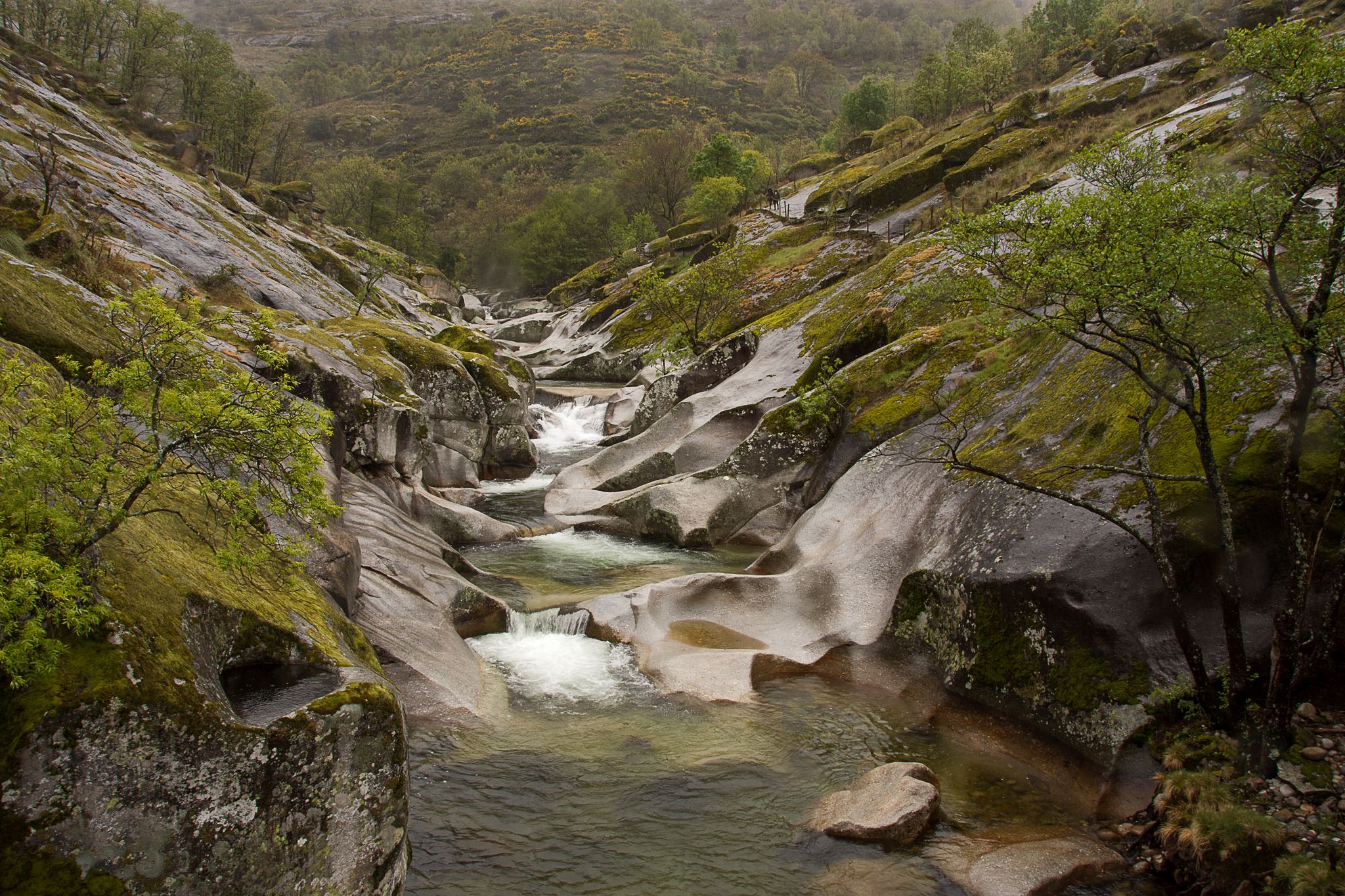
Yes, the Garganta de los Infiernos in the Jerte Valley, though a bit further out, is famous for its waterfalls, cascades, and natural pools, perfect for cooling off. Closer to Cáceres, you can find waterfall hikes like 'El Rugidero' in the Cornalvo Natural Park. Explore more options in the Waterfall hikes around Caceres guide.
Are there family-friendly attractions in Cáceres?
Many attractions in Cáceres are suitable for families. The pedestrian-friendly Historic Centre of Cáceres and the bustling Cáceres Main Square are great for exploring. Children might enjoy climbing the Torre de Bujaco or visiting the Cáceres Museum with its ancient cistern. Príncipe's Park offers green space for relaxation within the city.
What is the best time to visit Cáceres?
The best time to visit Cáceres is generally during spring (April to June) and autumn (September to October). The weather is pleasant for exploring the city's historical sites and enjoying outdoor activities without the intense heat of summer.
Where can I find viewpoints with scenic vistas around Cáceres?
Beyond the city towers, you can find scenic viewpoints at Monfragüe National Park, particularly from Salto del Gitano and Monfragüe Castle, offering dramatic landscapes. The Montánchez Castle also provides excellent views of the surrounding area.
What is the significance of the Old Town of Cáceres?
The Historic Centre of Cáceres is a UNESCO World Heritage site, renowned for its exceptional preservation and the seamless blend of Roman, Islamic, Northern Gothic, and Italian Renaissance architectural styles. It's a living museum that transports visitors back to medieval times.
Are there any unique natural areas for stargazing near Cáceres?
Yes, the Berrocal de la Data, declared a Natural Monument near Valencia de Alcántara, is known for its low light pollution, making it an ideal spot for stargazing amidst its impressive granite rocks and rich biodiversity.
What is the <a href="https://www.komoot.com/highlight/4085465" target="_blank" rel="noopener">Bridge Over the Tagus Reservoir</a> and what can I see there?
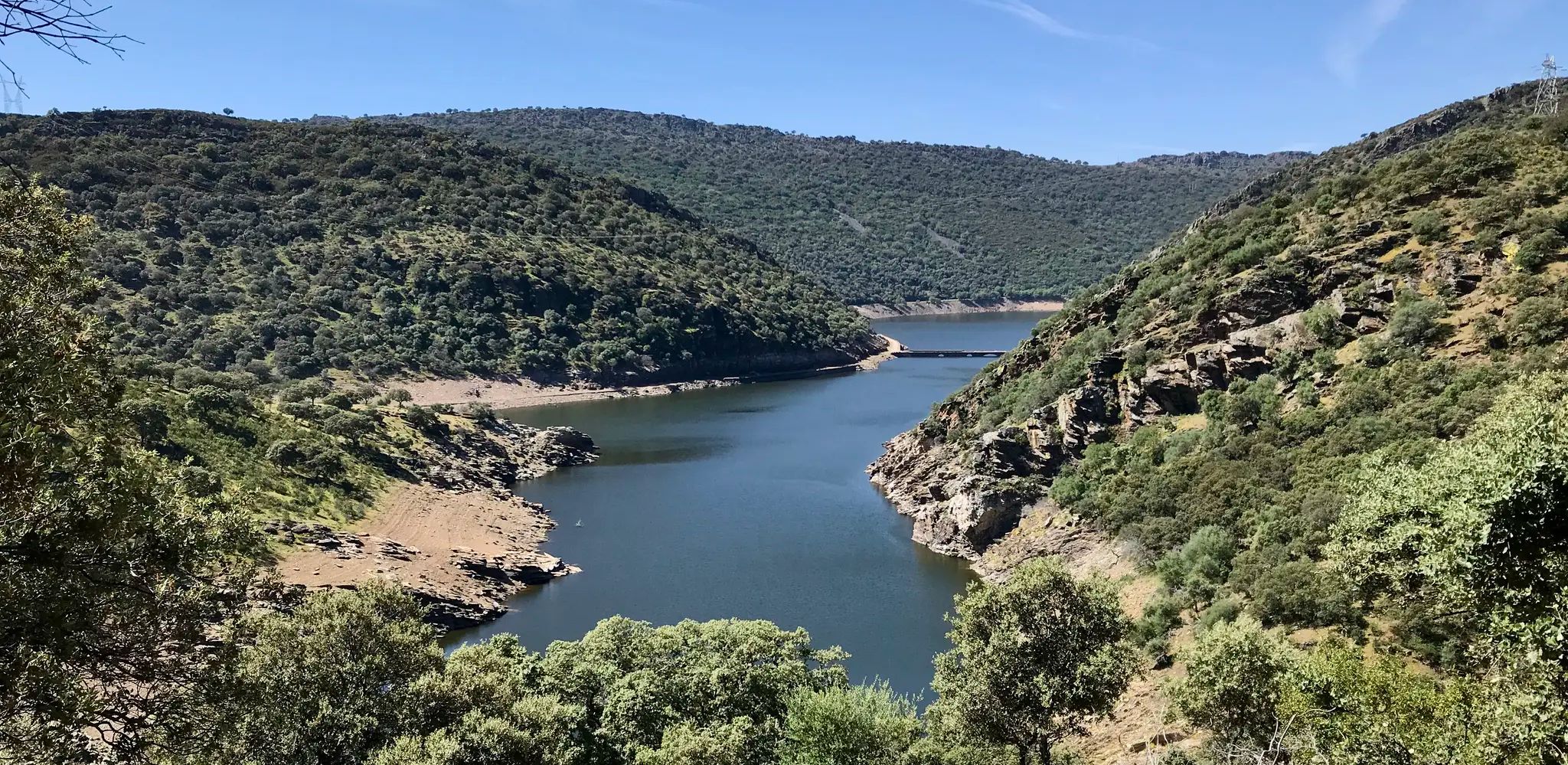
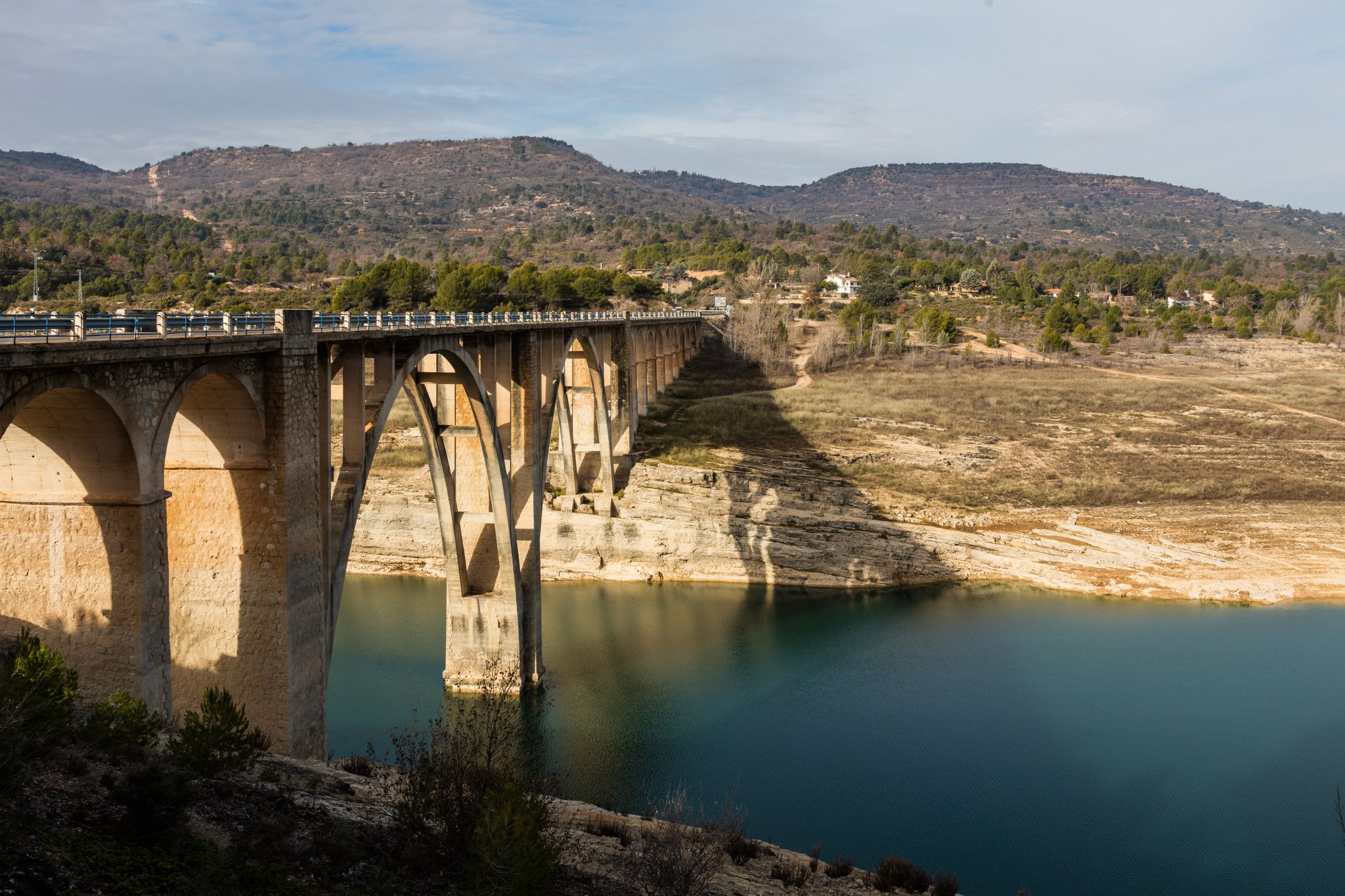
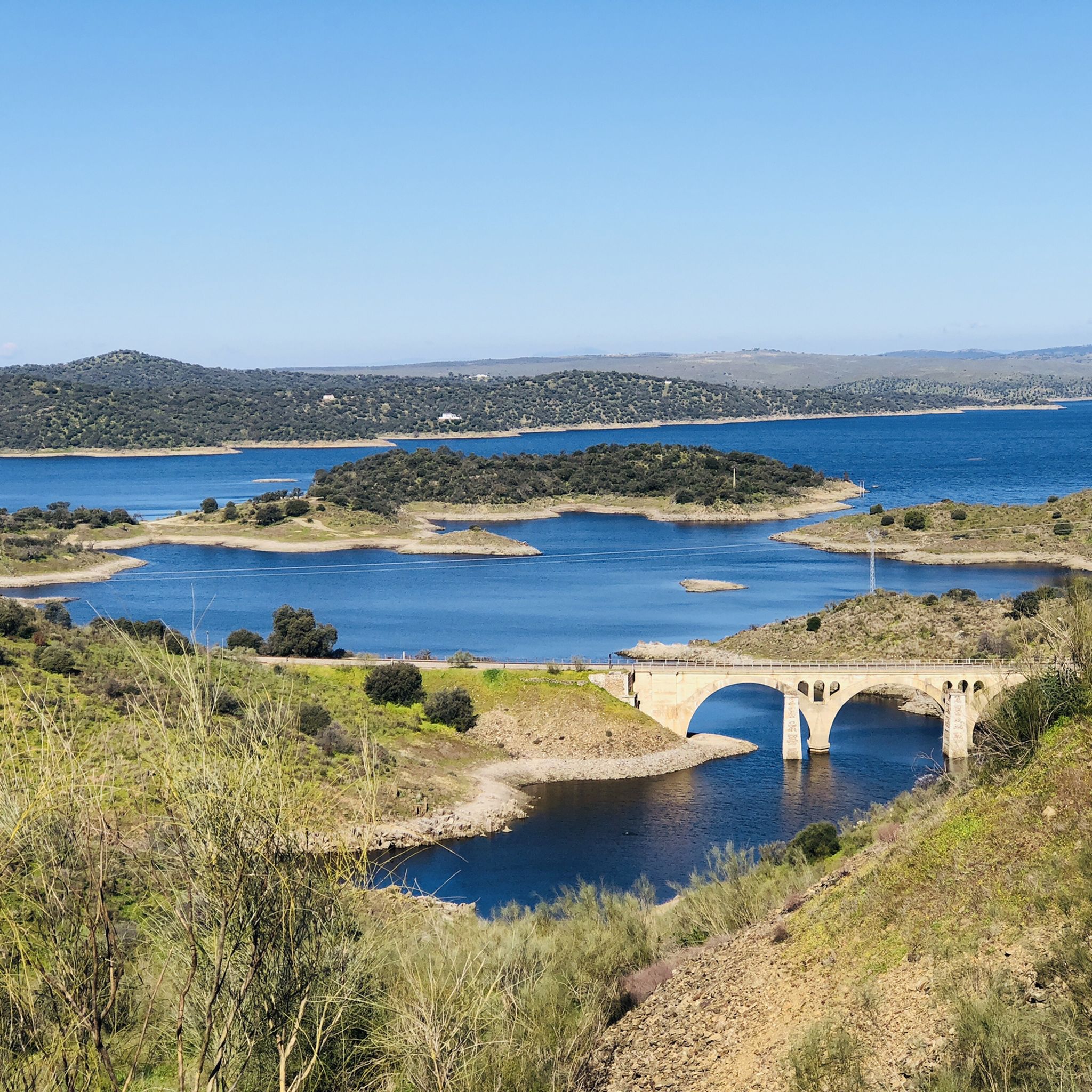
The Bridge Over the Tagus Reservoir allows you to cross one of the most important structures in modern Spain. From the bridge, you can observe the vastness of the Tagus reservoir and the nearby high-speed railway bridge. When water levels are low, you might even glimpse the original layout of the Roman road submerged beneath the reservoir.
Most popular routes around Caceres
Most popular attractions around Caceres

Get inspired with the komoot mobile app


Didn’t find what you were looking for?
Are you keen on exploring more awesome places nearby? Browse our guides:
Explore more
Still not found the Highlight you’re looking for? See guides of the top attractions in other regions:
