Attractions and Places To See around Valencia De Alcantara - Top 20
Best attractions and places to see around Valencia De Alcantara are found near the Portuguese border in Extremadura, Spain. The region is characterized by its significant megalithic complex and a well-preserved historical center. This area offers a blend of historical landmarks, cultural sites, and natural features.
Best attractions and places to see around Valencia De Alcantara
- The most popular attractions is Dolmen del Mellizo-Anta de la Marquesa, a historical site believed to have been built between the 4th and 3rd millennia BC. This megalithic structure is one of the most important specimens of the megalithic park and is in perfect condition.
- Another must-see spot is Dolmen Datas 1 and 2, a historical site. These two dolmens are significant examples within the megalithic park, set in a picturesque landscape.
- Visitors also love Church of Our Lady of Rocamador, a religious building. This Gothic temple is a historical-artistic monument and features a basilical plan with three naves.
- Valencia De Alcantara is known for its megalithic sites, historical buildings, and natural features like reservoirs. The area provides a variety of attractions to see and explore, from ancient monuments to cultural heritage.
- The attractions around Valencia De Alcantara are appreciated by the komoot community, with 6 upvotes and 2 photos contributed by users.
Last updated: July 22, 2026
Dolmen del Mellizo-Anta de la Marquesa
Highlight • Historical Site
Translated by Google •
Tip by

Church of Our Lady of Rocamador
Highlight • Religious Site
Translated by Google •
Tip by
Sign up now to discover places like this
Get recommendations on the best single tracks, peaks, & plenty of other exciting outdoor places.
Sign up for free
Fortress Castle of Valencia de Alcántara
Highlight • Castle
Translated by Google •
Tip by
Alpotrel Reservoir
Highlight • Lake
Translated by Google •
Tip by
Old Stone Bridge over the Salor River
Highlight • Bridge
Over the years, the bridge has witnessed numerous historical events and has served as an important crossing point in the region. Its architecture reflects the construction techniques of the time, with stone arches that have stood the test of time.
Translated by Google •
Tip by
La Fontanera
Highlight • Settlement
Translated by Google •
Tip by

Dolmen Datas 1 and 2
Highlight • Historical Site
Translated by Google •
Tip by

Dolmen Tapada de Anta
Highlight • Historical Site
Translated by Google •
Tip by
Cedillo Dam
Highlight • Structure
Translated by Google •
Tip by
Ermita de Valbón
Highlight • Religious Site
Translated by Google •
Tip by
Sign up for free to discover even more attractions around Valencia De Alcantara.
Sign up for free
Already have an account?
Start today with a free account
Your next adventure awaits.
Login or Signup
Popular around Valencia De Alcantara
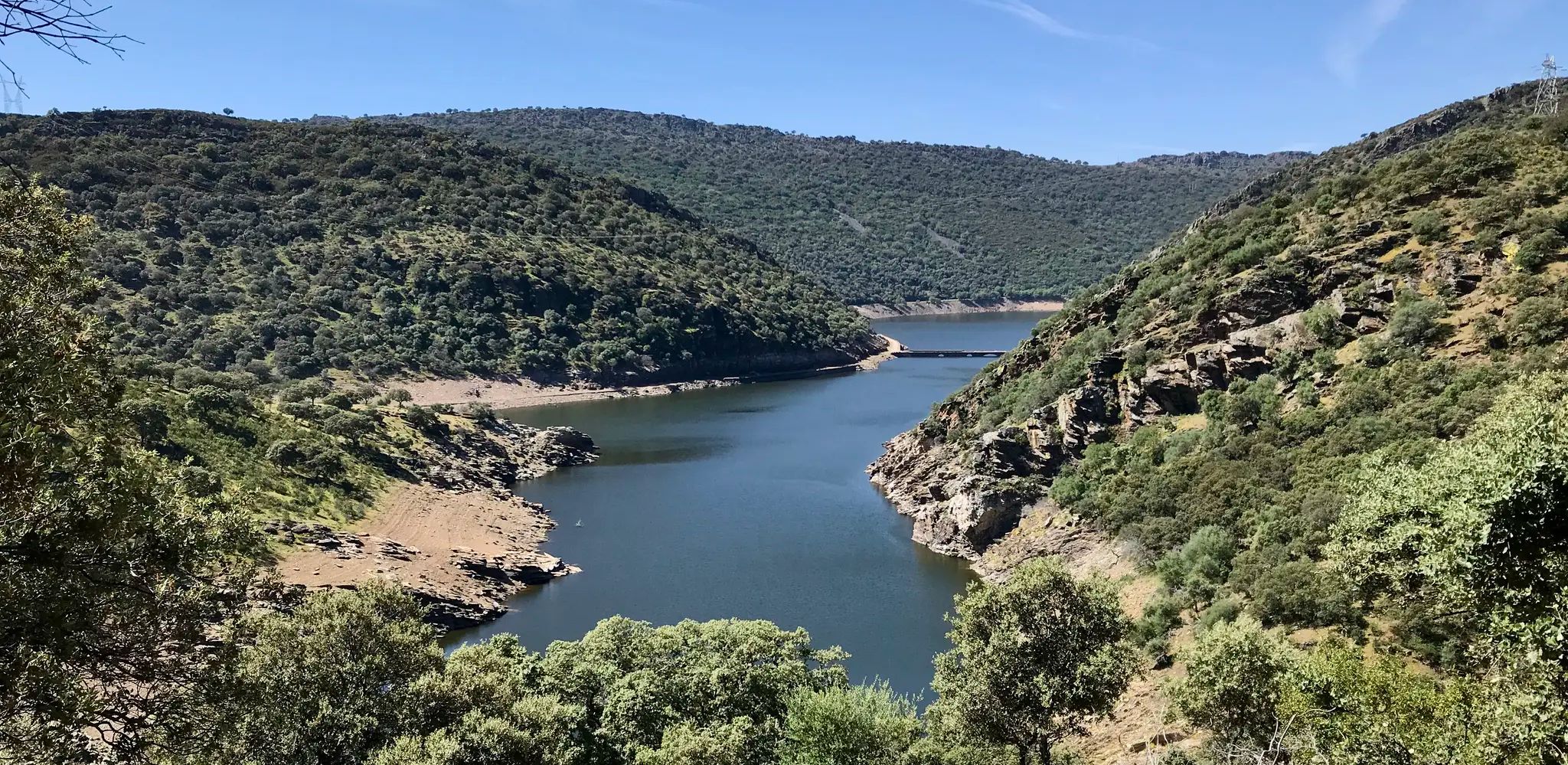
Toledo to Cedillo – Camino Natural del Tajo West
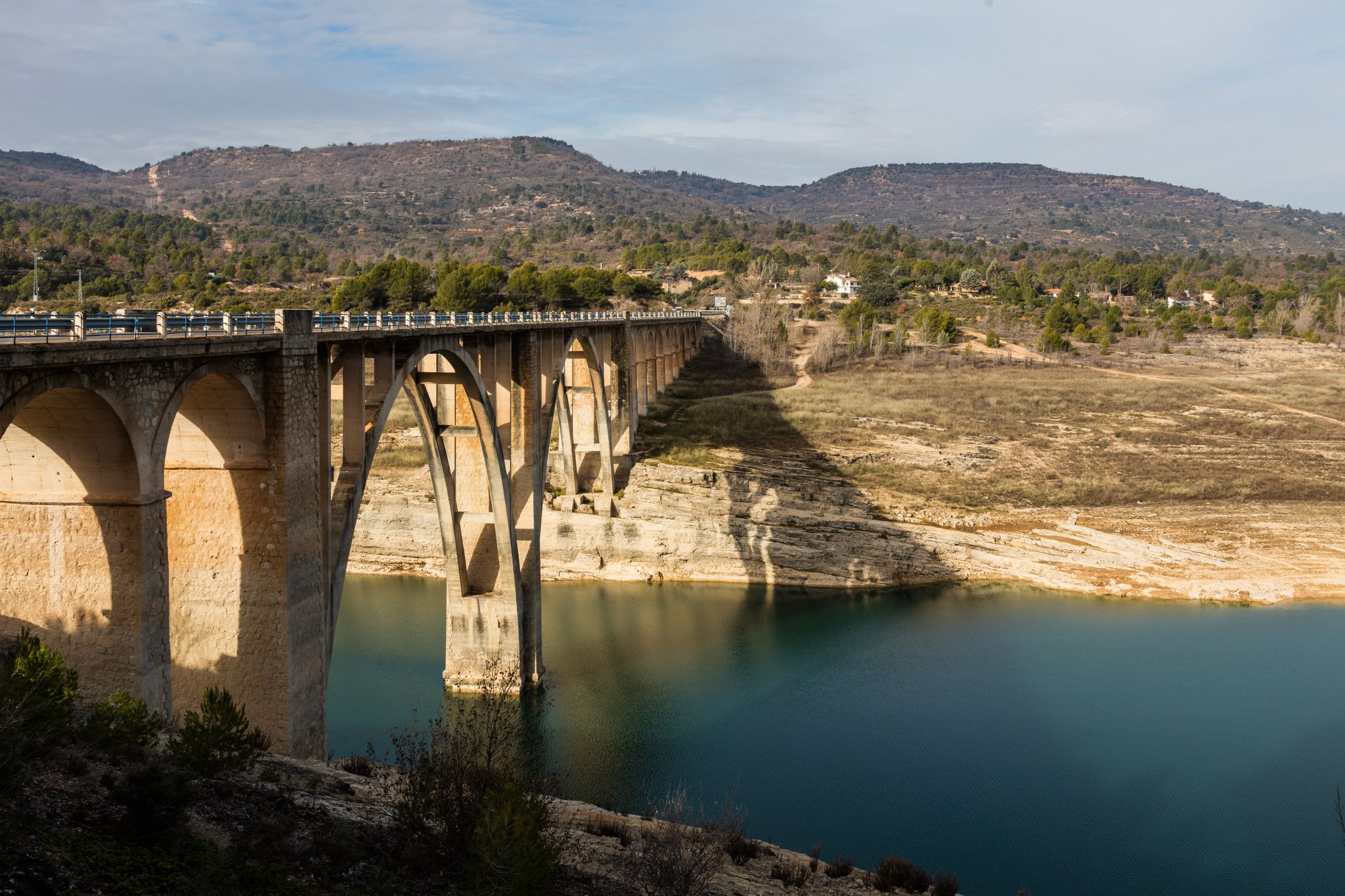
A journey on the Iberian Peninsula – Tagus Nature Trail
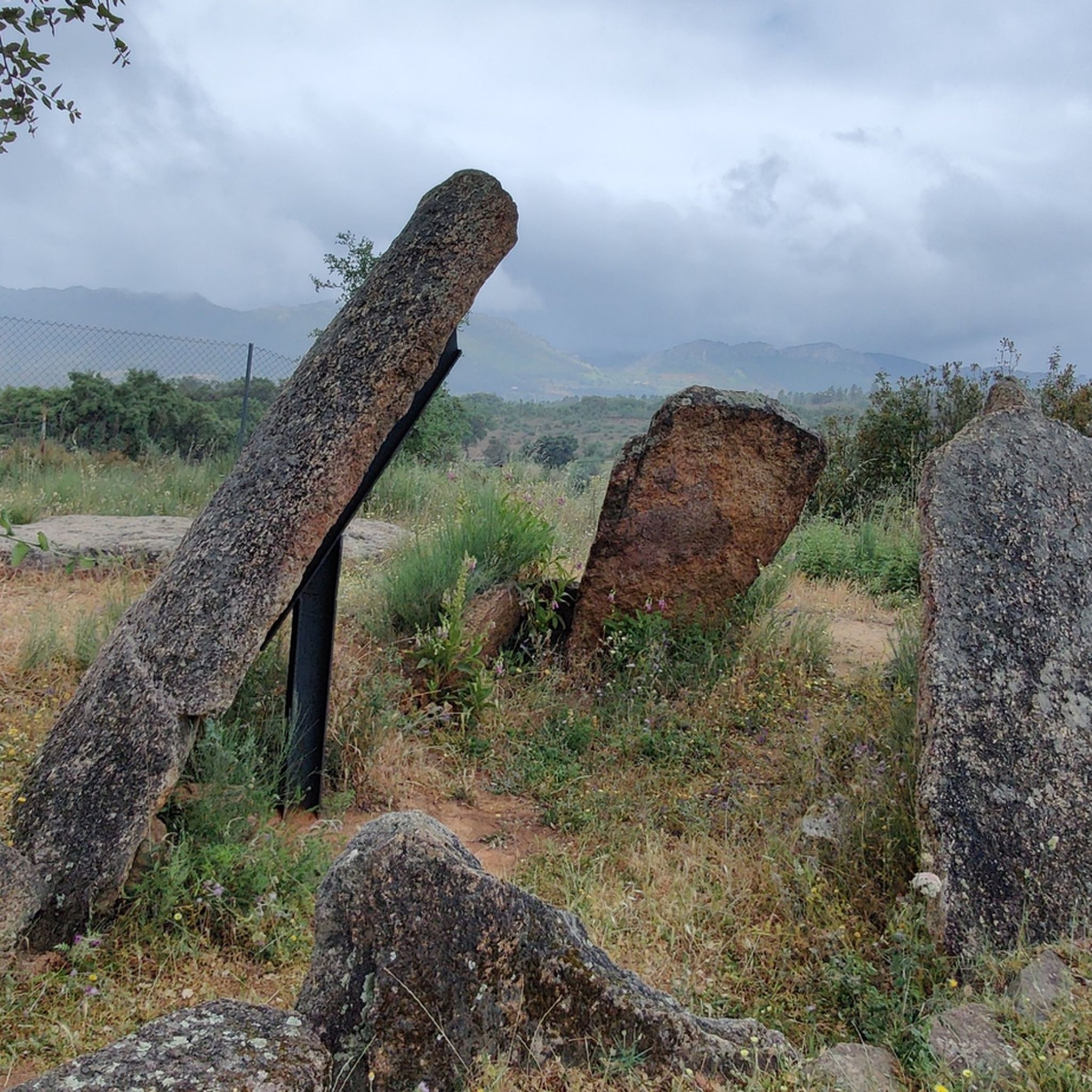
Hiking around Valencia De Alcantara
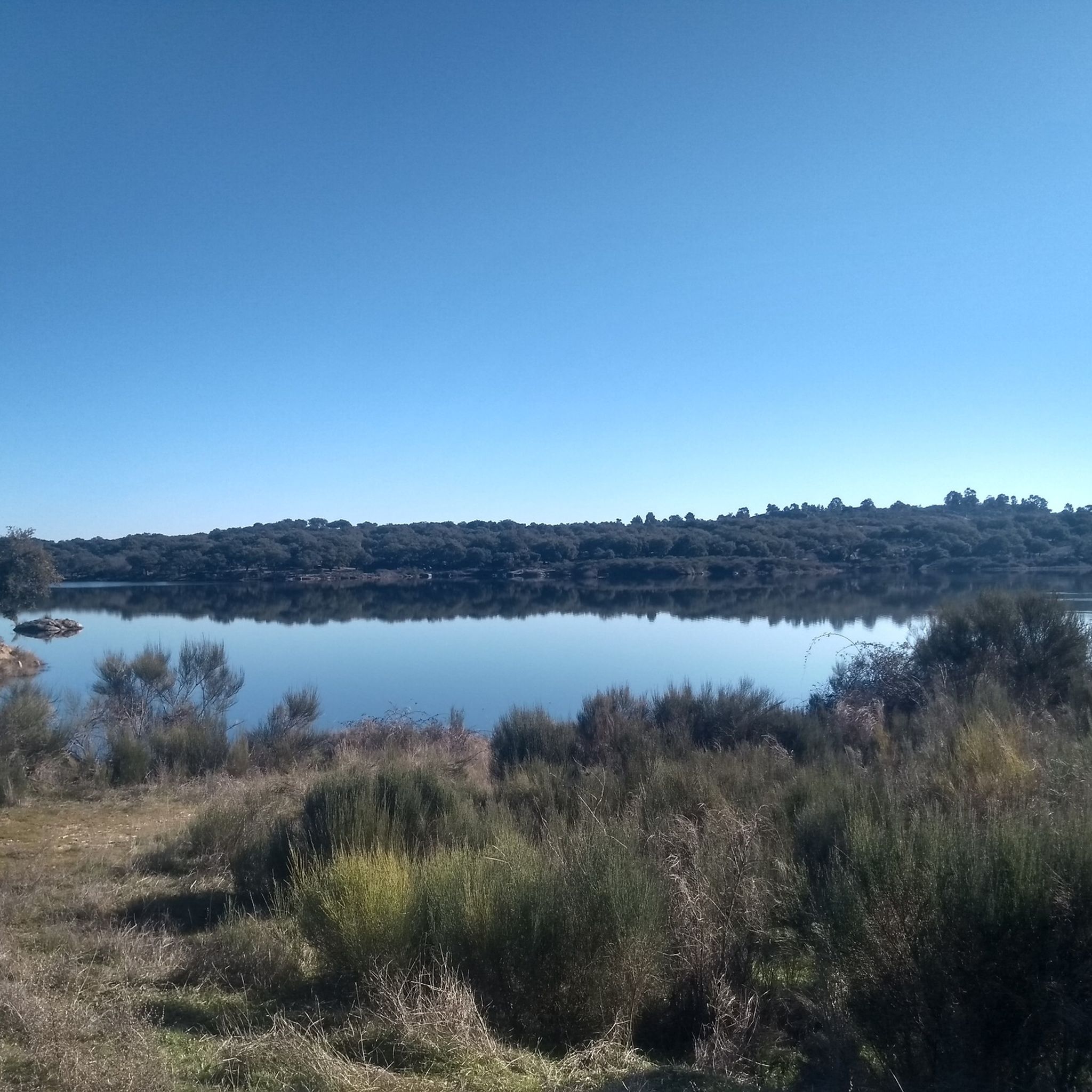
Road Cycling Routes around Valencia De Alcantara
Running Trails around Valencia De Alcantara
MTB Trails around Valencia De Alcantara
Cycling around Valencia De Alcantara
Other adventures around Valencia De Alcantara


Tips from the Community

The Cedillo Dam is a hydroelectric facility located on the international stretch of the Tagus River, right on the border between Spain and Portugal, in the municipality of Cedillo (Cáceres). It is part of the Tagus International Natural Park, declared in 2000 (Portugal) and 2006 (Spain), which protects its ecological environment.
6
0
The stone bridge over the Salor River on the EX-117 road has a fascinating history. This bridge is a historic structure dating back to Roman times, although it has been restored and modified over the centuries. Originally, the Romans built many bridges in the region to facilitate transportation and trade. Over the years, the bridge has witnessed numerous historical events and has served as an important crossing point in the region. Its architecture reflects the construction techniques of the time, with stone arches that have stood the test of time.
3
0
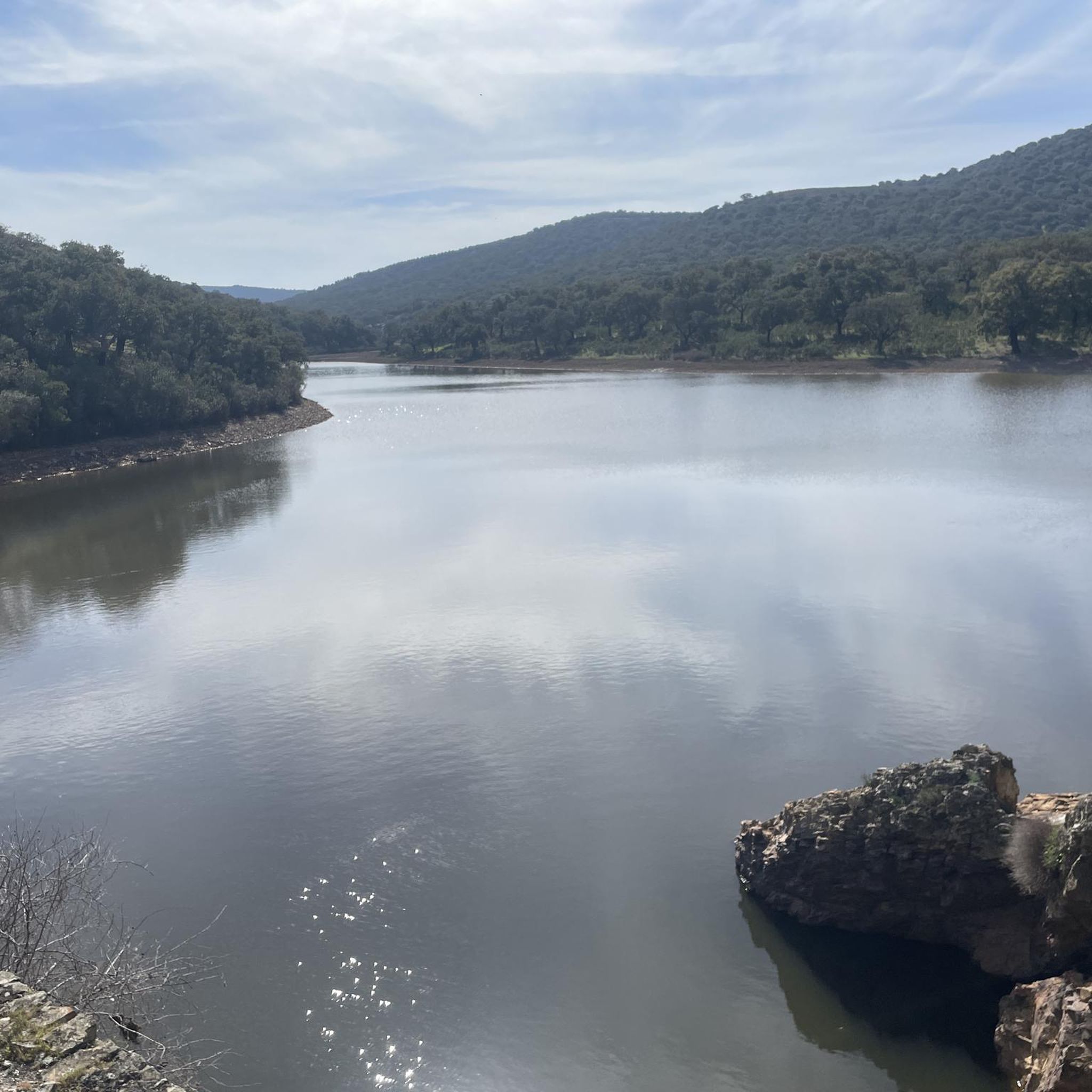
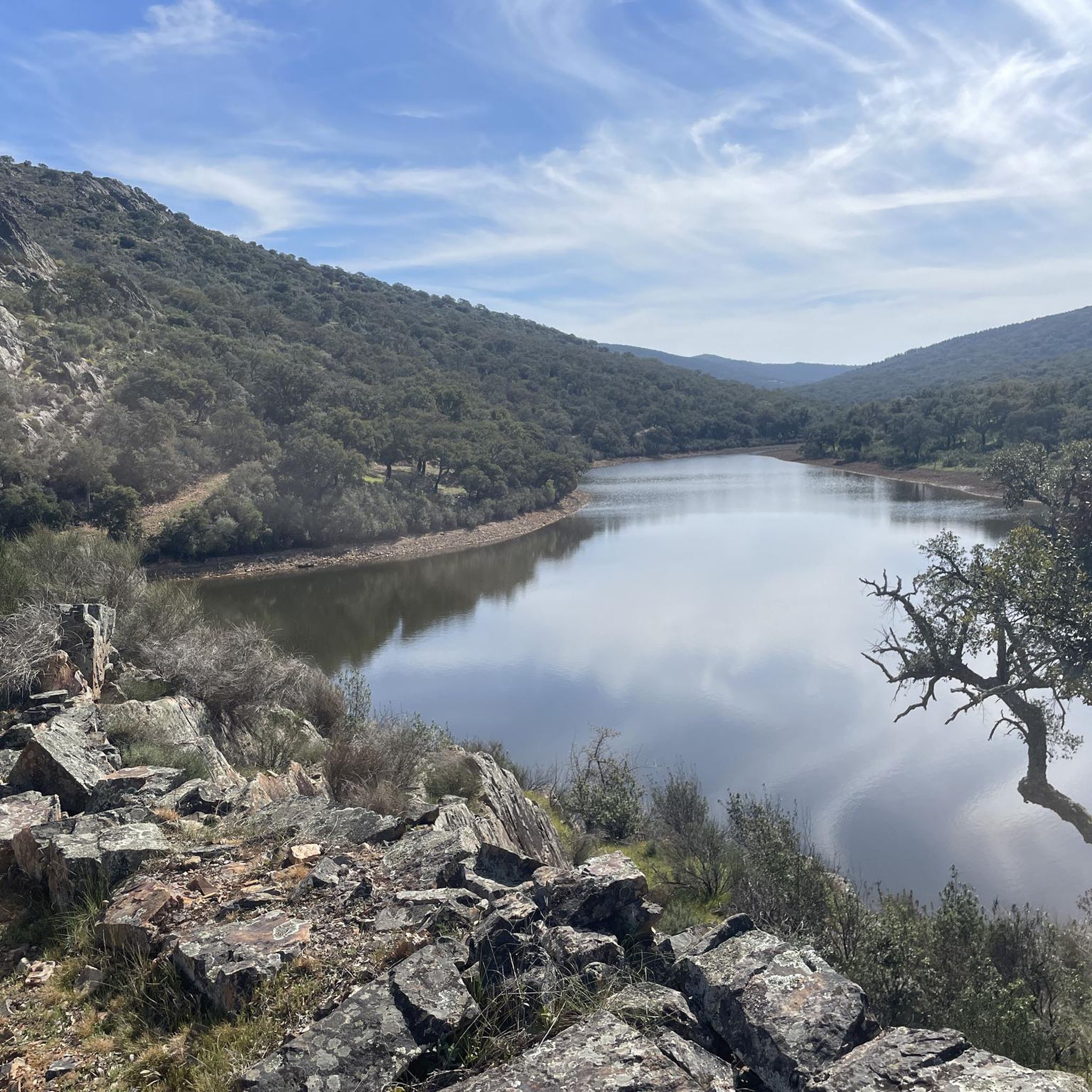
The Alpotrel Reservoir in San Vicente de Alcántara, located in the province of Badajoz, Extremadura, is a hydraulic infrastructure used primarily for irrigation and water supply. It is also a popular place for recreational activities such as fishing and hiking.
2
0
The Dolmen de la Tapada de Anta is one of the most outstanding megalithic monuments in the region of Valencia de Alcántara, in Extremadura. This dolmen is part of a route that includes several dolmens, known for their good state of conservation and easy access.
8
0
The Dolmen del Mellizo, also known as Aceña Borrega or Anta de la Marquesa, has a thousand-year history. Although its exact origin is lost in time, it is believed that it was built between the 4th and 3rd millennia BC. This megalith follows the megalithic model known as “anta” in neighboring Portugal. The dolmen chamber is covered by a horizontal slab that protrudes from the roof, and although it is quite worn, the corridor and access to the chamber are still well preserved. In an archaeological excavation carried out in 1985, remains of funerary goods, such as ceramic fragments and arrowheads, were found. The Dolmen del Mellizo is a fascinating place that connects us with the people who built it thousands of years ago. 🌟
7
0

Location on the Portugal/Spain border, famous for being an important place for smuggling essential goods in the dark years of Salazarism/Francoism.
2
0

The Cedillo dam marks the point where the Tagus River passes from Spanish to Portuguese territory. It is located within the term of the natural park of the International Tagus. The Tagus Nature Trail ends right at this point.
2
0
The one known as the Old Bridge is a bridge over the Salor River located between Alcántara and Membrío. It was built in the 17th century on the foundations of a supposed Roman viaduct.
2
0
Frequently Asked Questions
What historical sites can I visit in Valencia de Alcántara?
Valencia de Alcántara is rich in history. You can explore the significant megalithic complex, including well-preserved dolmens like the Dolmen del Mellizo-Anta de la Marquesa and Dolmen Datas 1 and 2. Don't miss the Fortress Castle of Valencia de Alcántara, which houses the Identity Centre of the First Settlers, and the beautiful Church of Our Lady of Rocamador. The town also features a charming Gothic-Jewish Quarter and the historic Old Stone Bridge over the Salor River with Roman origins.
What natural attractions are there around Valencia de Alcántara?
The region offers several natural points of interest. The Sierra de San Pedro Mountains provide opportunities for outdoor activities amidst cork and holm oak woodlands. The nearby Tagus International Natural Park contributes to the area's rich biodiversity. You can also visit the Alpotrel Reservoir, a popular spot for fishing and hiking. The local geology also features unique granitic formations known as 'Canchales' with enormous lichen and moss-covered boulders.
Are there opportunities for hiking or cycling near the attractions?
Yes, the area around Valencia de Alcántara is excellent for outdoor activities. The Sierra de San Pedro Mountains offer numerous trails for hiking, cycling, and horseback riding. For specific routes, you can explore road cycling routes, MTB trails, and easy hikes, many of which pass by historical sites and natural landscapes.
What is the significance of the megalithic complex in Valencia de Alcántara?
Valencia de Alcántara is home to one of Europe's most significant megalithic complexes, featuring 41 dolmens dating back to the Neolithic and Chalcolithic periods (4th to 3rd millennia BC). These prehistoric burial constructions, like the Dolmen del Mellizo-Anta de la Marquesa, offer a fascinating glimpse into ancient civilizations and are recognized as a Cultural Object.
Can I explore a historic Jewish Quarter in Valencia de Alcántara?
Yes, Valencia de Alcántara boasts a charming Gothic-Jewish Quarter, considered one of Spain's most attractive and best-preserved. Declared a National Historic-Artistic Site, it features narrow streets, pointed portals, and historic buildings, including a renovated 14th-15th century synagogue.
Are there any family-friendly attractions in Valencia de Alcántara?
Many attractions in Valencia de Alcántara are suitable for families. Exploring the megalithic dolmens, such as Dolmen Tapada de Anta, can be an engaging educational experience. The Alpotrel Reservoir is also a popular spot for recreational activities like fishing and gentle walks. The Old Stone Bridge over the Salor River offers an easy historical walk.
What is the best time of year to visit Valencia de Alcántara for sightseeing and outdoor activities?
The best time to visit Valencia de Alcántara for sightseeing and outdoor activities is generally during the spring (April to June) and autumn (September to October) months. During these periods, the weather is typically mild and pleasant, ideal for exploring historical sites, hiking in the Sierra de San Pedro Mountains, and enjoying the natural landscapes without the extreme heat of summer.
Where can I go for bird watching in the region?
The Sierra de San Pedro Mountains and the Tagus International Natural Park are excellent areas for bird watching. The region is known for its diverse birdlife, including species like the Spanish imperial eagle, black stork, and griffon vulture, making it a prime destination for ornithologists and nature enthusiasts.
What makes Valencia de Alcántara unique?
Valencia de Alcántara's uniqueness stems from its rich blend of history, culture, and natural beauty, particularly its strategic location near the Portuguese border. It boasts one of Europe's most significant megalithic complexes, a remarkably preserved Gothic-Jewish Quarter, and a fortress castle with a long history of border conflicts. The surrounding natural environment, including the Sierra de San Pedro Mountains and the Tagus International Natural Park, adds to its distinct character.
Are there any Roman remains in the area?
Yes, the area around Valencia de Alcántara has remnants of Roman heritage. The Old Stone Bridge over the Salor River, while restored and modified over centuries, has Roman origins. Additionally, there are other Roman remains, including parts of an aqueduct, scattered throughout the region.
What are the main religious buildings to see?
The most prominent religious building is the Church of Our Lady of Rocamador. This beautiful Gothic temple is a historical-artistic monument, featuring an interesting Baroque altarpiece and a work by Luis de Morales. It also holds historical significance as the site of a royal wedding in 1497. Another notable site is the Renaissance Church of the Incarnation, which boasts a Gothic façade.
What do visitors enjoy most about Valencia de Alcántara?
Visitors frequently appreciate the well-preserved historical sites, particularly the impressive megalithic dolmens and the charming Gothic-Jewish Quarter. The Dolmen del Mellizo-Anta de la Marquesa is often highlighted for its perfect condition and size. The blend of historical exploration with opportunities for outdoor activities in the scenic natural surroundings also receives high praise.
Most popular routes around Valencia De Alcantara
Most popular attractions around Valencia De Alcantara

Get inspired with the komoot mobile app


Didn’t find what you were looking for?
Are you keen on exploring more awesome places nearby? Browse our guides:
Explore more
Still not found the Highlight you’re looking for? See guides of the top attractions in other regions:
