Attractions and Places To See around Plasencia - Top 20
Best attractions and places to see around Plasencia include a variety of notable landmarks, cultural sites, and natural features within and near this historic city in Cáceres, Extremadura, Spain. The area is characterized by its medieval architecture, ancient city walls, and proximity to natural landscapes like the Jerte Valley and Monfragüe National Park. Plasencia serves as a gateway to exploring both historical heritage and diverse outdoor environments.
Best attractions and places to see around Plasencia
- The most popular attractions is…
Last updated: August 30, 2026
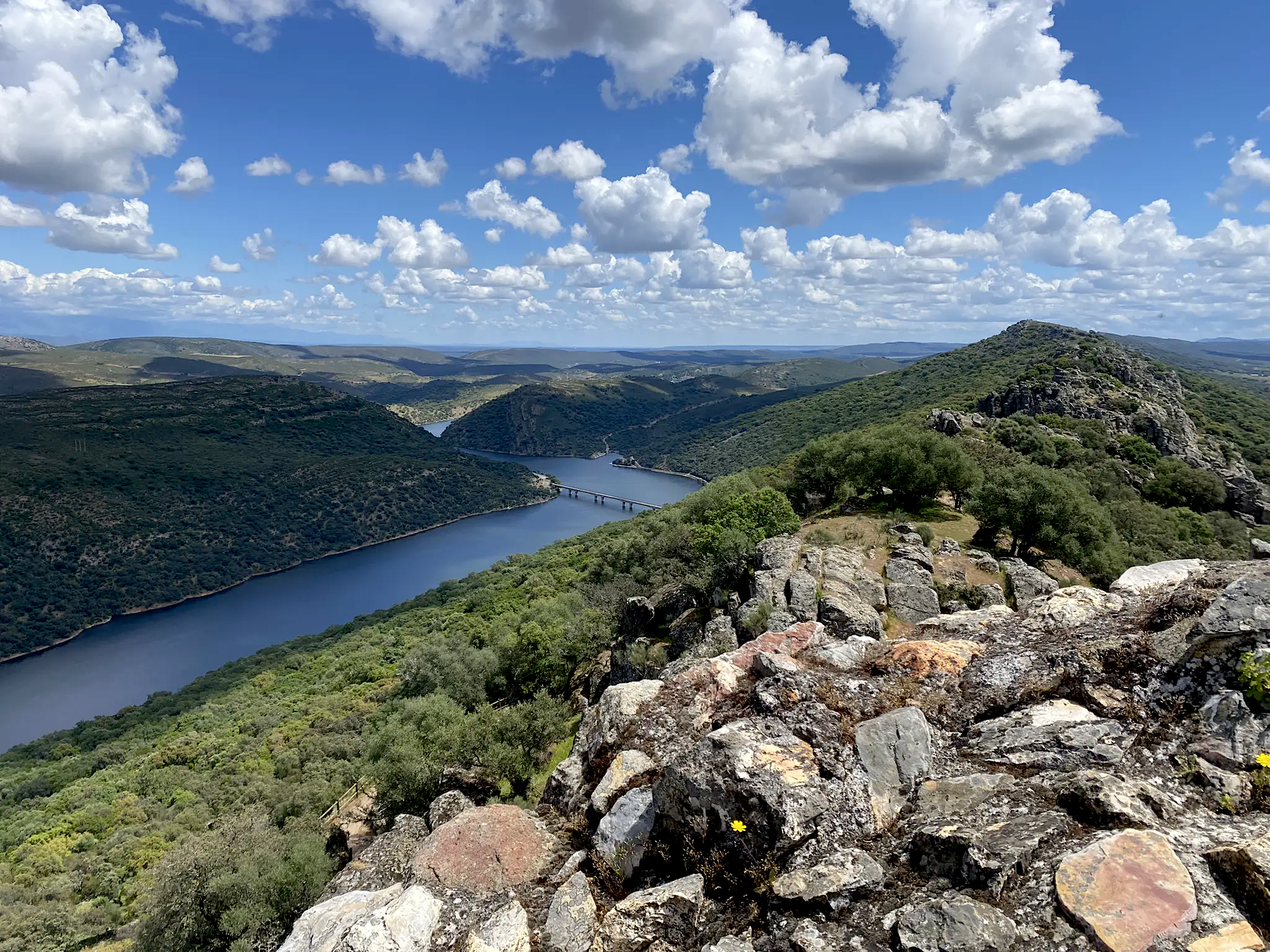
Monfragüe Castle
Highlight • Castle
Translated by Google •
Tip by

Villarreal de San Carlos
Highlight • Settlement
Translated by Google •
Tip by

Sign up now to discover places like this
Get recommendations on the best single tracks, peaks, & plenty of other exciting outdoor places.
Sign up for free
Arco de Cáparra
Highlight • Monument
Translated by Google •
Tip by
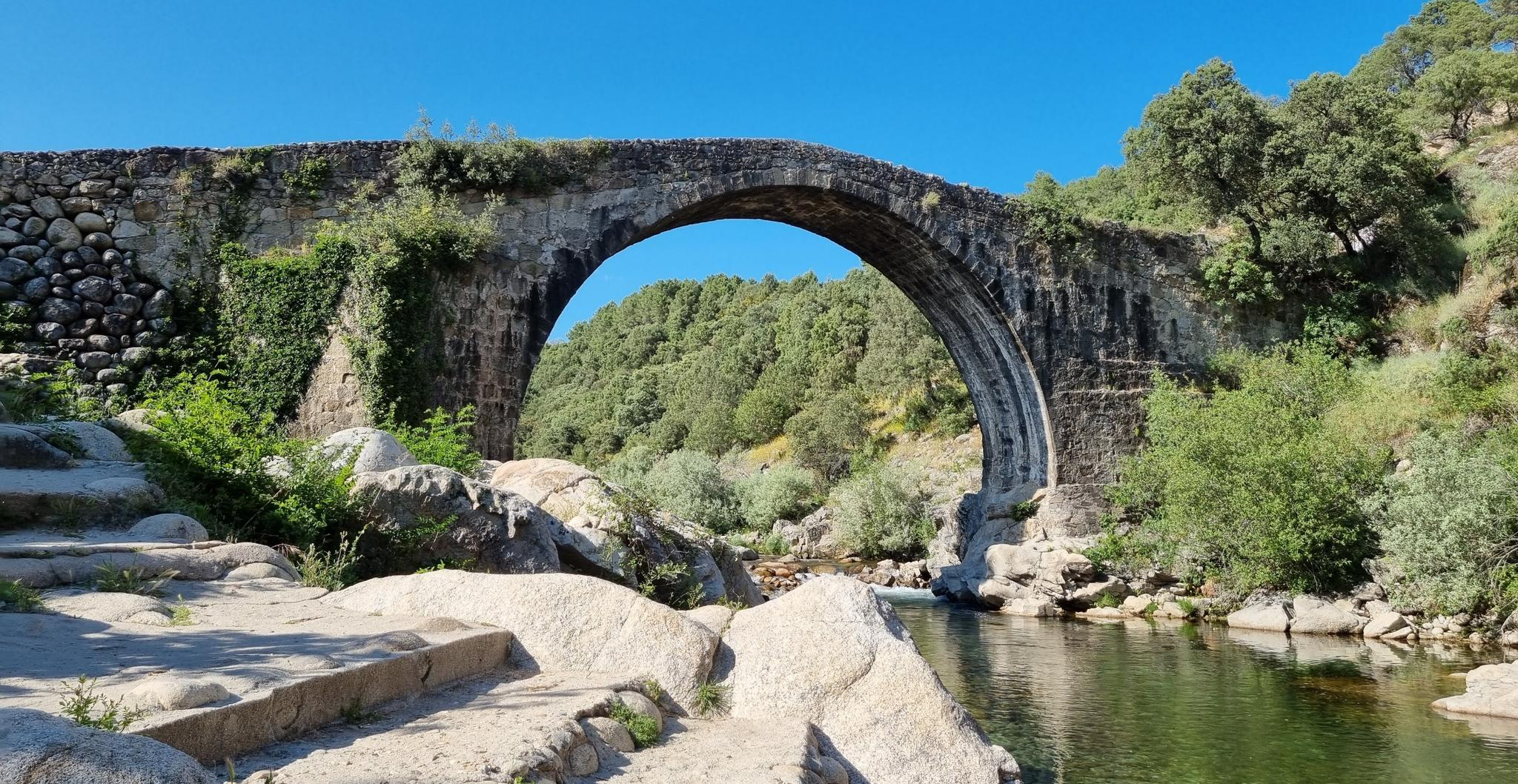
Carlos V Bridge
Highlight • Bridge
Translated by Google •
Tip by

Plaza Mayor de Plasencia
Highlight • Settlement
Translated by Google •
Tip by

Plasencia Cathedral
Highlight • Religious Site
Translated by Google •
Tip by

Nogaleas Waterfalls
Highlight • Waterfall
Translated by Google •
Tip by

Torrejón el Rubio
Highlight • Settlement
Translated by Google •
Tip by
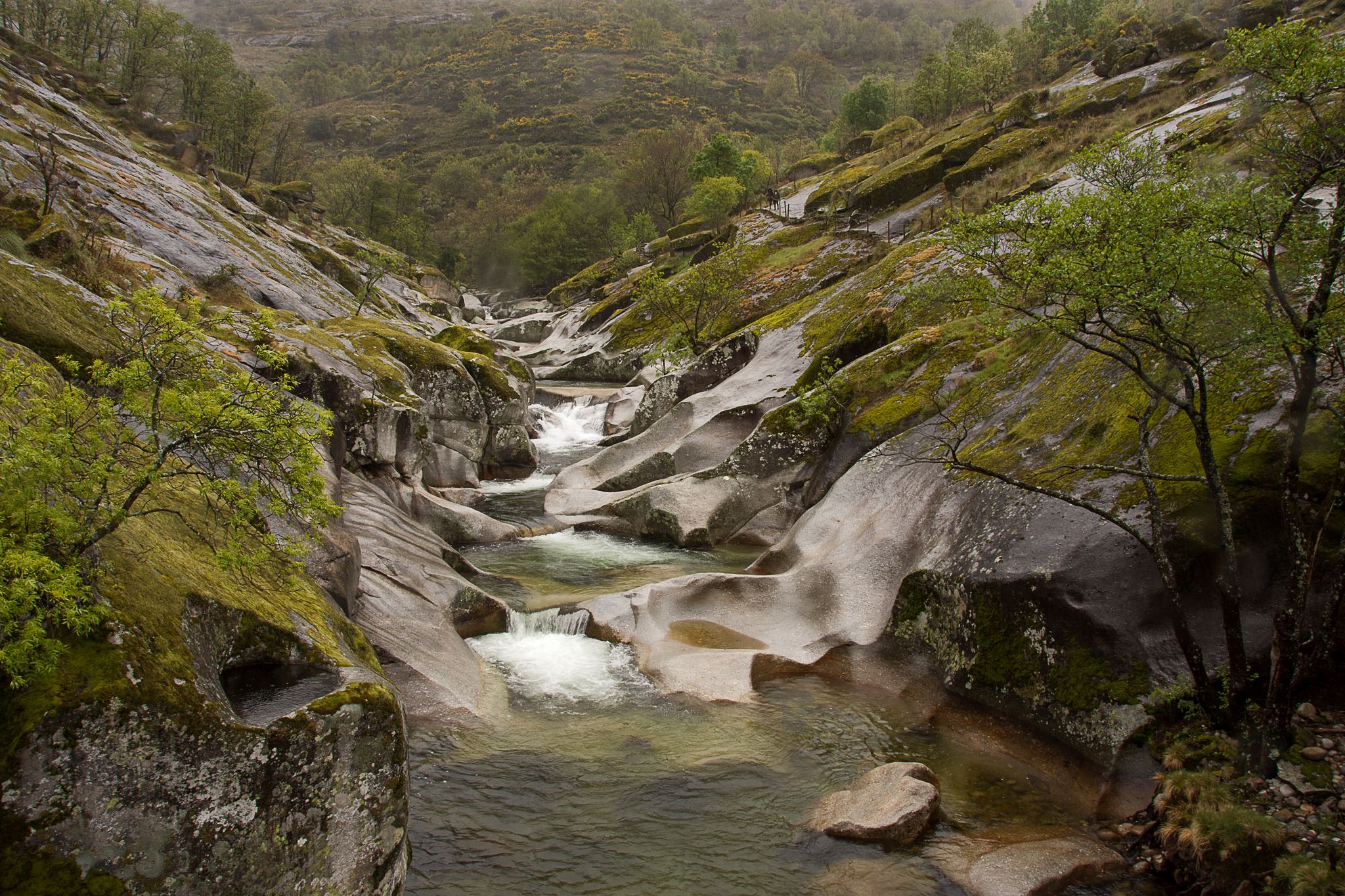
Los Pilones Natural Pools
Highlight • Natural Monument
Translated by Google •
Tip by
The Gypsy's Leap
Highlight • Natural Monument
Translated by Google •
Tip by
Sign up for free to discover even more attractions around Plasencia.
Sign up for free
Already have an account?
Start today with a free account
Your next adventure awaits.
Login or Signup
Popular around Plasencia
Sendero Español GR 10 — De este a oeste
Monumental and Natural History — The Way of La Vera GR-111
Six routes to discover Extremadura on foot
Extremadura's natural paradise by bike — Tour of Monfragüe
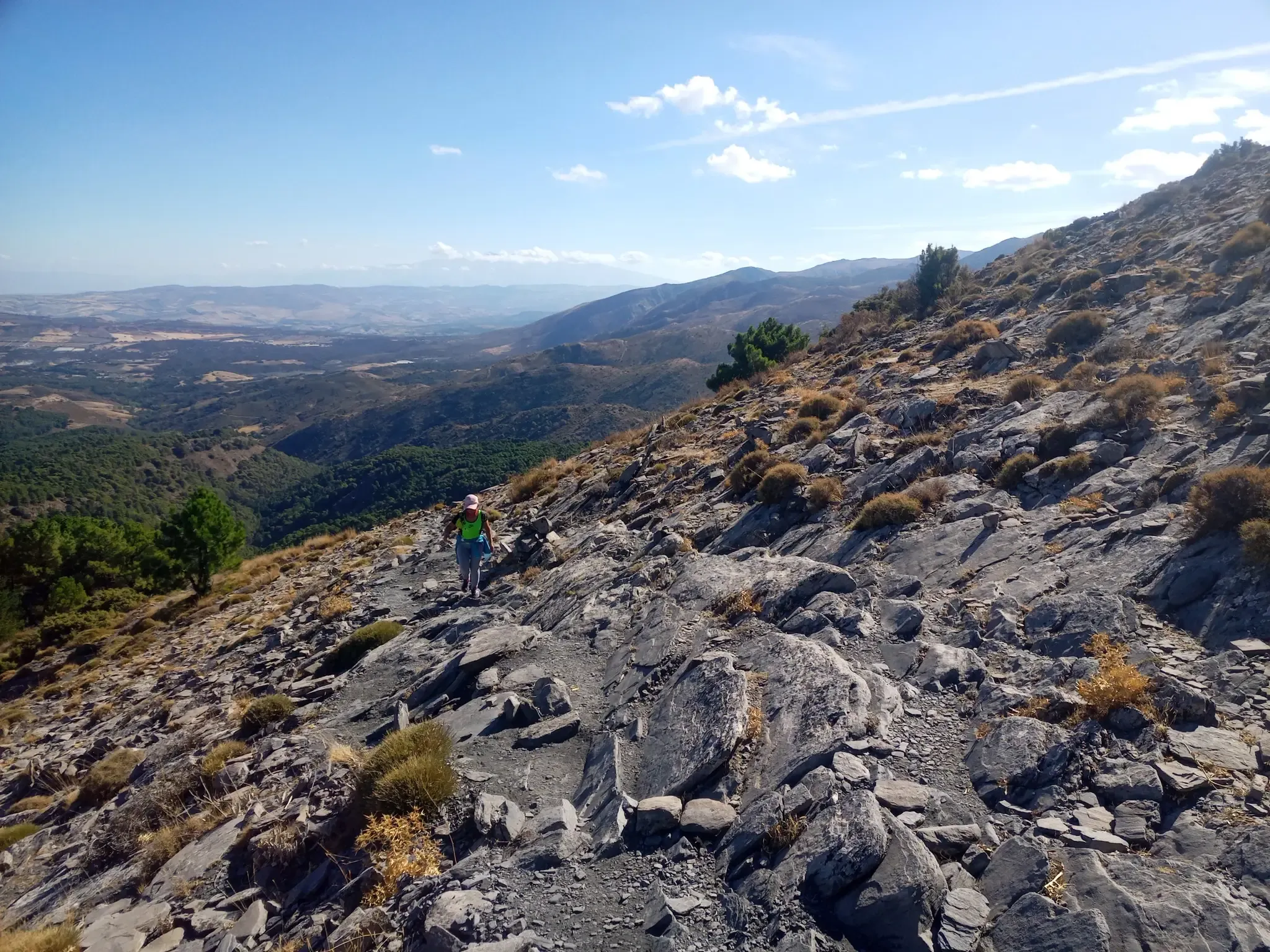
12 hiking gems throughout Spain
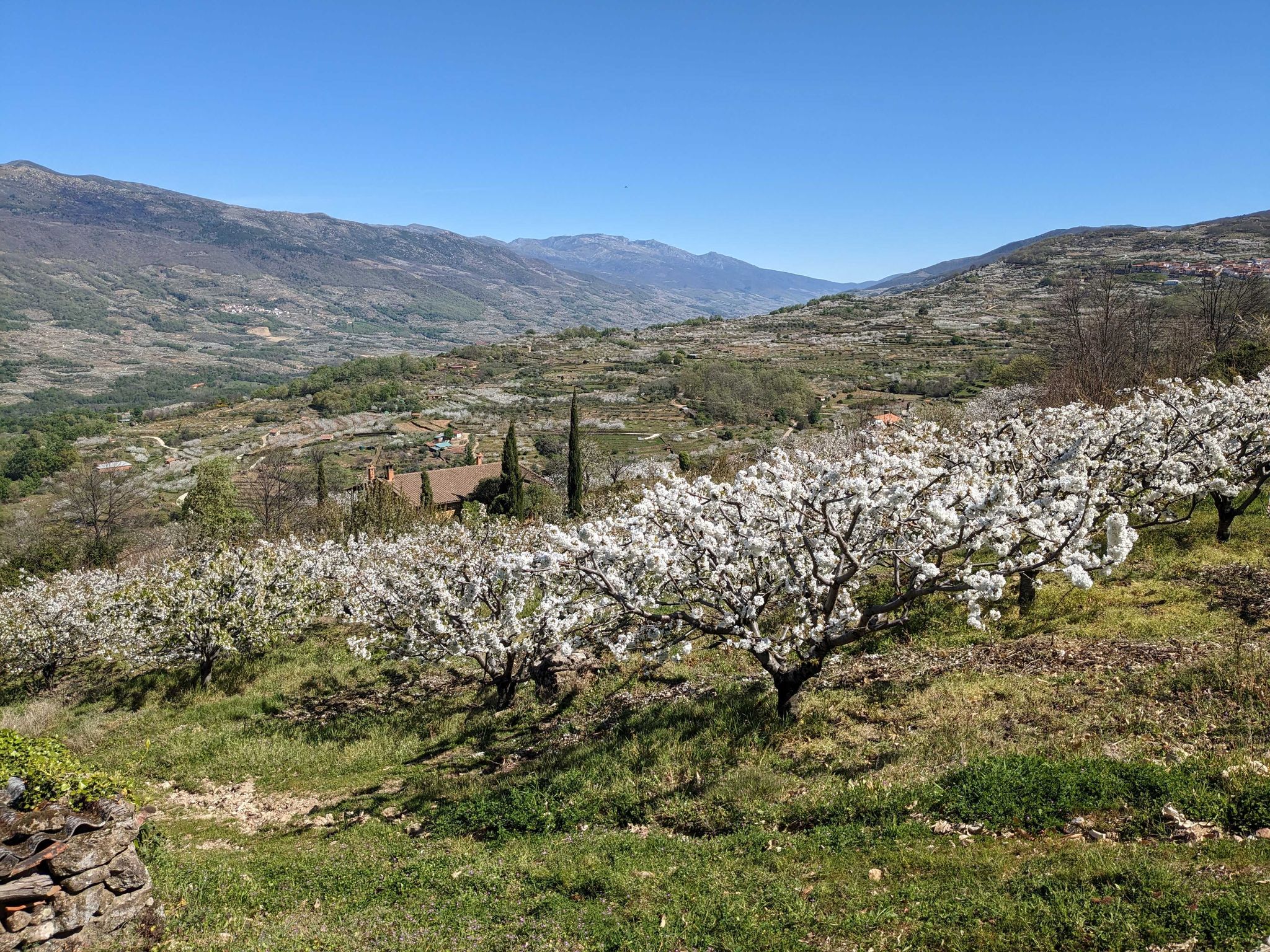
Cherry paradise – Spain’s Valle del Jerte (GR 110)
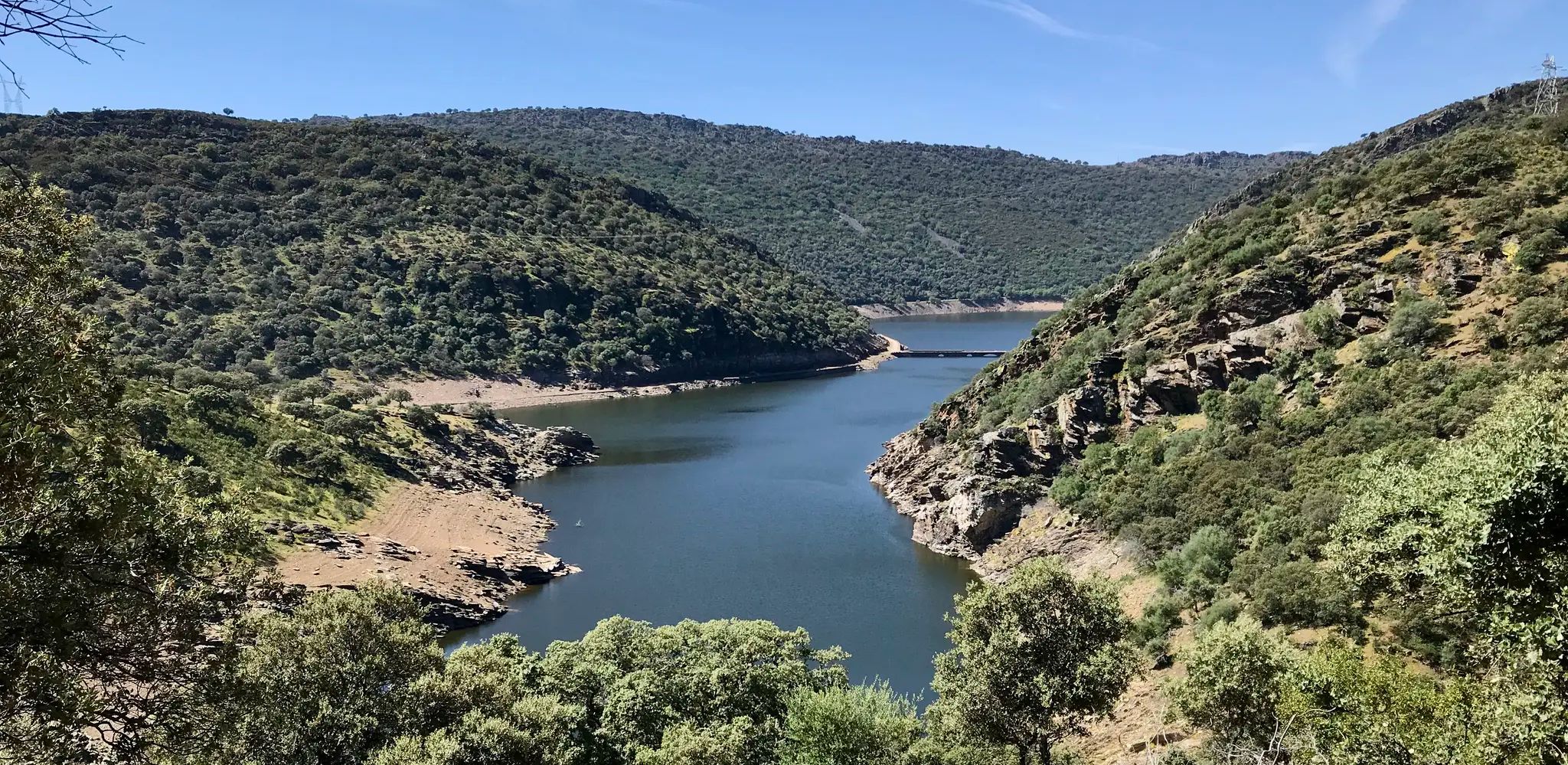
Toledo to Cedillo – Camino Natural del Tajo West
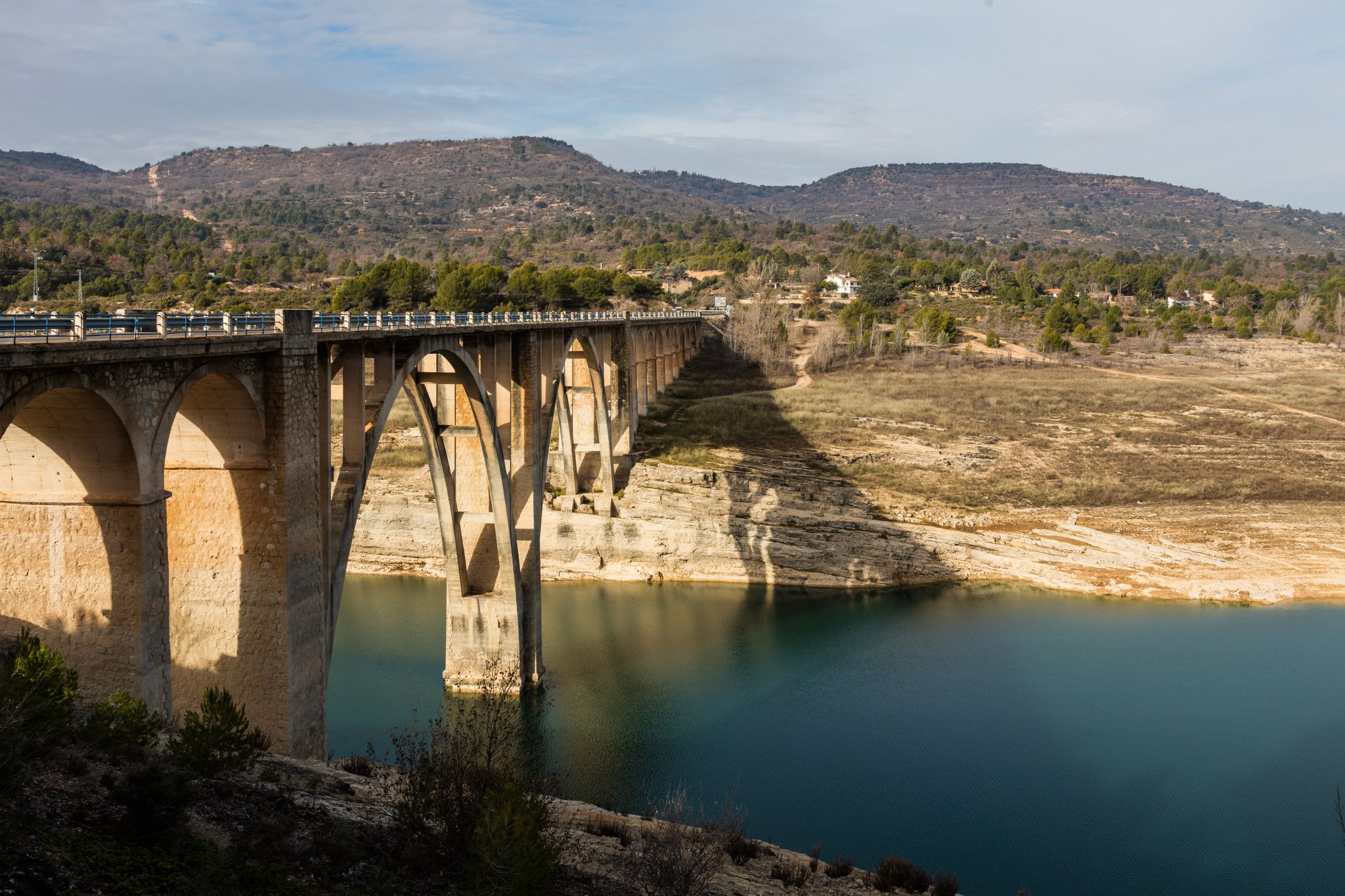
A journey on the Iberian Peninsula – Tagus Nature Trail
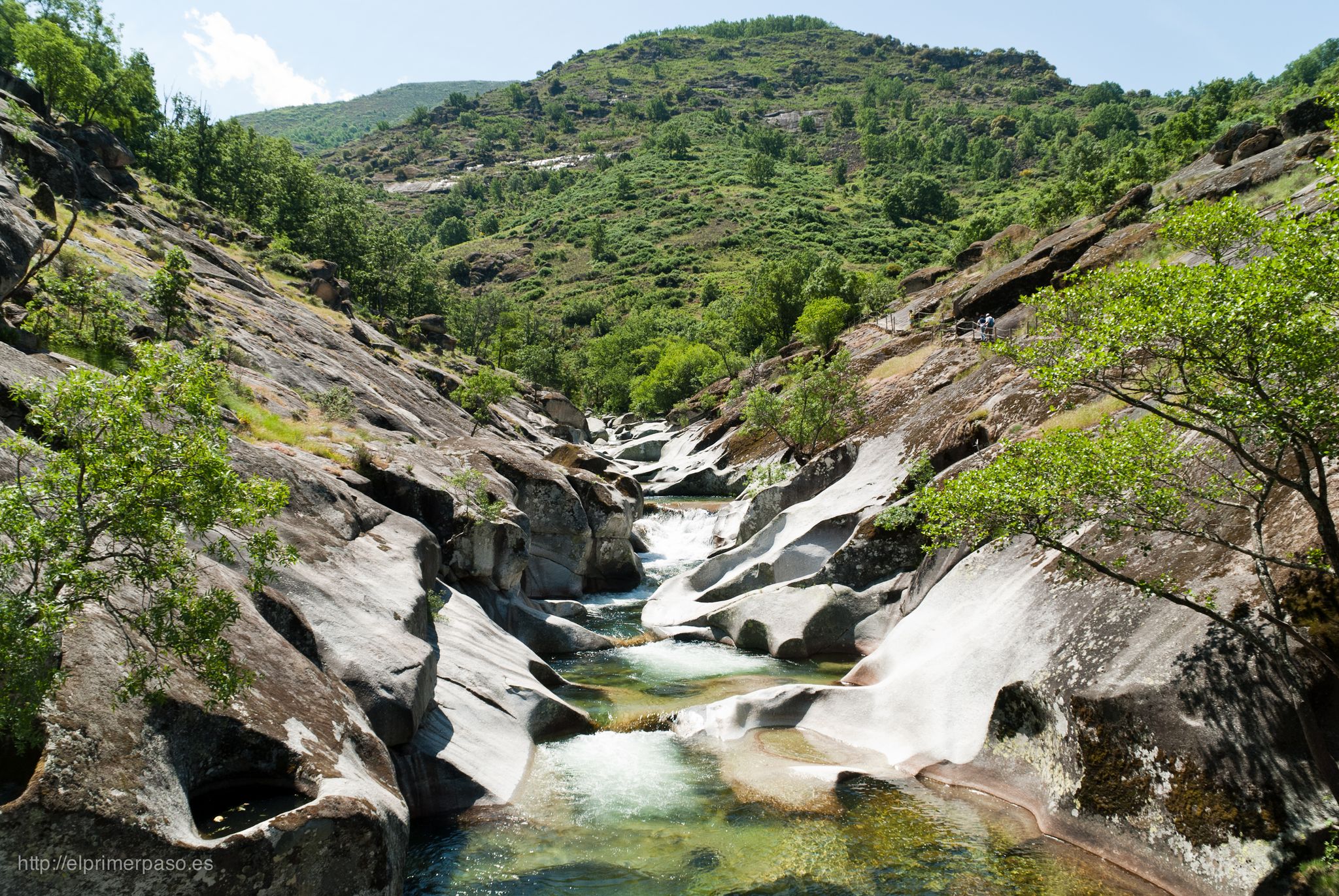
Unforgettable hikes in Spain’s Jerte Valley
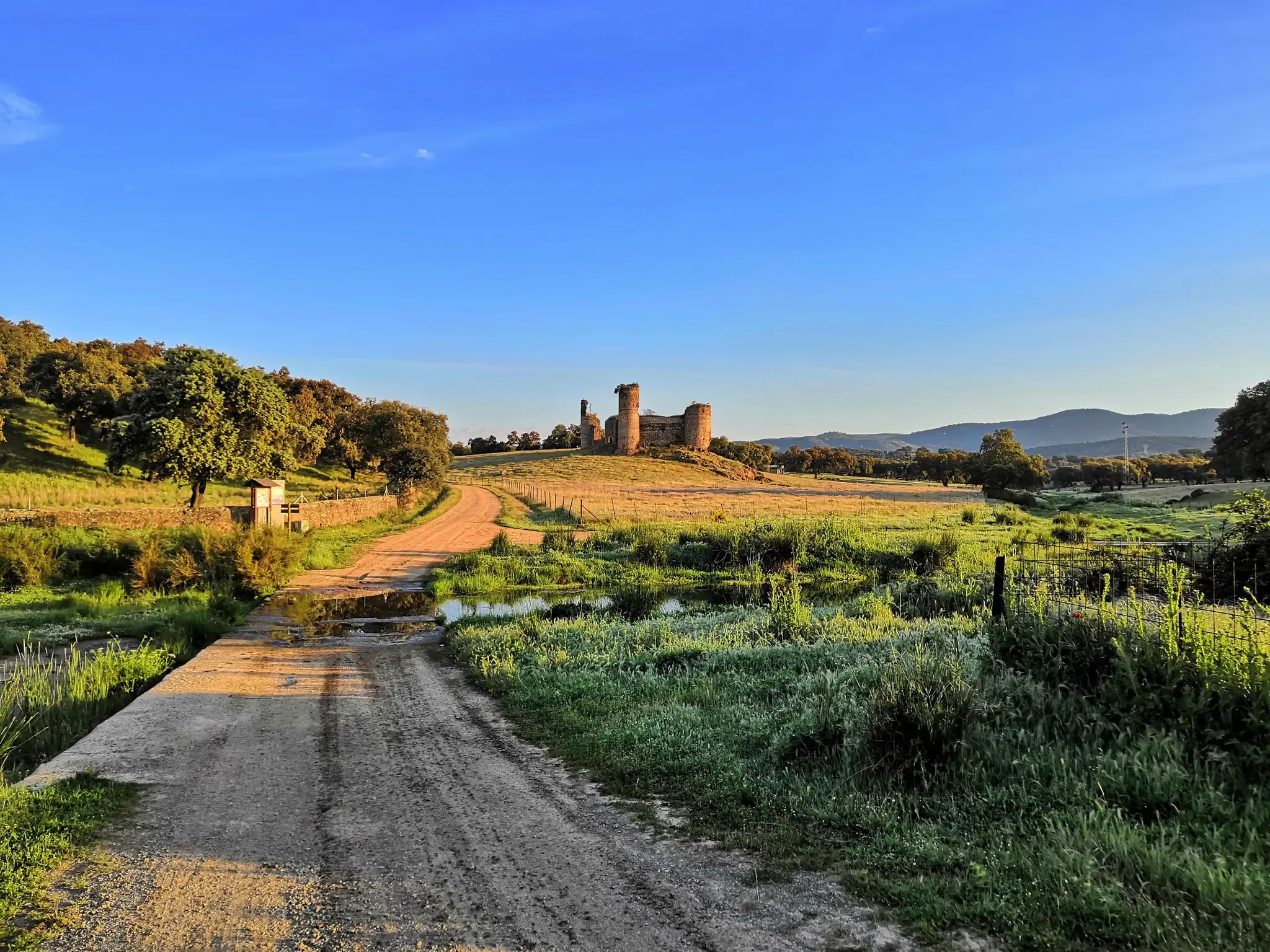
A romantic journey in the footsteps of the Romans – Via de la Plata
Other adventures around Plasencia


Tips from the Community

The highlight of Monfrague and lots of birds, especially in the afternoon when the thermals are optimal.
0
0
Cáparra was once a walled city with suburbs, but it was not a very important ancient city. Not much of the city remains, except for some ruins and an arch. The site is fortunately free to visit and there are signs in English.
7
0

The town is known as one of the gateways to Monfragüe National Park. From here you can visit: El Salto del Gitano (The Gypsy's Leap), one of the park's most impressive viewpoints. Monfragüe Castle, with majestic views of the Tagus River and the Mediterranean forest. Hiking trails such as the Miradores Trail or the Tagus River Trail.
3
0
Torrejón el Rubio is an excellent destination for those seeking unspoiled nature, wildlife viewing, hiking, and peaceful tourism surrounded by the privileged environment of Monfragüe National Park, one of the best places in Spain for spotting birds such as the black vulture and the Spanish imperial eagle. Furthermore, its historical heritage, the friendliness of the locals, and its strategic location make it a very complete place for a weekend getaway or as a base for exploring Monfragüe.
3
0

The information value of the photos is zero! OK, there is water, but what are the paths like, their condition, etc.
1
1

Ideal habitat and breeding ground for large birds.
1
1
Eagles, vultures and black storks can be seen particularly well here.
0
1
Frequently Asked Questions
What historical landmarks can I explore within Plasencia?
Plasencia is rich in history. You can visit the unique Plasencia Cathedral, which comprises both an Old and New Cathedral showcasing different architectural styles. The city also features well-preserved sections of its medieval city walls, including gates like Puerta de Trujillo, and the 16th-century Acueducto de San Antón. Don't miss the historic Plaza Mayor de Plasencia, home to the Renaissance-style Town Hall.
Are there any natural attractions or parks to visit in or near Plasencia?
Absolutely. Within the city, you can enjoy the serene Parque de la Isla along the Jerte River, offering natural swimming pools, or Parque de los Pinos, known for its peacocks and other birds. Just outside Plasencia, the Jerte Valley is famous for its cherry blossoms in spring and natural sites like the Garganta de los Infiernos Nature Reserve, which includes the picturesque Los Pilones Natural Pools.
What are some family-friendly activities or attractions around Plasencia?
Families will enjoy the Nogaleas Waterfalls, an itinerary with six waterfalls and viewpoints that has low technical difficulty and offers shaded paths. The Villarreal de San Carlos settlement, located in Monfragüe National Park, is also family-friendly, offering an information film about the region's native birds. Many of the city's historical sites, like the Plasencia Cathedral and Plaza Mayor de Plasencia, are also suitable for families.
Where can I find the best viewpoints around Plasencia?
For stunning views, visit the Ermita Santuario de la Virgen del Puerto, located about five kilometers north of the city center, offering a great panorama of Plasencia and its surroundings. The Torre de Lucía, part of the city walls, also provides excellent views, especially at sunset, with the Jerte Valley in the background. Additionally, the Monfragüe Castle offers a strategic lookout point within the Monfragüe National Park.
Are there opportunities for hiking or outdoor activities near Plasencia?
Yes, the region around Plasencia is excellent for outdoor activities. You can explore hiking trails in the Jerte Valley, including routes to the Los Pilones Natural Pools. For easy walks suitable for families, consider routes like the Garganta de las Nogaleas Trail or the Los Llanos - Calderón Trail, which you can find more about in the Easy hikes around Plasencia guide.
What is the best time of year to visit Plasencia for outdoor activities?
Spring is particularly recommended, especially for experiencing the spectacular cherry blossoms in the Jerte Valley. The weather is generally mild, making it ideal for hiking and exploring natural sites like the Nogaleas Waterfalls, which have a good flow during this season. Summer also offers refreshing waters in the natural pools, though it can be warmer.
Can I find any unique natural experiences around Plasencia?
Beyond the famous cherry blossoms of the Jerte Valley, you can discover the unique rock formations and 13 natural pools at Los Pilones Natural Pools within the Garganta de los Infiernos nature reserve. The nearby Monfragüe National Park offers diverse bird and animal life, making it a prime spot for wildlife observation and a unique natural experience.
What cultural sites, beyond the Cathedral, are worth visiting in Plasencia?
Plasencia boasts several cultural gems. The Parador de Plasencia, housed in the old Convent of Santo Domingo, preserves original elements like a beautiful cloister. You can also visit the Museo Etnográfico Textil Pérez Enciso, located in a 14th-century hospital, which showcases the region's heritage through exhibits of local crafts and costumes. The Iglesia de San Esteban, with its Gothic apse and Plateresque-Baroque altarpiece, is another notable cultural stop.
Are there any cycling routes available near Plasencia's attractions?
Yes, there are various cycling opportunities. For mountain biking, you can find routes like 'Los Pilones to Jerte' or 'Ruta Negra: Camino de Barbaón y Ruta Marrón' in the MTB Trails around Plasencia guide. Road cyclists can explore routes such as 'Plasencia and the Honduras Pass Loop' or 'Galisteo from Plasencia – circular by the Río Jerte' detailed in the Road Cycling Routes around Plasencia guide.
What is the significance of the city walls and gates in Plasencia?
Plasencia's medieval city walls, built in 1198, were a crucial defensive structure, originally featuring 70 towers and eight gates. While some sections are integrated into modern buildings, notable remaining gates like Puerta del Sol and Puerta Berrozana, along with the Torre de Lucía, offer a glimpse into the city's ancient past and its strategic importance. They are a testament to Plasencia's rich medieval history.
Are there any Roman historical sites close to Plasencia?
While Plasencia itself is primarily medieval, a significant Roman site nearby is the Arco de Cáparra. This impressive quadriform arch is the only one of its type preserved in Spain and indicates the presence of a larger Roman city. It's a striking landmark that offers insight into the Roman presence in the region.
Most popular routes around Plasencia
Most popular attractions around Plasencia

Get inspired with the komoot mobile app


Didn’t find what you were looking for?
Are you keen on exploring more awesome places nearby? Browse our guides:
Explore more
Still not found the Highlight you’re looking for? See guides of the top attractions in other regions:
