Attractions and Places To See around Coria - Top 20
Best attractions and places to see around Coria, a historic city in the province of Cáceres, Extremadura, offer a journey through time with Roman, medieval, and Renaissance influences. The region is characterized by its blend of ancient fortifications, significant religious sites, and natural features within the Alagón Valley. Visitors can explore well-preserved historical landmarks and enjoy green spaces. Coria presents a range of points of interest reflecting its long past and natural surroundings.
Best attractions and places to see around…
Last updated: July 8, 2026
Villasbuenas de Gata Village Square
Highlight • Settlement
Translated by Google •
Tip by

Pico Jálama Summit
Highlight • Summit
The route to climb Pico Jálama is popular with hikers and offers …
Translated by Google •
Tip by
Sign up now to discover places like this
Get recommendations on the best single tracks, peaks, & plenty of other exciting outdoor places.
Sign up for free
Torre de Almenara
Highlight • Castle
Translated by Google •
Tip by

Historic Center of Hoyos
Highlight • Historical Site
Translated by Google •
Tip by
San Martín de Trevejo
Highlight • Settlement
Translated by Google •
Tip by
Iron Bridge of Coria
Highlight • Bridge
Translated by Google •
Tip by
Hermitage of the Holy Spirit
Highlight • Religious Site
Translated by Google •
Tip by
Medieval Bridge of Coria
Highlight • Bridge
Translated by Google •
Tip by
Castillo de Portezuelo
Highlight • Castle
The construction of the castle dates back to …
Translated by Google •
Tip by
Borbollón Dam
Highlight • Monument
Translated by Google •
Tip by

Sign up for free to discover even more attractions around Coria.
Sign up for free
Already have an account?
Start today with a free account
Your next adventure awaits.
Login or Signup
Tips from the Community

What to see in Hoyos: Church of Our Lady of the Good Man A Romanesque-Gothic church with portals in different styles and a remarkable Romanesque carving. It is one of the town's most emblematic buildings. Parish Church of Saint John the Baptist An example of the 16th-century Gothic-Mudéjar style, with a Baroque altarpiece and frescoes on its vaults. Ruins of the Convent of the Holy Spirit A 16th-century Franciscan convent located on the outskirts of town, surrounded by nature.
3
0
Hoyos is a highly regarded village in the Sierra de Gata mountains, renowned for its stately atmosphere, traditional architecture, and natural surroundings. It stands out for its tranquility, historical heritage, and mild microclimate, which for centuries attracted bishops and nobles to spend time there. It's a perfect destination if you're looking for peace, nature, hiking, history, and authentic Extremaduran cuisine. It's also considered a village with a rich cultural legacy, reflected in its cobbled streets, palaces, and ancestral homes.
3
0
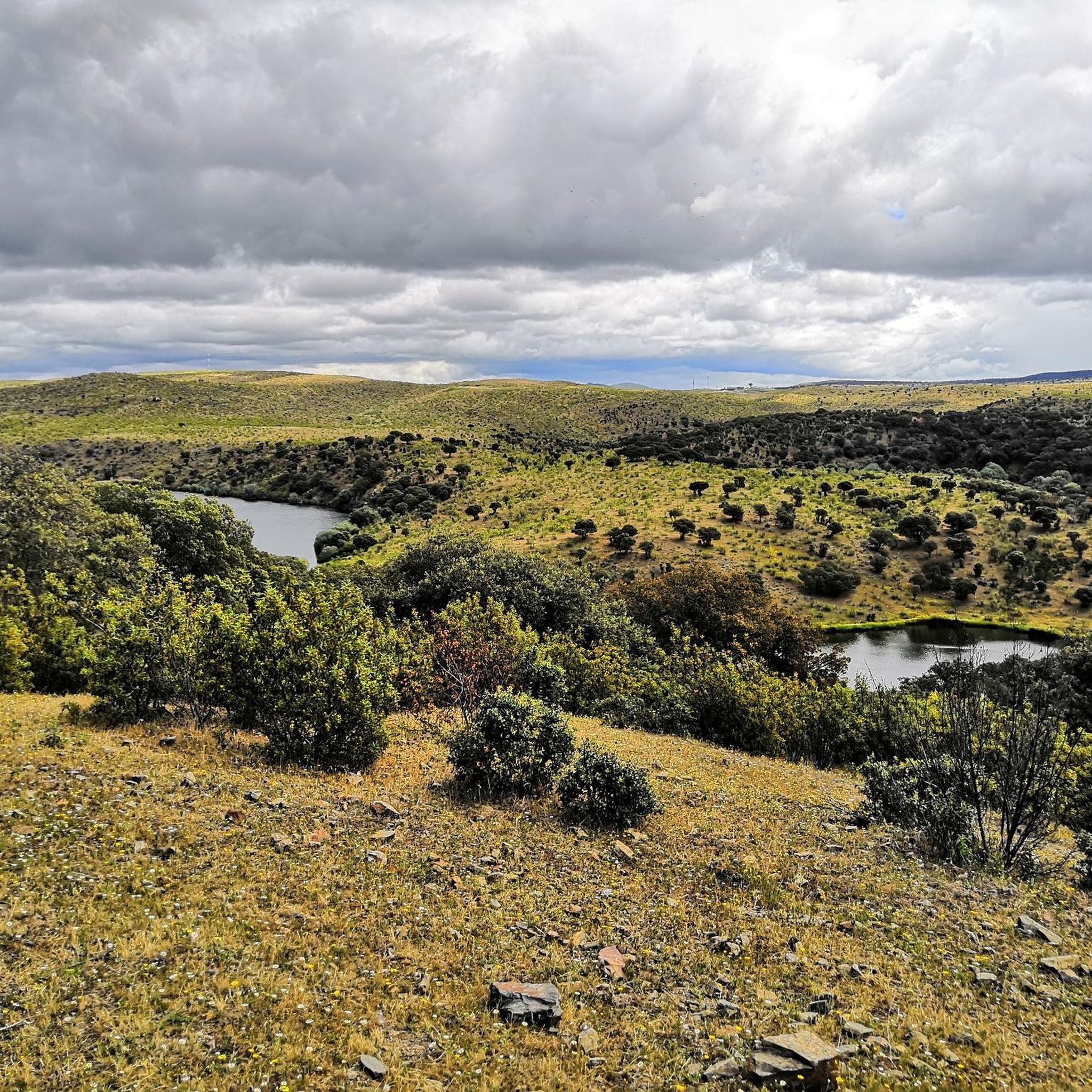
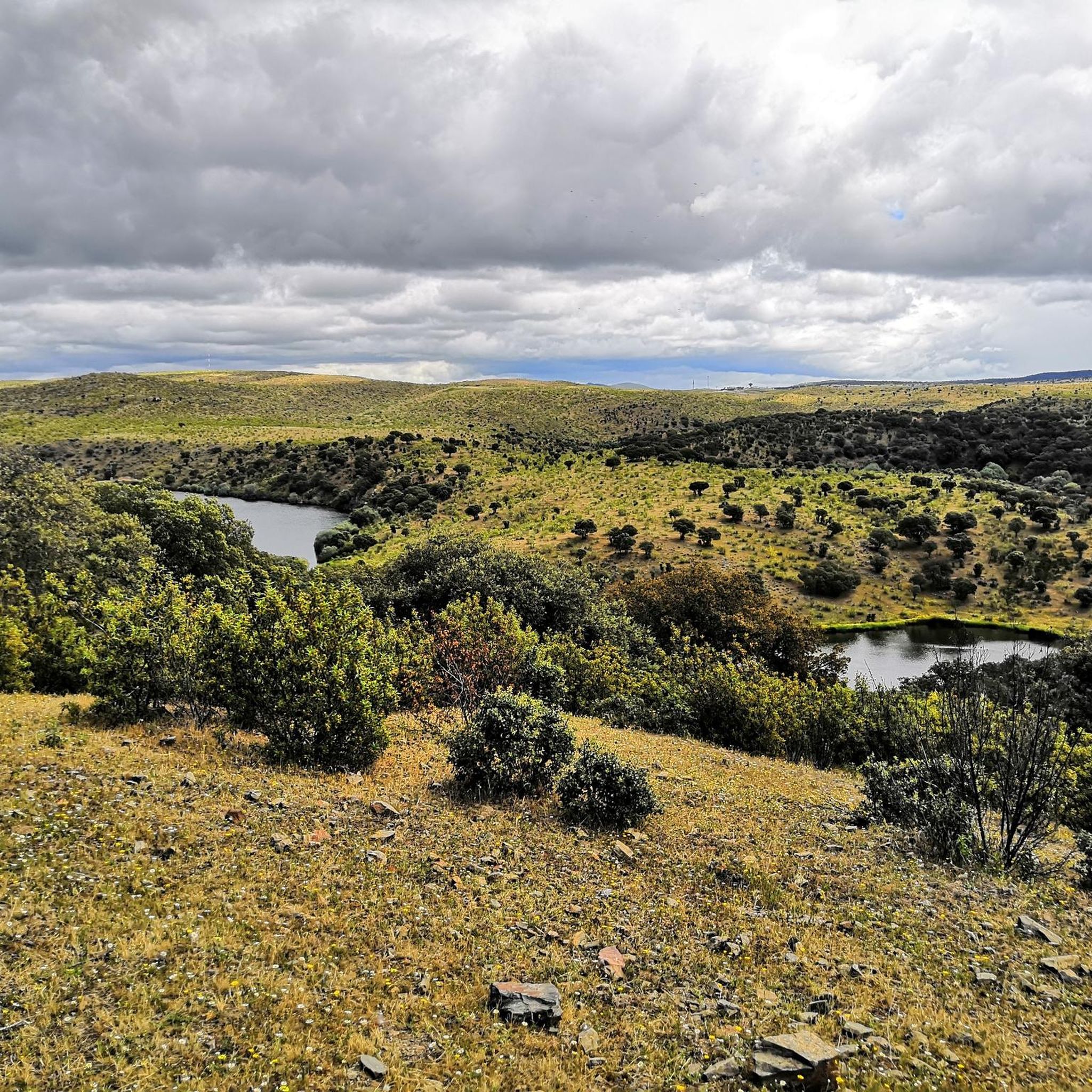
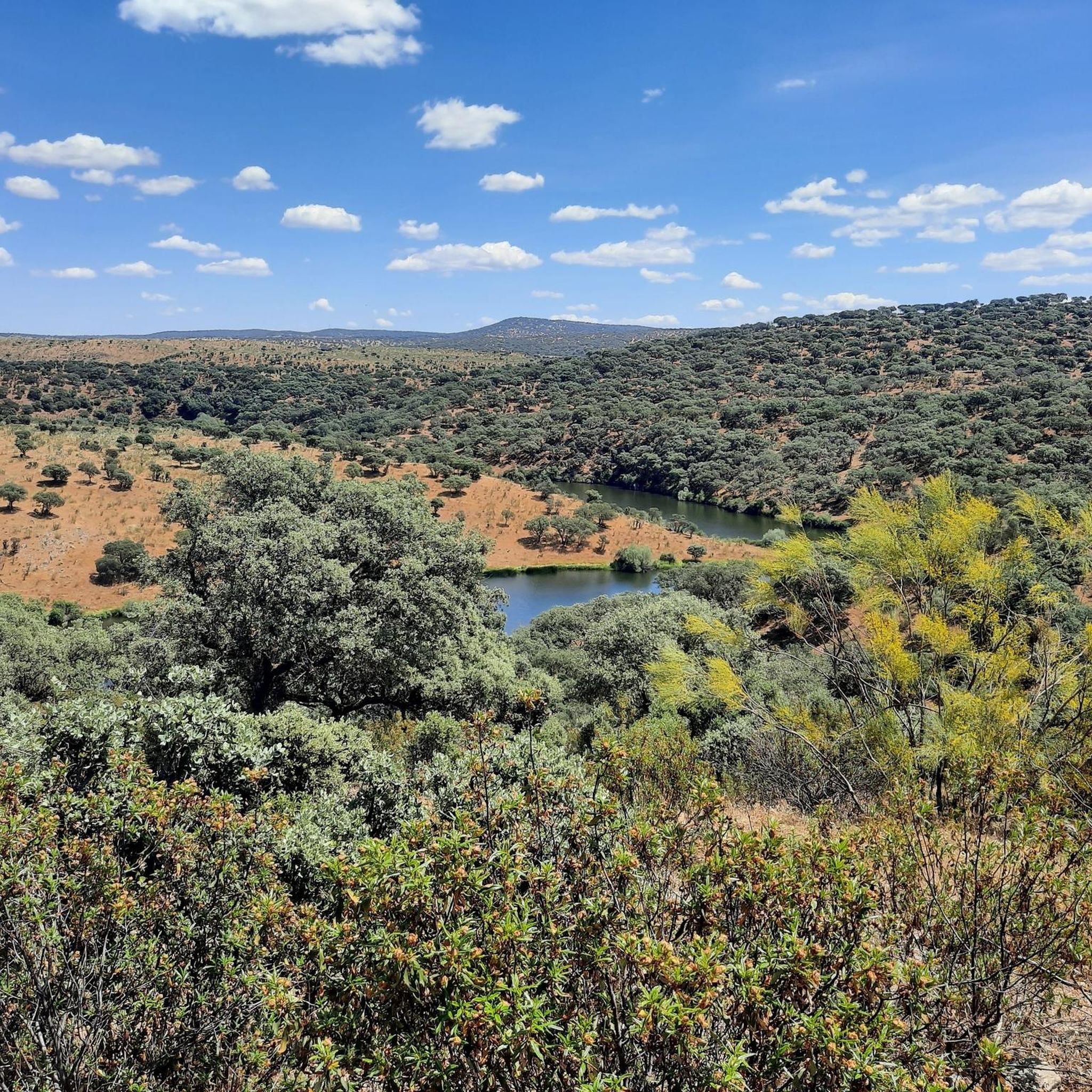
The Borbollón Reservoir dam is located on the Árrago River, within the municipality of Santibáñez el Alto (Cáceres), forming part of the Tagus River Basin. The Borbollón Reservoir is a protected area within the Natura 2000 network, designated as a Special Protection Area (SPA) "Borbollón Reservoir." The surrounding area features holm oak and cork oak woodlands, a key habitat for Mediterranean fauna.
3
0
The town's main square is known as Plaza del Palacio (Palace Square), and it serves as the administrative center and one of the town's most iconic landmarks. It is where the Villasbuenas de Gata Town Hall is located. Situated in the heart of the town center, it is a popular meeting place for locals.
4
0
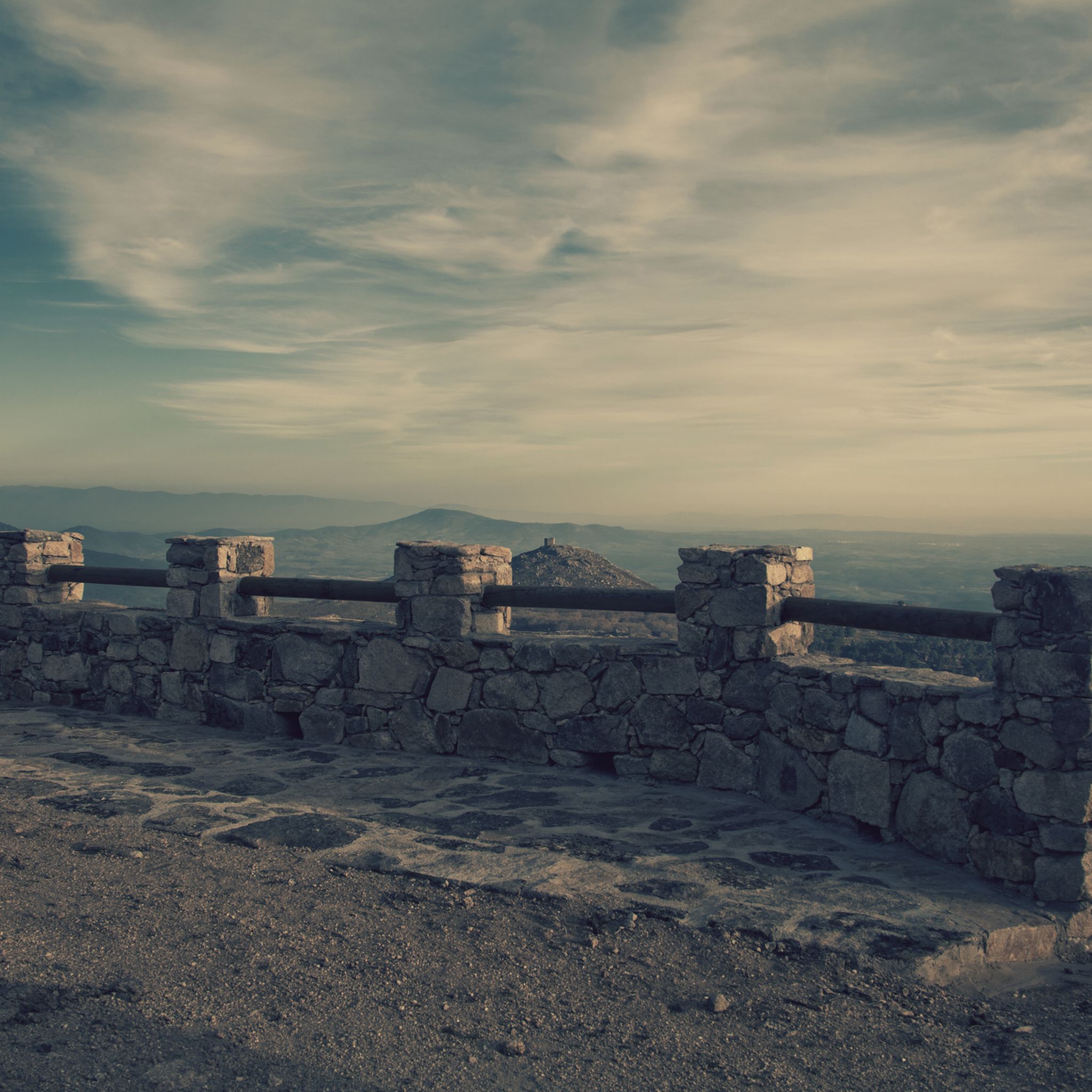
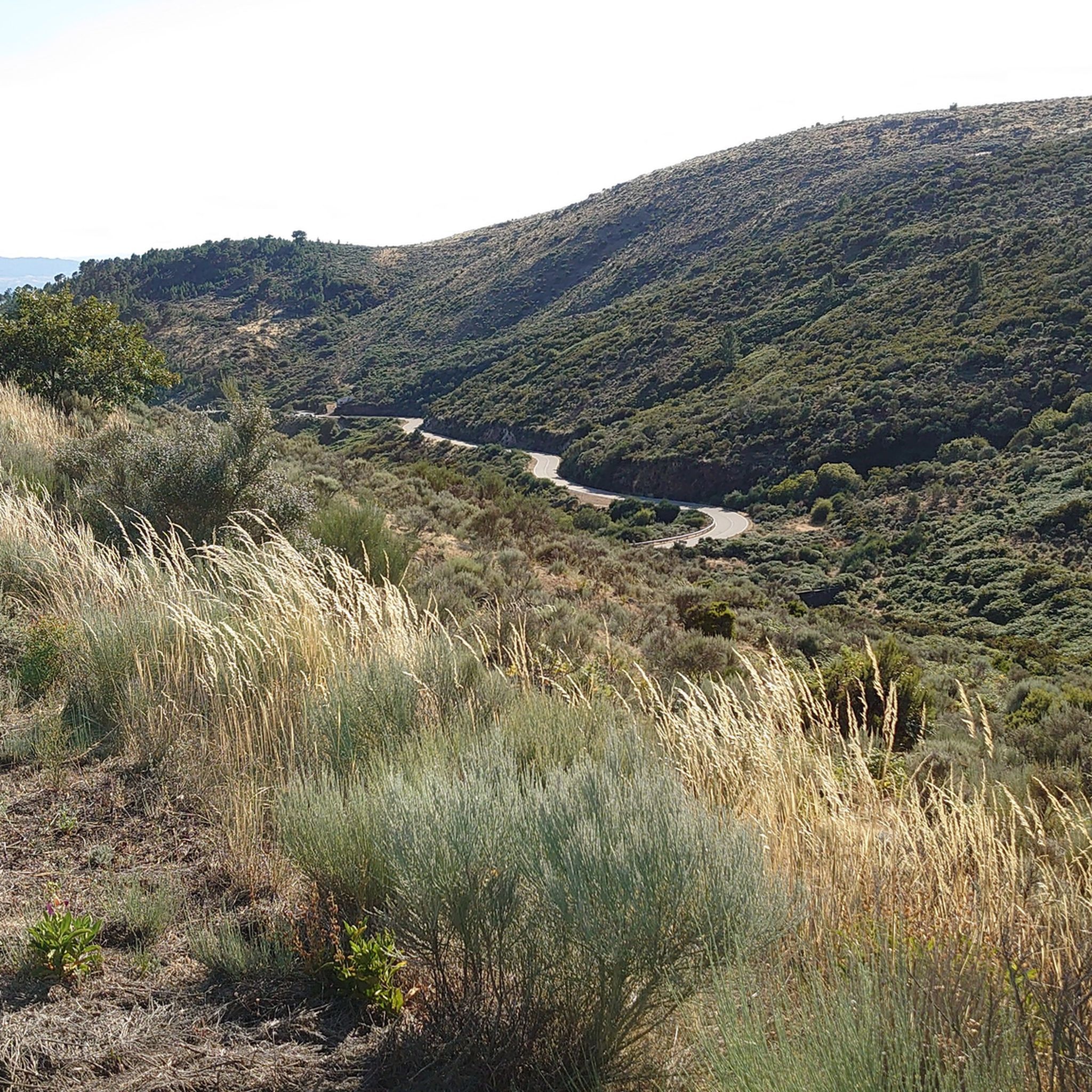
At 1,487 metres above sea level, it is one of the highest peaks in the Sierra de Gata. The route to climb Pico Jálama is popular with hikers and offers spectacular views of the region. The route begins in the town of Acebo and passes by the Mirador de La Ventosa and Puerto de Perales.
7
0

I don't know whose idea it was to restore the northwest tower so badly, a crime in plain sight... Today they are working on the "restoration" of the barbican. Alfonso II, in 877, failed to conquer the fortress of Portezuelo. In the month of July 997, when Almanzor crossed the Alconeter bridge and through Coria and the castle of Portezuelo he reached Santiago of Compostela. Conquered by Ferdinand II of León in 1166 and lost in 96. In 1219 Diego Sánchez, master of Alcántara, took it again: “he left Çamora with a large army against the Moors who still had much of Estremadura belonging to their conquest and the master with his knights and vassals joined the king in the city of Coria. From there the army left together and laid siege to a castle. called Portillo, which were a Sierra not far from Ceclavin. They beat him for combat and captured more than two hundred Moors in it." According to sources, the castle had an Arab and Christian population until 1386.
0
0
The Hermitage of the Holy Spirit is a chapel located in Eljas. The Hermitage of the Holy Spirit occupies the central nave of what until 1977 was the parish church of Nuestra Señora de la Consolación. When they rebuilt the parish in 1935-1936, they included within their space the site of an old hermitage that, dedicated to the Holy Spirit, dated from the 16th century.
9
0
The Iron Bridge in Coria is a beautiful civil work of metal architecture and nineteenth-century modernist design. It was built by the Asturian engineers D. Salvador and D. Próspero Ardura. The bridge stands over the Alagón River, connecting both banks in the City of Coria. Its total length is 178.30 meters, and its deck has a width of 7.78 meters, with a two-way road flanked by two sidewalks.
9
0
Frequently Asked Questions
What historical landmarks can I explore in Coria?
Coria is rich in history. You can explore the well-preserved Roman Walls, dating back to the 3rd-4th centuries AD, and the majestic Castle of the Dukes of Alba, built between 1472 and 1478. Don't miss the unique Old Bridge (Puente Viejo), a 15th-16th century stone bridge famously spanning a dry riverbed since the Alagón River's course shifted in 1590. The Medieval Bridge of Coria is another significant historical structure.
Are there any significant religious sites in Coria?
Yes, Coria features several notable religious sites. The Cathedral of Santa María de la Asunción is a primary spiritual and tourist attraction, showcasing Gothic, Plateresque, and Baroque styles. Its museum houses an excellent collection of religious art, and it's famously said to contain the tablecloth from the Last Supper. Other important sites include the Convent of the Madre de Dios, the Church of Santiago, and the Baroque Hermitage of Nuestra Señora de Argeme, sanctuary to the patron saint of Coria. You can also visit the Hermitage of the Holy Spirit.
Where can I find natural beauty and viewpoints around Coria?
For natural beauty and panoramic views, consider visiting the Pico Jálama Summit, one of the highest peaks in the Sierra de Gata, offering spectacular regional vistas. The Botanical Garden on the city's outskirts showcases Mediterranean flora, and various viewpoints like El Cubo, the Cathedral, and the Palace of the Dukes of Alba provide stunning perspectives of the city and surrounding landscape. The Borbollón Reservoir, with its dam, is also a beautiful natural area.
What outdoor activities are available near Coria?
The region around Coria is excellent for outdoor enthusiasts. You can enjoy hiking, running, and mountain biking. For hiking, explore trails like 'San Martín de Trevejo to Puerto de San Martín via Calzada Romana' or 'Torre Almenara from Gata'. Running routes include 'Ascent to Jalama' or 'Coria Castle and Cathedral – Puente de Hierro de Coria loop'. Mountain bikers can tackle 'Coria a Torrejoncillo' or 'Sierra de Gata'. You can find more details and routes in the Hiking around Coria, Running Trails around Coria, and MTB Trails around Coria guides.
Are there any parks or green spaces for recreation in Coria?
Yes, Coria offers several pleasant green spaces. The Cadenetas Municipal Park is notable for having one of the largest skate parks in Extremadura. Additionally, the municipality boasts several riverside parks like La Isla Riverside Park and Tamujal Riverside Park along the Alagón River, which are perfect for walks, recreational activities, and birdwatching. These areas are also popular for outdoor sports like canoeing in the summer.
What are some family-friendly attractions in Coria?
Families visiting Coria can enjoy several attractions. The Villasbuenas de Gata Village Square is a charming and central meeting place. The Iron Bridge of Coria is an interesting historical site accessible for families. The Borbollón Dam offers a scenic spot for a break. Exploring the traditional architecture of settlements like Robledillo de Gata and San Martín de Trevejo can also be a delightful family experience. The Cadenetas Municipal Park and riverside parks provide open spaces for recreation.
Can I learn about Coria's past in a museum?
Yes, the Royal Prisons (Reales Cárceles), dating back to 1686, now house the City Museum. This museum exhibits the history, archaeology, and ethnography of Coria, offering a comprehensive look into the city's long and varied past. There is also an 18th-century Ecclesiastical Prison nearby.
What makes the Sierra de Gata region special for visitors?
The Sierra de Gata region, where Coria is nestled, is special for its preserved rural essence, charming towns, and natural beauty. Settlements like Robledillo de Gata and San Martín de Trevejo offer traditional architecture and a slower pace of life. The region is characterized by beautiful oak forests and features the Pico Jálama Summit, providing challenging hikes and amazing views.
Is there wildlife to observe near Coria?
Yes, the region offers opportunities for wildlife observation. The Borbollón Reservoir is a protected area within the Natura 2000 network, designated as a Special Protection Area (SPA) and is a key habitat for Mediterranean fauna. Additionally, the nearby Monfragüe National Park is renowned for its rich birdlife, including black and griffon vultures and imperial eagles, making it an excellent spot for nature lovers and birdwatchers.
What are some charming towns or settlements to visit near Coria?
Beyond Coria itself, several charming settlements are worth exploring. Villasbuenas de Gata Village Square serves as an administrative center in a town nestled between the Sierra de Gata and Alagón valleys. Robledillo de Gata, situated at the foot of the Sierra de Gata, preserves a rural essence with charming streets and traditional architecture. San Martín de Trevejo is another historical settlement with a unique character.
When is the best time to visit Coria for outdoor activities?
For outdoor activities like hiking, running, and mountain biking, spring (April to June) and autumn (September to October) generally offer the most pleasant weather with mild temperatures. Summers can be hot, but activities like canoeing in the riverside parks are popular during this season. Winter offers a quieter experience, though some higher elevation trails might be cooler.
Most popular routes around Coria
Most popular attractions around Coria

Get inspired with the komoot mobile app


Didn’t find what you were looking for?
Are you keen on exploring more awesome places nearby? Browse our guides:
Explore more
Still not found the Highlight you’re looking for? See guides of the top attractions in other regions:
