Attractions and Places To See around Lugo - Top 20
Best attractions and places to see around Lugo, a historic city in Galicia, Spain, are defined by its rich Roman heritage and diverse natural landscapes. The city is famously encircled by the remarkably preserved Roman Walls, a UNESCO World Heritage site that offers panoramic views. Beyond the ancient city, the region features significant natural areas like the Miño River and the Terras do Miño Biosphere Reserve. This area provides a blend of cultural landmarks and outdoor exploration opportunities.
Best attractions and places to see around Lugo
- The most popular attractions is Lugo, a historical site that is the oldest city in Galicia, founded in 25 BC. It is notable for its Roman origin and the unique, fully preserved Roman wall, a UNESCO World Heritage site.
- Another must-see spot is Portomarín Bridge, a historical bridge that served as a crucial crossing point over the Miño River for pilgrims. This bridge, along with others, was essential for crossing the Miño without a boat.
- Visitors also love Cathedral of Saint Mary of Lugo, an impressive 12th-century religious building. Its construction lasted over a century, resulting in a blend of Romanesque, Gothic, Baroque, and Neoclassical architectural styles.
- Lugo is known for its historical sites, religious buildings, and natural features. The region offers a variety of attractions to see and explore, from ancient Roman structures to significant pilgrimage landmarks.
- The attractions around Lugo are appreciated by the komoot community, with more than 450 upvotes and over 150 photos shared.
Last updated: July 6, 2026
Portomarín Bridge
Highlight • Bridge
Translated by Google •
Tip by

100 km Marker on the Camino de Santiago
Highlight • Monument
Translated by Google •
Tip by
Sign up now to discover places like this
Get recommendations on the best single tracks, peaks, & plenty of other exciting outdoor places.
Sign up for free
Church of St John of Portomarín
Highlight • Religious Site
Translated by Google •
Tip by

Cathedral of Saint Mary of Lugo
Highlight • Religious Site
Translated by Google •
Tip by

old granaries
Highlight • Monument
Translated by Google •
Tip by
San Tirso Church, Palas de Rei
Highlight • Religious Site
Translated by Google •
Tip by
Monastery of Saint Julian of Samos
Highlight • Religious Site
Translated by Google •
Tip by
Lugo
Highlight • Historical Site
Translated by Google •
Tip by
Forest Path Between A Serra and O Monte
Highlight • Trail
Translated by Google •
Tip by
Roman Bridge of Lugo
Highlight • Bridge
Translated by Google •
Tip by
Sign up for free to discover even more attractions around Lugo.
Sign up for free
Already have an account?
Start today with a free account
Your next adventure awaits.
Login or Signup
Popular around Lugo
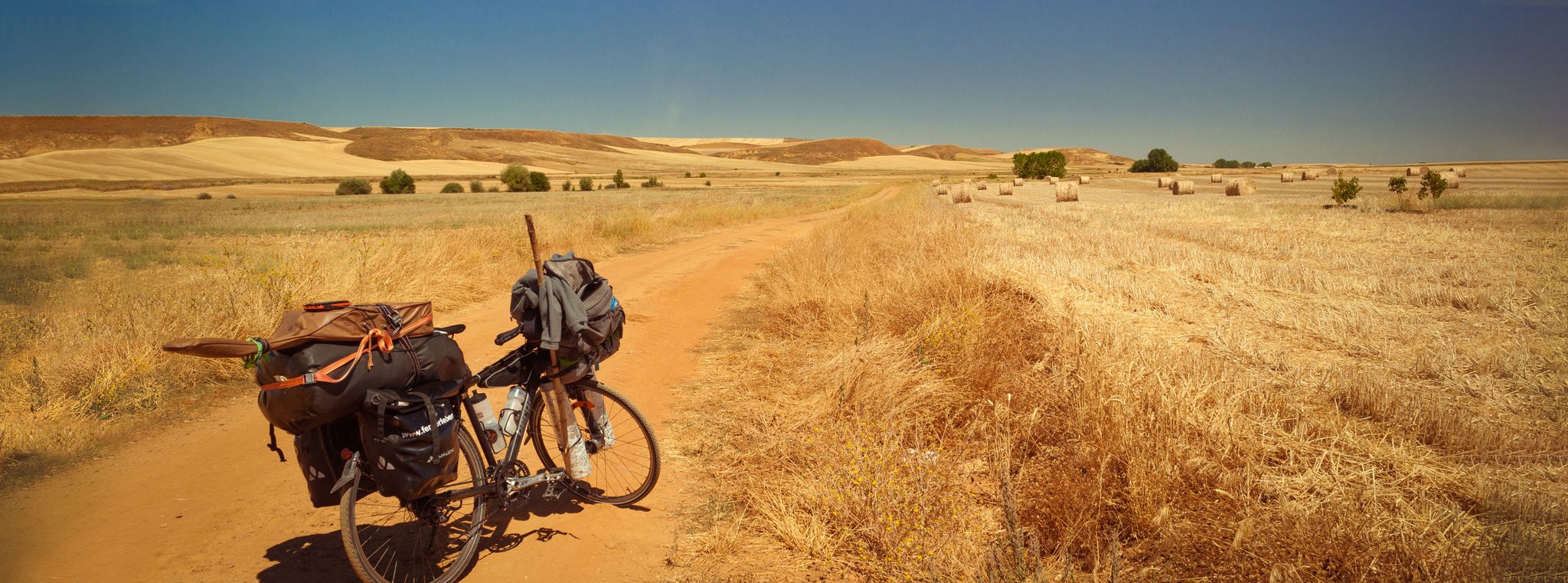
Camino Francés and Camino Finisterre – Cycling pilgrimages in Spain
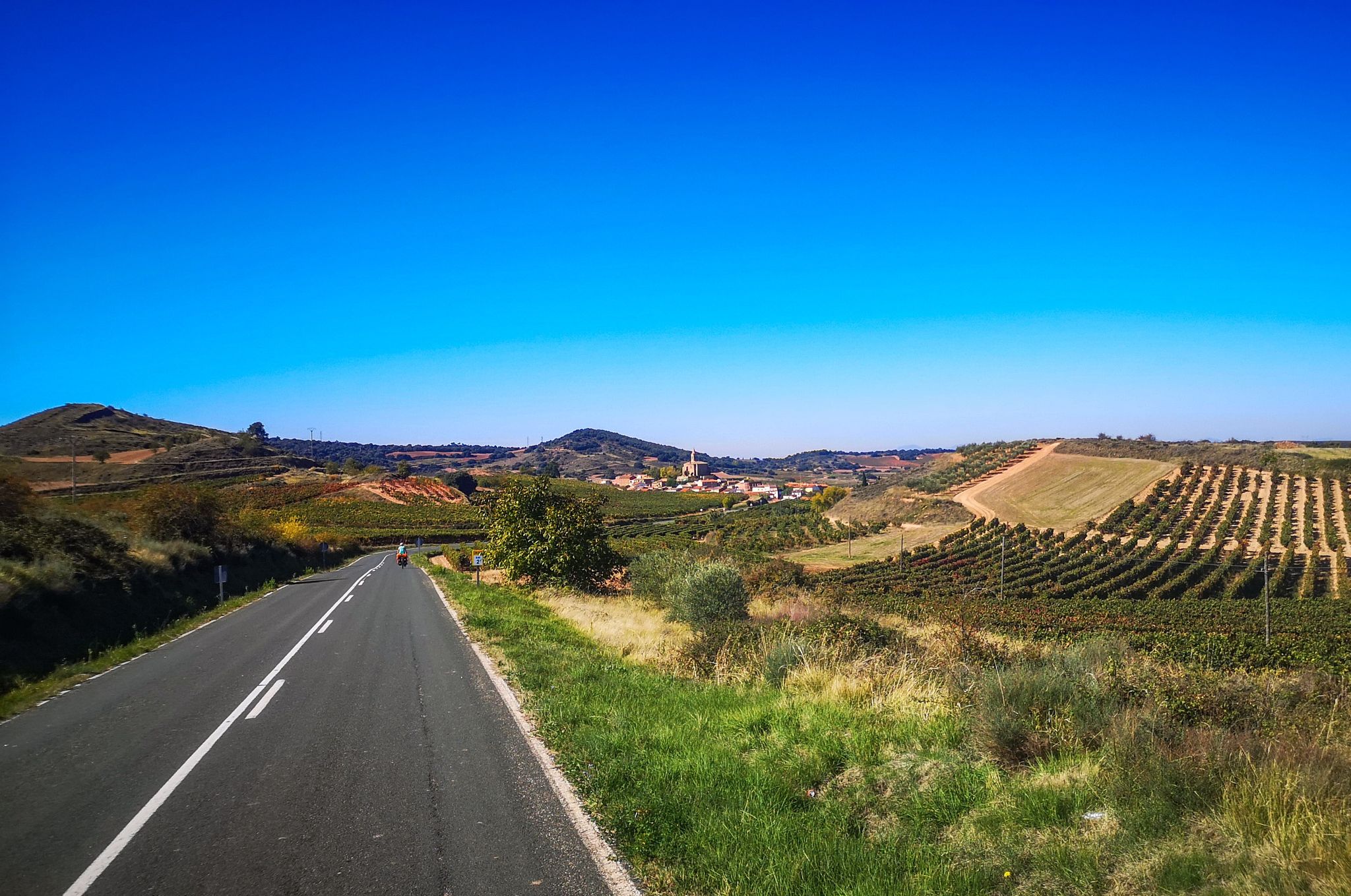
Santiago de Compostela – A journey through northern Spain (10 days)
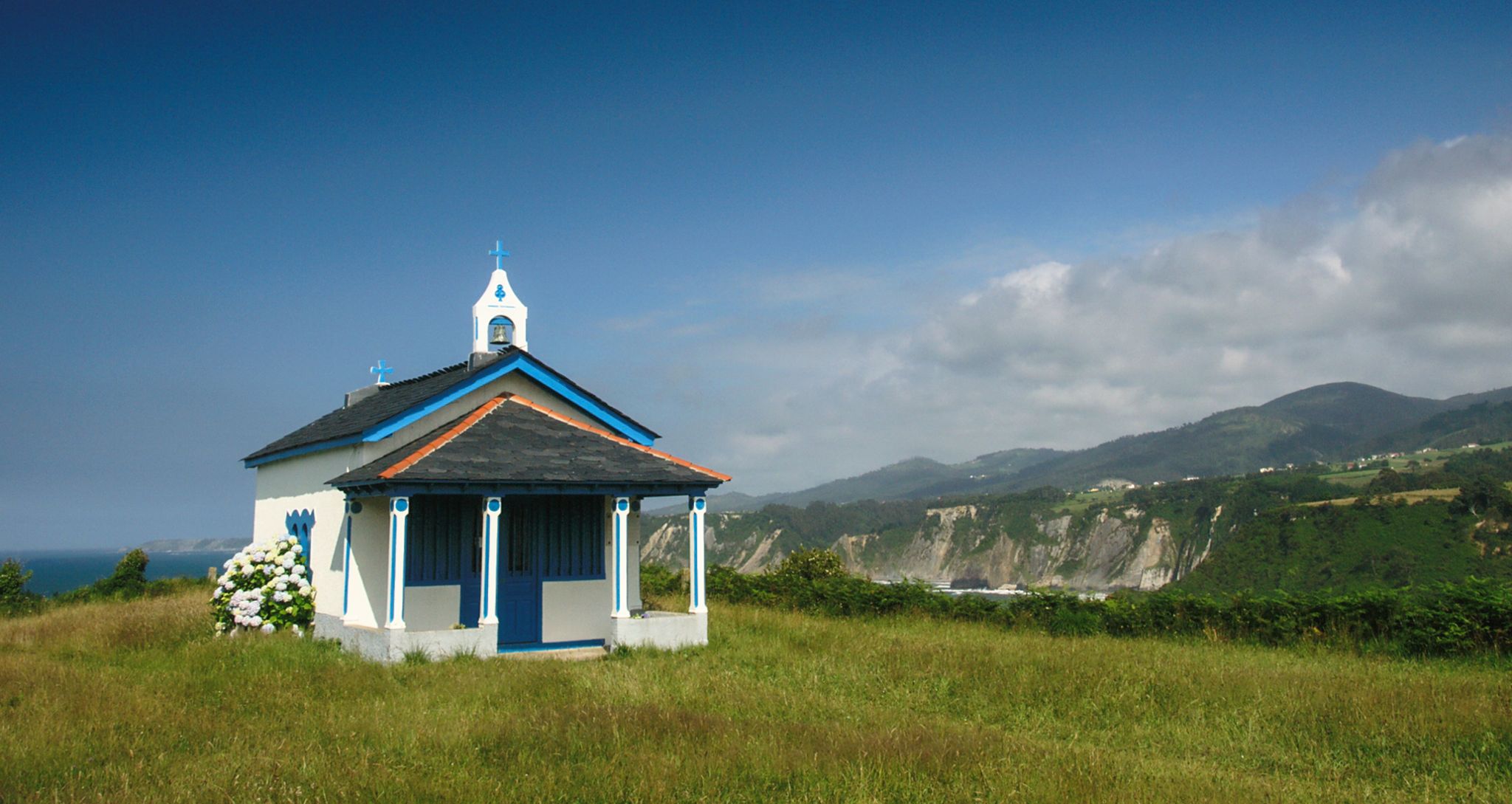
Camino del Norte – 15 stages

Way of St. James – 60 miles
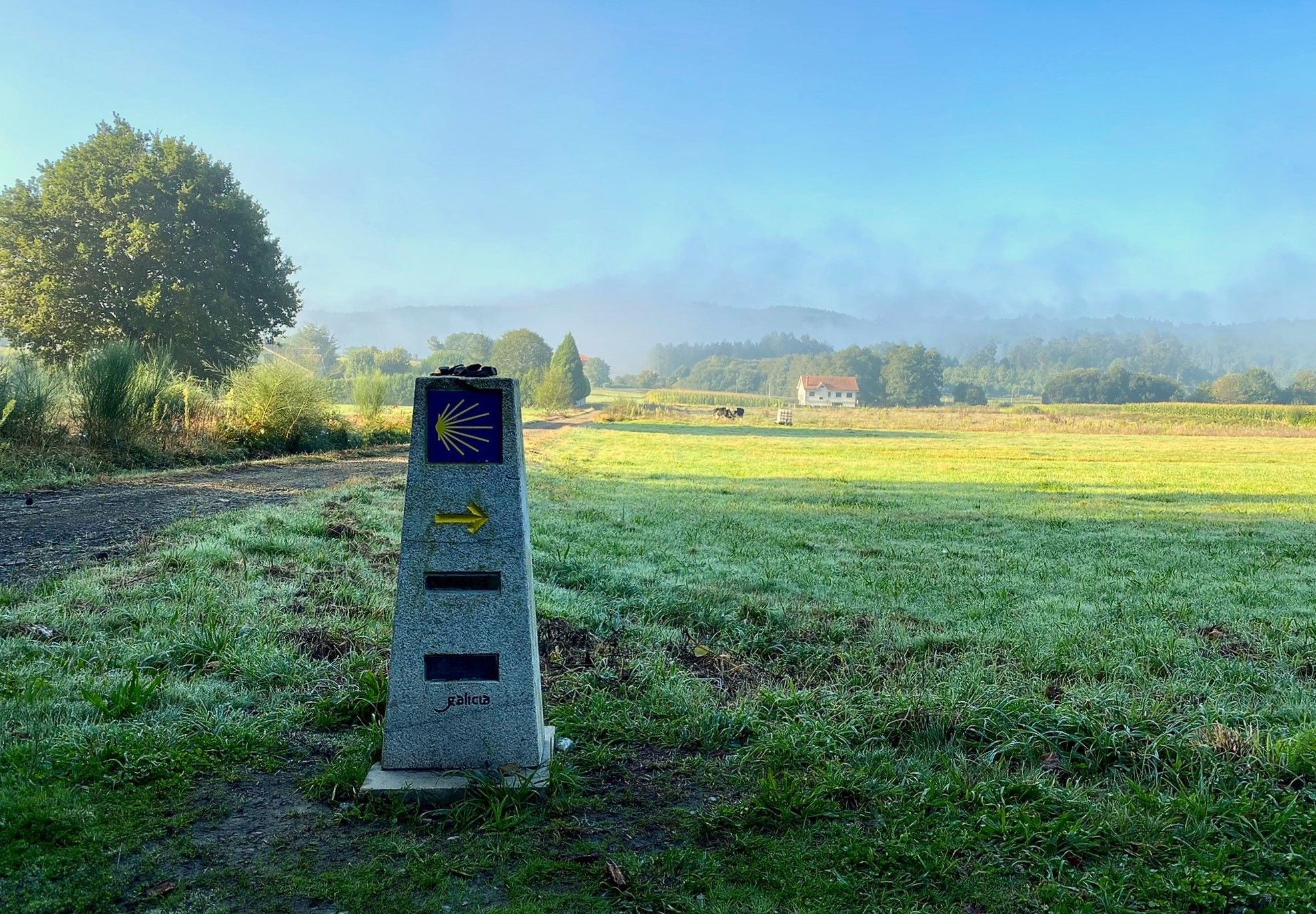
A pilgrimage on foot – Spain’s Primitive Way
The Camino Primitivo — From Oviedo to Santiago through history
The Pilgrim Route — EuroVelo 3 through Spain
Road Cycling Routes around Lugo
Hiking around Lugo
MTB Trails around Lugo
Other adventures around Lugo


Tips from the Community

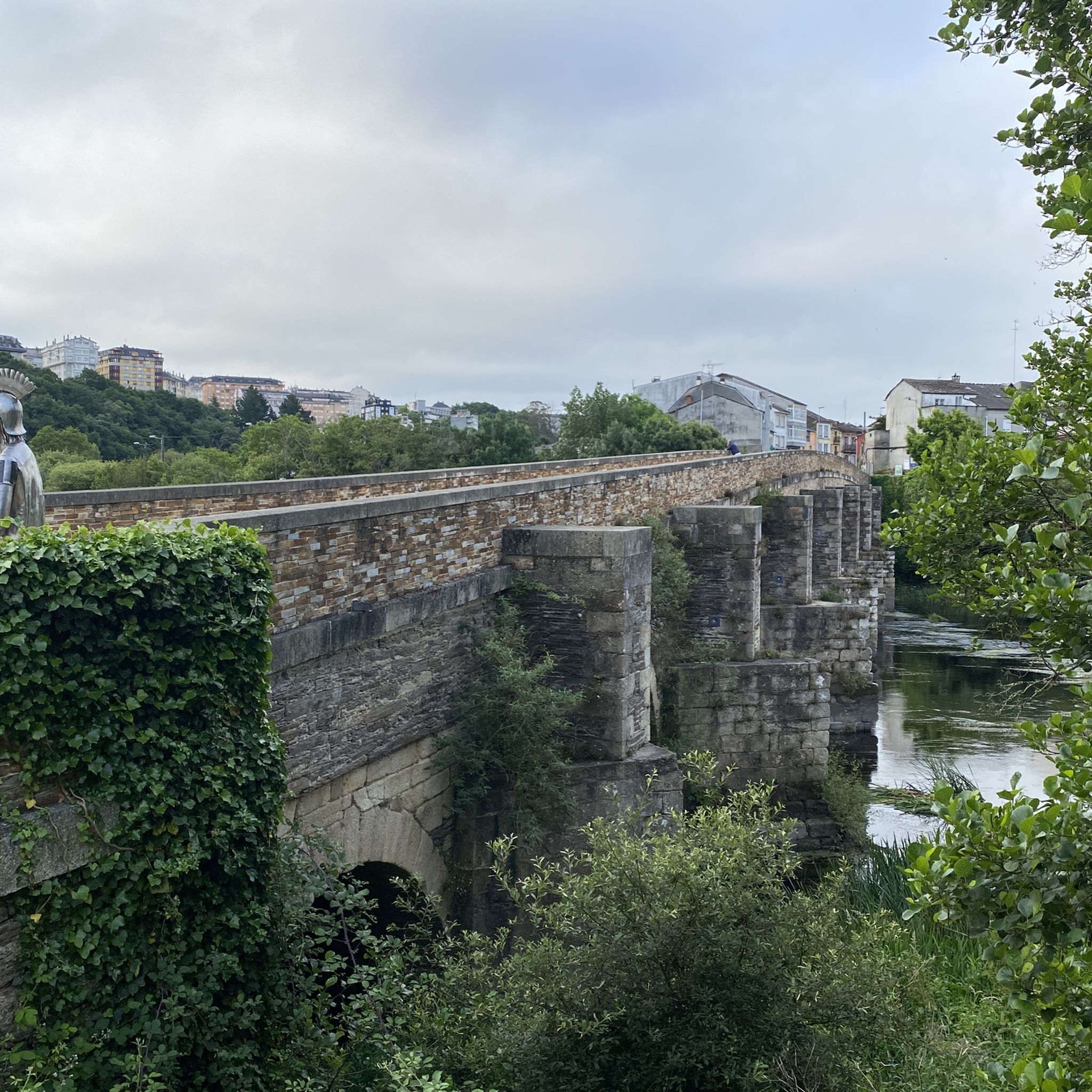
A rare sight! A magical moment! Seeing two bridges from different eras standing side by side. Low water levels make this possible.
2
0

Contrary to what the name suggests, this was not the king's palace or residence. It's a lovely little place and good for a break.
1
2
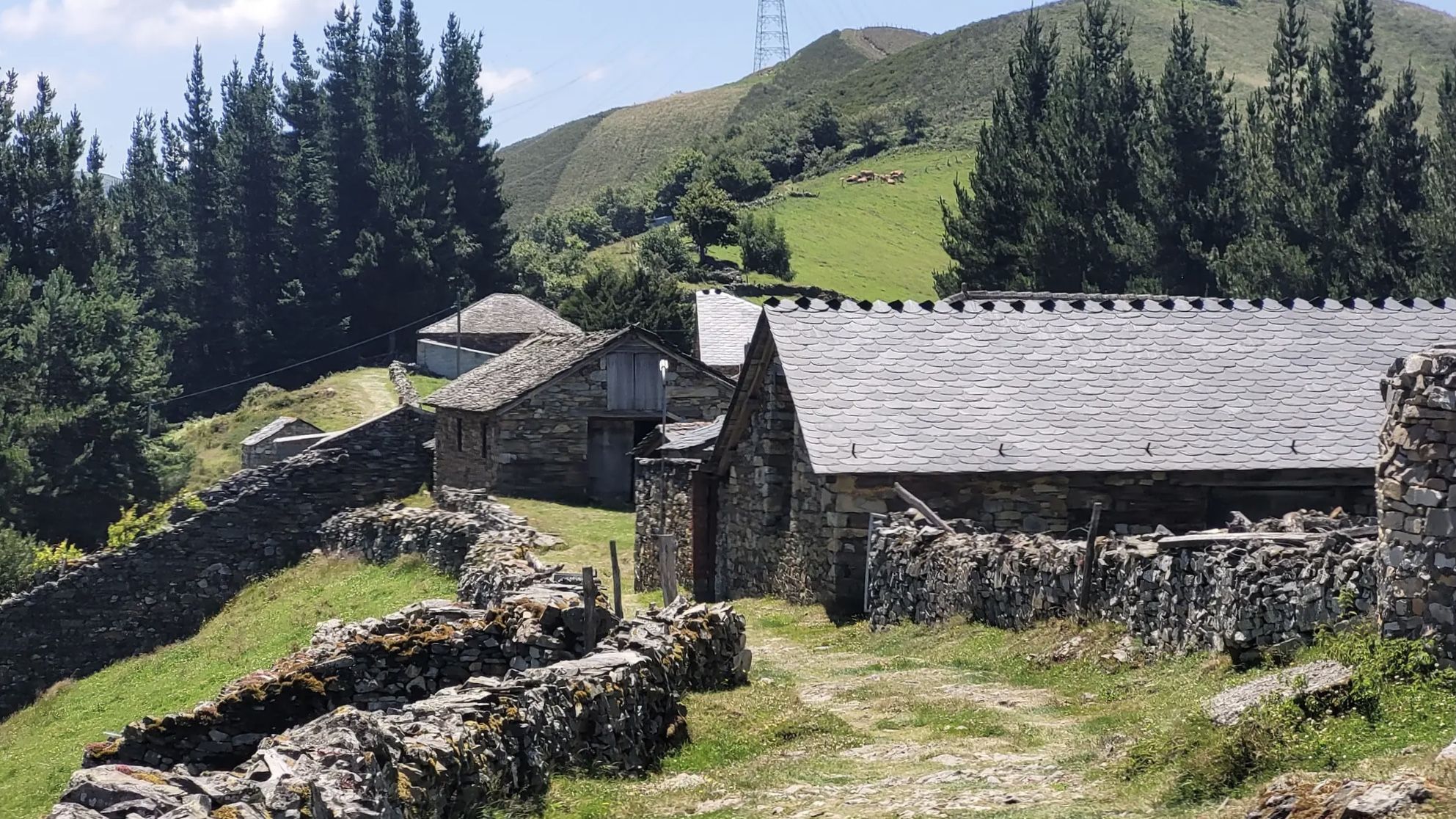
Beautiful old Galician granaries that you can see here in all shapes and sizes.
2
1

Romanesque church dating from the last third of the 12th century with later alterations. Only the main entrance and part of the façade remain of the original design. It has a Latin cross plan with a rectangular nave, two side chapels, and a pentagonal presbytery. The walls are made of masonry and granite ashlars, and the roof is covered with two- and four-sided tiles. The entrance is Romanesque and features a rounded arch with two archivolts, coved arches, an outer band of truncated spires, and decorated capitals. The tympanum is plain on quoins. The altarpiece in the main chapel is neoclassical.
1
1

A magnificent work from the outside. You have to pay to see it from the inside.
2
0
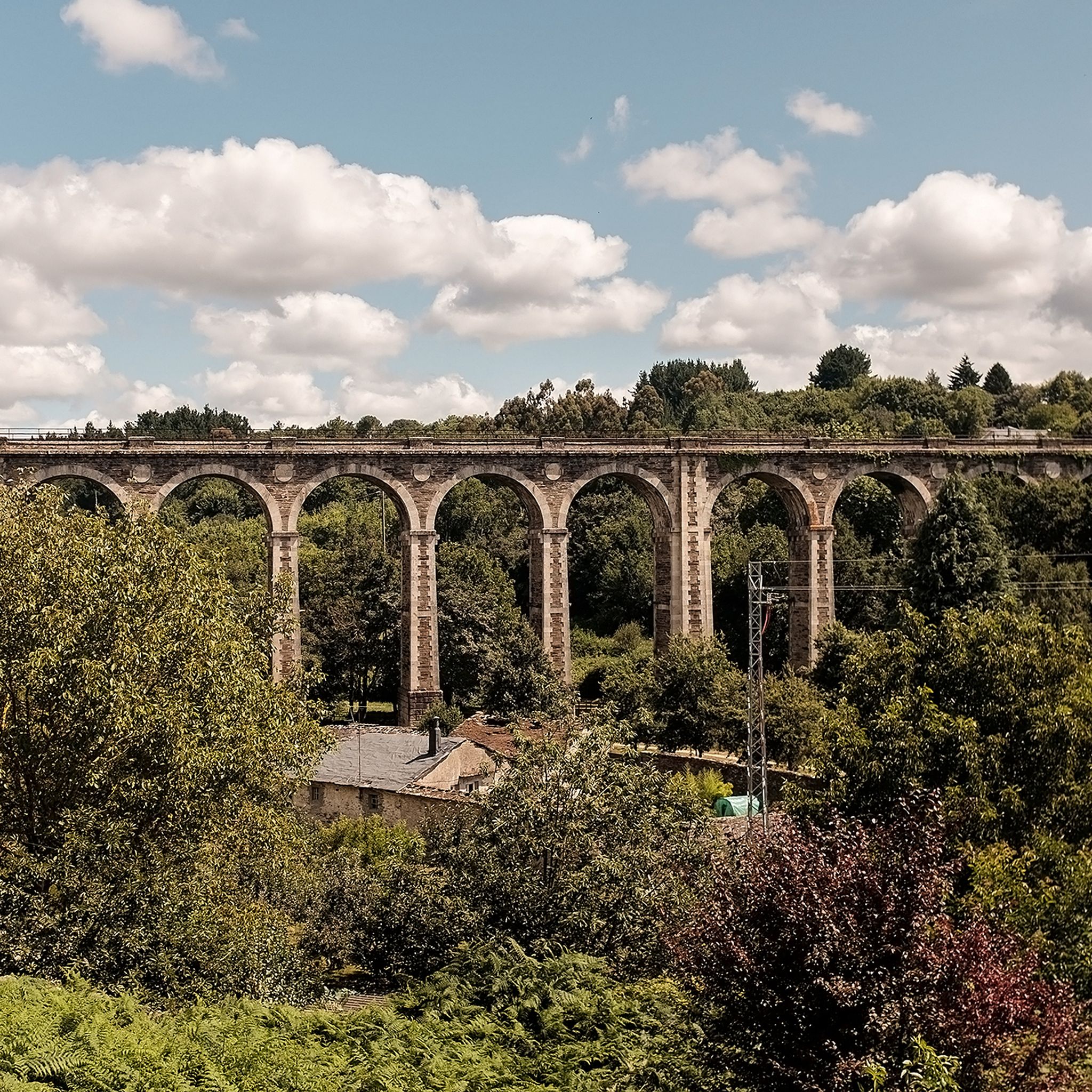
A viaduct as shown in the picture.
3
0

It is a fortress-church dedicated to St. Nicholas
4
0
Frequently Asked Questions
What historical sites can I explore within the city of Lugo?
Lugo is rich in Roman heritage. You can walk the entire 2.1-kilometer circuit atop the remarkably preserved Roman Walls of Lugo, a UNESCO World Heritage site. Other notable historical sites include the Old Roman Bridge over the Miño River, the Roman Baths, and the archaeological site of Domus do Mitreo, which reveals remains of a Roman temple and house.
Are there any significant religious buildings to visit in Lugo?
Yes, the Cathedral of Saint Mary of Lugo is an impressive 12th-century religious building showcasing a blend of Romanesque, Gothic, Baroque, and Neoclassical styles. Further afield, the Monastery of Saint Julian of Samos, a Benedictine abbey, is also a significant historical and religious site.
What natural attractions are there near Lugo?
Beyond the city, you can explore the stunning river valleys of Ribeira Sacra, known for the Sil River Canyon and vineyards. The Miño River, which flows through Lugo, offers opportunities for riverside walks in Miño Park. For dramatic coastal scenery, Praia das Catedrais (Cathedral Beach) in Ribadeo is famous for its unique rock formations, especially visible at low tide.
Are there family-friendly attractions around Lugo?
Many of Lugo's historical sites, such as walking the Roman Walls, are suitable for families. The Cathedral of Saint Mary of Lugo and the Monastery of Saint Julian of Samos are also listed as family-friendly. For outdoor relaxation, Parque Rosalía de Castro within the city offers a lovely green space.
What outdoor activities can I do near Lugo?
The region around Lugo offers diverse outdoor activities. You can find numerous hiking trails, including moderate options like the 'Camiño do Miño Trail' or 'Roman wall of Lugo – circular via the Ponte Vella and the Porta de San Pedro'. For cycling enthusiasts, there are road cycling routes such as the 'Loop around the Roman Wall and the Lugo countryside'. You can explore more options on the hiking around Lugo guide or the road cycling routes around Lugo guide.
Are there hiking trails suitable for different skill levels near Lugo?
Yes, there are trails for various skill levels. For easy walks, consider routes like the 'Roman Walls of Lugo – Santiago Gate loop' or the 'Roman Bridge over the Miño River loop'. More moderate hikes include the 'Terra Chá Viewpoint Trail' or 'Monte Segade – circular around the Rio Mera environment from Lugo'. Discover more options on the easy hikes around Lugo guide.
What is the significance of the Camino de Santiago in the Lugo area?
Lugo province is an important part of the Camino de Santiago pilgrimage route. You'll find significant landmarks like the Portomarín Bridge, a crucial crossing point for pilgrims over the Miño River. The 100 km Marker on the Camino de Santiago is also a notable spot, indicating the final stretch to Santiago de Compostela.
Where can I find unique natural landscapes like waterfalls or mountains near Lugo?
The province of Lugo offers diverse natural landscapes. You can visit Seimeira de Vilagocende, Galicia's tallest waterfall, located in a quiet forest. The Os Ancares Mountains in the eastern part of the province are known for their diverse flora and fauna and traditional *pallozas*. The O Courel Mountain Range also features thick vegetation and forests.
What is the best time of year to visit Lugo for outdoor activities?
The spring and autumn months generally offer pleasant weather for exploring Lugo's outdoor attractions and historical sites. Summers can be warm, ideal for coastal visits like Praia das Catedrais, while winters are milder but can be damp. For specific events or activities, it's advisable to check local calendars.
Are there any museums or cultural institutions in Lugo worth visiting?
The Museo Provincial (Lugo Regional Museum) is considered one of Galicia's best. It houses a diverse collection, including Roman mosaics, pre-Roman jewelry, and Galician art from the early 19th century, offering a deep dive into the region's history and culture.
Can I find any ancient Roman structures other than the walls in Lugo?
Absolutely. Besides the famous Roman Walls, you can explore the remains of the Roman Baths, which provide insight into ancient daily life. The Old Roman Bridge over the Miño River also dates back to the Roman era, showcasing the city's extensive Roman heritage.
What do visitors enjoy most about Lugo's attractions?
Visitors frequently highlight the unique experience of walking the entire circuit of the Roman Walls, appreciating their complete preservation and the panoramic views they offer. The historical significance of sites like the Portomarín Bridge and the spiritual journey marked by the 100 km Marker on the Camino de Santiago are also highly valued.
Most popular routes around Lugo
Most popular attractions around Lugo

Get inspired with the komoot mobile app


Didn’t find what you were looking for?
Are you keen on exploring more awesome places nearby? Browse our guides:
Explore more
Still not found the Highlight you’re looking for? See guides of the top attractions in other regions:
