Attractions and Places To See around El Barco De Valdeorras - Top 20
Best attractions and places to see around El Barco De Valdeorras offers a blend of natural features, historical sites, and cultural experiences. Situated in the Sil valley and surrounded by the Serra do Eixo, the region features a variety of landscapes. It is known for its vineyards, Romanesque architecture, and position on the Camino de Invierno. The area provides opportunities to explore river valleys, ancient forests, and historical landmarks.
Best attractions and places to see around El Barco De Valdeorras
…Last updated: July 6, 2026
Monastery of Santa Cristina
Highlight • Religious Site
Translated by Google •
Tip by

Traditional crops
Highlight • Trail
Translated by Google •
Tip by

Sign up now to discover places like this
Get recommendations on the best single tracks, peaks, & plenty of other exciting outdoor places.
Sign up for free
Mao River Boardwalk
Highlight (Segment) • Trail
Translated by Google •
Tip by

Chestnut Trail in Parada de Sil
Highlight • Trail
Translated by Google •
Tip by
Río Mao Wooden Walkway and Barxacova
Highlight (Segment) • Trail
Translated by Google •
Tip by
San Vítor de Barxacova Chapel and Necropolis
Highlight • Historical Site
Translated by Google •
Tip by
Church of Our Lady of Fátima and Fontei Cross
Highlight • Religious Site
Translated by Google •
Tip by
Peña Trevinca Summit
Highlight • Summit
Translated by Google •
Tip by
Balcones de Madrid Viewpoint (Os Torgás Viewpoint)
Highlight • Viewpoint
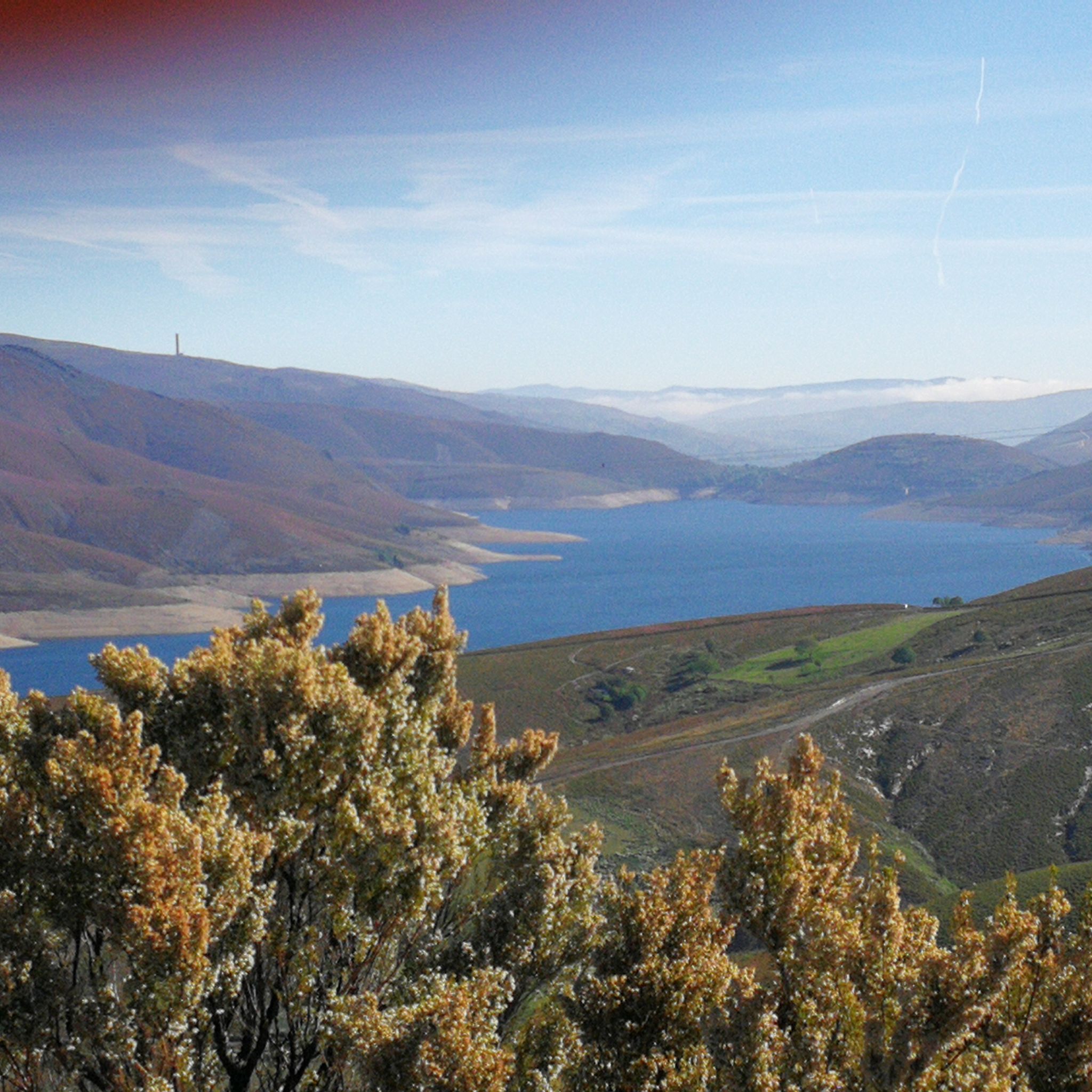
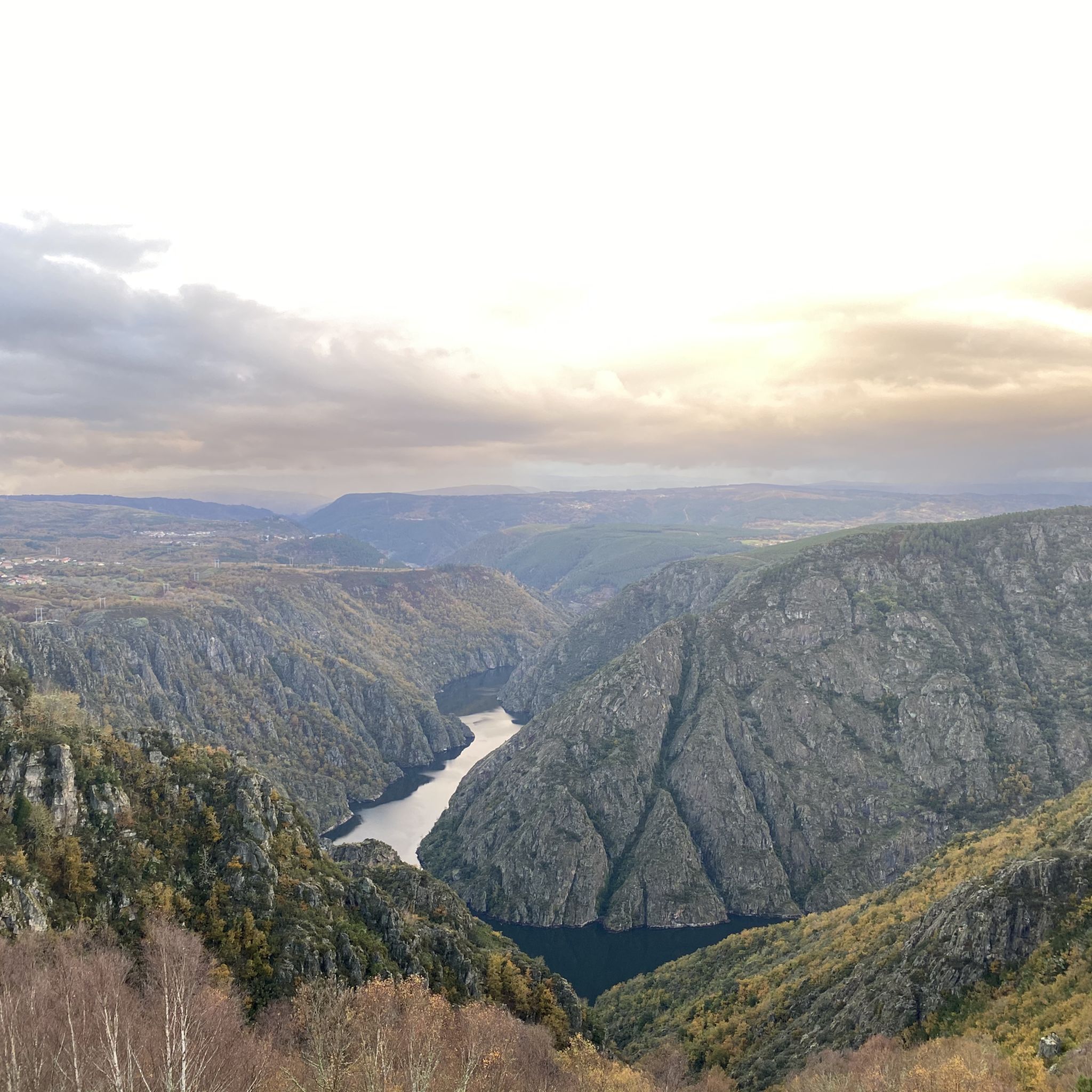
Mountainous hiking area, with viewpoints that offer panoramic views of a river valley.
Translated by Google •
Tip by
Pumares Village on the Camino de Invierno
Highlight • Settlement
Translated by Google •
Tip by
Sign up for free to discover even more attractions around El Barco De Valdeorras.
Sign up for free
Already have an account?
Start today with a free account
Your next adventure awaits.
Login or Signup
Tips from the Community

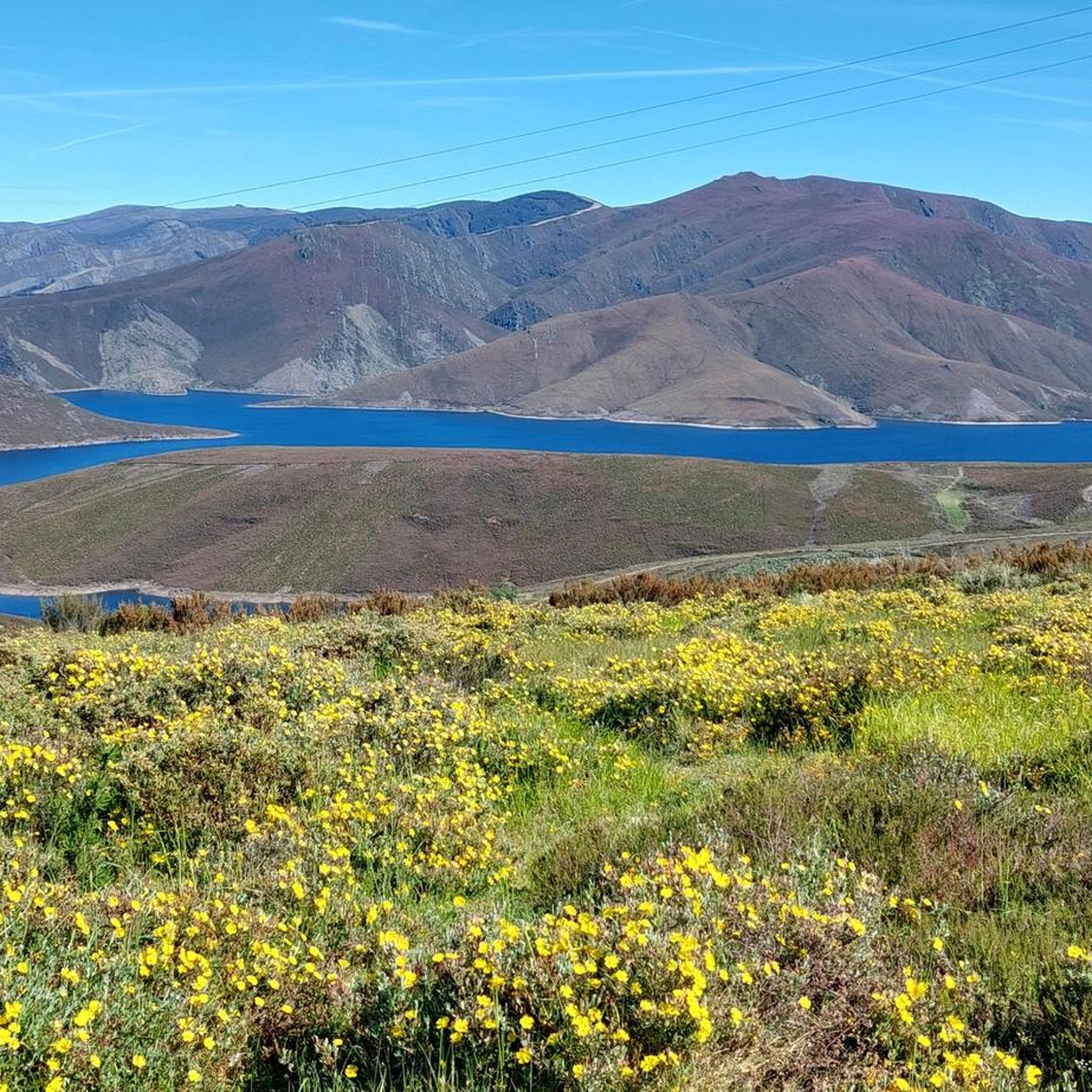
The summit of Galicia, with very good 360º views
0
0

The PR-G 98 takes the Santa Cristina detour along an ancient country path dug into the mountainside centuries ago in remote and steep places, like the remains of the stone villages that appear during the journey through this enchanted world. Remains of mills, houses, wineries, “sequeiros” and a multitude of constructions with mossy walls emerge from the small natural steps of the terrain that are suitable for building a building. The rest of the surroundings are a forest of chestnut and oak trees, old and gnarled, forgotten by man and time, placed everywhere forming a magnificent forest of enormous trees that hide the views of the Sil gorge. The river is close but practically unreachable.
0
0
In the surroundings of Parada de Sil there are several paths marked by old “carriozas” or traditional paths that run through beautiful “castiñeiros” (chestnut) forests, with centuries-old specimens, buildings and ethnographic remains linked to chestnut cultivation. The “souto” of chestnut trees is a living symbol of the rural world of the Galician interior. The itinerary is a thematic walk in the chestnut culture, an open-air museum among centuries-old specimens that serves to protect resources and maintain the cultural and environmental value of the rural environment.
1
0
The Balconies of Madrid have a history that speaks of emigration, dreams and human adventures in unknown lands. The original name of Os Torgás was changed when the people of the Ourense villages of the Ribeira Sacra hung themselves from the cliffs of the River Sil to say goodbye to their loved ones who were leaving for Madrid and other lands in the south with the dream of a new life. The viewing points form small steps hanging over the river gorge and cause a special fascination. The breeze in the air carries the aromas of vineyards hanging on steep rocky terraces and melodies of elves emerging from enchanted forests, descendants of the primitive mythological beings who resisted the sacralisation of their plant kingdom by the monks and long before by the Roman legions. The walls of the Sil Canyon are a monumental sculpture five hundred metres high made of fierce, bare granite, a fortress of living rock up to the edge of the viewing points that filter the wind, the lights and the eternal songs of all the people who have passed through this fantastic natural balcony to say goodbye or find someone.
1
1
It is a magnificent example of rural Galician Romanesque architecture. The original building is from the 12th century, and preserves carvings from the 16th century and baroque altarpieces from the 18th century. The entrance to the cloister has a Romanesque doorway with lobed arches and a magnificent sculptural pantheon. The economic power of the monks of the Sil reached a notable splendour in the 12th century, when they received royal privileges and papal protection to expand the monasteries and sanctuaries on both banks of the Sil, a territory with a strong historical and cultural personality, called Rivoyra Sacrata at that time and known since then as Ribeira Sacra.
1
0

The Church of Our Lady of Fatima in Fontei, located in the municipality of A Rúa, Valdeorras, Ourense, is a modern temple built between the 19th and 20th centuries. This church stands out for its two slate-covered towers and its neo-Gothic style. Every year, in May, a festival is held in honor of the Virgin of Fatima. It is said that the famous Catalan architect Antonio Gaudí may have influenced its design, although there are no documents to confirm this. ⛪
14
1
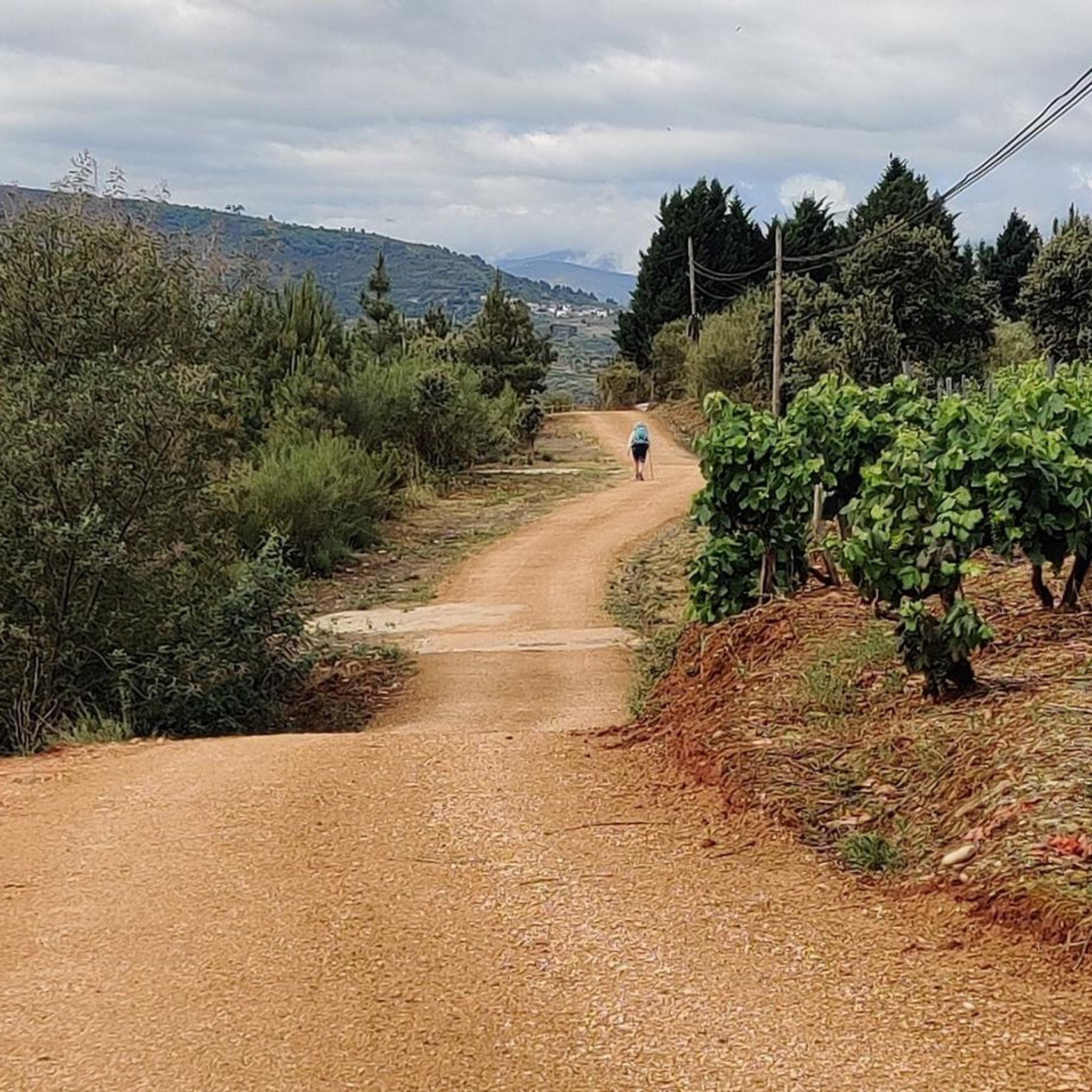
Pumares is a small village located in the province of Ourense, in the autonomous community of Galicia, Spain. It belongs to the municipality of Carballeda de Valdeorras and is known for being part of the Camino de Invierno, an alternative route of the Camino de Santiago. The town offers accommodation and other services for pilgrims and visitors. Pumares is characterized by its tranquility and natural surroundings, being an ideal place for those looking for an experience of peace and connection with nature on their way to Santiago de Compostela. If you are interested in the culture and history of the region, Pumares can be an interesting stop on your trip, offering an authentic view of Galician rural life. 🌄😎🚶♂️
16
0

Nice place to rest
5
0
Frequently Asked Questions
What natural attractions can I explore in El Barco de Valdeorras?
The region offers several beautiful natural spots. You can walk along the Mao River Boardwalk, which features wooden footbridges traversing the Mao river canyon with excellent views. Another highlight is the Balcones de Madrid Viewpoint (Os Torgás Viewpoint), offering panoramic views of a river valley and the Cañon de Sil mountains. Don't miss the impressive Pincheira de Fervenza, a 25-meter high waterfall, or the scenic Paseo do Malecón along the Sil River.
Are there any historical or cultural sites to visit?
Yes, El Barco de Valdeorras is rich in history. Explore the Monastery of Santa Cristina, a significant example of rural Galician Romanesque architecture. The Old Town of O Barco itself reveals the town's history as a river crossing point. Other notable sites include the Romanesque Monastery of San Miguel de Xagoaza, the 17th-century Casa Grande de Viloira, the medieval Tower and Fortress of O Castro, and the well-preserved Roman Bridge of Éntoma.
What outdoor activities are popular near these attractions?
The area is ideal for various outdoor activities. You can find numerous routes for hiking, cycling, and running. For easy hikes, consider the Río Mao Canyon Route or the Mao River Boardwalk loop. Cyclists can explore the Winter Way, part of the Camino de Santiago, or challenging loops like the Alto de Cepedelo and Pías Reservoir Loop. Runners might enjoy the Mirador de los Balcones de Madrid circular route.
Are there family-friendly attractions or trails in the area?
Yes, families can enjoy several options. The Chestnut Trail in Parada de Sil is a thematic walk suitable for families, exploring ancient chestnut groves. The Paseo do Malecón in O Barco offers green spaces, playgrounds, and a river beach, perfect for a relaxed family outing. Many easy hiking trails, such as sections of the Mao River Boardwalk, are also suitable for families.
What is the best time of year to visit El Barco de Valdeorras?
The region is beautiful year-round, but spring and autumn offer pleasant temperatures for outdoor activities and exploring the vineyards. Summer is ideal for enjoying the river beaches and water activities, though it can be warmer. The changing colors of the chestnut groves in autumn are particularly scenic.
Can I experience the local wine culture?
Absolutely. El Barco de Valdeorras is nestled in the Sil valley, renowned for its vineyards and the Valdeorras Designation of Origin wines, especially Godello. You can explore the Valdeorras Wine Route, which starts in A Portela, visiting vineyards and wineries like Godeval Winery to taste the local Godello and Mencía wines.
What do visitors enjoy most about the attractions in El Barco de Valdeorras?
Visitors frequently praise the stunning natural landscapes, particularly the panoramic views from viewpoints like Balcones de Madrid and the unique experience of walking the Mao River Boardwalk. The historical sites, such as the Romanesque monasteries, also receive high appreciation for their architectural beauty and rich heritage.
Are there any challenging hikes or summits nearby?
For those seeking a challenge, the Peña Trevinca Summit offers a more demanding hike with rewarding views. This area is known for its mountainous terrain and is suitable for experienced hikers looking for strenuous routes.
Where can I find scenic viewpoints in the region?
Beyond the popular Balcones de Madrid Viewpoint, the Mao River Boardwalk also features viewpoints offering excellent perspectives of the canyon. The Pincheira de Fervenza waterfall area provides panoramic views of the Sil Valley, and the Tower and Fortress of O Castro also offers elevated perspectives of the surrounding landscape.
Is El Barco de Valdeorras part of the Camino de Santiago?
Yes, El Barco de Valdeorras is located on the Camino de Invierno (Winter Way), one of the official routes of the Camino de Santiago. This makes it a significant point of interest for pilgrims and offers unique opportunities to experience a section of this historic journey.
Are there any unique natural areas to explore, like ancient forests?
Yes, the region is home to unique natural areas. The Chestnut Trail in Parada de Sil takes you through ancient chestnut groves, which are considered an open-air museum highlighting rural heritage. Additionally, El Teixadal de Casaio is a charming natural area featuring rivers, lagoons, and traces of ancient glaciations, offering a glimpse into the region's geological past.
Most popular routes around El Barco De Valdeorras
Most popular attractions around El Barco De Valdeorras

Get inspired with the komoot mobile app


Didn’t find what you were looking for?
Are you keen on exploring more awesome places nearby? Browse our guides:
Explore more
Still not found the Highlight you’re looking for? See guides of the top attractions in other regions:
