The 18 Most Amazing Peaks around Comarca de la Alpujarra Granadina
Best mountain peaks around Comarca de la Alpujarra Granadina are situated on the southern slopes of Spain's Sierra Nevada mountain range. This region is part of the Sierra Nevada National Park, a UNESCO Biosphere Reserve, known for its diverse ecosystems and unique alpine flora. The area offers varied landscapes, from high-altitude challenges to picturesque villages, making it a notable destination for outdoor exploration.
Best mountain peaks around Comarca de la Alpujarra Granadina
- The most popular mountain peaks is Hondera Lagoon…
Last updated: July 22, 2026
Mulhacén Summit
Highlight • Summit
Translated by Google •
Tip by

Hondera Lagoon
Highlight • Lake
Translated by Google •
Tip by
Sign up now to discover places like this
Get recommendations on the best single tracks, peaks, & plenty of other exciting outdoor places.
Sign up for free
Mecina Fondales
Highlight • Settlement
Translated by Google •
Tip by
Peñabón
Highlight • Summit
Tip by

La Ragua Pass
Highlight • Mountain Pass
Translated by Google •
Tip by

Alto del Chorrillo
Highlight • Summit
Translated by Google •
Tip by

Sierra Nevada
Highlight • Summit
The city center of …
Tip by

Prado Llano Summit Marker
Highlight • Summit
Translated by Google •
Tip by

Ascent to Veleta Peak
Highlight (Segment) • Climb
It is advisable to reach the summit from …
Showing Translation
Tip by

Cerro del Caballo
Highlight • Summit
Translated by Google •
Tip by
Sign up for free to discover even more peaks around Comarca de la Alpujarra Granadina.
Sign up for free
Already have an account?
Start today with a free account
Your next adventure awaits.
Login or Signup
Popular around Comarca de la Alpujarra Granadina
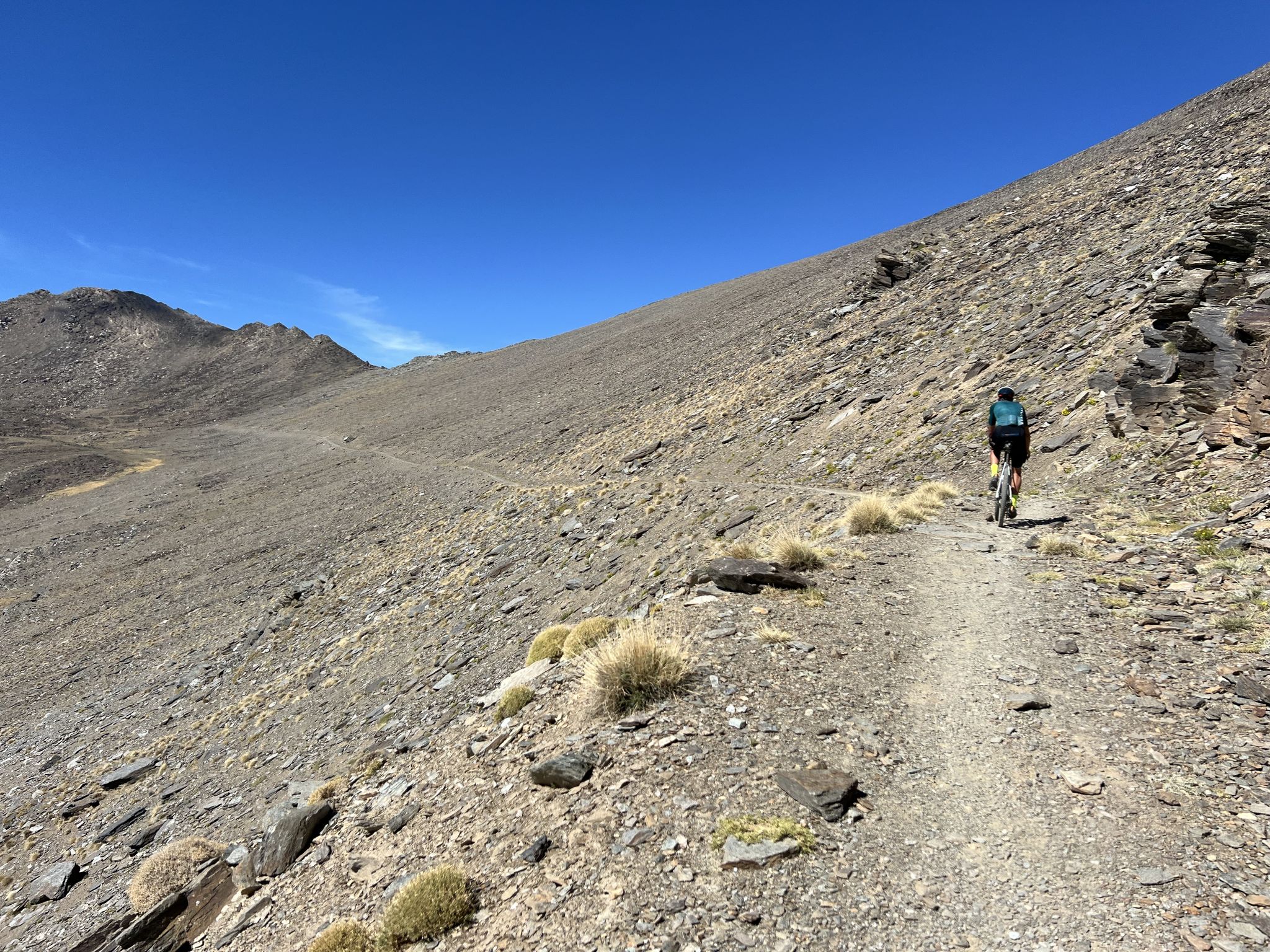
Badlands 2024 – extreme experiences and a sense of joy
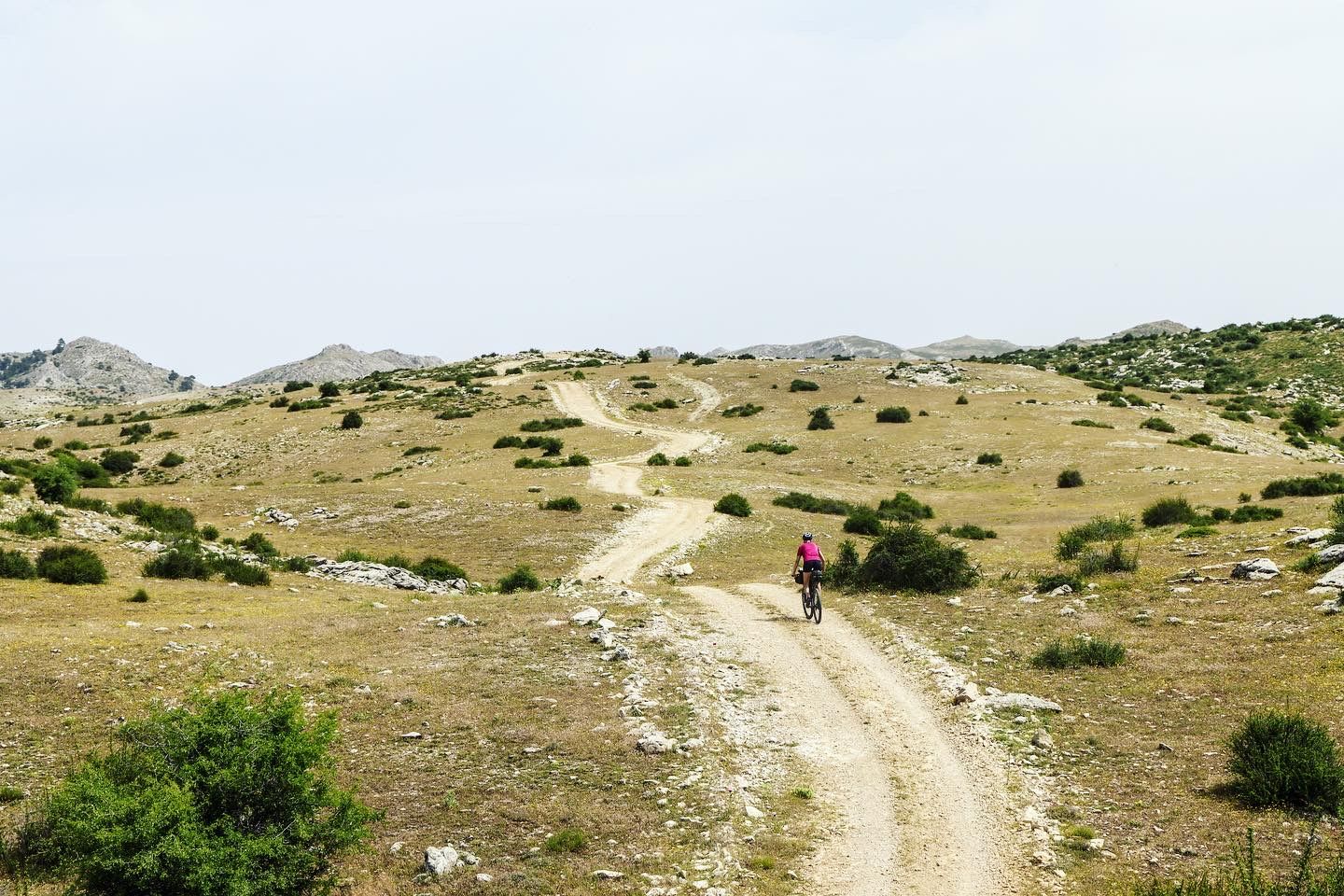
Bikepacking the mountains and deserts of Andalucía
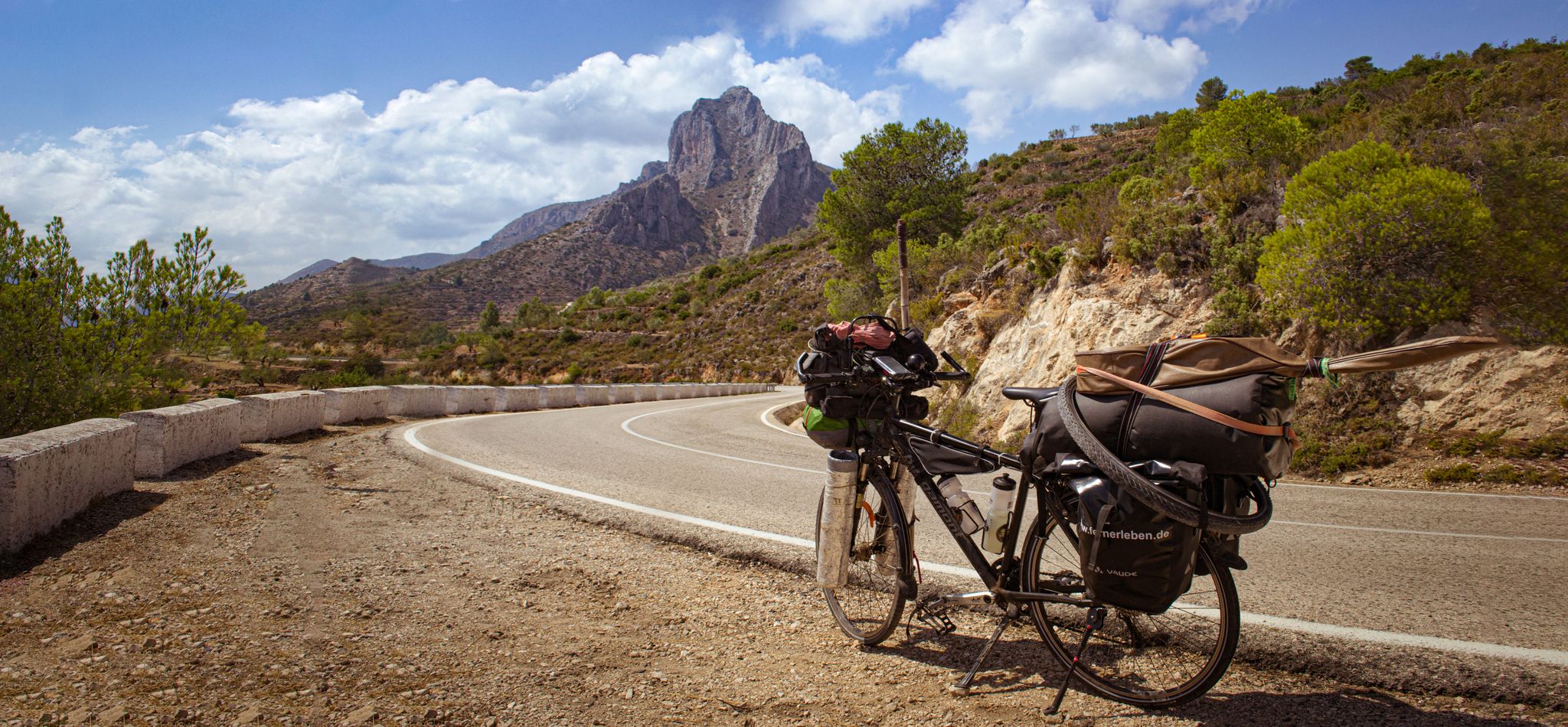
On the road to the sun — bikepacking to southeast Spain
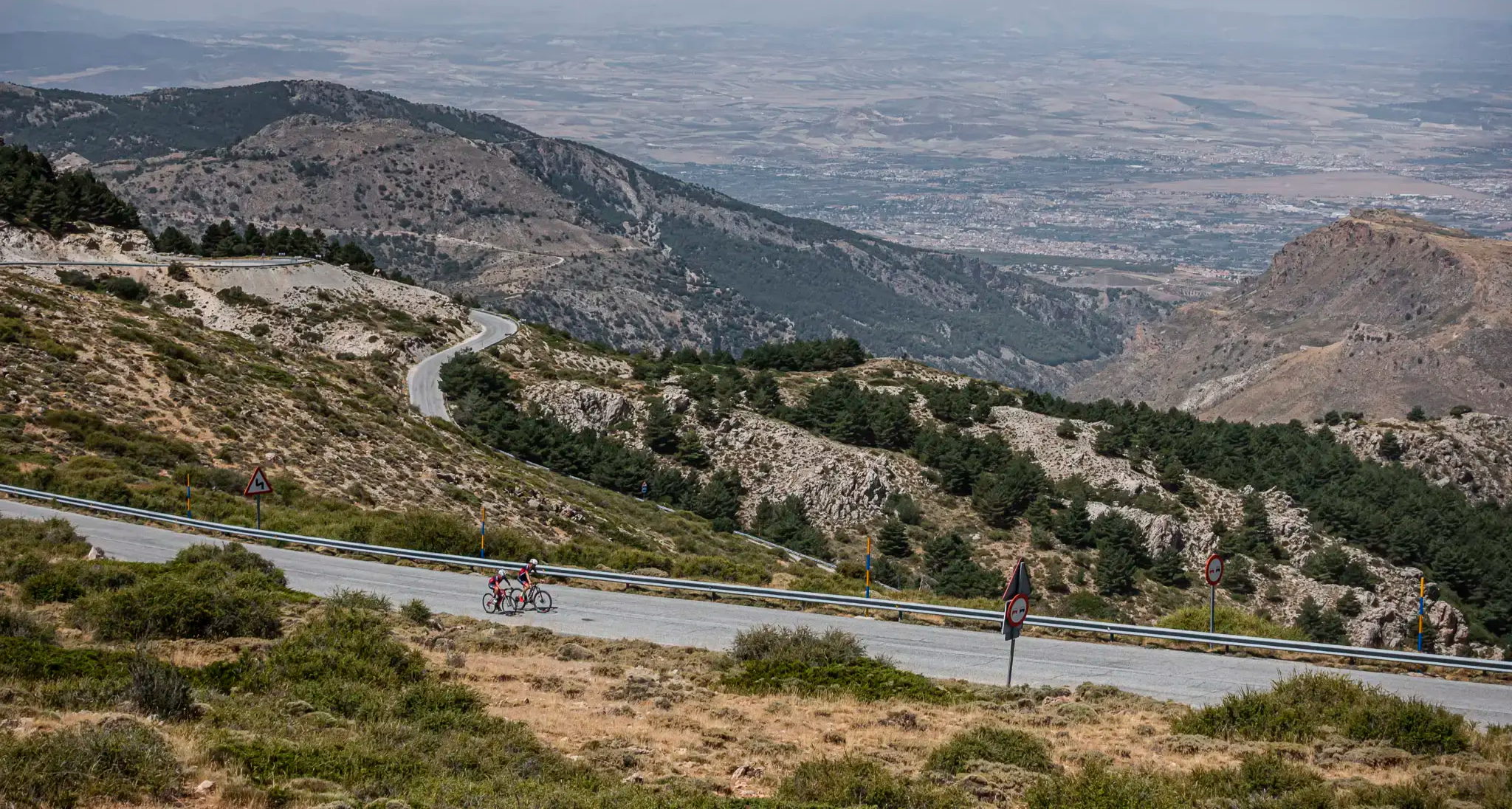
The challenge of the south - Routes through Sierra Nevada
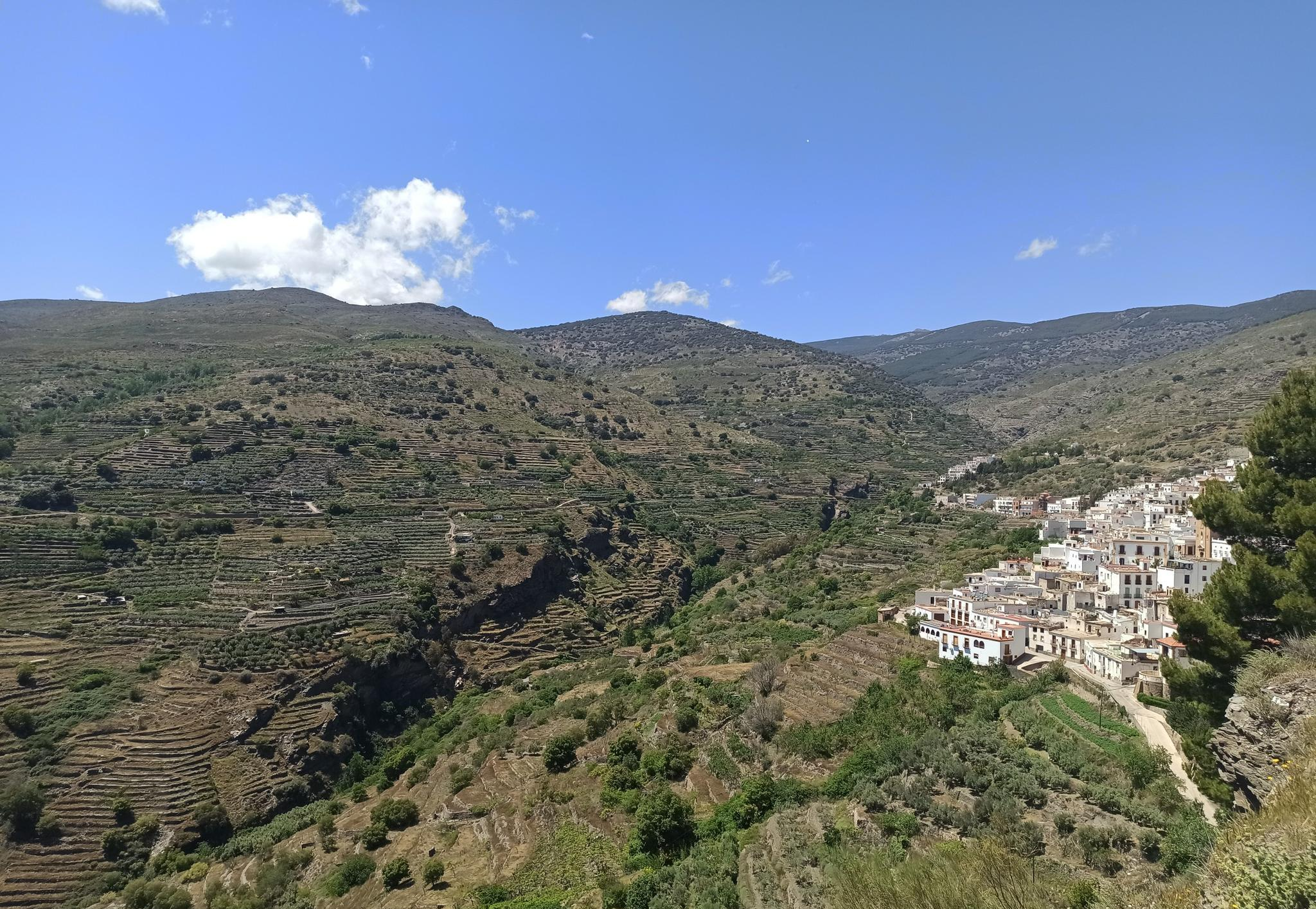
Among white villages - Path of the Alpujarra (GR 142)
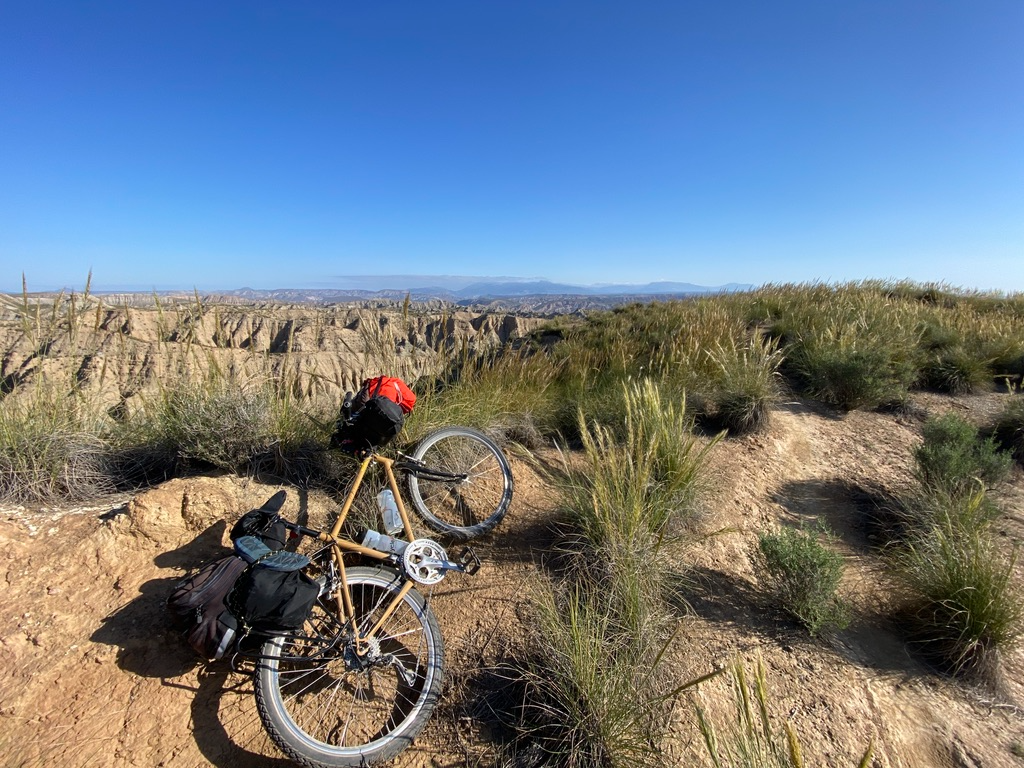
Mountain, Desert and Sea — Andalusian Trilogy
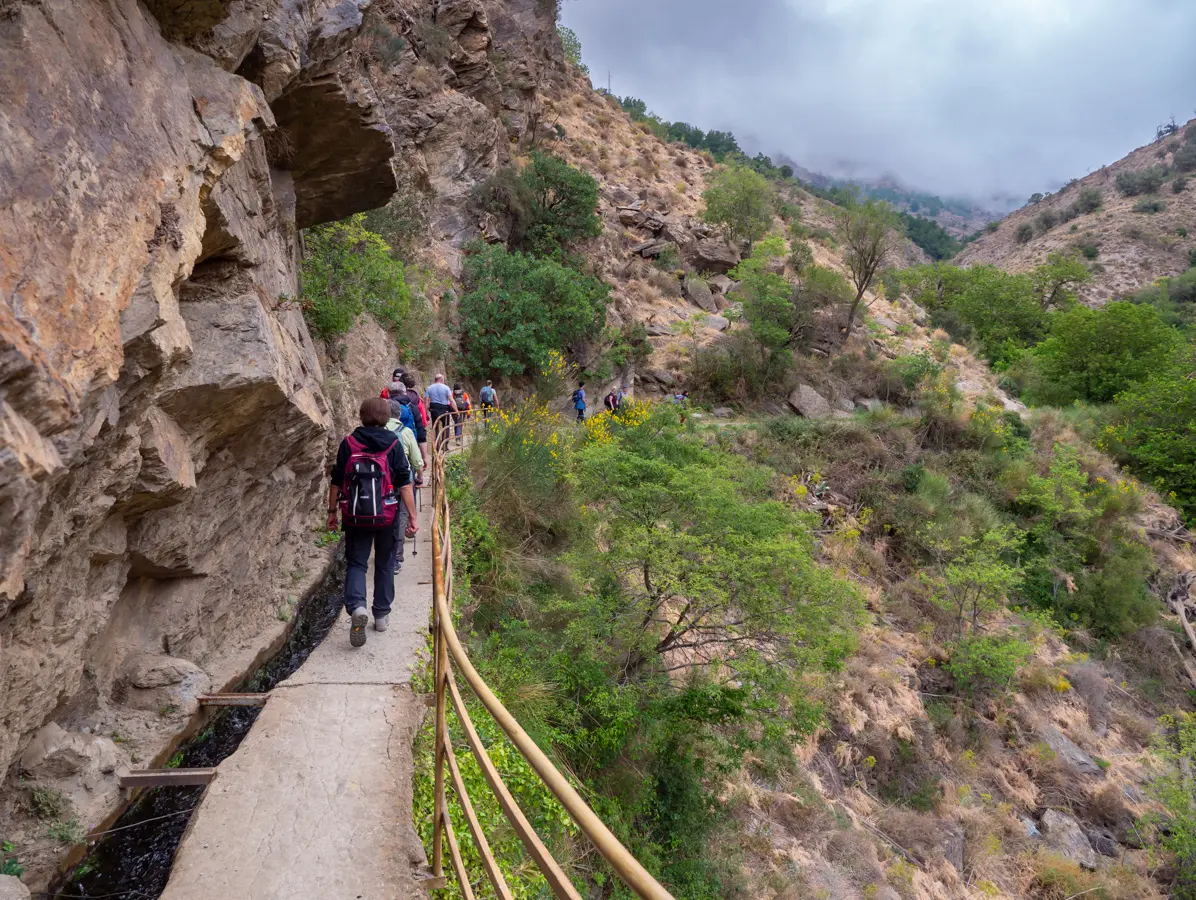
The gateway to the Alpujarra – five incredible routes from Lanjarón
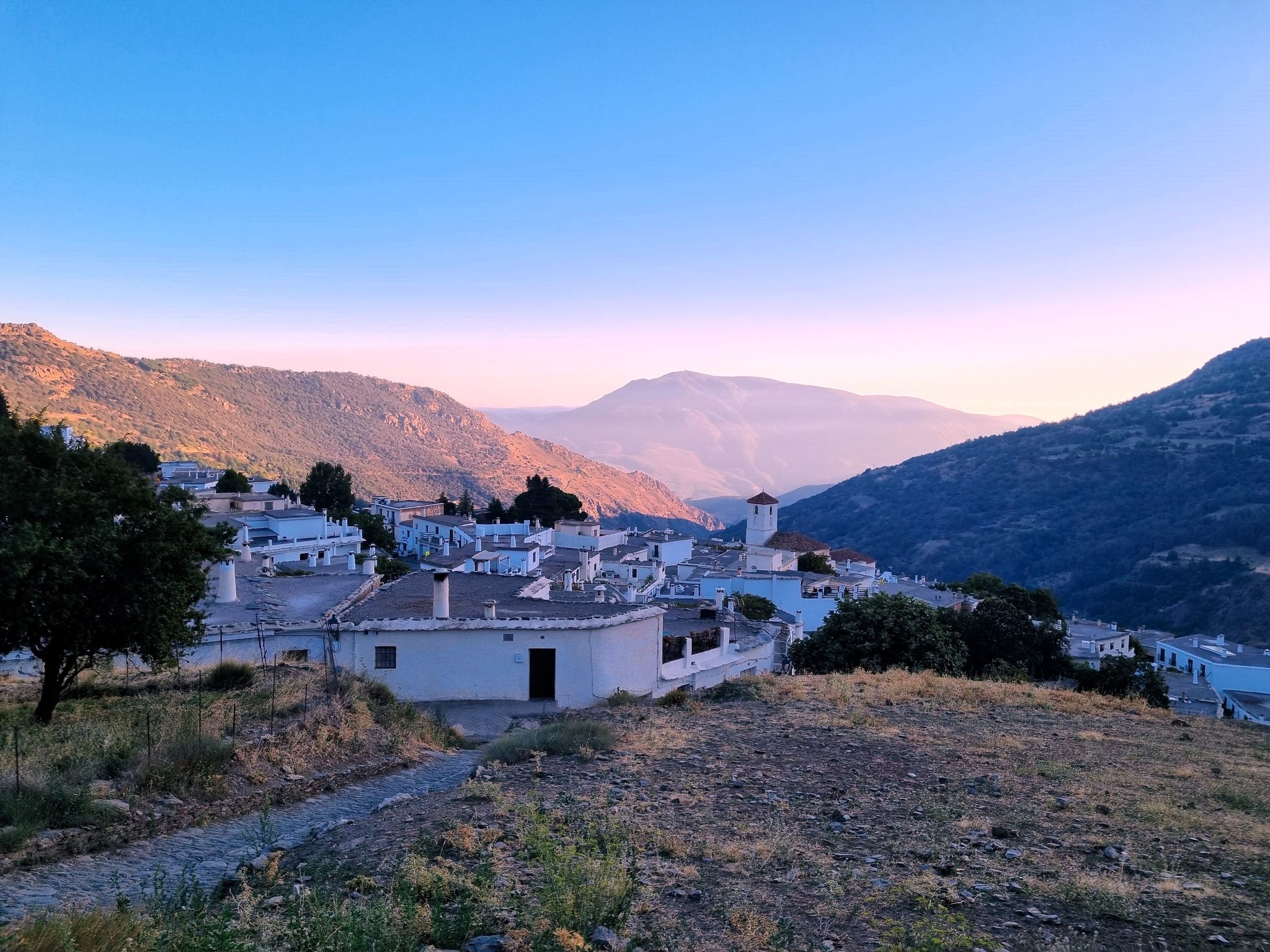
The Poqueira Gorge – two routes from Capileira in Spain
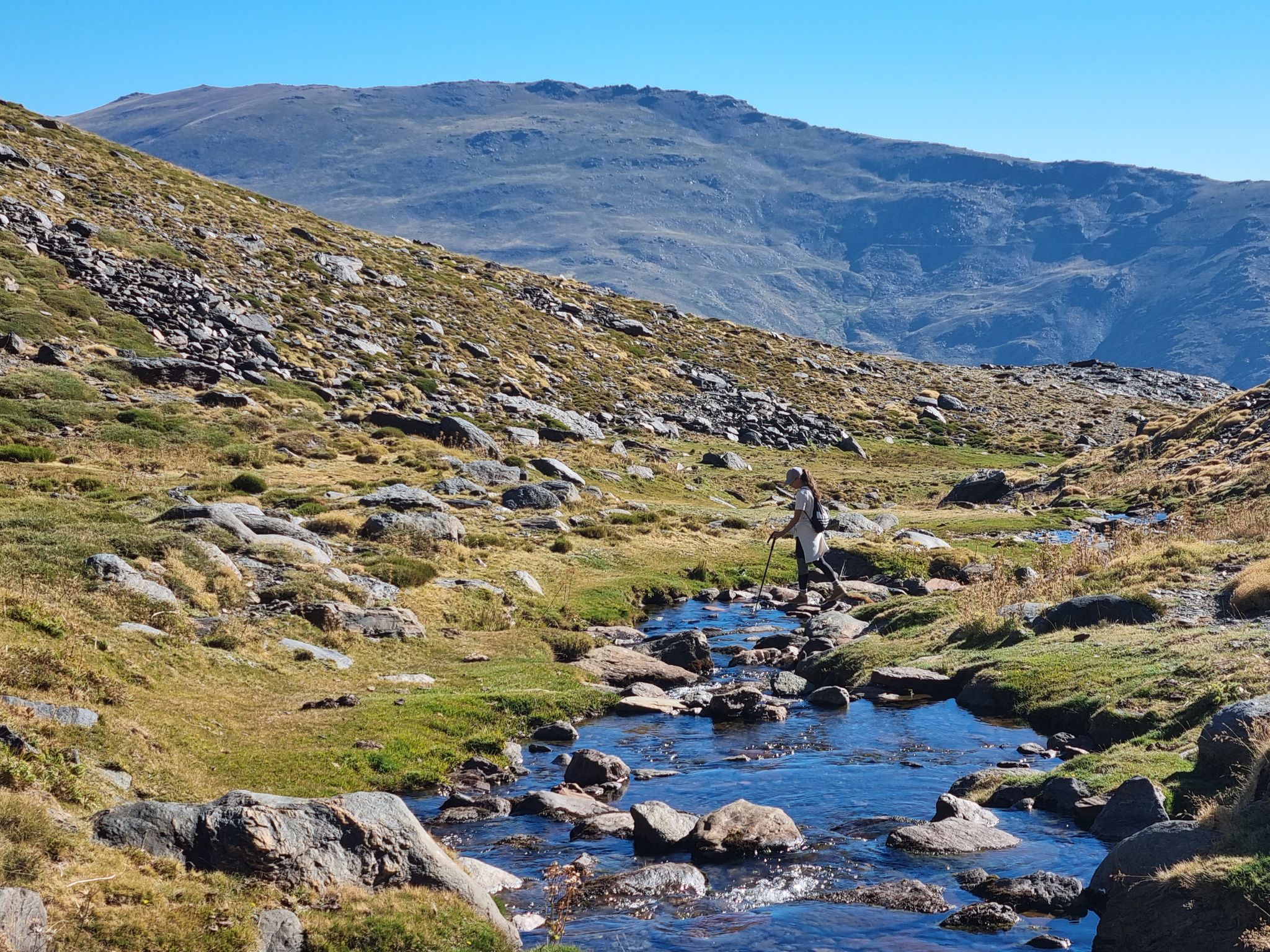
Marvellous Trevélez – the gateway to Mulhacén
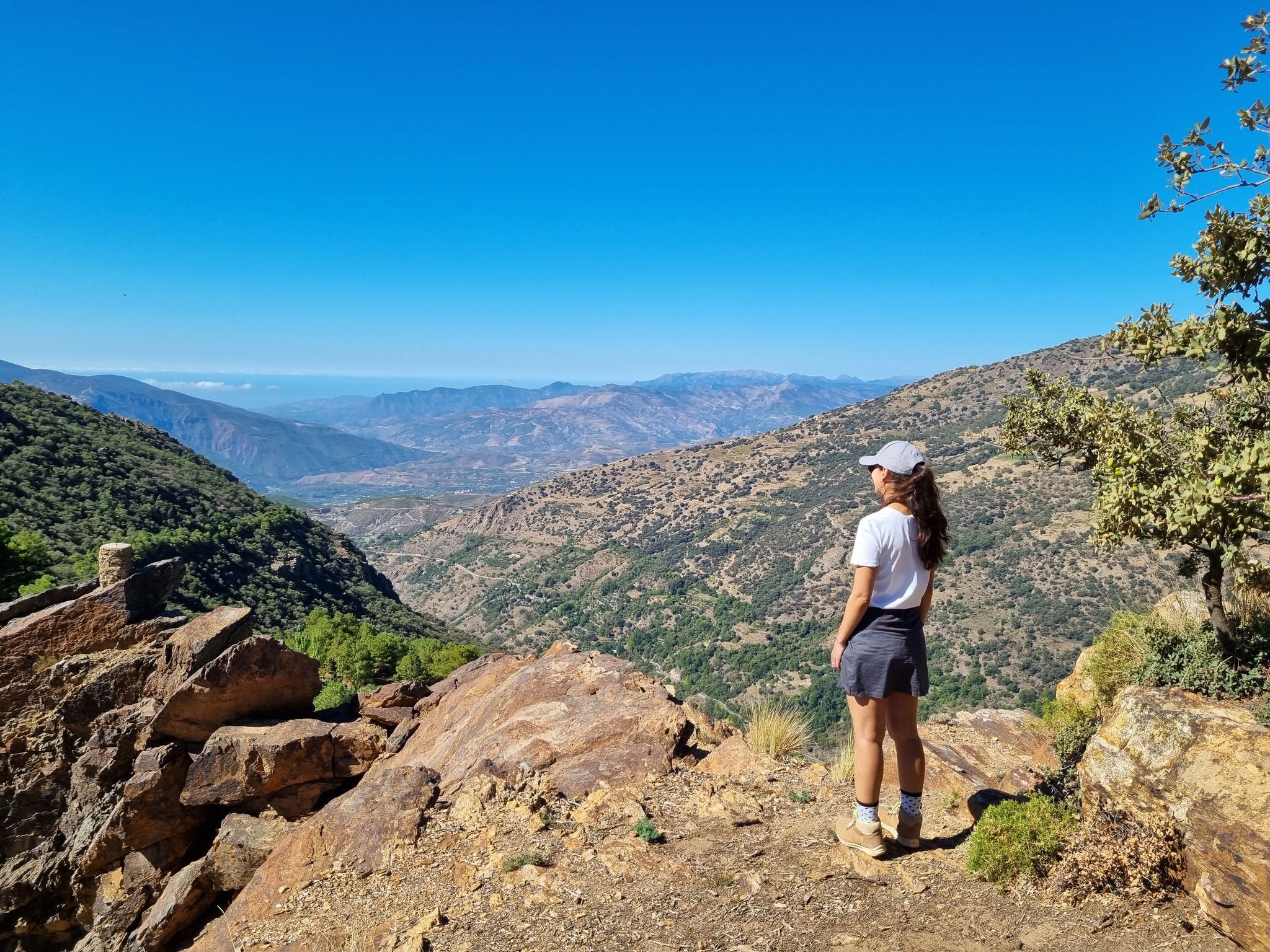
Lanjarón to Trevélez – five days in the Alpujarra of Granada
Other adventures around Comarca de la Alpujarra Granadina


Tips from the Community

This hike is really tough: -very poorly signposted -inaccurate komoot navigation -long, constant ascent, 560 meters of altitude gain -during the ascent, you have to climb a section on scree, for me even on hands and knees -the descent goes for a long time over scree, loose slate, along a very narrow path next to the ravine -we took 8 hours for it..(got lost for a bit and had to turn back to find the right path again) -tip: look for the 'stone men', so you can still orient yourself now and then
0
0

No problem at all with the north way, really nice landscape; 1h30 in running
2
0


The Puerto de la Ragua marks the border between the provinces of Granada and Almería. The Sierra Nevada stretches on both sides, with the 3000m peaks on the Granada side. The highest mountain in the province of Almería, El Chullo, is, however, easily accessible from the Puerto de la Ragua. The Puerto de la Ragua is just over 2000m.
0
0


You can also get here by public bus from Capileira. Then hike to the summit and descend to Capileira on foot or take the bus back.
0
1


One of the few asphalt passes over 2,000m in the region. You just have to take it with you, even if it's not particularly "exciting" IMHO.
2
0
Frequently Asked Questions
What are the most notable mountain peaks in Comarca de la Alpujarra Granadina?
The region is home to some of mainland Spain's most significant peaks. Mulhacén Summit, at 3,479 meters, is the highest peak in mainland Spain and the Iberian Peninsula, offering expansive panoramic views. Another prominent peak is Alcazaba, the third highest in the Sierra Nevada, known for its remote location and challenging ascent. You can also explore Peñabón and Mulhacén II Summit, which also offer great views.
What is the best time of year to hike the mountain peaks in Comarca de la Alpujarra Granadina?
The best time to visit the higher peaks like Mulhacén is typically from spring onwards, once the heavy winter snows have melted. This usually means between June and October. During these months, the trails are generally more accessible, and the weather is more favorable for high-altitude trekking.
Are there challenging peaks for experienced mountaineers in the region?
Yes, for experienced mountaineers seeking a true wilderness experience, Alcazaba is an excellent choice. It is known for its more remote location and steeper, more challenging ascent compared to Mulhacén. Good navigation skills are crucial due to its less crowded trails and potential for mist. The Mulhacén Summit also presents a significant high-altitude challenge.
Are there any family-friendly mountain walks or settlements to visit?
While many peaks are challenging, you can find more accessible options. The settlement of Mecina Fondales is a small village perfect for those seeking tranquility, with several trails leading to other towns in the La Taha region. These trails can offer gentler walks suitable for families.
What kind of natural features can I expect to see around these mountain peaks?
The region, part of the Sierra Nevada National Park, is a UNESCO Biosphere Reserve, offering diverse ecosystems. You can find stunning mountain tarns and meadows, such as those around Siete Lagunas, which includes the idyllic Hondera Lagoon. The landscape ranges from rocky and barren at higher altitudes to unique alpine flora, and you might even spot wildlife like the Iberian ibex.
What outdoor activities can I do near the mountain peaks in Comarca de la Alpujarra Granadina?
Beyond peak bagging, the area offers a variety of outdoor activities. You can find numerous hiking trails, including challenging mountain hikes like the Mulhacén Peak loops from Refugio Poqueira or Capileira. There are also options for gravel biking, with routes like the 'Gravel loop from Berja'. For more details, explore the Mountain Hikes, Hiking, and Gravel Biking guides for the region.
Where can I find less crowded mountain trails in the Alpujarra Granadina?
For a quieter experience away from more frequented paths, consider hiking to Alcazaba. Its remote location contributes to a sense of solitude and offers exceptional viewpoints. While Mulhacén is popular, routes to Alcazaba are generally less crowded, providing a more serene wilderness experience.
What are some popular starting points or refuges for multi-day hikes?
Routes to Mulhacén often begin from picturesque Alpujarran villages like Capileira or Trevélez. For multi-day hikes, an overnight stay at a mountain refuge like Bivouac Carihuela is recommended. Hondera Lagoon is also an ideal place for a bivouac, especially if you're planning a winter ascent of Mulhacén.
Can I spot wildlife while hiking in the Sierra Nevada mountains of Alpujarra Granadina?
Yes, the Sierra Nevada National Park is known for its diverse ecosystems and wildlife. While hiking, particularly in higher altitudes or more remote areas, you have a good chance of spotting the Iberian ibex, a wild goat species native to the Iberian Peninsula.
Are there any mountain passes suitable for cycling in the region?
Yes, La Ragua Pass is one of the few asphalt passes over 2,000m in the region and is very popular with local cyclists. It has been part of the Cycling Tour of Spain multiple times, making it a challenging and rewarding climb for road cyclists. In winter, it also becomes a popular spot for cross-country skiers.
What do visitors enjoy most about the mountain peaks around Comarca de la Alpujarra Granadina?
Visitors appreciate the combination of high-altitude adventure and the raw beauty of Southern Spain's dramatic landscapes. The expansive panoramic views from summits like Mulhacén, the tranquility of remote trails, and the opportunity to witness diverse ecosystems and wildlife are frequently highlighted. The region's unique blend of challenging climbs and picturesque villages also adds to its appeal.
Most popular routes around Comarca de la Alpujarra Granadina
Most popular attractions around Comarca de la Alpujarra Granadina

Get inspired with the komoot mobile app


Didn’t find what you were looking for?
Discover Comarca de la Alpujarra Granadina’s best peaks and summits by region:
Explore more
See even more amazing summits around Comarca de la Alpujarra Granadina with these guides:
