Attractions and Places To See around Cuenca Minera - Top 20
Attractions and places to see around Cuenca Minera, located in Huelva, Spain, offer a unique blend of industrial heritage and striking natural landscapes. This region is defined by its rich mining history, which has shaped the terrain into distinctive, often reddish, formations. Visitors can explore sites where centuries of mineral extraction have created an otherworldly environment, alongside historical structures and natural features. The area provides insights into both geological processes and human endeavors.
Best attractions and places to see around Cuenca Minera
- The most popular attractions is Touristic Railway for Rio Tinto Mines, a man-made monument that offers a journey through the transformed mining landscape. This railway was historically used for mining trains and now provides tourist tours, including steam locomotive rides during colder months.
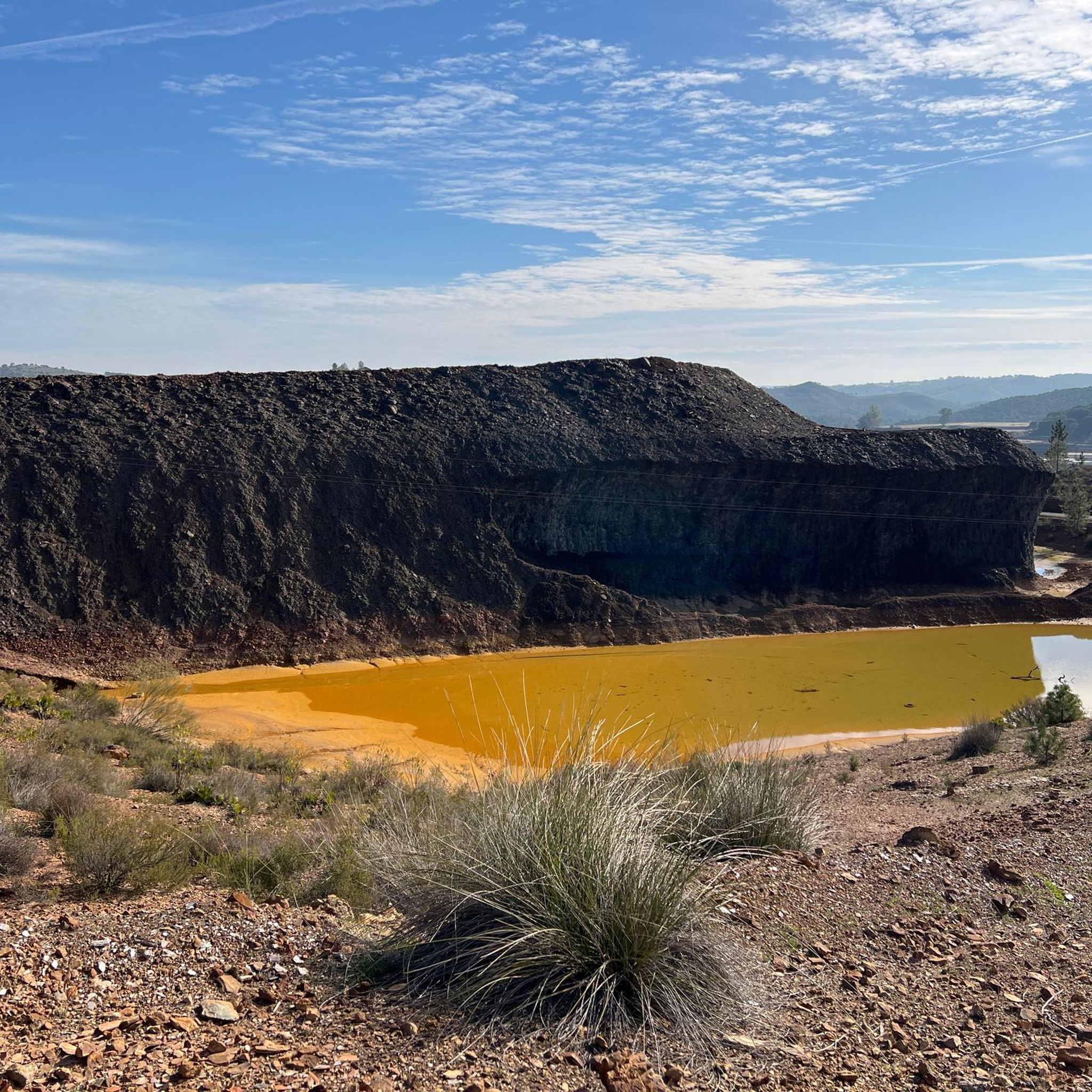
- Another must-see spot is Source of the Río Tinto, a natural monument and river. This site marks the origin of the Río Tinto, known for its reddish waters due to high concentrations of heavy metal sulfides, a phenomenon studied in collaboration with NASA for its possible analogy to Mars.
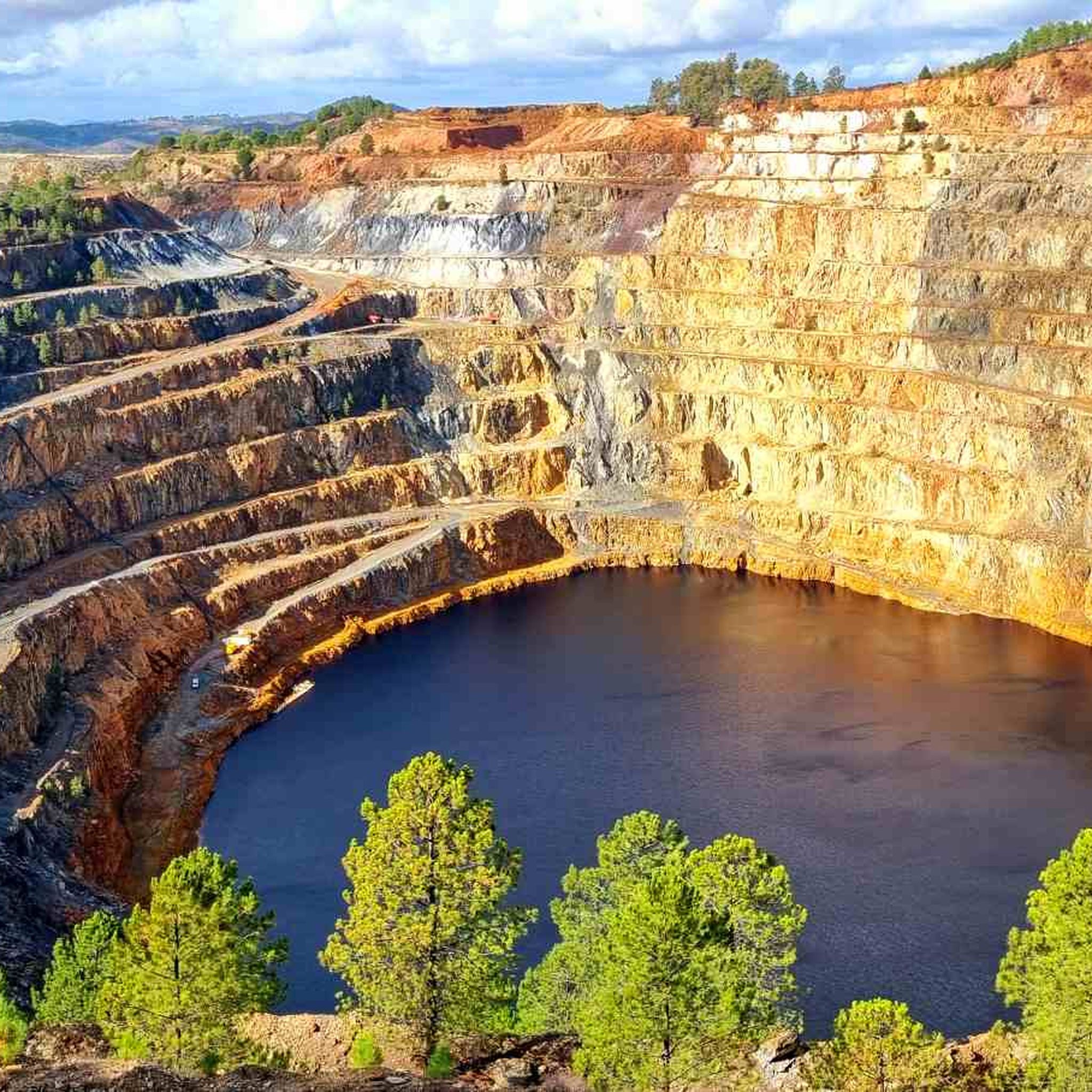
- Visitors also love Corta Atalaya Mine, an impressive open-pit mine that was once a global reference in mining. It stands as a significant tourist attraction, offering guided tours to explore its vast scale and historical importance.
- Cuenca Minera is known for its unique mining landscapes, historical sites, and natural features like the Río Tinto. The region offers a variety of attractions to see and explore, from ancient Roman bridges to modern-day mining parks.
- The attractions around Cuenca Minera are appreciated by the komoot community, with 14 upvotes and 5 photos shared by visitors.
Last updated: July 8, 2026
Source of the Río Tinto
Highlight • River
Its name is due to the reddish color of its waters caused by the weathering of minerals with a high content of heavy metal sulfides that were found and exploited in various deposits along the riverbed.
This wonderful site and the river that is born from here is the subject of scientific studies in collaboration with NASA to analyze a possible analogy with the planet Mars.
Translated by Google •
Tip by

Roman bridge over the Odiel River
Highlight • Bridge
Translated by Google •
Tip by

Sign up now to discover places like this
Get recommendations on the best single tracks, peaks, & plenty of other exciting outdoor places.
Sign up for free
Peña del Hierro
Highlight • Natural Monument
Translated by Google •
Tip by
Corta Atalaya Mine
Highlight • Structure
parquemineroderiotinto.es
Translated by Google •
Tip by
Valverde del Camino Town Center
Highlight • Settlement
Translated by Google •
Tip by

Touristic Railway for Rio Tinto Mines
Highlight • Monument
Translated by Google •
Tip by

Riotinto Mining Museum
Highlight • Historical Site
Translated by Google •
Tip by
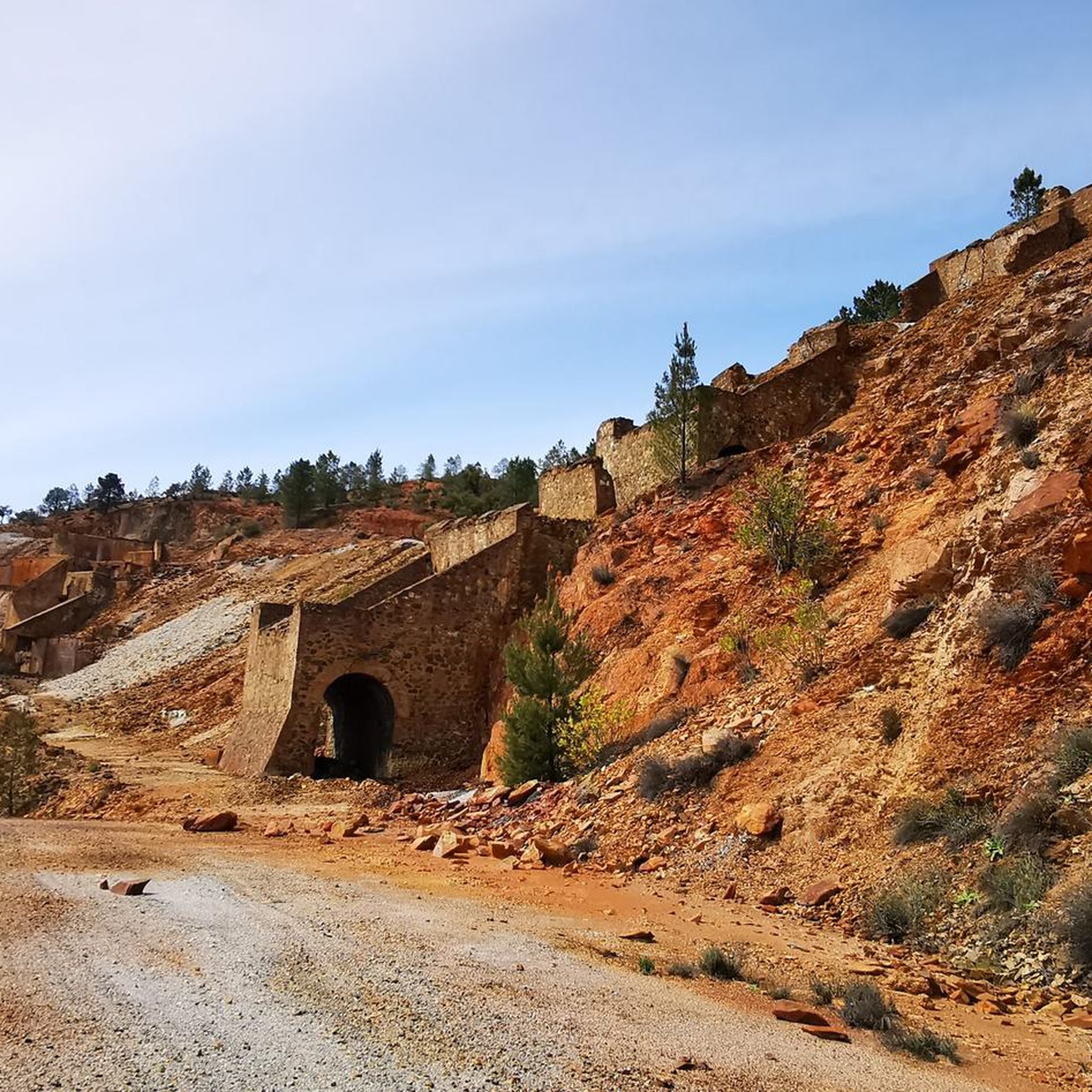
Talleres Mina (Minas de Riotinto Mining Railway)
Highlight • Historical Site
Translated by Google •
Tip by

Cachán Bridge
Highlight • Bridge
Translated by Google •
Tip by
Ermita de La Coronada
Highlight • Religious Site
Translated by Google •
Tip by
Sign up for free to discover even more attractions around Cuenca Minera.
Sign up for free
Already have an account?
Start today with a free account
Your next adventure awaits.
Login or Signup
Popular around Cuenca Minera



Tips from the Community

The Peña del Hierro Viewpoint, located in Nerva (Huelva), is part of the Riotinto Mining Park and offers one of the most impressive views of the source of the Tinto River, as well as the mining crater of the old pyrite mine.
1
0
The source of the Tinto River is located in the municipality of Nerva, in the province of Huelva, Andalusia, and is one of the most unique landscapes in Europe due to its reddish color and its scientific and geological value.
1
0
The Roman bridge over the Odiel River in Calañas is a historic structure that is part of the region's rich heritage. This bridge is a point of interest on several hiking trails that run through the area, allowing visitors to enjoy the natural beauty and cultural heritage of the area.
8
0

To get to the viewpoint, paid access is required. The hiking trail ends here at a fence. Nevertheless, a somewhat limited view of the opencast mine is possible
2
0
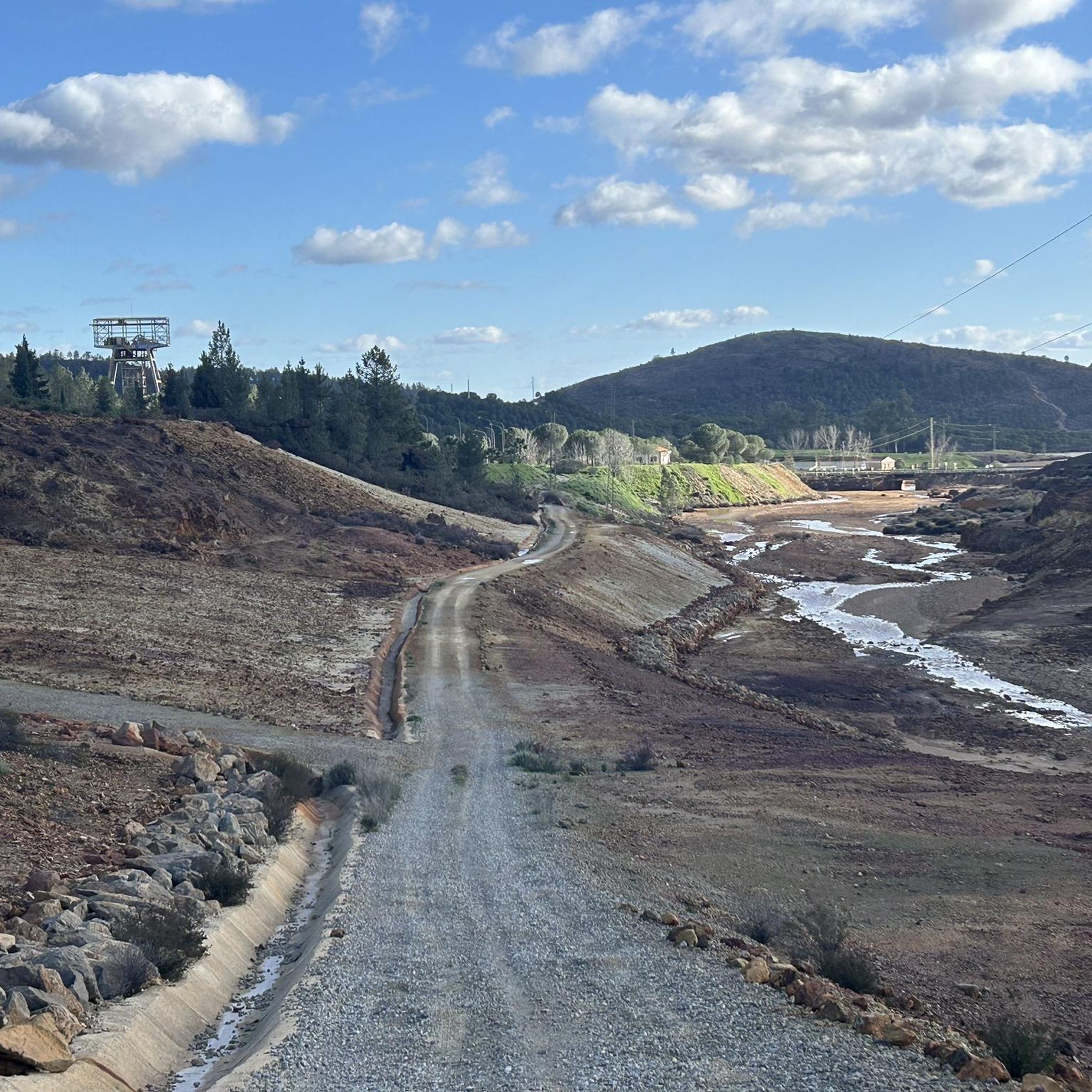
Also the starting point for a tour with the old mining train through the mining region. Tickets are only available at the museum in Minas de Riotinto
1
0
An approximately 3 kilometer long circular route leads around the natural monument Montera de Gossan. Don't miss it because of the beautiful views.
0
0

Impressive images from the river.
2
0

Also known as the Padre Caro mountain range, it indicates the source of the Río Tinto which runs through the interior of Huelva for about 100 km until it reaches the Odiel River. Its name is due to the reddish color of its waters, caused by the weathering of minerals with a high content of heavy metal sulfides that were found and exploited in various deposits along the riverbed.
0
0
Frequently Asked Questions
What is the significance of mining in Cuenca Minera?
Cuenca Minera is defined by its rich mining history, which has profoundly shaped its landscape and culture. Centuries of mineral extraction have created unique, often reddish, formations and an otherworldly environment. This industrial heritage is a central theme, offering insights into both geological processes and human endeavors.
Can I visit historical mines in the area?
Yes, several historical mining sites are open to visitors. One of the most impressive is the Corta Atalaya Mine, a vast open-pit mine that was once a global reference and now offers guided tours. Another significant site is Peña del Hierro, an old iron ore mine with a landscape described as 'from another planet', offering authorized trails for exploration.
Are there any historical train rides available?
Absolutely! The Touristic Railway for Rio Tinto Mines offers a unique journey through the transformed mining landscape. This railway, historically used for mining trains, now provides tourist tours, including steam locomotive rides during colder months. It's a fantastic way to see the region's industrial past.
Where can I see the unique red river landscapes?
The most iconic spot is the Source of the Río Tinto, located in the Sierra de Padre Caro. This site marks the origin of the river, famous for its striking reddish waters due to high concentrations of heavy metal sulfides. The Gossán Reservoir also presents an almost Martian landscape with reddish water, offering a truly unique visual experience.
What ancient historical sites can I explore?
Beyond the mining heritage, you can visit ancient sites such as the Roman bridge over the Odiel River in Calañas, a historic structure that is part of the region's rich heritage. The area also features Bronze Age funerary vestiges like the Dolmens of Los Gabrieles near Valverde del Camino and the Dolmens of El Pozuelo in Zalamea La Real, which are among the most populated archaeological sites in the region.
Are there any natural viewpoints offering panoramic views?
Yes, the region boasts several impressive viewpoints. The Peña del Hierro Viewpoint in Nerva offers breathtaking views of the Tinto River's source and the ancient pyrite mine crater. Additionally, El Morante is a natural viewpoint that also contains Roman remains, blending natural beauty with historical significance.
What hiking opportunities are there around Cuenca Minera?
Cuenca Minera offers diverse hiking trails. You can explore routes like the moderate Río Tinto Mining Train Trail or the easy Peña del Hierro — circular by the source of the Río Tinto. Many trails wind through old flour mills, picturesque riverside landscapes along the Odiel River, and the unique mining terrain. For more options, check out the hiking guide for Cuenca Minera.
Are there cycling routes suitable for mountain biking or road cycling?
Yes, the region provides excellent cycling opportunities. For mountain biking, consider the moderate Vía Verde de los Molinos del Agua Trail or the Riotinto Mines and Peña del Hierro Loop. Road cyclists can find challenging routes like the Minas de Riotinto, Aracena, Santa Ana La Real – circular route. Explore more options in the MTB Trails and Road Cycling Routes guides for Cuenca Minera.
Are there family-friendly attractions in Cuenca Minera?
Many attractions in Cuenca Minera are suitable for families. The Touristic Railway for Rio Tinto Mines is a popular choice, offering an engaging historical experience. The Corta Atalaya Mine also welcomes families for guided tours. Additionally, the Valverde del Camino Town Center offers cultural sites and festivals that can be enjoyed by all ages.
What is the best time to visit Cuenca Minera?
The region's climate is generally mild, making it suitable for visits throughout much of the year. Spring and autumn typically offer the most pleasant temperatures for outdoor activities like hiking and exploring the mining parks. During colder months, the Touristic Railway for Rio Tinto Mines even offers special steam locomotive rides.
Are there any cultural or religious sites to visit?
Yes, the region has several cultural and religious landmarks. You can visit the Church of Santa María de Gracia, a late Gothic church with Renaissance elements dating from the 16th to 17th centuries. The Hermitage of Nuestra Señora de la Coronada, built upon a Roman necropolis, is another significant site of local devotion.
What do visitors enjoy most about Cuenca Minera?
Visitors are consistently captivated by the unique blend of industrial heritage and striking natural landscapes. The 'otherworldly' feel of the red river and mining craters, the historical insights gained from sites like the Corta Atalaya Mine, and the opportunity to explore diverse hiking trails are frequently highlighted as memorable aspects of their experience.
Most popular routes around Cuenca Minera
Most popular attractions around Cuenca Minera

Get inspired with the komoot mobile app


Didn’t find what you were looking for?
Are you keen on exploring more awesome places nearby? Browse our guides:
Explore more
Still not found the Highlight you’re looking for? See guides of the top attractions in other regions:
