Attractions and Places To See around Campiña Del Sur - Top 20
Attractions and places to see around Campiña Del Sur include a diverse landscape characterized by rolling olive groves and historical sites. This region, spanning parts of Andalusia and Extremadura, offers a blend of natural beauty and rich cultural heritage. Visitors can explore ancient Roman remains, imposing castles, and extensive greenways. The area is known for its agricultural landscapes and historical significance, providing various points of interest for exploration.
Best attractions and places to see around Campiña Del Sur
- The most…
Last updated: July 20, 2026
Start of the Green Oil Route
Highlight • Trail
Translated by Google •
Tip by

Beautiful section of the Vía Verde del Aceite
Highlight • Cycleway
Translated by Google •
Tip by

Sign up now to discover places like this
Get recommendations on the best single tracks, peaks, & plenty of other exciting outdoor places.
Sign up for free
Jaén Cathedral
Highlight • Religious Site
Translated by Google •
Tip by

Viaduct of the Piedra del Águila stream
Highlight • Bridge
Showing Translation
Tip by
Castle of Santa Catalina
Highlight • Castle
Translated by Google •
Tip by

Pósito Square
Highlight • Historical Site
Translated by Google •
Tip by
Víboras River Viaduct
Highlight • Bridge
Translated by Google •
Tip by
Olive Roundabout
Highlight • Monument
It is located at a roundabout on the Carretera de Córdoba Valencia, which leads into the city of Jaén …
Translated by Google •
Tip by

El Pincho Trail
Highlight (Segment) • MTB Park
Showing Translation
Tip by
Basilica of San Ildefonso
Highlight • Religious Site
Translated by Google •
Tip by
Sign up for free to discover even more attractions around Campiña Del Sur.
Sign up for free
Already have an account?
Start today with a free account
Your next adventure awaits.
Login or Signup
Popular around Campiña Del Sur
La Vuelta 26 — All Official Stages
A winter getaway along the greenways of Andalusia in Spain
European Divide Trail across the Iberian Peninsula – south
On the trail of olive oil through Andalusia — Vía Verde del Aceite
From the Alcazaba to the Alcazar – an Andalusian Adventure
Vías Verdes – traffic-free cycling along railway history in Spain
Hiking around Campiña Del Sur
Road Cycling Routes around Campiña Del Sur
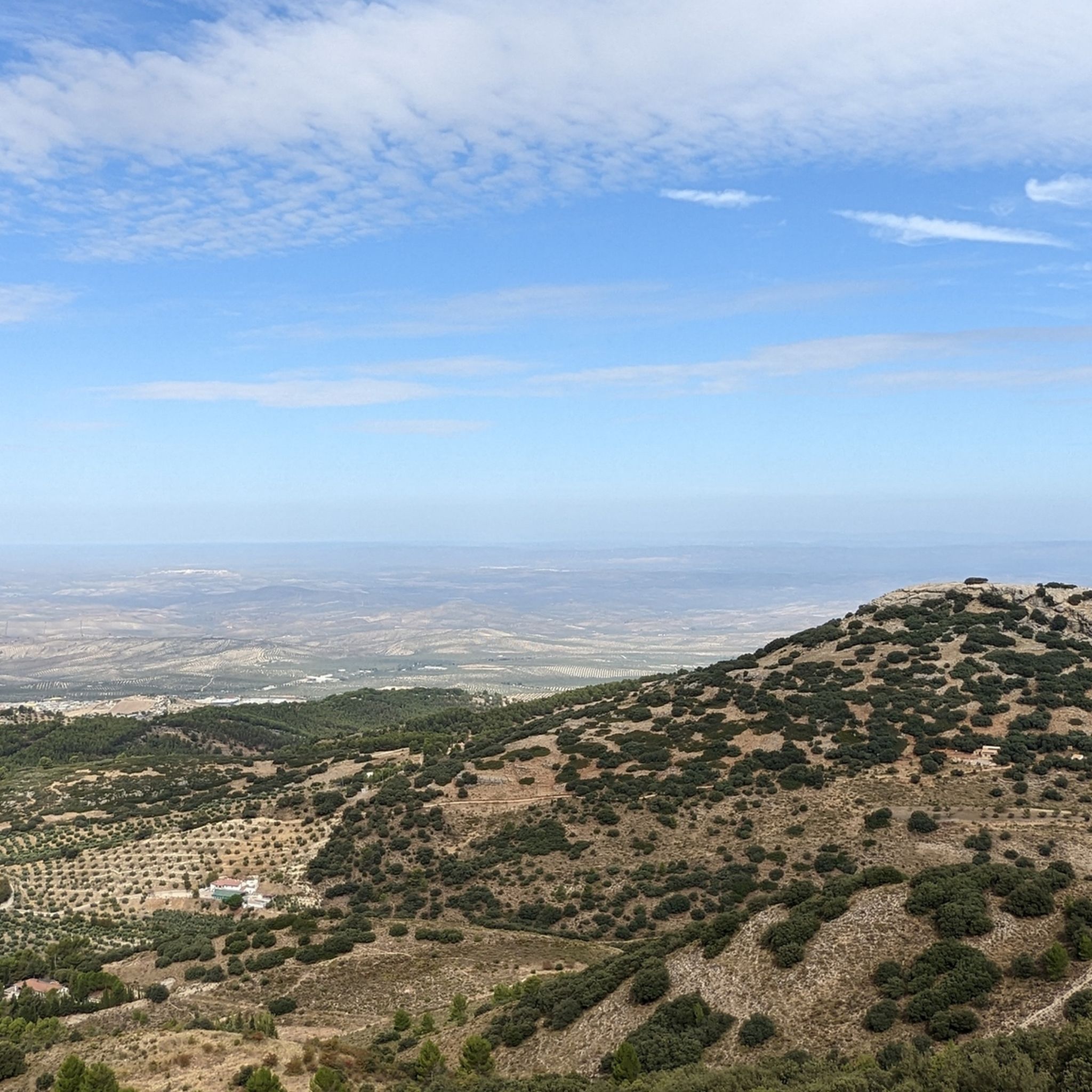
MTB Trails around Campiña Del Sur
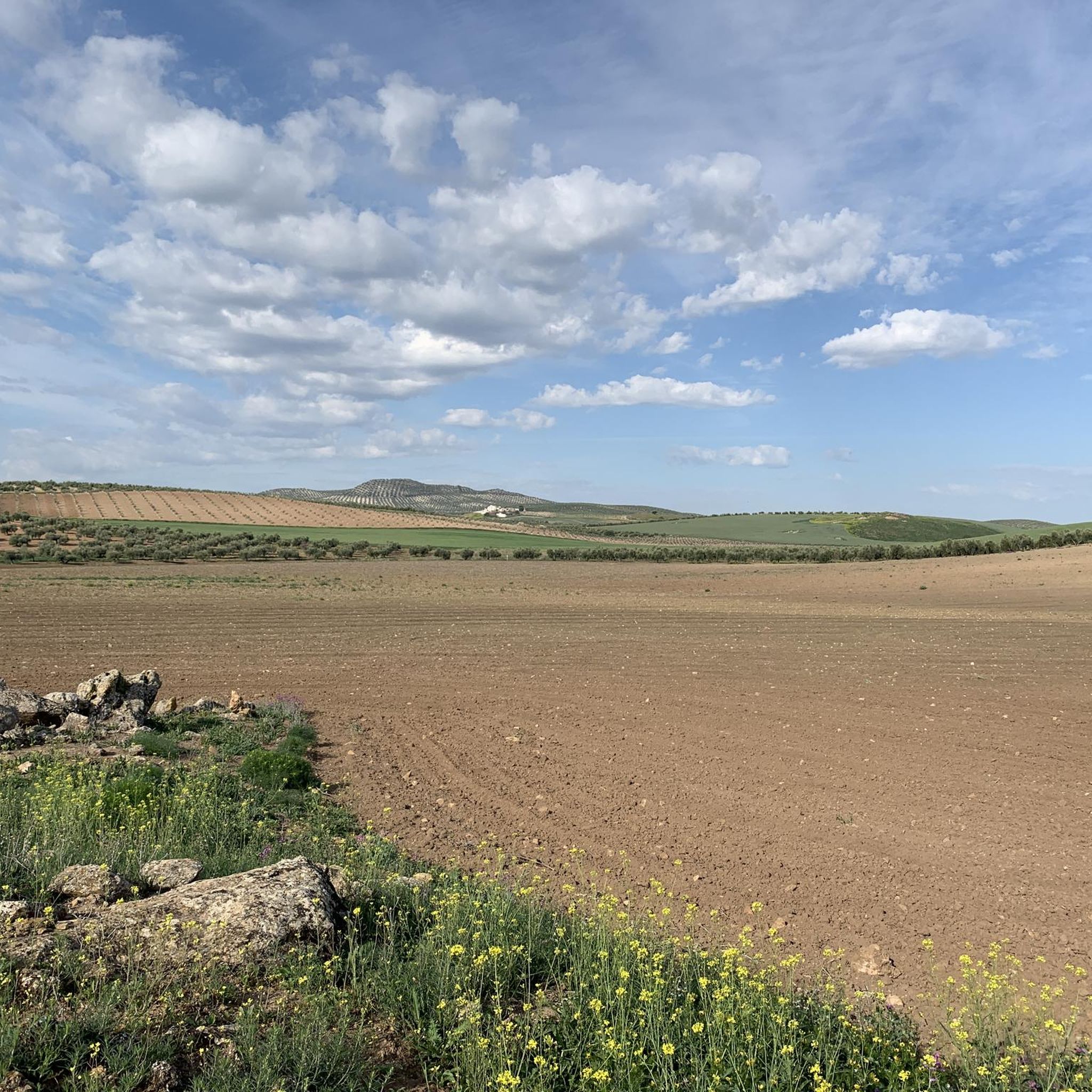
Cycling around Campiña Del Sur
Other adventures around Campiña Del Sur


Tips from the Community

Beware of vertigo.
1
1
Meeting point!!! Meeting point!!!
7
2

The difficult route of the Vía Verde del Aceite required the construction of tunnels and viaducts to overcome the terrain's orography. Thus, when we set off from Jaén in the direction of Córdoba, we encountered this first metal viaduct that stands out for its design and the material it is made of. It is 124 meters long and a maximum of 25 meters high, based on the modernist construction art typical of the late 19th and early 20th centuries, as the technique is similar to that used in the famous Eiffel Tower in Paris, but built and designed by disciples of the prodigious builder named Dayd´e and Pillé around 1890. The pieces and structure were built in the French city of Creil. This technique consists of joining the parts using rivets that avoid welding the metal.
16
0
It is not a locomotive, but a mid-19th century train car that presides over the beginning of the Via Verde del Aceite. It is a shame that vandalism has left it like this, as a witness to the present that reflects the reality of our society.
19
1

After the cathedral, this is the largest religious building in the city. The church was built in the 14th and 15th centuries in Gothic style and has three portals: a Gothic portal with a mosaic of the apparition of the Virgin of the Chapel, the patron saint of Jaén, who according to legend liberated the city in 1430 during a Moorish siege; a Renaissance portal by Valdelvira; and a neoclassical portal added in the 18th century by Ventura Rodriguez, which is also the main entrance to the church. Inside, you can admire the main altarpiece by Pedro and Julio Roldan and the tabernacle by Pedro Duque Cornejo. In the Capilla de la Virgen, which is decorated with stained glass windows and frescoes, there is a statue of the patron saint of Jaén. Andrés de Vandelvira is also buried here.
8
0

A place to fill up your bottle before setting off or a meeting point for cyclists. They are putting up a large wooden pergola, but the wagon remains the same.
9
0
The bridge that stands out above is El Pontón. The medieval bridge over the Víboras River, restored in 2001, is located in the natural area known as “El Pontón”, within the municipality of Alcaudete. It is a clear example of civil architecture and its objective was to save the narrow course of the river. Popularly known as the "Roman Bridge" because it is believed to have been part of a branch of the Roman road, it is 9 metres long and approximately 7.5 metres high. The existence of two Iberian-Roman sites in the area has also been the cause of the erroneous chronology of this construction.
6
0
The Viaducto del río Víboras, also known as Puente Eiffel, is a historic metal viaduct in Alcaudete, Jaén. This viaduct was built between 1891 and 1893 by the engineers Alessandre and Delapierre and was originally part of the Linares-Puente Genil railway line. The viaduct spans the Río Víboras and is 224.1 metres long, 4.5 metres wide and has a gálibo of 80 metres.
8
0
Frequently Asked Questions
What natural features can I explore in Campiña Del Sur?
The region offers diverse natural landscapes. In the Córdoba area, you can visit wetlands like the Zóñar, Tíscar, and Donadío Lagoons, which are excellent for birdwatching. The entire area is characterized by picturesque vineyards and olive groves. In the Badajoz area, explore the former iron mine of Mina La Jayona, which now features a greenway, or hike trails in Sierra San Miguel.
Are there historical sites or ancient ruins to visit in the region?
Yes, Campiña Del Sur is rich in history. You can explore the ancient Roman Cisterns of Monturque and the significant archaeological site of the Roman Villa of Fuente Álamo near Puente Genil. In the Extremadura part, the Roman City of Regina Turdulorum, with its majestic theater, is a major highlight. Don't miss the imposing Muslim fortress, Alcazaba de Reina.
What kind of outdoor activities are available for visitors?
The region is ideal for various outdoor pursuits. You can enjoy hiking and cycling along the Vía Verde del Aceite, an old railway line winding through olive groves. Birdwatching is popular in the wetlands. For more active options, explore the nearby hiking trails like the Cerro del Tambor and la Mella refuge route, or running trails such as the Olive Oil Greenway Loop from Jaén. You can find more details on these activities in the hiking, running, and gravel biking guides.
Can I find family-friendly attractions in Campiña Del Sur?
Many attractions cater to families. The Vía Verde del Aceite is suitable for cycling or walking with children. Historical sites like Jaén Cathedral and Pósito Square offer cultural experiences. Birdwatching in the lagoons is also a great family activity. Look for attractions marked as 'family_friendly' in the guide for more options.
What are some notable castles or architectural landmarks in the area?
Campiña Del Sur boasts several impressive structures. The Castle of Santa Catalina in Jaén offers panoramic views. Other significant castles include those in Montemayor, Aguilar de la Frontera, and Santaella. The Palace of the Duke of Fernán Núñez is a fine example of neoclassical architecture. In Extremadura, the Alcazaba de Reina is a prominent Muslim fortress, and Llerena features a well-preserved medieval layout with Mudejar and Baroque architecture.
What is the best time of year to visit Campiña Del Sur?
The best time to visit Campiña Del Sur is typically during spring (April to June) and autumn (September to October). During these seasons, the weather is pleasant for outdoor activities like hiking and cycling, and the landscapes are particularly beautiful with blooming wildflowers or autumn colors. Summers can be very hot, especially in Andalusia, while winters are generally mild.
Are there opportunities for wine tourism in Campiña Del Sur?
Yes, especially in the Córdoba part of Campiña Sur, which is renowned for its wine tourism. The Montilla-Moriles Wine Route allows visitors to explore numerous wineries and vineyards, offering wine tastings and a deep dive into the region's D.O. Montilla-Moriles wines. You can visit traditional bodegas and enjoy sensory tasting experiences.
What unique cultural experiences can I find in the region?
Beyond historical sites, you can explore the distinctive octagonal Plaza in Aguilar de la Frontera or the Monastery of San José and San Roque. In Extremadura, Llerena is a historic-artistic site with a blend of Mudejar and Baroque architecture. You can also experience 'Zurbarán's Table,' a guided tour and gastronomic experience in the former home of the painter Zurbarán, or visit a chocolate workshop for a 'Cocoa Trip'.
Are there any viewpoints offering scenic panoramas?
Absolutely. The Castle of Santa Catalina provides fantastic views of Jaén and the surrounding olive groves. The Viaduct of the Piedra del Águila Stream on the Vía Verde del Aceite also offers impressive vistas. Many of the castles and elevated historical sites throughout the region provide excellent opportunities for scenic overlooks.
What are some lesser-known attractions or 'hidden gems' in Campiña Del Sur?
While popular sites draw crowds, consider exploring the Mudejar quarters in towns like Berlanga, Azuaga, and La Granja de Torrehermosa for their unique architecture. The
What are some lesser-known attractions or 'hidden gems' in Campiña Del Sur?
While popular sites draw crowds, consider exploring the Mudejar quarters in towns like Berlanga, Azuaga, and La Granja de Torrehermosa for their unique architecture. The Víboras River Viaduct, an impressive metal construction on the Vía Verde del Aceite, is a historical engineering marvel often overlooked. Also, look for local artisan crafts in the smaller villages.
Is public transport available to reach attractions in Campiña Del Sur?
Public transport options vary by specific location within Campiña Del Sur. Larger towns like Montilla, Aguilar de la Frontera, Puente Genil, Jaén, and Llerena have bus services connecting them. However, reaching some of the more rural natural sites or smaller historical landmarks might require a car. It's advisable to check local bus schedules for specific routes to your desired attractions.
What kind of wildlife can I spot in Campiña Del Sur?
The wetlands in the Córdoba region, such as the Zóñar, Tíscar, and Donadío Lagoons, are excellent for birdwatching, hosting diverse bird species. In the Extremadura part, guided 4x4 routes are available for wildlife observation, with opportunities to spot the Iberian lynx and other local fauna in the vast pasturelands and natural areas.
Are there any unique experiences like astrotourism or hot air balloon flights?
Yes, in the Campiña Sur of Badajoz, you can enjoy unique experiences. Astrotourism opportunities are available from sites like the Reina Citadel, offering clear skies for astronomical observation. Hot air balloon flights also provide a distinctive aerial perspective of the region's cultural and natural landscapes.
Most popular routes around Campiña Del Sur
Most popular attractions around Campiña Del Sur

Get inspired with the komoot mobile app


Didn’t find what you were looking for?
Are you keen on exploring more awesome places nearby? Browse our guides:
Explore more
Still not found the Highlight you’re looking for? See guides of the top attractions in other regions:
