Attractions and Places To See around Serrania De Ronda - Top 20
Best attractions and places to see around Serrania De Ronda include a mountainous region in Málaga province, Andalusia, Spain, characterized by dramatic landscapes and historic towns. Ronda, the administrative capital, is a central hub for exploring the area's diverse offerings. The region features deep gorges, ancient bridges, and a variety of natural parks and white villages. It offers a blend of cultural heritage and natural beauty for visitors.
Best attractions and places to see around Serrania De Ronda
- The most popular attractions is Puente Nuevo (New Bridge) in Ronda, a bridge that spans the 120-meter-deep El Tajo gorge. This bridge connects Ronda's old Moorish town with the newer part of the city.
- Another must-see spot is Arab Bridge of Ronda, a bridge and historical site. This is the oldest of the three bridges in Ronda, spanning the Guadalevín River in the Tajo de Ronda gorge.
- Visitors also love Tajo de Ronda (Ronda Gorge), a gorge that divides the city of Ronda into two parts. This natural monument was formed by the Guadalevín River and is bridged by three structures.
- Serrania De Ronda is known for its historical sites, natural features, and charming white villages. The region offers a variety of attractions to see and explore, from ancient bridges and gorges to cultural landmarks and scenic viewpoints.
- The attractions around Serrania De Ronda are appreciated by the komoot community, with more than 1100 upvotes and over 1100 photos shared by visitors.
Last updated: July 20, 2026
New Bridge
Highlight • Bridge
Showing Translation
Tip by

Arab Bridge of Ronda
Highlight • Bridge
Translated by Google •
Tip by

Sign up now to discover places like this
Get recommendations on the best single tracks, peaks, & plenty of other exciting outdoor places.
Sign up for free
Parador of Ronda
Highlight • Restaurant
Translated by Google •
Tip by

Cuenca Gardens
Highlight • Viewpoint
Translated by Google •
Tip by

Tajo de Ronda (Ronda Gorge)
Highlight • Gorge
Translated by Google •
Tip by
View of the Puente Nuevo and El Tajo Gorge
Highlight • Viewpoint
Translated by Google •
Tip by

Ronda Bullring
Highlight • Historical Site
Translated by Google •
Tip by

Church of Santa María la Mayor in Ronda
Highlight • Religious Site
Translated by Google •
Tip by
Plaza del Socorro
Highlight • Historical Site
Translated by Google •
Tip by
La Merced Church (Ronda)
Highlight • Religious Site
Translated by Google •
Tip by

Sign up for free to discover even more attractions around Serrania De Ronda.
Sign up for free
Already have an account?
Start today with a free account
Your next adventure awaits.
Login or Signup
Popular around Serrania De Ronda

Triathlon 360 – my journey around the world
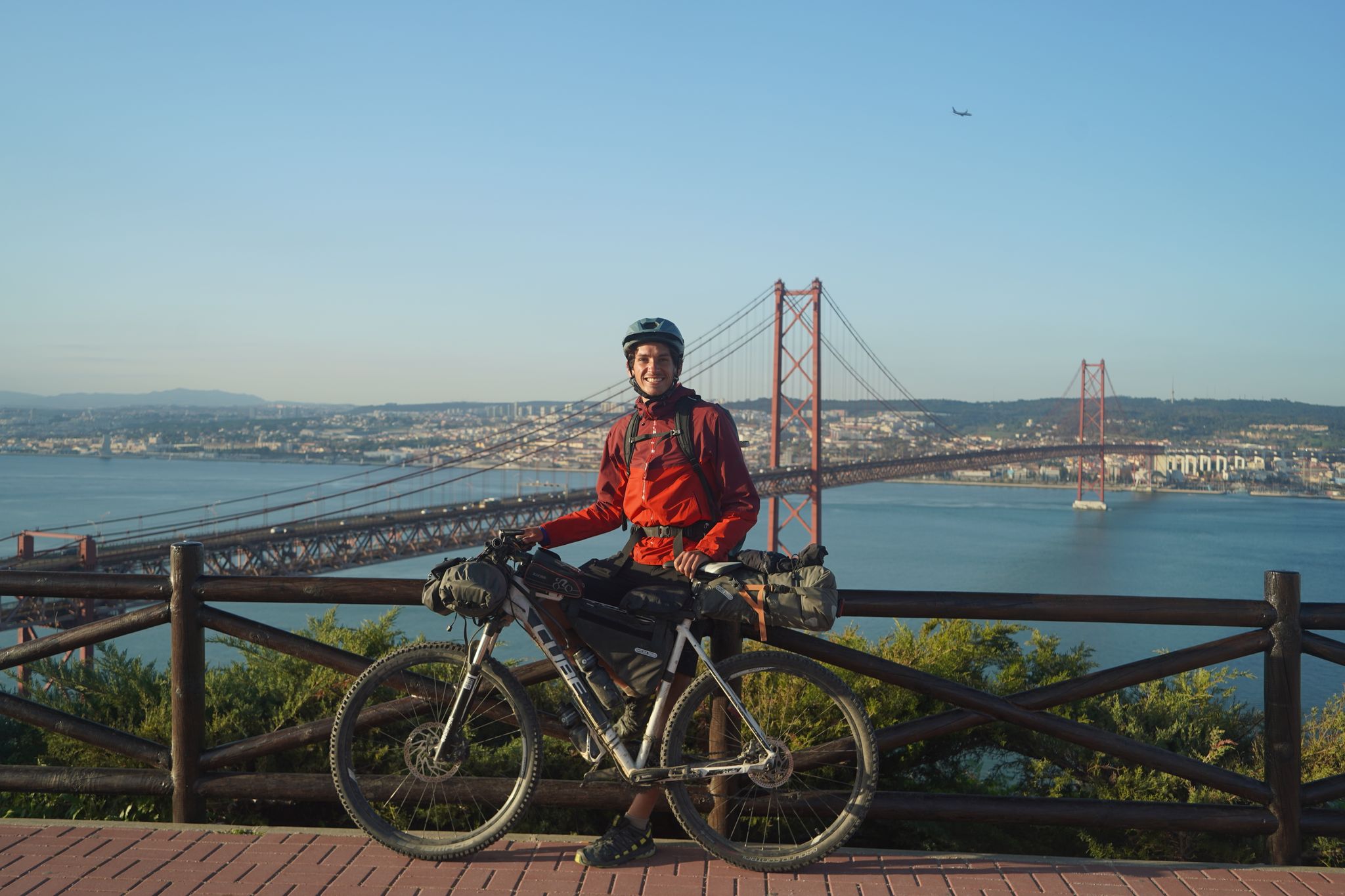
Road to Lisbon – bikepacking the Alps, Pyrenees and Picos de Europa
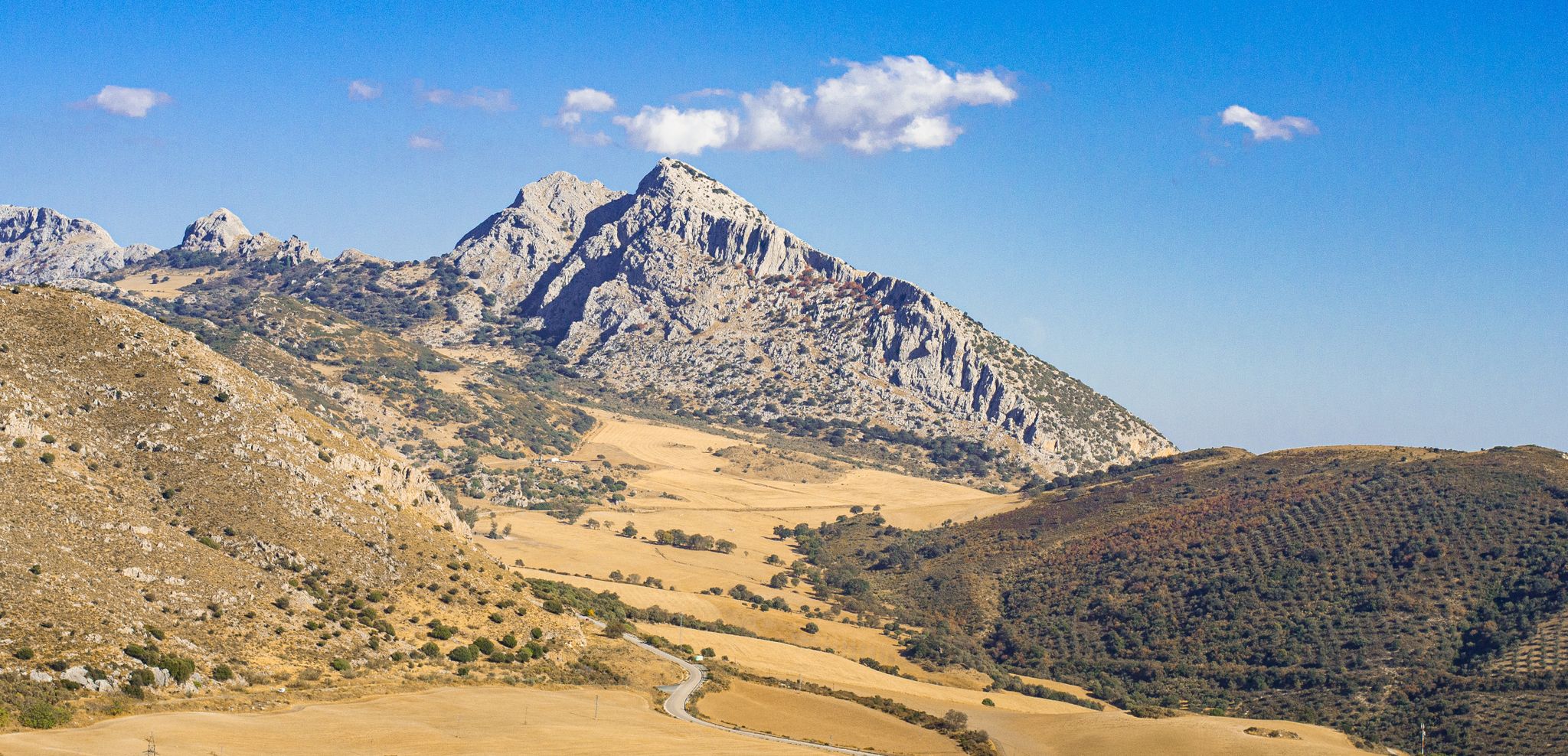
The beauty of the Andalusian mountains – Transandalus southern section
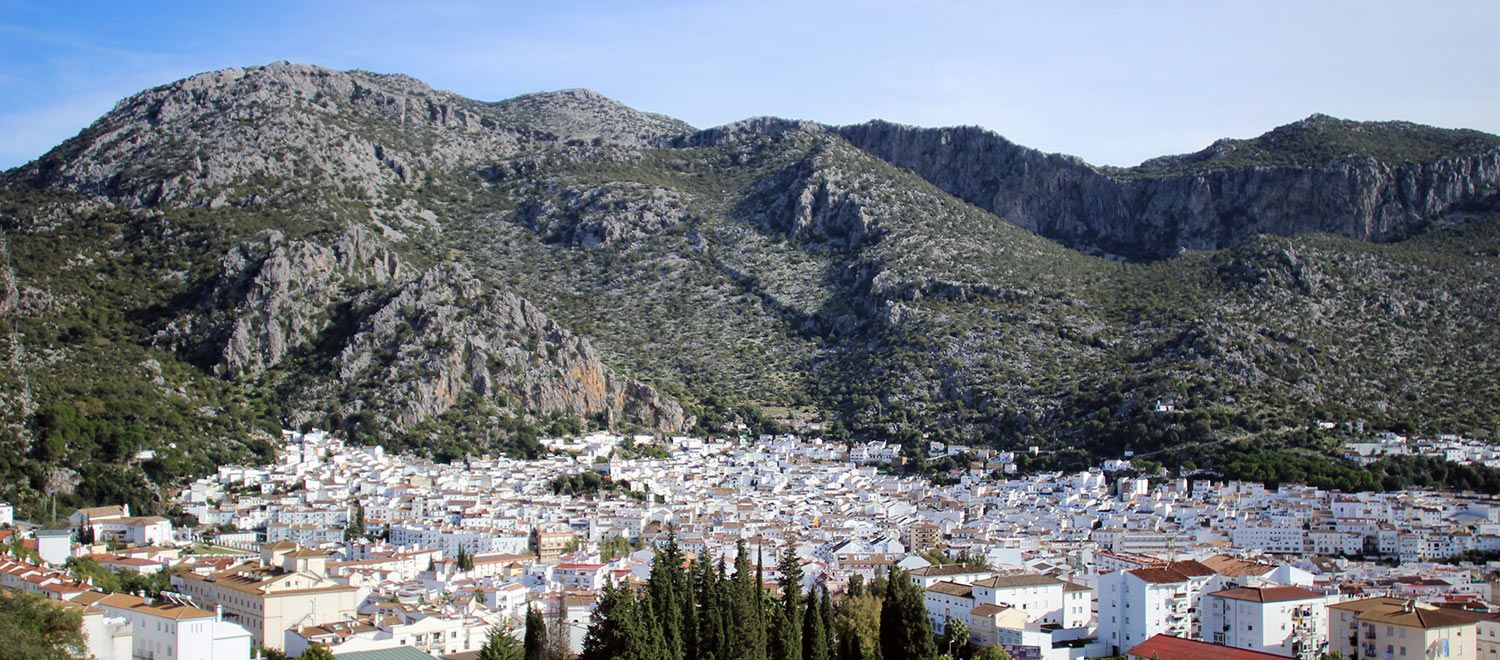
Explore the Betic Mountains on two wheels – Altravesur
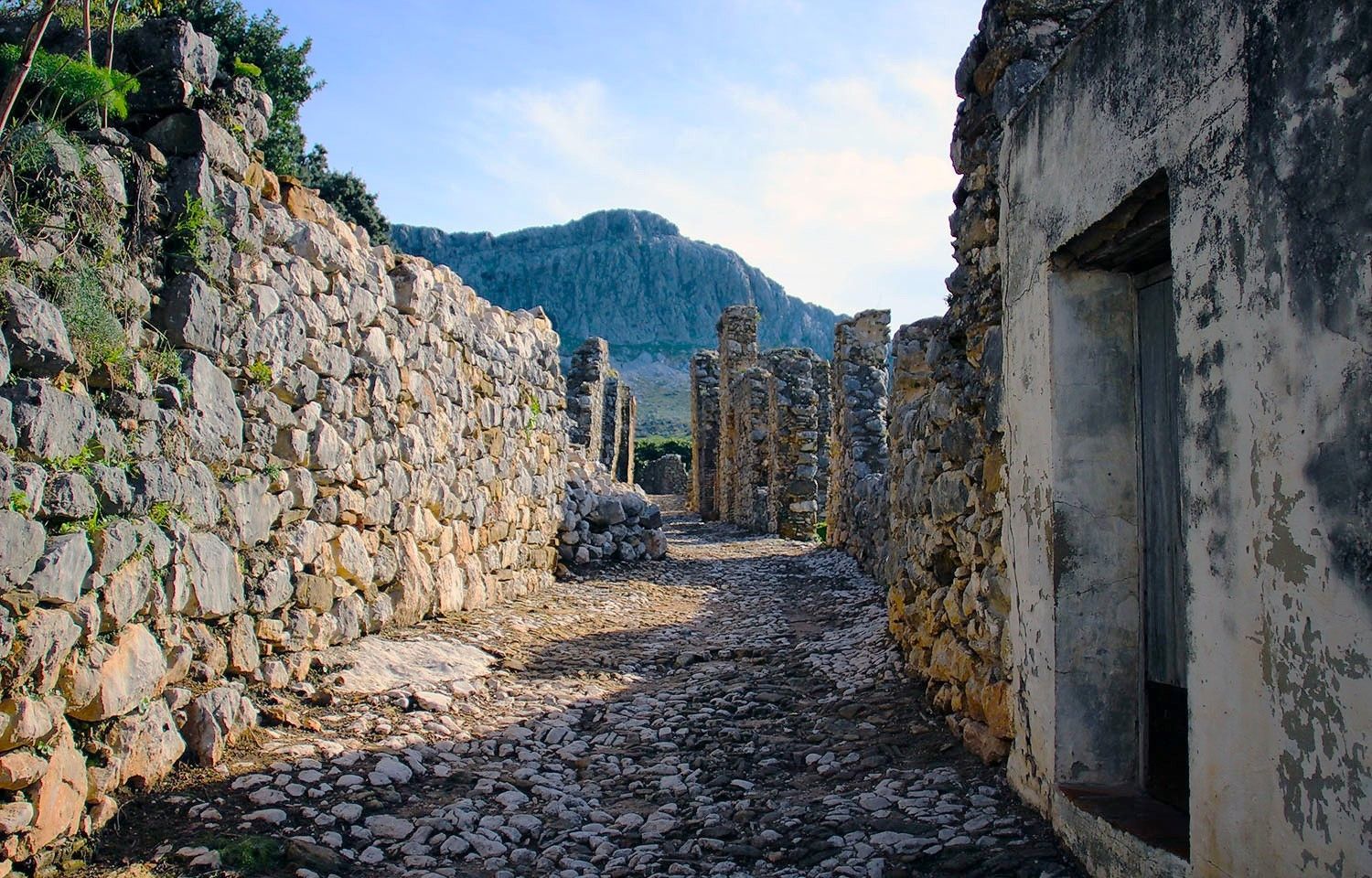
Andalusia without limits – Tarifa to La Puebla de Don Fabrique on the GR 7
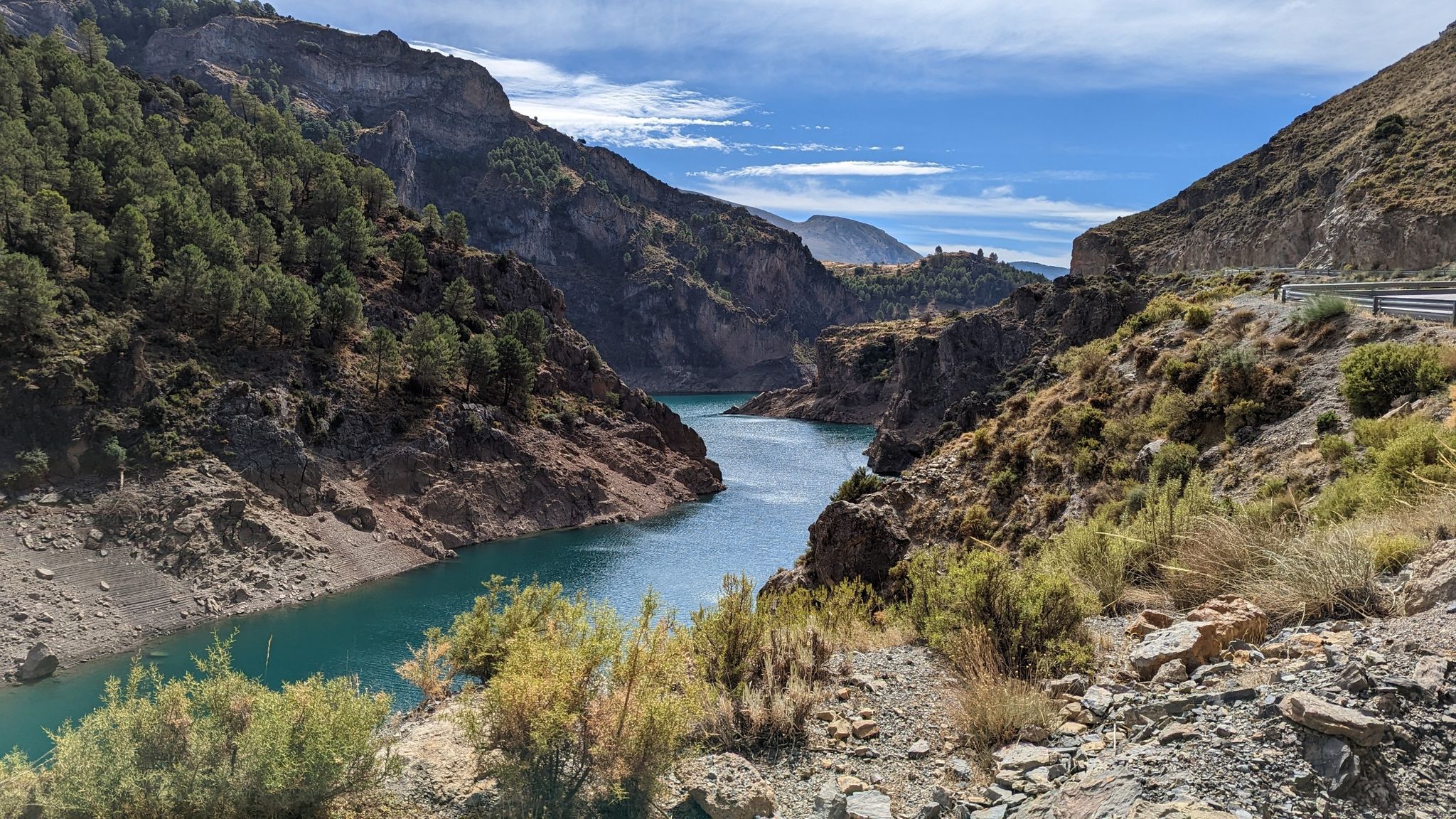
A journey through the Spanish hinterland – cycling across Andalusia
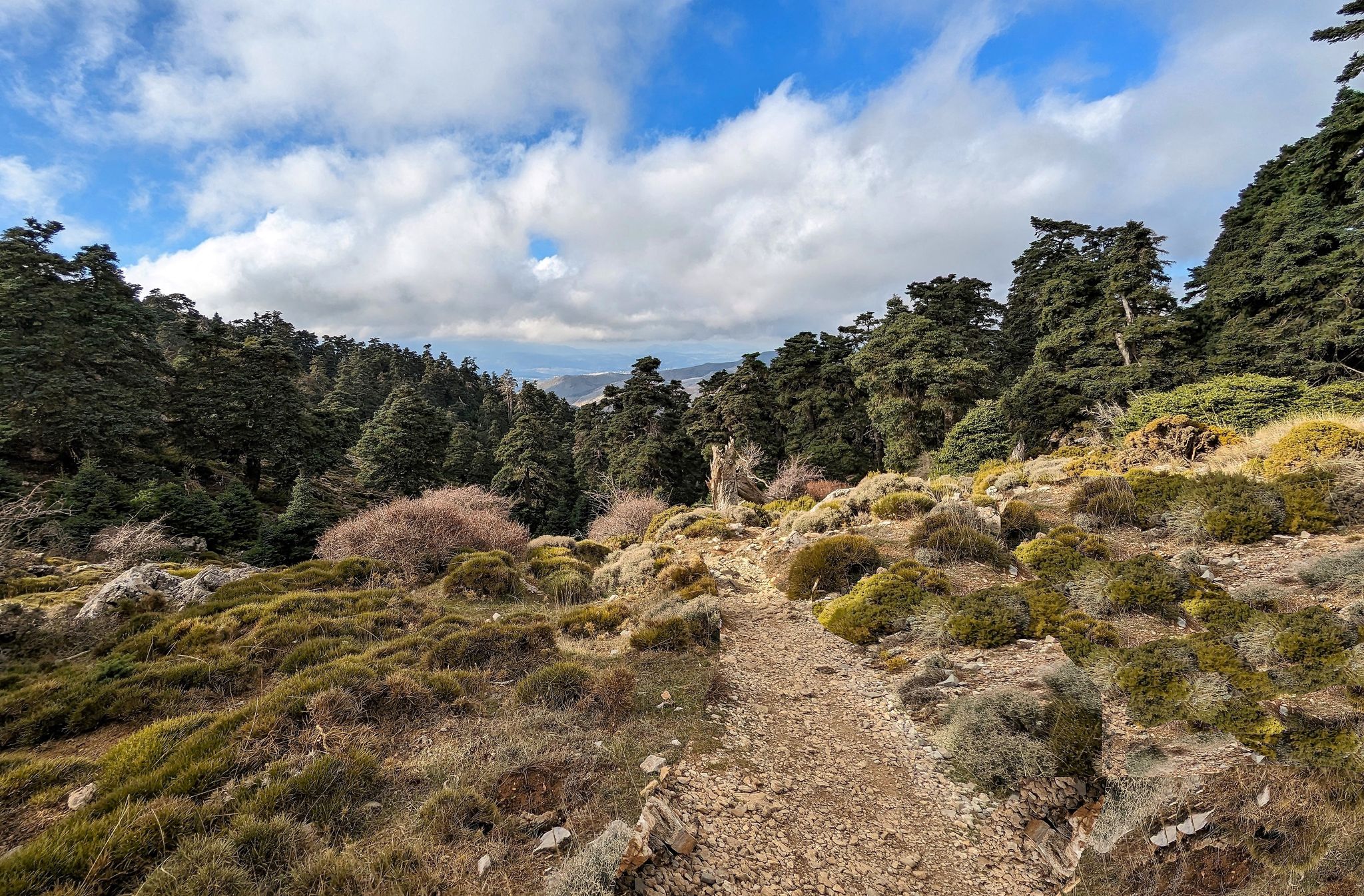
Magic in its purest form – hiking in Spain’s Sierra de las Nieves
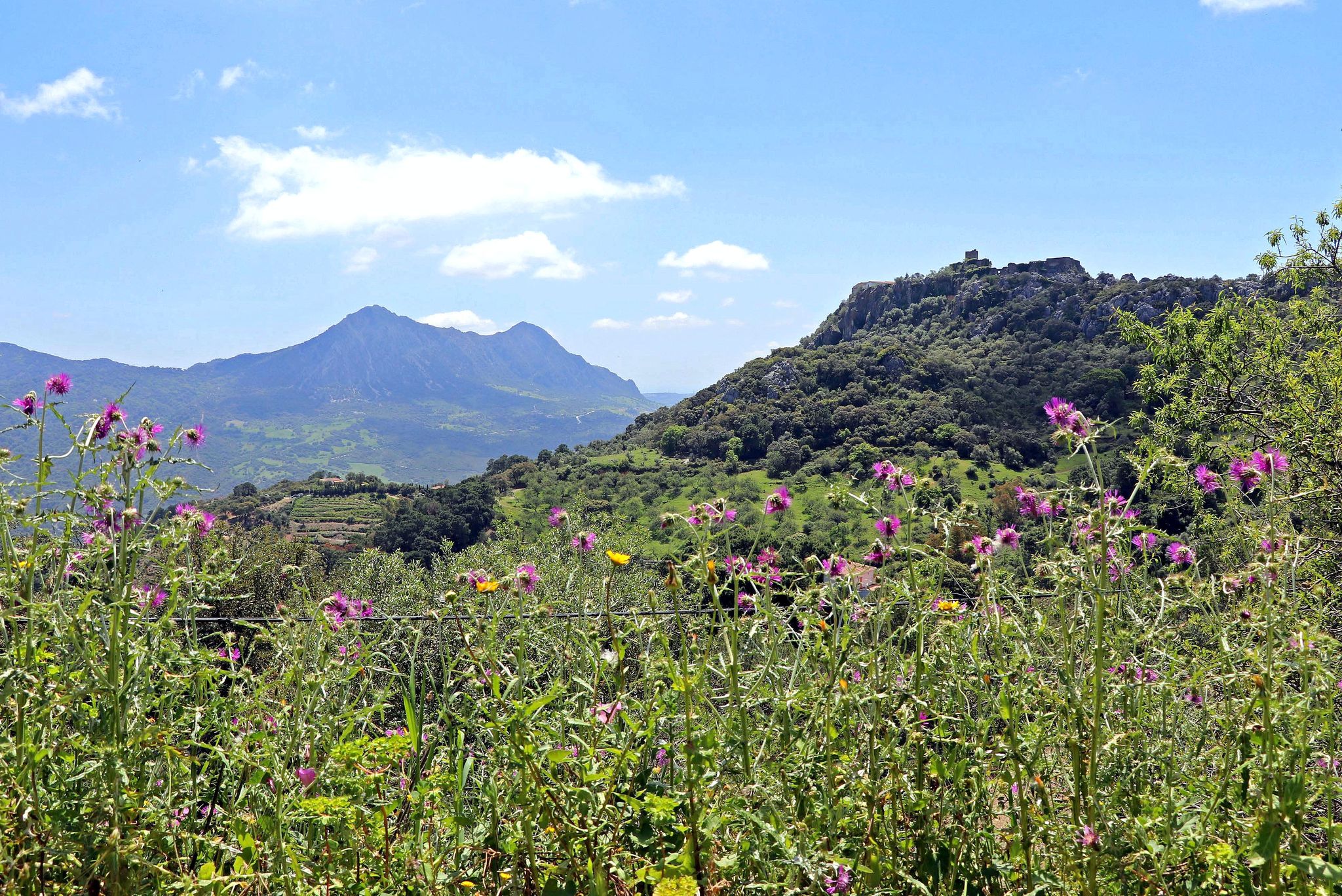
A jewel of Malaga – Gran Senda de la Serranía de Ronda (GR 141)
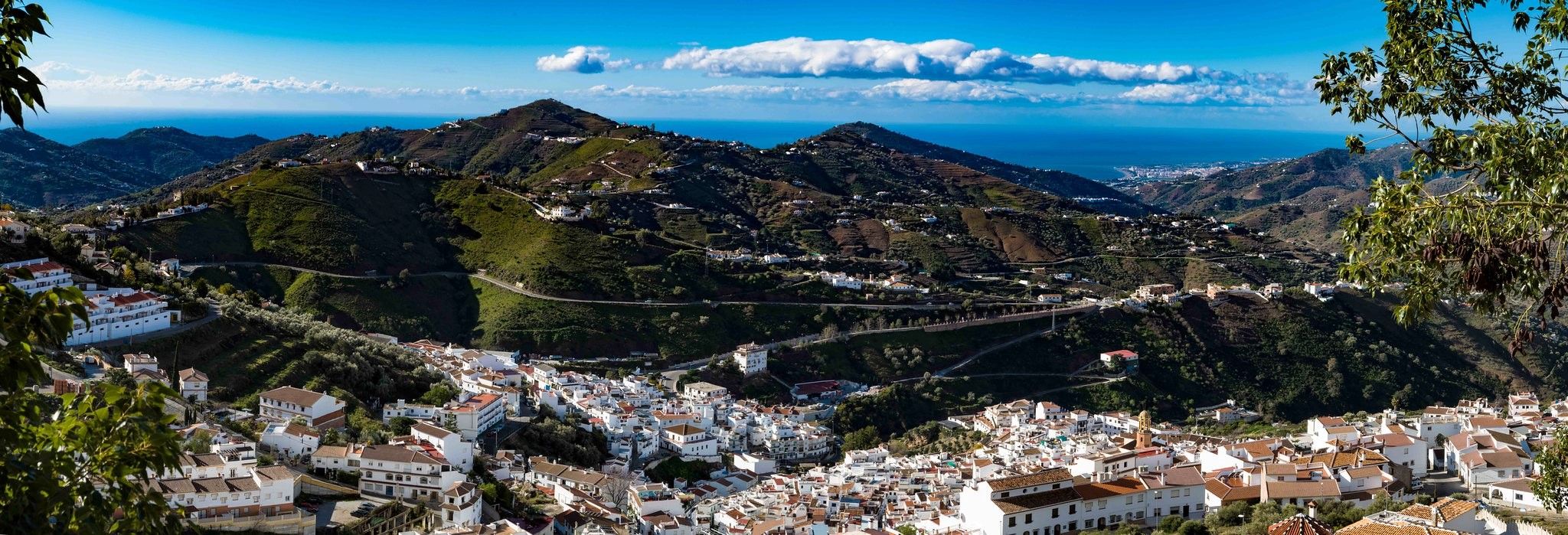
Hike between sea and mountains — Gran Senda de Málaga (GR 249)
Seven days walking along the Gran Senda de Málaga (GR 249)
Other adventures around Serrania De Ronda


Tips from the Community

A hiking trail leads from Ronda to below the bridge.
0
0

A very beautiful building
0
2

The Church of Our Lady of Mercy in Ronda is a historic church, built in 1585, known for housing a holy relic: the incorrupt hand of Saint Teresa of Ávila. It is a former convent complex, of which only the church and orchard remain today. Key Features and History: Year of Construction: The church dates from 1585 and is located in the historic center of Ronda. Convent: Originally a convent, it is now home to the Discalced Carmelites (shoeless Carmelites). Holy Relic: One of its most special features is the presence of the "incorrupt hand of Saint Teresa." Architecture: It is a three-aisled basilica decorated with 17th-century religious paintings. Location: The church is located in the northern part of Ronda, on Calle Virgen de la Paz, near the Alameda Gardens.
1
1
Above the gorge, so stately and refined, lies the Parador, with a view so pure. The palace embraces the mountains and stone, a place steeped in history, elegant and serene. The Tajo River sparkles, the Puente Nuevo nearby, whoever stays here feels Ronda's magic. A refuge of tranquility, of charm and splendor, where past and present gently await each other.
2
0
The Tajo de Ronda is the spectacular gorge that literally splits the heart of Ronda in two. 🌄 • It is approximately 120 meters deep and carved out by the Guadalevín River, which flows right through the city. • Impressive bridges stand above the gorge, the most famous and iconic of which is the Puente Nuevo. This bridge connects the old Moorish city with the newer part of Ronda. • For centuries, the Tajo served as both a natural defense against enemies and a challenge to urban expansion. • From its edges, you have breathtaking views of the Ronda valley, the Serranía mountains, and the white villages in the distance. It is one of the most photographed places in Andalusia and a highlight of Ronda's charm: nature and architecture in a dramatic interplay.
1
0

A very important pedestrian plaza in Ronda, it had to be completely restored after the War of Independence against the French. It houses important buildings, such as the Church of Socorro with its two bell towers, and the noble Casino building, where the congress was held a century ago and the Andalusian flag was created. Right in the center, the plaza houses a fountain depicting Hercules, columns, and lions alluding to the symbols of Andalusia, and behind it a sculpture in homage to Blas Infante. The plaza is fully accessible. There is a parking lot.
8
0

From the new bridge there is a good view of Puente Viejo: an old stone bridge that is one of three bridges that spans the deep Tajo de Ronda gorge with the Guadalevín river in it.
19
1

A very popular location. The main building is the old town hall of Ronda, built in the 18th century, of which the original main facade with an arcaded gallery, cornices and the traditional clock still remains today. The rest of the complex is located on the site where the Plaza de Abastos Central was until 1974 and on other adjacent plots where a cable car station over the Tajo de Ronda was to be built. The current hotel "Parador de Ronda" is part of the network of National Tourism Paradors and is located in the center of the city of Ronda. Most Paradores in Spain are located in historically significant places or in outstanding landscape locations and often offer remarkably beautiful views. The hotel opened in 1994, is located on the edge of the Tajo de Ronda and next to the Puente Nuevo and offers views of the Tajo Gorge and the Los Molinos Valley with the Guadalevín River. There is a publicly accessible promenade around the Parador with terraces and viewing points. You don't have to stay in a hotel room - a short break on the outdoor terrace with coffee and cake is already a special experience. An extraordinary atmosphere combined with wonderful views and impressions. It will stay in your memory!
9
0
Frequently Asked Questions
What natural features can I explore in Serrania De Ronda?
The region is rich in natural beauty. You can visit the dramatic Tajo de Ronda (Ronda Gorge), carved by the Guadalevín River. Further afield, explore the UNESCO Biosphere Reserves of Sierra de las Nieves National Park and Sierra de Grazalema Natural Park, known for their diverse ecosystems and wildlife. Don't miss the prehistoric cave paintings at Cueva de la Pileta or the natural lagoon at Cueva del Gato.
Are there historical sites to visit beyond Ronda's main attractions?
Yes, beyond Ronda's iconic bridges and bullring, you can explore the ancient Roman city of Acinipo Archaeological Site, featuring a well-preserved Roman theatre. Other notable historical sites include La Casa del Rey Moro with its unique gardens and staircase, the Palacio de Mondragón which houses the Ronda Museum, and the remarkably preserved Arab Baths. The Castillo del Águila in Gaucín also offers historical significance with panoramic views.
What are the best viewpoints in Serrania De Ronda?
For breathtaking vistas, the View of the Puente Nuevo and El Tajo Gorge is considered one of the best in Ronda. The Parador of Ronda also offers unparalleled views of the gorge. Outside the city, the Castillo del Águila in Gaucín provides 360-degree panoramic views of the entire Serranía de Ronda and beyond.
What cultural experiences can I find in the region?
Serranía de Ronda offers a rich cultural tapestry. You can explore the charming White Villages (Pueblos Blancos) like Setenil de las Bodegas with its cave houses, or Júzcar, the 'Smurf Village.' The region also boasts a growing wine industry with many wineries offering tours and tastings. Traditional crafts like forging, furniture-making, and ceramics are still practiced, and local festivals such as the Moors and Christians Festival in Benadalid or the Festival de la Castaña in Pujerra provide unique insights into local traditions.
Are there family-friendly attractions in Serrania De Ronda?
Many attractions are suitable for families. The Parador of Ronda and Plaza del Socorro are noted as family-friendly. Exploring the White Villages, visiting the Ronda Bullring, or taking an easy walk along the Alameda del Tajo park are also great options. The Cueva del Gato, with its natural lagoon, can be a fun spot for older children to cool off.
What outdoor activities are available near these attractions?
The Serranía de Ronda is ideal for outdoor enthusiasts. You can find numerous road cycling routes, including challenging loops like the Ronda and the Blue Village of Júzcar Loop. For hikers, there are mountain hikes in areas like Grazalema and waterfall hikes, such as the Parque Nacional de la Sierra de las Nieves loop. You can find more details and routes on the Road Cycling Routes around Serrania De Ronda, Mountain Hikes around Serrania De Ronda, and Waterfall hikes around Serrania De Ronda guide pages.
Where can I find easy walks or beginner hiking routes in the Ronda area?
For easier walks, consider the Alameda del Tajo, a beautiful 19th-century public park in Ronda offering panoramic views. Many of the White Villages also offer pleasant strolls through their charming streets. For beginner hiking routes, look for trails with 'easy' difficulty grades, such as the Trail along the creek – Charco de la Virgen Waterfall loop from Tolox, which is listed as an easy waterfall hike.
What is the best time to visit Serrania De Ronda for outdoor activities?
The region is generally pleasant for outdoor activities during spring and autumn. Spring brings wildflowers and mild temperatures, while autumn offers the spectacular 'Copper Forest' in the Genal Valley as chestnut and cork oak trees change color. Summers can be very hot, making early mornings or late afternoons preferable for activities. Winters are milder but can be cooler and wetter, especially in the mountains.
Are there any unique villages to visit in the Serrania De Ronda?
Absolutely! The Serranía de Ronda is famous for its 'Pueblos Blancos' or White Villages.
Setenil de las Bodegas is unique for its houses built directly into rock formations. Júzcar gained fame as the 'Smurf Village' when its buildings were painted blue. Other picturesque villages include Gaucín, Benadalid, Montejaque, Benaoján, and Genalguacil, each offering its own charm and character.
What are the most popular attractions in Ronda itself?
Within Ronda, the most iconic attraction is the Puente Nuevo (New Bridge), spanning the dramatic El Tajo gorge. The Arab Bridge of Ronda is the oldest of the city's three bridges. Other popular spots include the historic Ronda Bullring and the beautiful Church of Santa María la Mayor.
Can I find wild swimming spots in Serrania De Ronda?
Yes, the region offers natural spots for cooling off. The Cueva del Gato (Cat Cave) is known for its unique cave complex with crystal-clear, cold water forming a natural lagoon, making it an ideal spot for wild swimming. The Guadiaro River is also popular for water sports, including canoeing and canyoning, in certain areas.
What kind of wildlife can I expect to see in the natural parks?
The natural parks in Serranía de Ronda are rich in biodiversity. Sierra de las Nieves National Park is home to the rare Spanish fir (Abies pinsapo) and provides habitat for golden eagles, peregrine falcons, roe deer, wild boar, and several endangered bat species. Sierra de Grazalema Natural Park is renowned for its birdlife, particularly griffon vultures. The entire Serranía de Ronda is a significant birding hotspot, lying along a major migration route with around 250 recorded species.
Most popular routes around Serrania De Ronda
Most popular attractions around Serrania De Ronda

Get inspired with the komoot mobile app


Didn’t find what you were looking for?
Are you keen on exploring more awesome places nearby? Browse our guides:
Explore more
Still not found the Highlight you’re looking for? See guides of the top attractions in other regions:
