Attractions and Places To See around Centro-Sur O Guadalorce - Top 20
Best attractions and places to see around Centro-Sur O Guadalorce, also known as the Guadalhorce Valley, is a diverse region in Andalusia, Spain. It features fertile lands, traditional villages, and geological formations carved by the Guadalhorce River. The area offers a mix of natural beauty, historical landmarks, and cultural experiences for visitors.
Best attractions and places to see around Centro-Sur O Guadalorce
- The most popular attractions is Puerto Marina, Benalmádena, a man-made facility considered an impressive port and residential…
Last updated: July 20, 2026
Caminito del Rey
Highlight • Trail
Translated by Google •
Tip by

Acequia Trail along the Guadalmina River
Highlight • Trail
Translated by Google •
Tip by

Sign up now to discover places like this
Get recommendations on the best single tracks, peaks, & plenty of other exciting outdoor places.
Sign up for free
Charco de la Virgen
Highlight • Waterfall
Showing Translation
Tip by

Plaza de los Naranjos
Highlight • Settlement
Translated by Google •
Tip by

Arabic Steps
Highlight • Trail
Translated by Google •
Tip by

Puerto Marina, Benalmádena
Highlight • Structure
With its unique architecture …
Translated by Google •
Tip by

Alameda Park, Marbella
Highlight • Forest
Geocaching Info: A fairly easy cache …
Translated by Google •
Tip by

Los Gitanos Viewpoint
Highlight • Viewpoint
Translated by Google •
Tip by
Avenida del Mar
Highlight • Monument
Translated by Google •
Tip by
Venus Fountain
Highlight • Monument
Translated by Google •
Tip by
Sign up for free to discover even more attractions around Centro-Sur O Guadalorce.
Sign up for free
Already have an account?
Start today with a free account
Your next adventure awaits.
Login or Signup
Popular around Centro-Sur O Guadalorce

Triathlon 360 – my journey around the world
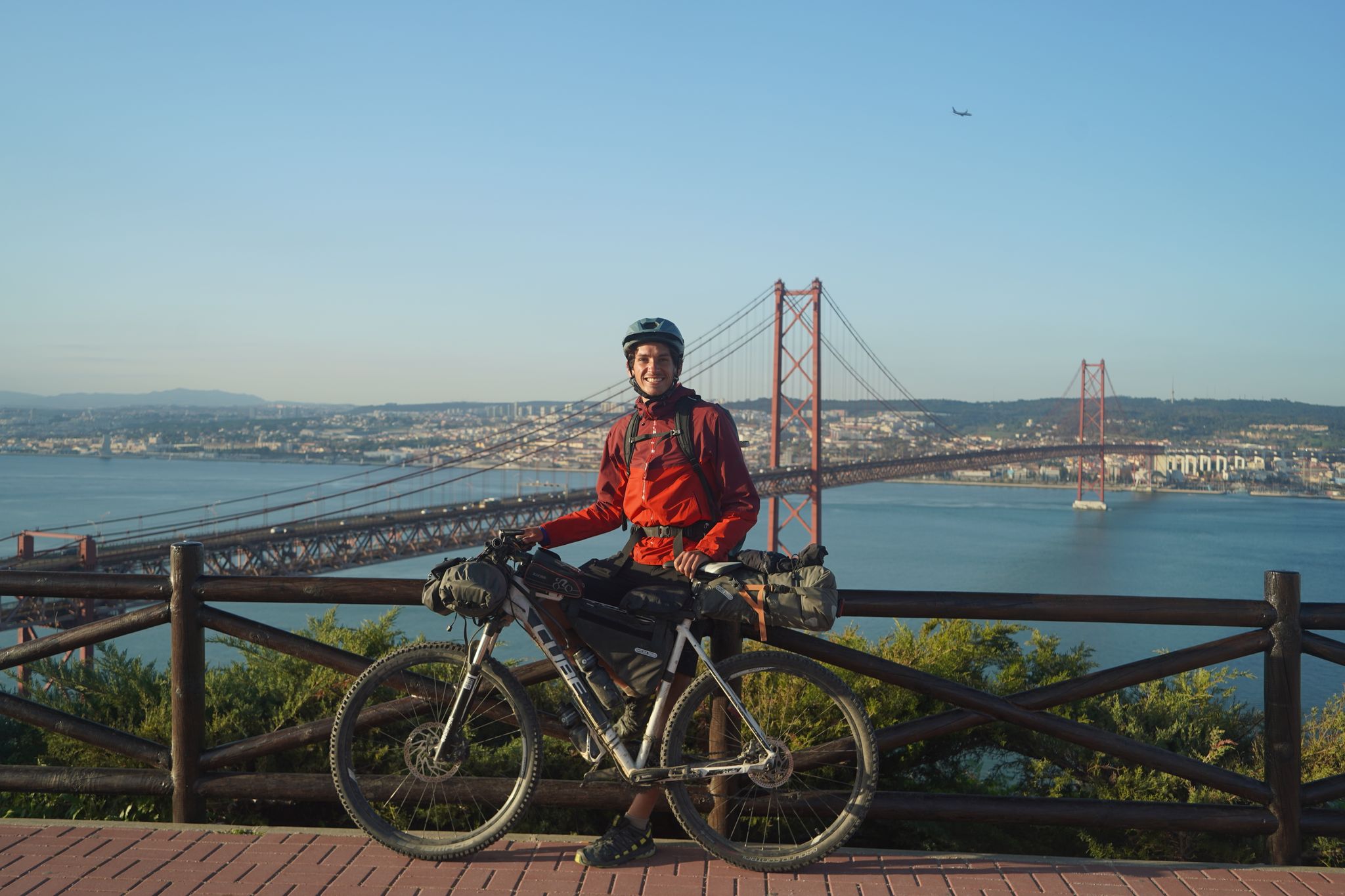
Road to Lisbon – bikepacking the Alps, Pyrenees and Picos de Europa
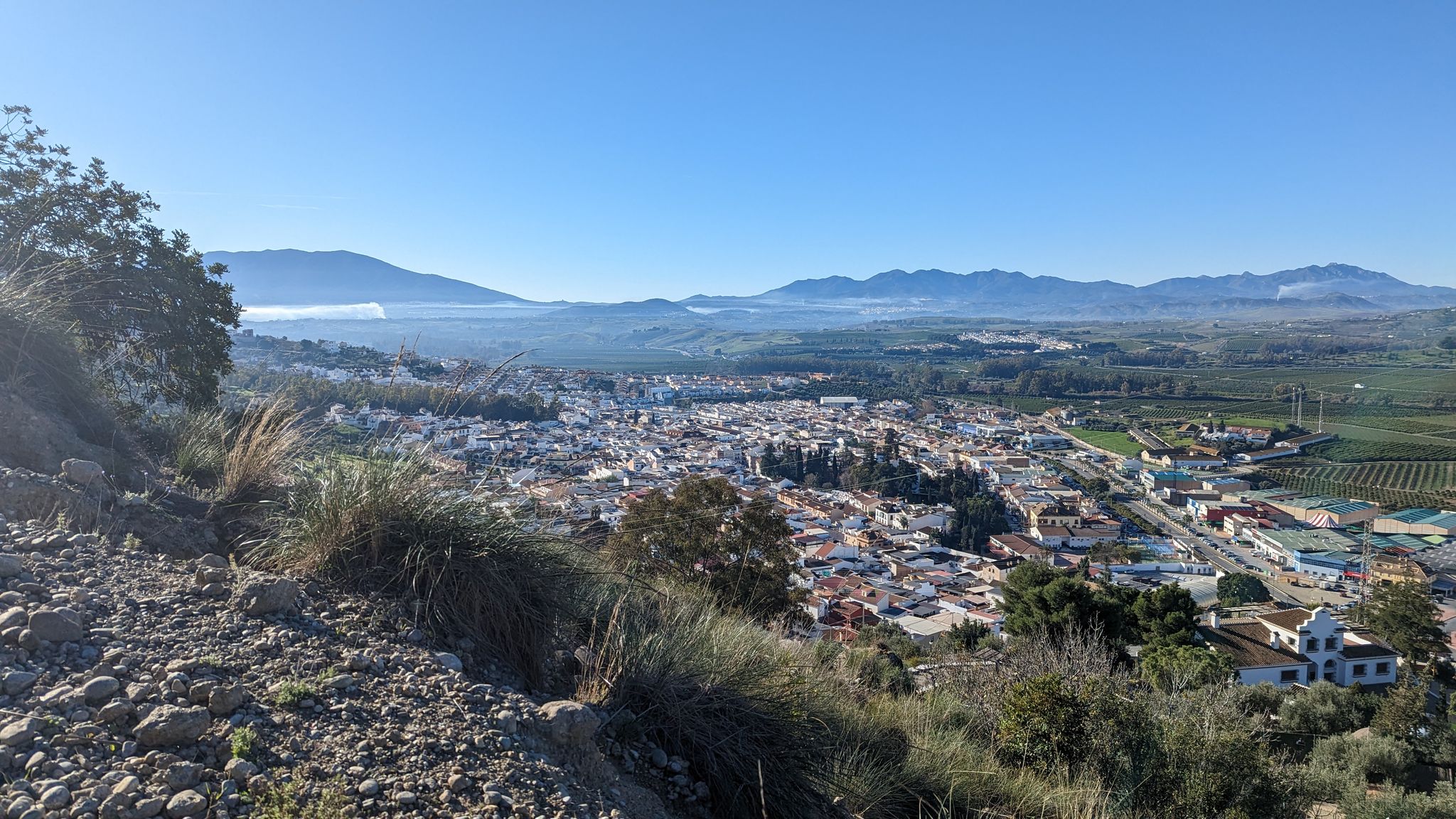
River path to the sea in Andalusia – Gran Senda del Guadalhorce (GR 248)
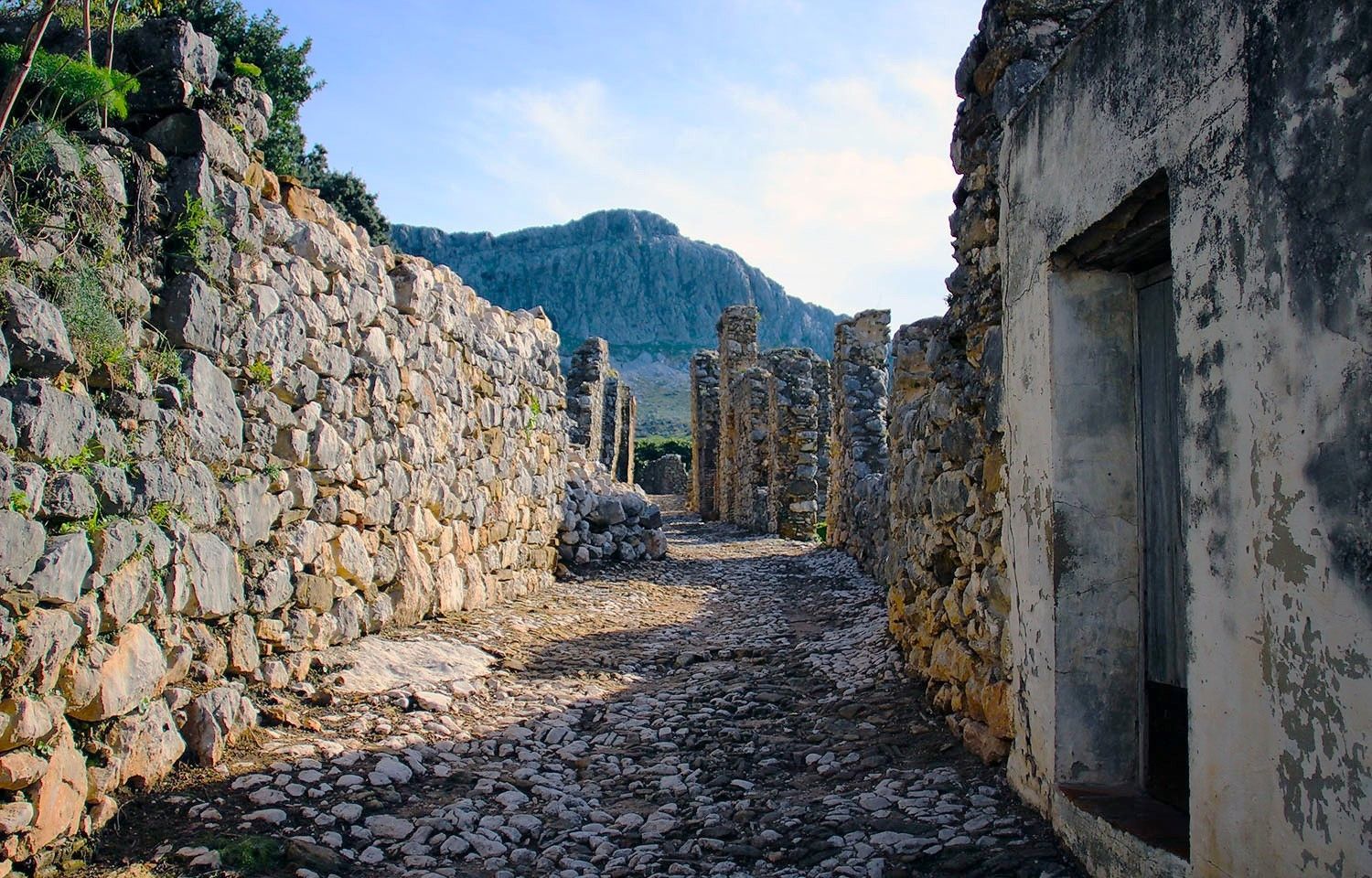
Andalusia without limits – Tarifa to La Puebla de Don Fabrique on the GR 7
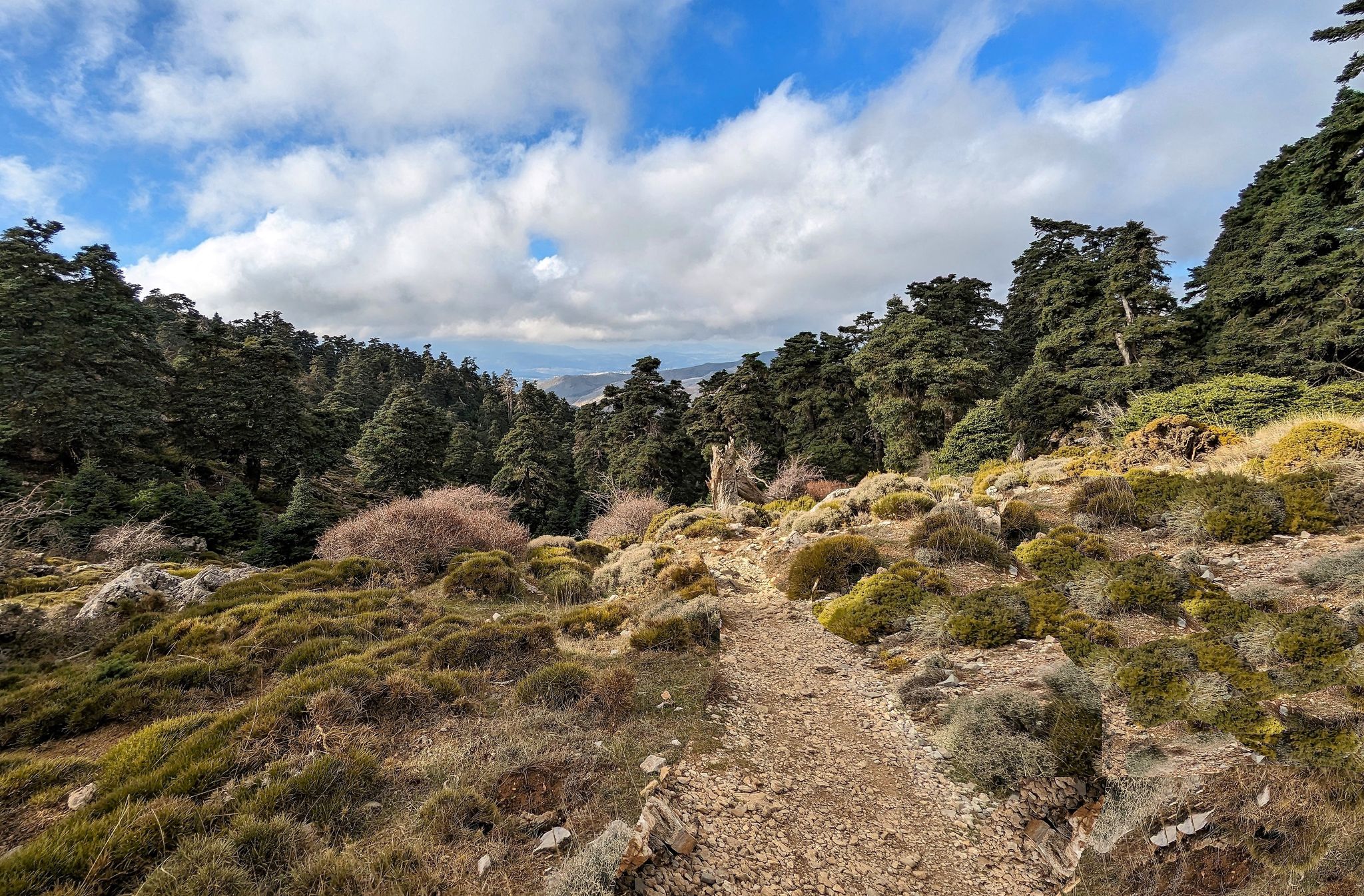
Magic in its purest form – hiking in Spain’s Sierra de las Nieves
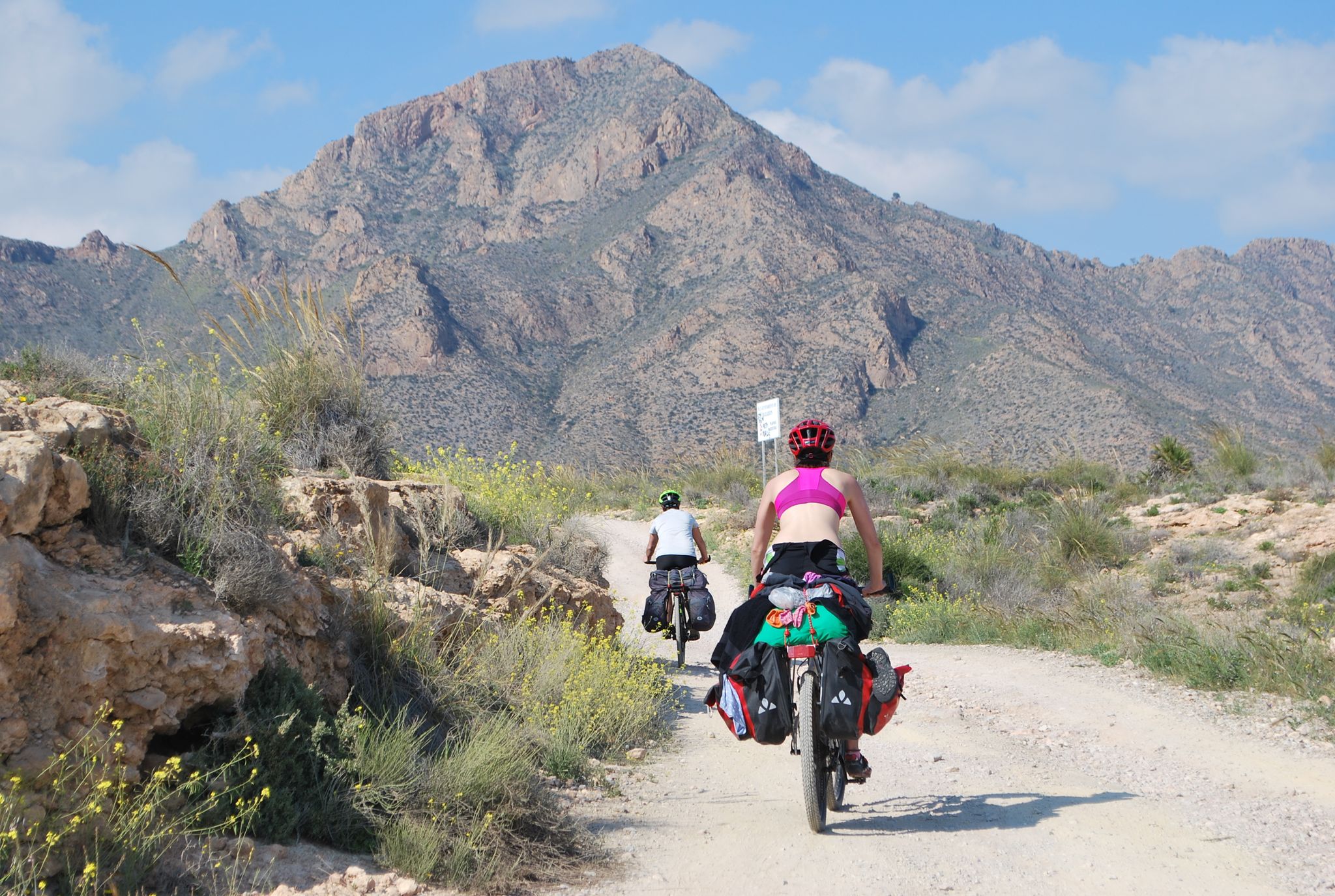
Mediterranean coastal paradise – EuroVelo 8 in Spain
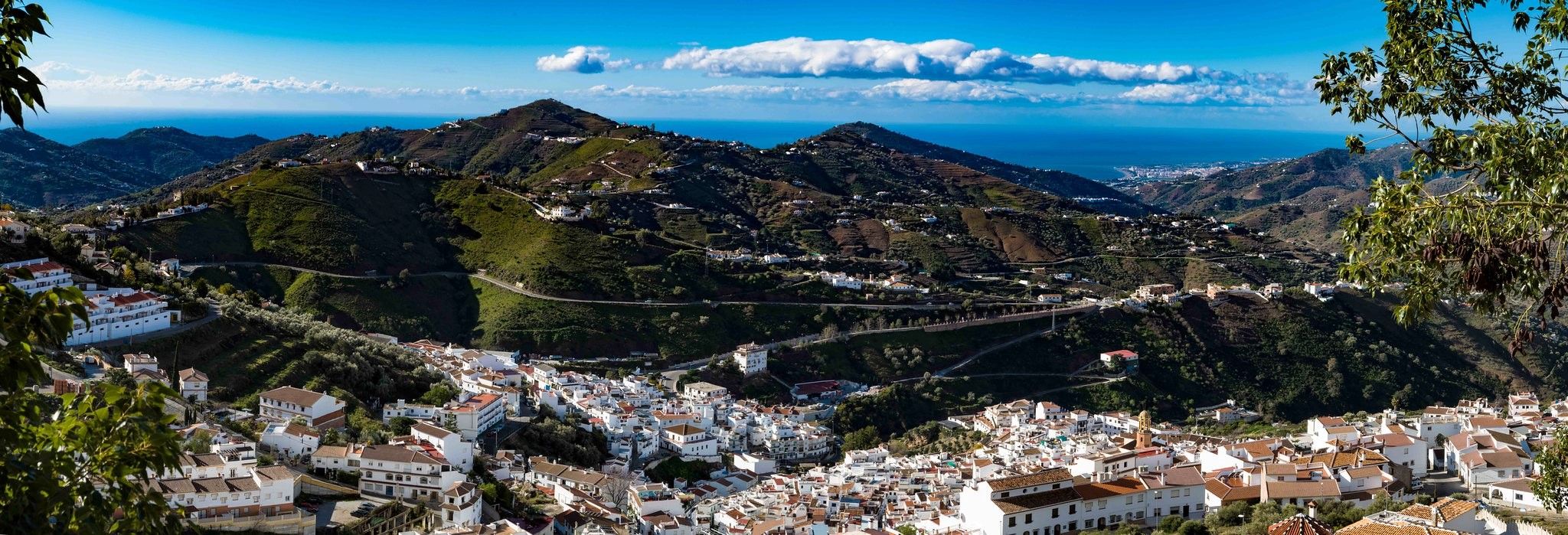
Hike between sea and mountains — Gran Senda de Málaga (GR 249)
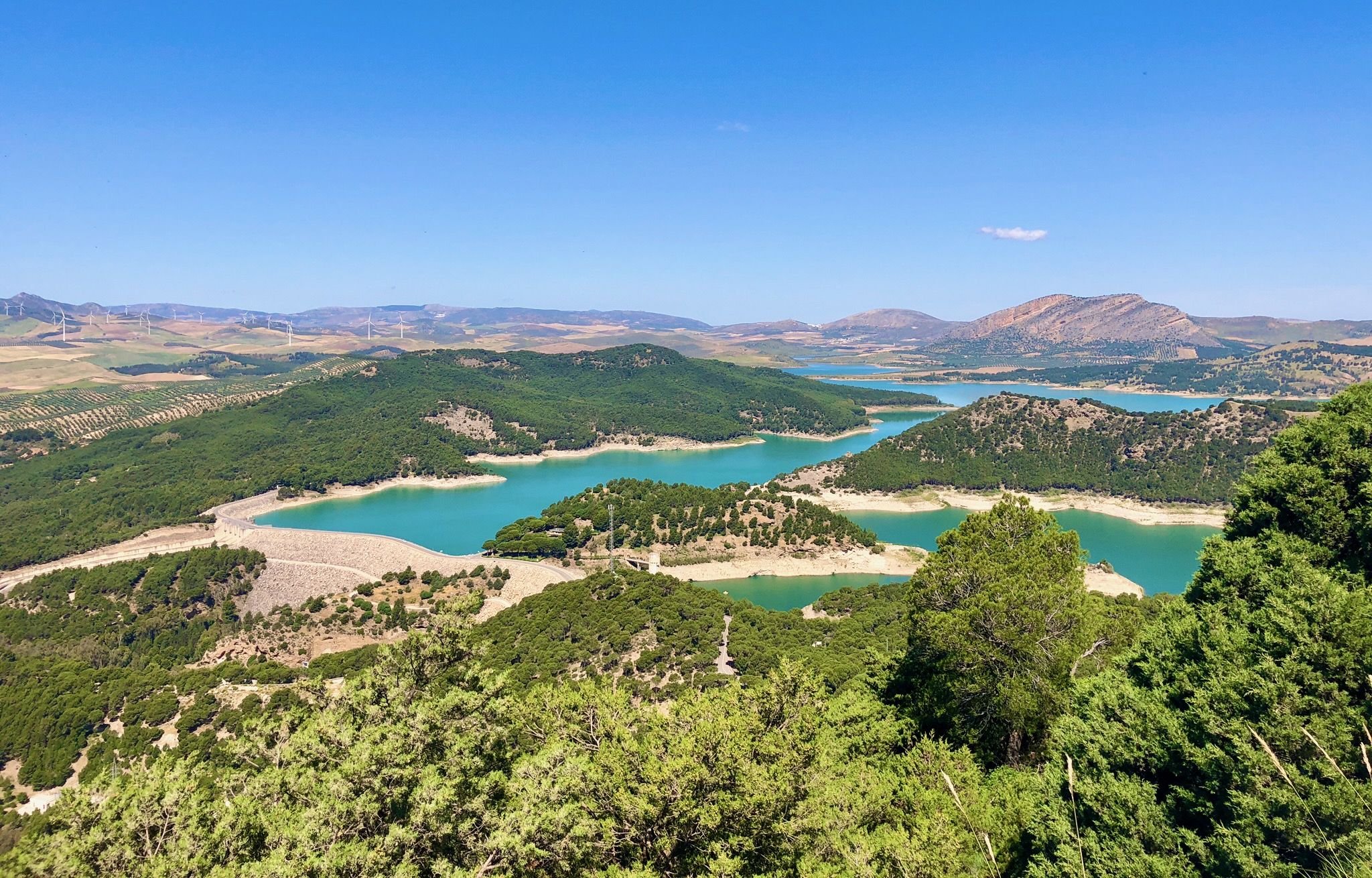
Seven days walking along the Gran Senda de Málaga (GR 249)
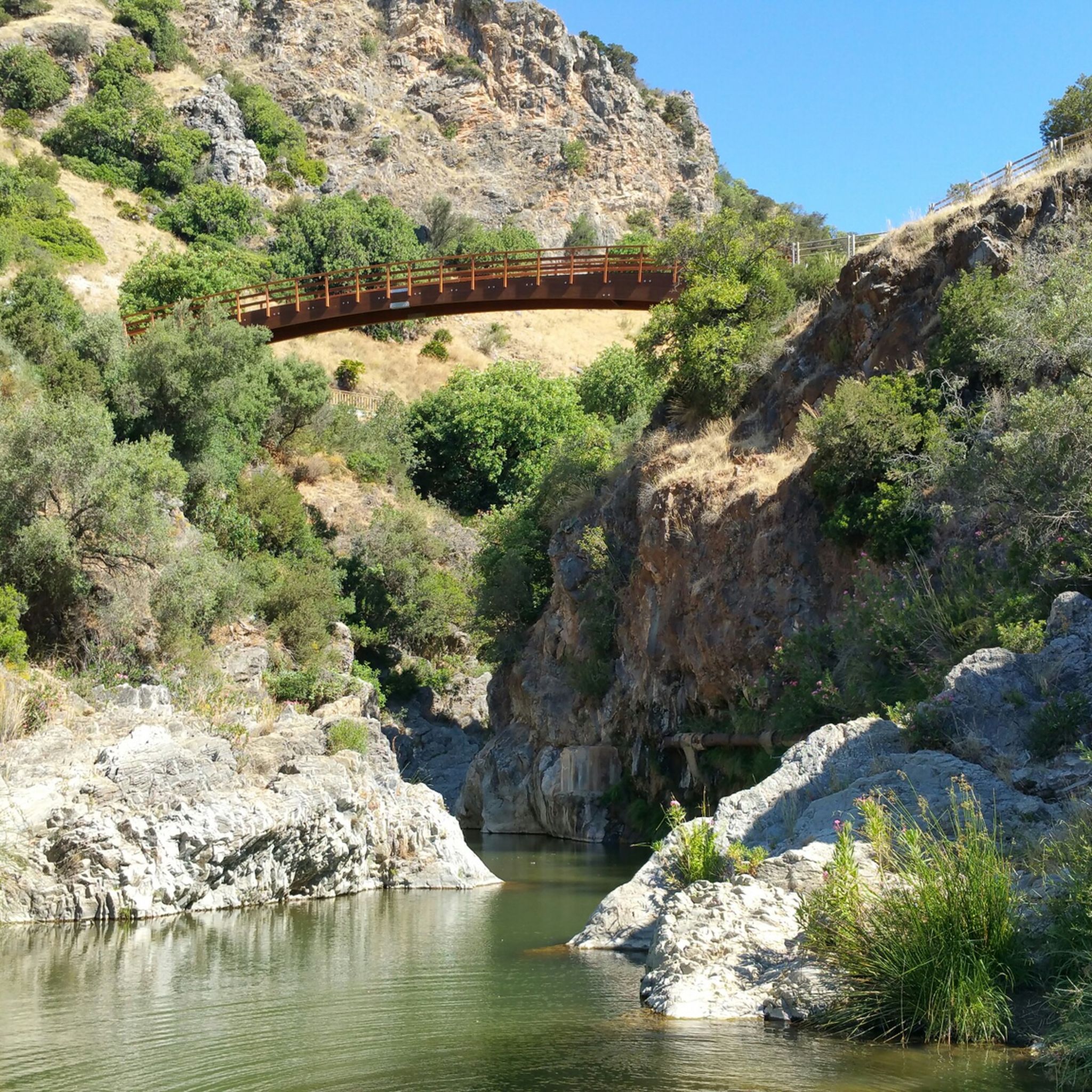
Hiking around Centro-Sur O Guadalorce
Road Cycling Routes around Centro-Sur O Guadalorce
Other adventures around Centro-Sur O Guadalorce


Tips from the Community

El Charco de la Virgen is a natural pool fed by an 18-meter waterfall in the bed of the río de los Caballos river. To reach the last section, you have to enter the riverbed itself and advance by jumping between rocks. In summer it is a very popular destination for swimming, although it should be noted that the place is shady and the water remains cold almost all year round. If the summer has been dry, the flow may be disappointing: the best time to see it with its full force is spring.
1
0

A wonderful path to enjoy!
0
0

An "Acequia" (from the Arabic "Assáqya") is an irrigation system used exclusively for irrigation. It is divided into various channels and utilizes the topography of the terrain to direct water to different areas. This ingenious engineering feat is still used today. In the past, there was an "Alcalde de Aguas" who was responsible for controlling irrigation times and cleaning the system.
0
0

A lot of green trees. There is a 2 fountains. The history of this place dates back to the XVIII century.
1
0

Avenida del Mar in Marbella is an elegant promenade connecting Parque de la Alameda with the beachfront, making it ideal for a short bike ride. Redesigned in the 1990s with marble paving, Mediterranean plants, pergolas, and decorative fountains, it blends urban life with a relaxed coastal atmosphere. The promenade's highlight is its collection of ten bronze sculptures by Salvador Dalí, complemented by works from local artist Eduardo Soriano, creating the effect of an open-air museum. Among Dalí's famous works are Perseo con la cabeza de Medusa, Don Quijote Sentado, Elefante Cósmico, and Caballo con jinete tropezando, which, together with the architecture and sea views, combine to create a rich cultural experience. A visit to or a short stroll along Avenida del Mar offers art, history, and Mediterranean flair in a compact space, perfect for a quick bike ride.
2
0
Parque de la Alameda in Marbella is one of the city's oldest and most beautiful parks. Centrally located between the Old Town (Casco Antiguo) and Avenida del Mar, it forms a green oasis amidst the urban bustle. Dating back to the 18th century, the park is renowned for its shady paths, lush tropical vegetation, and intricately decorated ceramic benches adorned with colorful azulejos (tiles) depicting scenes from Marbella's history. At its heart lies a large, ornamental fountain surrounded by palm trees and bougainvillea. Thanks to its location and atmosphere, Parque de la Alameda serves as a popular meeting place and haven of tranquility for both locals and visitors, harmoniously blending nature, art, and Andalusian tradition.
3
0


Frequently Asked Questions
What are some highly-rated attractions in Centro-Sur O Guadalorce?
Visitors frequently praise the unique architecture and vibrant atmosphere of Puerto Marina, Benalmádena. For breathtaking panoramic views, Los Gitanos Viewpoint is a popular choice, offering extensive vistas after an ascent. Additionally, Alameda Park, Marbella is cherished as a large green space with diverse flora, perfect for recreation in the city center.
Are there any impressive natural gorges or canyons to visit in the region?
Yes, the region is renowned for its dramatic gorges. The Guadalmina Gorge and Acequia Trail offers opportunities for swimming and navigating the river. Another significant natural wonder is the Gaitanes Gorge, carved by the Guadalhorce River, which is famously traversed by the Caminito del Rey, offering spectacular views.
Where can I find scenic viewpoints in Centro-Sur O Guadalorce?
Beyond Los Gitanos Viewpoint, which offers extensive panoramic views, the Arabic Steps near El Chorro provide stunning views of the reservoirs and rock walls. The Caminito del Rey itself is essentially a continuous viewpoint, offering many breathtaking vistas along the Gaitanes Gorge.
What historical landmarks or castles can I explore?
The region boasts several historical sites. Colomares Castle is a unique and intricate monument. Other notable historical sites include Álora Castle, perched on a hill with panoramic views, and the Alcazaba de Cartama, a well-preserved Moorish fortress. The Mozarabic cave church of Bobastro is also an emblematic rock-hewn church and archaeological site.
Are there family-friendly attractions in Centro-Sur O Guadalorce?
Absolutely. Many attractions are suitable for families, such as Puerto Marina, Benalmádena, with its unique architecture and lively atmosphere. Alameda Park, Marbella offers a large green space for recreation. Additionally, Paloma Park in Benalmádena features a central lake, walking trails, and diverse flora and fauna, including peacocks and rabbits, making it a great family outing.
What kind of hiking trails are available around Centro-Sur O Guadalorce?
The region offers a wide variety of hiking experiences. You can find challenging mountain hikes, such as those around Pico Huma, or more moderate trails like the Caminito del Rey. There are also specific waterfall hikes, including routes to Barranco Blanco Waterfalls. For more details on routes and difficulty, explore the Mountain Hikes and Waterfall Hikes guides.
Are there cycling routes in the Guadalhorce Valley?
Yes, the Guadalhorce Valley and surrounding areas offer numerous cycling routes. You can find diverse options ranging from moderate to difficult, including loops around the Embalse de la Concepción or longer rides through the Sierra Alpujata. For detailed routes and their difficulty, check out the Cycling around Centro-Sur O Guadalorce guide.
Are there opportunities for water activities or wild swimming?
The region's reservoirs, such as Guadalteba, Guadalhorce, and Conde del Guadalhorce, are popular for water sports like kayaking and paddleboarding. The Guadalmina Gorge and Acequia Trail is known for opportunities to swim and navigate the river. Additionally, the Hell's Pool canyon, carved by the Manilva River, offers unique rocky formations for exploration.
What natural parks are there for wildlife and outdoor exploration?
The Guadalhorce Valley is home to significant natural parks. The Desembocadura del Guadalhorce Natural Park is a crucial stopover for migratory birds, offering excellent birdwatching opportunities. Montes de Málaga Natural Park, near Álora, provides various hiking trails through pine forests, where you might spot wildlife like wild boar and birds of prey.
When is the best time to visit Centro-Sur O Guadalorce for outdoor activities?
The best time for outdoor activities in Centro-Sur O Guadalorce is generally during the spring (March to May) and autumn (September to November) when the weather is mild and pleasant. Summers can be very hot, making strenuous activities less comfortable, while winters are generally mild but can have more rainfall.
Are there any wheelchair-accessible attractions in the area?
Yes, some attractions offer wheelchair accessibility. Plaza de los Naranjos and Avenida del Mar are noted for being wheelchair-friendly. Alameda Park, Marbella also provides accessible paths within its green spaces.
What archaeological sites can I visit in Centro-Sur O Guadalorce?
The region has a rich archaeological heritage. The Ardales Cave is significant for its ancient cave paintings, Neolithic sites, and Chalcolithic burials. Near the Caminito del Rey, you can find the Necropolis of Las Aguilillas, a prehistoric burial site, and the Mozarabic cave church of Bobastro, an emblematic rock-hewn church.
Most popular routes around Centro-Sur O Guadalorce
Most popular attractions around Centro-Sur O Guadalorce

Get inspired with the komoot mobile app


Didn’t find what you were looking for?
Are you keen on exploring more awesome places nearby? Browse our guides:
Explore more
Still not found the Highlight you’re looking for? See guides of the top attractions in other regions:
