Attractions and Places To See around Jiloca - Top 20
Attractions and places to see around Jiloca include a diverse landscape situated between Zaragoza and Teruel in Aragon, Spain. The region is characterized by the Jiloca river valley, which features historical landmarks, natural formations, and cultural sites. This area offers a blend of architectural heritage and significant ecological zones.
Best attractions and places to see around Jiloca
- The most popular attractions is Ojos Negros Mill, a restored mill that dates back to the 16th-17th century. Visitors can enter to…
Last updated: August 30, 2026
Ojos Negros Mill
Highlight • Monument
Translated by Google •
Tip by

Calamocha
Highlight • Settlement
Translated by Google •
Tip by

Sign up now to discover places like this
Get recommendations on the best single tracks, peaks, & plenty of other exciting outdoor places.
Sign up for free
Monreal del Campo
Highlight • Settlement
Translated by Google •
Tip by
Roman bridge of Luco de Jiloca
Highlight • Bridge
Translated by Google •
Tip by

Santander–Mediterranean Greenway
Highlight • Cycleway
Translated by Google •
Tip by
Laguna del Cañizar
Highlight • Lake
Translated by Google •
Tip by

Santa Eulalia del Campo Station
Highlight • Rest Area
Here you can find informative signs and a rest area with picnic tables.
Translated by Google •
Tip by
Cella Canal
Highlight • River
Translated by Google •
Tip by

Rural landscape around Cella
Highlight • Natural
Translated by Google •
Tip by
Ojos Negros Greenway
Highlight • Cycleway
Translated by Google •
Tip by
Sign up for free to discover even more attractions around Jiloca.
Sign up for free
Already have an account?
Start today with a free account
Your next adventure awaits.
Login or Signup
Popular around Jiloca
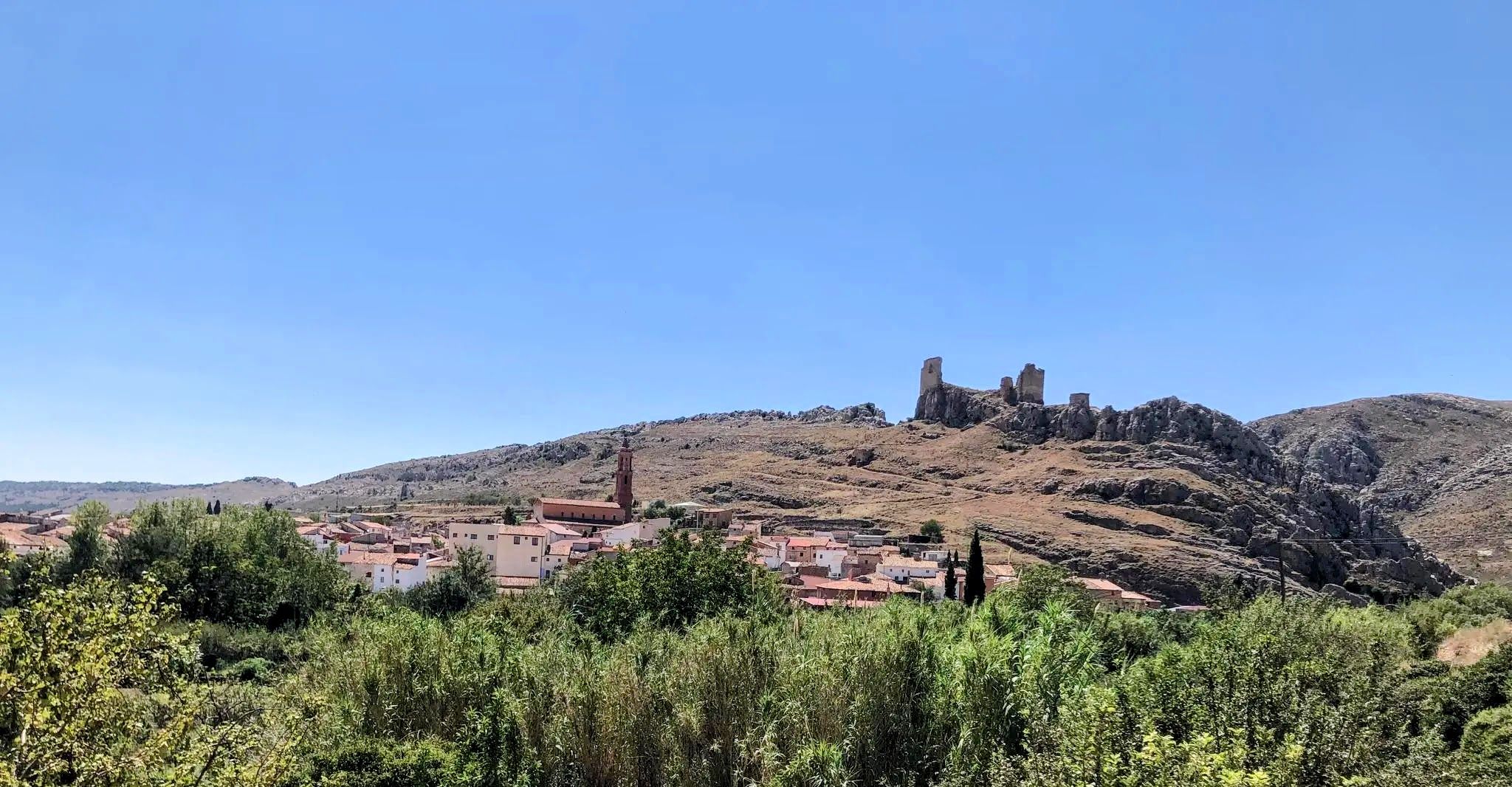
In the footsteps of El Cid - Ring of Montalbán
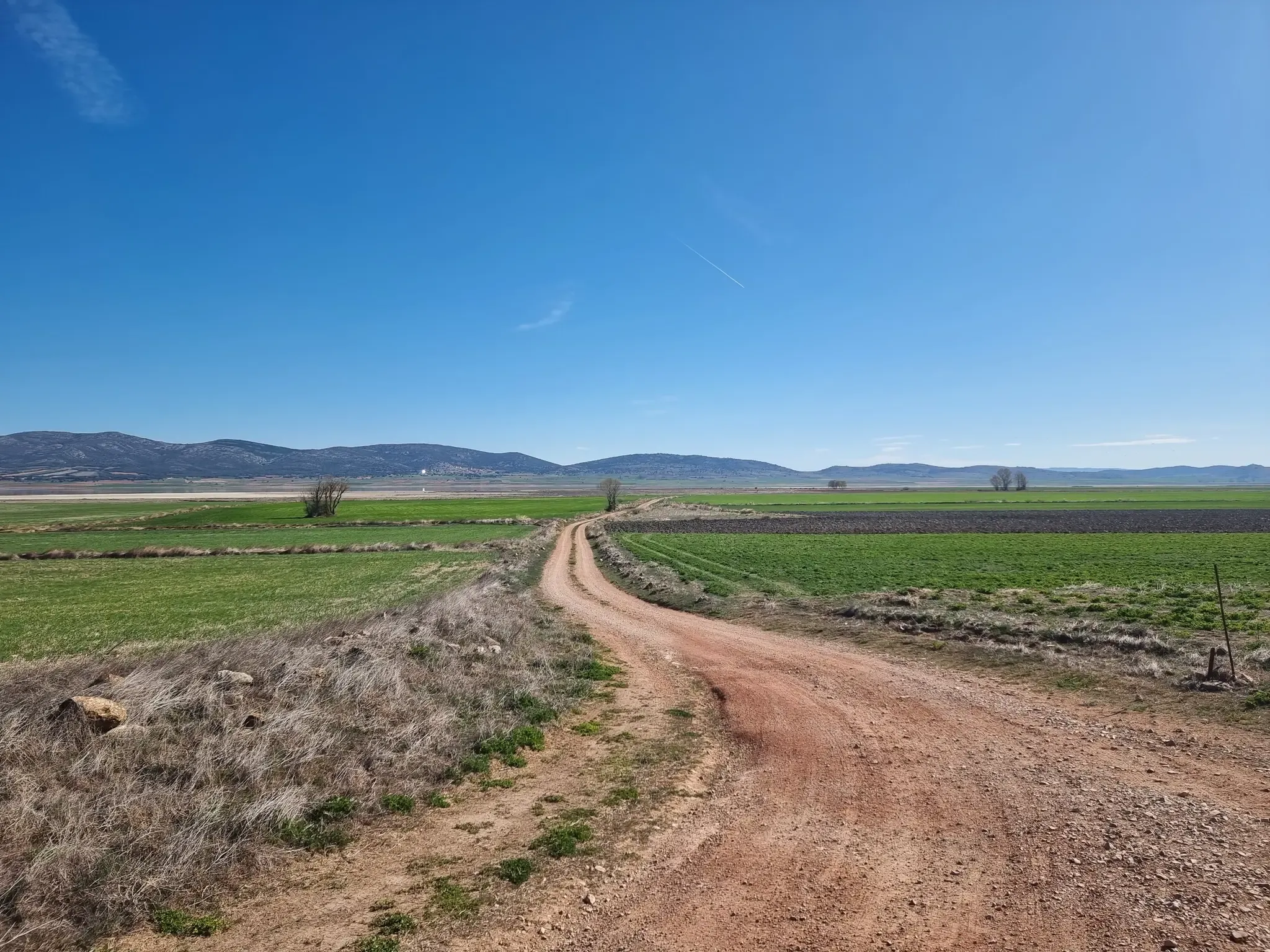
The paradise of the cranes - Gallocanta Ring
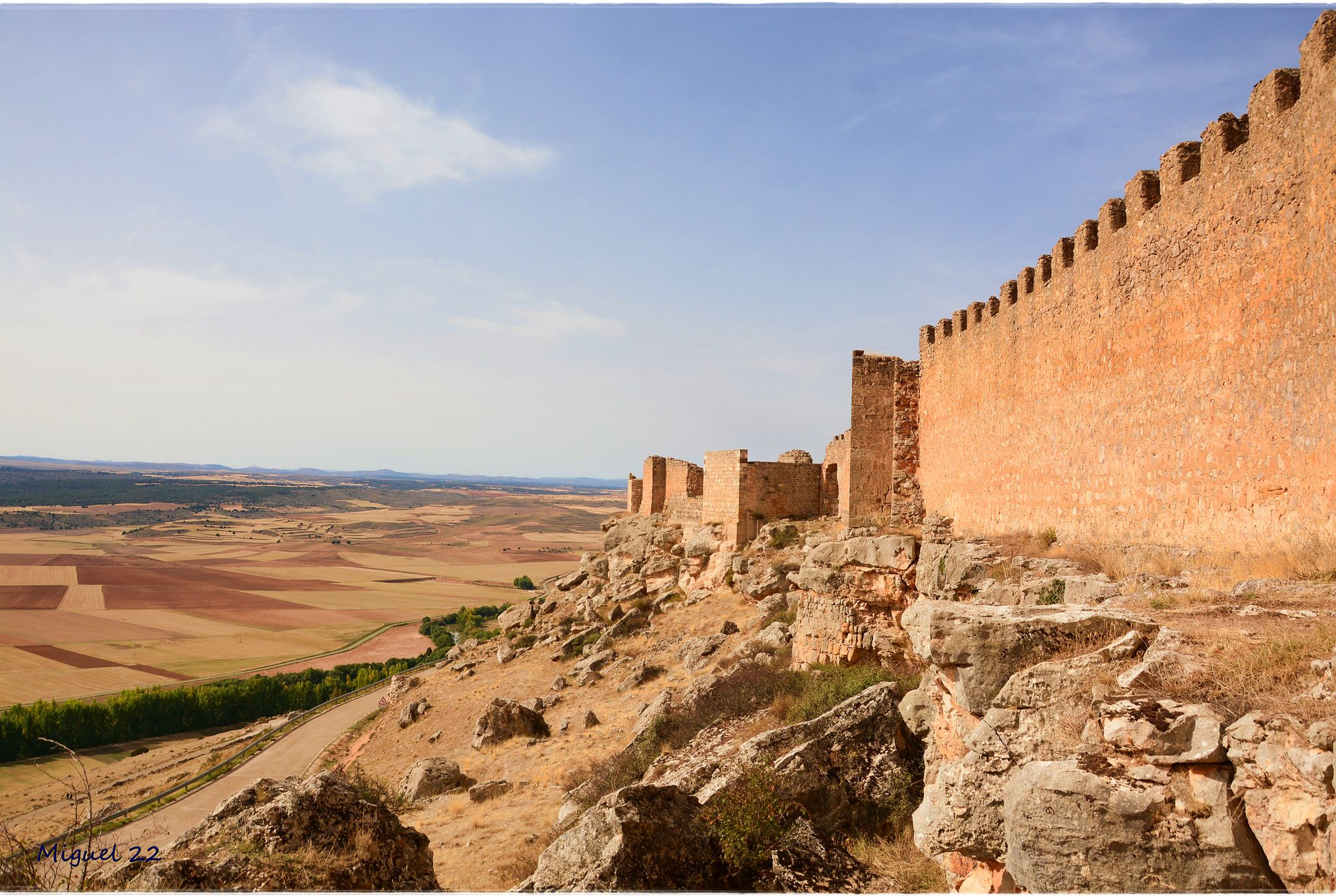
A journey through mediaeval Spain – El Camino del Cid (GR 160)
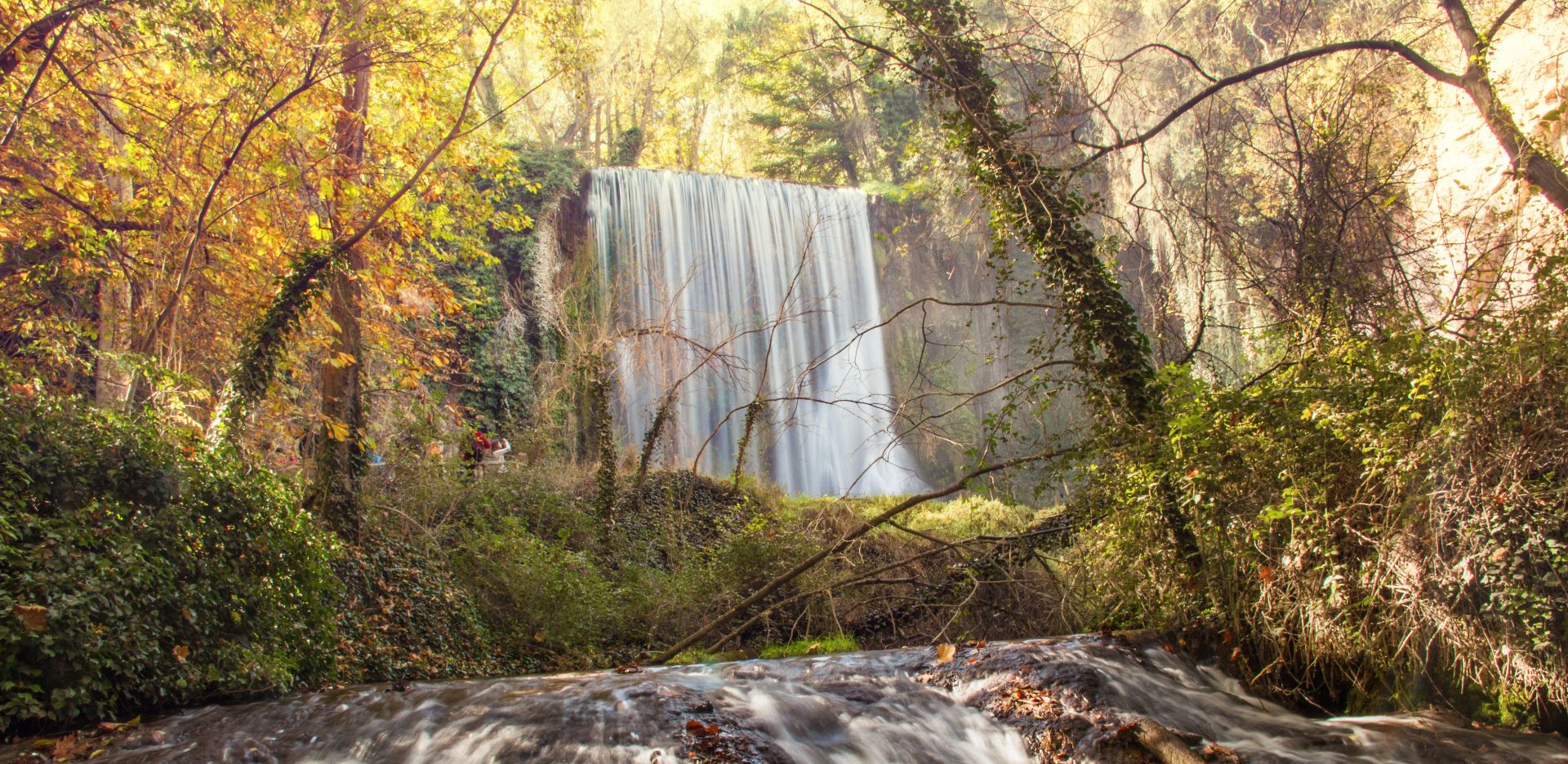
Landscapes of water and rock – Spain’s Jalón and Jiloca Trail (GR 24)
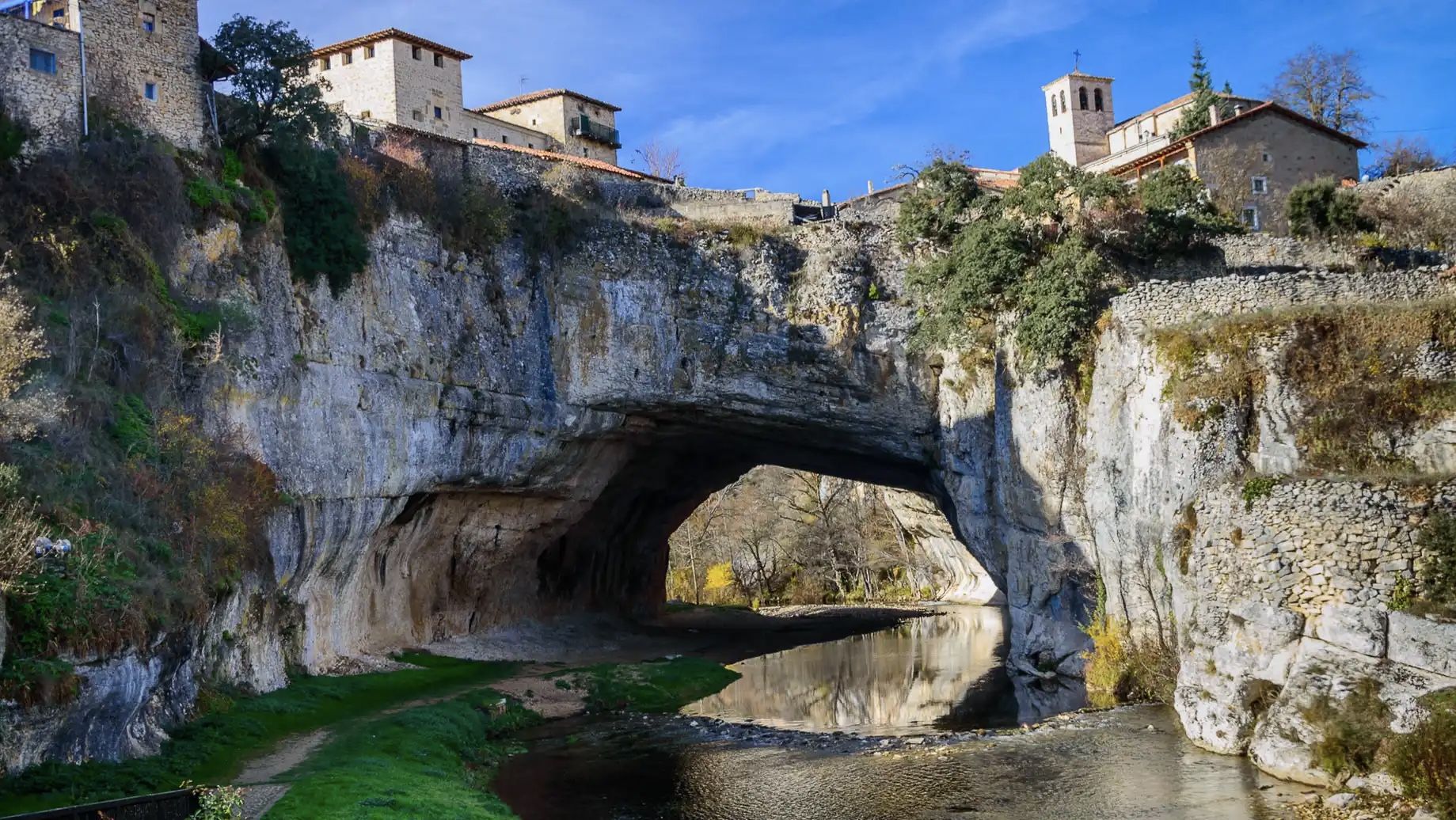
An epic getaway – Santander-Mediterráneo Nature Trail
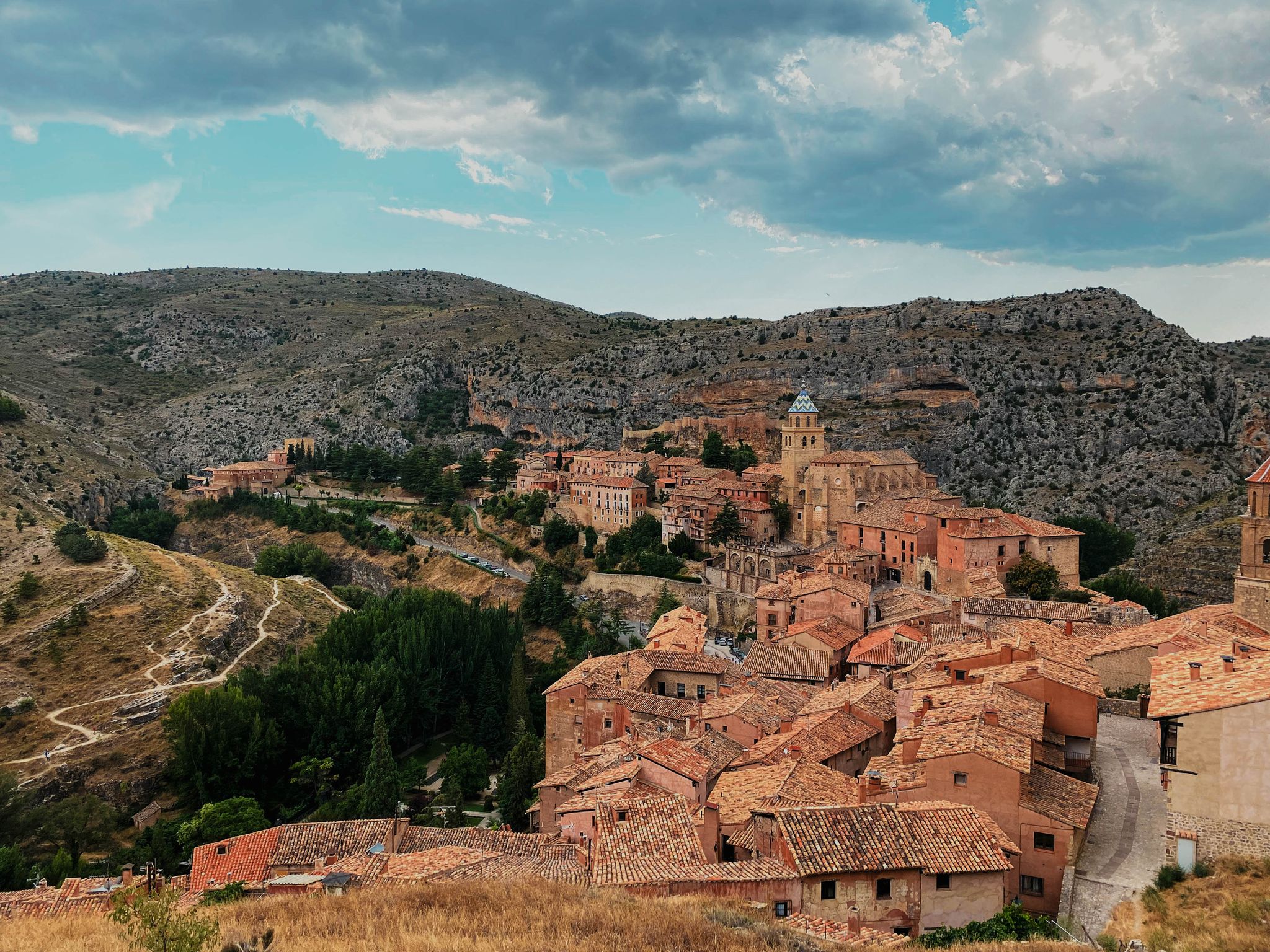
The Three Taifas by gravel bike – El Camino del Cid
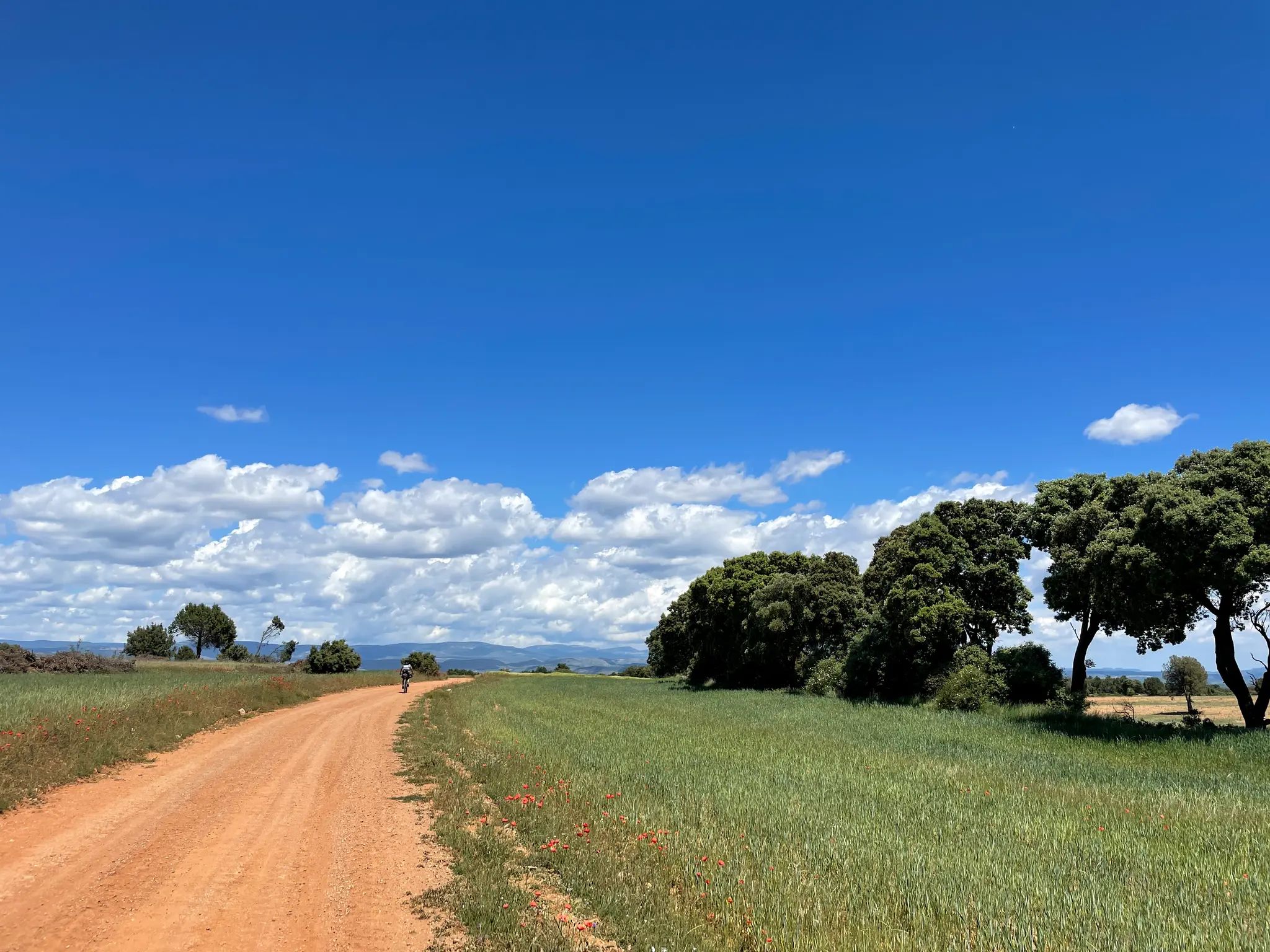
El Camino del Cid – The Conquest of Valencia on MTB
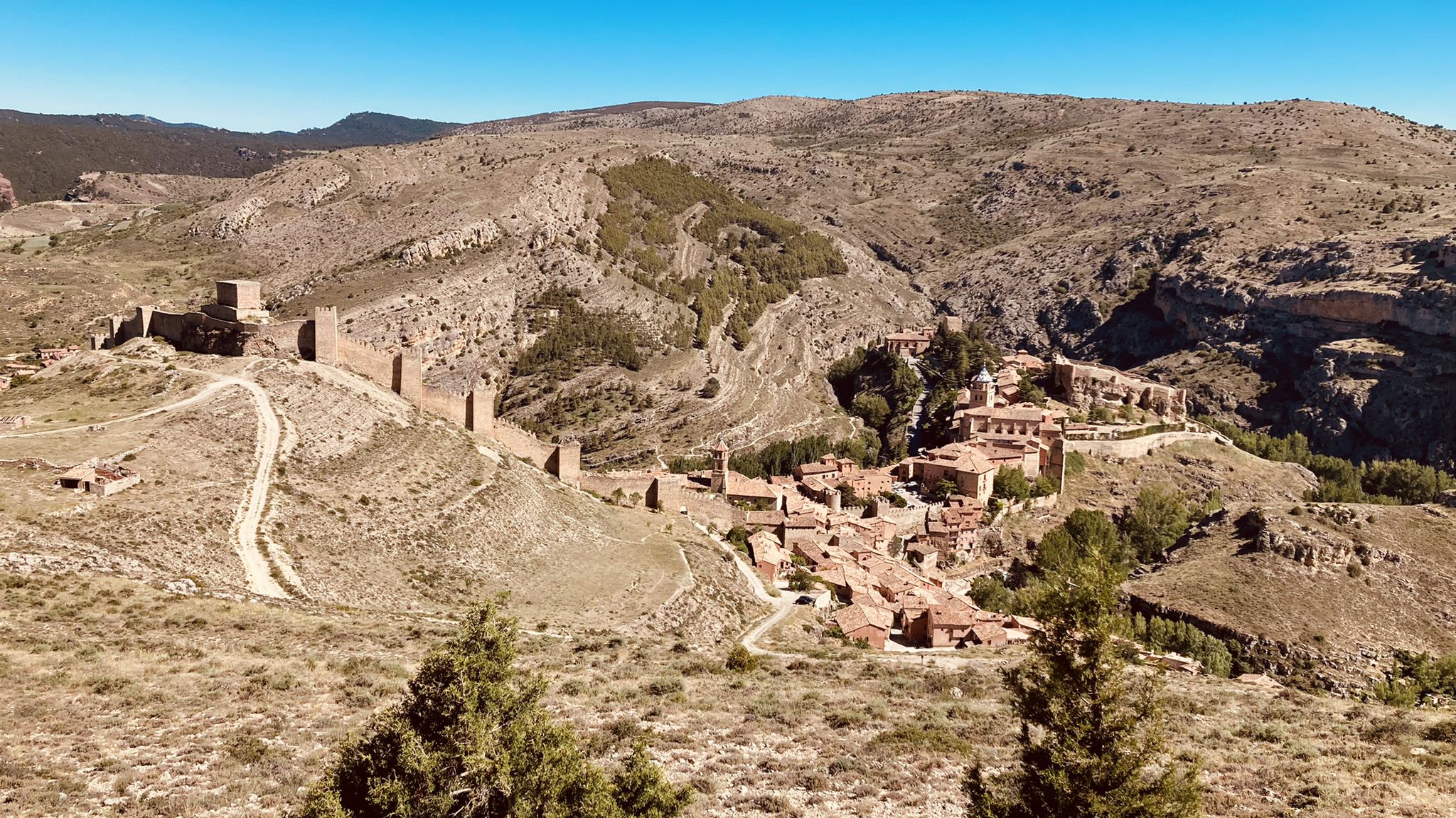
El Camino del Cid – The Three Taifas on MTB
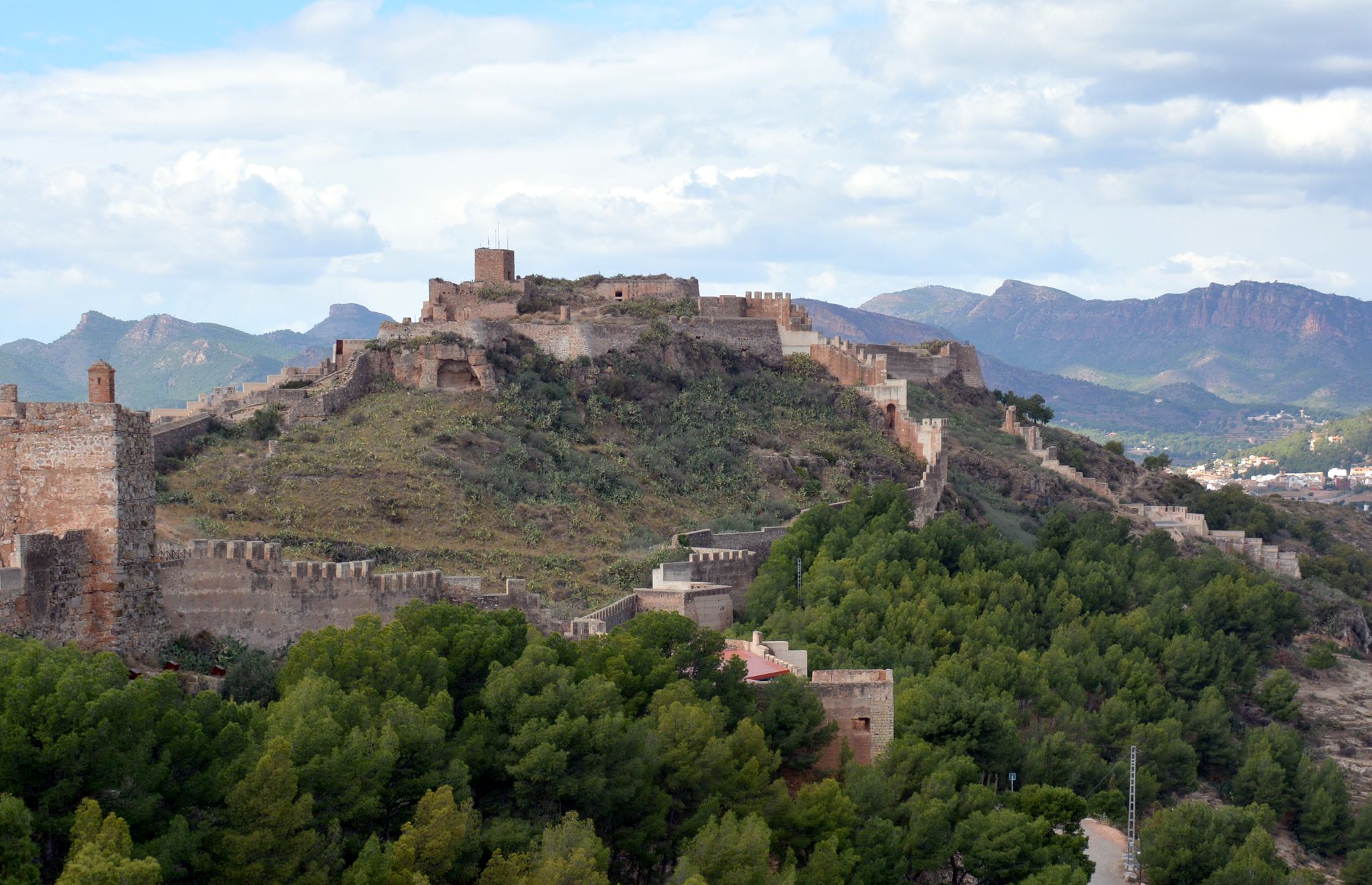
The Way of El Cid by bicycle – Conquest of Valencia
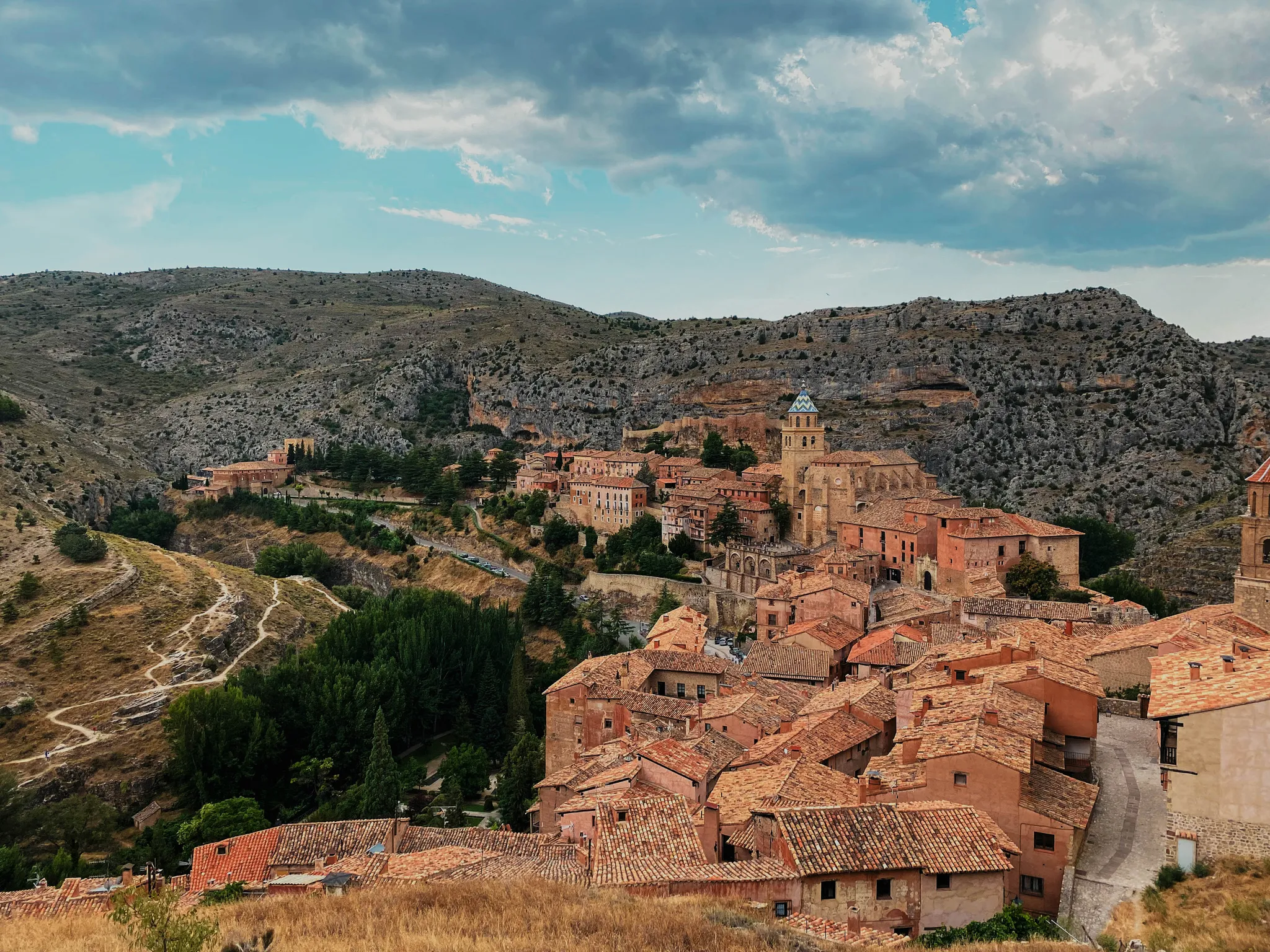
The Way of El Cid by bike – The Three Taifas
Other adventures around Jiloca


Tips from the Community

A must-see to listen to the flow of the Pancrudo River. And seeing the beauty of the Jiloca River banks in autumn is special.
0
1

Unfortunately, there are still many interruptions on the almost 600 km long Via Verde Santander Mediterraneo railway line. It would be great to be able to travel from the Atlantic to the Mediterranean without car traffic. If this tourist potential is understood by the various regional parliaments, the entire cycling and gravel world would come to Spain and use this ingenious connection.
0
0

Monreal del Campo is a fascinating place where you can learn all about the cultivation and harvesting of saffron. Located in the Plaza Mayor, the museum offers an interactive experience with traditional tools, historical photographs and workshops for the whole family.🌺
9
0

Images are there for a reason...take a photo and find out what they mean to you
0
0
History can be found if you know the places...
1
0

It is a cool place, with the mouth of the Pancrudo in the Jiloca and the passage of the Via Verde.
0
1
A city of transit since ancient times, Calamocha stands in the middle of the extensive plain of the Jiloca, on the right bank of the river. Its excellent geographical situation led to its being an important fortified enclave in the past. In fact, it was the city of El Cid passing through on his way to Valencian lands.
9
0

The Roman bridge of Luco de Jiloca joins both banks of the Pancrudo River and was part of the Roman road that linked César Augusta and Cástulo. It is dated in the I century, it may be later, and it has been recently restored. The arrangement of its arches and spillways indicate that it was designed for the flooding of the river, rather than to save its usual course.
0
1
Frequently Asked Questions
What historical sites can I explore in the Jiloca region?
The Jiloca region is rich in history. You can visit the impressive Calamocha, which features a Roman bridge and was historically a fortified enclave. Other notable historical sites include the well-preserved Castillo de Peracense, Mudejar-style towers in towns like Báguena and Burbáguena, and the ruins of a 9th-century Arab fortress in Maluenda. The region also has several significant churches, such as the Church of San Pedro in Calamocha and the Church of San Martín del Río.
Are there any significant Roman-era attractions in Jiloca?
Yes, the Jiloca region has several Roman-era attractions. You can visit the recently restored Roman bridge of Luco de Jiloca, which was part of an ancient Roman road. Another Roman bridge can be found in Calamocha. For a deeper dive into Roman life, the Centro de Interpretación de la Cultura Romana and the La Caridad archaeological site in Caminreal offer insights into the area's past 2,000 years ago.
Where can I learn about the Mudejar architectural style in the Jiloca Valley?
The Mudejar architectural style, a unique blend of Islamic and Christian influences, is prominent in the Jiloca Valley. You can admire Mudejar towers in towns such as Báguena, Burbáguena, and San Martín del Río. The Church of Santa María in Maluenda also features a Mudejar tower, showcasing this distinctive regional heritage.
What natural features and landscapes can I discover in Jiloca?
The Jiloca region boasts diverse natural landscapes. A highlight is the Ojos del Jiloca near Monreal del Campo, a network of springs feeding the Jiloca River, known for its rich wildlife. The Laguna de Gallocanta is an ecologically significant wetland, especially for migratory birds like cranes. You can also explore the Laguna del Cañizar, or enjoy the scenic views from Pico del Rayo, the highest peak in the Sierra Vicor. The Aguallueve de Anento is a unique spring forming spectacular karst reliefs.
Are there family-friendly attractions around Jiloca?
Many attractions in Jiloca are suitable for families. The Ojos Negros Mill, a restored 16th-17th century mill, offers an engaging look into historical engineering. The Roman bridge of Luco de Jiloca and the town of Calamocha with its Roman bridge are also great for exploring. Natural spots like the Laguna del Cañizar and the rural landscape around Cella provide opportunities for outdoor enjoyment.
What cultural museums or centers are there in Jiloca?
The Jiloca region offers several cultural insights through its museums. In Monreal del Campo, you can visit the Museo del Azafrán, celebrating the region's saffron cultivation tradition. Caminreal hosts the Centro de Interpretación de la Cultura Romana, detailing Roman life. Calamocha is home to a Museo del Jamón, where you can learn about Teruel Ham. San Martín del Río features an Ethno-enological Museum and a Wine Museum.
What outdoor activities can I do near these attractions?
The Jiloca region is excellent for outdoor activities. You can explore various routes for hiking and cycling. For cycling, consider the Ojos Negros Greenway or the Santander–Mediterranean Greenway. There are also dedicated MTB trails, such as the 'Vía Verde Ojos Negros — circular desde Santa Eulalia del Campo' or 'Sierra de Pelardas por el Valle del Jiloca'. For running, routes around the Laguna de Gallocanta are popular. You can find more details on these activities in the MTB Trails around Jiloca, Running Trails around Jiloca, and Easy hikes around Jiloca guides.
Are there hiking trails near the attractions in Jiloca?
Yes, there are several hiking opportunities. The GR-24 connects the Laguna de Gallocanta with the Castillo de Peracense, offering scenic walks. Sections of the GR-160 Camino del Cid also pass through the region. For easier options, consider the 'Roman Aqueduct from Gea de Albarracín' or the 'Peracense Castle Loop'. You can explore more hiking routes in the Easy hikes around Jiloca guide.
What do visitors enjoy most about the attractions in Jiloca?
Visitors particularly appreciate the historical depth and natural beauty of Jiloca. The restored Ojos Negros Mill is praised for allowing insight into its historical workings. The Roman bridge of Luco de Jiloca is valued for its historical significance and recent restoration. Many also enjoy the charm of towns like Calamocha and the recreational areas along the Jiloca River. The region's greenways, like the Ojos Negros Greenway, are popular for their well-maintained paths and scenic views.
What is the significance of the Jiloca River in the region?
The Jiloca River is a central natural feature of the region, flowing through the provinces of Teruel and Zaragoza. Its valley has historically served as a crucial route connecting the Meseta Central with the Mediterranean coast. The river supports diverse flora and fauna, particularly around the Ojos del Jiloca springs, and its banks offer recreational areas, especially in towns like Calamocha.
Are there any unique cultural events or traditions in the Jiloca region?
Yes, the Jiloca region preserves unique cultural traditions. Luco de Jiloca is particularly known for its spectacular Zarragones Carnivals, an ancient celebration that reflects the rich heritage of the area. These events offer a glimpse into the local customs and vibrant community spirit.
Most popular routes around Jiloca

Get inspired with the komoot mobile app


Didn’t find what you were looking for?
Are you keen on exploring more awesome places nearby? Browse our guides:
Explore more
Still not found the Highlight you’re looking for? See guides of the top attractions in other regions:
