Attractions and Places To See around Grado - Top 20
Attractions and places to see around Grado include historical sites, religious buildings, and bridges. This region features a mix of cultural landmarks and architectural structures. The landscape is characterized by rivers and settlements, offering diverse points of interest. Visitors can explore various historical sites and man-made monuments.
Best attractions and places to see around Grado
- The most popular attractions is Castillo de San Martín, a castle located on the right bank of the river Nalón. Its position on a promontory provides an excellent visual domain over the river's mouth.
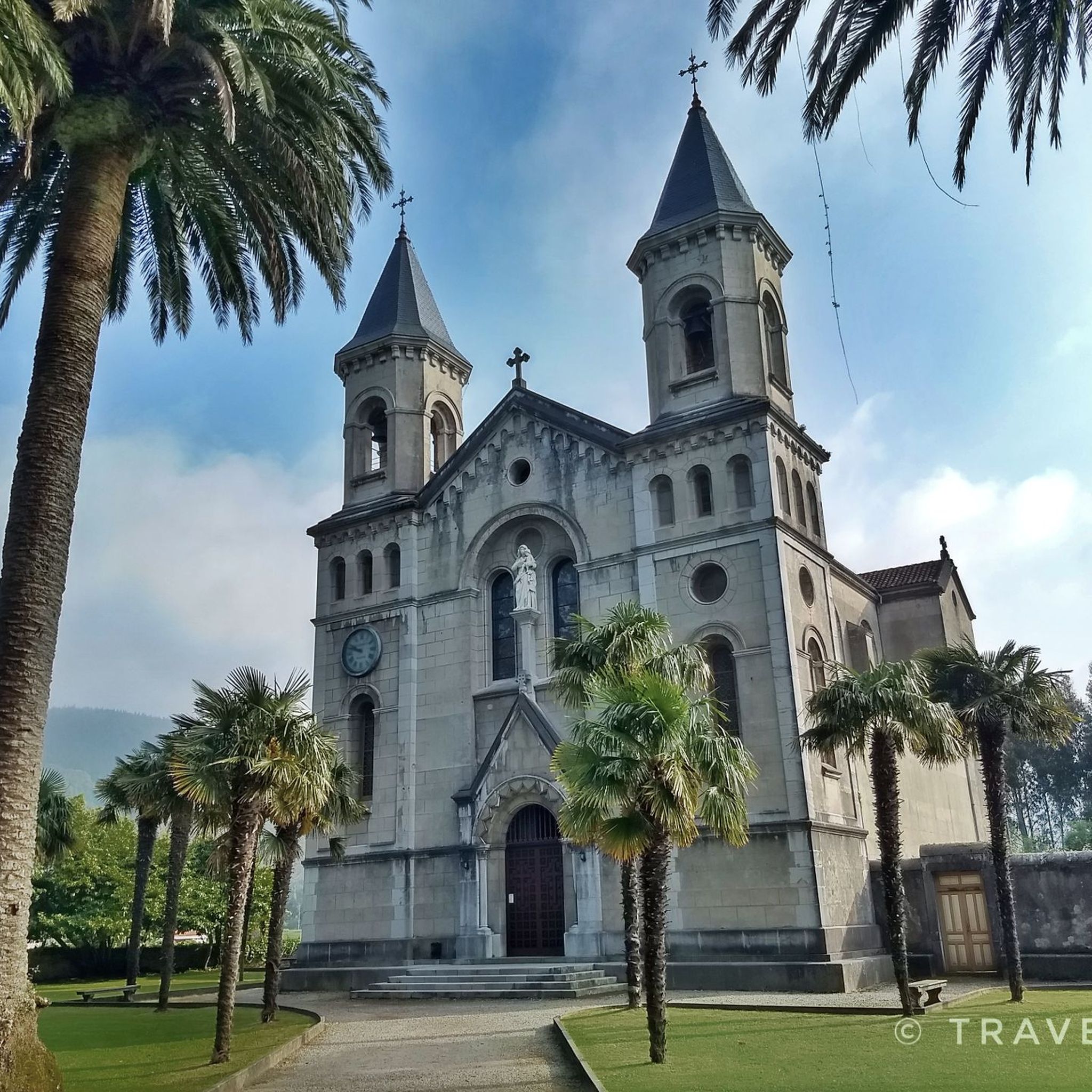
- Another must-see spot is Collegiate Church of St. Mary Major in Salas, a religious building and historical site. This 17th-century church features an altarpiece and the mausoleum of inquisitor Valdés Salas.
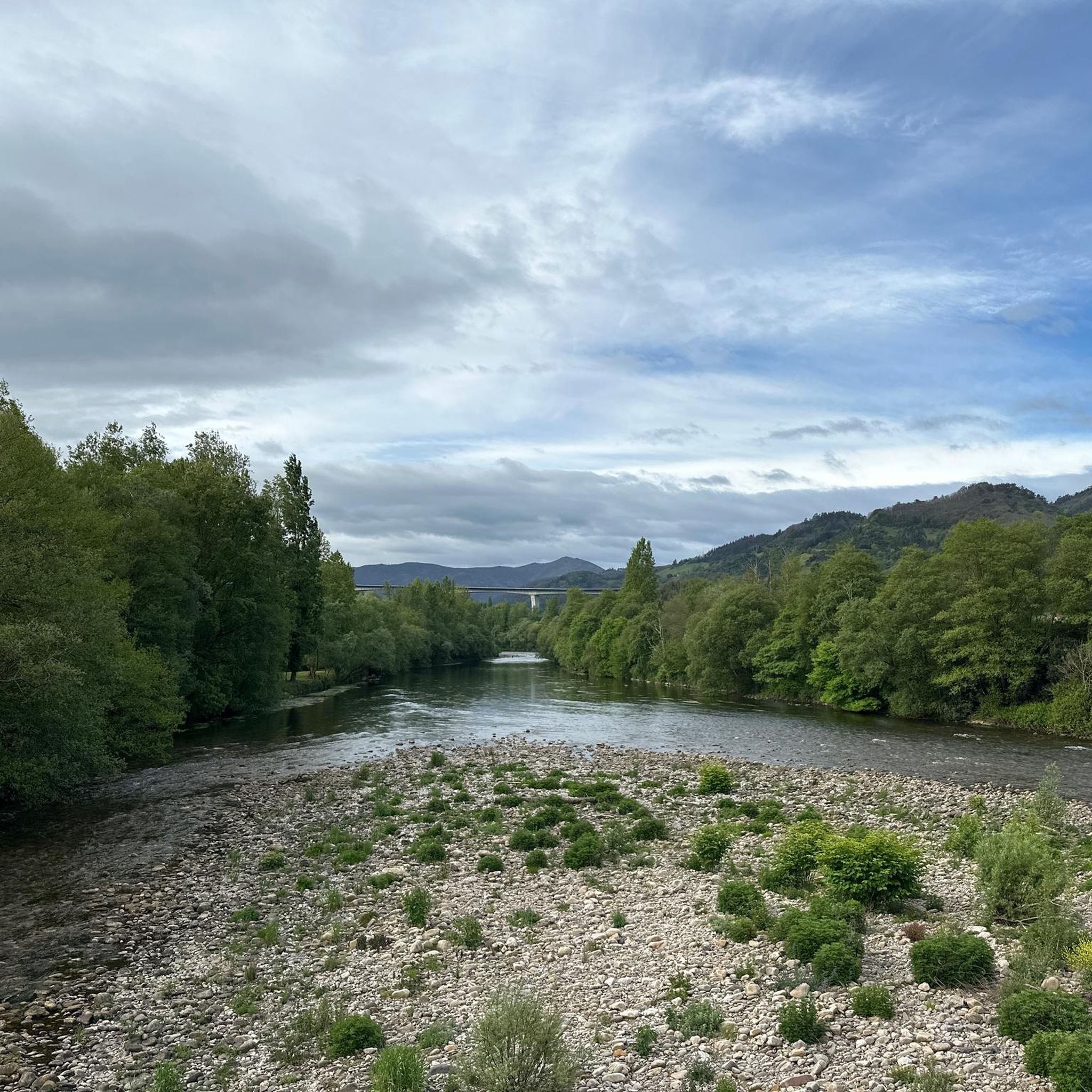
- Visitors also love Bridge over the Nalón River, a bridge and viewpoint. This bridge crosses the Nalón, the longest river in the province, offering views of the surrounding area.
- Grado is known for its historical sites, religious buildings, and bridges. The region offers a variety of attractions to see and explore, from ancient castles to significant churches and scenic river crossings.
- The attractions around Grado are appreciated by the komoot community, with more than 120 upvotes and 50 photos shared.
Last updated: August 16, 2026
Castillo de San Martín
Highlight • Castle
The current castle was built by Alfonso III on the remains of a previous settlement, in order to protect the coast and the estuary from Norman incursions.
Translated by Google •
Tip by

Selgas Palace and the Jesús Nazareno Church‑Pantheon
Highlight • Historical Site
The Jesús Nazareno Church-Pantheon is a 17th century church that was converted into a pantheon by the Selgas-Fagalde family. The pantheon contains the tombs of family members. The interior of the church is decorated with beautiful frescoes and religious art.
Translated by Google •
Tip by

Sign up now to discover places like this
Get recommendations on the best single tracks, peaks, & plenty of other exciting outdoor places.
Sign up for free
Cudillero
Highlight • Viewpoint
Translated by Google •
Tip by

Collegiate Church of St. Mary Major in Salas
Highlight • Religious Site
Translated by Google •
Tip by
Cudillero Tunnel
Highlight • Structure
Translated by Google •
Tip by
Church of Saint James the Apostle, Nuviana
Highlight • Religious Site
Tip by

Concha de Artedo Viaduct
Highlight • Bridge
Translated by Google •
Tip by

Peñaflor Bridge
Highlight • Bridge
Translated by Google •
Tip by
Quinta de Selgas
Highlight • Historical Site
Translated by Google •
Tip by

Bridge over the Nalón River
Highlight • Bridge
Translated by Google •
Tip by
Sign up for free to discover even more attractions around Grado.
Sign up for free
Already have an account?
Start today with a free account
Your next adventure awaits.
Login or Signup
Popular around Grado
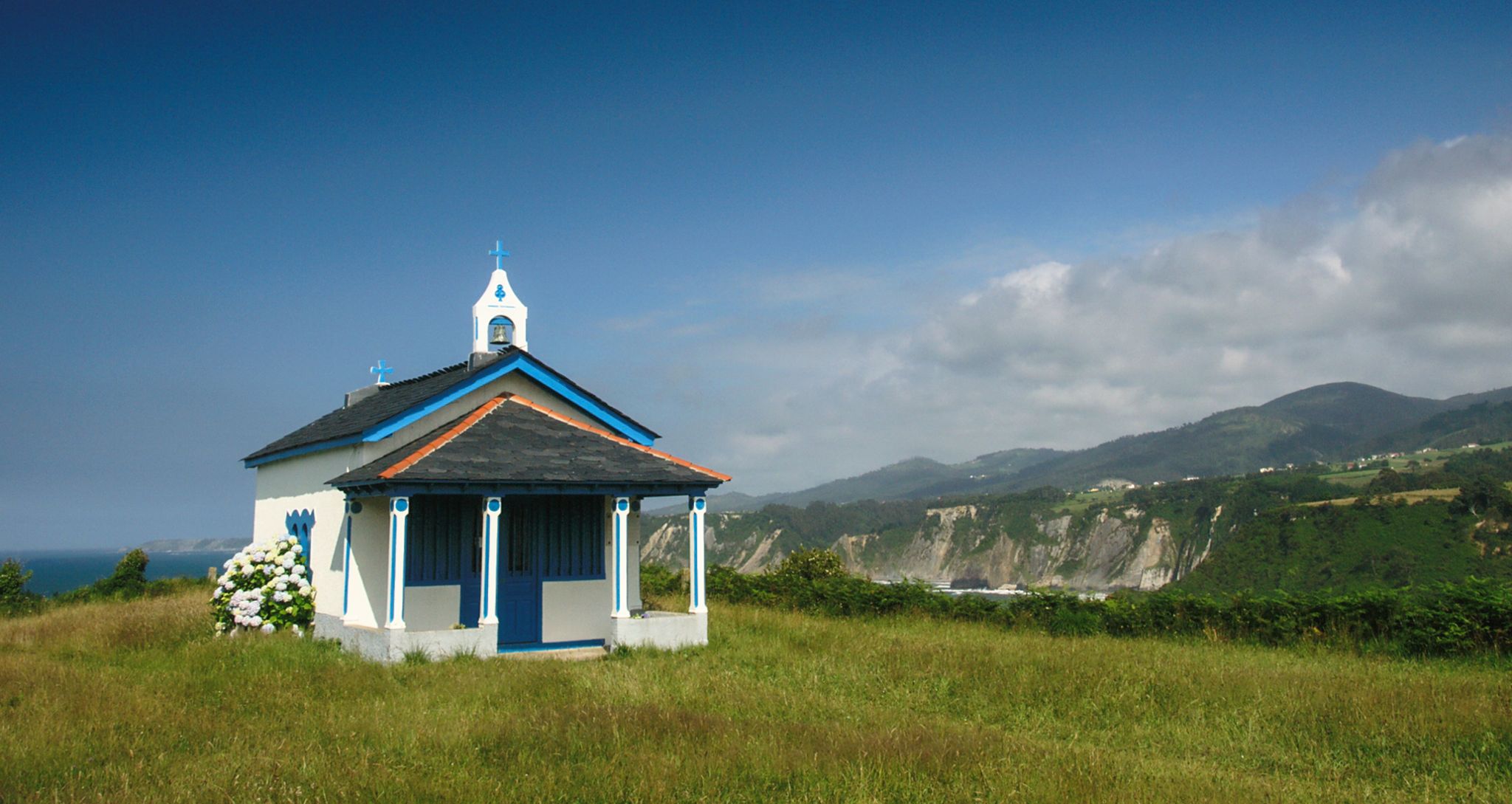
Camino del Norte – 15 stages
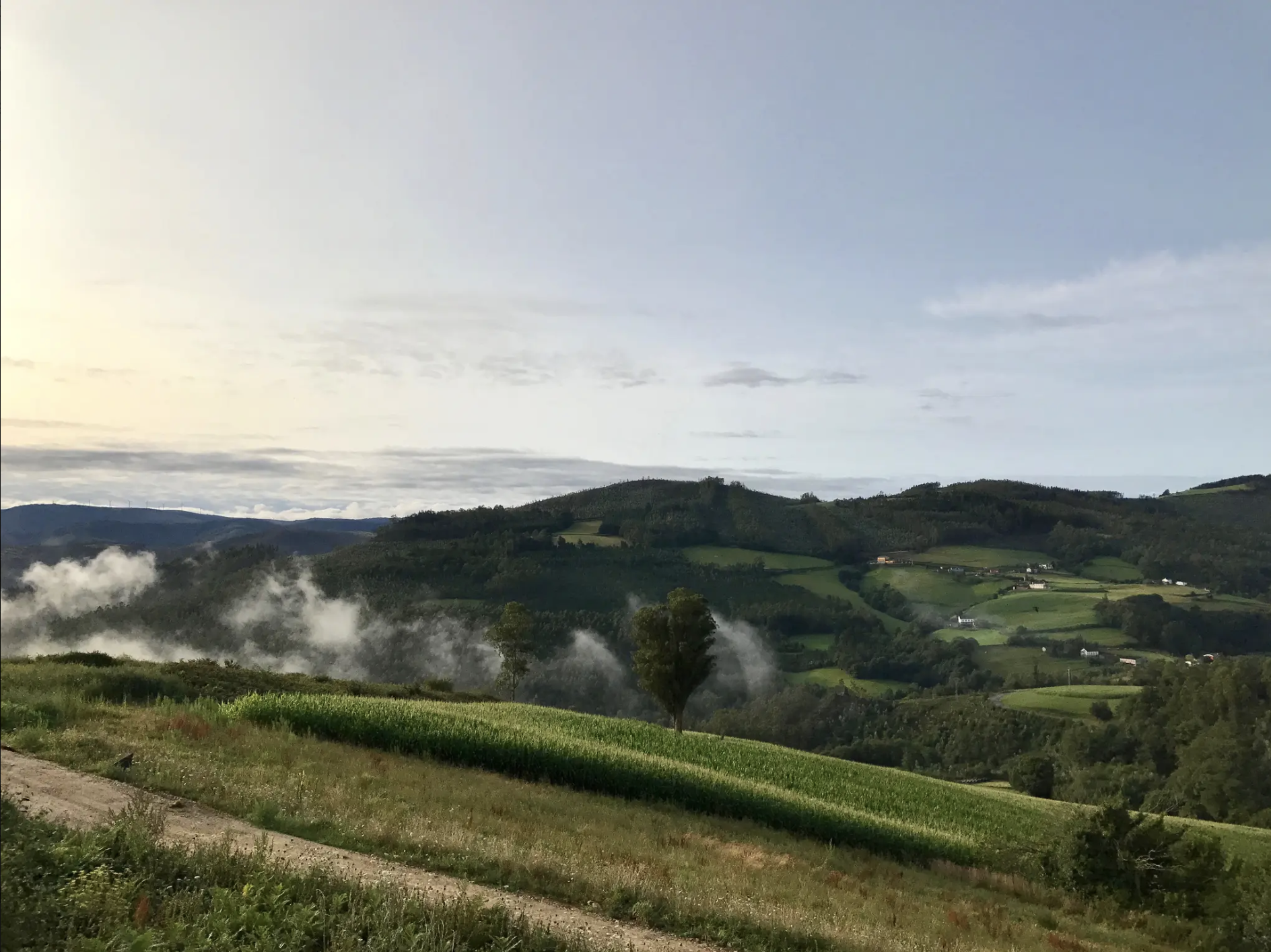
Camino del Norte (in reverse) – Discovering northern Spain's stunning coastline
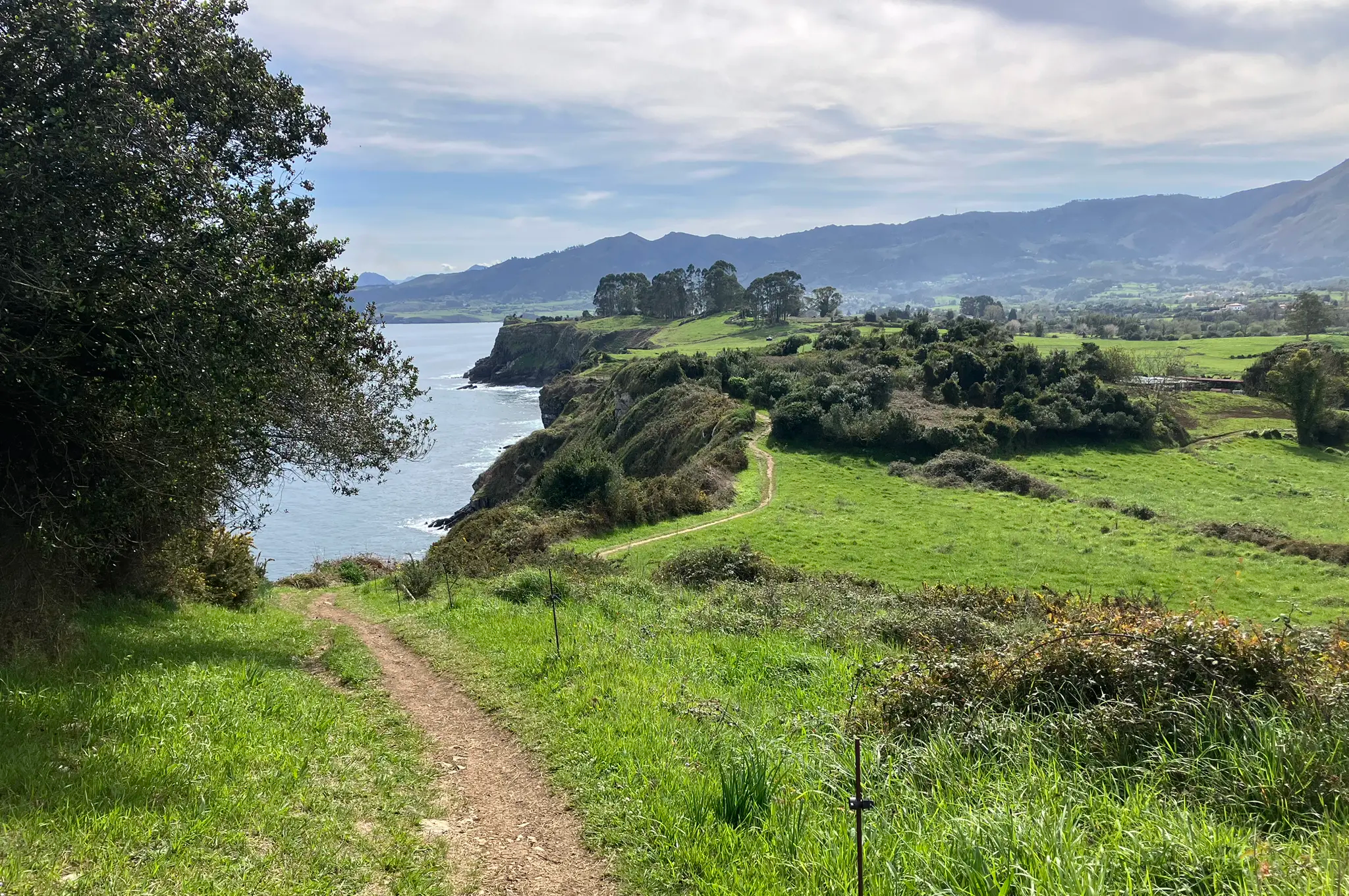
Green, Blue and Gold - Coastal Path through Asturias (GR 204)
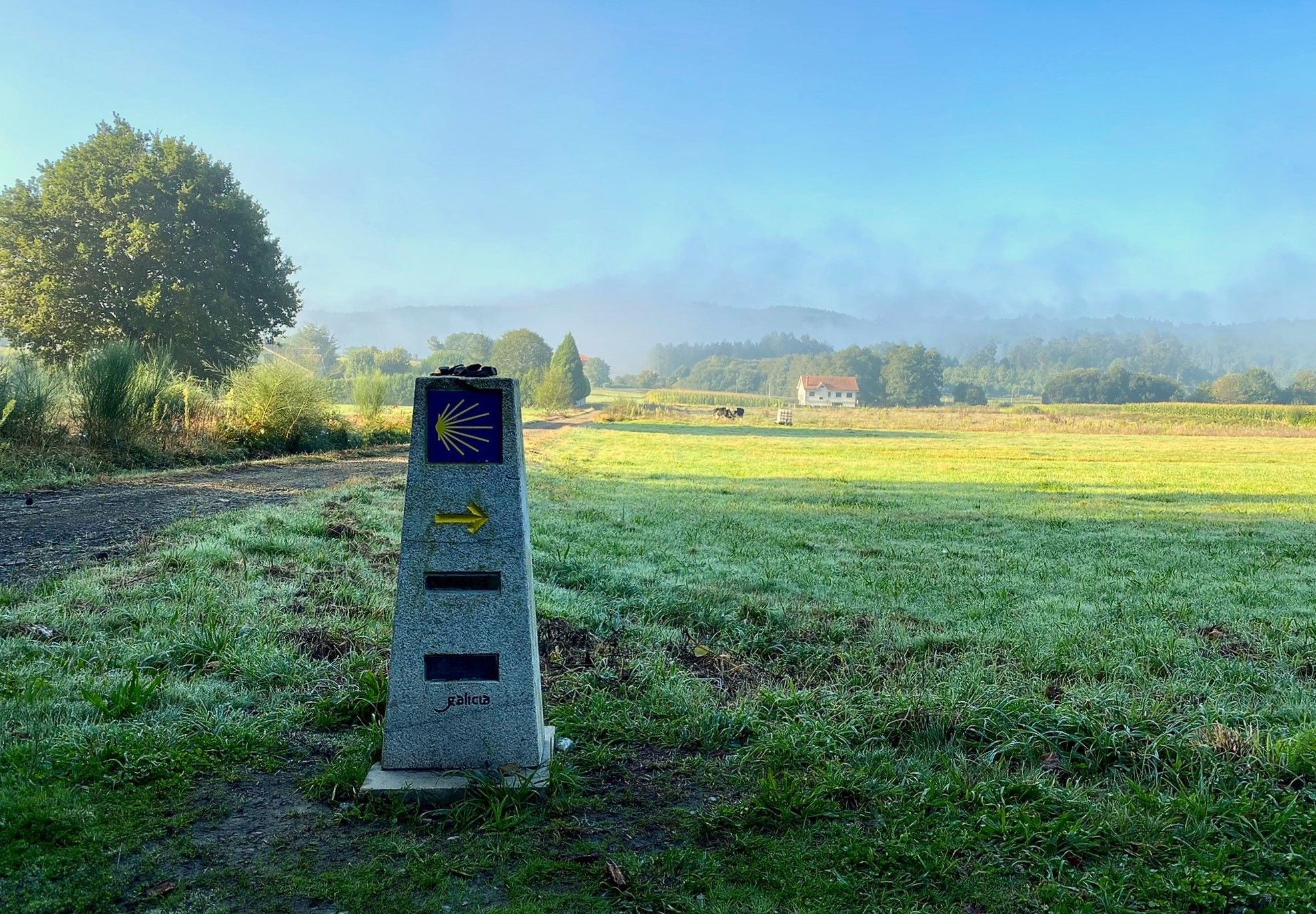
A pilgrimage on foot – Spain’s Primitive Way
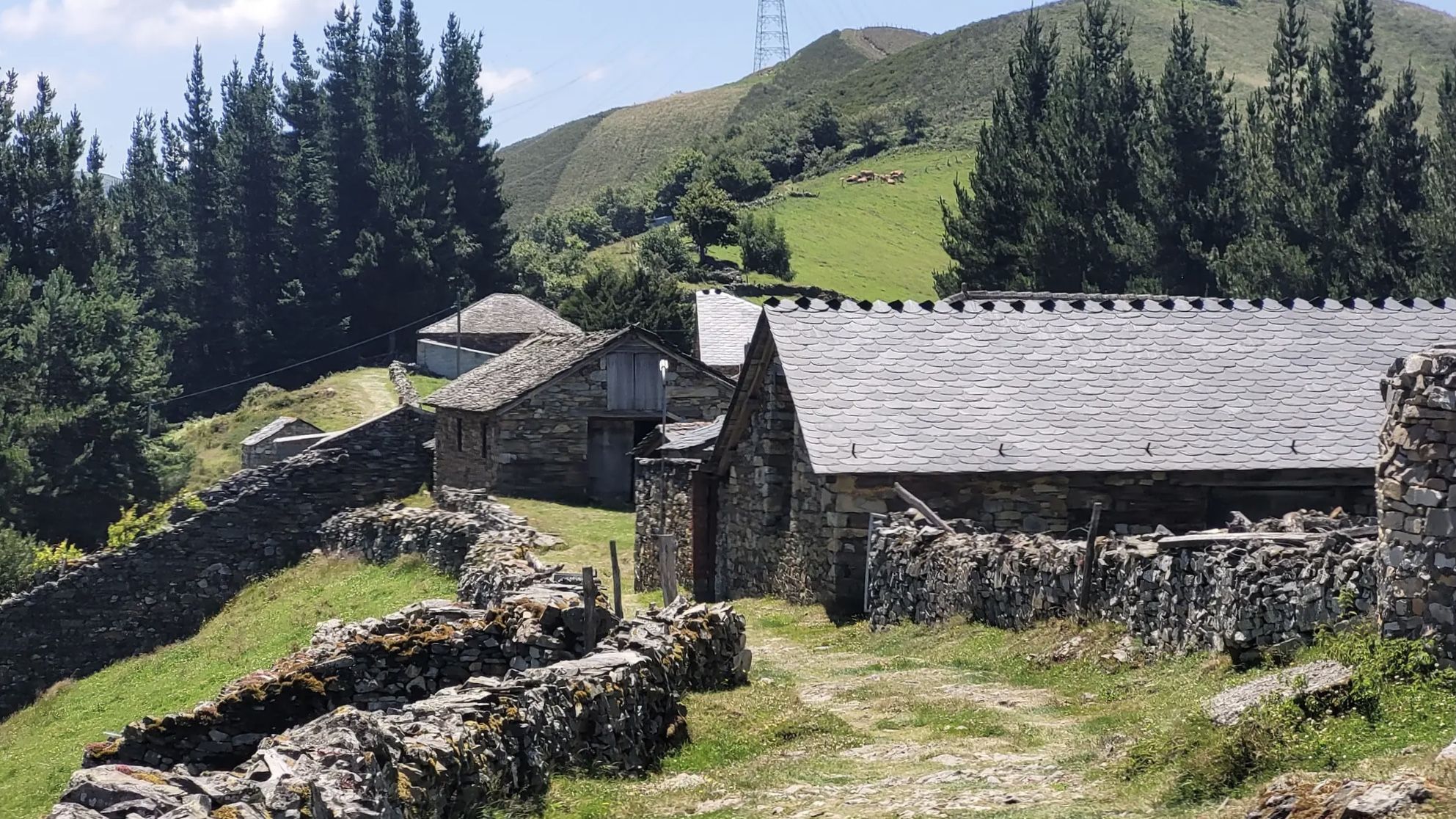
The Camino Primitivo — From Oviedo to Santiago through history
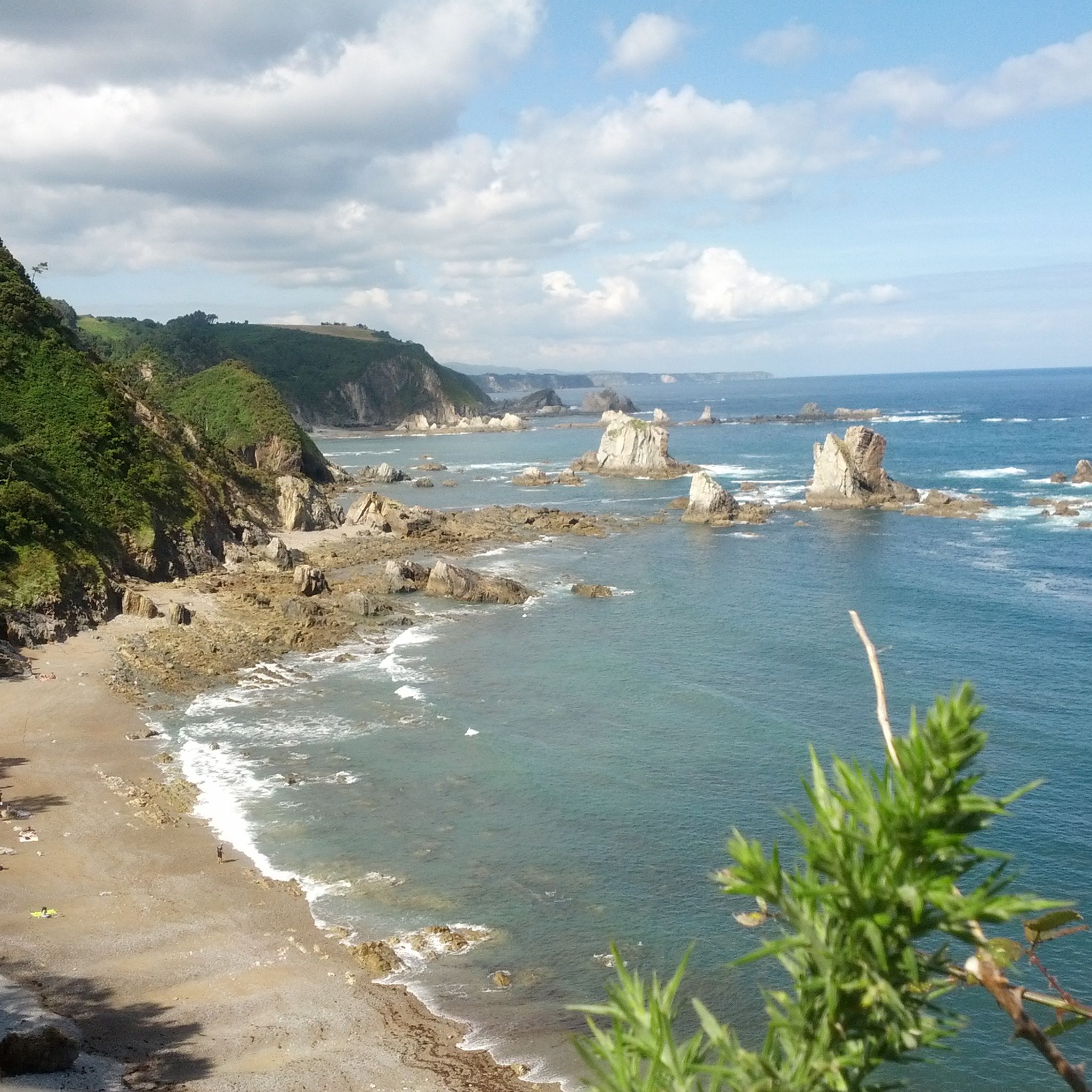
Hiking around Grado
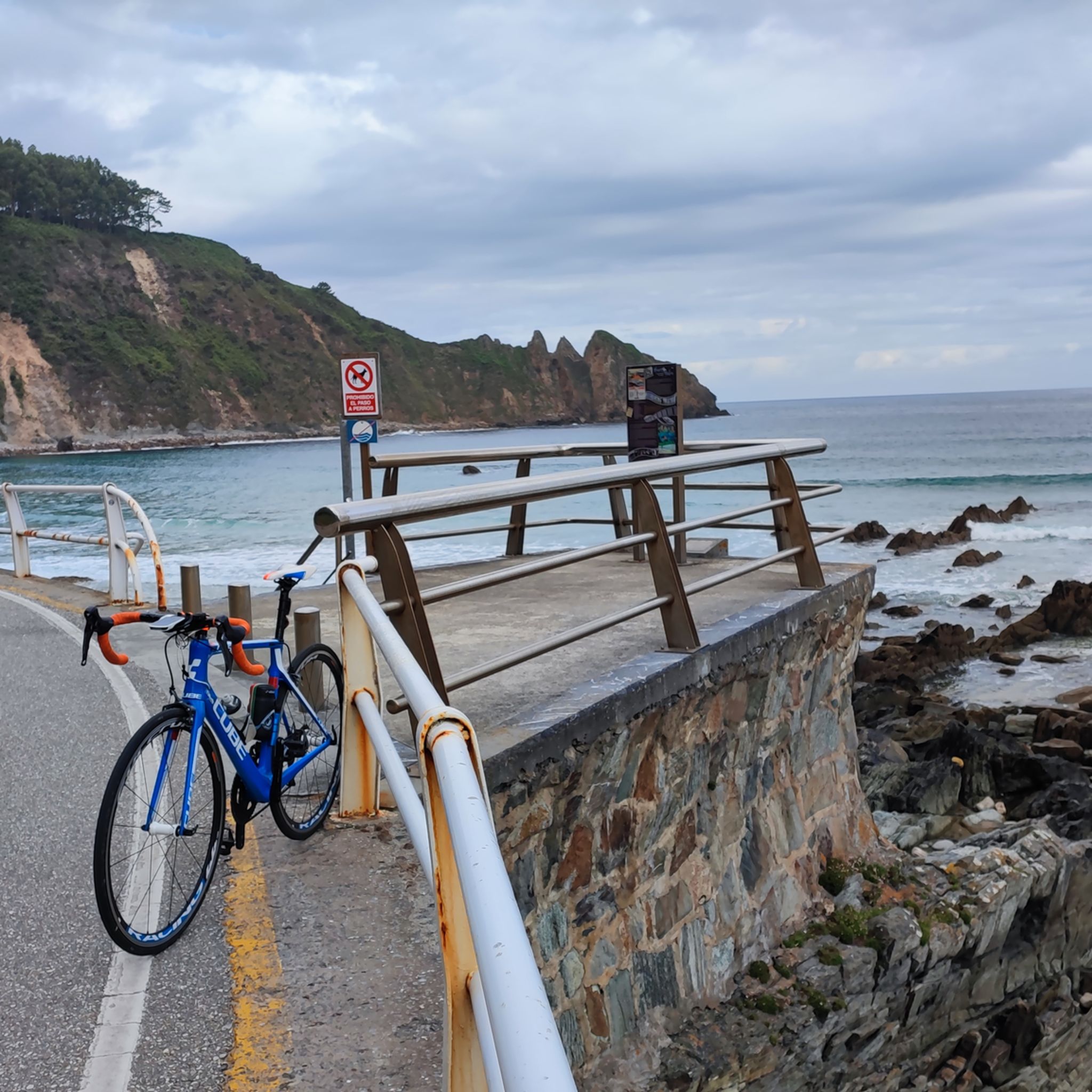
Road Cycling Routes around Grado
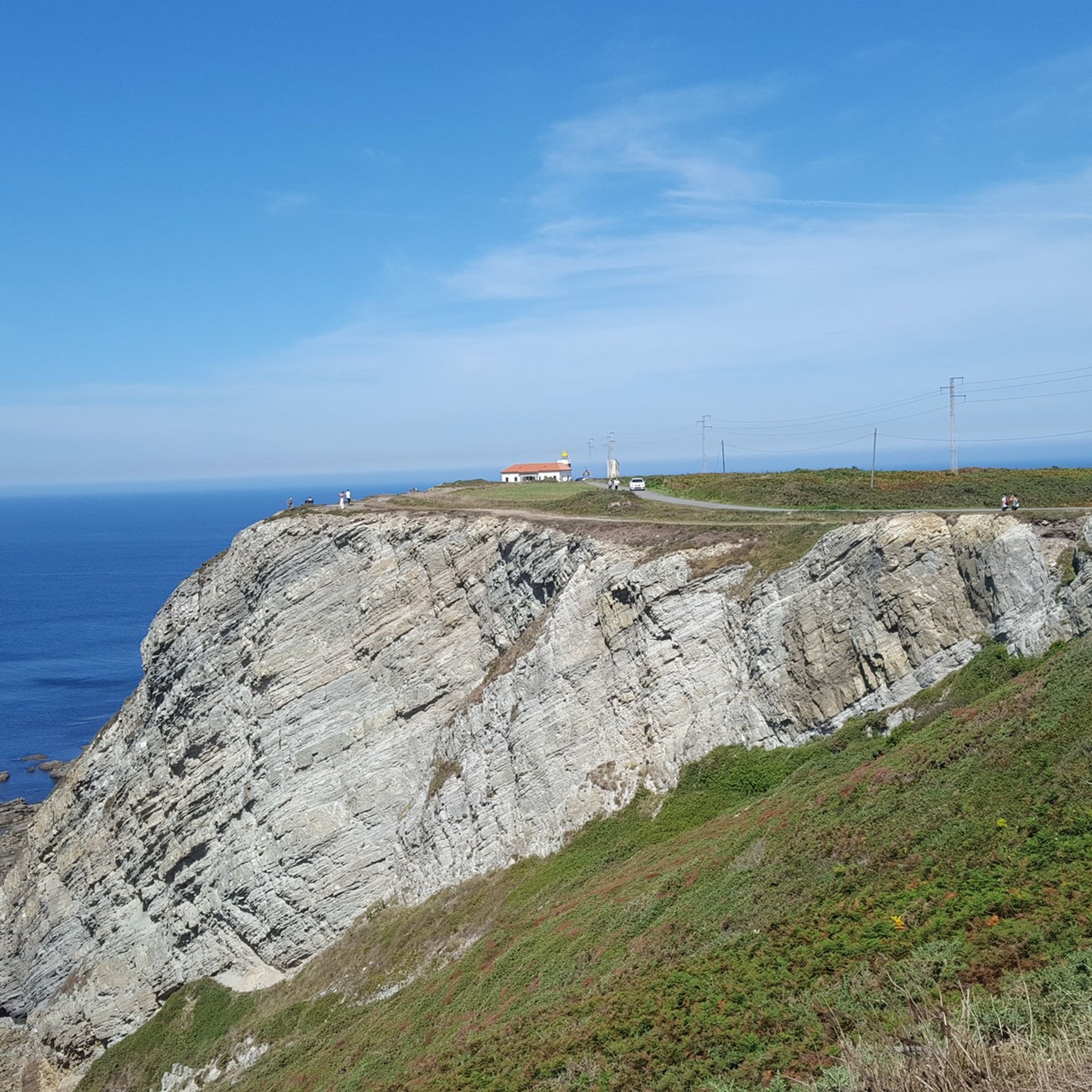
MTB Trails around Grado
Cycling around Grado
Running Trails around Grado
Other adventures around Grado


Tips from the Community

The Cudillero Tunnel (Túnel de Cudillero or Río Piñera Tunnel) is a fascinating, historic pedestrian tunnel from the late 19th century. It runs for about 300 meters through the mountain and connects the picturesque fishing harbor directly with the upper part of the village.
0
0
The small fishing village of Cudillero on the coast of Asturias, west of Avilés, is one of the most beautiful coastal towns on the Spanish north coast. Colorful houses climb the green hills, while fishing boats bob in the blue sea below. Sights in Cudillero include the picturesque old town, the harbor district, and the many viewpoints.
0
0

Interesting solution for the pedestrian path over the bridge
0
0

Stop for a moment to enjoy this beautiful river
0
0

The fact that a place on the Iberian Peninsula is included in the list of the three most famous pilgrimage destinations in the Christian world – along with Jerusalem and Rome – is thanks to one of Jesus' apostles, who is said to have preached here. After his martyrdom, which is briefly recounted in the Acts of the Apostles, his body miraculously found its final resting place here: Saint James the Greater. A small local sanctuary was initially built over his grave; later, a city developed that even bears his name (Santiago de Compostela), and the church in his honor became a cathedral, i.e., a bishop's church. According to local legend, Saint James also played a key role in the reconquest of the Iberian Peninsula from the Moors and is the patron saint of Spain.
0
1

Romanesque bridge in the surroundings of the pilgrim route
0
0
Frequently Asked Questions
What historical landmarks can I explore around Grado?
Grado and its surroundings offer several significant historical sites. You can visit the impressive Castillo de San Martín, a castle with a long history of fortification on a promontory overlooking the Nalón river. Another notable site is the Collegiate Church of St. Mary Major in Salas, a 17th-century church known for its altarpiece and the mausoleum of inquisitor Valdés Salas. Additionally, the Quinta de Selgas, a 19th-century palace complex, features a rich art collection and beautifully landscaped gardens.
Are there any notable religious buildings to visit near Grado?
Yes, the area features several important religious structures. The Collegiate Church of St. Mary Major in Salas is a prominent 17th-century church with a significant altarpiece and mausoleum. You can also find the Church of Saint James the Apostle, Nuviana, and the San Salvador de Cornellana Monastery, which is a historical religious building.
What kind of views can I expect from the bridges around Grado?
The bridges around Grado often provide scenic viewpoints. The Bridge over the Nalón River offers beautiful views of the surrounding area as it crosses the longest river in the province. Similarly, the Peñaflor Bridge is another historical bridge that serves as a great viewpoint over the river.
Are there family-friendly attractions in the Grado area?
Many attractions around Grado are suitable for families. Historical sites like the Castillo de San Martín and the Collegiate Church of St. Mary Major in Salas are listed as family-friendly. Bridges such as the Bridge over the Nalón River and the Concha de Artedo Viaduct also offer accessible points of interest for all ages.
What outdoor activities can I do near these attractions?
The Grado area is excellent for outdoor enthusiasts. You can explore various routes for gravel biking, hiking, and mountain biking. For gravel biking, consider routes like the 'Gravel tour to the Natural Park of Las Ubiñas-La Mesa along the Senda del Oso (Bear Trail)'. Hikers can enjoy the 'Cabo Vidio Cliffs Route' or the 'Coastal route from Nuviana'. Mountain bikers have options such as 'Rieguabaxu, Naviana, Faro de Cabo Vidio – ruta por la costa'. You can find more details on these activities and routes in the Gravel biking around Grado, Hiking around Grado, and MTB Trails around Grado guides.
Are there specific hiking trails near the attractions?
Yes, there are several hiking trails nearby. For example, you can take the 'Coastal route from Nuviana' which is an easy 4.9 km walk, or the 'Cudillero, Palacio de Selgas — circular' which is an easy 6.3 km route. For more challenging options, the 'Cabo Vidio Cliffs Route' is a moderate 11.3 km hike. These and other trails are detailed in the Hiking around Grado guide.
What do visitors enjoy most about the attractions around Grado?
Visitors frequently appreciate the historical significance and scenic beauty of the attractions. For instance, the Castillo de San Martín is praised for its excellent views and historical context. The Collegiate Church of St. Mary Major in Salas is noted for its beautiful 17th-century architecture and altarpiece. Many also enjoy the picturesque views offered by the bridges, such as the Bridge over the Nalón River.
Can I find places with significant art collections or unique architecture?
Absolutely. The Quinta de Selgas is a prime example, housing an impressive collection of 19th-century art and furniture, including works by Goya and El Greco, within its neoclassical palace. The Collegiate Church of St. Mary Major in Salas also showcases notable 17th-century religious art and architecture.
Are there any settlements or villages worth visiting near Grado?
Yes, the area includes charming settlements that offer a glimpse into local life and history. Soutu Luiña is one such settlement, recognized for its historical and religious significance. Exploring these villages can provide a deeper understanding of the region's cultural heritage.
What are the options for cycling around Grado's attractions?
Cycling is a popular way to explore the Grado area. There are dedicated guides for both gravel biking and mountain biking. For gravel biking, you can find routes like 'Stone Bridge of Proaza – Mine Railway Tunnel loop from Las Campas/Les Campes'. Mountain bikers can enjoy routes such as 'Soto del Barco, Castillo de San Martín, Río Nalón, Muros de Nalón, Viaducto Concha de Artero'. More options are available in the Gravel biking around Grado and MTB Trails around Grado guides.
Where can I find information about the Nalón River, which is prominent in the region?
The Nalón River is a significant natural feature in the area. You can learn more about it by visiting the Bridge over the Nalón River, which offers excellent views of this important waterway. The river is the longest in the province, stretching 153 kilometers from its source in the port of Tarna to its mouth, forming the Pravia estuary.
Most popular routes around Grado
Most popular attractions around Grado

Get inspired with the komoot mobile app


Didn’t find what you were looking for?
Are you keen on exploring more awesome places nearby? Browse our guides:
Explore more
Still not found the Highlight you’re looking for? See guides of the top attractions in other regions:
