Attractions and Places To See around Cangas De Onis - Top 20
Best attractions and places to see around Cangas De Onis, a historic town in Asturias, Spain, serves as a gateway to the Picos de Europa mountain range. The region is characterized by its lush valleys, dramatic peaks, and the Sella River. It holds significant cultural importance as the first capital of the Kingdom of Asturias, featuring a blend of historical landmarks and natural wonders. Visitors can explore a diverse landscape that includes glacial lakes, deep gorges, and ancient settlements.
Best attractions and places to see around Cangas De Onis
- The most popular attractions is 6 km on the Ruta del Cares, a gorge that offers spectacular views and nature. This section is known for being the most scenic part of the trail, with impressive rocky gaps.
- Another must-see spot is Dwarves' Tunnels on the Cares Trail, an other man-made feature. There are 71 tunnels along the Ruta del Cares, providing a unique experience along the path of the Cares River.
- Visitors also love Bulnes (The Village), a settlement. This traditional town is isolated in a valley surrounded by mountains, offering views and serving as a starting point for hikes.
- Cangas De Onis is known for its natural features like the Picos de Europa, historical landmarks such as the Roman Bridge, and cultural sites including the Covadonga Sanctuary. The area offers a variety of attractions to see and explore, from mountain trails to ancient churches.
- The attractions around Cangas De Onis are appreciated by the komoot community, with over 150 highlights and more than 340 upvotes. Many of these highlights feature photos, showcasing the region's appeal.
Last updated: August 16, 2026
6 km on the Ruta del Cares
Highlight • Gorge
Translated by Google •
Tip by

Dwarves' Tunnels on the Cares Trail
Highlight • Structure
Translated by Google •
Tip by
Sign up now to discover places like this
Get recommendations on the best single tracks, peaks, & plenty of other exciting outdoor places.
Sign up for free
Ruins of the Shepherds’ Settlement on the Ruta del Cares
Highlight • Settlement
Translated by Google •
Tip by
Cares Gorge (Garganta Divina) – Picos de Europa National Park
Highlight • Gorge
You can park your car at the Poncebo hydroelectric power station (there are also restaurants here) or continue at the cog railway station to Bulnes or even to the beginning of the gorge along the road.
The most spectacular part of the route, where the canyon walls converge, does not follow until you follow the GR-202 (as the tour is shown here): The total length is approximately 22 km (round trip) with a difference in altitude of about 690 m and about 7:15 h duration (marking PR-PNPE 3).
Translated by Google •
Tip by

Crystal-clear stream near the Cares River
Highlight • River
Do not forget the towel and swimsuit if you go in the summer season!
Translated by Google •
Tip by
Bulnes (The Village)
Highlight • Settlement
Translated by Google •
Tip by
Lake Ercina
Highlight • Lake
Translated by Google •
Tip by

Lake Enol
Highlight • Lake
Translated by Google •
Tip by

Through the stones
Highlight • Natural Monument
Translated by Google •
Tip by
Sotres
Highlight • Settlement
Translated by Google •
Tip by

Sign up for free to discover even more attractions around Cangas De Onis.
Sign up for free
Already have an account?
Start today with a free account
Your next adventure awaits.
Login or Signup
Popular around Cangas De Onis
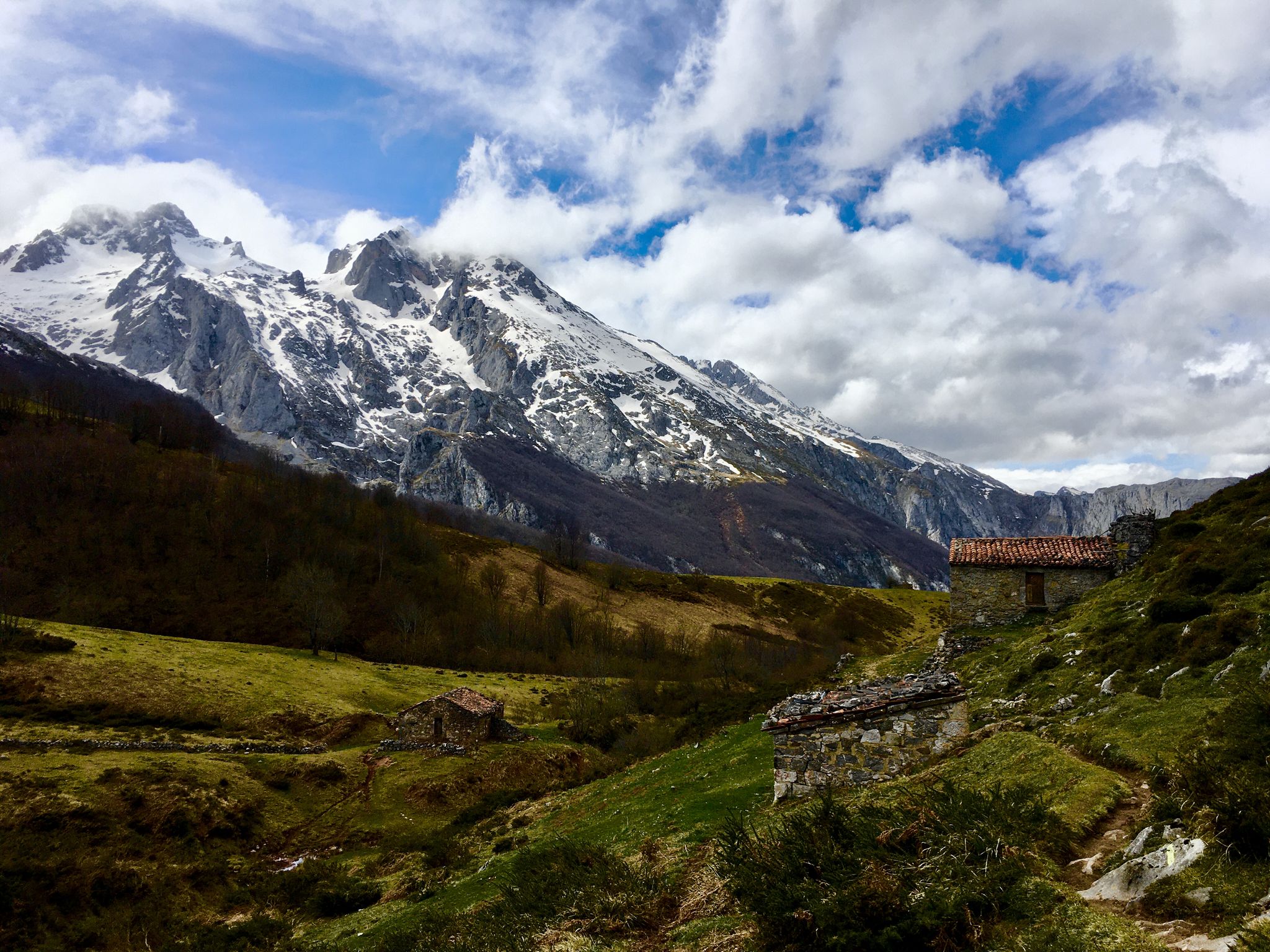
Route of the Reconquest (GR 202) – In the footsteps of an army
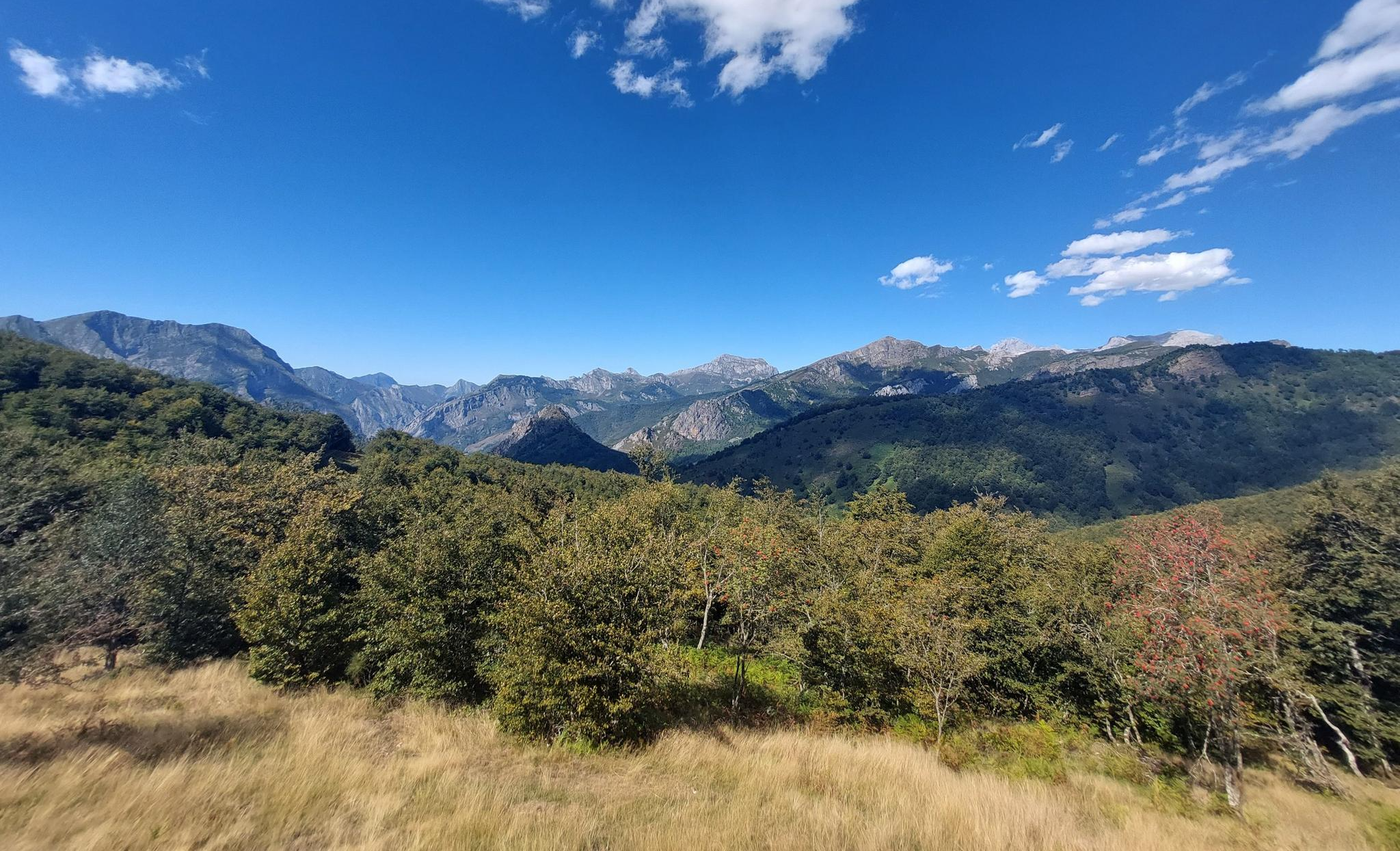
Senda del Arcediano (GR 210) - A historical hike through the Picos del Picos
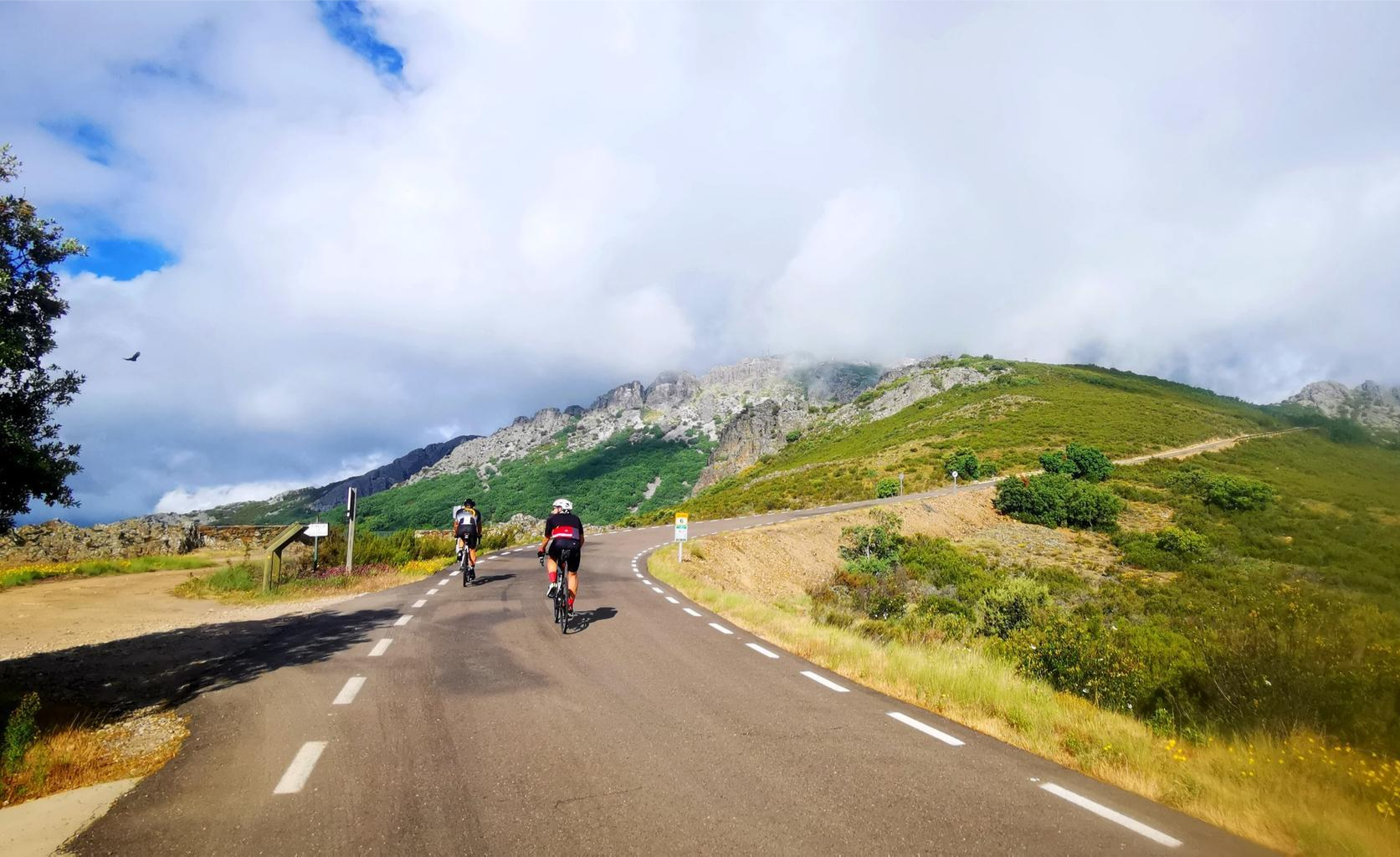
Legendary climbs - Ports of La Vuelta a España
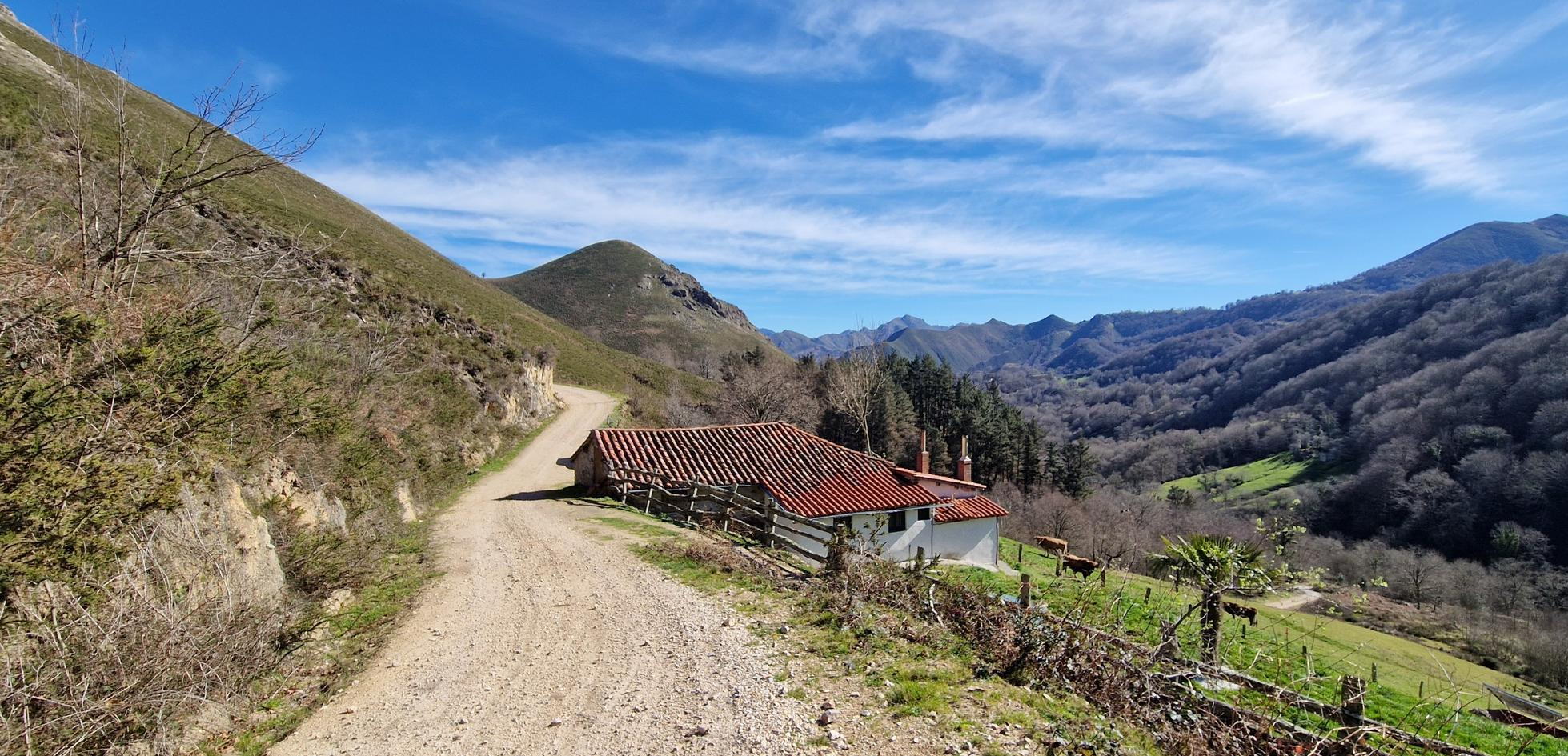
Unknown Paths of Asturias — GR Pilgrimage Route (105)
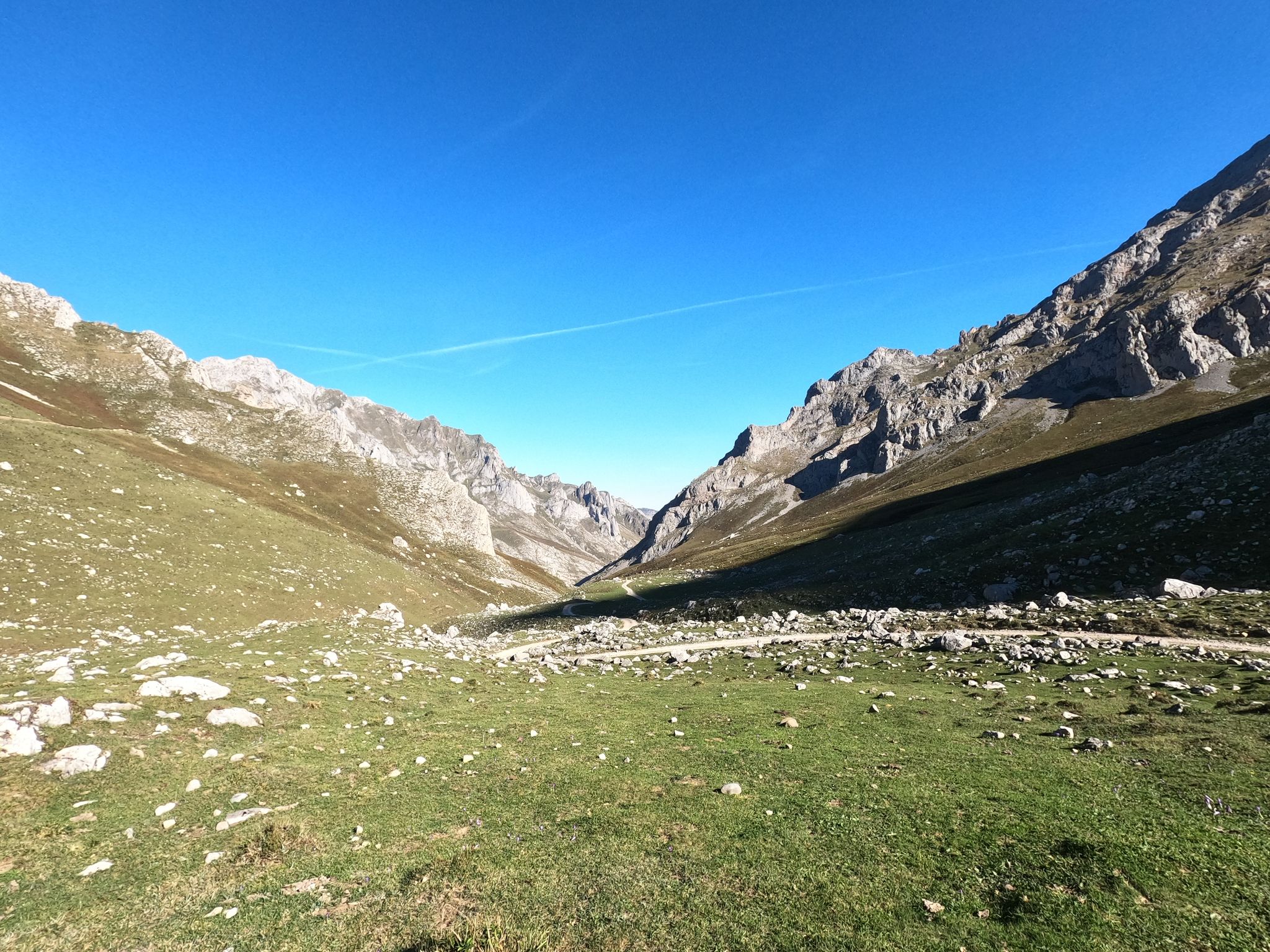
From statue to statue – Reconquista Challenge
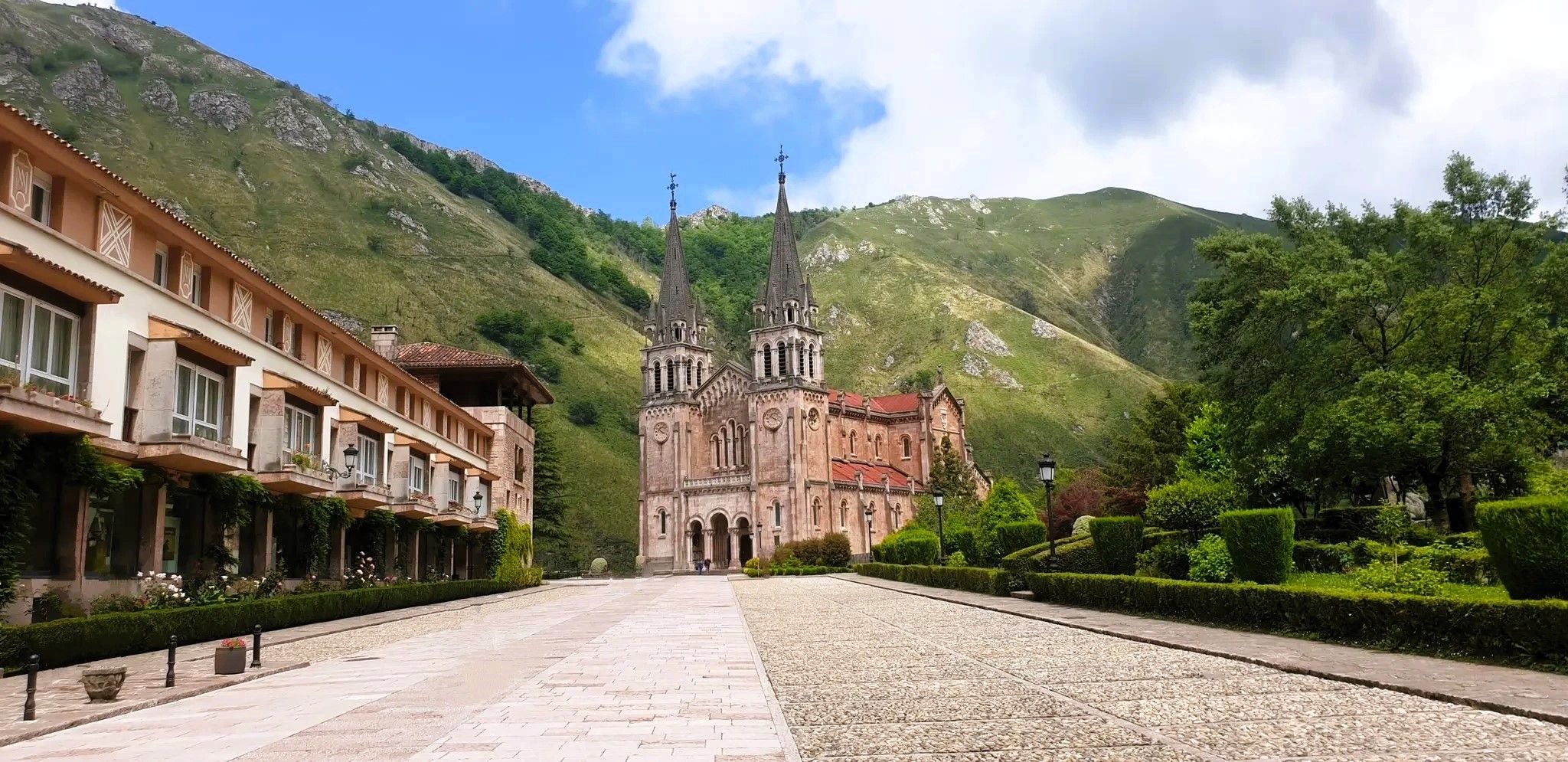
The other side of Asturias in Spain – Travesía Andariega (GR 108)
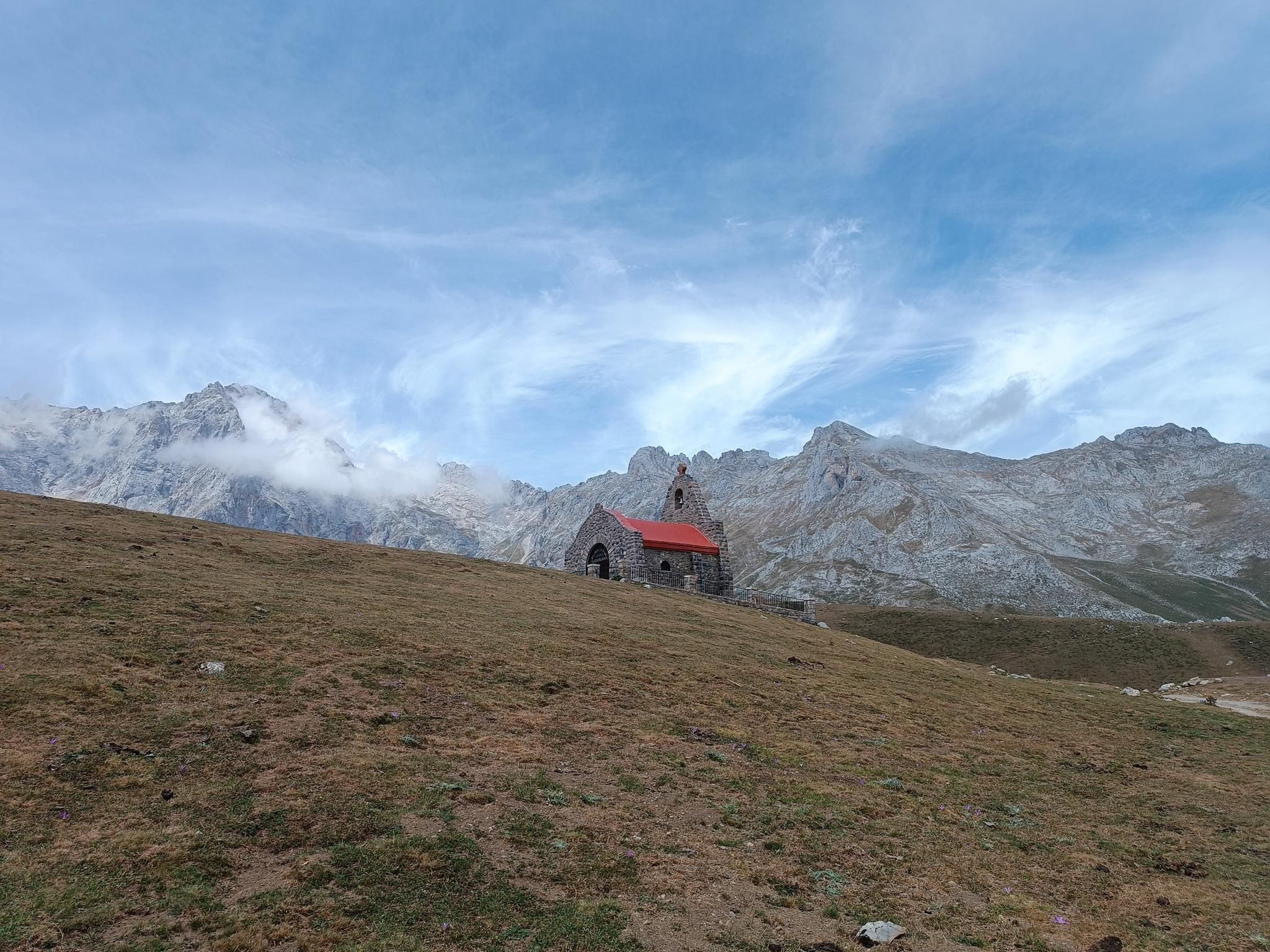
A pilgrimage to the peaks – Camino de los Santuarios
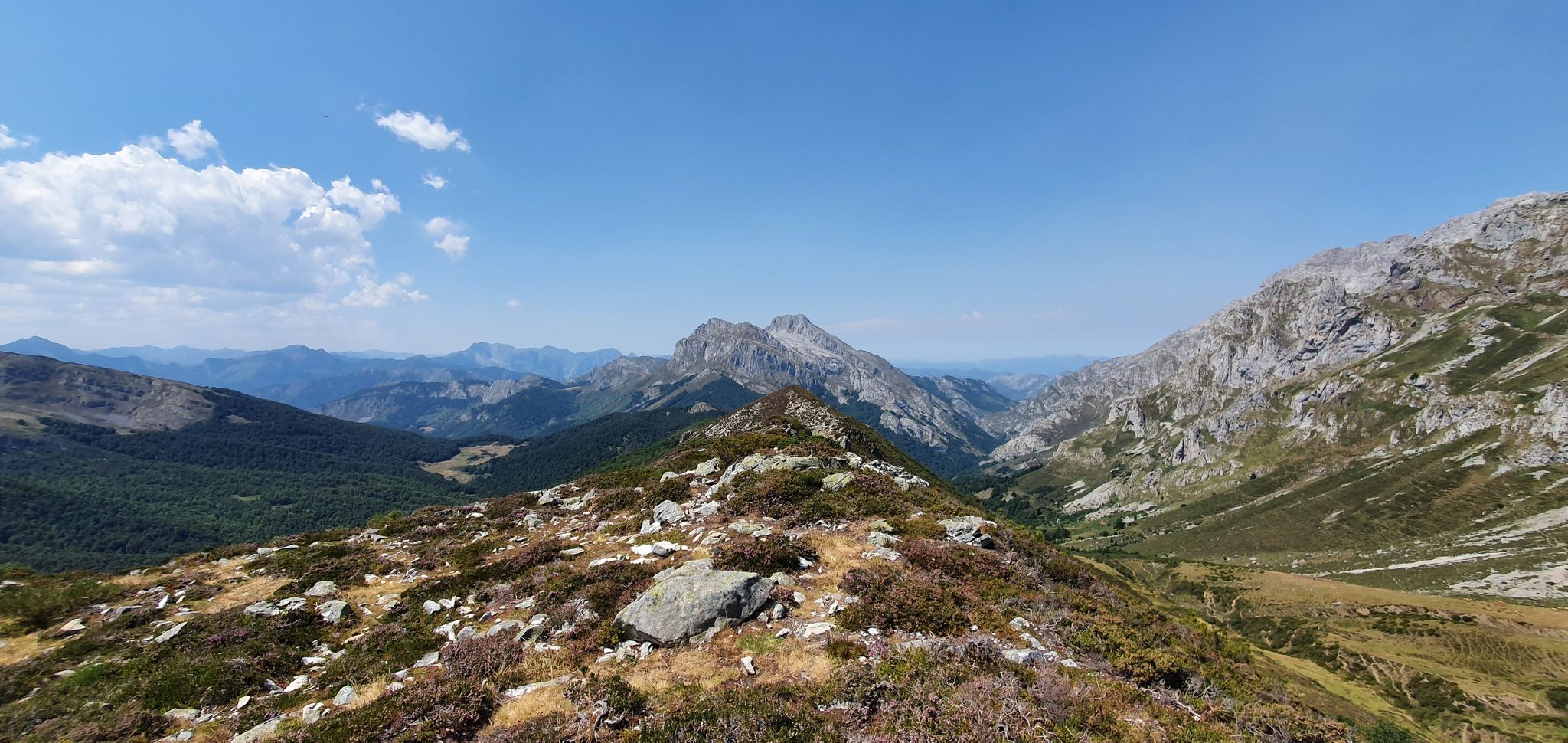
Four days hiking in Spain’s Picos de Europa – Anillo Vindio
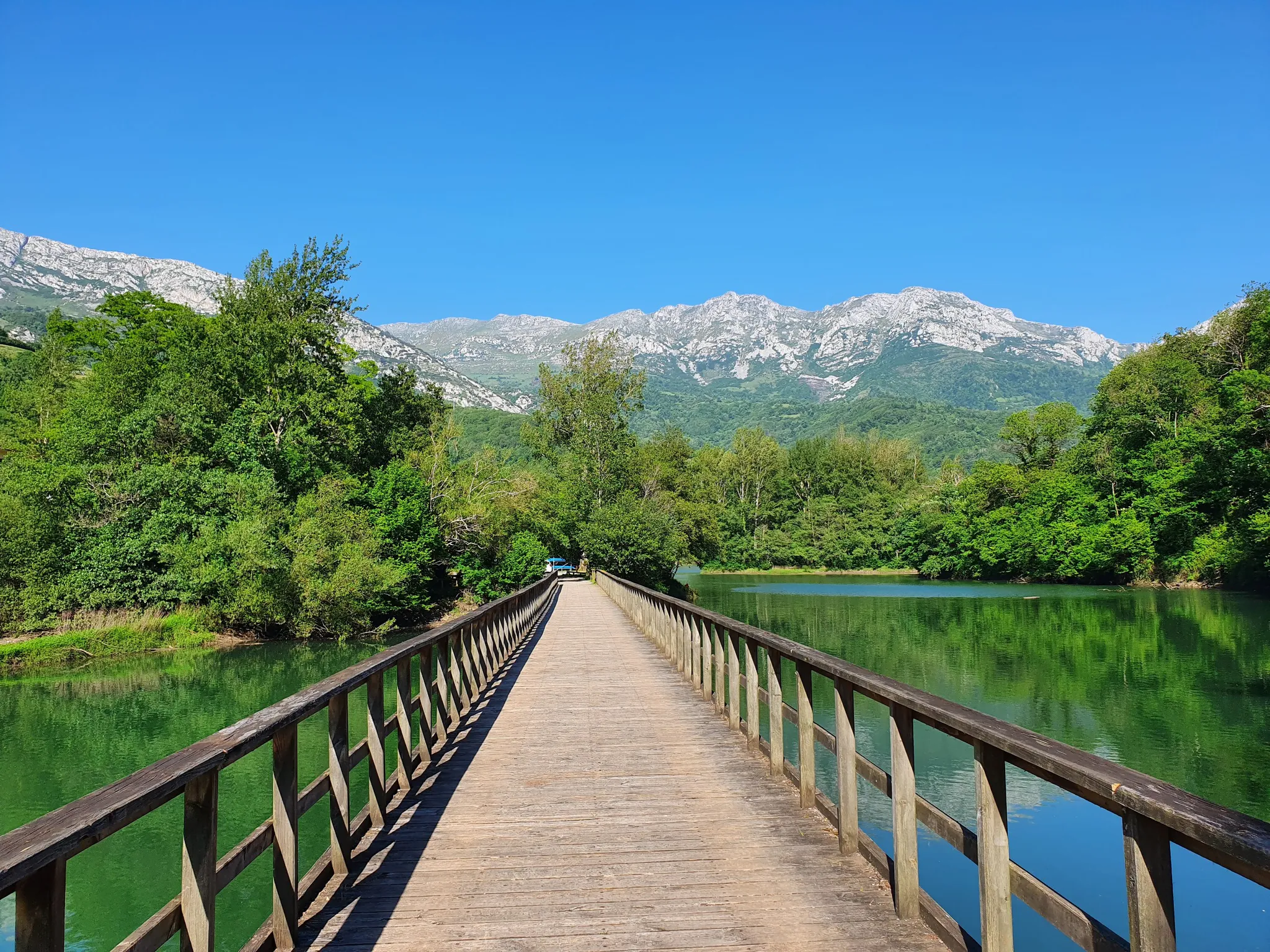
The secrets of the Cantabrian Mountains – GR 109 Asturias Interior
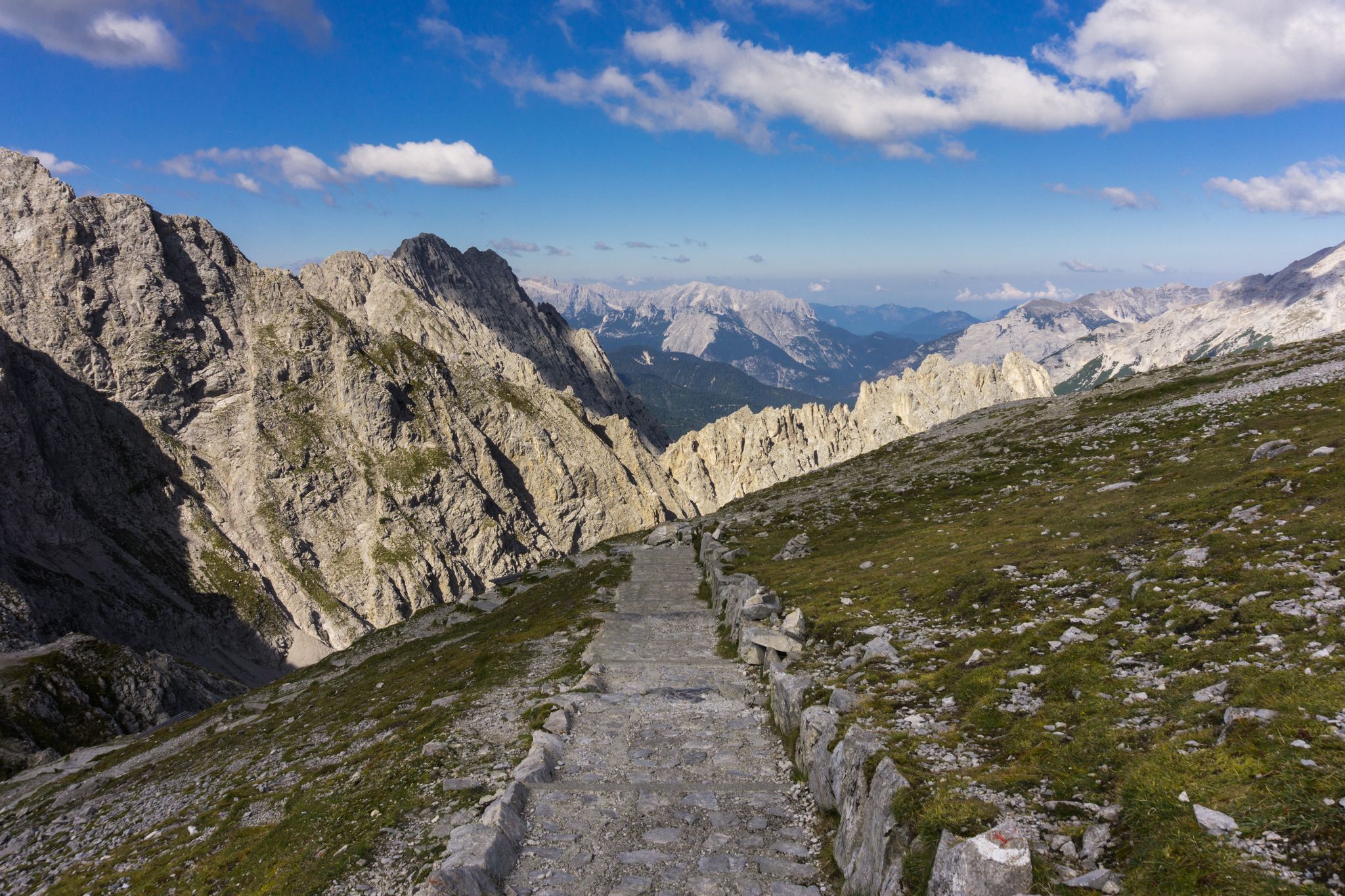
Las Cumbres Reinas de España — Spanish mountain trail races
Other adventures around Cangas De Onis


Tips from the Community

My opinion about Lake Enol is that it is the most beautiful and spectacular of the Lagos de Covadonga, and one of the most special mountain landscapes in Asturias. 🌊 Iconic image: its deep lake, the reflected mountains, and the grazing cows create a perfect postcard. 🏔️ Sense of grandeur: it conveys more "high mountain" than Lake Ercina. 📸 Very photogenic: especially with light fog, at dawn, or after rain. 🚶♀️ Accessible: it can be enjoyed without long hikes.
1
0

Wonderful location in the Picos de Europa
2
0

One of many impressive rock formations.
1
1

Since there are a lot of cars parked at the cable car, it is recommended to take the bus or a taxi (10 €) from Arenas to Poncebo.
3
0

A fantastic swimming spot in the VERY cold Cares River. Highly recommended, especially after a hike!
0
0


Known as the "Garganta Divina", this route between Cain (Leon, Castile and Leon) and Poncebos (Asturias) offers you the opportunity to walk between mountains that rise more than 2,000 meters above the bottom of the imposing gorge dug by the Cares River. You will see mythical peaks, cross bridges that connect both sides of the gorge, go through about 70 tunnels carved into the rock and witness an amazing natural spectacle.
4
0
Known as the "Garganta Divina", this route between Cain (Leon, Castile and Leon) and Poncebos (Asturias) offers you the opportunity to walk between mountains that rise more than 2,000 meters above the bottom of the imposing gorge dug by the Cares River. You will see mythical peaks, cross bridges that connect both sides of the gorge, go through about 70 tunnels carved into the rock and witness an amazing natural spectacle.
1
0
Frequently Asked Questions
What are the most popular natural attractions to visit near Cangas de Onís?
The region around Cangas de Onís is renowned for its stunning natural beauty. Highly recommended are the Ruta del Cares, particularly the first 6 kilometers from Cain, which offer spectacular views of the gorge. Another must-see is Lake Ercina, one of the serene glacial Lakes of Covadonga within the Picos de Europa National Park. The Sella River, which flows through the town, is also a significant natural feature, famous for canoeing.
Are there any historical or cultural sites worth visiting in Cangas de Onís?
Absolutely. Cangas de Onís is rich in history and culture. The iconic Roman Bridge (Puente Romano), a medieval construction with Roman foundations, is a symbol of the region. The Covadonga Sanctuary is a deeply significant historical and spiritual site, featuring the Holy Cave and the Basilica of Santa María la Real. You can also explore the Santa Cruz Church, built on a dolmen, and the Church of Santa María de la Asunción with its distinctive bell tower.
What kind of outdoor activities can I do near Cangas de Onís?
Cangas de Onís is a gateway to the Picos de Europa, offering a wide range of outdoor activities. Hiking is very popular, with options like the challenging Route of Cares from Poncebos to Caín or more moderate trails around the Lakes of Covadonga. For cyclists, there are challenging road cycling routes, including the iconic climb to the Lakes of Covadonga. The Sella River is also famous for canoeing.
Are there family-friendly attractions or activities in the area?
Yes, there are several family-friendly options. The Lakes of Covadonga, including Lake Ercina, offer beautiful, accessible areas for families to enjoy nature. Easy walks, such as the Lake Ercina – Lakes of Covadonga loop, are suitable for all ages. The traditional Sunday market in Cangas de Onís also provides a vibrant cultural experience for families.
What is the best time of year to visit Cangas de Onís and the Picos de Europa?
The best time to visit Cangas de Onís and the Picos de Europa is generally during the spring (April to June) and autumn (September to October). During these seasons, the weather is typically pleasant for outdoor activities like hiking and cycling, and the landscapes are particularly vibrant. Summer (July and August) is also popular but can be crowded, especially at major attractions like the Lakes of Covadonga.
Where can I find unique natural swimming spots near Cangas de Onís?
For a unique natural swimming experience, head to La Olla de San Vicente. This beautiful natural pool is located at the end of a riverside walk along the River Dobra and is known for its crystal-clear water and natural diving platforms, offering a refreshing dip in a stunning setting.
What are the notable architectural styles or buildings in Cangas de Onís?
Beyond the historic churches, Cangas de Onís features several examples of 'Indiano' architecture – large, often ornate houses built by Asturians who returned wealthy from the Americas. The Palacio Pintu, also known as Casa de la Capitana, with its colorful facade and angular tower, is a prime example. The 19th-century City Hall, with its classicist style and clock tower, is another architectural highlight.
Are there any traditional villages or settlements to explore in the mountains?
Yes, the region boasts charming mountain settlements. Bulnes (The Village) is a traditional town isolated in a beautiful valley, offering incredible views and serving as a starting point for hikes. Another notable village is Sotres, the highest town in Asturias, known for its traditional mountain architecture and local products like cheese.
What do visitors enjoy most about the attractions around Cangas de Onís?
Visitors frequently praise the breathtaking natural landscapes, especially the dramatic gorges and mountain views found along the Ruta del Cares. The unique experience of walking through the Dwarves' Tunnels on the Cares Trail is also a highlight. Many appreciate the tranquility and scenic beauty of the Lakes of Covadonga and the charm of isolated villages like Bulnes, which offers a sense of stepping back in time.
Are there any ancient sites or caves with historical significance?
Yes, the area has traces of ancient human presence. The Santa Cruz Church in Cangas de Onís is built on top of a dolmen, indicating prehistoric activity. Additionally, the El Buxu Caves, along with others like Salmula, Trespando, and Cuélebre, contain evidence of human presence from the Paleolithic and Neolithic periods, including cave paintings, offering a glimpse into the region's deep past.
What are some easy walking trails near Cangas de Onís?
For easier walks, consider the trails around the Lakes of Covadonga. The Lake Ercina – Lakes of Covadonga loop and the Lake Enol – Lakes of Covadonga loop are both rated as easy and offer beautiful scenery without significant difficulty. These are perfect for a relaxed exploration of the glacial lakes.
Can I find local markets or places to experience Asturian gastronomy?
Cangas de Onís is an excellent place to immerse yourself in Asturian gastronomy. The traditional Sunday market, held at the Palacio Pintu, is a vibrant hub where you can find local agricultural products, cheeses, and charcuterie. Many local restaurants offer traditional Asturian cuisine, including dishes like fabada, cachopo, and a variety of local cheeses, often accompanied by Asturian cider.
Most popular routes around Cangas De Onis
Most popular attractions around Cangas De Onis

Get inspired with the komoot mobile app


Didn’t find what you were looking for?
Are you keen on exploring more awesome places nearby? Browse our guides:
Explore more
Still not found the Highlight you’re looking for? See guides of the top attractions in other regions:
