The best cycling routes around Ågestasjön
4.4
(405)
5,064
riders
232
rides
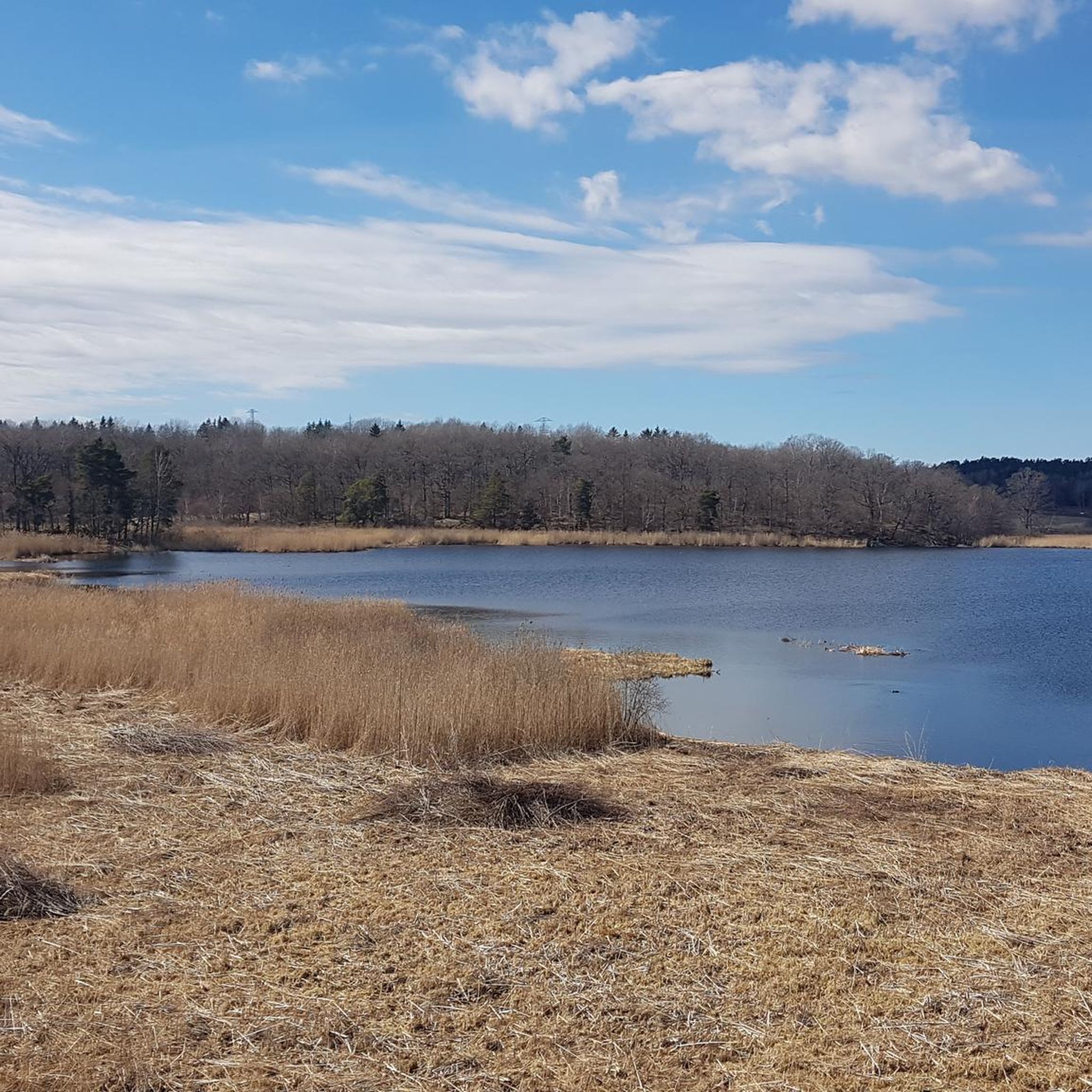
Touring cycling around Ågestasjön offers routes through a diverse landscape characterized by the lake itself, surrounding deciduous forests, and agricultural lands. The area is part of the Orlången Nature Reserve, providing varied terrain suitable for cycling. This region features a mix of natural beauty and accessible paths, making it a destination for outdoor activities. The topography includes former cultivated fields and woodlands, contributing to varied cycling experiences.
Best touring cycling routes around Ågestasjön
- The most popular touring cycling route is…
Last updated: July 15, 2026
4.0
(26)
197
riders
Hard bike ride. Very good fitness required. Mostly paved surfaces. Suitable for all skill levels.
5.0
(3)
87
riders
17.6km
01:04
110m
110m
Easy bike ride. Great for any fitness level. Mostly paved surfaces. Suitable for all skill levels.

Sign up for free
4.0
(1)
34
riders
Moderate bike ride. Good fitness required. Mostly paved surfaces. Suitable for all skill levels.
5.0
(3)
13
riders
21.5km
01:38
140m
140m
Easy bike ride. Great for any fitness level. Mostly paved surfaces. Suitable for all skill levels.
7
riders
Hard bike ride. Very good fitness required. You may need to push your bike for some segments of this route.
Get access to more routes and recommendations from other explorers.
Sign up for free
Already have an account?
Our route recommendations are based on thousands of hikes, rides, and runs completed by other people on komoot.
Start today with a free account
Your next adventure awaits.
Login or Signup
Tips from the Community

Riddarholmen is the historical core of Stockholm, with buildings from different eras. The oldest is the Riddarholm Church, which was consecrated around the year 1300. From 1634 and until 1950, the church was the royal burial place. Originally, the Riddarholm Church was part of a monastery. It was founded by the Franciscan order around 1270 on land donated by King Magnus Ladulås. The king chose the church as his final resting place and was buried there after his death in 1290. Magnus Ladulås was the son of Birger Jarl, who is believed to have founded Stockholm in the 1250s. In 1527, during the reign of King Gustav Vasa, the Reformation took place in Sweden. It meant that the crown confiscated the property of the church and the monasteries. The purpose was to break the power of the church and obtain funds for defense. On the west side of the island, Gustav Vasa ordered the construction of two cannon towers and a middle wall. The towers are preserved in the lower levels of the Birger Jarl Tower and in the south tower of the Wrangelska Palace. In the 17th century, Sweden developed into a great power and Stockholm's urban environment was modernized. The crown donated building land to the high nobility, who in the 1630s and 40s built palaces in the contemporary Renaissance style. In the second half of the 17th century, alterations and extensions were carried out in the imposing Baroque style. Some of the leading architects of the time were hired. Jean de la Vallée and Nicodemus Tessin the Elder designed the Wrangelska Palace. After the castle fire of 1697, the palace remained the royal residence for 57 years. In the 18th century, the crown began to take over the palaces. They were made into state administrative buildings and seats of Sweden's highest judicial institutions. In the 19th century and until about 1950, Riddarholmen was also an entry point for shipping on Lake Mälaren. One of the country's largest steamship ports was located on the west side of the island, where a quay was built. In the 1960s, it became a recreational park.
1
0

This statue has stood at Slottsbacken in front of the Royal Palace in Gamla Stan, Stockholm since 2018.
0
0

... and another great photo opportunity ...
2
0
Nice train station, currently undergoing renovations.
2
0

nice view over hamarbykanalen
1
0

Very interesting and educational! A small museum that you can take your time with... it's worth taking a guided tour. I particularly liked the short films that portray the 16 Nobel Prize winners. A little dry, but the significance of the Nobel Prize as an institution becomes clear! And definitely pay attention to the ceiling...
2
0
The statue of Nils Ericson (1802-1870) in front of the main entrance to Stockholm Central Station was the first of many we saw during our stay in the city. As a mechanical engineer, Nils Ericson designed and supervised the construction of a large number of canals and locks in Sweden (Albrektsund, Karlstad, Dalsland, Stallbacka, Säffle and Trollhätte). After 1850, he did the same for the state railway system. His more traditional bronze statue was inaugurated in 1893. Sculptor Johan Börjeson (1835-1910) depicted Ericson as a well-dressed gentleman in a relaxed pose. The seagulls show no respect to the great man.
2
0
Frequently Asked Questions
How many touring cycling routes are available around Ågestasjön?
There are over 240 touring cycling routes in the Ågestasjön area, offering a wide variety of options for different preferences and skill levels.
What are the difficulty levels of touring cycling routes in the Ågestasjön area?
The routes around Ågestasjön cater to all levels. You'll find over 120 easy routes, 88 moderate options, and 38 more challenging trails for experienced cyclists.
Are there any easy touring cycling routes suitable for beginners or shorter rides?
Yes, for an easy and shorter ride, consider the Tele2 Arena loop from Farsta, which is 17.6 km long. Another accessible option is the Forest Path – View from Ågestabron Bridge loop from Farsta strand, spanning 21.8 km.
What kind of terrain can I expect on touring cycling routes around Ågestasjön?
The terrain around Ågestasjön is varied, featuring a mix of deciduous forests, agricultural lands, and paths along the lake. As part of the Orlången Nature Reserve, you can expect diverse landscapes, from former cultivated fields to woodlands, providing interesting backdrops for your ride.
Are there any circular touring cycling routes in the Ågestasjön area?
Many routes in the area are designed as loops. For example, the Jordbro Burial Grounds – Nynäshamn Coastal Road loop from Farsta strand offers a challenging 106.8 km circular tour, while the Stortorget, Gamla Stan (Old Town) – Stockholm Central Station loop from Farsta is a moderate 48.9 km urban and historical loop.
What natural features or landmarks can I see while cycling around Ågestasjön?
The area is rich in natural beauty. Ågestasjön itself is a notable bird lake within the Orlången Nature Reserve, offering opportunities for birdwatching. You can also find unique geological features like seven impressive giant potholes near Djupån, with the largest measuring about three meters in diameter.
Is Ågestasjön suitable for family-friendly touring cycling?
Yes, with over 120 easy routes, Ågestasjön offers many options suitable for families. The accessible paths and varied, yet often gentle, terrain make it a good choice for leisurely rides with children. The Tele2 Arena loop from Farsta is an easy 17.6 km path that could be a good starting point for families.
Where can I park my car when visiting Ågestasjön for cycling?
Parking is available at Ågesta gård, which serves as a convenient starting point for many activities in the area, including cycling. This location also features a small café for refreshments.
How can I reach the Ågestasjön cycling paths using public transport?
The Ågestasjön area is accessible by bus, making it possible to reach the cycling paths without a car. Specific bus routes connect to the area, allowing you to start your ride from various points.
Are there any cafes or places to eat near the cycling routes?
Yes, Ågesta gård, a common starting point for outdoor activities, hosts a small café where you can get refreshments before or after your ride. Other amenities might be found in nearby urban areas depending on your chosen route.
What do other touring cyclists enjoy most about touring cycling in Ågestasjön?
The area is highly rated by the komoot community, with an average score of 4.4 stars from over 300 reviews. Cyclists often praise the diverse landscape, the mix of natural beauty and accessible paths, and the varied terrain within the Orlången Nature Reserve.
Are there any restrictions or permits required for cycling in the Orlången Nature Reserve?
While general cycling is permitted, it's important to be aware of specific regulations within the Orlången Nature Reserve. For instance, there is an access ban to the bird protection area from April 15 to July 15. Always respect local signage and nature reserve rules.
Most popular routes around Ågestasjön

Get inspired with the komoot mobile app


Explore more
Browse the best Cycling routes in other regions.
