The best walks and hikes around Orsasjön
4.4
(207)
979
hikers
46
hikes
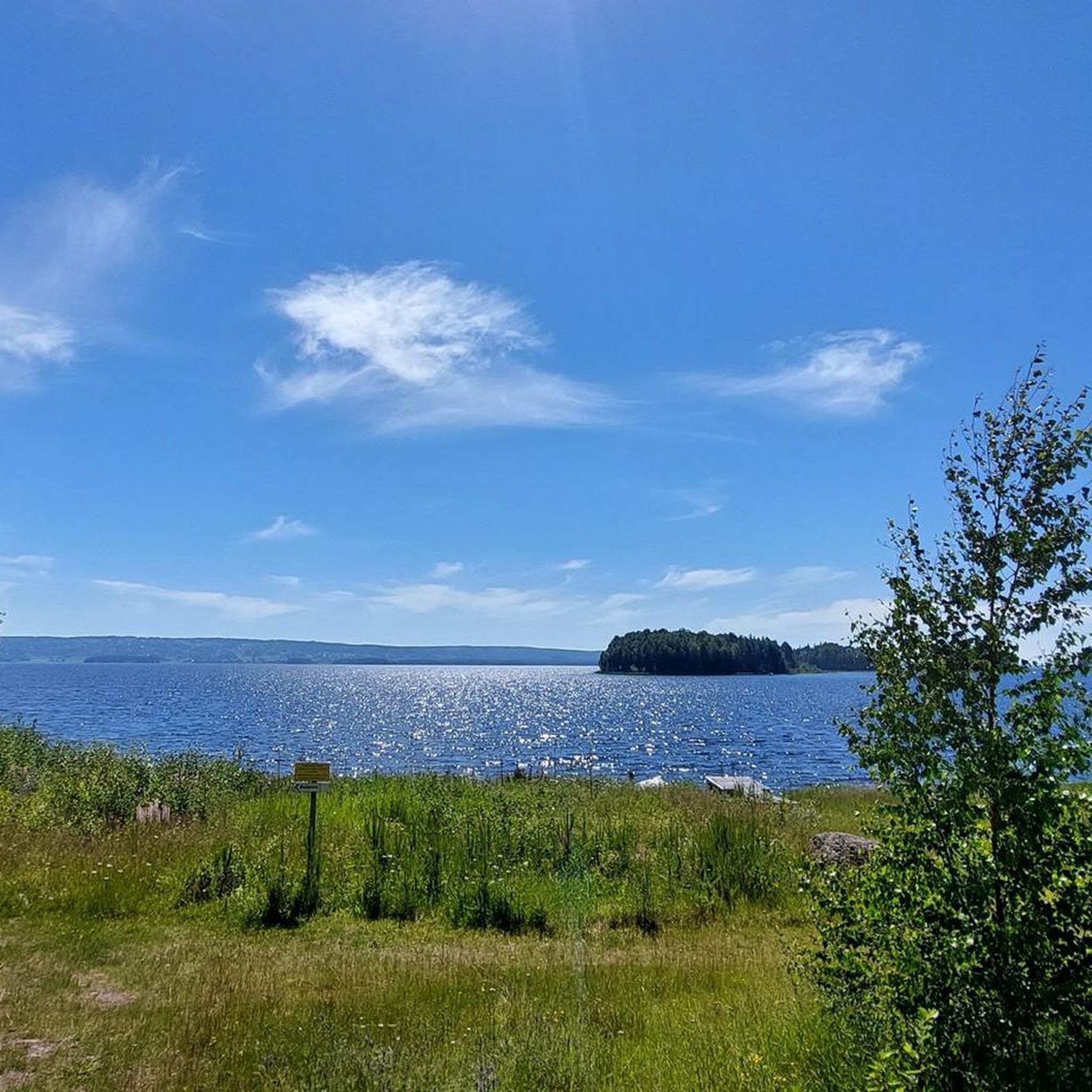
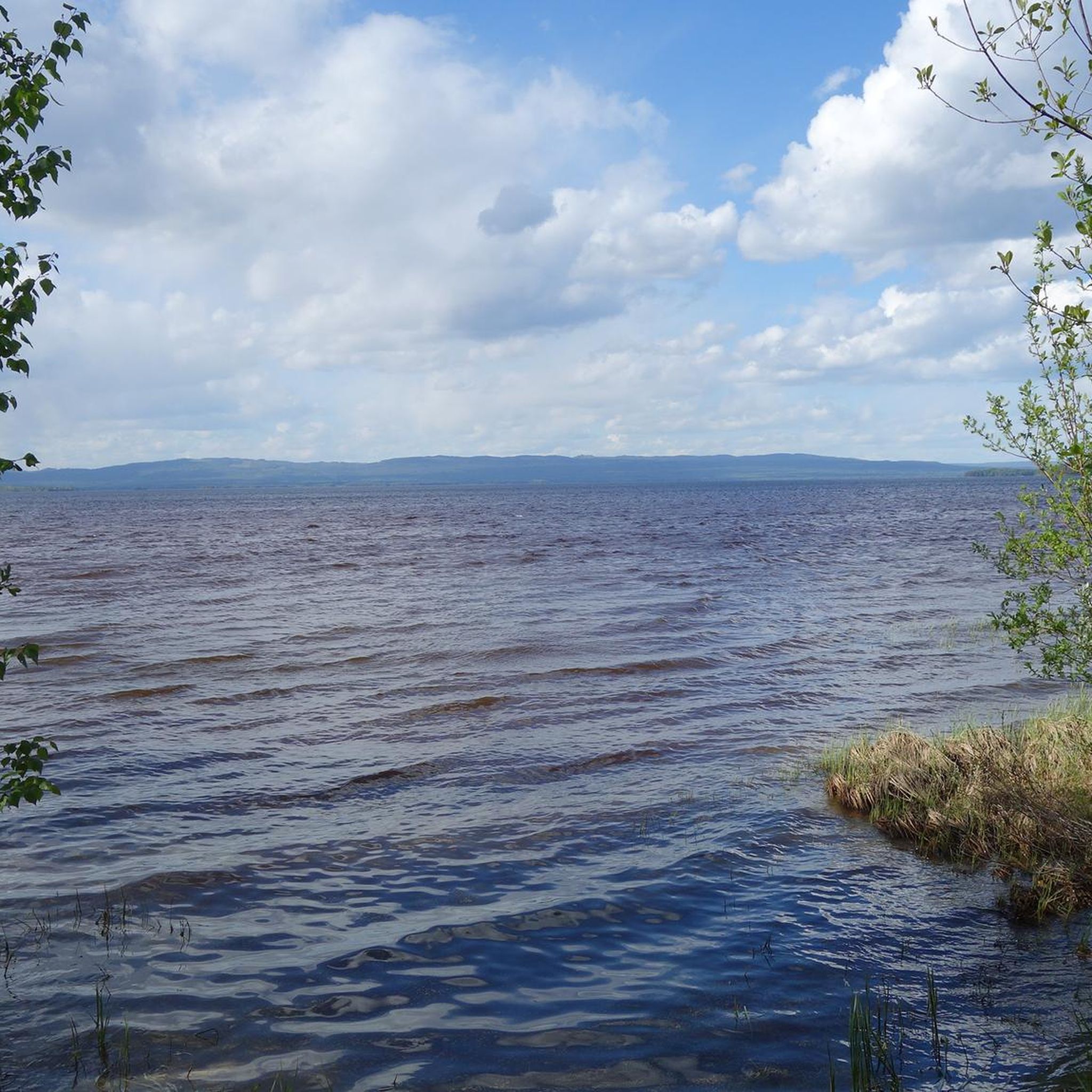
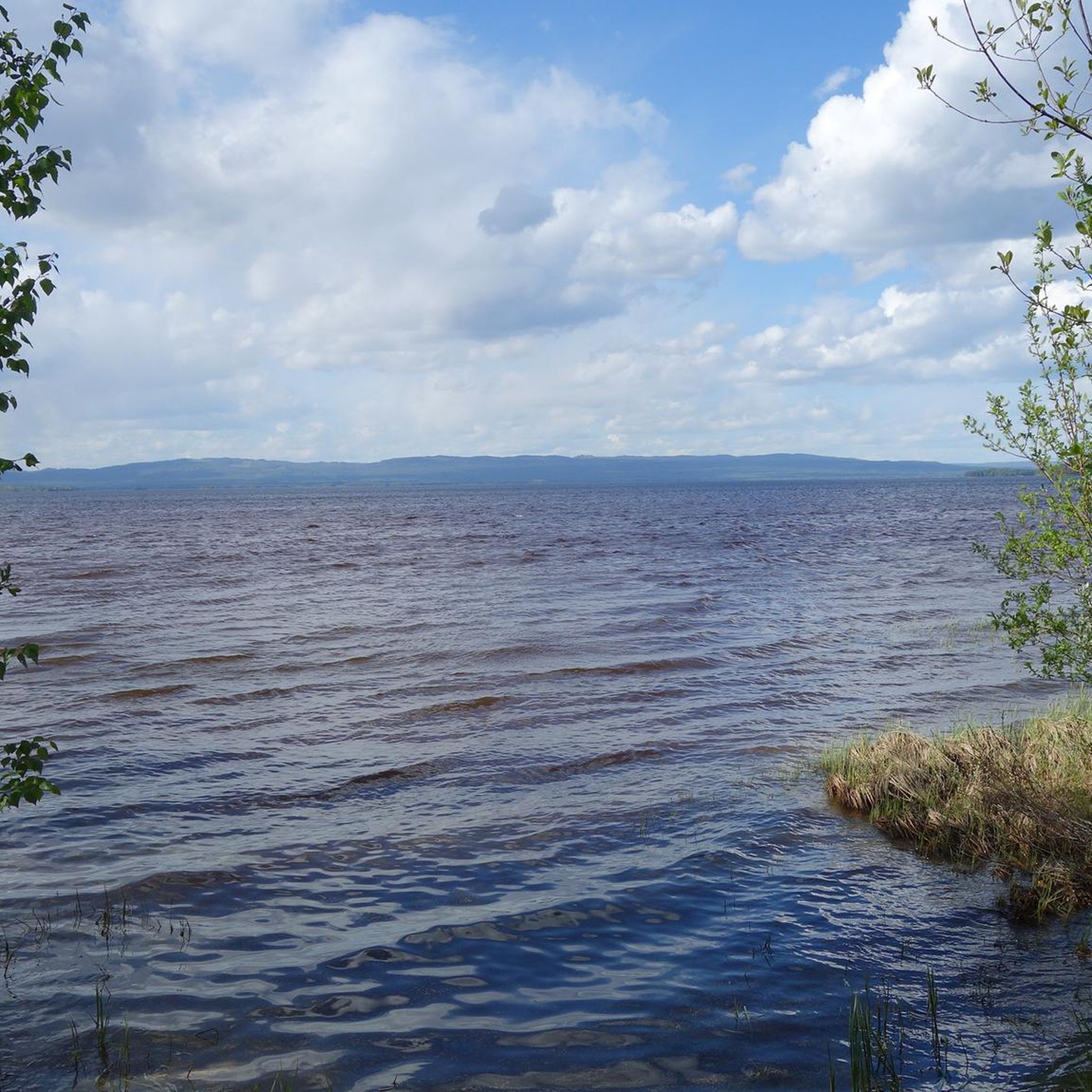
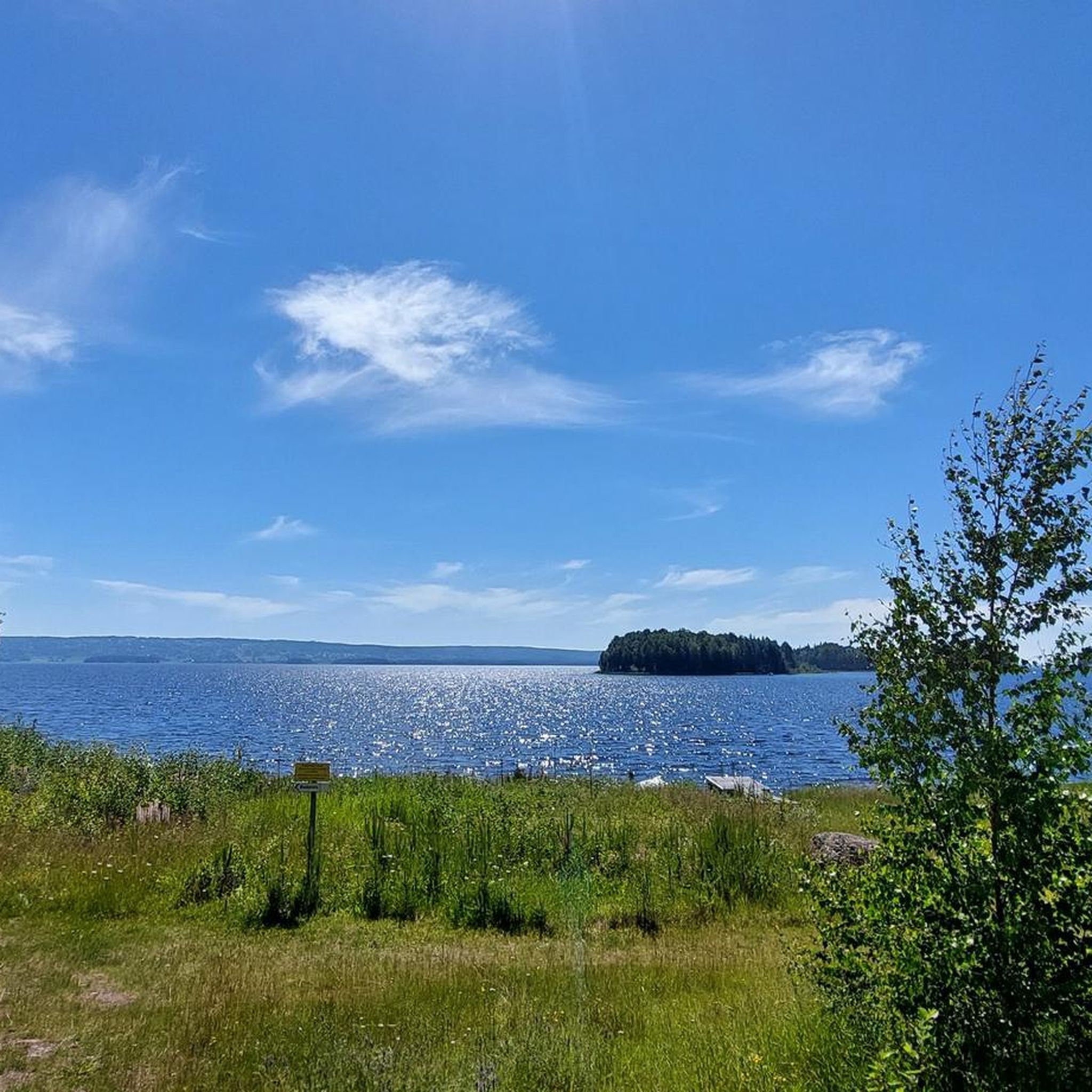
Hiking around Orsasjön offers diverse terrain shaped by a meteorite impact crater, featuring expansive forests and significant hills. The region includes numerous small lakes, tarns, and notable natural landmarks like waterfalls and gorges. Lakeside paths along Orsasjön provide scenic walks, complementing the varied landscape of central Dalarna.
Best hiking trails around Orsasjön
- The most popular hiking route is Våmåbadets Camping – Old Water Mill loop from Våmhus, an easy 4.3 miles (6.9 km) trail that takes 1 hour 47 minutes to complete, passing by an old water mill.
- Another top favourite among local hikers is Orsa Beach loop from Orsa, an easy 1.6 miles (2.6 km) path. This route offers lakeside scenery along Orsasjön and passes the sandy beach.
- Local hikers also love the Picnic Spot by Lake Orsasjön – Orsa Church loop from Orsa, a 2.8 miles (4.4 km) trail leading through lakeside areas, often completed in about 1 hour 8 minutes.
- Hiking around Orsasjön is defined by diverse forests, hills, and lakeside paths, with trails passing by small lakes and waterfalls. The network offers options for various ability levels, from easy strolls to more challenging routes.
- The routes in Orsasjön are highly rated by the komoot community with an average score of 4.4 stars from over 190 reviews. More than 900 hikers have used komoot to explore Orsasjön's varied terrain.
Last updated: July 10, 2026
3.1
(14)
47
hikers
6.87km
01:47
40m
40m
Easy hike. Great for any fitness level. Easily-accessible paths. Suitable for all skill levels.
11
hikers
2.56km
00:39
0m
0m
Easy hike. Great for any fitness level. Easily-accessible paths. Suitable for all skill levels.

Sign up for free
2
hikers
4.43km
01:08
10m
10m
Easy hike. Great for any fitness level. Easily-accessible paths. Suitable for all skill levels.
4.8
(4)
12
hikers
9.76km
02:30
40m
40m
Moderate hike. Good fitness required. Easily-accessible paths. Suitable for all skill levels.
4.0
(4)
10
hikers
4.48km
01:14
70m
70m
Easy hike. Great for any fitness level. Easily-accessible paths. Suitable for all skill levels.
Get access to more routes and recommendations from other explorers.
Sign up for free
Already have an account?
Our route recommendations are based on thousands of hikes, rides, and runs completed by other people on komoot.
Start today with a free account
Your next adventure awaits.
Login or Signup

Tips from the Community

Lake Ätjärnen is a forest lake in Mora featuring a flat, family-friendly 5-kilometre trail that follows the water's edge. The area is well-equipped with picnic spots and swimming areas, making it a popular local destination for hiking and exploring the outdoors.
0
0

Beautiful church that was restored with a donation from America
0
0
Nice campsite by the lake. Everything is well-organized. Friendly managers.
0
0
Only open during high summer. Outside of season, you'll find yourself standing in front of a closed gate.
0
0

The first stone church was built in the 13th century and probably replaced a wooden stave church. Around 1300 the church was extended to the east and then the sacristy was probably added. An inventory of the roof of the church found splintered pieces of wood that may date from around 1300, when the sacristy was built. In the middle of the 14th century the church was extended to its current width. At the end of the 15th century, the church was expanded to its present size, except for the chancel. In 1607 the foundation stone for a church tower was laid on the west side, but it was not until 1639 that the tower was completed. The current pentagonal choirs were added during a remodeling in 1752–1755 under the direction of master builder Petter Schulzberg from Västerås. Today's church tower was built in 1853 according to plans by the architect Ludvig Hawerman. The earlier tower from 1639 was demolished due to poor construction.
2
0
Today's stone church in the late Gustavian style was built in 1780 - 1794 about a hundred meters north-west of the former chapel. The cornerstone was laid in 1771-1773, but work was stopped and only resumed in 1780. The church was commissioned in 1789 and completed in 1794, when it was also consecrated. The church building consists of a rectangular nave with a straight choir in the east. East of the sanctuary is a three-sided sacristy the width of the nave. To the west is a square steeple with an octagonal top and onion-shaped roof. The main entrance is on the ground floor of the tower. Another entrance is in the middle of the south side of the nave. The nave has a mansard roof that is hipped to the east over the sacristy. The interior ceiling of the church has a wooden barrel vault, which was decoratively renewed during a restoration in the 1950s.
2
0
Nice little campsite right on the lake, which is a good starting point for cycling tours on the Siljanleden. The place is run by friendly Dutch people and they know their business 👏
2
0
Frequently Asked Questions
How many hiking trails are available around Orsasjön?
There are over 45 hiking trails around Orsasjön, catering to various preferences and fitness levels. This includes a mix of easy and moderate routes, ensuring there's something for everyone to explore.
What kind of terrain can I expect on hikes around Orsasjön?
The terrain around Orsasjön is incredibly diverse, shaped by an ancient meteorite impact. You can expect expansive forests, significant hills with elevation gains up to 400 meters, and numerous smaller lakes and tarns. Many trails also offer beautiful lakeside scenery along Orsasjön itself.
Are there easy hiking trails suitable for beginners or families?
Yes, Orsasjön offers many easy trails perfect for beginners and families. More than 25 routes are classified as easy, providing gentle paths through forests and along the lake. An example is the Orsa Beach loop from Orsa, which offers pleasant lakeside scenery.
Are there any notable natural landmarks or viewpoints to discover while hiking?
Absolutely. The region boasts striking natural features like the 30-meter high Helvetesfallet waterfall and the dramatic Storstupet Gorge. For panoramic views, consider trails near Orsa Grönklitt or visit Fryksås Fäbodar, a collection of traditional summer pasture huts offering magnificent vistas over the landscape.
Can I find trails that pass by waterfalls?
Yes, the area north of Orsa is known for its impressive waterfalls. You can explore routes that lead to natural spectacles like the Helvetesfallet waterfall, which plunges through a narrow gorge. A specific route, the Waterfall loop from Orsa, takes you to a local waterfall.
Are there options for longer, multi-day hikes in the region?
For those seeking longer adventures, the extensive Siljansleden trail loops around both Lake Siljan and Orsasjön. This 310-340 kilometer network is one of Sweden's 12 Signature Trails, offering a journey through traditional landscapes and wild nature, suitable for multi-day excursions.
What is the best time of year to go hiking in Orsasjön?
The best time for hiking around Orsasjön is generally during the warmer months, from late spring to early autumn, when trails are clear and the weather is pleasant. During summer, many smaller lakes and tarns along the trails offer opportunities for refreshing swims. Winter also offers unique experiences like ice skating on the frozen lake, but requires different gear for hiking.
Are there any circular hiking routes around Orsasjön?
Yes, many of the trails around Orsasjön are designed as circular routes, allowing you to start and end at the same point. Examples include the Våmåbadets Camping – Old Water Mill loop from Våmhus and the Orsa Beach – Orsa Church loop from Orsa, both offering convenient round trips.
What do other hikers enjoy the most about hiking in Orsasjön?
The area is highly rated by the komoot community, with an average score of 4.4 stars from over 190 reviews. Hikers often praise the diverse landscapes, from serene lakeside paths to challenging forest climbs, and the well-maintained trails that cater to all abilities. The natural beauty and cultural insights are frequently highlighted.
Is it possible to reach hiking trails around Orsasjön using public transport?
While specific public transport options directly to every trailhead might be limited, Orsa town itself is accessible by train and bus. From Orsa, local buses or taxis can help you reach various starting points for hikes. It's advisable to check local transport schedules in advance.
Are there any cultural or historical sites along the hiking trails?
Yes, the trails often provide a glimpse into the region's rich cultural heritage. You might pass by traditional small buildings and villages, or even sections of the ancient Dalkarlsvägen, a historic route. Fryksås Fäbodar, a preserved collection of summer pasture huts, is a notable cultural landmark accessible via some hikes.
What is the typical elevation gain on trails around Orsasjön?
The elevation gain varies significantly depending on the trail. While many easy lakeside paths have minimal elevation changes, some routes venture into the region's larger hills, offering climbs of up to 400 meters. This variety allows hikers to choose routes that match their desired challenge level.
Most popular routes around Orsasjön

Get inspired with the komoot mobile app


Explore more
Browse the best Hikes in other regions.
