Attractions and Places To See in Scott County - Top 20
Best attractions and places to see in Scott County, Minnesota, include a diverse array of regional parks and historical sites. The area features extensive natural landscapes with glacial ridges, forests, and wetlands, offering opportunities for outdoor recreation. Visitors can explore living history museums that depict 19th-century life, alongside numerous trails for hiking, biking, and winter sports. This region provides a blend of natural beauty and cultural heritage for explorers.
Best attractions and places to see in Scott County
- The most…
Last updated: October 10, 2026
The Landing – Minnesota River Heritage Park
Highlight • Historical Site
Tip by

Cleary Lake Regional Park
Highlight • Lake
Tip by

Sign up now to discover places like this
Get recommendations on the best single tracks, peaks, & plenty of other exciting outdoor places.
Murphy-Hanrehan Singletrack Trailhead
Highlight • Trail
Tip by

Doyle-Kennefick trailhead
Highlight • Trail
Tip by

Rocks to sit on and overlook the lake
Highlight • Viewpoint
Tip by
More rocks to sit on
Highlight • Viewpoint
Tip by
Quarry Lake Park
Highlight • Lake
Tip by
The Landing – Minnesota River Heritage Park
Highlight • Historical Site
Tip by
Shakopee Veterans Memorial Park
Highlight • Monument
Tip by
The Pond Gristmill
Highlight • Historical Site
Tip by
Sign up for free to discover even more attractions in Scott County.
Already have an account?
Start today with a free account
Your next adventure awaits.

Tips from the Community

They were hosting some kind of mountain bike race here today, it was nuts just how many cars were here, plus tents for clubs and merch and such.
1
0

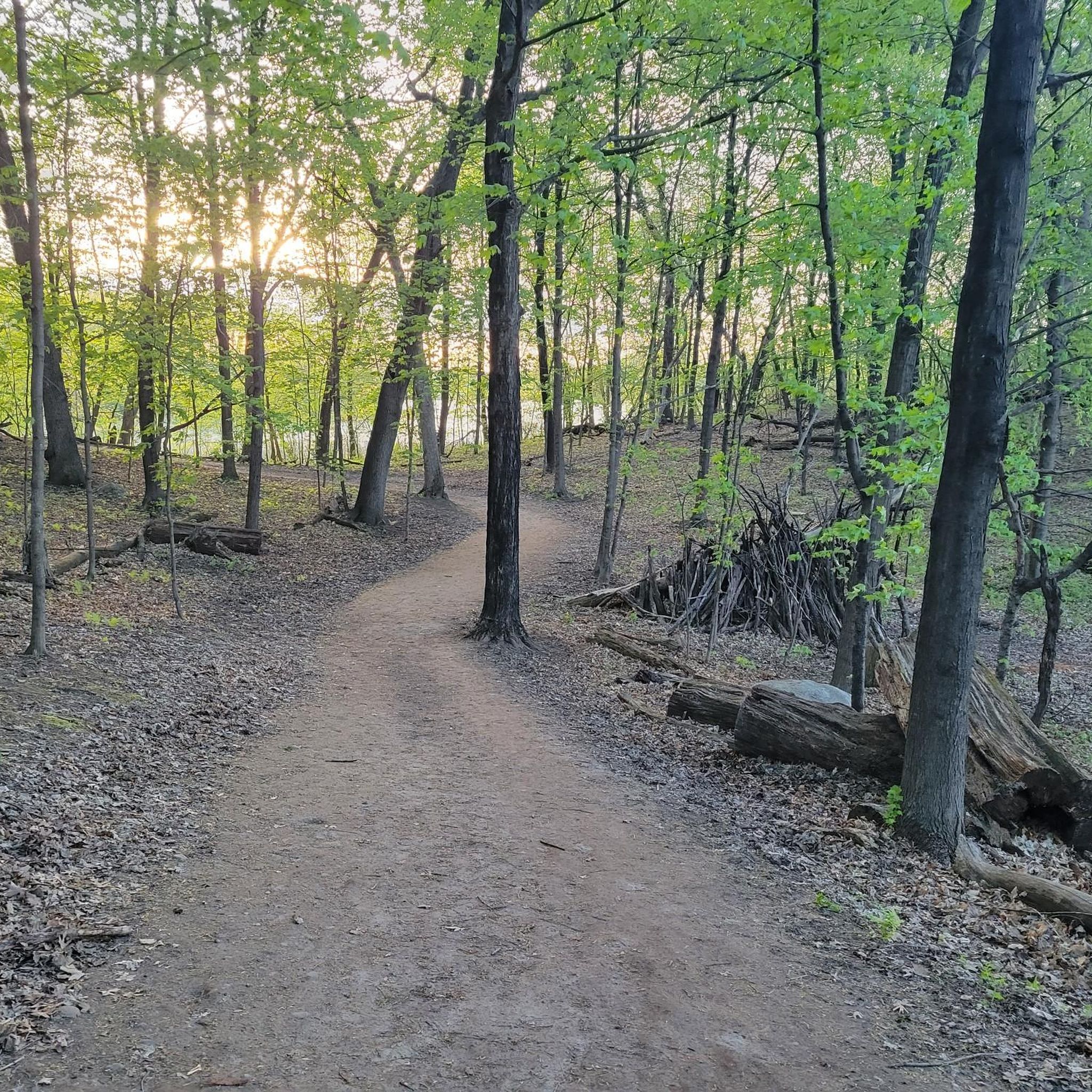
Challenging biking, I've only done the beginner and intermediate. I like the beginner loop a lot, out in the prairie, fast packed sand with some small jumps.
1
0
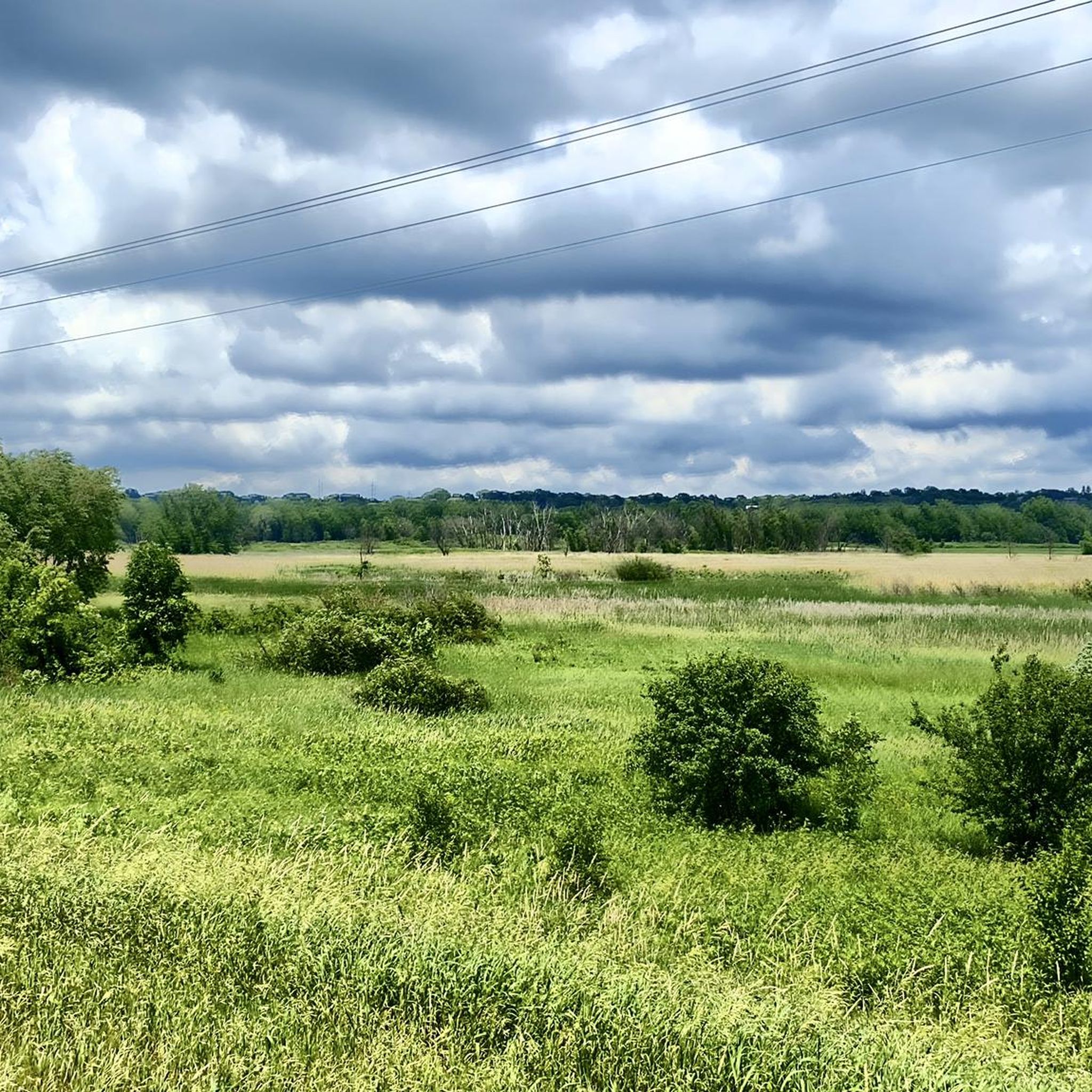
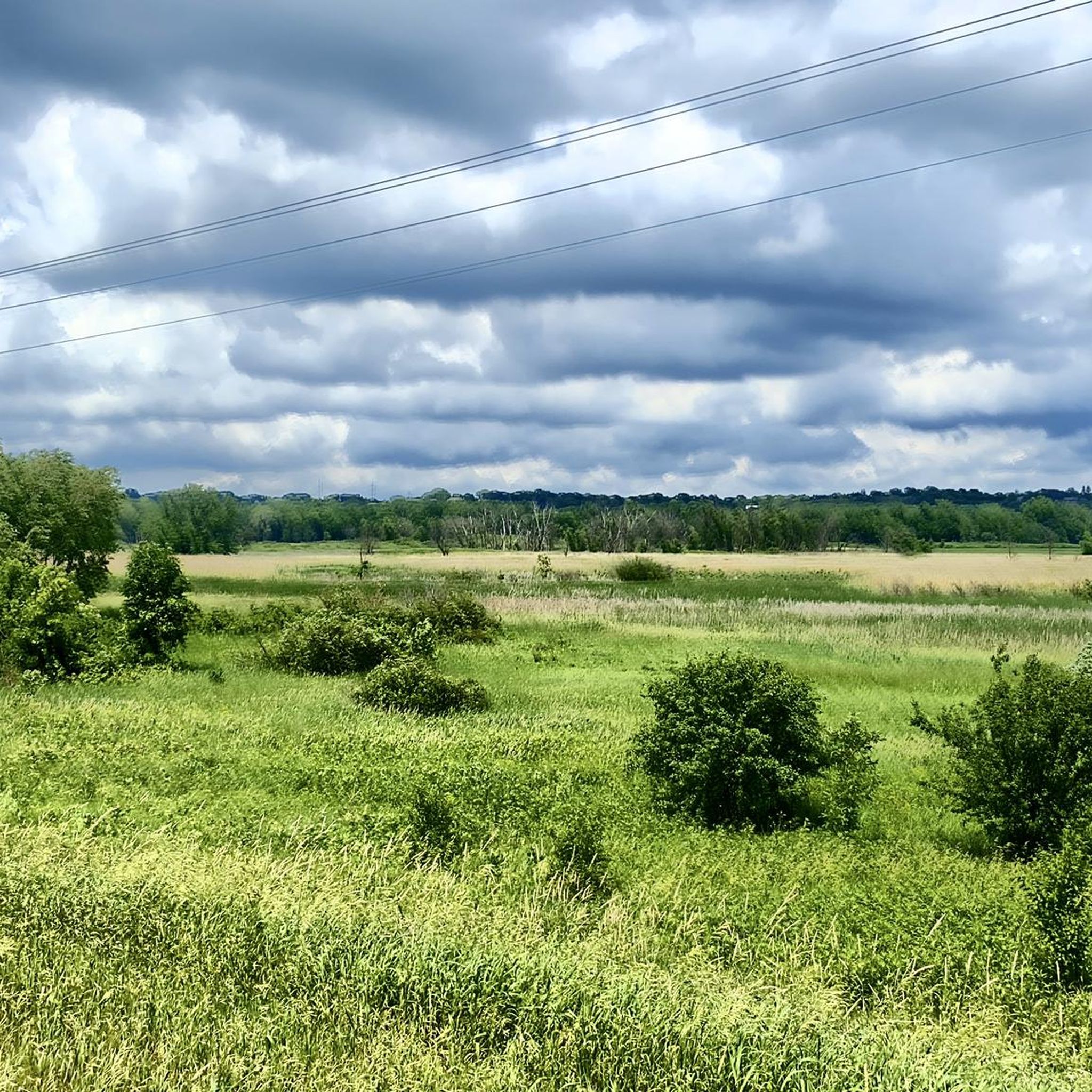
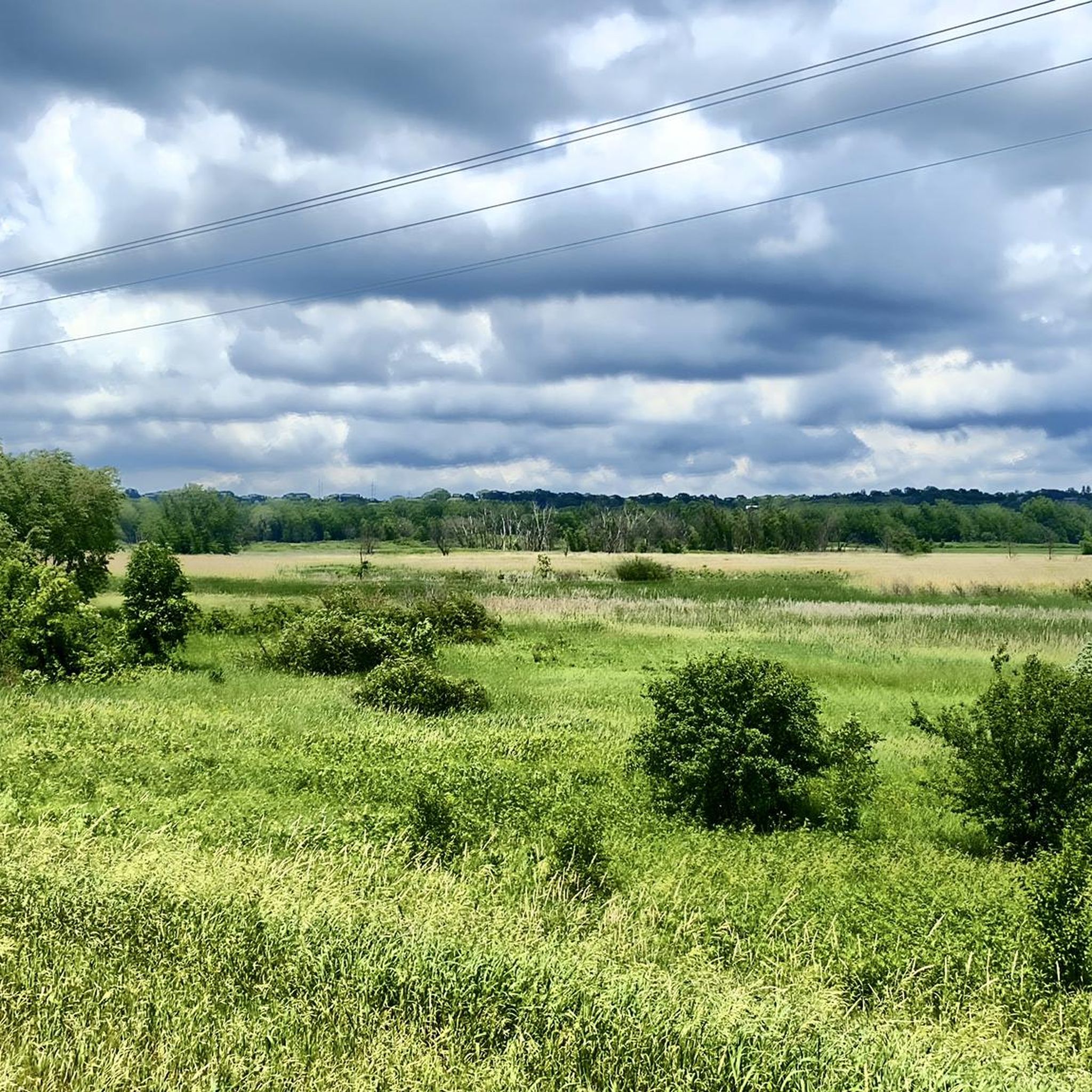
Doyle-Kennefick Regional Park is named for two early Irish settler families whose homesteads once occupied this land and are now preserved within the park. The original Kennefick family log cabin, built in 1888, still stands and is protected under a metal pole barn until it can be restored for public viewing or museum use. Nearby are a large 20th-century barn, a corn crib, and a windmill. The cabin housed several generations of Kenneficks; Elizabeth Kennefick, born there, later married neighbor Francis Doyle, whose family settled immediately north of the Kennefick property. In 1941, Francis purchased the Kennefick land, uniting the two farms into a single 400-acre holding that was later sold to Scott County in 2003. Local lore also recalls a Kennefick family member as the unofficial “poet laureate” of Cedar Lake Township, known for composing verses and songs about community people and events. In 2017, Scott County Parks, in partnership with Three Rivers Park District engineers and designers, built initial trails and access so the 900+ acre property could open for hiking and nature observation ahead of its full opening in September 2024.
2
0
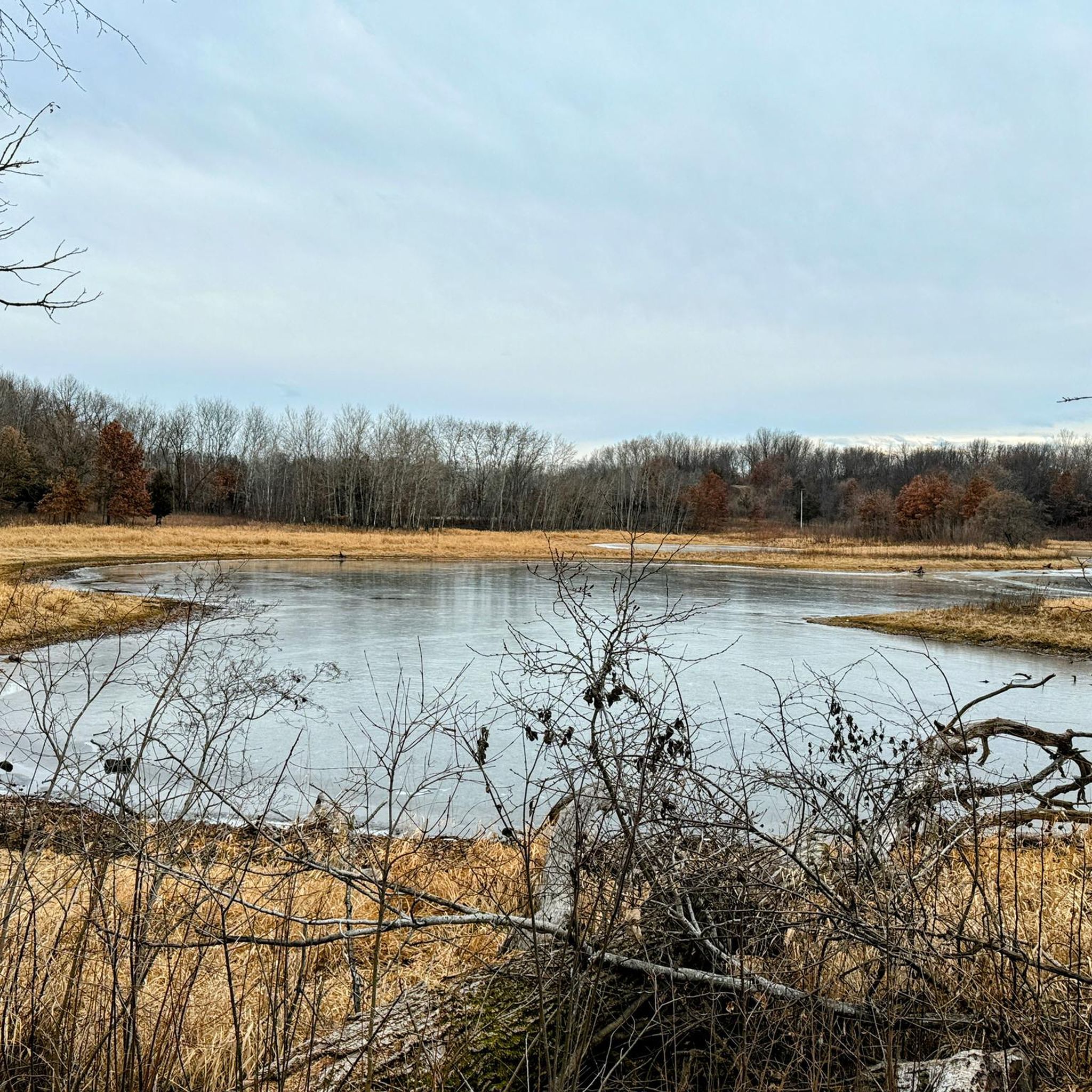
There are three Komoot highlights called “rocks to sit on” in Doyle Kennefick Regional Park. Feeling a bit sorry for these highlights with such a plain name, I let my imagination wander as I gazed at and sat on them. Because each of these highlights is situated at an elevation in an open area, I compared them to small versions of the Neolithic henges scattered across the British Isles. The idea of Neolithic henges naturally made me think of Stonehenge, which then reminded me of a scene from Thomas Hardy’s novel *Tess of the D’Urbervilles*, which I read in high school. The protagonist, Tess, is fleeing the law across the barren Salisbury Plain. She stumbles upon the massive stones of Stonehenge and, exhausted, lies down on a large, flat stone to sleep, only to wake up in the morning surrounded by police. Now, back to reality, the stones of Doyle and Kennefick are not large enough to lie on for a nap, but given their placement in an open area, they offer a peaceful view of the surrounding parklands. What thoughts come to your mind as you look upon these curious rocks arranged in a row?
1
0
There are three Komoot highlights called “rocks to sit on” in Doyle Kennefick Regional Park. Feeling a bit sorry for these highlights with such a plain name, I let my imagination wander as I gazed at and sat on them. Because each of these highlights is situated at an elevation in an open area, I compared them to small versions of the Neolithic henges scattered across the British Isles. The idea of Neolithic henges naturally made me think of Stonehenge, which then reminded me of a scene from Thomas Hardy’s novel *Tess of the D’Urbervilles*, which I read in high school. The protagonist, Tess, is fleeing the law across the barren Salisbury Plain. She stumbles upon the massive stones of Stonehenge and, exhausted, lies down on a large, flat stone to sleep, only to wake up in the morning surrounded by police. Now, back to reality, the stones of Doyle and Kennefick are not large enough to lie on for a nap, but given their placement in an open area, they offer a peaceful view of the surrounding parklands. What thoughts come to your mind as you look upon these curious rocks arranged in a row?
1
0
The Landing—Minnesota River Heritage Park is an 88-acre living history museum located in Shakopee, Minnesota. The park is situated on the banks of the Minnesota River and is designed to represent life in the Lower Minnesota River Valley during the 19th century. Its exhibits feature a collection of preserved and replicated historic structures arranged to simulate a timeline of the era, from the 1840s through the 1890s. Key buildings include a fur trade post, various farmsteads, a town hub with a general store, and a blacksmith shop. Staff members, dressed in period-appropriate attire, act as interpreters who demonstrate historical tasks, crafts, and social customs. The park's primary function is to provide an educational and immersive look at the region's settlement and development during that time period. Walking trails are also available throughout the property.
3
0
Shakopee Memorial Park is a community green space centered around the historic Mill Pond. This pond, which winds through the park, is fed by natural springs that originate at the site of Samuel Pond's mission to the Dakota people, connecting the park to the region's earliest history. At the lower end of Mill Pond, a grist mill once played a vital role in the community. Built and operated by Samuel Pond's sons, Martin and Robert Pond, the mill used water from the pond to power its operations. Today, the park offers a tranquil setting that honors the legacy of the Pond family and the city’s industrial origins.
3
0
Frequently Asked Questions
What are the best parks for outdoor activities in Scott County?
Scott County, Minnesota, is home to several excellent regional parks. Cleary Lake Regional Park is a popular year-round destination offering a campground, golf course, swimming beach, and trails for hiking, biking, snowshoeing, and cross-country skiing. Another notable park is Murphy-Hanrehan Park Reserve, known for its challenging cross-country ski areas and mountain biking trails. Doyle-Kennefick Regional Park, which opened in 2024, features native forests, wetlands, and scenic views.
Are there any historical attractions or cultural sites in Scott County?
Yes, Scott County offers rich historical experiences. The most prominent is The Landing – Minnesota River Heritage Park in Shakopee, an 88-acre living history museum. It recreates 19th-century life along the Minnesota River Valley with over 40 preserved and replicated historic structures from the 1840s through the 1890s, complete with costumed interpreters and seasonal events. You can also find historical elements at Doyle-Kennefick Regional Park, which preserves the original 1888 Kennefick family log cabin.
What kind of hiking trails can I find in Scott County?
Scott County provides a variety of hiking trails suitable for different skill levels. For easy walks, you can explore trails at Cleary Lake Regional Park or the newly opened Doyle-Kennefick Regional Park. The Easy hikes in Scott County guide features routes like the Murphy Hanrehan Park Loop and Spring Lake Regional Trail. Many parks, including Murphy-Hanrehan Park Reserve, offer extensive trail networks through diverse landscapes like glacial ridges and forests.
Are there mountain biking opportunities in Scott County?
Absolutely! Scott County is well-known for its mountain biking trails. The Murphy-Hanrehan Singletrack Trailhead offers miles of well-maintained singletrack suitable for riders of all abilities, featuring skinnies, staircases, rock features, and flowy rolling sections. You can find more routes and details in the MTB Trails in Scott County guide.
What are some family-friendly activities available in Scott County?
Scott County offers many family-friendly attractions. Cleary Lake Regional Park is ideal for families with its swimming beach, picnic areas, and various trails. The Landing – Minnesota River Heritage Park provides an engaging educational experience with its living history exhibits and costumed interpreters. Many regional parks also feature easy trails and facilities like picnic tables and restrooms, making them perfect for a family day out.
Can I go gravel biking in Scott County?
Yes, Scott County has excellent options for gravel biking. You can explore routes that take you through scenic areas and along the Minnesota River. For detailed routes and difficulty levels, refer to the Gravel biking in Scott County guide, which includes routes like the Hand-Pulled Bike Ferry loop and the Minnesota River Bluffs Trail.
Where can I find scenic viewpoints in Scott County?
For picturesque views, head to Doyle-Kennefick Regional Park. Within this park, you'll find specific spots like Rocks to sit on and overlook the lake and More rocks to sit on, which offer peaceful vistas of the surrounding parklands and lake. The park's natural features, including high-quality native forests and wetlands, contribute to its scenic appeal.
Are there any dog-friendly trails or attractions in Scott County?
Many of Scott County's regional parks and trails are dog-friendly, provided dogs are kept on a leash. For example, Spring Lake Regional Park offers paved biking and walking trails through forests and wetlands, and it includes a dedicated dog off-leash area. Always check specific park regulations before visiting.
What are the best times to visit Scott County for outdoor activities?
Scott County offers year-round outdoor activities. Spring and fall are ideal for hiking and biking, with pleasant temperatures and vibrant foliage. Summer is perfect for water activities at places like Cleary Lake Regional Park, which has a swimming beach. In winter, parks like Cleary Lake and Murphy-Hanrehan transform into destinations for snowshoeing and cross-country skiing.
What natural features can I explore in Scott County?
Scott County is rich in natural beauty. You can explore extensive natural landscapes with glacial ridges, hilly terrain, and diverse wetlands. Highlights include the lake at Cleary Lake Regional Park, the peaceful wilderness of Murphy-Hanrehan Park Reserve, and the native forests and wetlands of Doyle-Kennefick Regional Park. The county also features areas like Oak Savanna and Tallgrass Prairie, showcasing unique ecosystems.
Is there parking available at Scott County's attractions and trailheads?
Yes, most major attractions and trailheads in Scott County provide ample parking. For instance, Murphy-Hanrehan Singletrack Trailhead has restrooms and ample parking. Doyle-Kennefick trailhead also features a nice parking lot with pit toilets. It's always a good idea to check specific park websites for detailed parking information.
Most popular routes in Scott County
Most popular attractions in Scott County

Get inspired with the komoot mobile app


Didn’t find what you were looking for?
Are you keen on exploring more awesome places nearby? Browse our guides:
Explore more
Still not found the Highlight you’re looking for? See guides of the top attractions in other regions:
