Attractions and Places To See in Joshua Tree National Park - Top 20
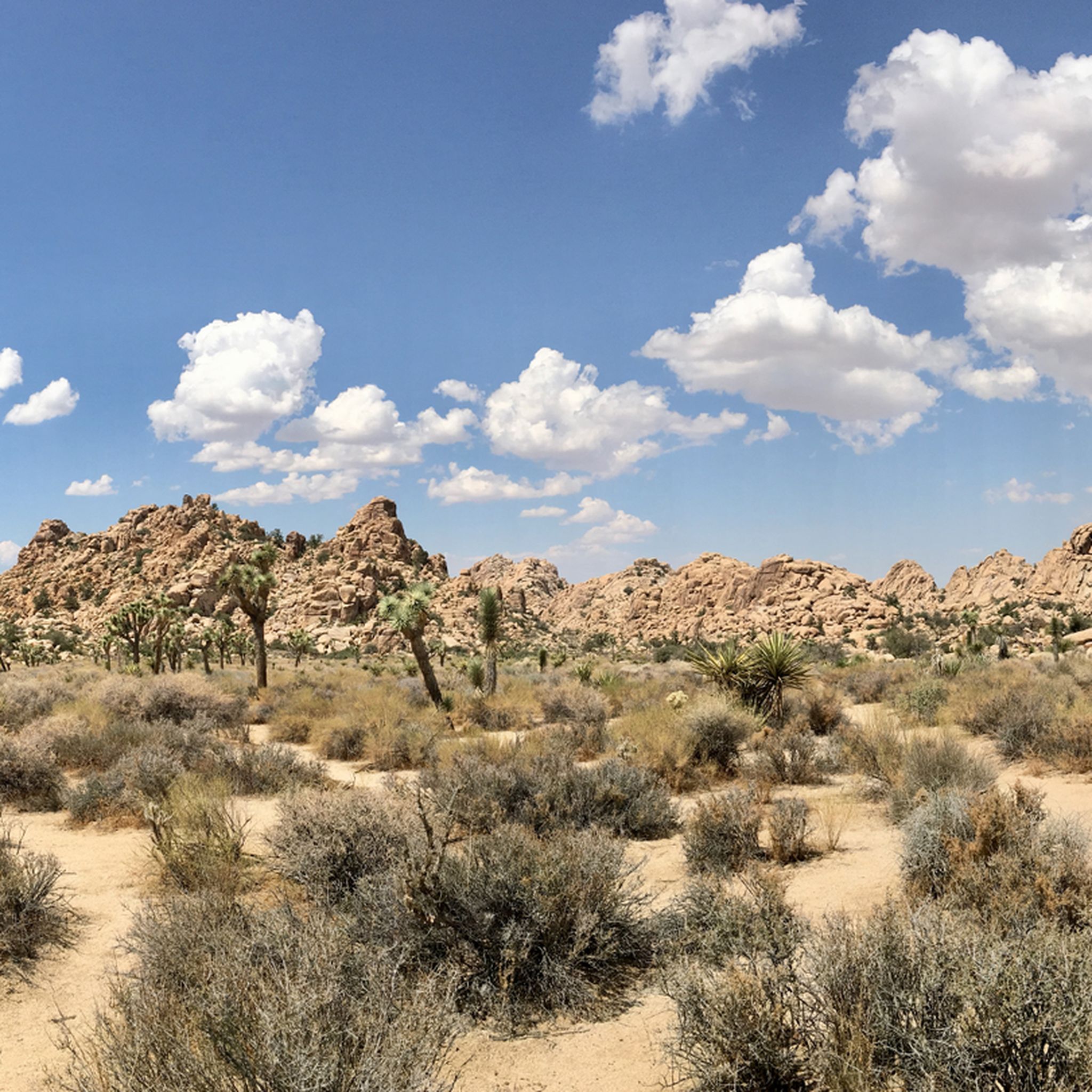
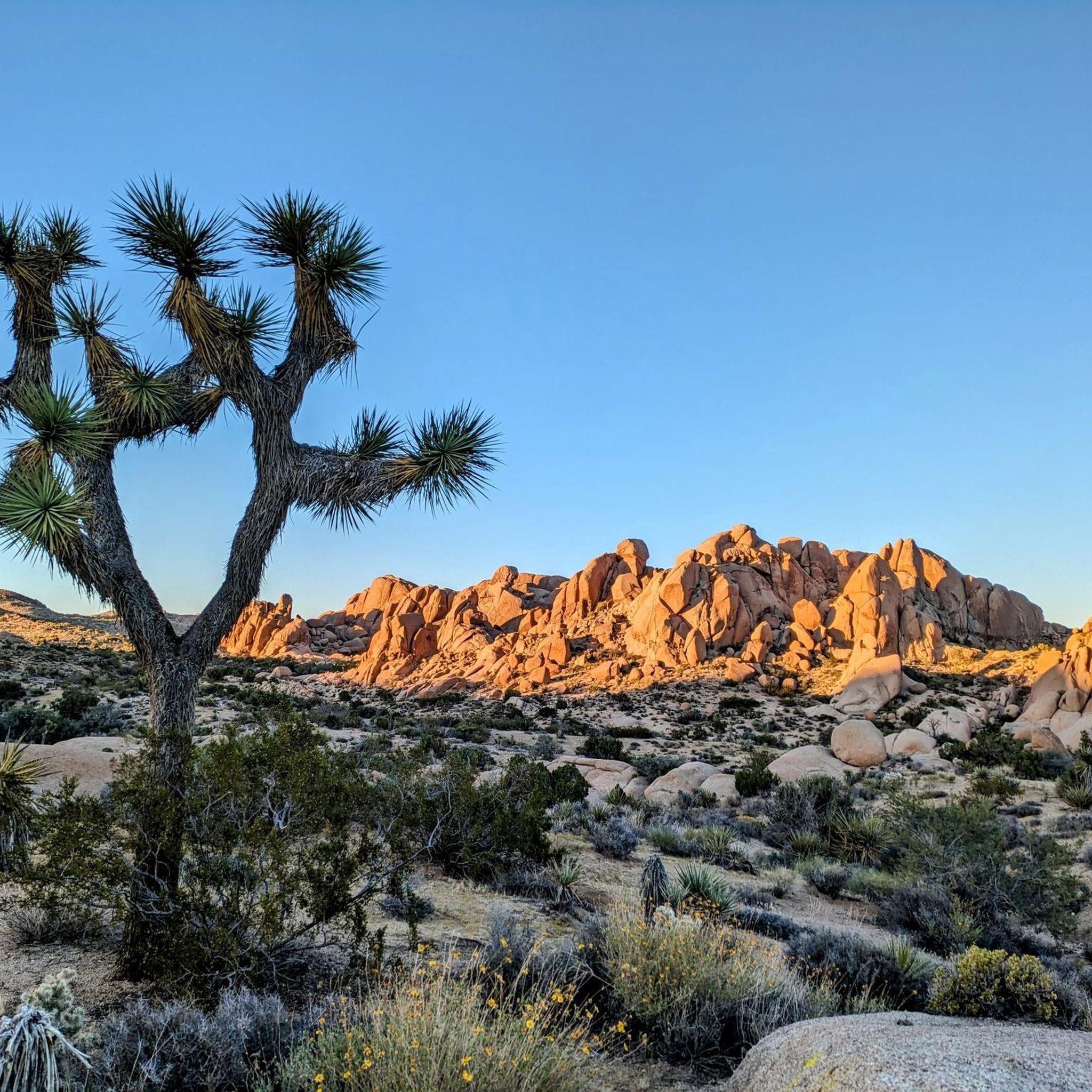
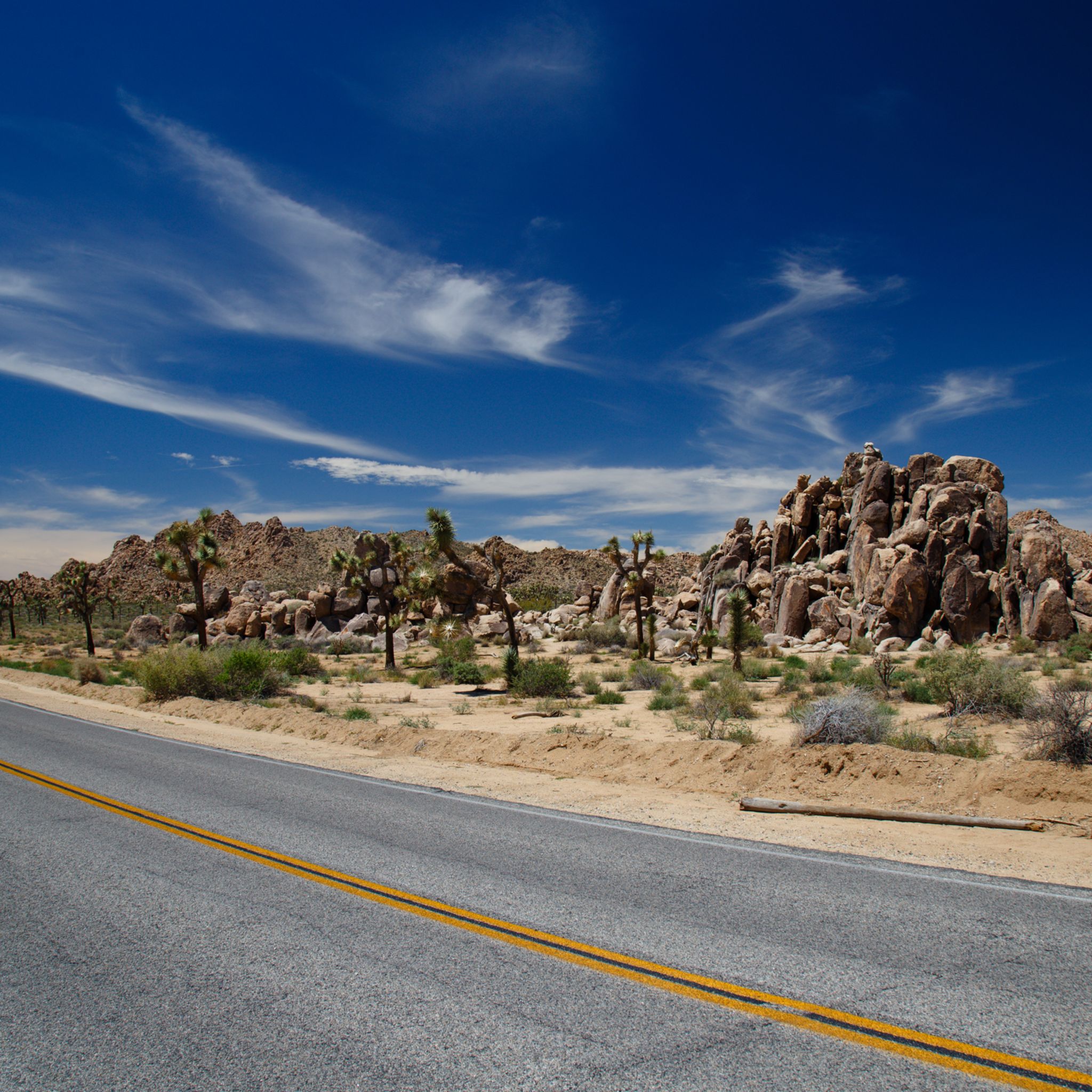
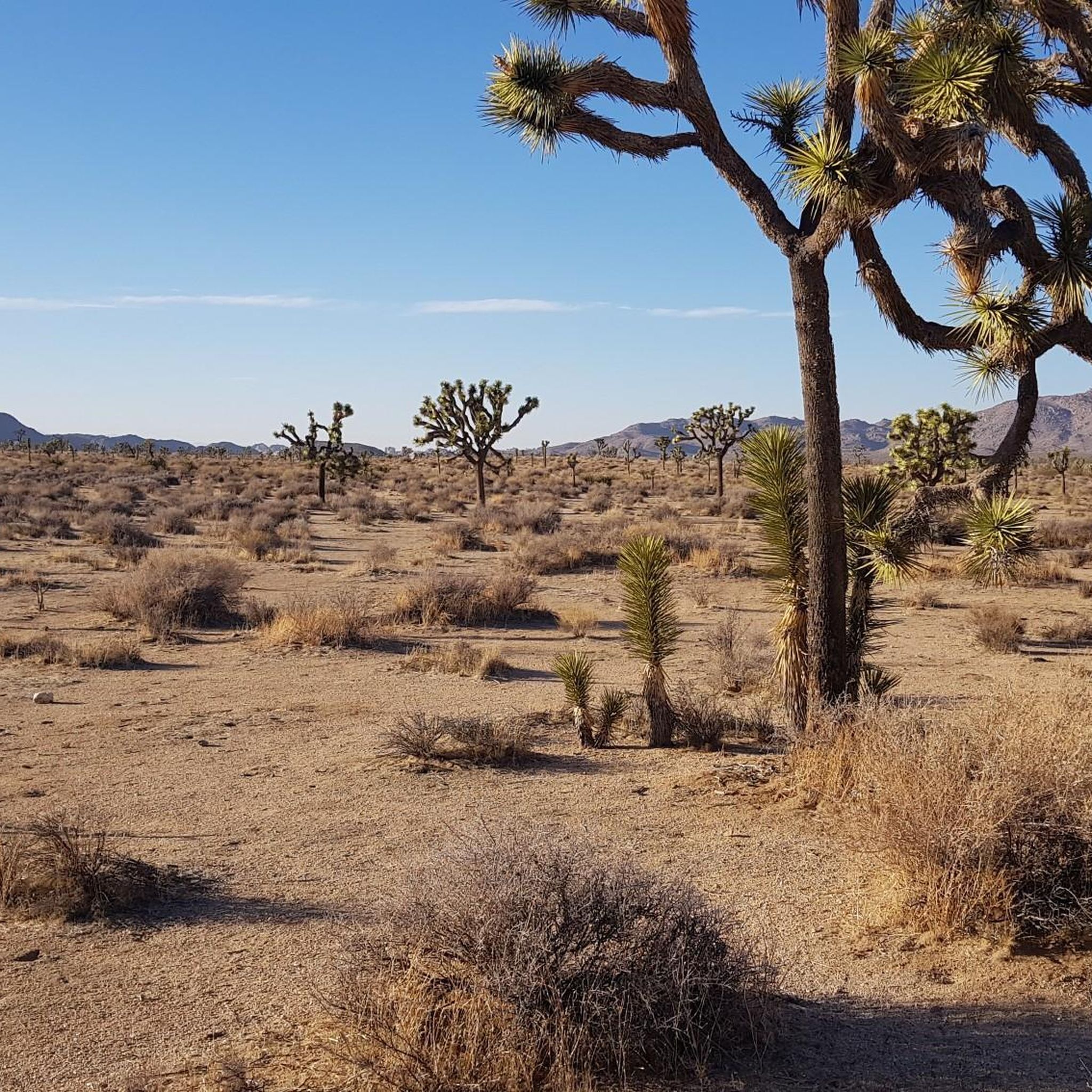
Best attractions and places to see in Joshua Tree National Park include a unique landscape where the Mojave and Colorado Deserts converge. The park features iconic Joshua trees, distinctive monzogranite rock formations, and natural fan palm oases. It offers a blend of geological wonders, diverse ecosystems, and cultural history. This makes it a destination for exploring natural features and historical sites.
Best attractions and places to see in Joshua Tree National Park
- The most popular attractions is Hidden Valley Trail…
Last updated: July 20, 2026
Hidden Valley Trail
Highlight (Segment) • Trail
Tip by

Skull Rock
Highlight • Natural Monument
Seeing-usa.com/sightseeing/california/joshua-tree-national-park.html
Translated by Google •
Tip by

Sign up now to discover places like this
Get recommendations on the best single tracks, peaks, & plenty of other exciting outdoor places.
Sign up for free
Wall Street Stamp Mill
Highlight • Historical Site
Tip by

Cholla Cactus Garden
Highlight • Natural Monument
Tip by
Split Rock
Highlight (Segment) • Natural Monument
Tip by

Sign up for free to discover even more attractions in Joshua Tree National Park.
Sign up for free
Already have an account?
Start today with a free account
Your next adventure awaits.
Login or Signup

Tips from the Community

It's easy to miss it because it's at the very beginning of the trail :)
0
0
Probably the most crowded place in Joshua Tree NP - and that's because the skull is right next to the parking lot.
0
0

Skull Rock lives up to its name with two hollowed out holes in the shape of eyes. In addition to the eponymous rock, you can take the Skull Rock Nature Trail to see Elephant Rock and other geologic formations that have been eroded into the rocks over millennia.
0
0

Good to walk and not too long. But take water with you. The panorama really impressed me. One of the most beautiful places ever.
0
0

The Hidden Valley Trail is a one-mile loop that offers meander through large rock formations, perfect for families and rock scrambling. Along the trail, you’ll find educational signs about local plants and animals, and you can spot "Cow Rock," a cow-shaped formation on the valley wall. The trail is easy but includes stairs and rock steps at the start and end. It’s a popular hike, so arriving early, especially on weekends, is recommended. The trail has little shade and bad cell service.
1
0

Great little walk with a bit of history. Best time morning or evening with mosquito spray
0
0
Nice to see and especially in autumn
1
0

This trail steers you around some of the fascinating rock formations that are so characteristic of this area. It's also very sandy/rocky and exposed to the sun, so make sure you bring plenty of water — probably more than you think you'll need.
1
0
Frequently Asked Questions
What are some popular trails and natural features to explore in Joshua Tree National Park?
Joshua Tree National Park offers a variety of trails and unique natural features. The Hidden Valley Trail is a popular one-mile loop meandering through large rock formations, suitable for families. Another must-see is Skull Rock, a granite formation resembling a human skull, which has a 1.7-mile nature trail showcasing other erosion-shaped rocks. You can also visit the Cholla Cactus Garden, a dense stand of 'teddy bear' cholla cacti, particularly stunning at sunrise or sunset.
Are there any family-friendly activities or trails in Joshua Tree National Park?
Yes, Joshua Tree National Park has several family-friendly options. The Hidden Valley Trail is an easy one-mile loop perfect for families, offering educational signs about local plants and animals. The area around Skull Rock also features a nature trail that is enjoyable for all ages. Additionally, the Cholla Cactus Garden is a fascinating spot for families to observe unique desert flora from a safe distance.
What historical sites can I visit in Joshua Tree National Park?
The park is rich in history. You can explore the Wall Street Stamp Mill, a preserved gold ore crushing mill featuring late-19th century machinery, which is the only one in the region retaining its integrity. Other historical points of interest include Keys Ranch (Desert Queen Ranch), a preserved homestead accessible by ranger-led tours, and various mining sites like Lost Horse Mine and Wall Street Mill. The Oasis of Mara Visitor Center also provides exhibits on the history and cultural practices of the Serrano people, who first settled the area.
What are some of the best viewpoints in Joshua Tree National Park?
For panoramic views, Keys View offers stunning vistas of the Coachella Valley, the Salton Sea, the San Andreas Fault, and surrounding mountains, especially impressive at sunrise or sunset. Ryan Mountain, the second-highest peak, provides rewarding 360-degree views after a strenuous hike. Other notable viewpoints include the distinctive rock formations like Split Rock and the vast boulder piles at Jumbo Rocks.
Are there opportunities for rock climbing or bouldering in the park?
Yes, Joshua Tree National Park is a world-renowned destination for rock climbing and bouldering, boasting over 8,000 established routes. The park's distinctive monzogranite rock formations, such as those around Hidden Valley, Intersection Rock, and Echo Cove, are a mecca for climbers of all skill levels.
What kind of outdoor activities, like hiking or running, can I do near the attractions?
Joshua Tree National Park offers numerous outdoor activities. For hiking, you can explore trails like the Barker Dam Nature Trail, Ryan Mountain Trail, or the Split Rock Loop Trail. If you're interested in running, consider the Lost Horse Mine Loop Trail or the Mastodon Mine Loop Trail. For cycling, routes like the Joshua Tree National Park Scenic Drive or the Queen Valley Loop provide scenic rides. You can find more details on these activities in the Hiking in Joshua Tree National Park, Running Trails in Joshua Tree National Park, and Cycling in Joshua Tree National Park guides.
What is the best time of year to visit Joshua Tree National Park?
The best time to visit Joshua Tree National Park is generally during the cooler months, from October to May, when temperatures are more moderate for outdoor activities like hiking and climbing. Spring (March to May) often brings pleasant weather, while fall (October to November) also offers comfortable conditions. Summers can be extremely hot, making early mornings or late evenings the only feasible times for outdoor exploration.
Where can I experience stargazing in Joshua Tree National Park?
Joshua Tree National Park is a designated International Dark Sky Park, offering exceptional stargazing opportunities. Popular locations for viewing the night sky include Quail Springs, Hidden Valley, Cap Rock, and Ryan Mountain. The clear desert air and minimal light pollution provide an ideal environment for observing stars and celestial phenomena.
Are there any natural oases in Joshua Tree National Park?
Yes, the park features five natural fan palm oases where water occurs year-round, supporting diverse wildlife. Notable oases include Fortynine Palms Oasis, accessible via a moderately challenging hike, and Lost Palms Oasis, located in the southern part of the park. The Oasis of Mara, near the Oasis of Mara Visitor Center, has a short paved trail with informational signs, and Cottonwood Spring Oasis near the South Entrance is great for birdwatching.
What do visitors enjoy most about Joshua Tree National Park?
Visitors frequently enjoy the park's unique blend of desert landscapes, iconic Joshua trees, and distinctive rock formations. The opportunity for rock scrambling and exploring trails like the Hidden Valley Trail is highly appreciated. Many also love the chance to see geological wonders like Skull Rock and the historical insights offered by sites such as the Wall Street Stamp Mill. The park's world-class stargazing and diverse ecosystems also draw many positive comments.
What should I know about the Joshua trees themselves?
The Joshua trees (Yucca brevifolia) are the park's namesake and an iconic symbol of the Mojave Desert. They are particularly abundant in the western part of the park, especially around areas like Hidden Valley. These unique trees can grow up to 40 feet tall and live for up to 150 years, creating distinctive forests that define the landscape.
Most popular routes in Joshua Tree National Park
Most popular attractions in Joshua Tree National Park

Get inspired with the komoot mobile app


Explore more
Still not found the Highlight you’re looking for? See guides of the top attractions in other regions:
