Attractions and Places To See in Pinnacles National Park - Top 16
Best attractions and places to see in Pinnacles National Park include unique rock formations and talus caves, remnants of an ancient volcano moved by the San Andreas Fault. The park is divided into East and West Divisions, accessible by foot trails. It serves as a crucial release site for the endangered California Condor and showcases a chaparral ecosystem.
Best attractions and places to see in Pinnacles National Park
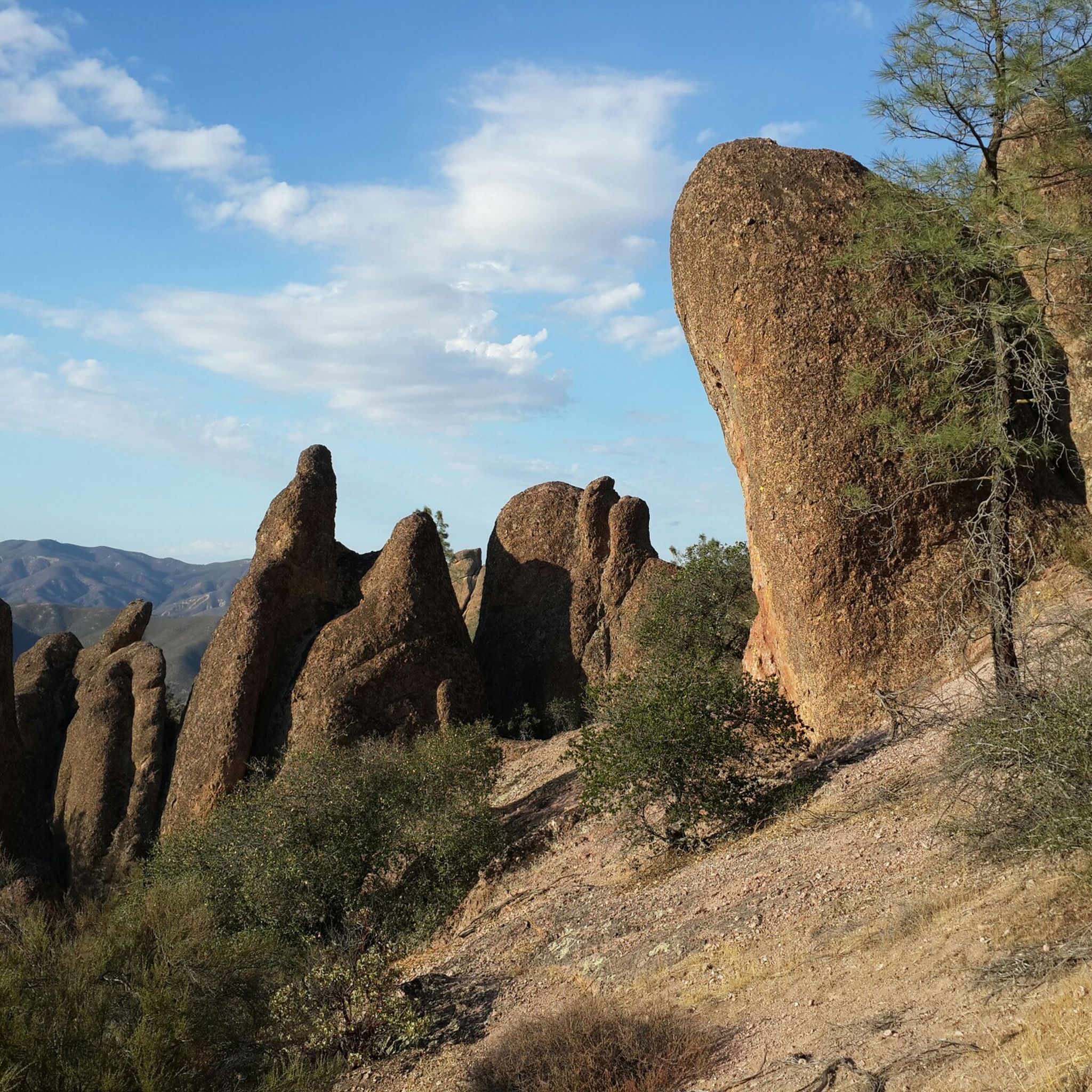
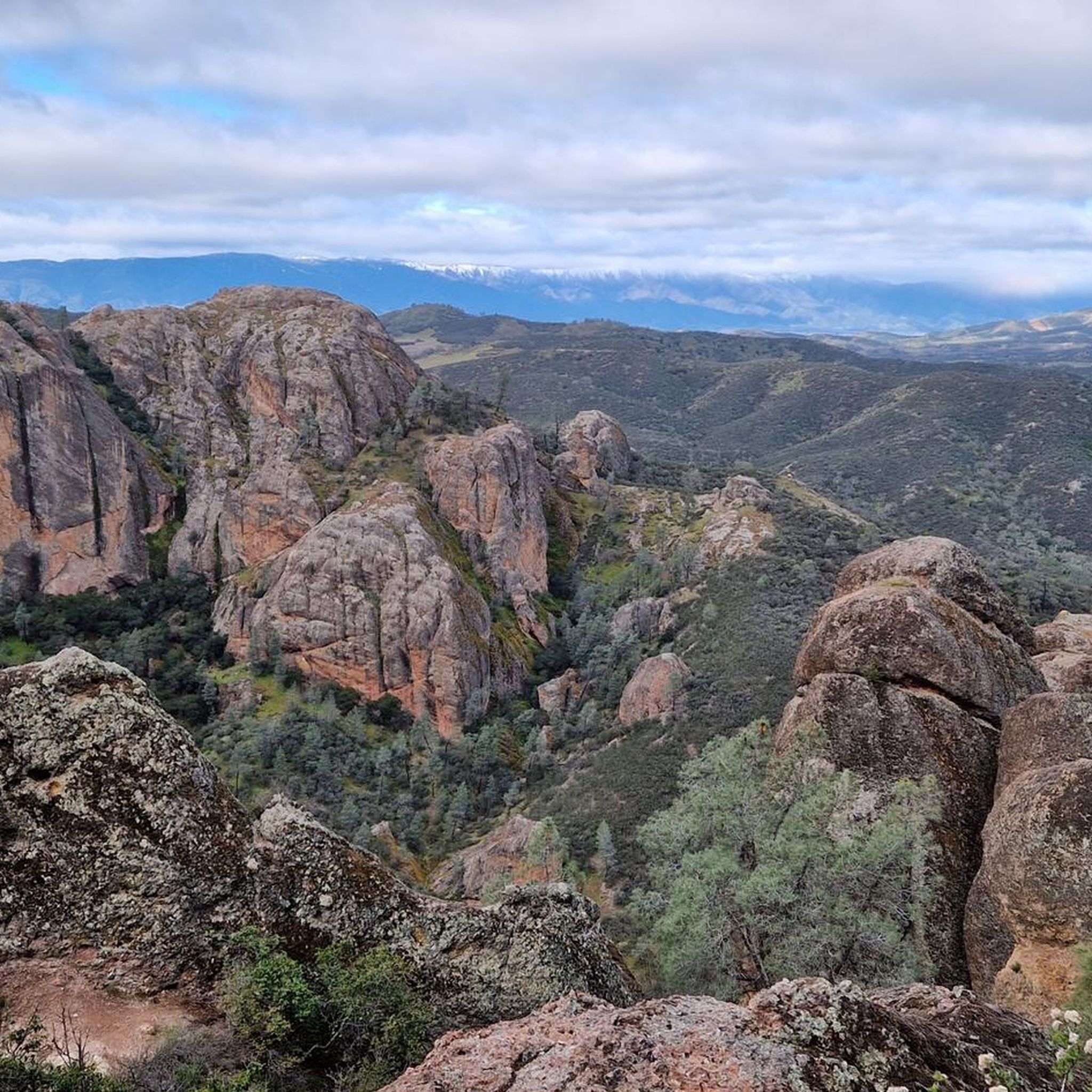
- The most popular attractions is High Peaks, a natural monument that represents some of the highest pinnacles in the park, formed from the leftover bits of a volcano. These towering rock spires and cliffs offer extensive views and are a prime location for spotting California Condors.
- Another must-see spot is Bear Gulch Cave, a cave formed when steep, narrow canyons were filled with boulders, creating passages. This popular cave is located on the east side of the park and houses a colony of Townsend's big-eared bats, leading to seasonal closures.
- Visitors also love Condor Gulch Trail, a trail that offers views of the Pinnacles at Hawkins Peak. It provides opportunities to observe the park's namesake condors soaring above the landscape.
- Pinnacles National Park is known for its unique geological formations, extensive trail network, and significant wildlife. Visitors can explore talus caves, hike through diverse terrain, and observe California Condors.
- The attractions in Pinnacles National Park are appreciated by the komoot community. There are 15 highlights with 23 photos and 20 upvotes, showcasing the park's appeal to outdoor enthusiasts.
Last updated: July 6, 2026
Bear Gulch Cave
Highlight • Cave
Tip by

Condor Gulch Trail
Highlight (Segment) • Trail
Tip by
Sign up now to discover places like this
Get recommendations on the best single tracks, peaks, & plenty of other exciting outdoor places.
Sign up for free
High Peaks
Highlight • Natural Monument
Tip by
Balconies Caves
Highlight • Cave
Tip by

Juniper Canyon Trail
Highlight (Segment) • Trail
Tip by
Sign up for free to discover even more attractions in Pinnacles National Park.
Sign up for free
Already have an account?
Start today with a free account
Your next adventure awaits.
Login or Signup
Popular around Pinnacles National Park
Tips from the Community

Prepare for cold knee deep water and stony ground. It is best to take the entrance from the other side of the cave. A headlamp comes in handy later on since the caves are very dark.
0
0

The Bear Gulch Cave has two sections, with the lower section usually open for about 10 months of the year, and the upper section closed most of the time to protect the endangered bats that live there. The entire cave is closed from mid-May (sometimes earlier if it's a warmer Spring) to mid-July for the bats' pupping season. There are also limited openings of the whole cave for one to four weeks in March and October, depending on the presence of bats. You can check the opening status on the park's website.
1
0
As the name implies, these are some of the highest pinnacles in the park. And if you're wondering what the Pinnacles even are, they're basically the leftover bits of a volcano that moved 200 miles from its original spot on the San Andreas Fault. Crazy, right?
1
0
This trail does indeed offer amazing views of the Pinnacles at Hawkins Peak! Just be careful on the way down to the parking lot, it is true you might run into some creepy crawlies.
1
0
This trail serves as access to the High Peaks from the west side of the park, and it offers an impressive approach toward them. The trail goes first through a riparian corridor with some trees, it then descends into a stream bed before ascending again (and forever) through woodlands (and climbing areas) turning rockier from then on.
1
0

Nice hike, especially when it's hot, this part is a little more shadowed. Flashlight strongly recommended. May be seasonally closed, see Park's website in advance.
2
0

This spot in the national park is extremely popular, and for good reason. Therefore, go EARLY in order to get parking!
0
0

Best vistas of the pinnacles at this viewpoint. Pinnacles National Park ( https://www.nps.gov/pinn ) is a U.S. National Park protecting a mountainous area located east of the Salinas Valley in Central California, about 5 miles east of Soledad and 80 miles southeast of San Jose. The pinnacles are the eroded leftovers of the western half of an extinct volcano that has moved 200 miles (320 km) from its original location on the San Andreas Fault, embedded in a portion of the California Pacific Coast Ranges. https://en.wikipedia.org/wiki/Pinnacles_National_Park
2
0
Frequently Asked Questions
What makes the geology of Pinnacles National Park unique?
Pinnacles National Park is a geological marvel, formed from the eroded remnants of an ancient volcano that moved 200 miles over millions of years due to the San Andreas Fault. This process created the park's distinctive towering rock spires, cliffs, and talus caves. The High Peaks are a prime example of these dramatic formations.
Can I see California Condors in Pinnacles National Park?
Yes, Pinnacles National Park is a crucial release site for the endangered California Condor. Visitors often spot these majestic birds soaring above the High Peaks, especially around dusk and dawn, and from the ridge near the Pinnacles Campground. The Condor Gulch Trail is also known for opportunities to observe them.
What are the main talus caves to explore in Pinnacles National Park?
The park features unique talus caves, formed by fallen boulders filling narrow canyons. The two main caves are Bear Gulch Cave on the east side and Balconies Caves on the west side. Both require flashlights and are subject to seasonal closures due to bat pupping season or flooding. Always check the park's website for current conditions before visiting.
What are some popular hiking trails in Pinnacles National Park?
Popular trails include the High Peaks Trail, which offers stunning views and condor spotting opportunities, and the Condor Gulch Trail, known for its vistas of the Pinnacles at Hawkins Peak. On the west side, the Juniper Canyon Trail provides an impressive approach to the High Peaks.
Are there easy hiking trails suitable for families in Pinnacles National Park?
Yes, several trails are suitable for families. On the east side, the Bench Trail and Old Pinnacles Trail offer relatively easy walks. The Bear Gulch Trail is also an easy option, leading to the reservoir. You can find more details on these and other family-friendly routes in the Easy hikes in Pinnacles National Park guide.
When is the best time to visit Pinnacles National Park?
The best times to visit Pinnacles National Park are typically spring and fall. During spring, the park comes alive with vibrant wildflowers. Summer temperatures can exceed 100°F (37.8°C), making hiking challenging, while winter can bring cooler weather and potential cave closures due to flooding.
What outdoor activities can I do near these attractions?
Beyond exploring the attractions, Pinnacles National Park offers extensive opportunities for outdoor activities. Hiking is very popular, with routes ranging from easy to challenging. Rock climbing is also a significant activity on formations like Machete Ridge. You can find various running and hiking routes in the park, such as those detailed in the Running Trails in Pinnacles National Park and Hiking in Pinnacles National Park guides.
Are there opportunities for rock climbing in Pinnacles National Park?
Yes, the volcanic rock formations in Pinnacles National Park offer numerous routes for rock climbing, catering to various skill levels. Popular climbing locations on the east side include Discovery Wall and Tourist Trap. It's important to note that the volcanic breccia rock can be soft and crumbly in places.
What should I know about accessing the East and West Divisions of the park?
The East and West Divisions of Pinnacles National Park are not connected by road. You must plan your entrance based on the specific areas you wish to visit, as traveling between the two by car requires a significant drive of approximately two hours outside the park. Foot trails, however, do connect the divisions within the park.
Are there any historical sites within Pinnacles National Park?
Pinnacles National Park has a rich history. Native peoples, including the Chalon and Mutsun groups of the Ohlone, have lived in the region for over 10,000 years. Additionally, the Civilian Conservation Corps (CCC) played a significant role in developing the park's infrastructure in the 1930s. Visitors can also hike to the 1860 Bacon Homestead, offering a glimpse into early settler life.
Can I camp inside Pinnacles National Park?
Yes, the Pinnacles Campground is the only developed camping area within the park, located on the east side. It offers tent and RV sites and provides convenient access to many trails. The campground also includes amenities such as showers and a seasonal swimming pool.
What should I bring when exploring the talus caves?
When exploring the talus caves like Bear Gulch Cave or Balconies Caves, it is essential to bring a flashlight or headlamp, as the caves are very dark. Be prepared for potentially cold, knee-deep water and stony ground, especially during certain seasons. Always check the park's website for current cave conditions and closures.
Most popular routes in Pinnacles National Park
Most popular attractions in Pinnacles National Park

Get inspired with the komoot mobile app


Explore more
Still not found the Highlight you’re looking for? See guides of the top attractions in other regions:
