The best MTB trails in Yellowstone National Park
4.0
(1)
5
riders
7
rides
Mountain biking in Yellowstone National Park offers diverse terrain across its vast wilderness. The region is characterized by geothermal features, dense lodgepole pine forests, and open meadows, with elevations ranging from river valleys to mountain passes. Riders can expect trails that traverse alongside rivers and lakes, providing views of the park's unique geological formations. The landscape includes a mix of relatively flat paths and gradual ascents, suitable for various skill levels.
Best mountain bike trails in Yellowstone National Park
- The…
Last updated: October 10, 2026
16.7km
01:40
420m
420m
Moderate mountain bike ride. Good fitness required. Suitable for all skill levels.
2
riders
7.93km
00:25
20m
20m
Easy mountain bike ride. Great for any fitness level. Suitable for all skill levels.

1
riders
12.8km
01:02
70m
70m
Easy mountain bike ride. Great for any fitness level. Suitable for all skill levels.
4.0
(1)
1
riders
12.3km
00:57
170m
170m
Easy mountain bike ride. Great for any fitness level. Suitable for all skill levels.
45.3km
04:11
610m
610m
Moderate mountain bike ride. Good fitness required. Suitable for all skill levels.
Get access to more routes and recommendations from other explorers.
Already have an account?
Our route recommendations are based on thousands of hikes, rides, and runs completed by other people on komoot.
Start today with a free account
Your next adventure awaits.
Popular around Yellowstone National Park
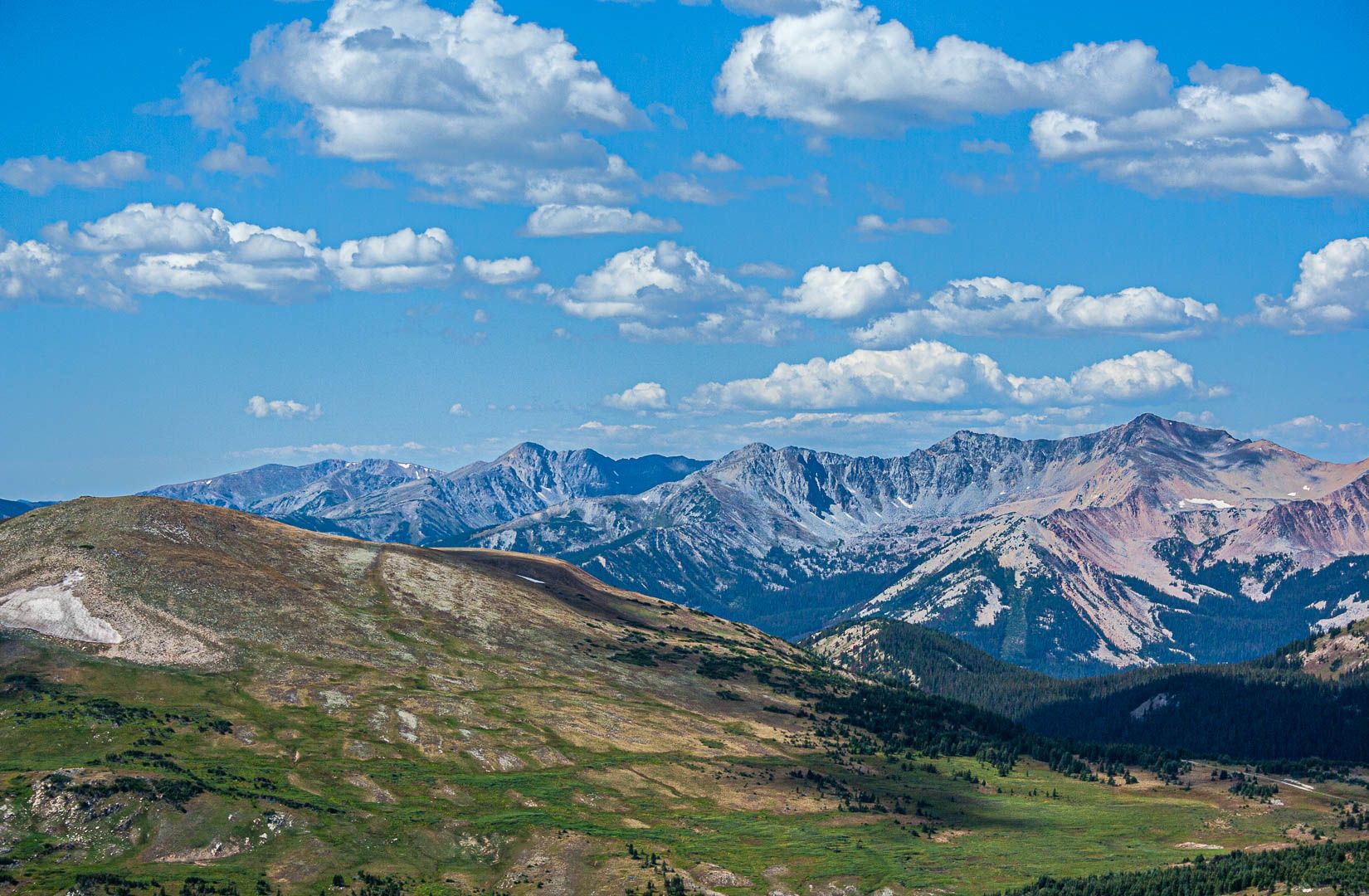
The Continental Divide Trail — Across the sky of America
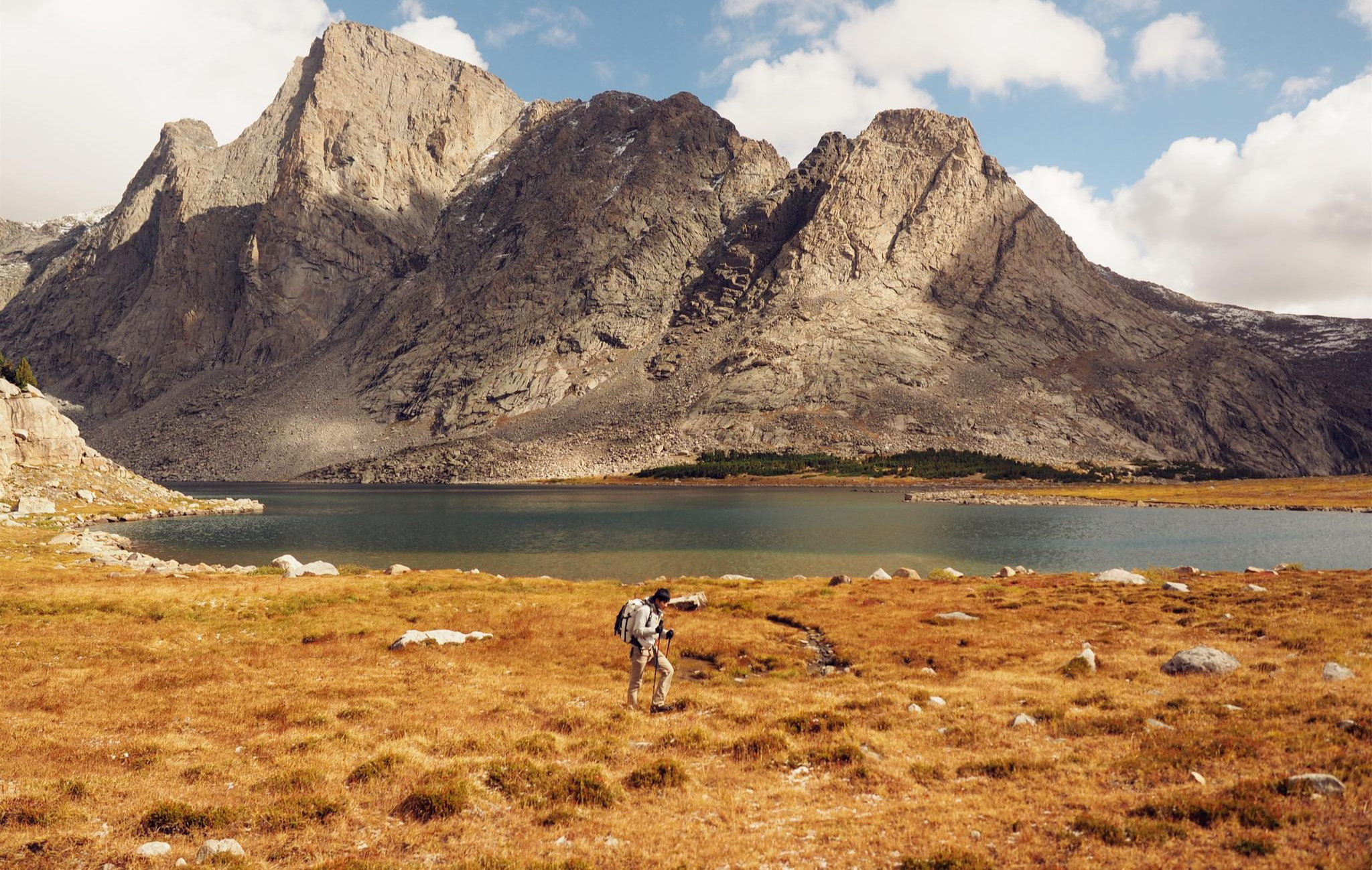
Like in the Wild West – hiking on the Oregon Trail
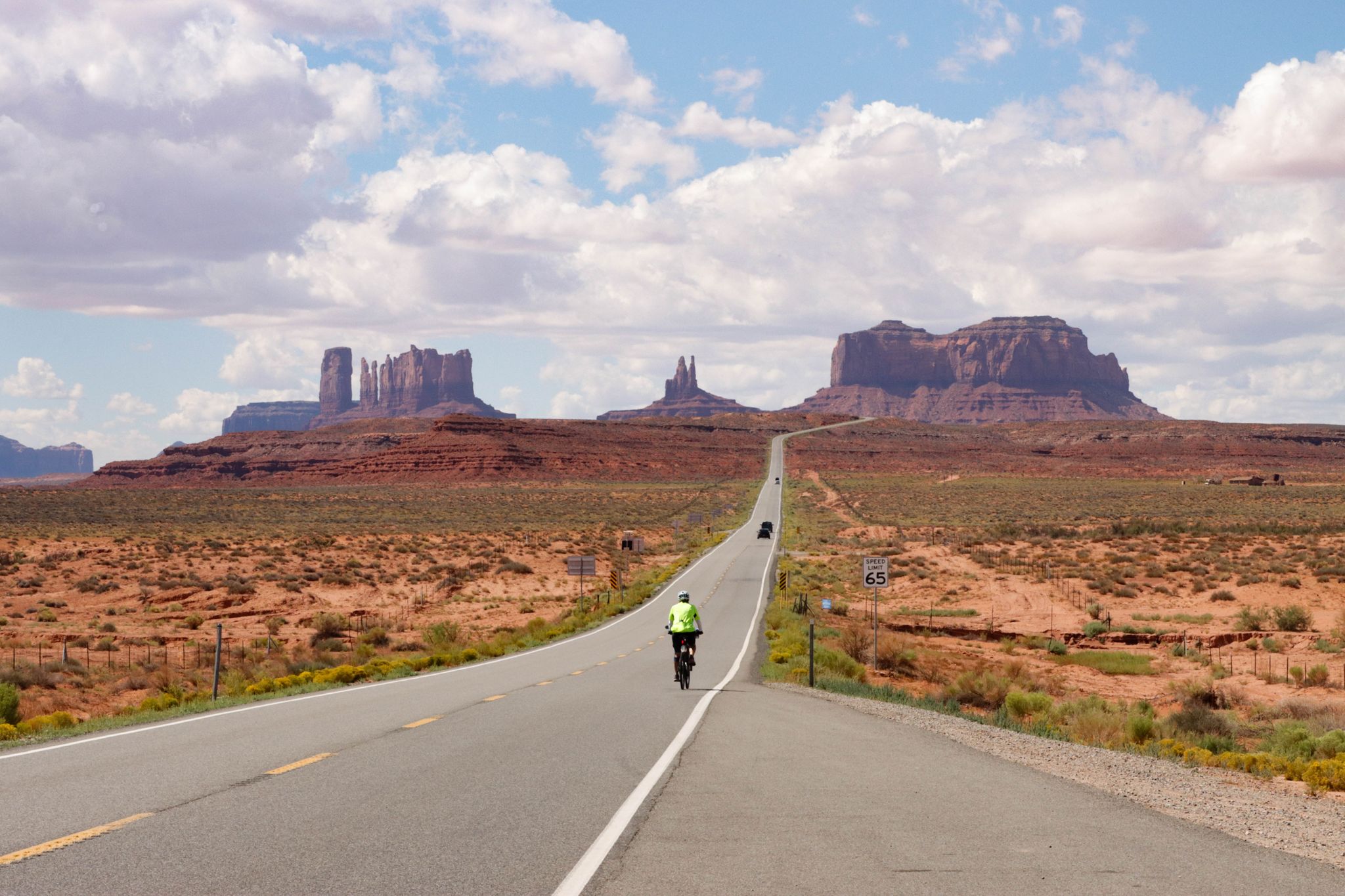
From the Arctic Ocean to the Panama Canal — North American Epic
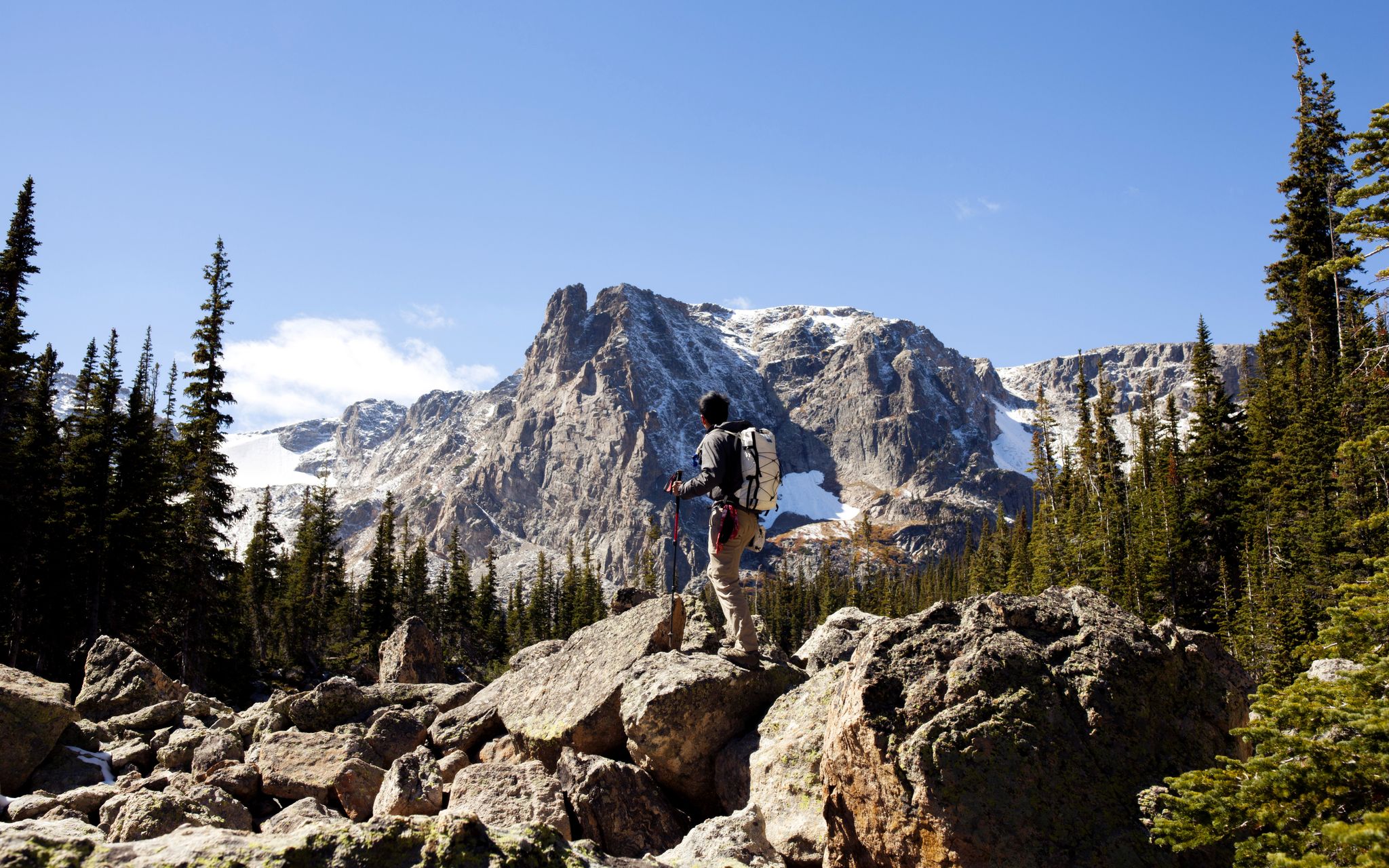
From the mountain peaks to the prairie – Rocky Mountains and Great Plains
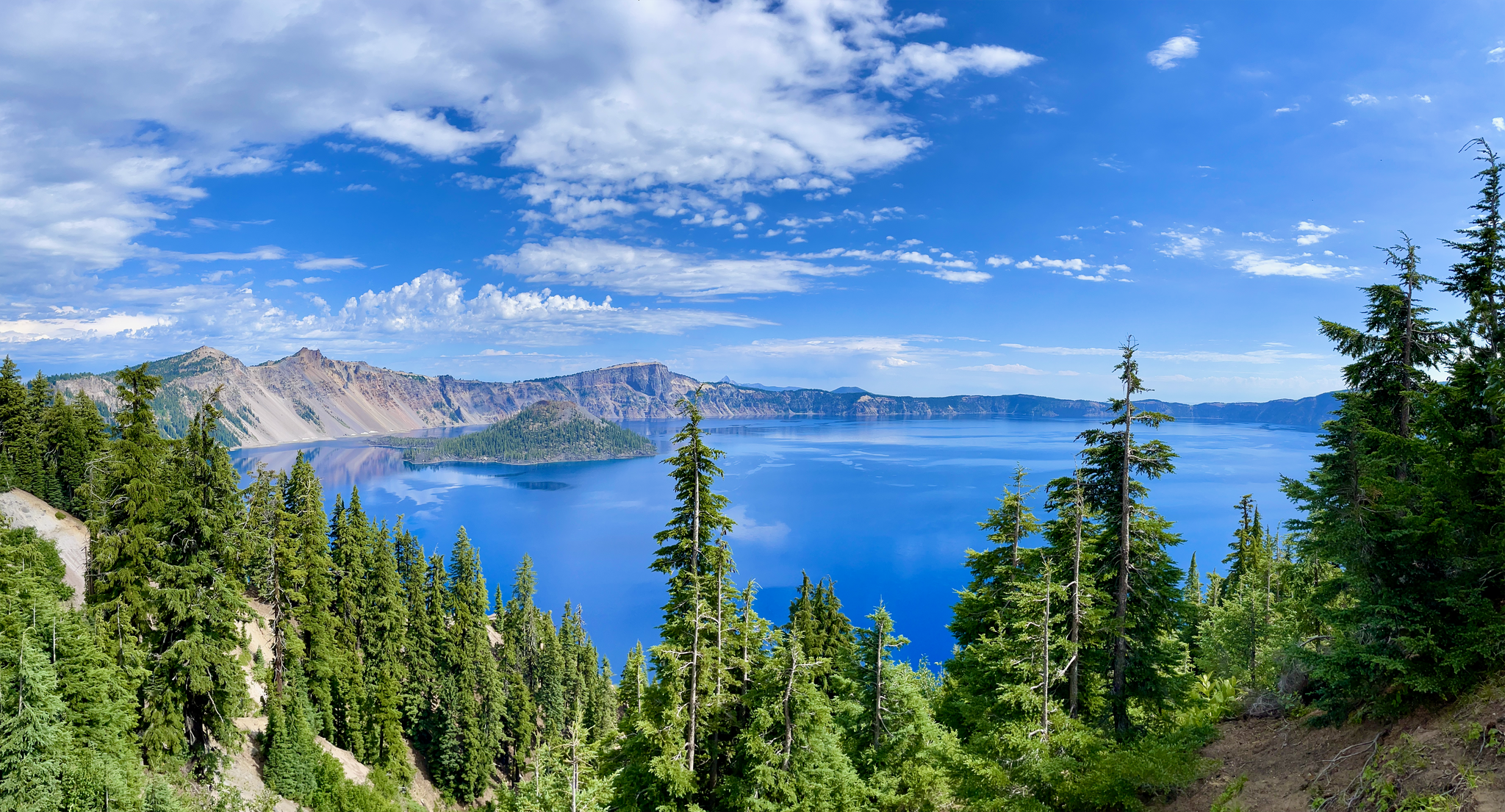
The pristine beauty of the US National Parks
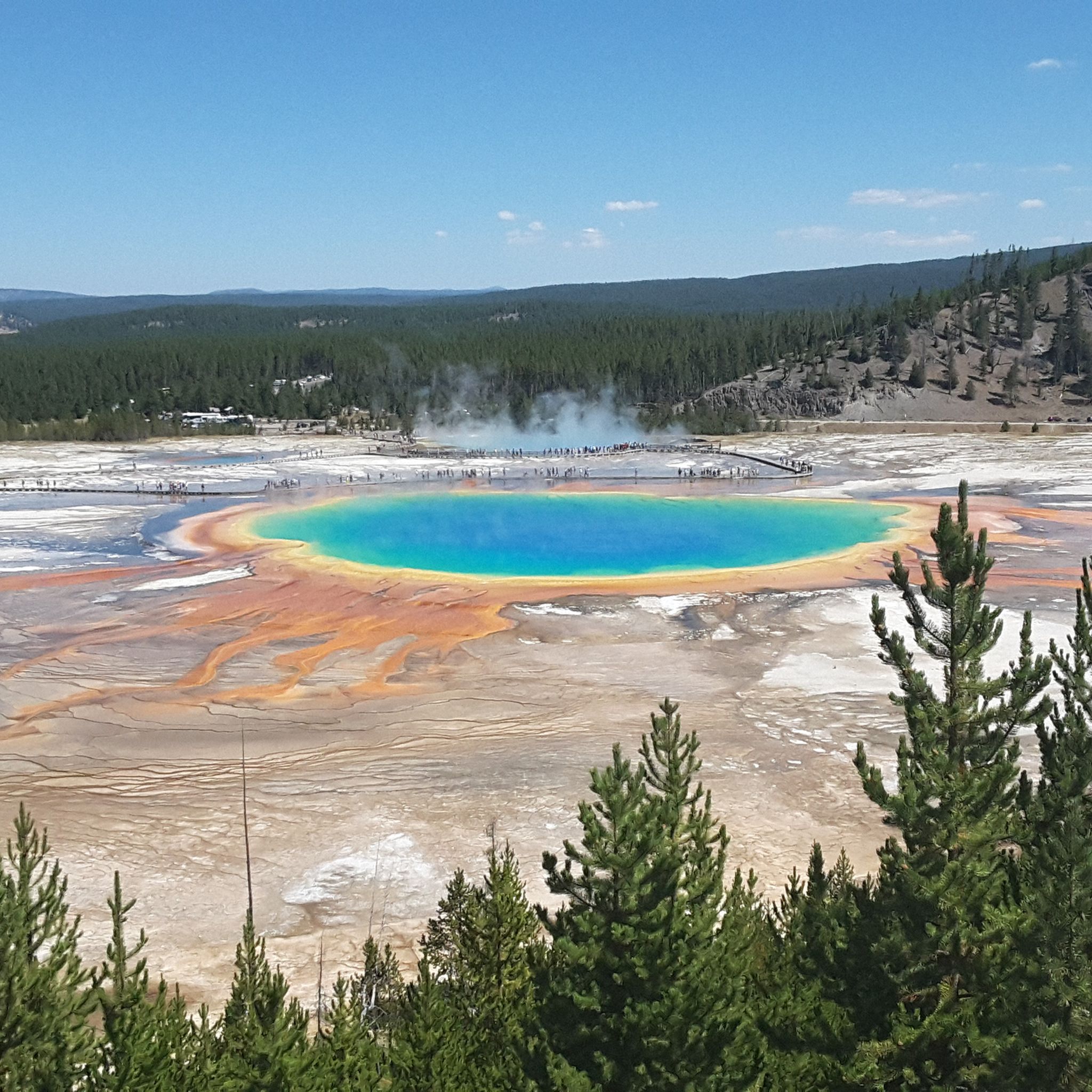
Hiking in Yellowstone National Park
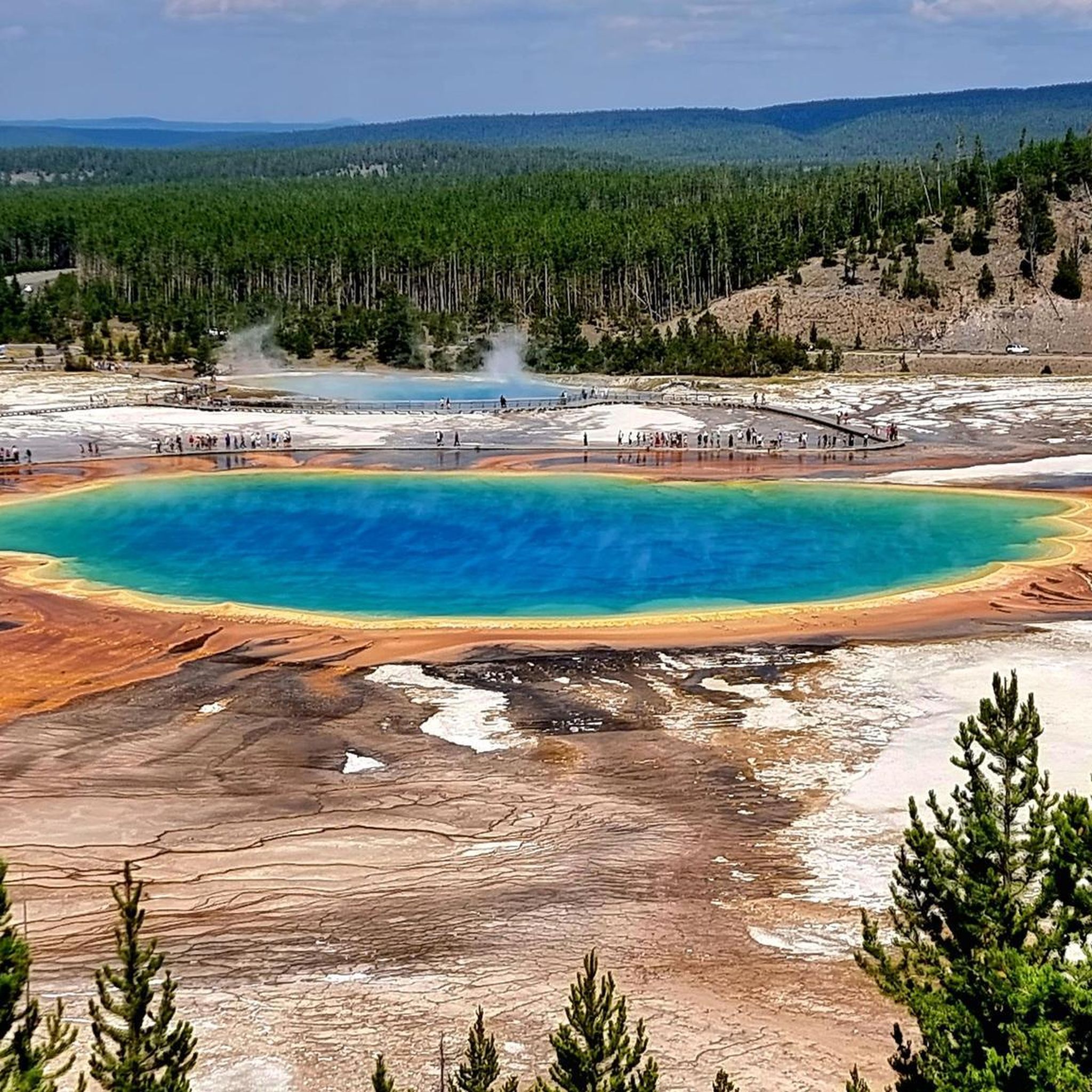
Cycling in Yellowstone National Park
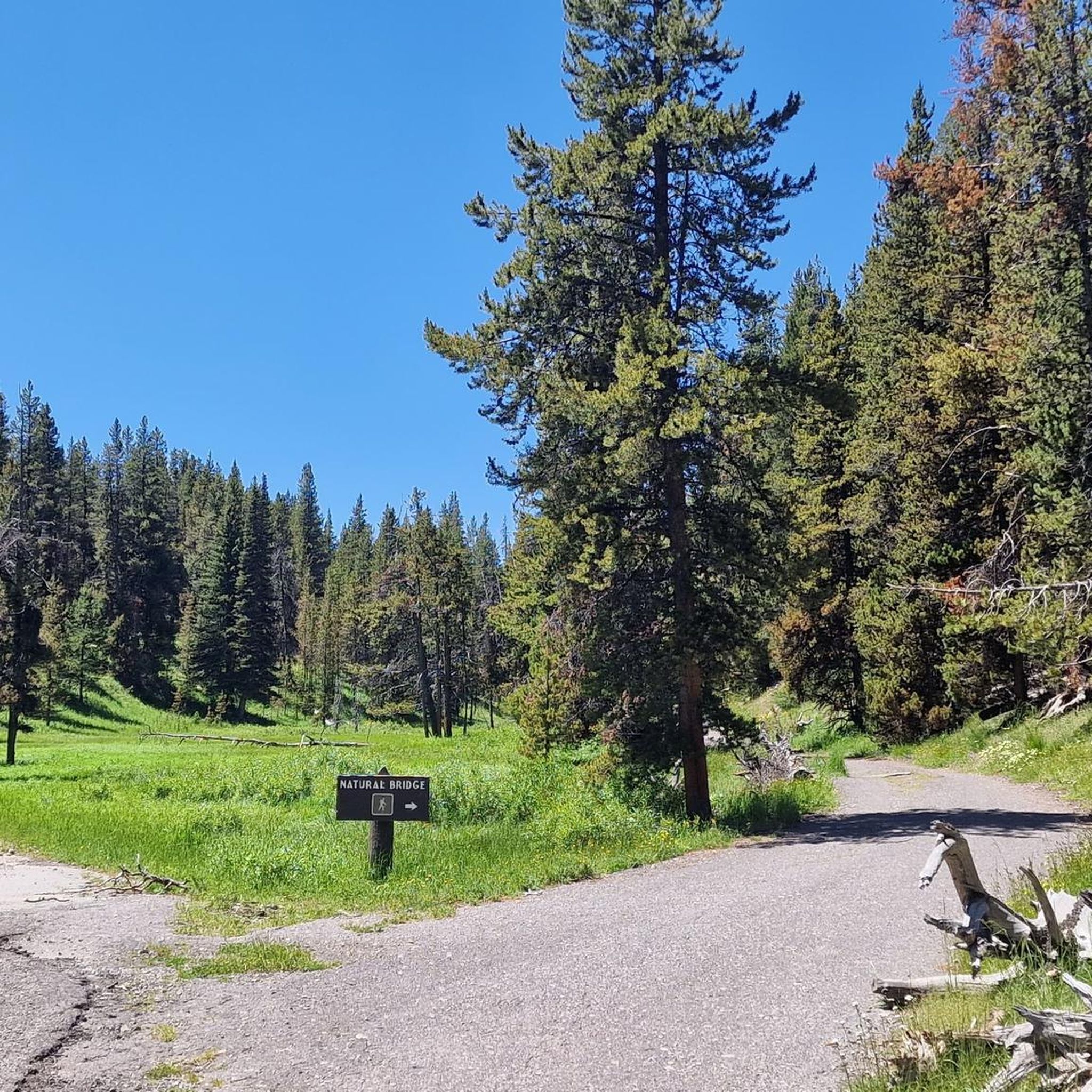
Running Trails in Yellowstone National Park
Road Cycling Routes in Yellowstone National Park
Other adventures in Yellowstone National Park


Tips from the Community

Lone Star Geyser is a notable geyser in Yellowstone National Park, distinct from the heavily visited Upper Geyser Basin because it is only accessible by hiking trail. It is a cone geyser whose outlet consists of a geyserite cone about 3.6 to 5 meters (12 to 16 feet) high. It erupts approximately every three hours. Eruptions are relatively regular but not officially predicted, requiring some waiting. A full eruption is very long, lasting about 30 minutes. The water column reaches a height of about 11 to 14 meters (35 to 45 feet). Visitors can determine the expected next eruption time from a logbook maintained on-site.
0
0

This trail offers pristine, fine gravel roads that run through the National Park providing car-free views of the top tourist attractions!
0
0
The Firehole River flows through three of the largest and most active geyser pools in the world and is popular with anglers for trout fishing.
0
0

Though only the second largest lake in Yellowstone National Park, Shoshone Lake offers much more opportunity for quiet reflection, being reachable only by trail. The almost 12.5 square mile lake has a maximum depth of 205 feet, contains brown and lake trout and Utah chub, and is believed by the US Fish and Wildlife Service to be the largest lake in the lower 48 states not reachable by road.
0
0
A gentle but beautiful ride, Lone Star Trail often gives riders glimpses of wildlife—or their tracks—and plenty of pretty glimpses of Firehole River.
0
0
A sizable geyser with a huge plume when it vents, Lone Star Geyser definitely warrants a visit, even if Lone Star Trail itself will not challenge most mountain bikers.
0
0
Just yards from the main Lone Star Trail are two geysers that are more than worth a look.
0
0
You can't ride on Bunsen Peak Trail, but from this intersection you'll enjoy views of that dramatic summit.
0
0
Frequently Asked Questions
How many mountain bike trails are available in Yellowstone National Park?
There are 7 mountain bike trails documented in Yellowstone National Park on komoot. These include 3 easy routes and 4 moderate routes, offering options for various skill levels.
Are there mountain bike trails suitable for beginners or families in Yellowstone National Park?
Yes, Yellowstone National Park offers several easy mountain bike trails perfect for beginners and families. The Lone Star Trail, for example, is an easy 4.9-mile (7.9 km) path leading to the historic Lone Star Geyser. Another great option is the Fairy Falls Trail, an easy 7.9-mile (12.8 km) route that provides access to the impressive Fairy Falls waterfall.
What is the best time of year for mountain biking in Yellowstone National Park?
The best time for mountain biking in Yellowstone National Park is typically from late spring through early fall (May to October), when trails are clear of snow and weather conditions are generally favorable. Summer offers the warmest temperatures, but also the largest crowds. Always check current park conditions and trail status before heading out, as conditions can change rapidly.
Are there any mountain bike trails that feature geysers or other geothermal attractions?
Yes, you can experience Yellowstone's unique geothermal features while mountain biking. The Lone Star Trail leads directly to the Lone Star Geyser. Additionally, the Fairy Falls Trail offers views of the Grand Prismatic Spring, one of the park's most iconic geothermal features.
Can I find loop mountain bike trails in Yellowstone National Park?
Yes, there are loop options available for mountain bikers. The Bunsen Peak Loop Trail is a popular 10.4-mile (16.7 km) moderate route that takes you through varied forest and open areas. Another option is the Lone Star and Howard Eaton Trail Loop, an easy 7.7-mile (12.3 km) ride.
What kind of scenery can I expect on Yellowstone's mountain bike trails?
Yellowstone's mountain bike trails offer diverse scenery, from dense lodgepole pine forests and open meadows to river valleys and views of geothermal features. You can expect to ride alongside rivers and lakes, with opportunities to see unique geological formations and potentially wildlife.
What are some longer mountain bike routes for more experienced riders?
For a longer and more challenging ride, consider the Shoshone Lake Loop via DeLacy Creek Trail. This moderate route spans approximately 28.1 miles (45.3 km) and involves significant elevation changes, offering a full day's adventure.
Are dogs allowed on mountain bike trails in Yellowstone National Park?
No, pets are generally not allowed on trails or in the backcountry in Yellowstone National Park, including mountain bike trails. They are permitted only in developed areas, such as roads, campgrounds, and parking lots, and must be on a leash no longer than six feet.
What are some nearby attractions or points of interest I can explore after a ride?
Yellowstone National Park is rich with attractions. After your ride, you could visit iconic geothermal features like Old Faithful Geyser or the vibrant Grand Prismatic Spring. Other notable spots include the Mammoth Hot Springs Terraces or the serene West Thumb Geyser Basin along Yellowstone Lake.
Where can I find parking and trailheads for mountain biking in Yellowstone?
Specific parking and trailhead information varies by trail. For instance, the Lone Star Trail typically starts near the Old Faithful area. It's always recommended to check the specific komoot tour page for detailed starting points and parking suggestions, as well as current park regulations regarding access.
What should I wear or bring for mountain biking in Yellowstone National Park?
Given Yellowstone's variable weather, it's wise to dress in layers. Bring rain gear, even on sunny days, and carry plenty of water, snacks, a repair kit, and bear spray. A helmet is essential, and sturdy mountain biking shoes are recommended. Always be prepared for sudden changes in weather and wildlife encounters.
Most popular routes in Yellowstone National Park
Most popular attractions in Yellowstone National Park

Get inspired with the komoot mobile app


