The best MTB trails around Étang de Virelles
4.4
(70)
786
riders
75
rides
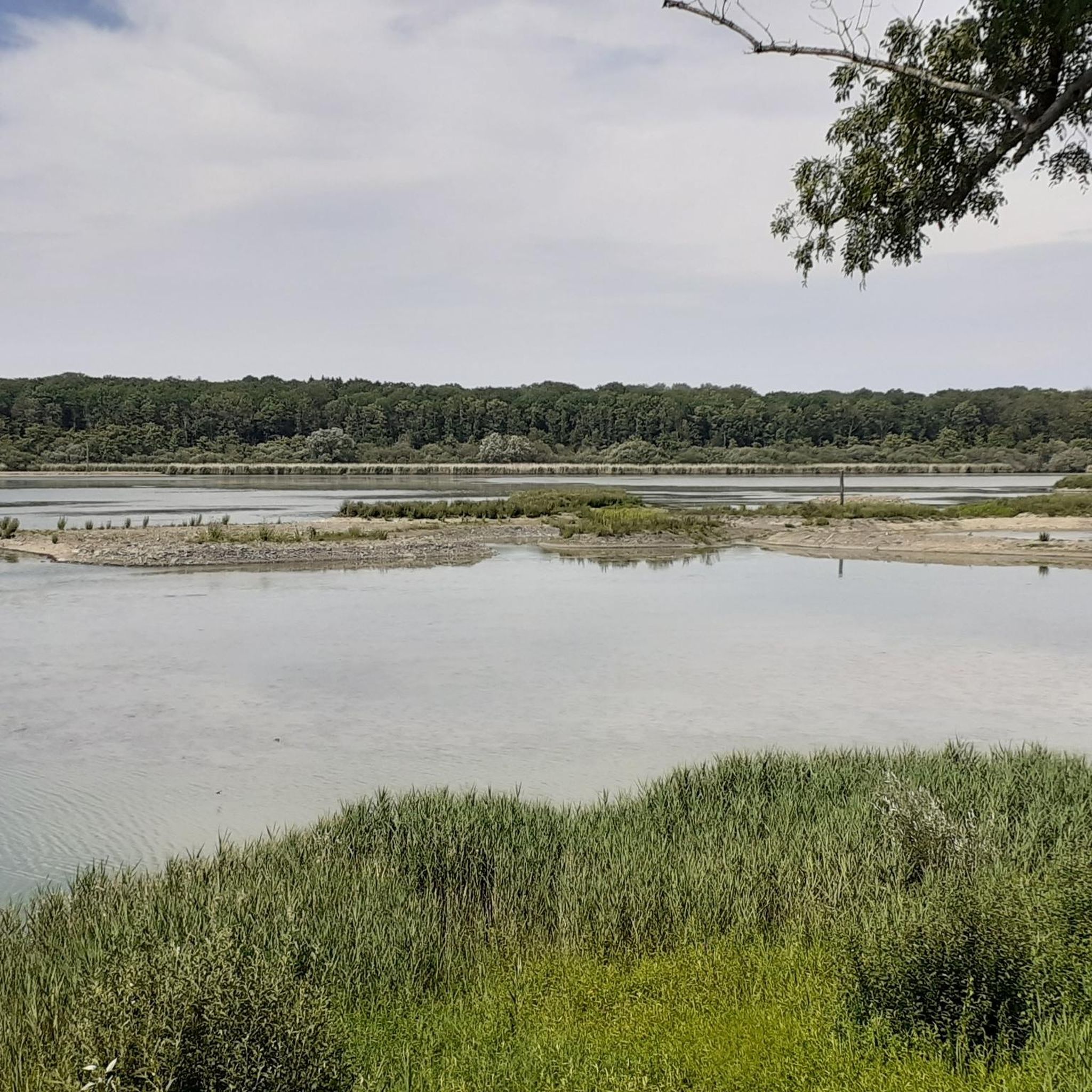
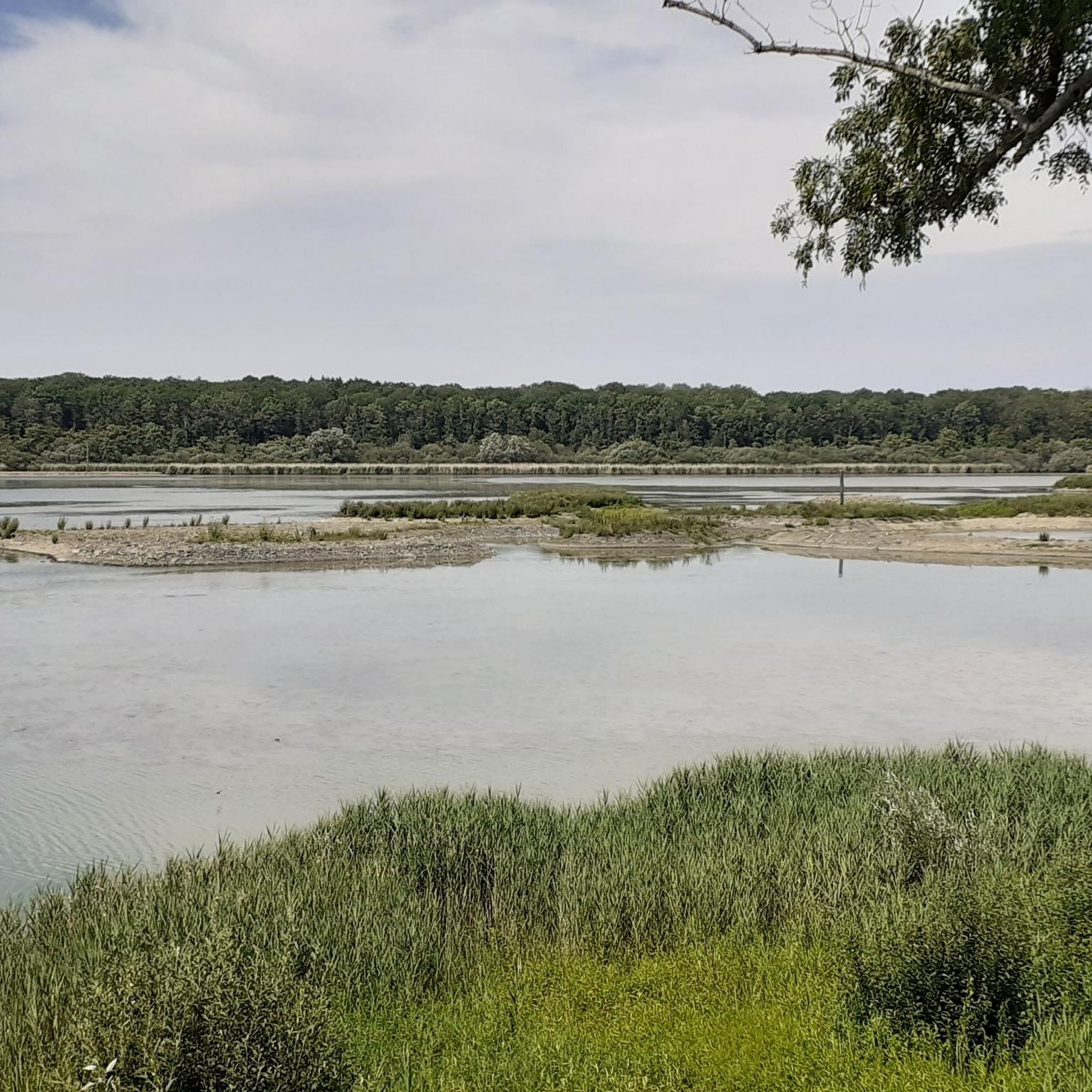
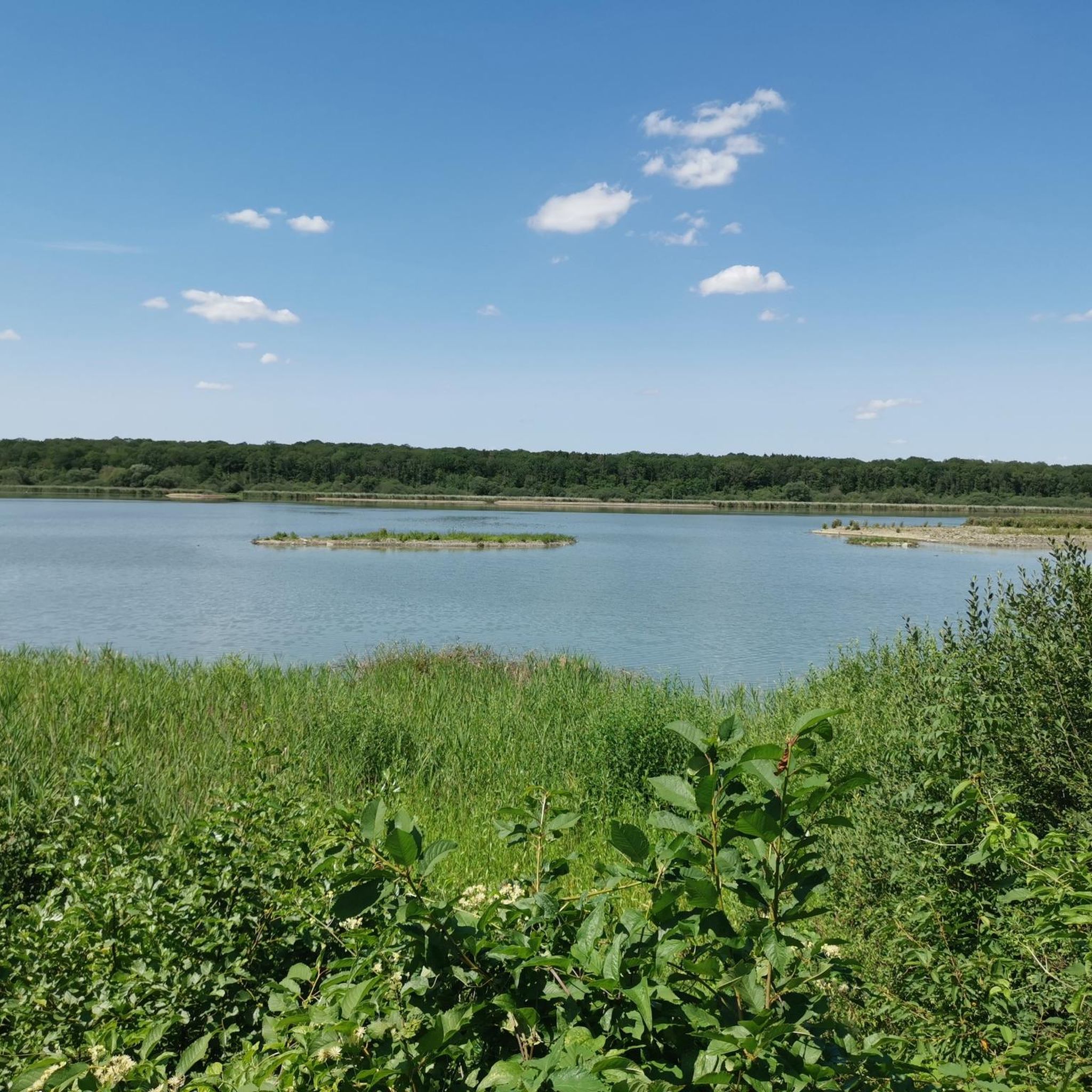
Mountain biking around Étang de Virelles is set within a diverse natural landscape, characterized by one of Wallonia's largest wetlands. The area features an artificial lake, extensive reed beds, meadows, and humid forests, particularly on its northern, eastern, and western shores. Green valleys, wooded slopes, and the Eau Blanche river contribute to the varied terrain suitable for mountain biking. The region offers a mix of flat sections around the lake and more undulating paths through the surrounding woodlands and valleys.
…Last updated: July 9, 2026
4.6
(8)
37
riders
Moderate mountain bike ride. Good fitness required. Suitable for all skill levels.
6
riders
Moderate mountain bike ride. Good fitness required. Suitable for all skill levels.

Sign up for free
3
riders
Moderate mountain bike ride. Great for any fitness level. Advanced riding skills necessary.
5.0
(1)
116
riders
85.6km
07:34
1,480m
1,480m
Hard mountain bike ride. Very good fitness required. Advanced riding skills necessary.
4.7
(3)
32
riders
30.2km
02:22
360m
360m
Moderate mountain bike ride. Good fitness required. Advanced riding skills necessary.
Get access to more routes and recommendations from other explorers.
Sign up for free
Already have an account?
Our route recommendations are based on thousands of hikes, rides, and runs completed by other people on komoot.
Start today with a free account
Your next adventure awaits.
Login or Signup

Tips from the Community

Super route, along the shoreline of the lake. Almost all the time asphalt, so well suited for cyclists or people with children.
0
0

nice descent, the entire flank is full of cool tracks
0
0

Plenty of water sports to enjoy all around. Several cycling trails for all levels and bikes.
2
0
Beautiful hike, I was just expecting to see the lake but that is not the case, we go around it but not close!
1
1

Between Chimay and Thuin, the RAVeL L109 runs along a superb cycle path along a former railway line. The route is bordered by forests and meadows. You'll cycle far from cars, through the Hainaut countryside.
2
0

quietness of the pond where we observe birds
1
1
peaceful place for a well-deserved meal (rest).
2
0
beautiful typical village
4
0
Frequently Asked Questions
How many mountain bike trails are available around Étang de Virelles?
There are over 60 mountain bike trails around Étang de Virelles. This includes 21 easy routes, 41 moderate routes, and 6 more challenging trails, offering options for various skill levels.
What kind of terrain can I expect on mountain bike trails around Étang de Virelles?
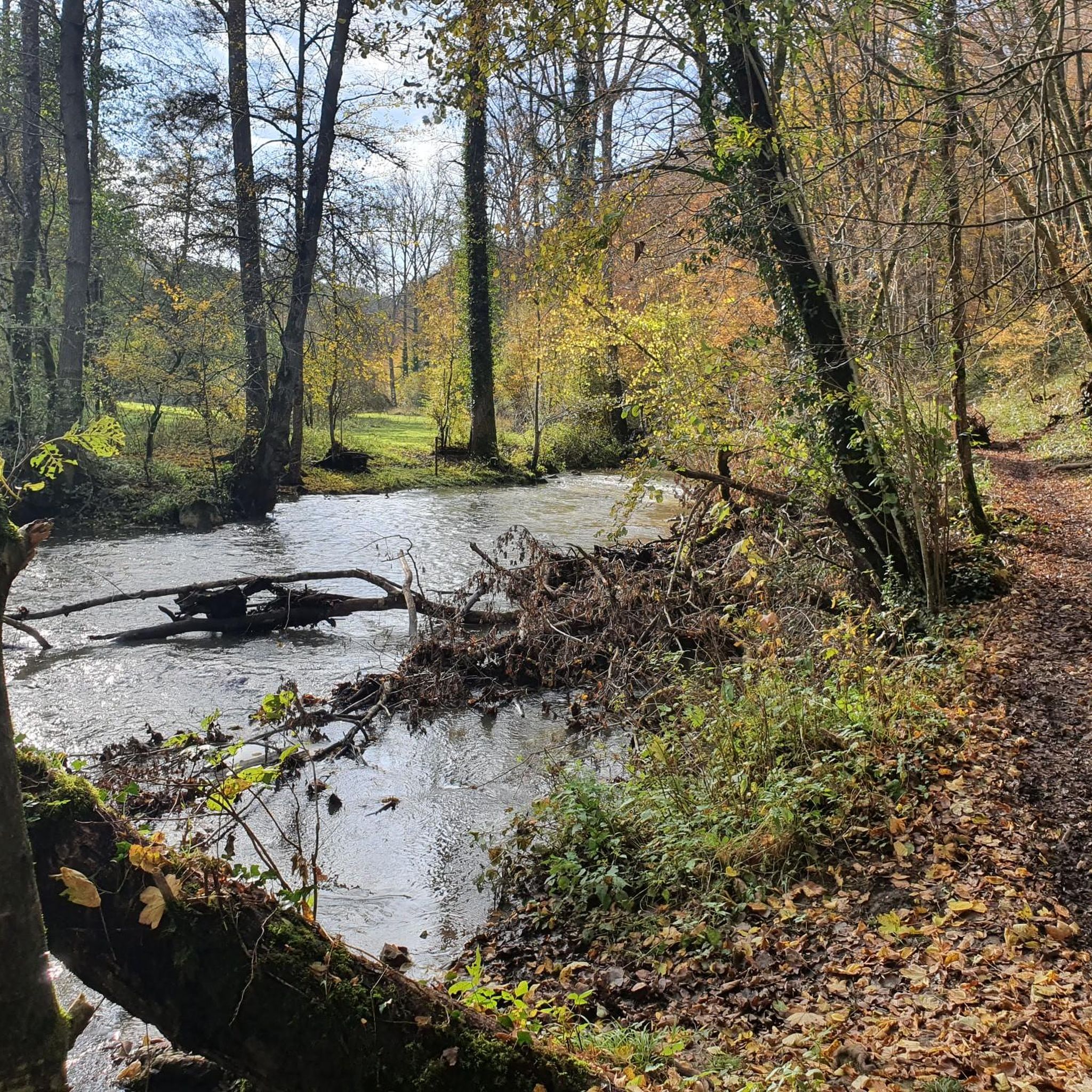
The terrain around Étang de Virelles is diverse, featuring a mix of flat sections around the lake, undulating paths through surrounding woodlands, and green valleys. You'll encounter wetlands, extensive reed beds, meadows, and humid forests, particularly on the northern, eastern, and western shores of the lake. The Eau Blanche river also adds to the scenic beauty with its valleys and slopes.
Are there family-friendly mountain bike trails near Étang de Virelles?
Yes, Étang de Virelles offers several family-friendly mountain bike trails. There are 21 easy routes suitable for less experienced riders or families. An example is the Stone Bridge - Lompret – Blaimont Viaduct loop from Chimay, which is an easy 8.9-mile (14.3 km) path that can be completed in under an hour.
Are dogs allowed on the mountain bike trails around Étang de Virelles?
While many trails in the region are dog-friendly, it's important to be mindful of the Étang de Virelles's status as a nature reserve. Always keep dogs on a leash, especially near the lake and sensitive wildlife areas, to protect the local ecosystem and bird species. Check specific trail regulations for any restrictions.
What are some notable landmarks or attractions I can see while mountain biking in the area?
While mountain biking, you can pass by landmarks such as the Blaimont Viaduct and the Stone Bridge - Lompret. The area is also home to the Aquascope Virelles, a nature interpretation center on the lake's banks, which offers insights into the local ecosystem and birdwatching opportunities. For more information on the Aquascope, you can visit visitacity.com.
Are there any circular mountain bike routes around Étang de Virelles?
Yes, many of the mountain bike routes around Étang de Virelles are designed as loops. For instance, the By the Eau Blanche – Blaimont Viaduct loop from Parc national de l’Entre-Sambre-et-Meuse is a popular 17.7-mile (28.5 km) circular trail. Another option is the Circuit de Chimay – Circuit loop from Chimay, an 18.3-mile (29.5 km) route.
Where can I park my car when visiting the mountain bike trails?
Parking is generally available in and around the main towns like Chimay, which serves as a common starting point for many routes. Specific parking areas may also be found near popular trailheads or attractions like the Aquascope Virelles. It's advisable to check the starting point details of your chosen route for the most convenient parking options.
What is the best time of year for mountain biking around Étang de Virelles?
The area is enjoyable for mountain biking through much of the year. Spring and autumn offer pleasant temperatures and beautiful scenery with changing foliage. Summer is also popular, though trails might be busier. Winter riding is possible, but conditions can be wet or muddy, especially in the wetlands, so appropriate gear is recommended.
What do other mountain bikers enjoy most about mountain biking in Étang de Virelles?
The area is highly rated by the komoot community, with an average score of 4.4 stars from over 40 reviews. Reviewers often praise the diverse natural landscape, the mix of easy and moderate trails, and the scenic beauty of the wetlands, green valleys, and wooded slopes. The well-maintained paths and the opportunity to explore nature are frequently highlighted.
Are there longer, more challenging mountain bike routes available?
Yes, for those seeking longer and more challenging rides, there are several moderate routes, including 41 in total. An example is the Main Square of Chimay – Stone Bridge - Lompret loop from Chimay, which covers 43.4 miles (43.4 km) with significant elevation gain, taking around 3 hours and 15 minutes to complete.
Can I find places to eat or drink near the mountain bike trails?
Yes, the recreational area by Étang de Virelles offers dining options. Additionally, the nearby town of Chimay provides various restaurants, cafes, and pubs where you can refuel after your ride. It's a good idea to plan your route to pass through or end near these amenities if you wish to stop for refreshments.
What kind of wildlife can I expect to see around Étang de Virelles?
Étang de Virelles is a significant nature reserve, especially for birdwatching, with over 245 bird species recorded. You might spot white storks, various ducks, herons, and waders, particularly around the lake's extensive reed beds and newly created islets. The humid forests and meadows also host diverse flora and fauna, making it a rich area for nature observation.
Most popular routes around Étang de Virelles

Get inspired with the komoot mobile app


Explore more
Browse the best MTB trails in other regions.
