The best running trails around Lake Mendota
4.8
(5)
448
runners
22
runs
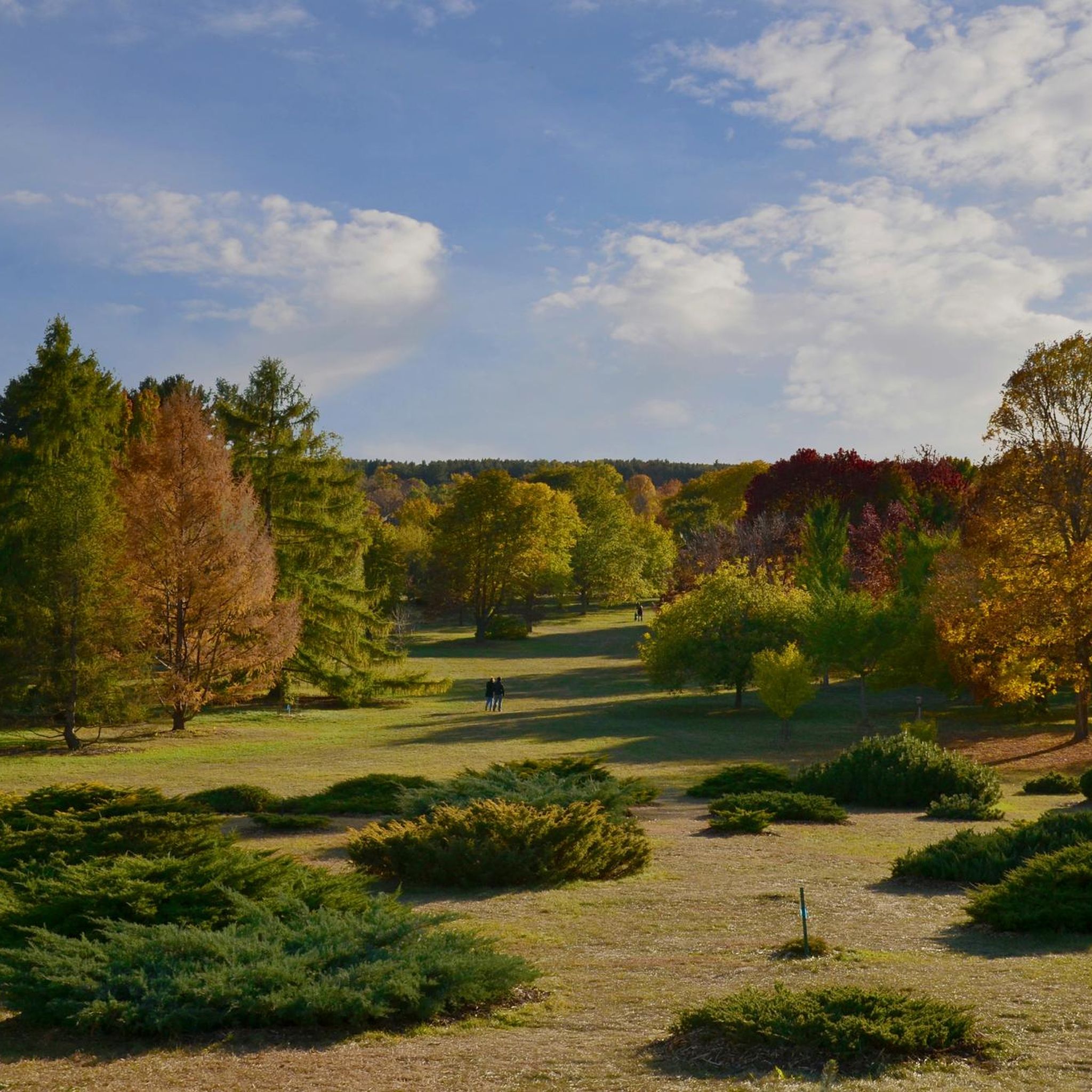
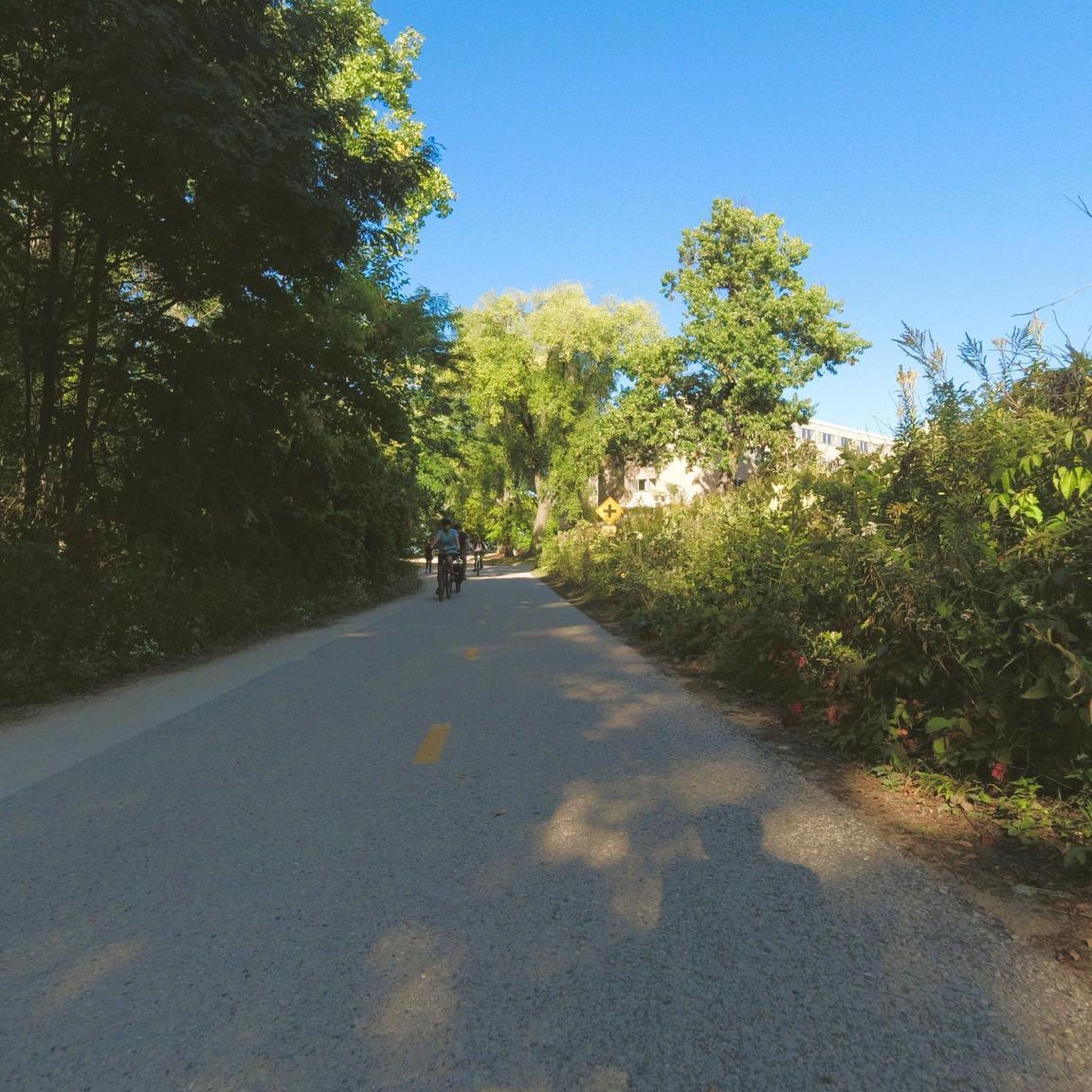
Jogging around Lake Mendota offers diverse landscapes characterized by its extensive shoreline, natural preserves, and varied terrain. The region features a mix of paved and gravel paths, winding through wooded areas, open stretches, and along the lake's edge. Ecosystems such as wetlands, marshes, meadows, and forests provide a rich natural backdrop for running. The area includes gentle hills and flat sections, catering to different preferences for elevation.
Best jogging routes around Lake Mendota
- The most popular jogging route is Lake Mendota – Howard Temin Lakeshore Path loop from Madison, a 6.6 miles (10.6 km) trail that takes 1 hour 6 minutes to complete, often passing through university areas with scenic lake views.
- Another top favourite among local runners is Running loop from Madison, a moderate 4.9 miles (7.9 km) path exploring urban green spaces and shoreline paths.
- Local runners also love the Wally Bauman Woods – Raymer's Cove loop from University of Wisconsin-Madison, a 5.0 miles (8.0 km) trail leading through diverse ecosystems including wetlands and forests, often completed in about 56 minutes.
- Jogging around Lake Mendota is defined by the Lakeshore Path, Picnic Point, and the Lakeshore Nature Preserve. The network offers options for easy, moderate, and difficult routes, suitable for various ability levels.
- The routes in Lake Mendota are highly rated by the komoot community with an average score of 4.7 stars from over 4 reviews. More than 300 runners have used komoot to explore Lake Mendota's varied terrain.
Last updated: October 2, 2026
4.5
(4)
179
runners
10.7km
01:07
50m
50m
Moderate run. Good fitness required. Mostly paved surfaces. Suitable for all skill levels.
33
runners
42.4km
04:26
270m
270m
Hard run. Very good fitness required. Mostly paved surfaces. Suitable for all skill levels.

27
runners
16.7km
01:45
120m
120m
Hard run. Very good fitness required. Mostly paved surfaces. Suitable for all skill levels.
19
runners
7.26km
00:45
30m
30m
Moderate run. Good fitness required. Mostly paved surfaces. Suitable for all skill levels.
26
runners
Moderate run. Good fitness required. Mostly paved surfaces. Suitable for all skill levels.
Get access to more routes and recommendations from other explorers.
Already have an account?
Our route recommendations are based on thousands of hikes, rides, and runs completed by other people on komoot.
Start today with a free account
Your next adventure awaits.



Other adventures around Lake Mendota

Tips from the Community

Nice spot over the culvert, just off the path, great for fishing. B-Cycle Station, bathrooms, free parking, tennis courts, pavilion, playground, and multiple paths nearby, as well as direct access to the lock, Ed Jepsen Way bike path, which goes right up the Capital City Trail, and Lake Mendota Lock Pier. Accessible by E Johnson, Sherman, Marston, & Thornton as well as the path.
0
0
There are four “extant” (still visible) mound groups you can visit on the main campus, all but one of them located within the boundaries of the Lakeshore Nature Preserve. Recently these mound groups were surveyed and entered in a special burial sites catalog maintained by the Wisconsin Historical Society. The label associated with each location includes a number used in the state Archaeological Site Inventory (ASI) maintained by the Wisconsin Historical Society. The site surveys establish a 25-foot preservation buffer around the mounds.
0
0
Picnic Point Mound Group (DA121) The sixth extant mound is a large hemispherical form visible on your right just before you reach The Narrows (where the main trail dips near the beach).
0
0
MADISON PARK & PLEASURE DRIVE ASSOCIATION Duting the 19th Century, Willow Creek marked the western edge of the University of Wisconsin campus and the end of University Drive. In 1892, at the suggestion of Prol Edward TOwen, a commitice of public spirited citizens constructed a "pleasure drive" west from this point, opening the privately owned Lake Mendota shoreline for public enjoyment. As part of this project, the first Willow Creek bridge was built The drive, intended for saddle horses, carriagesy and bicycles, crossed University Bay Marsh ascended Eagle Heights and followed the shoteline to Merill Springs (Spring Harbor in 1894 the committee became the Madison Park and Pleasure Drive Association under the leadership of Jonn MOline Relying on voluntary contributions- this renowned organization established other pleasure drives as well as tenney, Vilas, and Brittingham Park 1938
0
0
Robert E. Gard (1910-1992) wrote, spoke, taught, and lived the Wisconsin Idea through community arts development. Convinced everyone has a story. to tell, he envisioned a Wisconsin in which everyone wrote, painted, danced, acted or sang their story. His own writing captured Wisconsin's "sense of place" and history, and influenced national and international • audiences: This Storyteller's Circle honors his work and invites future generations of story tellers, - Dedicated Septembert 2010
0
0
Major hub for Lakeshore Nature Preserve. Direct access to Bicore Prarie, Picnic Point, Howard Temin Path, Young Farmhouse, 1918 Marsh, Big Oak Trail, Angler’s Cove (Second Frautchi Point), Frautschi Point, Raymer’s Cove, Garrett’s Cove, Bambi’s Pad, and Eagle Heights Effigy Mounds. Parking is paid except for certain hours. Has a bike rack & bus stop. No public restrooms. Close access to trails & the University. Parking garage & other university lots nearby. Parking at Frautschi Point & Raymer’s Cove are free. Preserve is open 4AM-10PM. Howard Temin doesn’t close.
0
0
Historical information on tenney park
0
0
Frequently Asked Questions
How many running routes are available around Lake Mendota?
There are over 20 dedicated running routes around Lake Mendota, offering a variety of experiences for all skill levels. These include 4 easy routes, 14 moderate routes, and 3 difficult routes, ensuring options for every runner.
What kind of terrain can I expect on the running paths around Lake Mendota?
The running paths around Lake Mendota feature diverse terrain, including a mix of paved and gravel surfaces. You'll jog through wooded areas, open stretches, and along the lake's edge, encountering ecosystems like wetlands, marshes, meadows, and forests. The routes offer both gentle hills and flat sections.
Are there any easy or beginner-friendly running routes in the Lake Mendota area?
Yes, Lake Mendota offers several easy running routes perfect for beginners or those looking for a relaxed jog. Overall, there are 4 routes classified as easy, providing accessible options to enjoy the scenic surroundings.
What are some scenic viewpoints or natural features to look out for while running around Lake Mendota?
Lake Mendota's running paths are rich with scenic beauty. You can enjoy expansive views of the lake and the Madison skyline, especially from areas like Picnic Point Mound Group and the Frautschi Point. The Lakeshore Nature Preserve itself offers diverse ecosystems, including wetlands and forests, with spots like Raymer's Cove for birdwatching.
Are there any running routes that offer a full loop around Lake Mendota?
While a single, continuous loop directly around the entire Lake Mendota shoreline isn't available, routes like the View of Lake Wingra – Yahara River Pathway loop from Madison offer extensive distances that provide a comprehensive experience of the area, including views of Lake Mendota and other nearby lakes.
What do other runners enjoy most about jogging in Lake Mendota?
The running routes around Lake Mendota are highly rated by the komoot community, with an average score of 4.7 stars. Runners frequently praise the diverse landscapes, from urban green spaces to wild natural habitats, and the beautiful lake views. The variety of terrain and difficulty levels also contributes to its popularity.
Are the running trails around Lake Mendota suitable for families or those with strollers?
Many sections of the Lakeshore Path, which combines the Howard Temin Path and the Lake Mendota Path, are paved or have smooth gravel surfaces, making them suitable for families and strollers. Areas within the Lakeshore Nature Preserve might be more rugged, so checking specific route details is recommended for stroller accessibility.
Can I bring my dog on the running trails around Lake Mendota?
Yes, many areas around Lake Mendota, including parts of the Lakeshore Path and the Lakeshore Nature Preserve, are dog-friendly. However, it's always best to keep your dog on a leash and be mindful of local regulations and signage, especially in protected natural areas.
What is the best time of year to go running around Lake Mendota?
Lake Mendota offers beautiful running conditions throughout much of the year. Spring and fall provide pleasant temperatures and vibrant scenery. Summer is also popular, though it can be warm, while winter transforms the frozen lake into a unique landscape for activities like cross-country skiing, which can be combined with running on cleared paths.
Are there any historical sites or cultural landmarks along the running routes?
Yes, the area around Lake Mendota is rich in history. Along the Lakeshore Path and within the Lakeshore Nature Preserve, you can find significant sites such as the Picnic Point Mound Group and the Eagle Heights Mound Group (DA130), which are ancient effigy burial mounds. The area also features remnants of early farmhouses, adding a historical dimension to your run.
Where can I find parking or access points for the running trails?
Access points and parking are available at various locations around Lake Mendota, particularly near the University of Wisconsin-Madison campus for the Lakeshore Path. Specific parking information can vary by trail, but general access points are often found near parks and public areas surrounding the lake.
Are there any running routes that pass through unique natural habitats?
Absolutely. The Lakeshore Nature Preserve loop from Shorewood, for example, leads through diverse ecosystems including wetlands, marshes, meadows, and forests. You can also explore areas like Tent Colony Caretakers Woods, known for its unique mesic vegetation.
Most popular routes around Lake Mendota
Most popular attractions around Lake Mendota

Get inspired with the komoot mobile app


Explore more
Browse the best Running Trails & Routes in other regions.
