Attractions and Places To See in Tulum - Top 5
Best attractions and places to see in Tulum include ancient Mayan ruins, natural cenotes, and coastal ecosystems. Located on Mexico's Yucatán Peninsula, Tulum features a blend of historical sites and diverse natural landscapes. The region offers opportunities to explore pre-Columbian architecture and protected areas like the Sian Ka'an Biosphere Reserve. Its Caribbean coastline provides access to white-sand beaches and clear waters.
Best attractions and places to see in Tulum
- The most popular attractions is El Castillo (The Castle), Tulum,…
Last updated: May 4, 2026
Tulum Mayan Ruins
Highlight (Segment) • Historical Site
(As of 05/2018) - The journey from Tulum is easily possible …
Translated by Google •
Tip by

El Castillo (The Castle), Tulum
Highlight • Historical Site
Translated by Google •
Tip by

Sign up now to discover places like this
Get recommendations on the best single tracks, peaks, & plenty of other exciting outdoor places.
Sign up for free
Exit Through the Ancient City Wall of Tulum
Highlight • Historical Site
Translated by Google •
Tip by

Temple of the Frescoes (Templo de las Pinturas), Tulum
Highlight • Historical Site
Tip by

Tulum Ruins and Coastal View
Highlight (Segment) • Historical Site
Translated by Google •
Tip by

Start today with a free account
Your next adventure awaits.
Login or Signup
Popular around Tulum

Tips from the Community

Here you have to leave the area. There is no other option. Take enough water with you to drink.
0
0
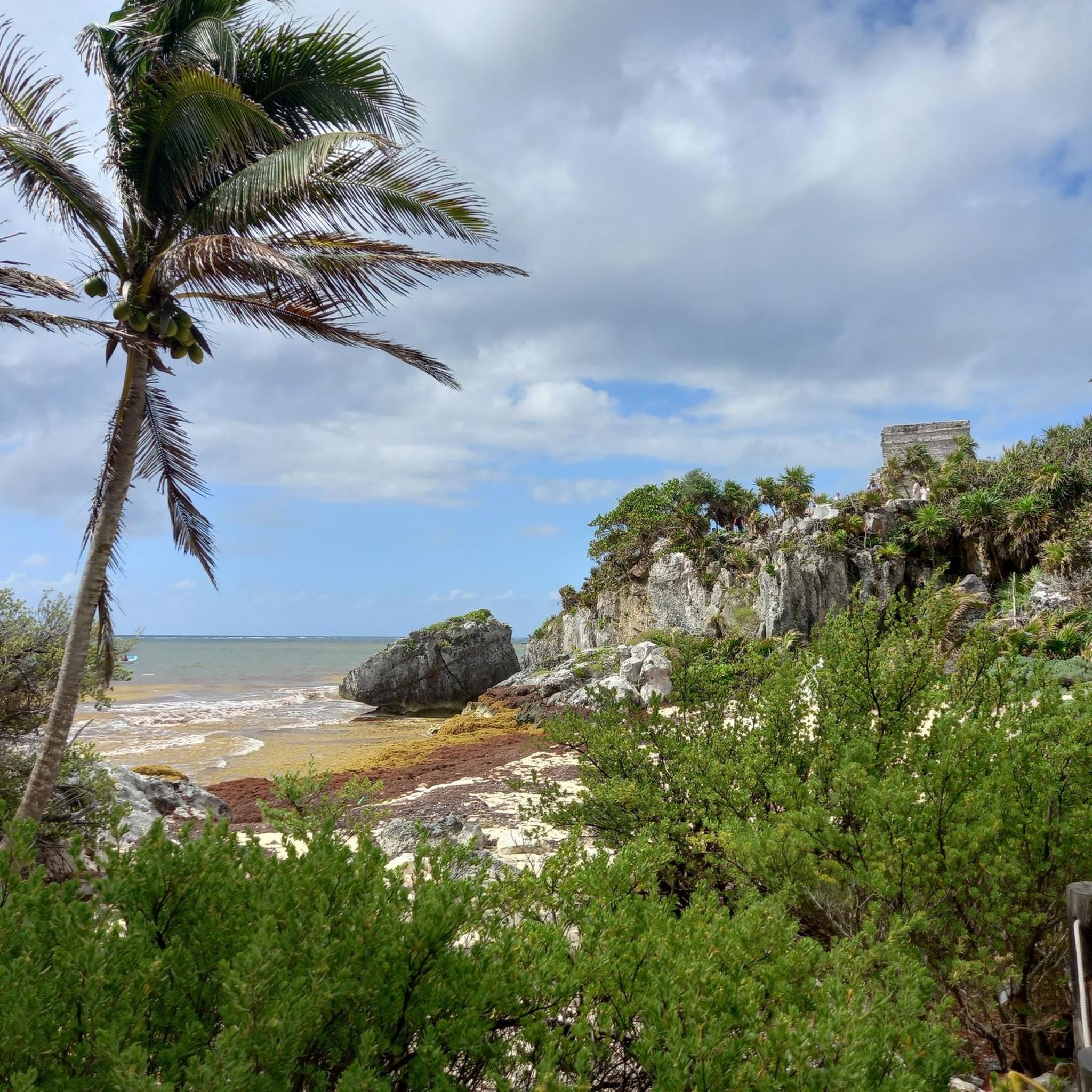
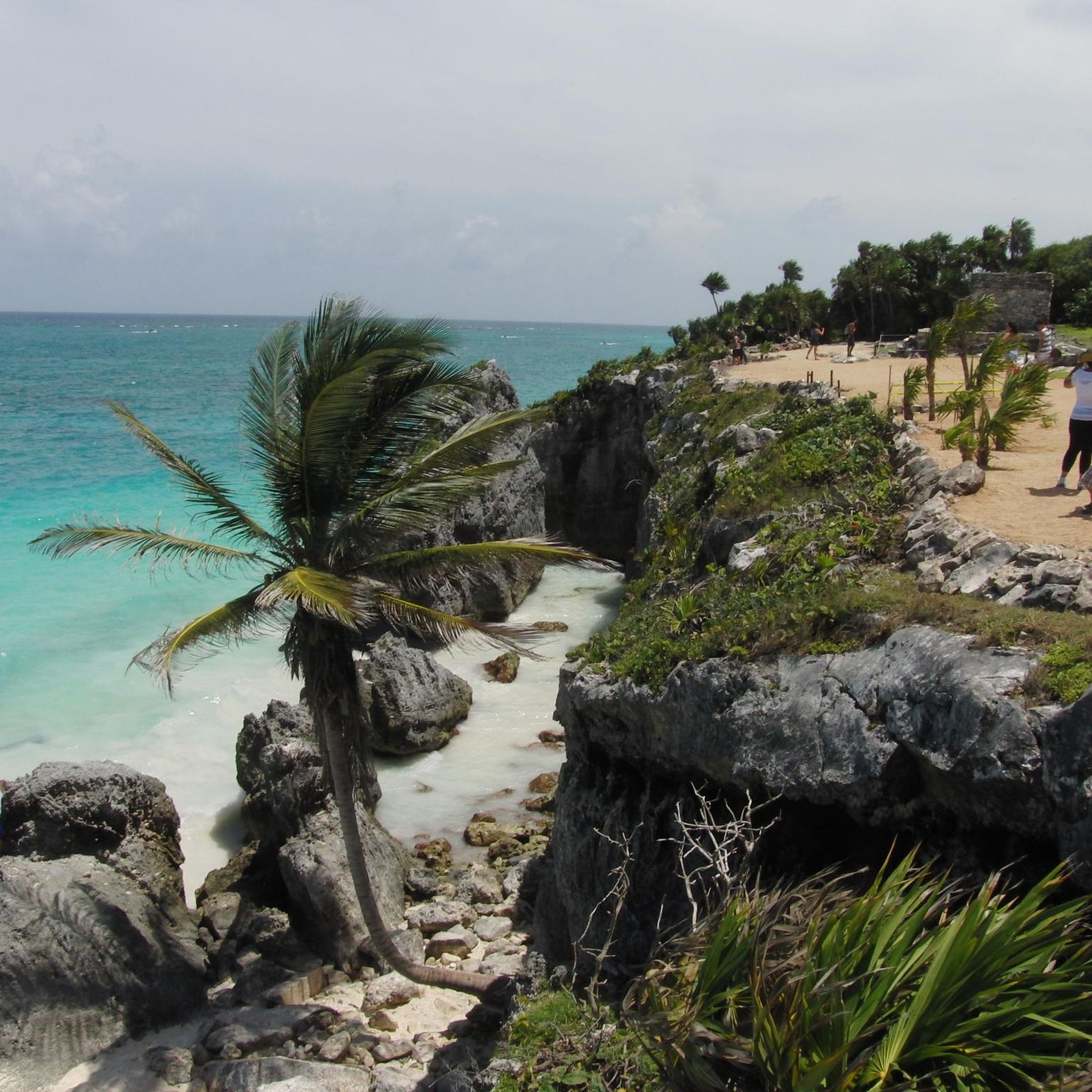
The view of the sea and the temples in the background are unique.
1
0

nice ruins and nice view to the beach. many tourists.
1
0
Temple complex located directly on the beach.
0
0

In the middle of the old Mayan city right by the sea, you can still see many frescoes on the temple. Who can find the big face over the corner?
0
0
Located right by the sea on a cliff, in a fantastic setting and now inhabited by many iguanas 😍
2
0

El Castillo The Castillo is the most important historical building in Tulum and is located on a cliff. The temple has a roof made of wooden beams with stucco figures and well-preserved internal frescoes. The Castillo is surrounded by an enclosure within which there are ten structures of different ages. The largest among these structures is the Temple of the Diving God which is twenty-seven feet wide and twenty feet deep by nine feet high. Numerous frescoes decorate the sides of the door and its walls. In a niche on the door there is the image of a winged god. It is a Mayan deity named Ah Musen Cab: god of bees taken from Wikipedia
2
0
Temple of the Frescoes
2
0
Frequently Asked Questions
What historical sites can I visit in Tulum?
Tulum is rich in history, primarily known for the Tulum Mayan Ruins, a pre-Columbian walled city perched on cliffs overlooking the Caribbean Sea. Within this archaeological zone, you can explore structures like El Castillo, which served as a lighthouse, and the Temple of the Frescoes, known for its intricate murals. The site also features the Temple of the Descending God and offers access to Playa Ruinas, a secluded beach below the ruins.
How long should I plan for a visit to the Tulum Mayan Ruins?
Visitors typically spend 2 to 3 hours exploring the Tulum Mayan Ruins. This allows enough time to walk through the site, admire the main structures like El Castillo and the Temple of the Frescoes, and enjoy the coastal views. If you plan to swim at Playa Ruinas, factor in additional time.
Are there other significant Mayan ruins near Tulum?
Yes, beyond the immediate Tulum Archaeological Zone, you can visit the Coba Archaeological Zone, about a 45-minute drive away. Coba is one of the largest Mayan sites in the Yucatán Peninsula, featuring the Nohoch Mul Pyramid, which you can climb for panoramic jungle views. Chichen Itza, a UNESCO World Heritage Site, is also a popular day trip, approximately a two-hour drive from Tulum.
What natural attractions, like cenotes and beaches, are there in Tulum?
Tulum is famous for its natural beauty. You can explore numerous cenotes, which are natural sinkholes with crystal-clear freshwater. Popular options include Grand Cenote, Dos Ojos Cenote, Cenote Calavera (Temple of Doom), and Casa Cenote. The region also boasts stunning beaches like Playa Paraiso, known for its white sands and palm trees, and Playa Ruinas, located directly below the ancient ruins.
Are there any protected natural areas or wildlife reserves in Tulum?
Yes, the Sian Ka'an Biosphere Reserve, a UNESCO World Heritage Site, is located just south of Tulum. This vast reserve features tropical forests, untouched beaches, coral reefs, and lagoons, home to diverse flora and fauna, including over 300 bird species. Additionally, the Tulum National Park encompasses the ruins, coastal cliffs, beaches, and lush vegetation, providing habitat for spider monkeys, coatis, and various bird species, and is important for sea turtle conservation.
What outdoor activities can I do near Tulum's attractions?
Tulum offers a variety of outdoor activities. You can enjoy hiking trails, such as the easy loop from Parque Nacional Tulum to Playa Ruinas, offering views of the ruins and coast. For cycling enthusiasts, there are cycling routes like the easy loop from Tulum to the Mayan Ruins. Running trails are also available, including moderate loops around Public Beach Access from Colonia Palmas Privadas.
Are there easy-to-access cenotes suitable for swimming near Tulum?
Many cenotes near Tulum are easily accessible and great for swimming. Grand Cenote is a very popular open-air option known for its clear water and abundant fish. Casa Cenote (Cenote Manatí) is surrounded by mangroves and ideal for swimming, paddleboarding, and snorkeling. Cenote Cristal and Cenote Escondido are also known for their clear, refreshing waters and ease of access.
What are the entrance fees for the Tulum Mayan Ruins?
The entrance fee for the Tulum Mayan Ruins is typically around 70 pesos per adult. It's advisable to check current prices upon arrival, as they can change. Parking is an additional cost, usually around 180 pesos.
What is the best time of year to visit Tulum?
The best time to visit Tulum is generally from November to April. During these months, the weather is dry and pleasant, with comfortable temperatures and less humidity. This period avoids the peak hurricane season (June to October) and offers ideal conditions for exploring ruins, swimming in cenotes, and enjoying the beaches.
Are there options for parking and public transport at Tulum's main attractions?
For the Tulum Mayan Ruins, parking is available for a fee near the entrance. Many visitors also opt to cycle from Tulum Pueblo, as bike rentals are readily available and offer flexibility. Shuttle buses are also an option for getting to the main entrance from the parking area. For cenotes, most have dedicated parking, and some are accessible via local taxis or colectivos (shared vans).
Are there family-friendly attractions in Tulum?
Tulum offers several family-friendly attractions. The Tulum Mayan Ruins are a great educational experience, and kids often enjoy spotting the free-roaming lizards. Many cenotes, especially open-air ones like Grand Cenote, are suitable for families to swim and snorkel. Beaches like Playa Paraiso are perfect for relaxing and playing in the sand. The Sian Ka'an Biosphere Reserve also offers boat tours that can be exciting for older children interested in wildlife.
Where can I experience local culture and art in Tulum?
To experience local culture and art, explore Tulum Pueblo (El Centro), where streets are adorned with vibrant murals by local artists. The Museo de la Cultura Maya provides deeper insights into Mayan civilization. For contemporary art, visit SFER IK Museion & Azulik City of Arts, known for its immersive exhibitions and organic architecture, or take a peaceful stroll through the Holistika Art Walk & Sculpture Garden.
What unique cultural experiences does Tulum offer?
Tulum offers unique cultural experiences such as participating in a traditional Mayan Temazcal ceremony, a spiritual and cleansing steam lodge ritual. You can also delve into the local gastronomy, enjoying authentic Mexican food and local delicacies in Tulum Pueblo. The region's rich Mayan heritage is evident in its archaeological sites and the reverence for cenotes, considered sacred by the ancient Maya.

Get inspired with the komoot mobile app


