Attractions and Places To See in Helena-Lewis And Clark National Forest - Top 8
Best attractions and places to see in Helena-Lewis And Clark National Forest, a vast region spanning nearly 2.9 million acres in west-central Montana. This area features rugged mountain landscapes, significant historical sites, and portions of the Continental Divide. The forest preserves segments of the historic routes taken by the Lewis and Clark Expedition and offers diverse natural features for exploration.
Best attractions and places to see in Helena-Lewis And Clark National Forest
- The most popular attractions is Bob Marshall Wilderness…
Last updated: September 28, 2026
Marias Pass Memorial Square: Roosevelt Obelisk, Stevens
Highlight • Monument
The pass traverses the Continental Divide in the …
Tip by

Bob Marshall Wilderness
Highlight • Forest
Translated by Google •
Tip by

Sign up now to discover places like this
Get recommendations on the best single tracks, peaks, & plenty of other exciting outdoor places.
Lava Mountain Trail
Highlight (Segment) • Trail
Tip by

Coral Gulch Road
Highlight (Segment) • Trail
Tip by
South Fork Sun - Continental Divide Trail
Highlight • Trail
Tip by

Sign up for free to discover even more attractions in Helena-Lewis And Clark National Forest.
Already have an account?
Start today with a free account
Your next adventure awaits.
Popular around Helena-Lewis And Clark National Forest

Tips from the Community

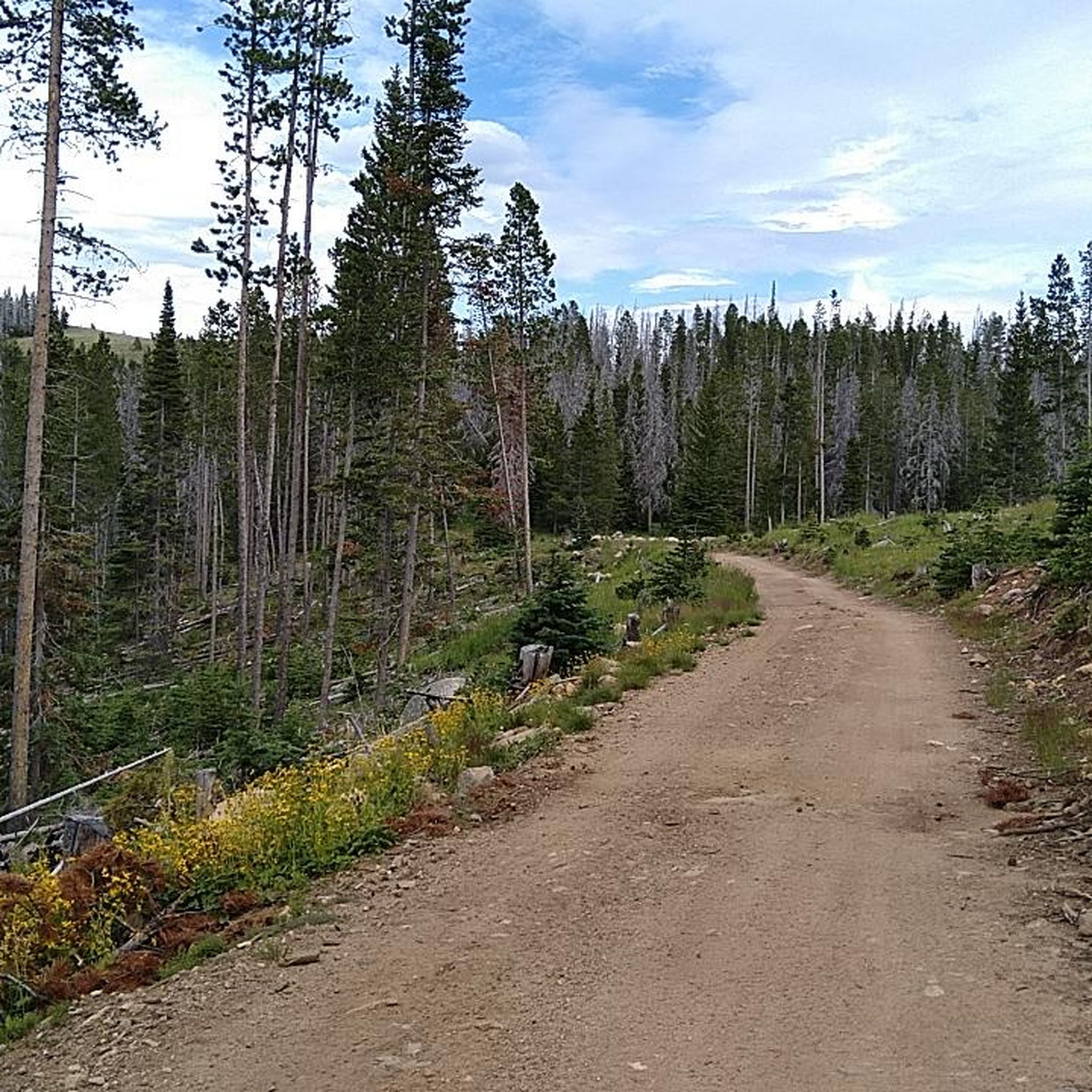
Coral Gulch Road follows the valley up a gentle slope towards Park Lake. Much of the road is in good condition and is a treat to ride. The views of the surrounding mountains and meadows will stick with you.
0
0
Lava Mountain Trail is technical enough to challenge most riders. It's also part of the Great Divide Mountain Bike Route so theoretically you could keep riding up to Alberta, Canada or down to the Mexican border.
1
0

The Continental Divide Trail connects the south and north of the United States, from the Mexican border to the Canadian one. It crosses several states including Montana. It has a length of about 5,000 kilometres.
1
0

The Bob Marshall Wilderness Area is a congressionally designated wilderness area located in the western Montana region of the United States. It is named for Bob Marshall, an early federal government forester, conservationist, and co-founder of The Wilderness Society.
10
2

The Bob Marshall Wilderness is also just called „The Bob“ by hikers. It is the last true wilderness you will walk through if you hike the Continental Divide Trail northbound.
2
0

Marias Pass (el. 5213 ft/1589 m) is a high mountain pass near Glacier National Park in northwestern Montana in the United States. The pass traverses the Continental Divide in the Lewis Range, along the boundary between the Lewis and Clark National Forest and the Flathead National Forest. The pass forms the southern limit of the Continental Ranges, a major grouping of the Rocky Mountains which extends as far north as McGregor Pass in the Northern Rockies of the Canadian province of British Columbia. During the winter, the pass is the only way to cross the Continental Divide by road in the United States north of Montana's Rogers Pass. The pass was charted by John Frank Stevens, principal engineer of the Great Northern Railway (GN), in December 1889. The location of the pass had been rumored for several years, but it took Stevens and a Flathead Indian guide named Coonsah to discover it. The pass proved ideal for a railroad, because its approach was broad and open, within a valley ranging from one to six miles wide, and at a gentle grade. Construction of the railroad through the pass began 1890, followING the Middle Fork of the Flathead River west of the Continental Divide. A memorial to President Theodore Roosevelt was constructed along the Continental Divide at the top of the pass. Construction from 1930-31, The obelisk is 60 feet high and extends 19 feet into the ground. It has a tapering cement core covered on all sides with 7-inch slabs of Montana granite quarried near Helena. It was later decided to build an obelisk instead of an archway. Today, U.S. Route 2 uses the pass, along with the BNSF Railway linking Chicago and the Pacific Northwest. A statue of John Frank Stevens stands at the summit of Marias Pass. https://en.wikipedia.org/wiki/Marias_Pass
2
0
Frequently Asked Questions
What unique natural features can I explore in Helena-Lewis And Clark National Forest?
The forest is home to several remarkable natural features. You can discover the impressive Chinese Wall, a 1,000-foot-high limestone cliff stretching for 12 miles within the Bob Marshall Wilderness. Another significant area is the Gates of the Mountains Wilderness, known for its towering limestone cliffs along the Missouri River. Don't miss Memorial Falls, a beautiful and accessible waterfall, or the unique rock formations at Devil's Glen along the Dearborn River. For a different experience, explore the Ice Caves in the Big Snowy Mountains.
Are there any historical sites related to the Lewis and Clark Expedition in the forest?
Yes, the Helena-Lewis And Clark National Forest preserves significant segments of the historic routes taken by the Lewis and Clark Expedition between 1804 and 1806. The Gates of the Mountains Wilderness, for instance, was named from a journal entry by the expedition members. You can also visit Marias Pass Memorial Square, which features the Roosevelt Obelisk, honoring President Theodore Roosevelt, and is located along a pass charted by John Frank Stevens, an engineer for the Great Northern Railway, whose statue also stands there.
What kind of hiking trails are available in Helena-Lewis And Clark National Forest?
The forest offers hundreds of miles of trails for various skill levels. For challenging backpacking, explore the extensive trails within the Bob Marshall Wilderness. If you're looking for an intermediate experience, consider the South Fork Sun - Continental Divide Trail, which is part of the longer Continental Divide Trail. For family-friendly options, the Crow Creek Falls Trail is a popular choice. You can find more hiking routes and details on the Hiking in Helena-Lewis And Clark National Forest guide.
Can I go mountain biking in Helena-Lewis And Clark National Forest?
Absolutely! The forest is a popular destination for mountain biking. The Lava Mountain Trail is a challenging technical trail that is also part of the Great Divide Mountain Bike Route. Many other miles of mountain biking trails are available throughout the forest. For more specific routes and information, check out the MTB Trails in Helena-Lewis And Clark National Forest guide.
Are there any family-friendly attractions or activities in the forest?
Yes, the forest offers several options suitable for families. The Marias Pass Memorial Square is considered family-friendly. The Crow Creek Falls Trail is also known for being a good option for families. Additionally, many developed campgrounds like Coulter, Gipsy Lake, and Benchmark provide excellent bases for family outdoor adventures, including easy hikes and wildlife viewing.
What is the best time of year to visit Helena-Lewis And Clark National Forest?
The best time to visit largely depends on your desired activities. Summer (June to August) is ideal for hiking, backpacking, mountain biking, and camping, with pleasant temperatures. Fall (September to October) offers stunning foliage and cooler weather, perfect for hiking. Winter (November to March) transforms the forest into a snowy wonderland, suitable for cross-country skiing and snowmobiling, with the Showdown Montana Ski Area also open. Spring (April to May) brings thawing and wildflowers, though some higher elevation trails may still be snow-covered.
What kind of wildlife can I expect to see in Helena-Lewis And Clark National Forest?
The diverse ecosystems of the forest support a wide variety of wildlife. You might spot large mammals such as elk, black bears, and even grizzly bears, as the forest is part of the North Continental Divide Grizzly Bear Recovery Zone. Other notable species include wolverines, bighorn sheep, and lynx. Birdwatchers can look for nesting bald eagles. Always remember to maintain a safe distance and store food properly to protect both yourself and the wildlife.
Are there opportunities for cycling or road biking near the attractions?
Yes, there are cycling opportunities in and around the Helena-Lewis And Clark National Forest. While Lava Mountain Trail is a challenging mountain bike route, other areas offer different cycling experiences. For a broader range of cycling routes, including easy to moderate options, you can consult the Cycling in Helena-Lewis And Clark National Forest guide, which features routes like the Helena City loop.
What is the significance of the Continental Divide in the forest?
The Continental Divide runs through the Helena-Lewis And Clark National Forest, marking the hydrological divide of North America. Several mountain passes, including MacDonald, Rogers Pass, Stemple Pass, Lewis and Clark Pass, and Fletcher Pass, provide access to the Continental Divide National Scenic Trail. This trail offers breathtaking views and challenging hikes, forming a significant part of the landscape and recreational opportunities in the region, including the South Fork Sun - Continental Divide Trail.
Are there any historical mining sites or cultural heritage areas to visit?
The forest has a rich history of mining, particularly in areas like the Big Belt Range. You can find historic sites such as the Charter Oak Mine, which interprets this past. The Vortex Yogo mine within the forest is also the world's only known source of Blue Yogo Sapphires. Additionally, the region holds significant Native American heritage, with archaeological data suggesting inhabitants as early as 13,000 years ago. The Badger-Two Medicine area, adjacent to the Blackfeet Reservation, is considered sacred ground for the Blackfeet tribe.
Where can I find scenic viewpoints or panoramic views in the forest?
For incredible 360-degree panoramic views, consider visiting the Granite Butte Lookout Tower in the Lincoln Ranger District, which can even be rented for overnight stays. The Coral Gulch Road also offers stunning views of the surrounding mountains and meadows. Additionally, Marias Pass Memorial Square provides a viewpoint along the Continental Divide.
Are there opportunities for camping in Helena-Lewis And Clark National Forest?
Yes, the forest offers numerous developed campgrounds for visitors, including popular spots like Coulter, Gipsy Lake, Skidway, Vigilante, and Benchmark campgrounds. Dispersed camping is also a popular option for those seeking a more secluded experience. These sites provide excellent access to trails and natural attractions throughout the forest.
Most popular routes in Helena-Lewis And Clark National Forest

Get inspired with the komoot mobile app


Explore more
Still not found the Highlight you’re looking for? See guides of the top attractions in other regions:
