Attractions and Places To See in Cibola National Forest - Top 20
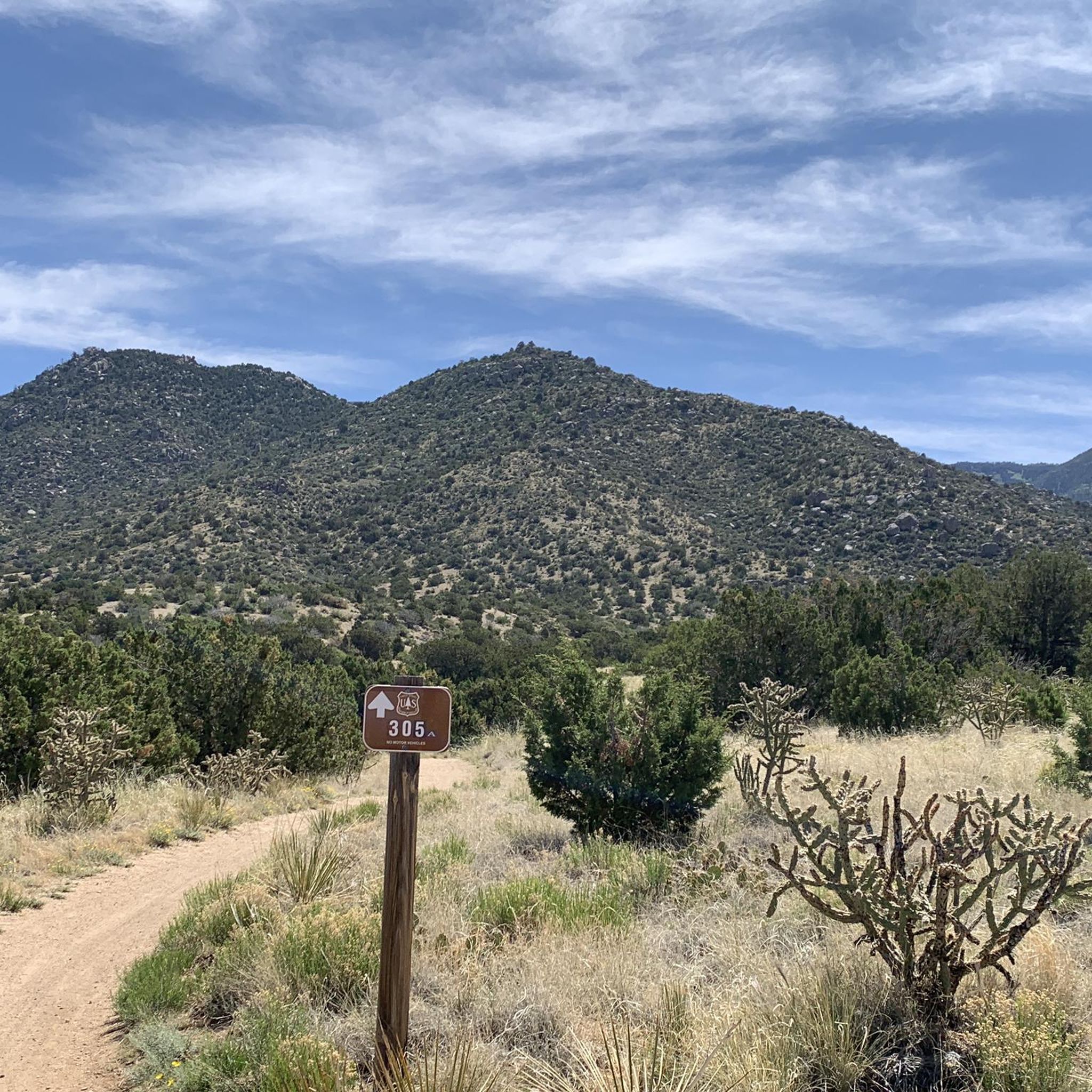
Best attractions and places to see in Cibola National Forest, a vast area spanning nearly 2 million acres, primarily in New Mexico. The forest features diverse ecosystems, from piñon-juniper woodlands to ponderosa pine forests, and includes several mountain ranges like the Sandia and Manzano Mountains. It holds cultural significance with ancient Native American settlements and sacred sites, particularly around Mount Taylor. This region offers a variety of natural landscapes and historical points of interest for exploration.
Best attractions and places to see in Cibola National Forest
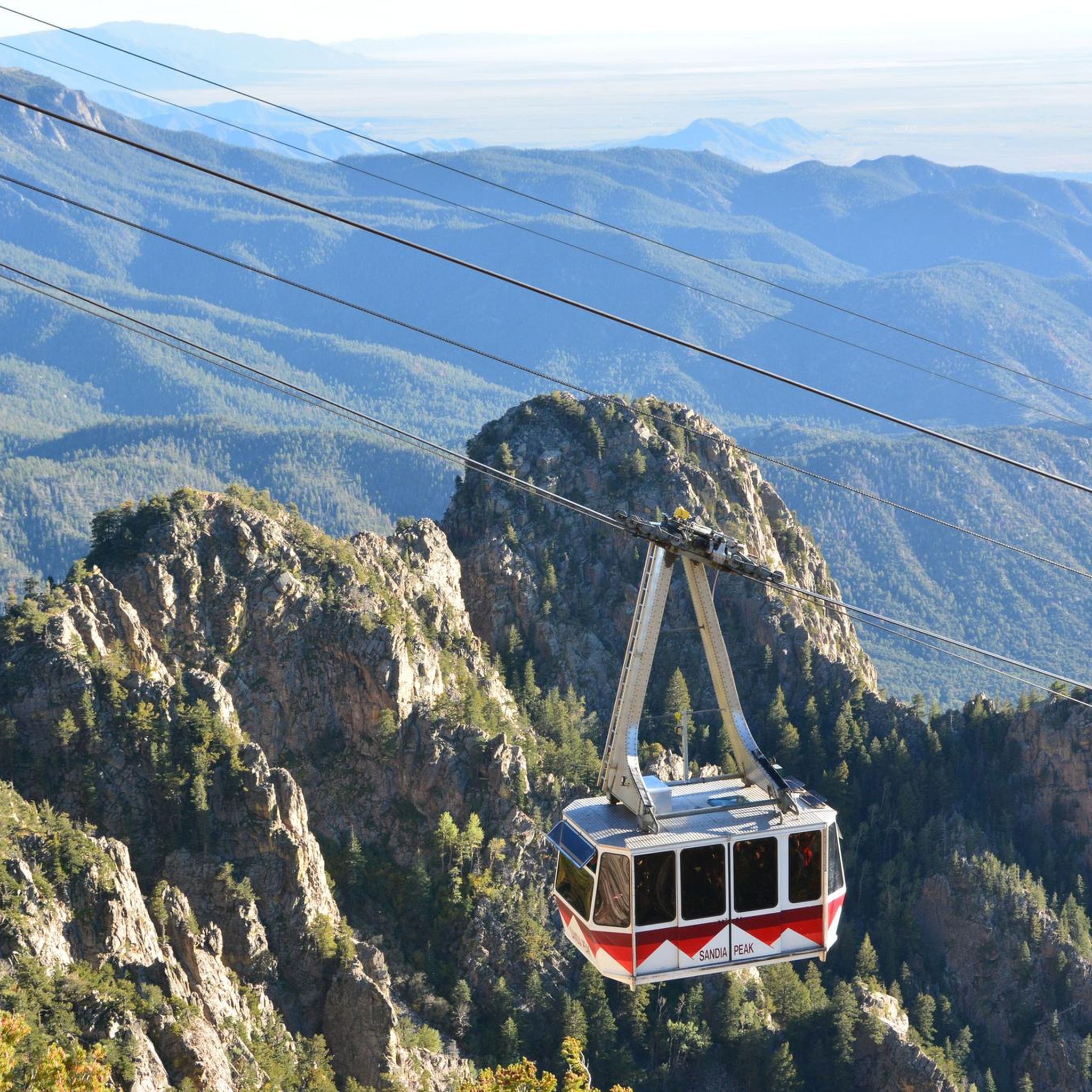
- The most popular attractions is Sandia Peak Aerial Tramway, an other_man_made structure that connects Albuquerque with Sandia Peak. It is the longest aerial tramway in the Americas.
- Another must-see spot is Kiwanis Cabin, a historical hut. Built around 1930 by the Civilian Conservation Corps, it is one of the few remaining accessible structures from that era.
- Visitors also love North Sandia Peak, a summit in the Sandia Mountains. This peak stands at over 3,100 meters, marking the northernmost summit in the wilderness area above 3,000 meters.
- Cibola National Forest is known for its mountain ranges, ancient Native American settlements, and diverse natural features. Visitors can explore various landscapes and historical sites, including seasonal waterfalls and volcanic rock formations.
- The attractions in Cibola National Forest are appreciated by the komoot community, with 10 upvotes and 7 photos shared.
Last updated: October 11, 2026
Kiwanis Cabin
Highlight • Mountain Hut
The Corps are known to have built countless infrastructures around New Mexico, but this is one of the only remaining site that can be seen and accessed.
Tip by

Sandia Peak Aerial Tramway
Highlight • Structure
Tip by

Sign up now to discover places like this
Get recommendations on the best single tracks, peaks, & plenty of other exciting outdoor places.
Sandia Crest Overlook
Highlight • Viewpoint
Tip by
Albert G. Simms Park in Cibola National Forest
Highlight • Forest
Tip by

Travertine Falls
Highlight • Waterfall
Tip by

Sign up for free to discover even more attractions in Cibola National Forest.
Already have an account?
Start today with a free account
Your next adventure awaits.
Popular around Cibola National Forest
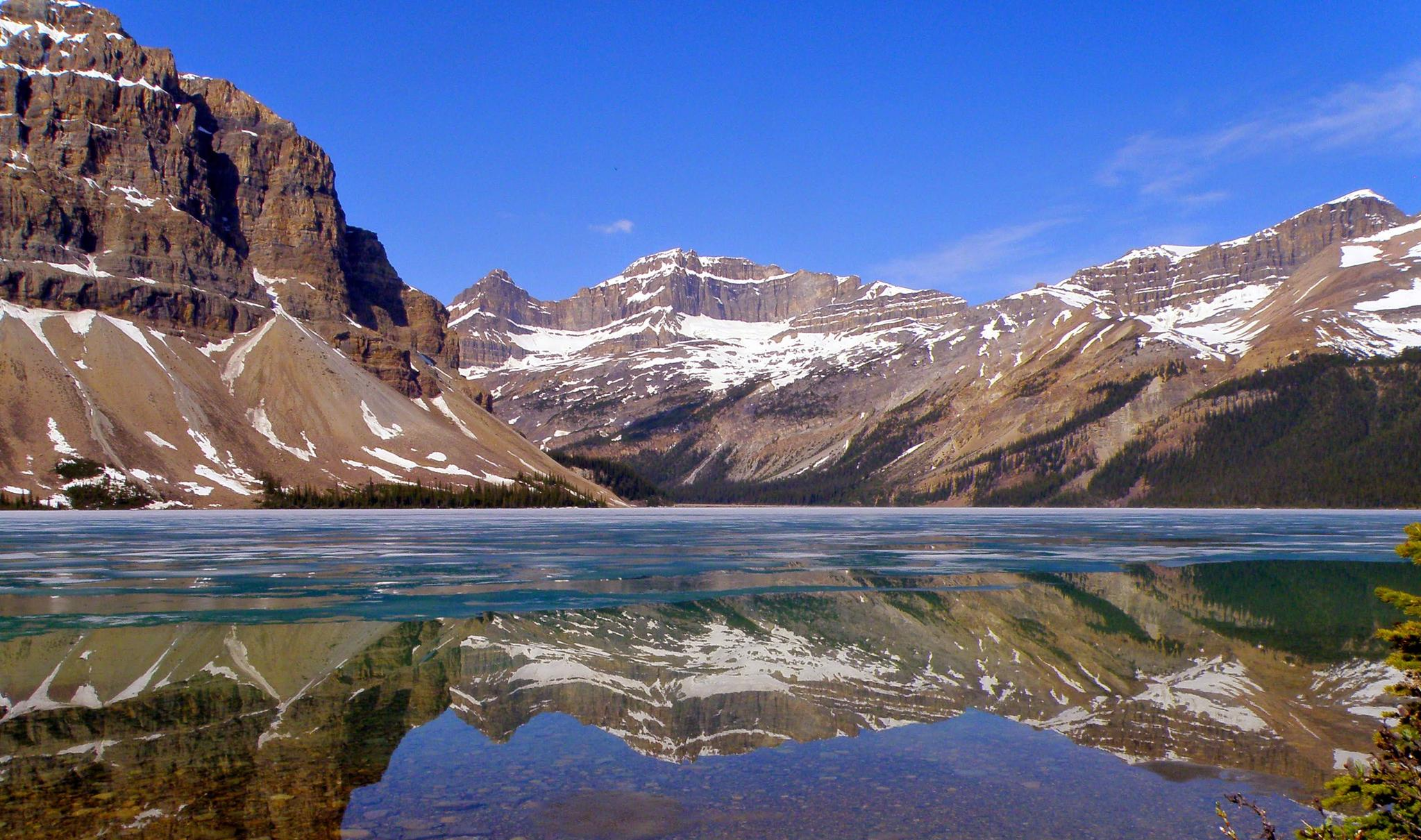
Great Divide Mountain Bike Route — Cycling the spine of a continent
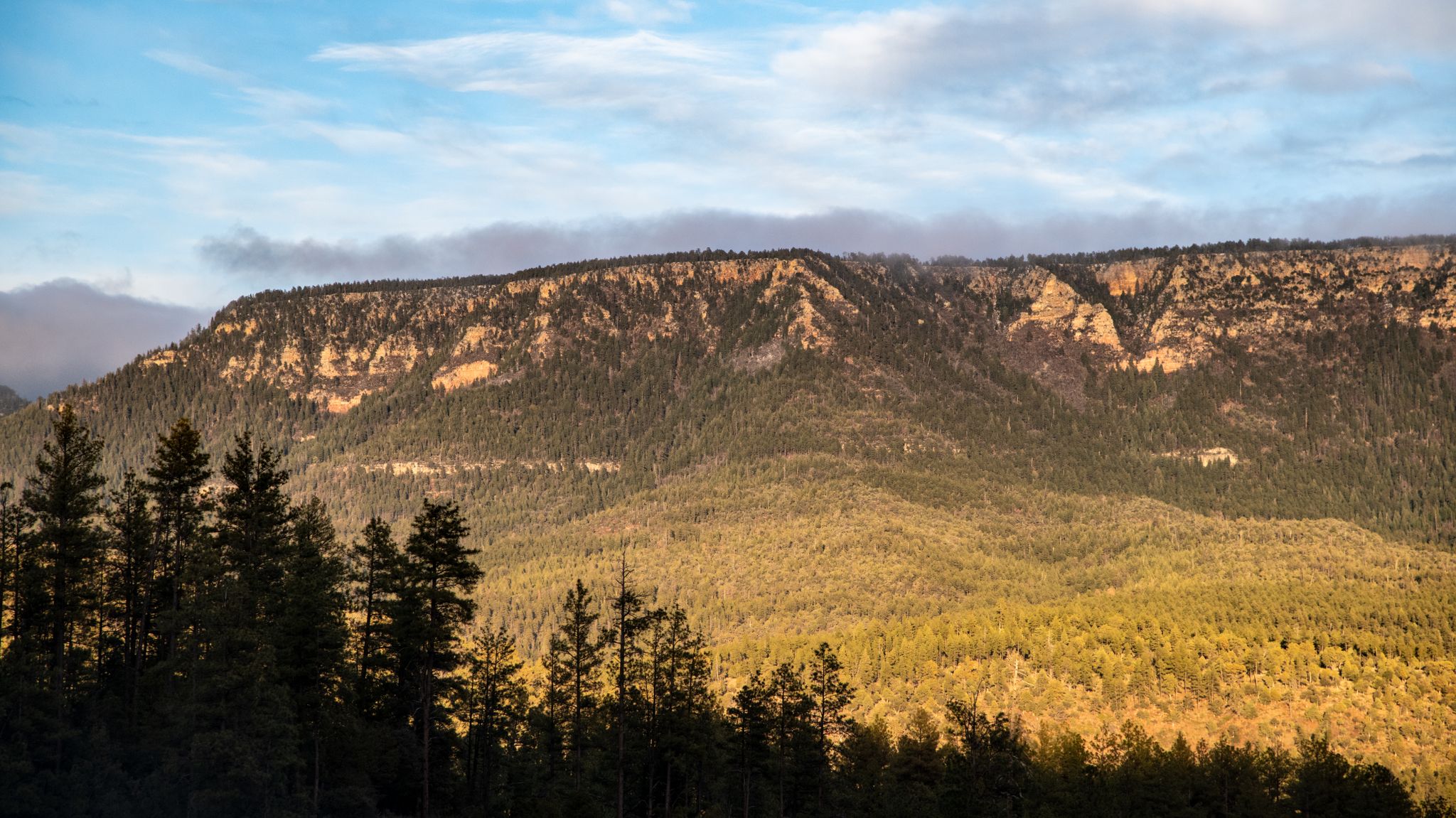
Grand Enchantment Trail — Slot canyons, spruce peaks & desert solitude
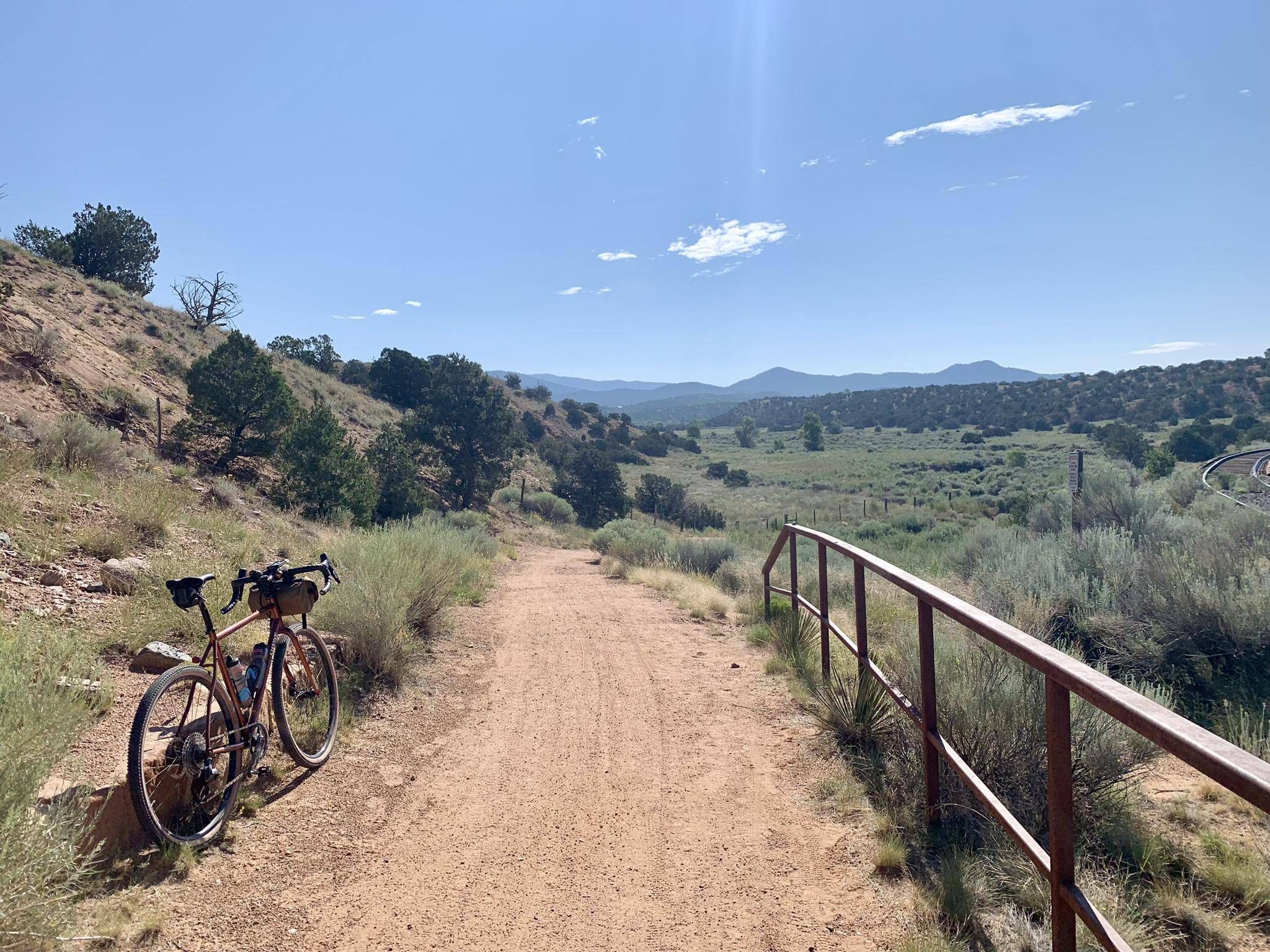
New Mexico Off-Road Runner
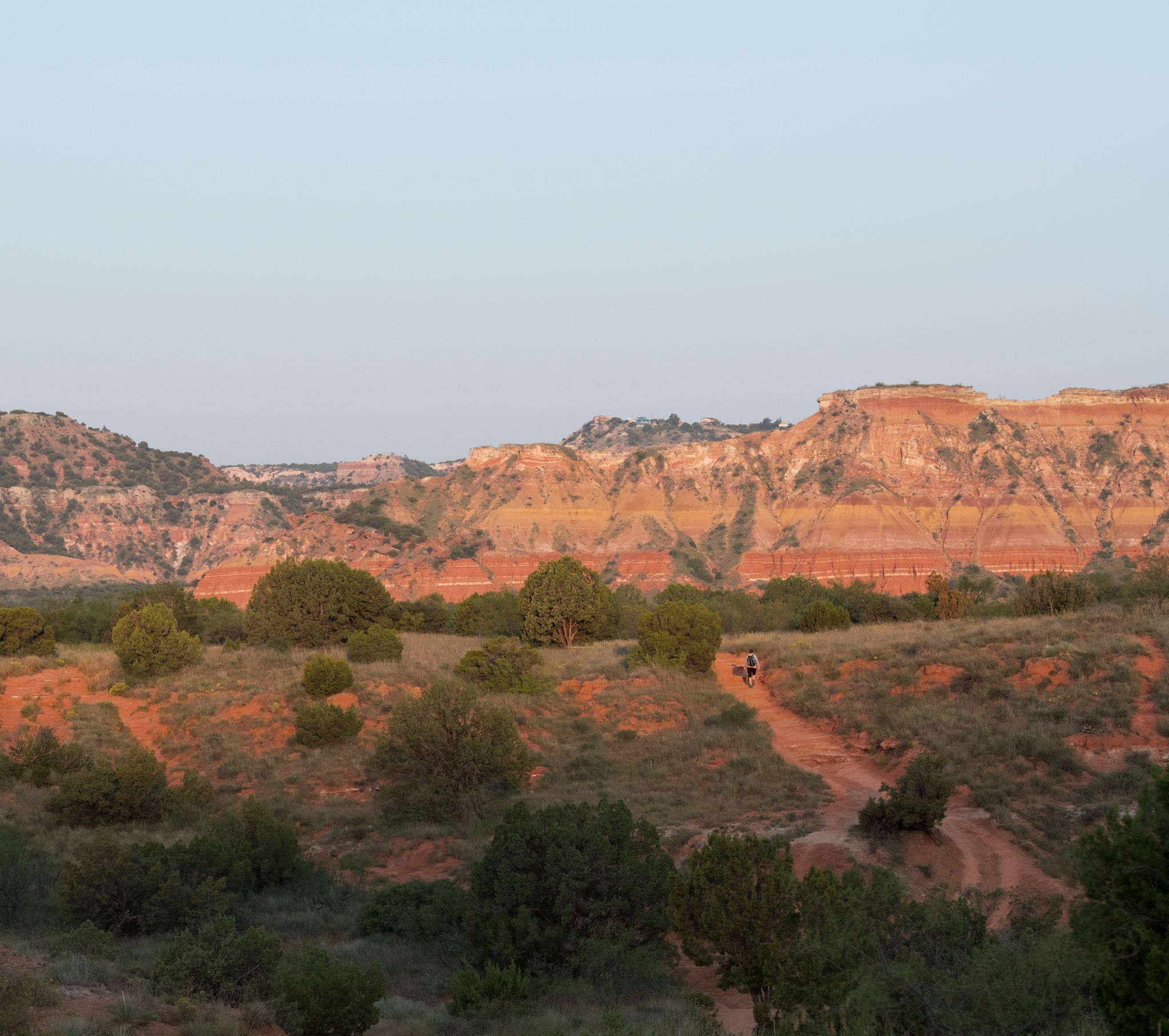
Historic Route 66 – curiosities, selfie spots and diners
Hiking in Cibola National Forest
Running Trails in Cibola National Forest
Road Cycling Routes in Cibola National Forest
MTB Trails in Cibola National Forest
Cycling in Cibola National Forest

Gravel biking in Cibola National Forest
Other adventures in Cibola National Forest


Tips from the Community

This park spans 640 acres, boasting a stunning piñon-juniper landscape. It has an elevation of 6,500 feet, with fantastic views of the Jemez Mountains to the north, Mt. Taylor to the west and the Tijeras Arroyo to the south. There are plenty of hiking and biking trails to explore, making it an ideal place to spend the day outdoors.
0
0

Two small caves with a waterfall that is more or less visible depending on the season and that you can also climb.
0
0

The Civilian Conservatives Corps built this cabin around 1930 and named it after the group that planned it: the Kiwanis. The Corps are known to have built countless infrastructures around New Mexico, but this is one of the only remaining sites that can be seen and accessed.
0
0

This seasonal waterfall is at its best during spring, when the water flows most abundantly; otherwise, you might catch just a trickle. Nevertheless, it's a splendid sight, and the fact that it's less frequented makes it a tranquil spot to enjoy.
0
0
The Civilian Conservatives Corps built this cabin around 1930 and named it after the group that planned it: the Kiwanis. The Corps are known to have built countless infrastructures around New Mexico, but this is one of the only remaining site that can be seen and accessed.
0
0

The Sandia Peak Tramway is the longest aerial tramway in the Americas, and it used to be the longest one is the world until recently. It connects the city of Albuquerque with the Sandia Peak. At the top of the tramway, there is a restaurant, TEN 3, which offers great ganoramic views.
0
0
The North Sandia Peak Trail offers great views of the canyons, pine tree forests, and the impressive rock formations of the Sandia Mountains.
0
1
Frequently Asked Questions
What are some unique historical or cultural sites to visit in Cibola National Forest?
Cibola National Forest is rich in history. You can visit Kiwanis Cabin, built around 1930 by the Civilian Conservation Corps, offering a glimpse into the forest's past. The forest also contains remnants of ancient Native American settlements and sacred sites, particularly around Mount Taylor and the Zuni-Cibola Complex, which includes locations like Hawikuh and the Village of the Great Kivas. Big Bead Mesa, a significant Navajo refugee site, is also partially located within the forest.
Are there any scenic viewpoints or natural landmarks I shouldn't miss?
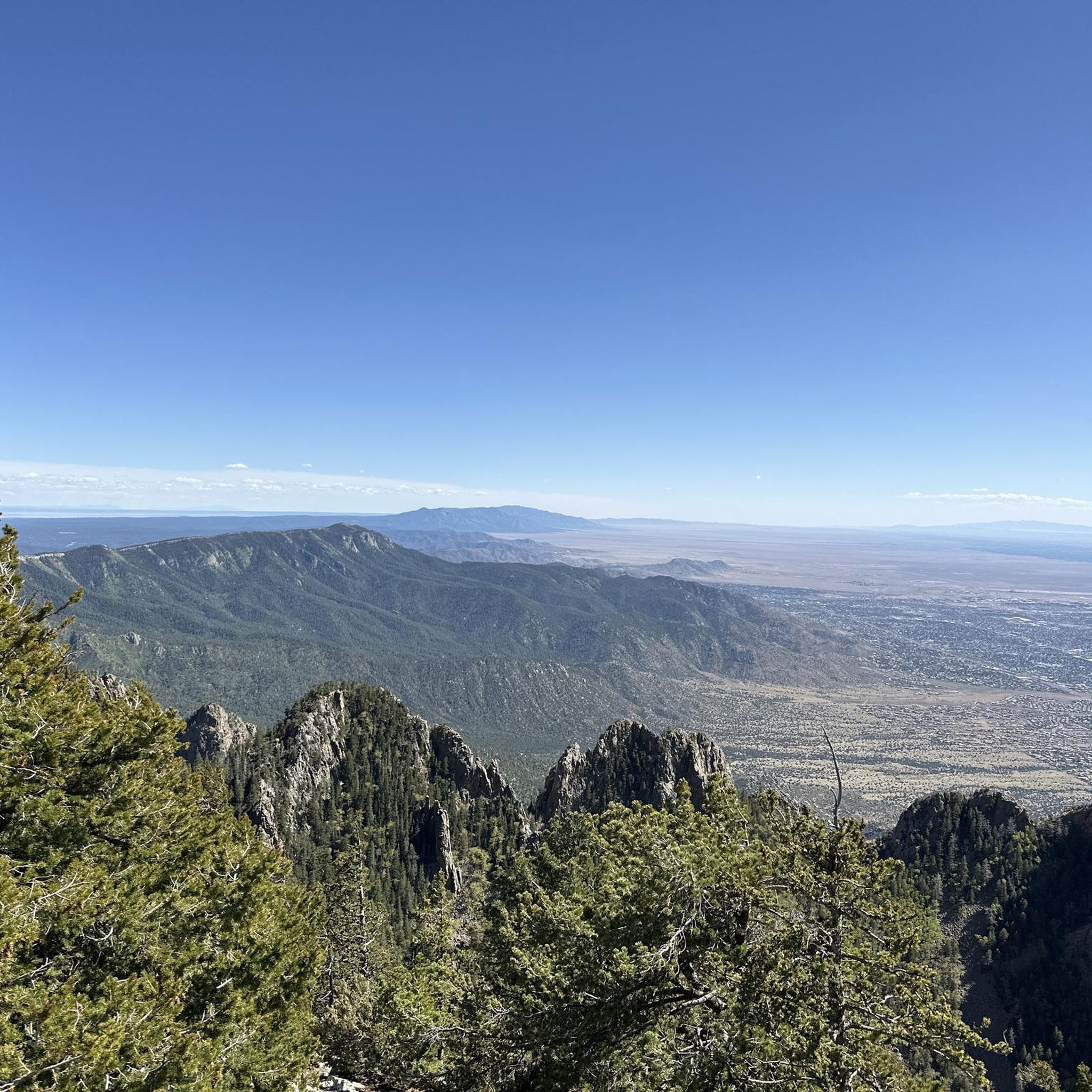
Absolutely. The Sandia Peak Aerial Tramway offers breathtaking panoramic views of the Rio Grande Valley from Sandia Crest. For a challenging hike with rewards, North Sandia Peak provides stunning vistas of the Albuquerque area. Other notable natural landmarks include the seasonal Travertine Falls, especially vibrant in spring, and La Ventana Natural Arch, one of New Mexico's largest natural arches.
What kind of outdoor activities can I do in Cibola National Forest?
The forest offers a wide range of outdoor activities. Hiking and camping are popular, with numerous trails and campgrounds. You can also enjoy mountain biking, horseback riding on select trails, and fishing in lakes and streams. During colder months, winter activities like skiing, snowshoeing, sledding, and snowmobiling are available. For specific hiking routes, explore the waterfall hikes or easy hikes guides.
Are there family-friendly attractions or trails suitable for children?
Yes, Cibola National Forest has several family-friendly options. The Sandia Peak Aerial Tramway is an exciting experience for all ages. Albert G. Simms Park offers plenty of hiking and biking trails in a piñon-juniper landscape. The Balsam Glade Nature Trail is a short, accessible nature walk, perfect for families. Seasonal Travertine Falls can also be a fun, tranquil spot for a family outing.
What are the best hiking trails for different difficulty levels?
Cibola National Forest caters to various hiking abilities. For easy walks, consider trails within Albert G. Simms Park or the Balsam Glade Nature Trail. Moderate options include the Timber Peak Trail, offering rugged terrain and panoramic views, and the South Piedra Lisa Trail. For challenging ascents, the Sandia Crest Trail and trails leading to North Sandia Peak provide rewarding experiences. You can find more options in our easy hikes guide.
Can I go road cycling in Cibola National Forest?
Yes, road cycling is a popular activity in the forest. There are several routes that offer scenic rides through diverse landscapes. For detailed routes and difficulty levels, check out our guide to Road Cycling Routes in Cibola National Forest, which includes options like the Pa-ako ruins loop from Tijeras and the Sandia Crest Overlook loop.
What kind of wildlife can I expect to see?
Cibola National Forest is home to a rich diversity of wildlife due to its varied ecosystems. You might spot mule deer, black bears, mountain lions, and over 200 bird species. The 'sky islands' region within the forest is particularly significant, hosting over 200 rare plant and animal species.
Are there any scenic drives in the forest?
Yes, the Sandia Crest National Scenic Byway is a prominent scenic drive within Cibola National Forest. It offers stunning views and is a great way to experience the diverse landscapes without extensive hiking.
What is the best time of year to visit Cibola National Forest?
The best time to visit depends on your preferred activities. Spring is ideal for seeing Travertine Falls at its fullest and enjoying wildflowers. Summer offers great hiking and camping weather. Fall brings beautiful foliage, especially in areas like the Manzano Mountains with their Rocky Mountain large tooth maples. Winter provides opportunities for snow sports in higher elevations.
Where can I find information about camping in Cibola National Forest?
Cibola National Forest offers numerous campgrounds throughout its various districts. Some notable options include Capilla Peak Campground, known for its views of the Manzano Mountains, Hughes Mill Campground, which provides access to Mt. Withington Lookout, and Luna Park Campground, recognized for its volcanic rock formations. Specific information on permits and reservations can usually be found on the forest's official website.
What are the prominent mountain ranges within Cibola National Forest?
The forest encompasses several significant mountain ranges. The Sandia Mountains, home to Sandia Crest and North Sandia Peak, are a major feature. Other ranges include the Manzano Mountains, known for their biodiversity, Mount Taylor, the highest point in the forest with cultural significance, and the San Mateo, Magdalena, Datil, Bear, Gallina, and Zuni Mountains, all contributing to the diverse landscapes.
Are there any accessible trails for visitors with limited mobility?
Yes, the Balsam Glade Nature Trail is noted for being a short, accessible nature walk. It starts at an elevation of 8,620 feet and provides an opportunity to experience the forest's natural beauty.
Most popular routes in Cibola National Forest
Most popular attractions in Cibola National Forest

Get inspired with the komoot mobile app


Explore more
Still not found the Highlight you’re looking for? See guides of the top attractions in other regions:
