The best walks and hikes in Umpqua National Forest
4.6
(14)
196
hikers
36
hikes
Hikes in Umpqua National Forest explore a landscape in Southern Oregon defined by dense old-growth forests, volcanic peaks, and numerous waterfalls. The region is situated on the western slopes of the Cascade Mountains, with trails following the North Umpqua River and climbing to high-elevation viewpoints. The terrain varies from gentle riverside paths to strenuous mountain ascents, offering a range of hiking experiences.
Best hiking trails in Umpqua National Forest
- The most popular hiking route is Mount Thielsen Summit Trail –…
Last updated: July 8, 2026
5.0
(1)
11
hikers
3.51km
01:00
90m
60m
Easy hike. Great for any fitness level. Easily-accessible paths. Suitable for all skill levels.
1
hikers
1.03km
00:20
90m
0m
Easy hike. Great for any fitness level. Easily-accessible paths. Suitable for all skill levels.

Sign up for free
6.00km
02:02
300m
290m
Moderate hike. Good fitness required. Easily-accessible paths. Suitable for all skill levels.
2.76km
00:45
0m
90m
Easy hike. Great for any fitness level. Easily-accessible paths. Suitable for all skill levels.
1.08km
00:19
50m
0m
Easy hike. Great for any fitness level. Easily-accessible paths. Suitable for all skill levels.
Get access to more routes and recommendations from other explorers.
Sign up for free
Already have an account?
Our route recommendations are based on thousands of hikes, rides, and runs completed by other people on komoot.
Start today with a free account
Your next adventure awaits.
Login or Signup
Popular around Umpqua National Forest
Other adventures in Umpqua National Forest


Tips from the Community

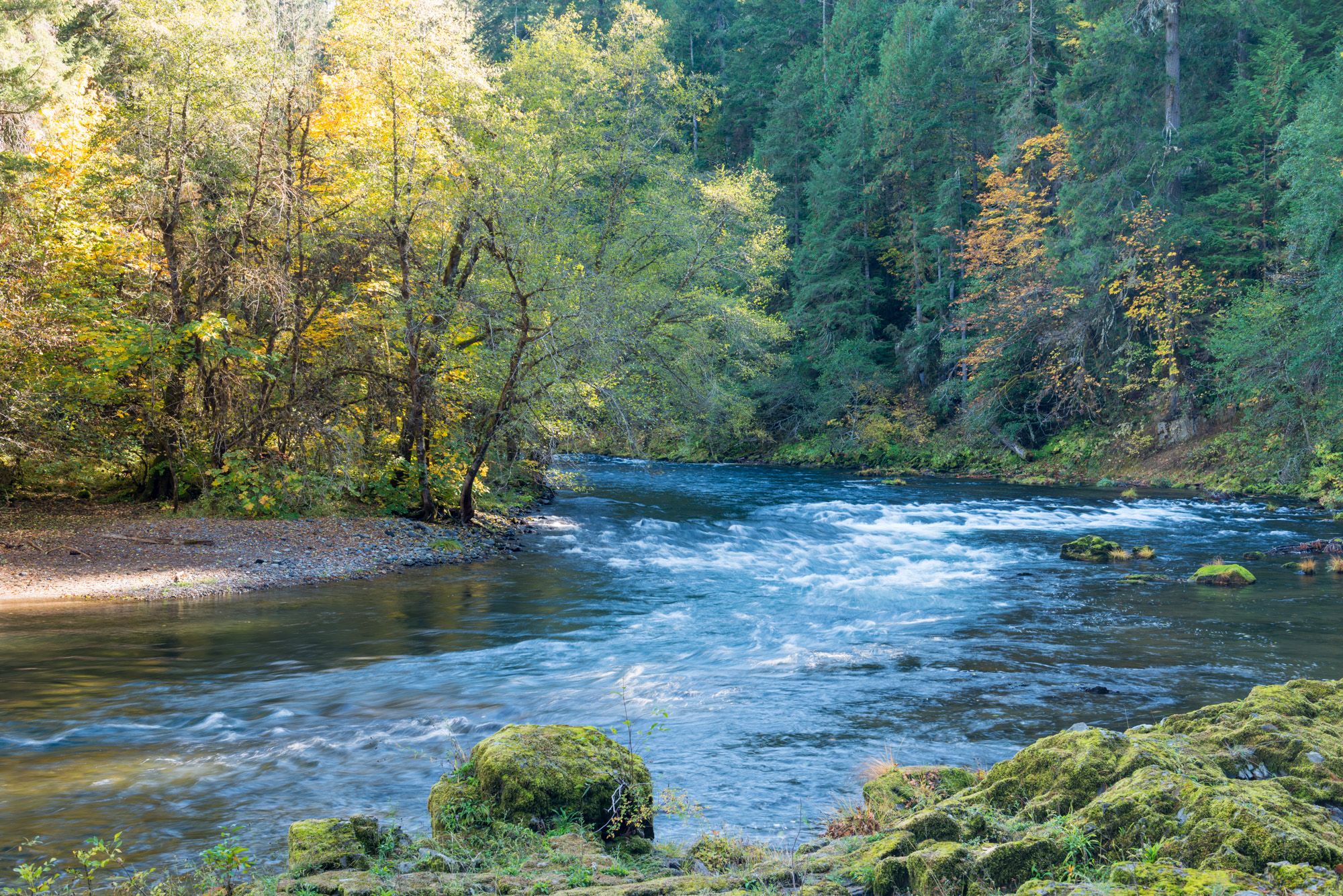
Designated as a "Wild and Scenic River" the North Umpqua is 106 miles of pristine waters flowing over towering waterfalls, through narrow canyons, and along old growth riparian forests. As you look at the sparkling river you can see the true meaning of the word Umpqua, which means "dancing waters" in the local Native language.
0
0
From here you'll have an excellent view of 102-foot high Lemolo Falls. Every rider should take a few moments here to have a sip of water and take a photo or three of the magnificent waterfall.
0
0

This is an excellent viewpoint for observing Lemolo Falls to see the Umpqua River plunging 102 feet down into the canyon, and a perfect spot to rest and capture some unforgettable photos. There is a spur trail at the bottom of the falls, accessible from the north end of Lemolo Lake, if you want a closer look from a different vantage point.
0
0
The name Yakso comes from the Chinook language and it means "hair of a woman". The rock wall separates the water as it falls making it resemble hair tumbling down someone's back.
0
0

This is the same river that can be seen from up at the hot springs, the North Umpqua Wild and Scenic River.
1
0
These day-use only 'tubs' are naturally formed and overlook the North Umpqua Wild and Scenic River. The water is seeping out of an active fault, resulting in water between 100° and 115° F (37.7° and 46° C). Keep an eye out for Surprise Falls across the river and know that nudity isn't uncommon at the tubs.
1
0
Frequently Asked Questions
What is the best time of year to hike in Umpqua National Forest?
The prime hiking season is from late spring to early fall, typically May through October. During this time, most trails are snow-free and accessible. Summer offers warm weather perfect for exploring high-elevation routes, while fall provides cooler temperatures and beautiful autumn colors. Winter access is limited, with many trails covered in snow, but it opens up opportunities for snowshoeing.
Are there any challenging summit hikes for experienced hikers?
Yes, the forest offers several strenuous climbs with rewarding views. For a significant challenge, the Mount Thielsen Summit Trail is a demanding route that involves a steep ascent and a final scramble to a dramatic, spire-like peak. It's a true test of endurance with incredible panoramic vistas.
Are dogs allowed on the trails?
Yes, dogs are generally permitted on most trails within Umpqua National Forest, but they must be kept on a leash. It's important to be mindful of wildlife and other hikers. Always pack out any waste to help keep the forest clean.
Can I go backpacking in the forest?
Umpqua National Forest is an excellent destination for backpacking, with numerous trails suitable for overnight trips. The North Umpqua Trail, for example, is a long-distance trail divided into multiple segments that can be combined for multi-day treks through diverse scenery. Dispersed camping is allowed in many areas, but always follow Leave No Trace principles.
Are there any trails that lead to hot springs?
Yes, you can hike to the well-known Umpqua Hot Springs. The Umpqua Hot Springs Trail is a relatively short but steep hike that leads to several geothermal pools situated on a cliffside overlooking the North Umpqua River.
What are some good waterfall hikes besides the most popular ones?
The forest is famous for its waterfalls. For a moderately challenging loop, consider the Trestle Creek Falls Loop. This trail takes you through a lush canyon to two distinct waterfalls, including an upper falls that you can walk behind.
Do I need a permit or pass to hike in Umpqua National Forest?
A recreation pass, such as the Northwest Forest Pass or a day-use ePass, is required for parking at many developed trailheads and day-use areas. You can typically purchase these online in advance or at ranger district offices and local vendors. Some specific areas or activities may require additional permits.
What is the trail accessibility like in winter and spring?
During winter and early spring, many higher-elevation trails are inaccessible due to heavy snowpack. Forest roads leading to trailheads may also be closed. Lower-elevation trails, especially those along the North Umpqua River, may be accessible but can be muddy or have patches of snow. Always check current conditions with the local ranger district before heading out.
How many hiking trails are available in the forest?
There are over 25 designated hiking trails available on komoot for Umpqua National Forest, offering a wide variety of experiences. These range from short, easy walks to strenuous, multi-day backpacking routes, with about half of the trails rated as easy.
What do other hikers enjoy most about Umpqua National Forest?
The region is highly rated by the komoot community. Hikers frequently praise the stunning waterfalls, the tranquility of the old-growth forests, and the variety of trails that cater to all skill levels. The dramatic volcanic landscapes and scenic river views are also standout features.
Are there any trails that feature old-growth forests?
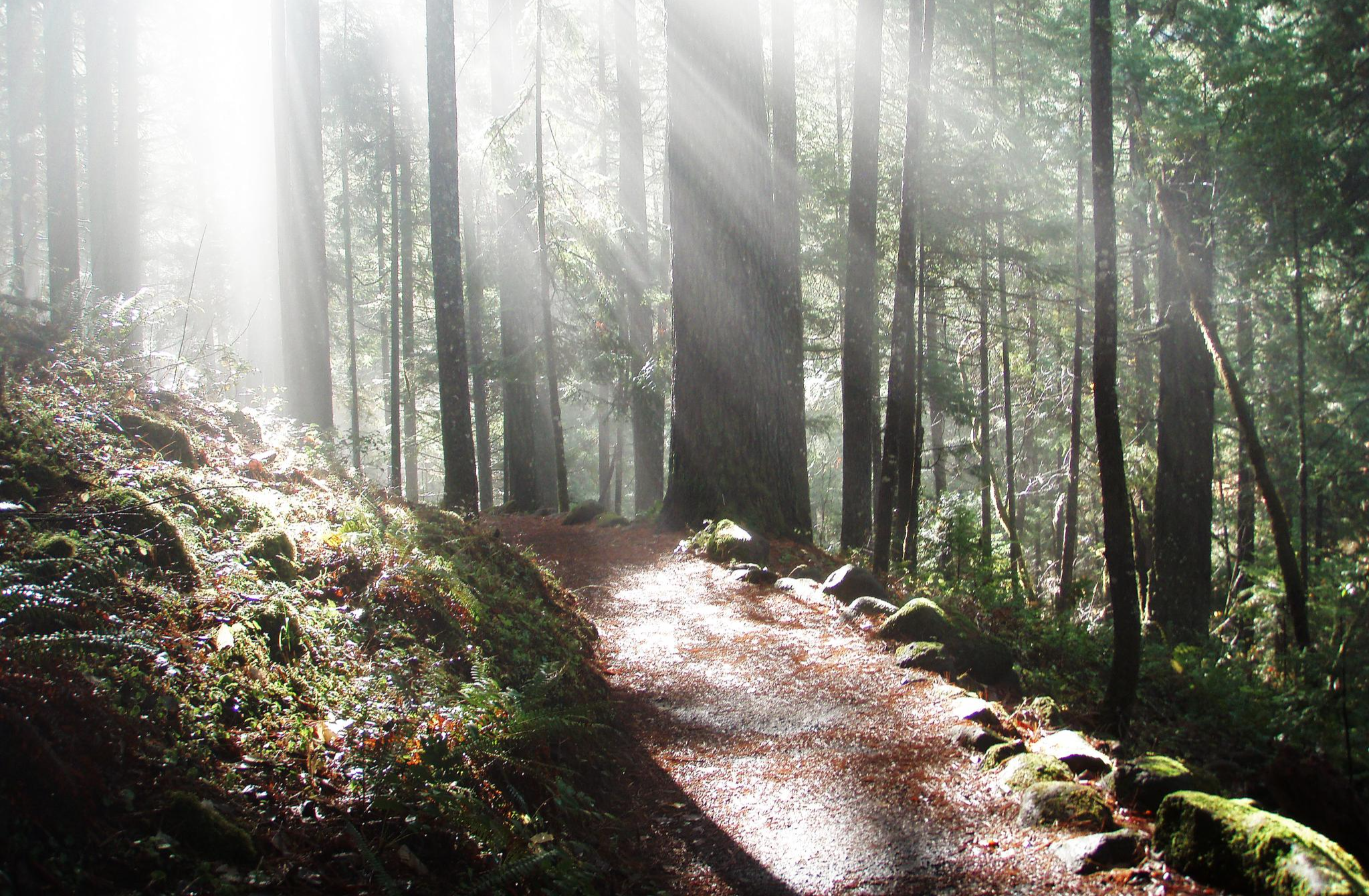
Many trails in the forest wind through impressive stands of old-growth trees. The Fall Creek Falls trail is a great example, offering a short and accessible walk through a beautiful old-growth Douglas fir and cedar forest en route to a multi-tiered waterfall.
Most popular routes in Umpqua National Forest
Most popular attractions in Umpqua National Forest

Get inspired with the komoot mobile app


Explore more
Browse the best Hikes in other regions.
