The best MTB trails in Olympic National Forest
1
riders
11
rides
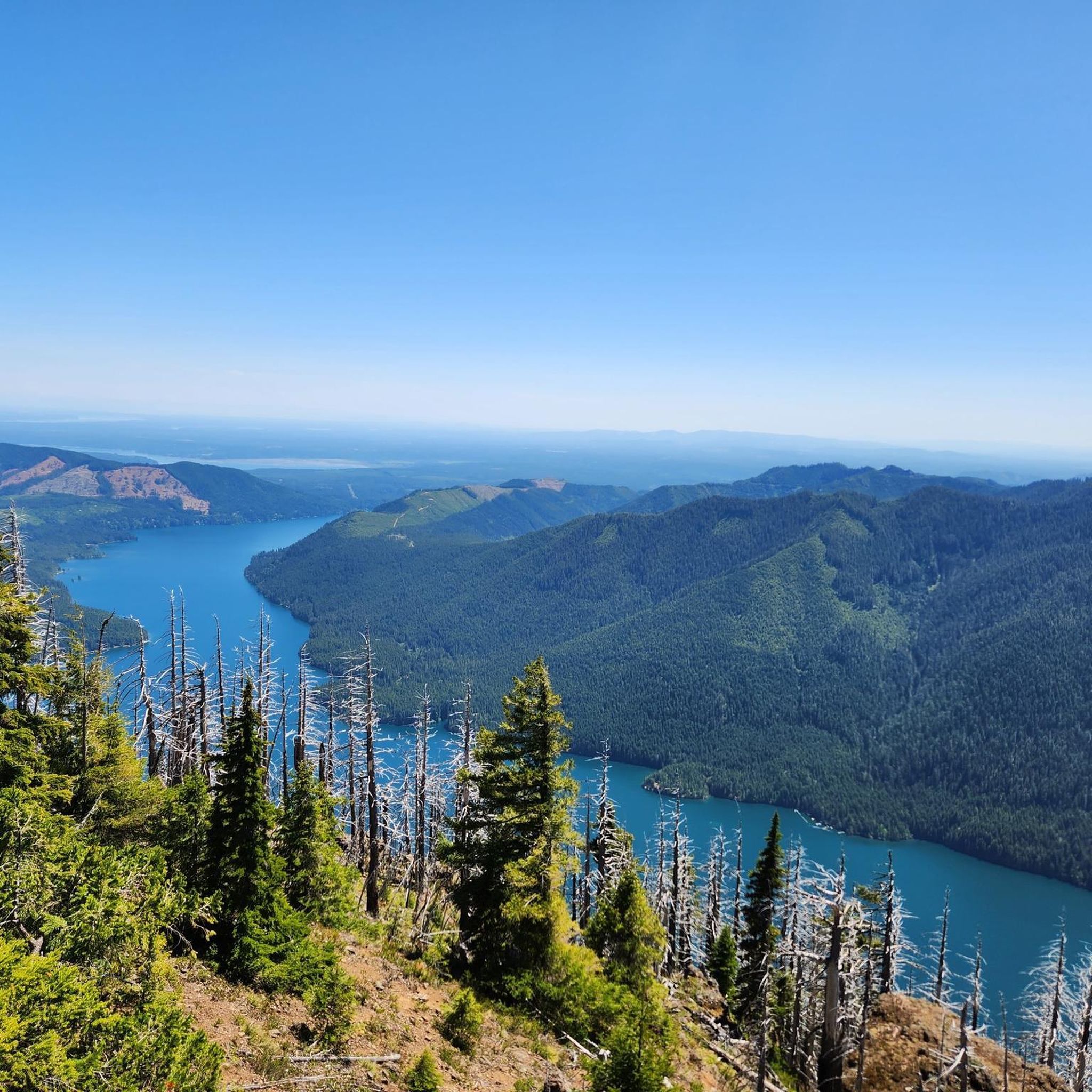
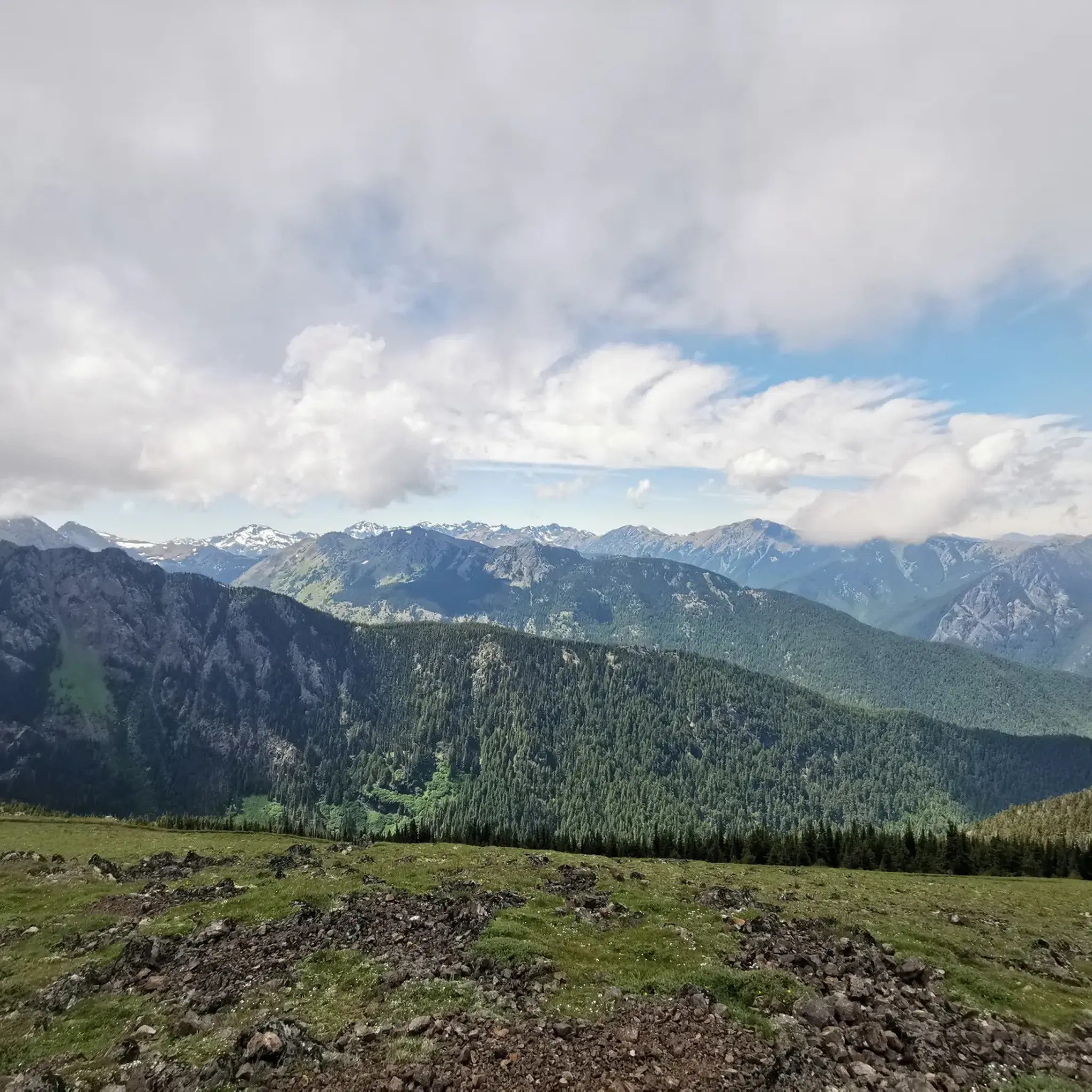
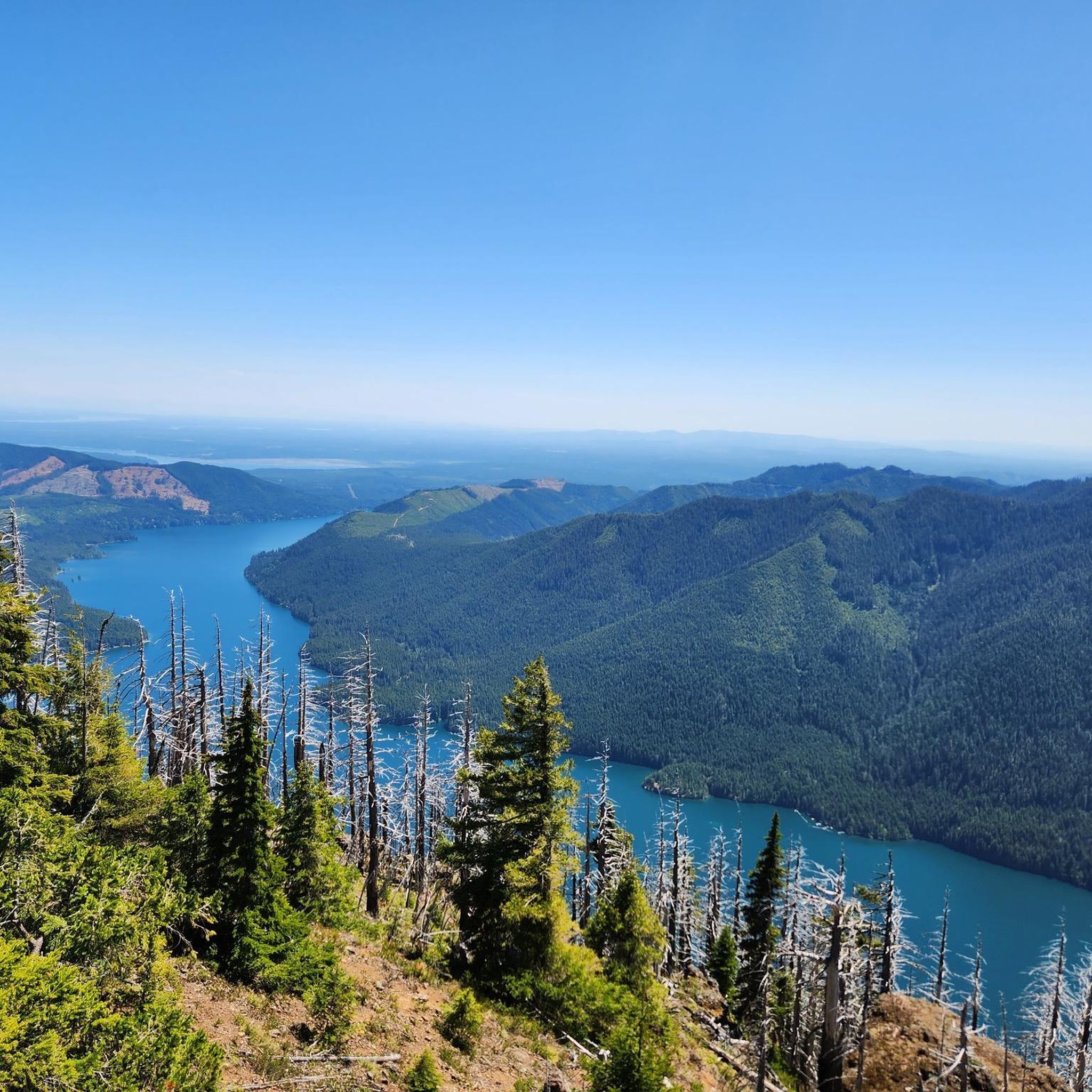
Mountain biking in Olympic National Forest offers diverse terrain across its roughly 632,000 acres on the Olympic Peninsula. The region features extensive trail systems, ranging from lush temperate rainforests to high mountain ridges and old-growth forests. Riders can expect varied landscapes, including river valleys and challenging ascents, providing options for different skill levels.
Best mountain bike trails in Olympic National Forest
- The most popular mountain bike trail is Lower Big Quilcene Trail #833, a 12.1 miles (19.5 km) trail…
Last updated: May 10, 2026
1
riders
19.5km
02:03
490m
490m
Embark on a moderate mountain biking adventure along the Lower Big Quilcene Trail #833, a 12.1-mile (19.5 km) route through a dense, primeval forest. You will gain 1591 feet (485…
33.1km
03:41
970m
960m
Embark on the Sleepy Hollow and Gold Creek Trail Loop, a difficult mountain biking route spanning 20.6 miles (33.1 km) with an impressive 3172 feet (967 metres) of elevation gain.…

Sign up for free
11.5km
01:10
250m
250m
Embark on the Gold Creek Extension Trail for an easy mountain biking experience that takes you through a forested setting. This 7.2-mile (11.5 km) route, gaining 824 feet (251 metres)…
19.1km
02:11
620m
620m
The Lower Dungeness Trail offers a moderate mountain biking journey, stretching 11.9 miles (19.1 km) with a total elevation gain of 2038 feet (621 metres). You can expect to complete…
25.2km
01:46
390m
390m
Embark on a moderate mountain biking adventure along the South Fork Skokomish River Trail 873, a route that winds for 15.6 miles (25.2 km) through a vibrant old-growth forest. You…
Get access to more routes and recommendations from other explorers.
Sign up for free
Already have an account?
Our route recommendations are based on thousands of hikes, rides, and runs completed by other people on komoot.
Start today with a free account
Your next adventure awaits.
Login or Signup
Tips from the Community

At this trail junction, the path concludes, transitioning into the Lower Big Quilcene Trailhead road. If you're arriving from the trail, you have the option to turn around and head back or choose to follow the road, eventually reaching Townsend Creek Road. On the other hand, if you're coming from the road, this junction will give you access to the Lower Big Quilcene Trail, a serene forested path nestled along the Big Quilcene River.
0
0

This footbridge crosses the river to continue on the trail or is an excellent spot to turn around at the halfway point of a great run. The beautiful views of the river, surrounded by the lush forest, and the calm sounds of the water flowing by are fantastic.
0
0
Church Creek Shelter is a historic spot by the South Fork Skokomish River, used by rangers and fishermen. You need to cross the river but it's a great place to stop for a break.
0
0
The trailhead is right next to parking area. The Skokomish Lower South Fork Trail winds through ancient old-growth forests alongside the South Fork Skokomish River. This versatile trail is suitable for mountain biking, horseback riding, and offers opportunities for fishing in the nearby river. Along the way, you will see the historic LeBar Claim, Church Creek Shelter, and Harps Shelter.
0
0
If you're coming from Sleepy Hollow Trail and don't want to go any further, simply turn around and head back the way you came. If you'd like to continue your journey, you can switch to the Cold Creek Trail. To reach Dungeness Road, turn left, and for the Cold Creek Extension Trail, turn right. If you're coming from the Cold Creek Extension Trail, take a left to join the Sleepy Hollow Trail. If you're arriving from Dungeness Road, turn right to access this trail.
0
0
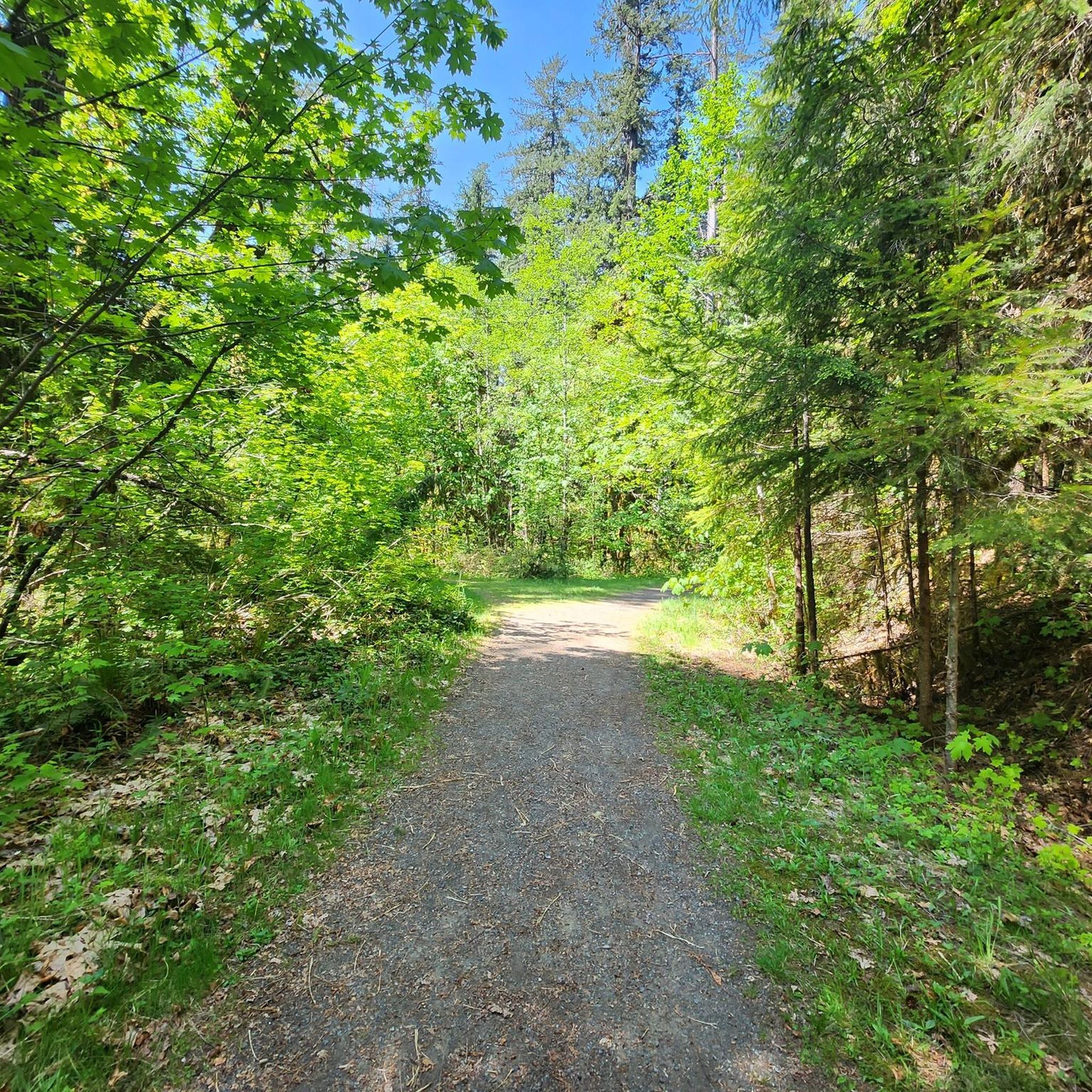
You can access the trail at the end of the parking lot. This trail begins in a dense evergreen forest at the trailhead and connects to Gold Creek Trail. The trail starts with a downhill stretch along an old road, transitioning into a newer trail. As you continue, the trail becomes more secluded and winds its way down to Gold Creek.
0
0
If you are coming from the Lower Dungeness Trail, you have the option to turn around and head back the way you came or to hop on Dungeness Road (FS 2870). Turning right will take you up to the 3 O'clock Trail, while turning left will lead you to the Gold Creek Trail. If you are approaching from Dungeness Road, you can access the Lower Dungeness Trail, which will guide you through the valley and toward the Cold Creek Trailhead.
0
0
At this junction, you have the option to join or leave the Lower Dungeness Trail. If you are coming from the 3 O'clock Trail, turn left to head towards the Gold Creek Trailhead or turn right to go south on the Lower Dungeness Trail. If you are on the Lower Dungeness Trail coming from the valley, make a left here to access the 3 O'clock Trail, which leads to FS 2870 Road, or continue straight to reach the Cold Creek Trailhead. Alternatively, if you are starting from the Lower Dungeness Trailhead, turn right to head onto the service road or continue straight to reach the Dungeness River Trailhead.
0
0
Frequently Asked Questions
How many mountain bike trails are available in Olympic National Forest?
Olympic National Forest offers over 10 mountain bike trails, catering to various skill levels. These routes traverse diverse landscapes, from lush temperate rainforests to high mountain ridges.
What kind of terrain can I expect on mountain bike trails in Olympic National Forest?
You'll encounter a wide variety of terrain, including paths through dense old-growth forests, river valleys, and challenging ascents on mountain ridges. Trails can range from wide, quiet roads suitable for beginners to arduous single-track paths with rocks and roots for advanced riders.
Are there any family-friendly mountain bike trails in Olympic National Forest?
Yes, there are options suitable for families. For instance, the Gold Creek Extension Trail is an easy 7.2-mile route through forested areas, often completed in about 1 hour 10 minutes, making it a good choice for less experienced riders or families.
Are dogs allowed on mountain bike trails in Olympic National Forest?
Generally, dogs are permitted on trails in Olympic National Forest, but they must be kept on a leash. Always check specific trail regulations before heading out, as rules can vary, especially near wilderness boundaries where bicycles and dogs might be restricted.
What is the best time of year for mountain biking in Olympic National Forest?
The best time for mountain biking is typically during the drier months, from late spring through early fall. This period offers more predictable weather and clearer trails. Some trails, especially at higher elevations, may experience seasonal closures due to snow or adverse conditions in winter.
Are there any loop trails for mountain biking in the area?
Yes, there are loop options available. A notable challenging loop is the Sleepy Hollow and Gold Creek Trail Loop, which is a difficult 20.6-mile route traversing dense forests with significant elevation gain. The Olympic Discovery Adventure Route also offers a moderate 12.6-mile loop with forest views.
What scenic attractions can I see along the mountain bike trails?
Many trails offer stunning natural features. You might encounter old-growth forests with massive trees, river views, and glimpses of the Olympic Mountains. For specific points of interest, consider visiting Madison Falls or exploring the Sol Duc River area.
Are there any trails that pass through old-growth forests?
Absolutely. Many trails in Olympic National Forest are known for their impressive old-growth sections. The Lower Dungeness Trail, for example, offers mountain biking through ancient forests with river and mountain views. You can also find the World's Largest Sitka Spruce nearby.
What are the difficulty levels of mountain bike trails in Olympic National Forest?
The trails range from easy to difficult. You'll find easy routes like the Gold Creek Extension Trail, moderate options such as the Lower Big Quilcene Trail #833, and challenging rides like the Sleepy Hollow and Gold Creek Trail Loop, ensuring options for all skill levels.
Where can I find more challenging mountain biking routes?
For more challenging rides, consider routes with significant elevation gain and technical terrain. The Sleepy Hollow and Gold Creek Trail Loop is a difficult 20.6-mile path known for its demanding nature. Additionally, Dry Hill Mountain Bike Park near Port Angeles offers 24 trails, including black diamond options for experienced riders.
Are there any mountain peaks or viewpoints accessible by bike or nearby?
While many mountain peaks require hiking, some trails offer views or lead to areas near peaks. For instance, you can find viewpoints like Mount Walker North Viewpoint, and trails like Mt. Zion Trail #836 are in the vicinity of prominent summits like Mount Zion.
What towns are good bases for mountain biking in Olympic National Forest?
Towns like Port Angeles serve as excellent bases, offering amenities and proximity to various trail systems, including Dry Hill Mountain Bike Park. Other smaller communities around the Olympic Peninsula also provide access to different sections of the forest and its trails.
Do I need any permits for mountain biking in Olympic National Forest?
Generally, a Northwest Forest Pass or America the Beautiful Pass may be required for parking at some trailheads within the Olympic National Forest. Always check the specific requirements for your chosen trailhead before you go. No special permits are typically needed for mountain biking itself, but be aware of wilderness boundaries where bikes are not allowed.
Most popular routes in Olympic National Forest
Most popular attractions in Olympic National Forest

Get inspired with the komoot mobile app


Explore more
Browse the best MTB trails in other regions.
