Attractions and Places To See in Beaverhead-Deerlodge National Forest - Top 15
Best attractions and places to see in Beaverhead-Deerlodge National Forest encompass Montana's largest national forest, spanning over 3.3 million acres. This diverse landscape features high alpine peaks, broad valleys, and numerous alpine lakes. The forest also holds significant historical value, including sites related to the Lewis and Clark Expedition and Montana's mining past. It offers a range of natural features and cultural sites for exploration.
Best attractions and places to see in Beaverhead-Deerlodge National Forest
- The most popular attractions is Abandoned Mine Ruins in Beaverhead-Deerlodge National Forest, a historical site that showcases Montana's rich mining history, including the Butte Copper Mines and the Berkeley Pit. A memorial commemorates the 168 men lost in the Speculator Mine fire of 1917.
- Another must-see spot is German Gulch Gravel Summit, a summit that offers views from the top. The ride up can be steep with loose rock, and the road is typically closed in winter until May.
- Visitors also love Silver Bow Creek Greenway, a cycle way along the Silver Bow Creek. This path is mostly flat and offers views of the Pintler mountains.
- Beaverhead-Deerlodge National Forest is known for its historical sites, scenic summits, and cycle ways. The region offers a variety of attractions to see and explore, from natural landscapes to remnants of its mining past.
- The attractions in Beaverhead-Deerlodge National Forest are appreciated by the komoot community, with 1 upvote and 6 photos available across the highlights.
Last updated: July 22, 2026
Abandoned Mine Ruins in Beaverhead-Deerlodge National Forest
Highlight • Historical Site
Tip by

Lima, Montana
Highlight • Settlement
Tip by

Sign up now to discover places like this
Get recommendations on the best single tracks, peaks, & plenty of other exciting outdoor places.
Sign up for free
German Gulch Gravel Summit
Highlight • Summit
Tip by

Silver Bow Creek Greenway
Highlight (Segment) • Cycleway
Tip by

Skeeboggen Trail Ascent
Highlight (Segment) • Trail
Tip by
Sign up for free to discover even more attractions in Beaverhead-Deerlodge National Forest.
Sign up for free
Already have an account?
Start today with a free account
Your next adventure awaits.
Login or Signup
Popular around Beaverhead-Deerlodge National Forest
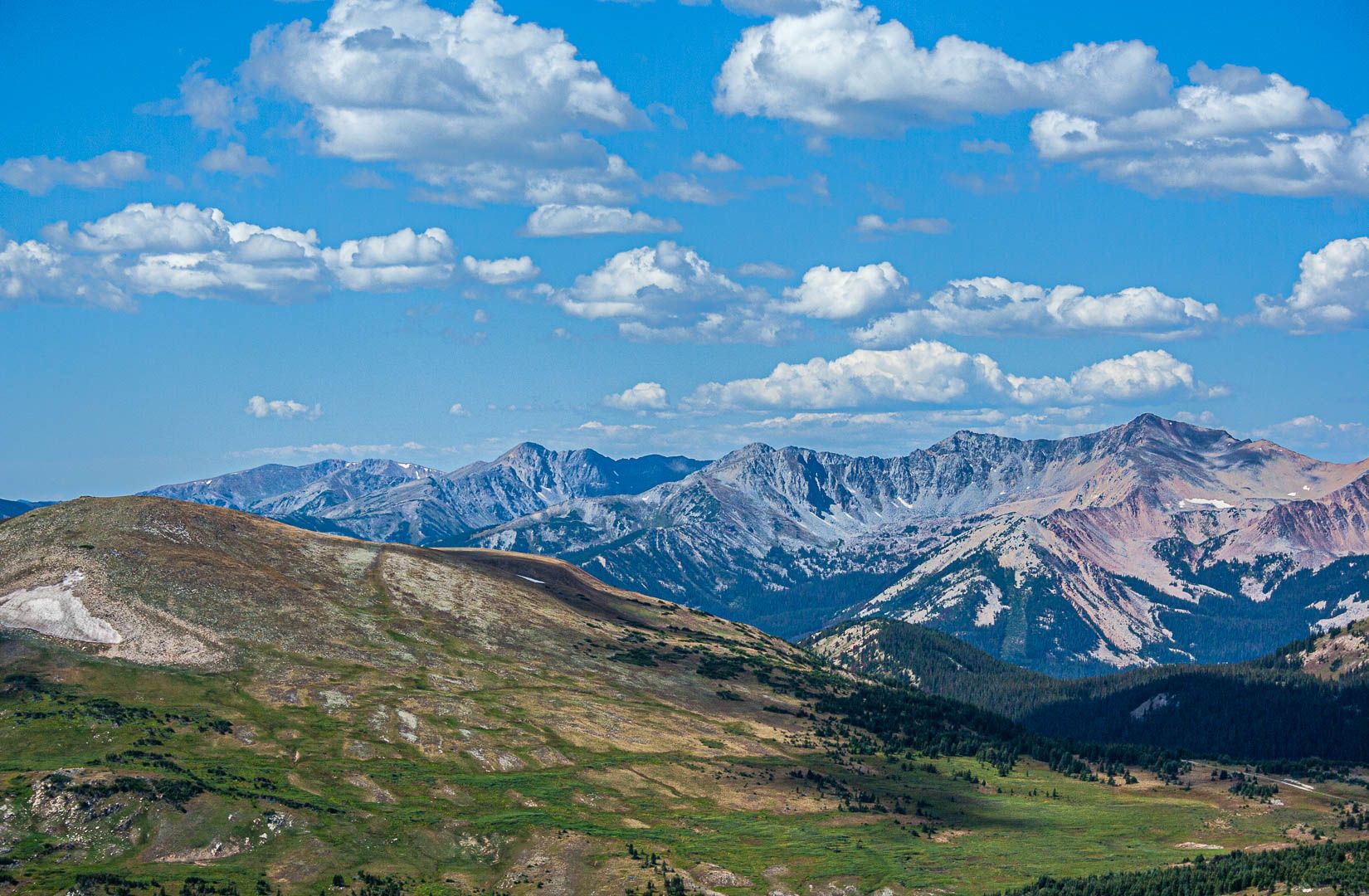
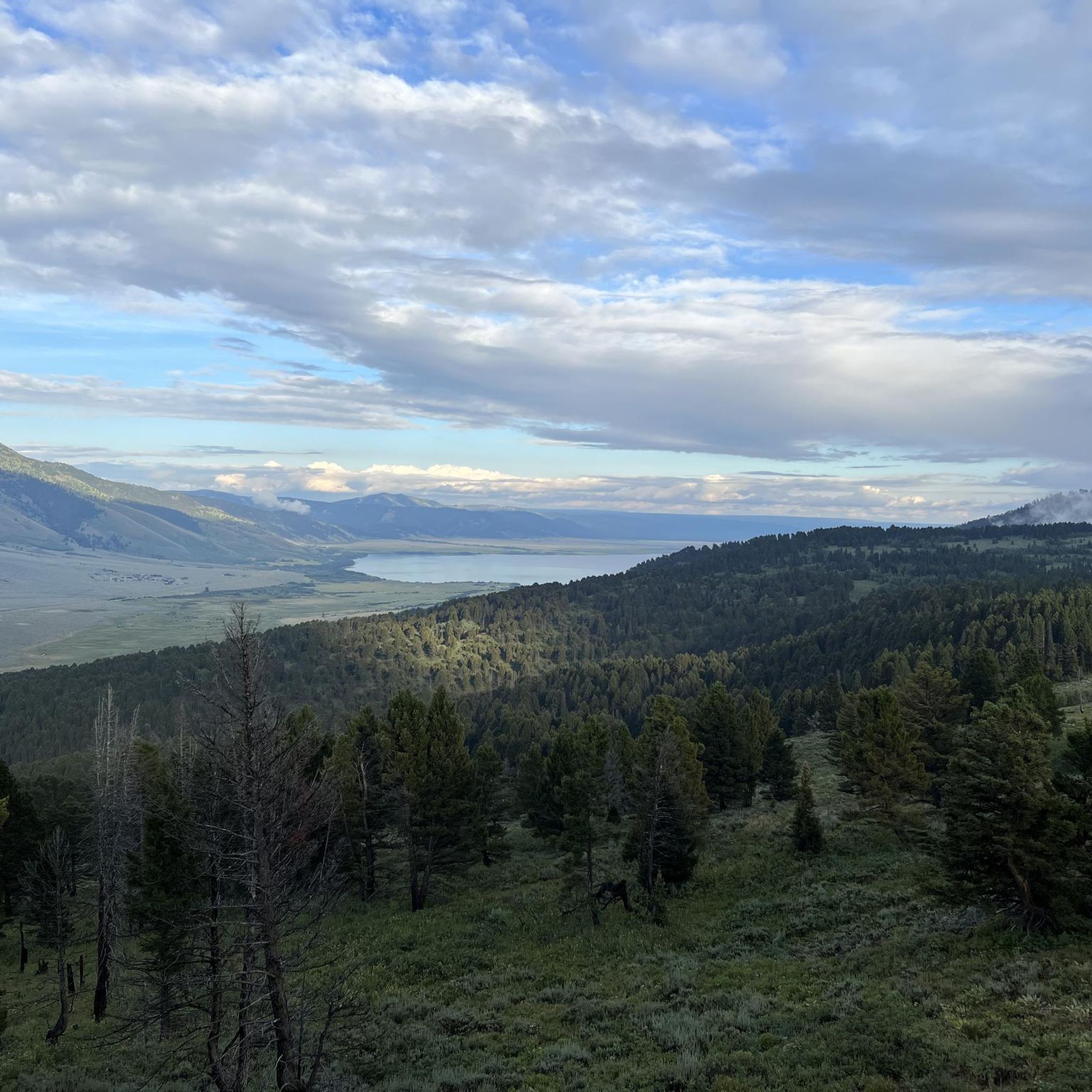
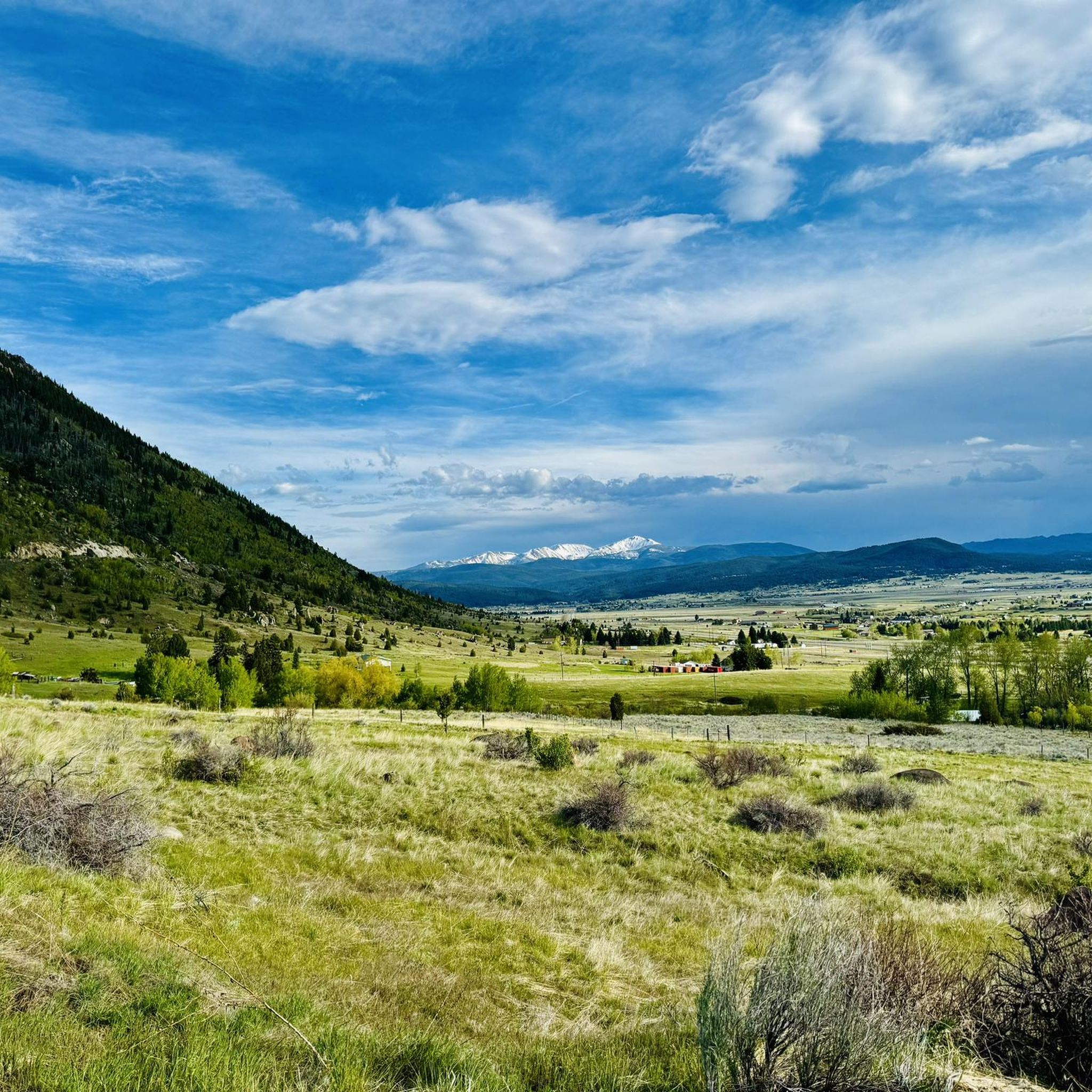
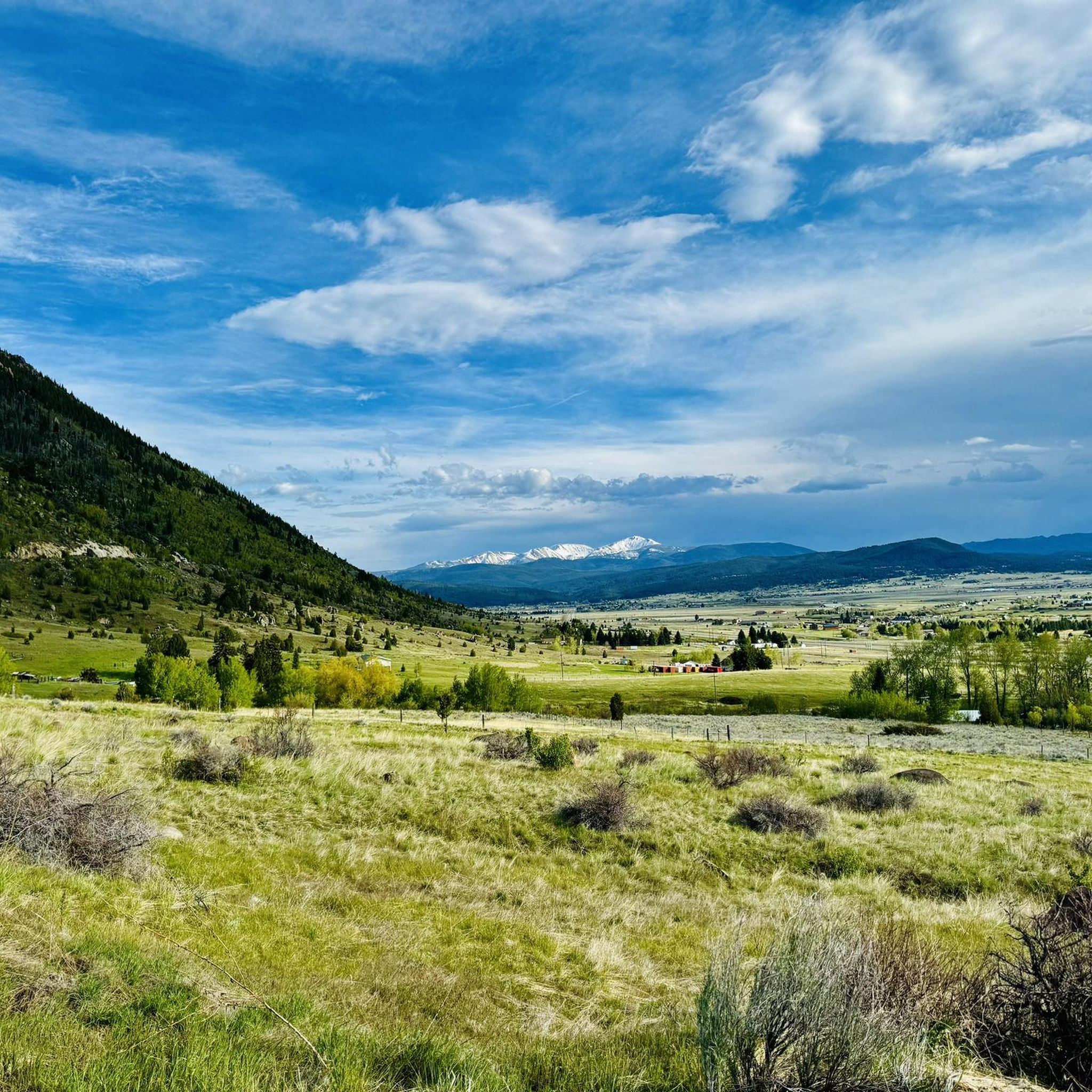
Other adventures in Beaverhead-Deerlodge National Forest

Tips from the Community

Lima is a great stop in the middle of nowhere. there are historic cabins behind the restaurant by the interstate. Make a reservation if you try to go to the Steakhouse in the evening. The main hotel in town was getting run down but I heard it has changed hands, hopefully that will help. The gas station in town is the main place to restock between here and Island Park, Idaho on the GDMBR (southbound). Or if you are going Northbound, Ma Barnes in Polaris or Wise.
0
0

Lima is a crucial stop for those on riding the Great Divide or racing on the Tour Divide. This small town has welcome amenities that are hard to come by in this remote region and it also offers great chances to spot wildlife such as pronghorn and you be treated to the big skies that Montana is famous for.
0
0

This is a steady climb with a few steeper sections toward the beginning (bottom) just after the trailhead takes off from the archery range road. This trail winds through aspen groves up high and the trial has seen a lot of work and improvement recently. This one would also be a lot of fun to descend. This trail connects the lower parking lot for Sage Brush Flats up to the Blacktail Loop.
0
0
Flat (mostly) and easy trial from Butte out to Silver Bow Station. Some climbing west of I-15 overpass, but nice switchbacks. Gorgeous views of the Pintlers going west. Well maintained from Rocker and west. From Rocker East to Butte, there are many expansion cracks which make for a jarring ride.
0
0
This road has a gated access on the east side near Butte. I believe this is closed in the winter until May. There are free range cattle here. Views from the top are beautiful. The ride up is a little gnarly and steep with loose rock, but doable on a gravel bike with low gearing. Watch out for ruts on the way down headed west. Didn’t see a single person!
1
0

In the late 18th century, the Butte Copper Mines were the leading source of copper in the world. One hundred years earlier, Butte began as a silver and gold mine, but as the American Industrial Revolution rapidly swept across the country, and the demand for and use of electricity skyrocketed, the volume of copper being pulled from the mines increased exponentially. Butte flourished. Though, with the sheer number of active mines and the thousands of worker there within, of course accidents are bound to happen. On June 8, 1917, the deadliest recorded underground mining accident occurred in the Speculator Mine, when a fire erupted and spread throughout the shaft, asphyxiating 168 men. A memorial now stands commemoration of these lives lost on the northeastern ridge of the Berkeley Pit. The Berkeley Pit was opened in 1955 as the mine transitioned from operating primarily underground to primarily above ground, which was more cost and labor efficient. This “open pit mine”, the Berkeley Pit, would produce over 290 million tons of copper before operations ended in 1982, earning the mine the nickname, “The Richest Hill on Earth.”
1
0

Frequently Asked Questions
What natural features can I explore in Beaverhead-Deerlodge National Forest?
The forest is rich in natural beauty, featuring high alpine peaks, broad valleys, and numerous alpine lakes such as Delmoe Lake, Wade Lake, and Louise Lake. You can also experience the German Gulch Gravel Summit, which offers beautiful views, or drive the scenic Pioneer Mountains Scenic Byway and Gravelly Range Road.
Are there historical sites to visit in the Beaverhead-Deerlodge National Forest?
Yes, the forest is steeped in history. You can explore sites like the Abandoned Mine Ruins in Beaverhead-Deerlodge National Forest, which showcase Montana's mining past, including the Butte Copper Mines and the Berkeley Pit. Other significant historical locations include Lemhi Pass, where the Lewis and Clark Expedition crossed the Continental Divide, and ghost towns like Elkhorn and Bannack State Park.
What kind of hiking trails are available in the Beaverhead-Deerlodge National Forest?
The forest offers over 1,500 miles of hiking trails, catering to various skill levels. You can find easy hikes like those mentioned in the Easy hikes in Beaverhead-Deerlodge National Forest guide, including Storm Lake Trail and Lake Agnes Trail. For more challenging options, consider sections of the Continental Divide National Scenic Trail or the Skeeboggen Trail Ascent.
What cycling opportunities are there near the attractions?
Cyclists can enjoy a variety of routes. The Silver Bow Creek Greenway offers a mostly flat and easy ride with views of the Pintler mountains. For road cycling, explore routes like the TransAmerica Trail (Montana) or the Georgetown Lake loop, detailed in the Road Cycling Routes in Beaverhead-Deerlodge National Forest guide. Mountain biking enthusiasts can find trails like the Beehive Basin Trail #40, listed in the MTB Trails in Beaverhead-Deerlodge National Forest guide.
Are there family-friendly activities or trails in the area?
Yes, the Beaverhead-Deerlodge National Forest offers several family-friendly options. The Silver Bow Creek Greenway is a great choice for families, being mostly flat and easy for cycling or walking. Many of the smaller campgrounds and accessible lake fishing spots, such as Sheepshead Recreation Area, also provide enjoyable experiences for families.
When is the best time to visit Beaverhead-Deerlodge National Forest?
The forest is a year-round destination. Summer and fall are ideal for hiking, camping, and scenic drives. Winter offers opportunities for snowmobiling, cross-country skiing, and snowshoeing, with downhill skiing available at nearby resorts like Discovery and Maverick Mountain. Some roads, like the German Gulch Gravel Summit, may be closed in winter until May.
What kind of wildlife can I expect to see?
The Beaverhead-Deerlodge National Forest is home to diverse wildlife. Visitors often have opportunities to spot moose, elk, grizzly bears, bald eagles, and mountain goats, especially in more remote areas or during dawn and dusk.
Where can I find scenic drives within the forest?
For breathtaking views, consider driving the Pioneer Mountains Scenic Byway or the Gravelly Range Road. The Dry Cottonwood Road Descent also offers a beautiful gravel drive winding through trees and rock formations along Dry Cottonwood Creek.
What are some unique historical points of interest beyond mining sites?
Beyond the mining ruins, you can visit the Canyon Creek Charcoal Kilns, 19th-century structures used to create bricks during the mining rush. The Nez Perce National Historic Trail also passes through the forest, commemorating the Nez Perce flight in 1877, offering a glimpse into Native American history.
Are there opportunities for water activities like fishing or boating?
Yes, the forest provides excellent opportunities for water activities. You'll find superb fishing in high-mountain lakes and renowned Blue Ribbon trout streams such as the Big Hole River and Beaverhead River. Georgetown Lake near Philipsburg also offers fishing, boating, paddleboarding, kayaking, and swimming in certain areas.
What do visitors enjoy most about the Beaverhead-Deerlodge National Forest?
Visitors frequently praise the forest's vast natural beauty, the solitude found on its extensive trail network, and the rich historical context, particularly the well-preserved mining sites and ghost towns. The diverse range of outdoor activities, from challenging hikes to scenic drives, also contributes to its appeal.
Most popular routes in Beaverhead-Deerlodge National Forest

Get inspired with the komoot mobile app


Explore more
Still not found the Highlight you’re looking for? See guides of the top attractions in other regions:
