The best walks and hikes in Plumas National Forest
5.0
(12)
366
hikers
27
hikes
Hiking in Plumas National Forest offers routes through the northern Sierra Nevada mountains. The region is characterized by dense conifer forests, river canyons, and numerous alpine lakes, particularly within the Lakes Basin Recreation Area. Elevations range from under 2,000 feet (610 m) to over 7,000 feet (2,134 m), providing a variety of terrain.
Best hiking trails in Plumas National Forest
- The most popular hiking route is Bear Lakes, Silver Lake, and Round Lake loop — Plumas National Forest, a 4.1 mile (6.6 km) trail that takes 1 hour 49 minutes to complete. This easy route provides access to several of the area's lakes with minimal elevation gain.
- Another top favourite among local hiking enthusiasts is Jamison Creek Trail to Jamison Lake — Plumas National Forest, a moderate 6.1 mile (9.8 km) path. The trail follows a creek and involves a steady ascent to reach Jamison Lake.
- Local hiking enthusiasts also love the Frey Creek Falls Loop — Plumas National Forest, a 7.3 mile (11.7 km) trail leading through forest terrain, often completed in about 3 hours 33 minutes.
- Hiking in Plumas National Forest is defined by its alpine lakes, forested canyons, and high-elevation meadows. The trail network includes options for different ability levels, from short lakeside walks to more demanding routes with significant elevation gain.
- The routes in Plumas National Forest are highly rated by the komoot community with an average score of 5.0 stars from a number of reviews. More than 170 hikers have used komoot to explore Plumas National Forest's varied terrain.
Last updated: October 11, 2026
11
hikers
7.84km
02:30
350m
270m
Moderate hike. Good fitness required. Easily-accessible paths. Suitable for all skill levels.
5.0
(1)
4
hikers
12.1km
03:34
340m
350m
Moderate hike. Good fitness required. Easily-accessible paths. Suitable for all skill levels.

2
hikers
3.59km
01:09
250m
10m
Easy hike. Great for any fitness level. Easily-accessible paths. Suitable for all skill levels.
2
hikers
8.88km
02:33
200m
210m
Moderate hike. Good fitness required. Easily-accessible paths. Suitable for all skill levels.
1
hikers
34.1km
10:09
1,210m
760m
Hard hike. Very good fitness required. Easily-accessible paths. Suitable for all skill levels.
Get access to more routes and recommendations from other explorers.
Already have an account?
Our route recommendations are based on thousands of hikes, rides, and runs completed by other people on komoot.
Start today with a free account
Your next adventure awaits.
Popular around Plumas National Forest
The tour of your life – music trails on the Pacific coast
California to Nevada – hiking between Volcanoes, Water & Forest
MTB Trails in Plumas National Forest
Running Trails in Plumas National Forest
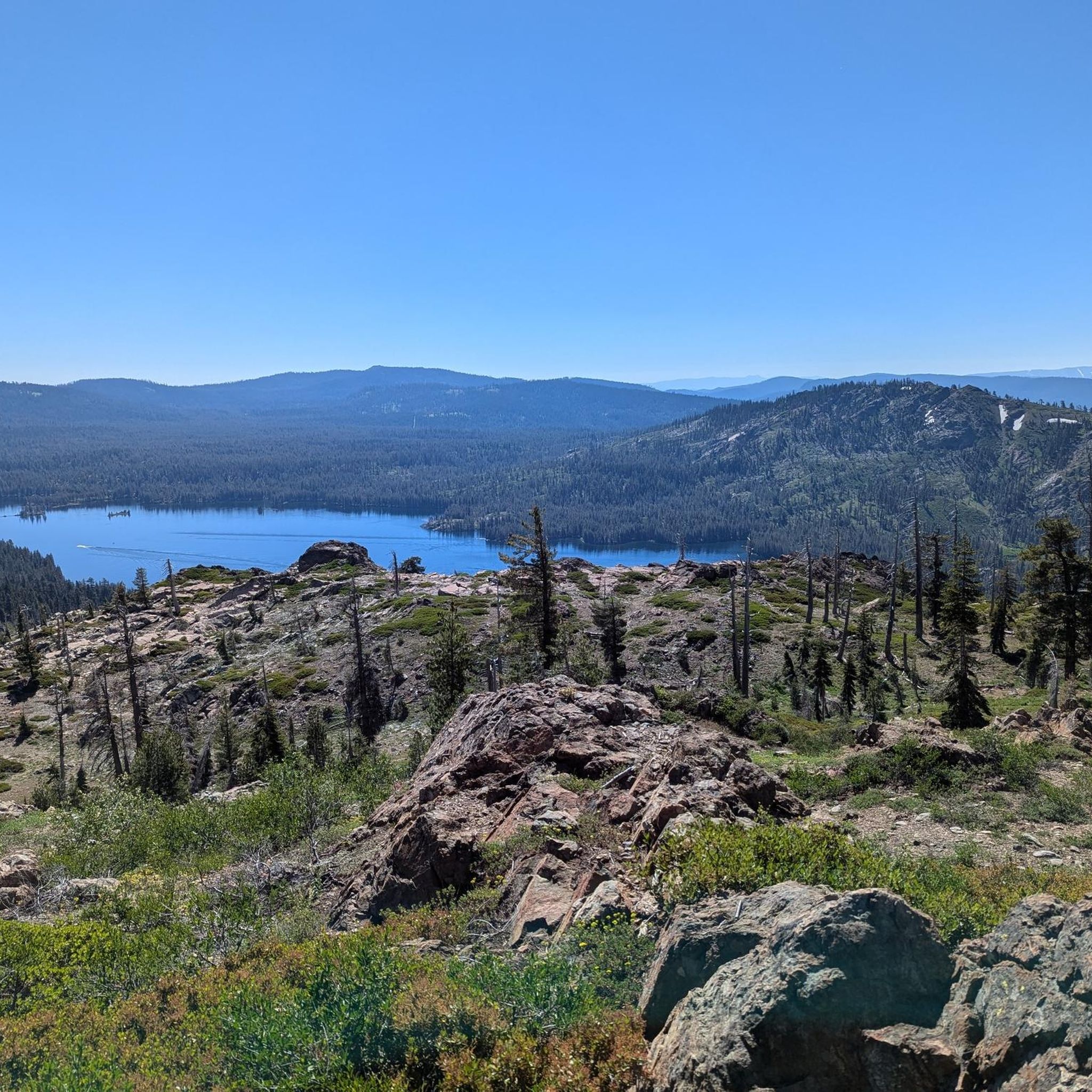
Cycling in Plumas National Forest
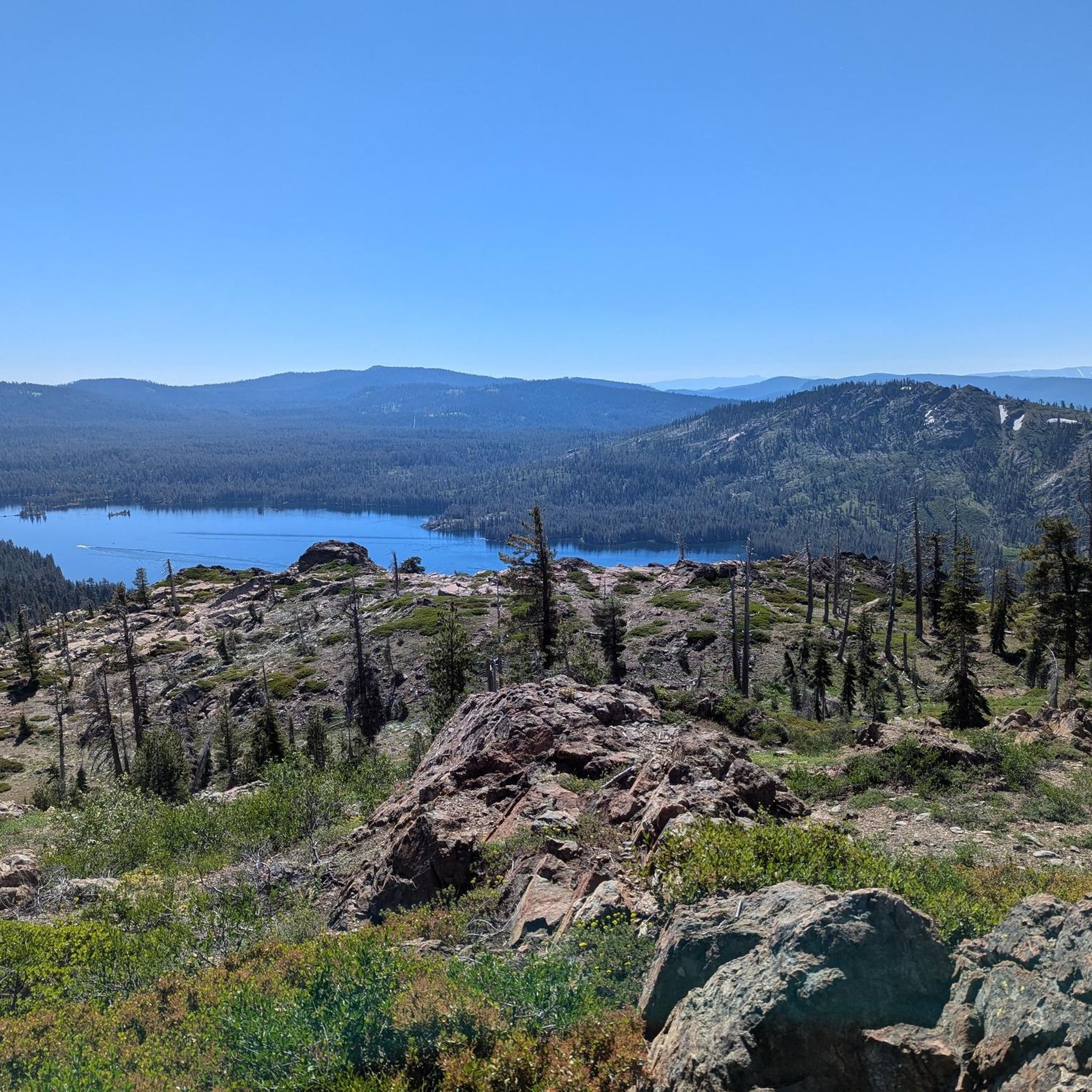
Road Cycling Routes in Plumas National Forest

Gravel biking in Plumas National Forest

Tips from the Community

On top of the ridge line you may find snow well into the summer, but you'll also find near 360 degree views. Mount Washington and Elwell to the north, Sierra Buttes to the south, and the entire Lakes Basin area to the north and east.
2
0
Down a short path from the PCT, the summit of Spanish Peak offers views for as far as the eye can see. On a clear day, looking east, you can see Quincy and beyond.
0
0
Don't let the "Little" in Little Bear lake let you think it's any lesser than its Big counterpart. Little Bear Lake offers you the tranquility and seclusion of a private alpine lake. A perfect spot for a quick break or picnic while hiking.
1
0

The unnamed summit along the ridge shows recent signs of volcanic activity, with several characteristic towers of lava exposed, that cooled off into layers that look like pillows.
0
0
Two trails run along the ridge, with the PCT here on the western side, marked by impressive standing boulders.
0
0
A lower trail alternative running west below the ridge parallel to the PCT, with Oakland Pond along the way, offering good water access and campsite options.
0
1
From the unnamed summit of the ridge, that often stays snow-covered into late July, the view to the west ranges across a basin of many lakes, with Round Lake in the foreground, Big Bear and others further east.
0
0
The ridge opens views to both west and east. To the west this viewpoint ranges across the lost lakes area, with Snake Lake shimmering in the valley.
0
0
Frequently Asked Questions
Are dogs allowed on trails in Plumas National Forest?
Yes, dogs are generally welcome on trails in Plumas National Forest, but they must be under voice control or on a leash. It's important to be mindful of wildlife and other hikers. Always check specific regulations for wilderness areas or state parks within the forest boundaries before you go.
What are some good waterfall hikes in the area?
Plumas National Forest is home to some spectacular waterfalls. The most famous is Feather Falls, a 410-foot cascade accessible via a challenging 7- to 9-mile loop trail. For a more moderate option, consider the Frey Creek Falls Loop, which is a 7.3-mile (11.7 km) hike through the forest.
Are there any easy, family-friendly hikes in Plumas National Forest?
Yes, there are several great options for families. The Bucks Lake area offers relatively flat trails, like the Bucks Creek Loop, which is great for kids. Another excellent choice is the Smith Lake Trail loop, a gentle 3.4-mile (5.5 km) walk that's perfect for an easy day out.
What is the best time of year to hike in Plumas National Forest?
The prime hiking season is from late spring to fall. Summer offers warm weather perfect for exploring the high-elevation lakes in the Lakes Basin Recreation Area. Spring and early summer are ideal for seeing vibrant wildflower displays, especially in areas like Butterfly Valley. Fall brings cooler temperatures and beautiful autumn colors. Higher elevation trails may be covered in snow until early summer.
How many hiking trails are available in Plumas National Forest?
There are over 20 designated hiking routes in Plumas National Forest on komoot, ranging from easy lakeside strolls to difficult mountain ascents. The region features a vast network of trails, including over 47 different trails in the Lakes Basin Recreation Area alone, providing options for all skill levels.
What do other hikers think of the trails in Plumas National Forest?
The trails in this region are highly regarded by the komoot community. Reviewers often praise the stunning alpine scenery, the abundance of lakes, and the well-maintained trail network that offers a less crowded experience than other Sierra Nevada destinations.
Are there opportunities for backpacking and multi-day hikes?
Absolutely. The forest is excellent for backpacking. A significant portion of the Pacific Crest Trail (PCT) runs through the Bucks Lake Wilderness, offering incredible views. For a challenging multi-day loop, consider the Eby Stamp Mill to Upper Chips Creek Meadow route, a demanding 21.9-mile (35.3 km) trek. Remember to check permit requirements for overnight stays in designated wilderness areas.
How difficult is the hike to Jamison Lake?
The Jamison Creek Trail to Jamison Lake is considered a moderate hike. The 6.1-mile (9.8 km) out-and-back trail involves a steady ascent with about 1,040 feet (317 m) of elevation gain, requiring good fitness and sure-footedness as you follow the creek up to the beautiful alpine lake.
Where can I find good trails for viewing wildflowers?
Plumas National Forest is known for its wildflower displays in late spring and early summer. The Mill Creek Trail in the Bucks Lake Wilderness and many of the trails in the Lakes Basin Recreation Area are fantastic spots. Butterfly Valley Botanical Area is another renowned location specifically managed for its diverse plant life and stunning blooms.
What are the trail conditions and road access like?
Trail conditions vary by season and elevation. Higher elevation trails, especially in the Lakes Basin and Bucks Lake Wilderness, can hold snow until early summer. Forest service roads providing access to some trailheads may be unpaved or closed seasonally. It is always best to check the official Plumas National Forest website or contact a local ranger station for the most current road and trail status before your trip.
Can I go hiking here in the winter?
Yes, winter activities are popular, but hiking on foot can be limited due to snow. Lower elevation trails may remain accessible for hiking, but many routes become ideal for snowshoeing and cross-country skiing. Always be prepared for winter conditions and check avalanche forecasts if you plan to venture into steep terrain.
Most popular routes in Plumas National Forest
Most popular attractions in Plumas National Forest

Get inspired with the komoot mobile app


Explore more
Browse the best Hikes in other regions.
