The best walks and hikes in National Forests In Florida
4.6
(47)
476
hikers
27
hikes
Hikes in National Forests in Florida traverse a diverse landscape of pine flatwoods, cypress swamps, and sand pine scrub ecosystems. The region is characterized by its low elevation and network of trails that often follow waterways or pass by freshwater springs and sinkholes. The three main forests—Apalachicola, Ocala, and Osceola—contain sections of the long-distance Florida National Scenic Trail, offering varied terrain for day hikes and longer excursions.
Best hiking trails in National Forests In Florida
- The most popular hiking route is Buck Lake loop via Florida Trail — Ocala National Forest, a 6.5 mile (10.5 km) trail that takes about 2 hours 40 minutes to complete. This route follows a section of the Florida Trail through the Ocala National Forest.
- Another top favourite among local hiking enthusiasts is Alexander Springs to Paisley Woods Bike Trail loop — Ocala National Forest, a difficult 12.5 mile (20.1 km) path. The trail explores the sand pine scrub environment characteristic of the area.
- Local hiking enthusiasts also love the Munson Hills Trail loop — Tallahassee, an 8.4 mile (13.5 km) trail leading through the longleaf pine forests near the Apalachicola National Forest, often completed in about 3 hours 25 minutes.
- Hiking in National Forests in Florida is defined by sand pine scrub, vast swamps, and longleaf pine flatwoods. The extensive trail network provides routes suitable for various fitness levels, from short loops to more demanding sections of long-distance paths.
- The routes in National Forests in Florida are highly rated by the komoot community with an average score of 4.6 stars from more than 30 reviews. More than 300 hikers have used komoot to explore National Forests In Florida's varied terrain.
Last updated: July 21, 2026
5.0
(3)
6
hikers
10.5km
02:41
40m
40m
The Buck Lake Loop provides a moderate hiking experience through the diverse landscapes of Ocala National Forest. You will explore open, sandy prairie, scrub, and pine flatwoods, with peaceful water views as the trail passes by Dora's Pond and Buck Lake. This route spans 6.5 miles (10.5 km) with a gentle elevation gain of 148 feet (45 metres), typically taking around 2 hours and 41 minutes to complete.
When planning your visit, be aware that some sections of the trail involve walking on sunny, raised powerline roads, so consider sun protection. You might also encounter wetlands along the way, so prepare your footwear accordingly to ensure a comfortable hike. The trail is generally accessible and well-suited for a day hike.
As you hike, keep an eye out for the unique wildlife that calls this area home. You may spot Florida scrub-jay families and gopher tortoises, which are distinctive to the region. Other animals like deer, coyotes, and foxes also frequent the area, adding to the natural appeal of the loop.
5
hikers
18.0km
04:35
60m
60m
Embark on a moderate hike along the Florida Trail from Clearwater Lake to Alexander Springs, a route that spans 11.2 miles (18.0 km) with a gentle elevation gain of 192 feet (58 metres). You can expect to complete this journey in about 4 hours and 35 minutes. As you traverse the path, you will encounter a varied landscape, moving through longleaf pine forests and open sandhills. The terrain offers gentle rolling hills, providing a more dynamic experience than typical flat Florida trails. The highlight of your hike is reaching Alexander Springs, a stunning first-magnitude spring where you can refresh yourself in its cool, clear waters.
Before you set out, be aware that this segment of the Florida Trail offers an immersive backcountry experience. Parking is conveniently available at both the Clearwater Lake and Alexander Springs trailheads, making logistics straightforward for your hike. It is important to note that black bears are present in the Ocala National Forest, so always practice bear-aware hiking. If you plan to backpack, remember that bear bags or canisters are required to protect your food and ensure wildlife safety.
This particular section of the Florida Trail holds historical significance as the oldest blazed segment of the entire trail system. As you hike, you are walking through a landscape that has been preserved and enjoyed by outdoor enthusiasts for decades. The diverse ecosystems you pass through, from wet prairies to hydric hammocks, showcase the rich natural heritage of the Ocala National Forest. This route provides a unique opportunity to connect with Florida's wild heart.

Sign up for free
2
hikers
20.9km
05:21
90m
80m
Hike the challenging 13.0-mile Florida Trail from Rodman Dam to Lake Kerr, exploring diverse landscapes and historic waterways in Ocala Nati
2
hikers
17.1km
04:22
60m
60m
The Munson Hills and Twilight Loop offers a fantastic immersion into Florida's diverse ecosystems, guiding you through ancient sand dunes, peaceful longleaf pine forests, and tranquil wetlands. You'll experience varied terrain, from firm red clay paths to sections of softer white sand, making this a dynamic and engaging moderate 10.7-mile (17.1 km) hike. With only 182 feet (55 metres) of elevation gain, it's a manageable journey that typically takes about 4 hours and 22 minutes, perfect for a half-day adventure.
Planning your visit is straightforward, as the trailhead is well-equipped and easily accessible near Tallahassee. You'll find plenty of parking, along with restrooms, picnic tables, and drinking fountains, ensuring a comfortable start to your outing. This multi-use trail is popular with both hikers and mountain bikers, so be mindful of others. It's a great option for exploring nature any time of year, just remember to bring water, especially on warmer days.
This trail system stands out for its unique blend of habitats within the vast Apalachicola National Forest, showcasing ancient sand dunes formed millions of years ago. Keep an eye out for local wildlife, including gopher tortoises, white-tailed deer, and various bird species, as the diverse environment provides excellent viewing opportunities. The extensive network of trails also allows for customizing your hike, offering options for shorter or longer excursions beyond this specific loop.
1
hikers
5.54km
01:25
10m
20m
The Pat's Island to Hidden Lake via Florida Trail offers a journey through the unique Juniper Prairie Wilderness, where ancient scrub forests give way to vast prairies and pine islands. You'll navigate through tall longleaf pines and oak hammocks, encountering clear spring-fed ponds and interesting sinkholes along the way. Be ready for sections of soft, beach-like sand underfoot, which adds a unique challenge to this otherwise easy route.
Before planning your trip, it's crucial to know that the section from Pat's Island Trailhead to Hidden Lake was reported as closed and impassable as of November 2024 due to fire and hurricane damage. Always check the latest conditions with the USDA Forest Service. If open, this 3.4-mile (5.5 km) hike with only 41 feet (13 metres) of elevation gain typically takes about 1 hour and 24 minutes, making it a good option for a shorter outing.
This segment of the Florida Trail is steeped in history, with Pat's Island itself named after an 1840s postmaster and inspiring Marjorie Kinnan Rawlings' novel, "The Yearling." The wilderness designation means no machinery for trail maintenance, preserving a truly wild environment. Keep an eye out for wildlife like scrub jays and gopher tortoises, and be aware that bears are present, especially around Hidden Pond.
Get access to more routes and recommendations from other explorers.
Sign up for free
Already have an account?
Our route recommendations are based on thousands of hikes, rides, and runs completed by other people on komoot.
Start today with a free account
Your next adventure awaits.
Login or Signup
Popular around National Forests In Florida
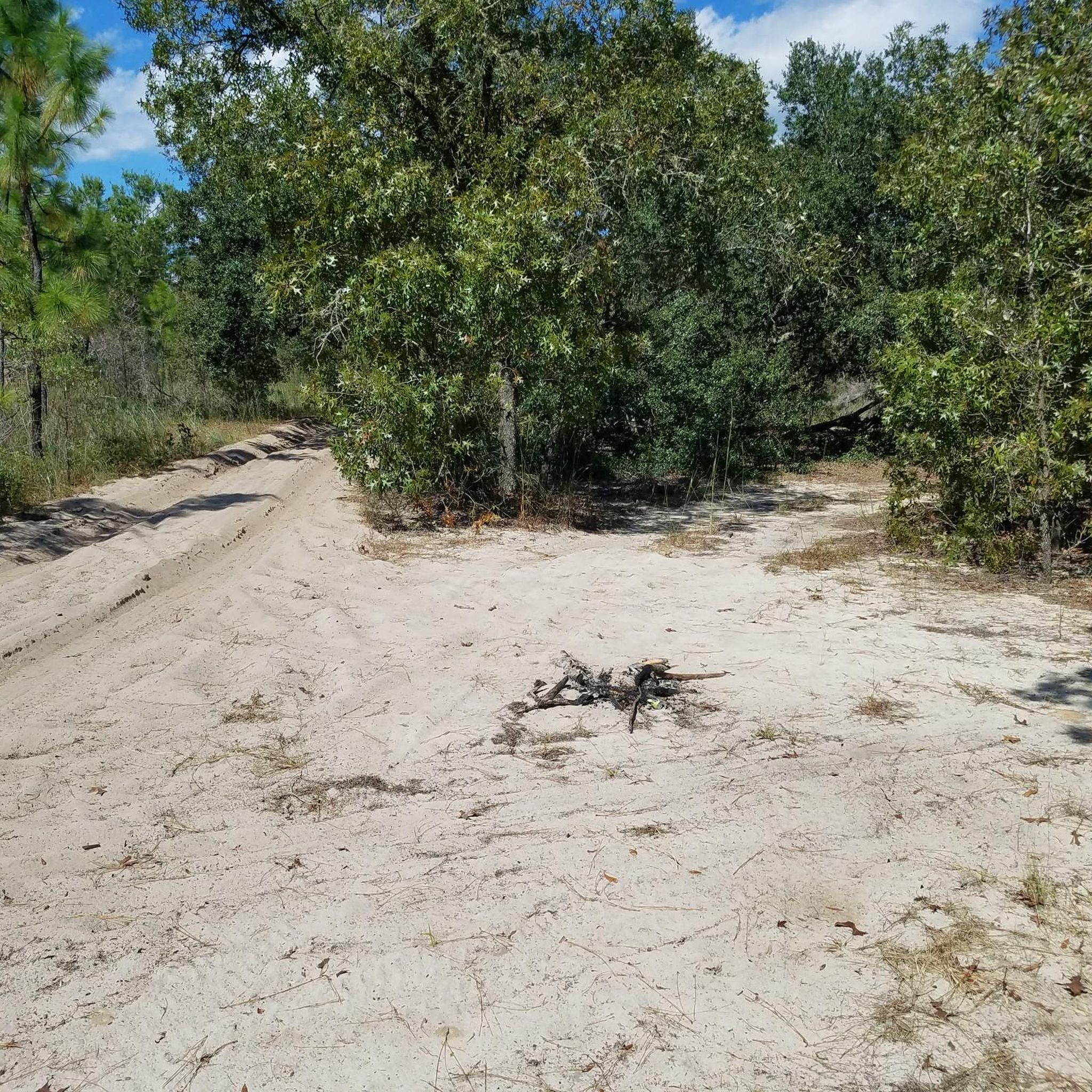
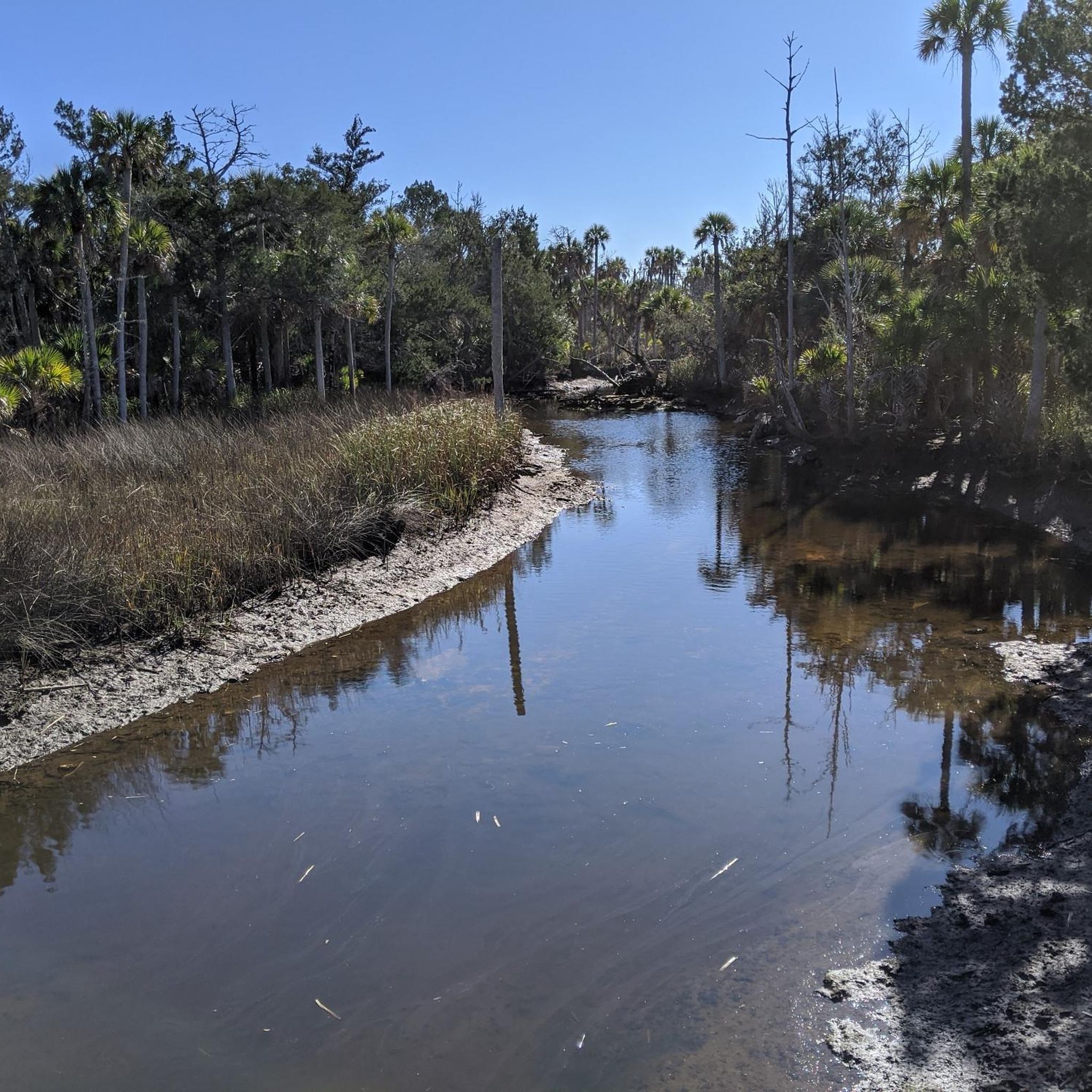
Other adventures in National Forests In Florida


Tips from the Community

The Ocala National Forest is the southernmost national forest in the continental United States. It was established at the turn of the 20th century, though it has always been home to the Timucua. It spans across sand pine scrub forests, freshwater lakes, and natural springs. It is also a haven for wildlife like Florida black bears, alligators, and countless bird species. The Florida Black Bear Scenic Byway winds through the heart of the Big Scrub, and its mild winters make it a perfect year-round camp spot.
0
0
Dora's Lake is a small lake just south-east of Buck Lake. The Florida Trails runs along its west side, and hikers get a nice view from the trail. The shores of the lake can be a bit swampy.
0
0

The foundation for the 1,000-mile Florida Trail was laid back in 1966. Jim Kern, a Florida resident set out to build a similar trail through Florida with his brother after hiking the Appalachian Trail. The first sections were built here in the Ocala National Forest. It took 17 years for the Florida Trail to finally join the ranks of the eleven National Scenic Trails.
0
1

Like many other parts of this path, this section is a great single track for bikers and hikers alike, bringing you to the beautiful depths of the forest.
0
0

One of two trailheads for the Munson Hills Trail System off the Tallahassee-Saint Marks Historic Railroad State Trail. There are multiple routes you can take from this trailhead. There is a map and water available at this spot.
0
0

A small circular hiking trail through marshland, which is really recommended. There are many signs and explanations and if you are lucky you will see a few alligators and turtles.
2
0
The spring pot has the clearest water I've ever seen and invites you to swim.
1
0
Frequently Asked Questions
When is the best time of year to hike in Florida's National Forests?
The ideal hiking season is from late fall to early spring, typically November through March. During these months, the weather is cooler, humidity is lower, and biting insects are less prevalent. Summer hiking is possible but requires careful preparation due to high heat, humidity, and frequent thunderstorms.
Are dogs allowed on the hiking trails?
Yes, dogs are generally welcome in Florida's National Forests, but they must be kept on a leash no longer than 6 feet at all times. Be aware that wildlife is abundant, and you should always maintain control of your pet. Some specific recreation areas or beaches may have restrictions, so it's wise to check local signage.
Are there any easy, family-friendly hikes available?
Absolutely. The forests offer numerous shorter, flatter trails perfect for families. For example, the Florida Trail & River Overlook Trail loop is a moderately-rated walk that offers a great introduction to the region's riverside scenery. Many recreation areas, like Camel Lake in Apalachicola or the springs in Ocala, feature short, accessible nature trails.
What should I know about hiking in the summer?
Summer hiking in Florida demands respect for the climate. Start your hike early in the morning to avoid the intense midday heat. Bring more water than you think you'll need, use strong insect repellent, and wear sunscreen and a hat. Be mindful of afternoon thunderstorms, which can appear suddenly. Always check the weather forecast before you go.
How does hiking in Ocala National Forest compare to Apalachicola?
They offer very different experiences. Ocala National Forest is famous for its unique sand pine scrub ecosystem, rolling ancient dunes, and numerous crystal-clear springs perfect for a post-hike swim. Apalachicola, Florida's largest national forest, offers a more rugged, remote wilderness experience with vast swamps, longleaf pine flatwoods, and a greater sense of solitude. Your choice depends on whether you prefer sandy hills and springs or a wild, swampy adventure.
Can I find any hikes with waterfalls?
Florida's flat topography means that natural waterfalls are extremely rare and generally not a feature you will find within the National Forests. Instead, the region's aquatic beauty is showcased in its many crystal-clear freshwater springs, pristine rivers, and picturesque lakes.
Are there any challenging hikes for experienced hikers?
Yes, while the terrain is not mountainous, there are challenging long-distance options. The Alexander Springs to Paisley Woods Bike Trail loop is a difficult 12.5-mile (20.1 km) trek through Ocala's sand pine scrub. For a true wilderness challenge, backpackers often tackle sections of the Florida Trail through Apalachicola's Bradwell Bay Wilderness, known for its dense and swampy conditions.
What is the Florida National Scenic Trail and can I hike parts of it?
The Florida National Scenic Trail (FNST) is a long-distance path that stretches across the state, and significant portions run through all three National Forests. You can easily hike shorter sections as day hikes. For instance, the Buck Lake loop incorporates a beautiful part of the FNST in Ocala National Forest. These sections provide a great way to experience the varied landscapes of the trail without committing to a multi-day trip.
What kind of wildlife might I see while hiking?
The forests are teeming with wildlife. It's common to see white-tailed deer, gopher tortoises, and a wide variety of birds, including wading birds and woodpeckers. In wetter areas, you might spot alligators and turtles, so always be cautious near water. Black bears also inhabit the forests, particularly Ocala, so it's important to be bear-aware and store food properly if camping.
Is it possible to go backpacking or primitive camping?
Yes, all three National Forests offer excellent opportunities for backpacking and primitive camping, especially along the Florida National Scenic Trail. Dispersed camping is generally allowed, but you must follow Leave No Trace principles. There are also designated primitive campsites and developed campgrounds available. Always check the specific regulations for the forest you plan to visit.
Are there entrance fees for hiking in the National Forests?
Generally, there is no fee to enter the National Forests for dispersed hiking or to access trailheads along public roads. However, fees are typically required for developed recreation areas, such as the freshwater springs in Ocala, specific campgrounds, and day-use areas with amenities like restrooms and picnic tables.
What do other hikers enjoy most about this region?
The area is highly rated by the komoot community, with an average score of 4.6 stars. Reviewers often praise the surprising diversity of the landscape, from the unique sand pine scrub of Ocala to the wild swamps of Apalachicola. The chance to cool off in a crystal-clear spring after a hike is a frequently mentioned highlight.
Most popular routes in National Forests In Florida
Most popular attractions in National Forests In Florida

Get inspired with the komoot mobile app


Explore more
Browse the best Hikes in other regions.
