Attractions and Places To See in Mark Twain National Forest - Top 19
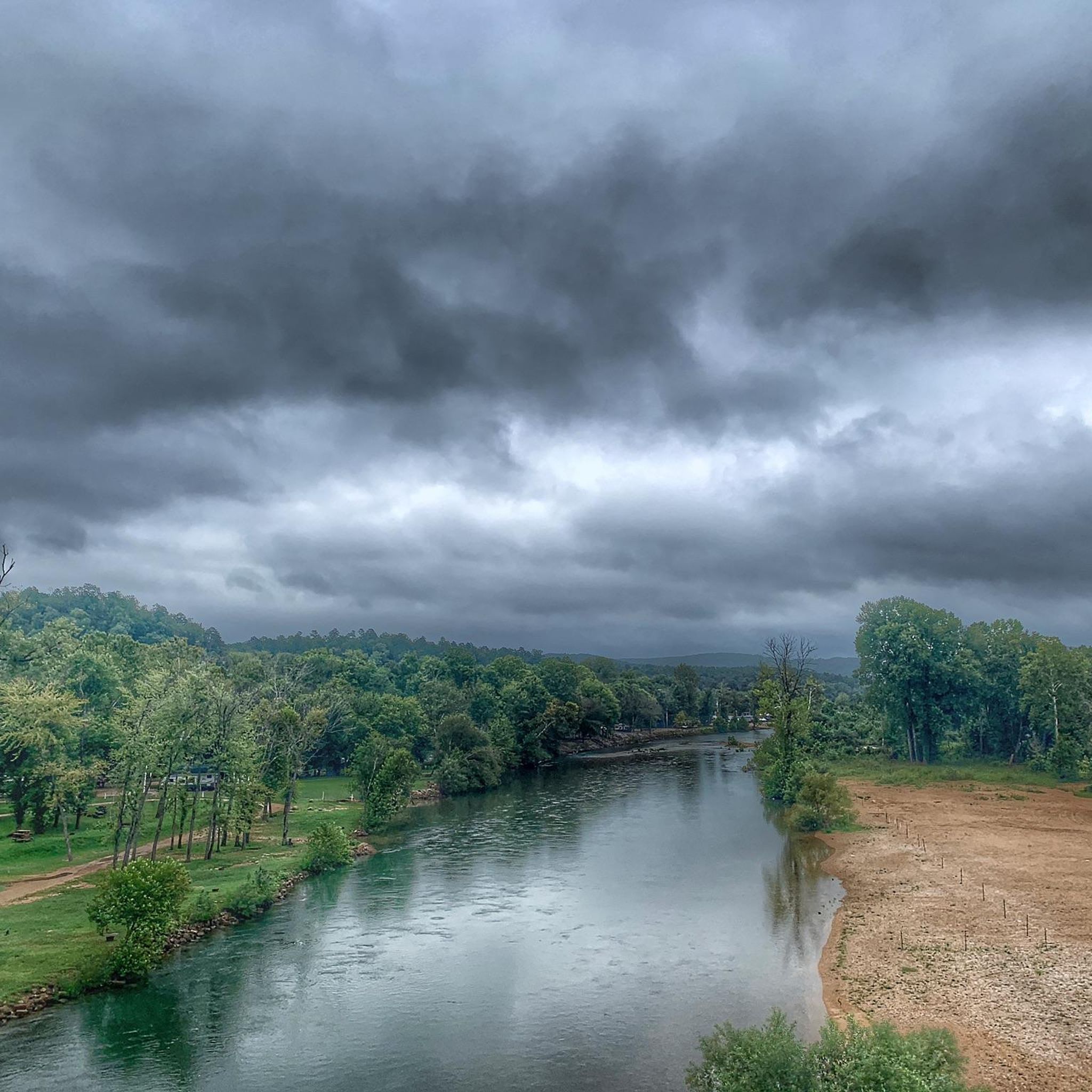
Best attractions and places to see in Mark Twain National Forest, encompassing over 1.5 million acres across southern Missouri, offers a diverse array of natural features and cultural sites. As the only national forest entirely within Missouri, it is recognized for its geological, hydrological, and ecological diversity within the Ozark Highlands. The region features extensive karst topography, including over 5,000 caves and numerous springs. Visitors can explore a variety of landscapes and historical points of interest.
Best attractions and places…
Last updated: July 15, 2026
Hooker Cut
Highlight • Monument
Translated by Google •
Tip by

Elbow Inn Bar and the Big Piney River Bridge
Highlight • Bridge
Translated by Google •
Tip by
Sign up now to discover places like this
Get recommendations on the best single tracks, peaks, & plenty of other exciting outdoor places.
Sign up for free
Vernelle's Motel
Highlight • Historical Site
Translated by Google •
Tip by
Ozark Trail: Between the Rivers Section
Highlight (Segment) • Trail
Tip by

Greer Springs Recreation Area
Highlight • Natural Monument
Tip by
Sign up for free to discover even more attractions in Mark Twain National Forest.
Sign up for free
Already have an account?
Start today with a free account
Your next adventure awaits.
Login or Signup
Popular around Mark Twain National Forest
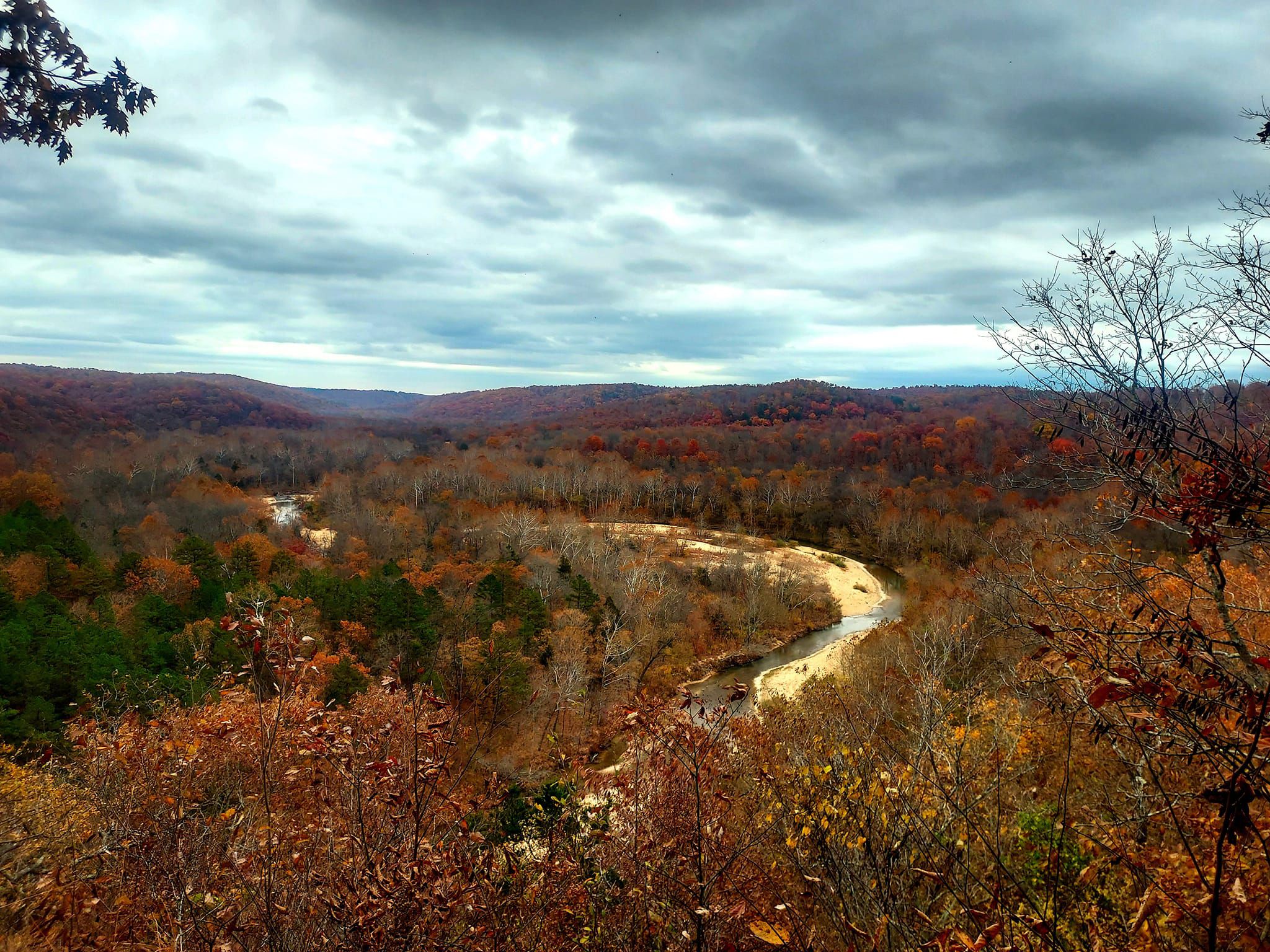
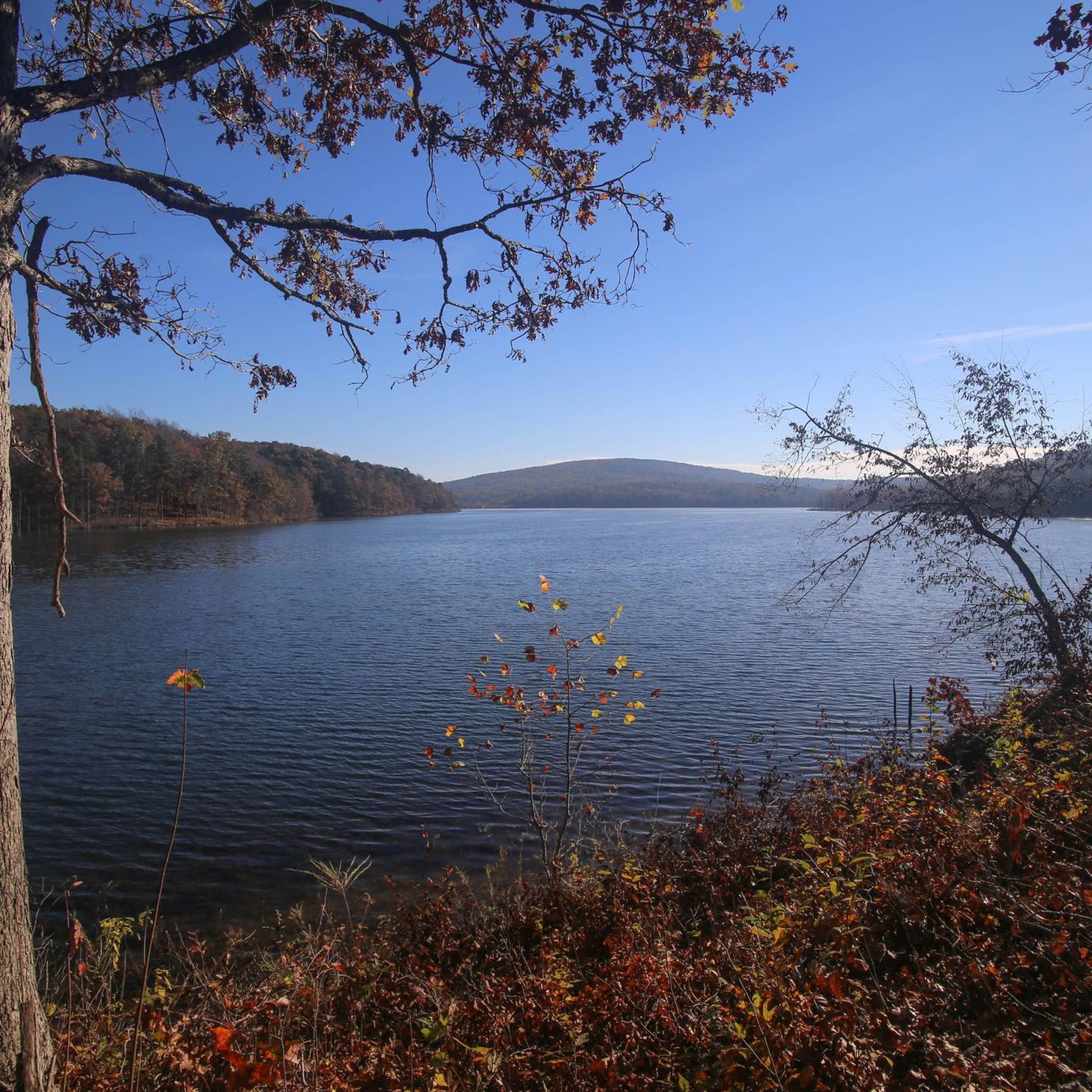
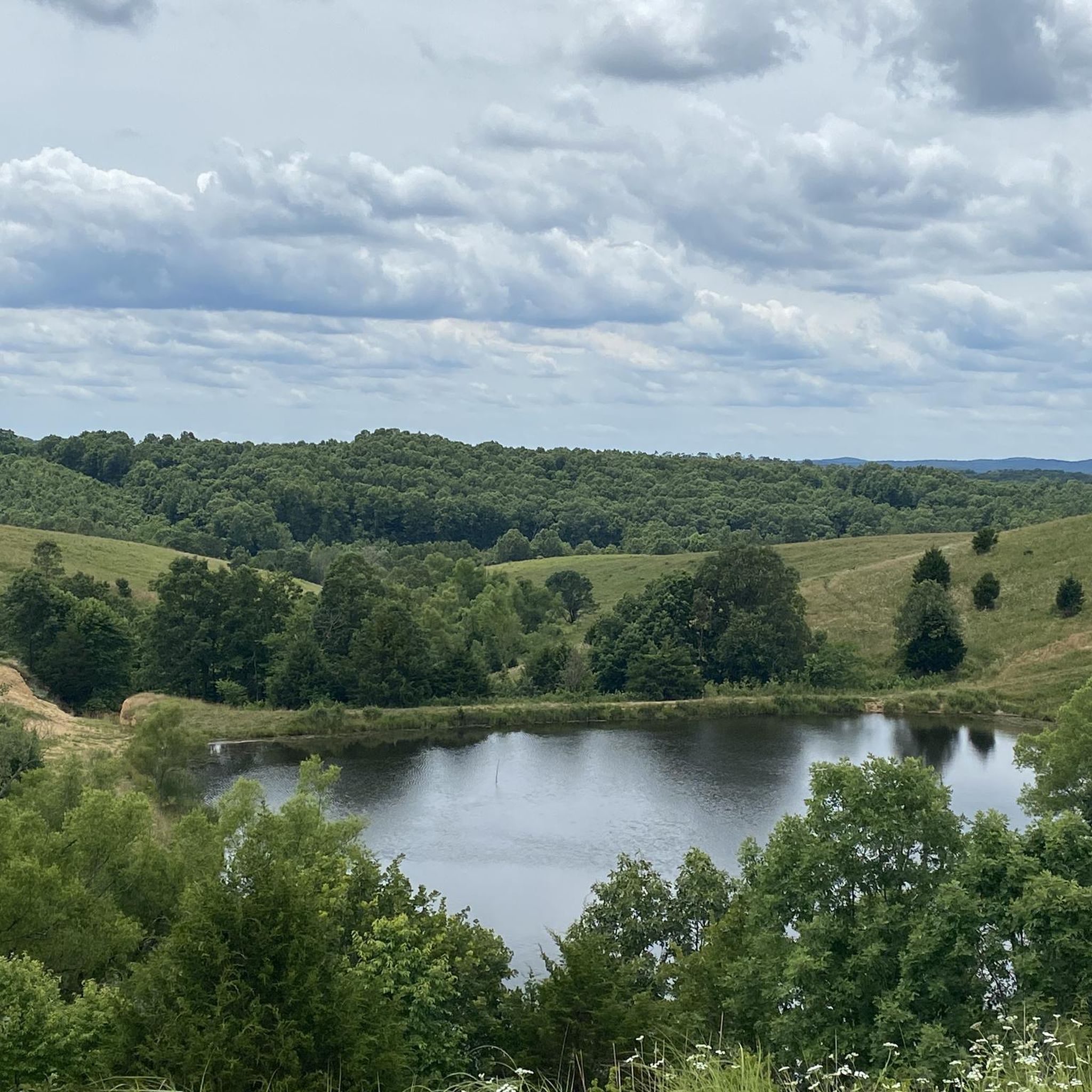

Other adventures in Mark Twain National Forest

Tips from the Community

Greer Springs Recreation Area features a short, shaded trail that descends to Missouri’s second-largest spring, where 220 million gallons of icy water surge daily from a cave and underground aquifer. The hike winds through old-growth hardwoods and pines, with dogwoods, sassafras, and impressive rock formations lining the canyon, making it a favorite for photographers and nature lovers. While the spring itself is off-limits for fishing or wading, Greer Crossing offers campsites, picnic areas, and river access for paddling and trout fishing along the Eleven Point National Scenic River.
0
0
The Between the Rivers Section of the Ozark Trail stretches roughly 28 miles through remote forested terrain between the Current and Eleven Point Rivers, though it touches neither. Along the way, you'll navigate creek crossings, ridge climbs, and hollows like Devil’s Run and Gold Mine Hollow, with occasional glimpses of beautiful white oak stands and lichen-covered boulders. This is a great stretch for seasoned hikers, although strategic water supply and navigation skills are essential to enjoy the quiet trek through this fantastic section.
0
0

A couple named Munger opened a barbecue restaurant in 1929. According to Mr. Mungers, his widow married a man named Emmett Moss. This is how the Munger Moss Sandwich Stop operation became. When the road was laid through the Hooker Cut in 1946, operations moved to Lebanon where it is still known and loved as the Munger Moss Motel. But the restaurant was by no means closed. New operators were found and it can be said that it is the oldest continuously operated building along Route 66. Today the restaurant is particularly popular with motorcyclists and you can almost always see a Harley parked in front of it. Already in 1923 this bridge was built, which first carried the Missouri Route 14 over the Big Piney River. When Route 66 was laid across the country 3 years later, this small detour via Devils Elbow was used to save the cost of building a larger bridge. Only in the late 1930s, when the whole world was at war, was an army base built nearby, but the bridge was too small for its needs and a four-lane direct connection was created.
0
0
The large rock cutting at Hooker was created for strategic reasons in the 1940's. It was war years and a huge rock stood in the way of the most important east-west connection across the country. It is said that a heavily loaded truck took a full day to drive from Devil's Elbow to the top of the rock. In 1943 the new four-lane road was completed. At the time, the Hooker Cut was the deepest man-made indentation in the country. Today, most parts of the road are still in their original condition and are in surprisingly good condition for their age, considering the amount of traffic that passed through them.
0
0
Vernelle's was built by EP Gasser in the late 1930s. Originally called Gasser Tourist Court, the business - consisting of six rooms, a gas station and a novelty shop - changed hands in the early 1950s when EP Gasser's nephew Fred and his wife Vernelle bought and expanded the property. The new Vernelle's, named after its owner, was quite complex. In addition to the motel, the property included - as pictured on the vintage postcard above - a restaurant serving steaks, fried chicken, shrimp, and other delicacies to refresh hungry travelers. At one time there was also a petting zoo on the premises. In 1957, the restaurant was demolished and the motel was moved a few yards north to accommodate Route 66's widening to four lanes. The motel is still pretty run down and no longer in use.
0
0
Frequently Asked Questions
What natural features can I explore in Mark Twain National Forest?
The forest is rich in natural wonders. You can visit Greer Springs Recreation Area, home to Missouri's second-largest spring, or explore the 44-mile Eleven Point National Scenic River, recognized as one of the first Wild and Scenic Rivers. The region also features unique karst topography with over 5,000 caves and numerous springs.
Are there any historical sites or cultural landmarks to visit?
Yes, the forest area holds several historical points of interest. You can see Hooker Cut, a significant man-made indentation from the 1940s. Also, the Elbow Inn Bar and the Big Piney River Bridge offer a glimpse into historic Route 66 culture. The forest also encompasses sections of the historic Trail of Tears.
What are some family-friendly activities or trails in the forest?
For families, the short, shaded trail at Greer Springs Recreation Area is a great option. Many sections of the extensive Ozark Trail are suitable for various skill levels, and you can find easy hikes like the Dogwood Canyon Trail listed in the Easy Hikes in Mark Twain National Forest guide.
Where can I find extensive hiking or backpacking trails?
The Ozark Trail is an extensive system stretching over 350-430 miles. A notable segment is the "Between the Rivers Section," which offers remote forested terrain for seasoned hikers and backpackers. The forest also contains seven designated wilderness areas for untouched experiences.
What are the best times of year to visit Mark Twain National Forest?
Spring and fall are generally ideal for hiking and exploring the forest's diverse ecosystems, with pleasant temperatures and vibrant foliage. Summer offers opportunities for water activities like paddling and fishing on rivers such as the Eleven Point. Winter provides a unique, solitary experience in the designated wilderness areas.
Are there opportunities for water activities like paddling or fishing?
Absolutely. The Eleven Point National Scenic River is a popular spot for paddling, trout fishing, and scenic drives. Greer Crossing, near Greer Spring, also offers river access for these activities.
Can I find scenic drives or viewpoints in the area?
Yes, the Glade Top Trail National Scenic Byway offers expansive views, sometimes extending over 30 miles. Other scenic byways include Blue Buck Knob and Sugar Camp, providing diverse vistas through farmland and wooded hillsides.
What kind of unique geological features does the forest have?
The Mark Twain National Forest is primarily located within the Ozark Highlands, characterized by its unique karst topography. This means you'll find over 5,000 caves, numerous springs, and sinkholes, earning Missouri the nickname "Cave State."
What outdoor activities can I do near these attractions?
Beyond hiking, you can find various outdoor activities. For road cycling, check out the Road Cycling Routes in Mark Twain National Forest guide. If you enjoy running, the Running Trails in Mark Twain National Forest guide offers several options.
Are there easy hiking trails suitable for beginners?
Yes, the forest offers trails suitable for all skill levels. For easy options, consider the Greer Spring Trail, Engineer Fitness Running Trail, or the Wolf Creek Trail North Loop. More details can be found in the Easy Hikes in Mark Twain National Forest guide.
Where can I learn about the Civilian Conservation Corps' legacy in the forest?
You can visit several sites showcasing the craftsmanship of the Civilian Conservation Corps (CCC), established in 1933. The Rolla Ranger Station Historic District and the Winona Ranger Station Historic District are examples of their contributions that can still be explored.
Are there any historic mills or recreation sites related to them?
The forest area has a history of water-powered grist and sawmills. Some of these are now recreation and interpretive sites, such as Boze Mill Float Camp and Falling Springs Picnic Area. Greer Mill, first built in 1859, is another historic gristmill in the region.
What is the Ozark Trail and what does it offer?
The Ozark Trail is an extensive trail system, spanning over 350 miles, that winds through much of the Mark Twain National Forest. It provides diverse ecosystems and scenic beauty, offering opportunities for hiking, backpacking, horseback riding, and mountain biking across various skill levels.
Most popular routes in Mark Twain National Forest
Most popular attractions in Mark Twain National Forest

Get inspired with the komoot mobile app


Explore more
Still not found the Highlight you’re looking for? See guides of the top attractions in other regions:
