The best road cycling routes around Paupitzscher Lake
4.7
(289)
2,732
riders
115
rides
Road cycling routes around Paupitzscher Lake traverse a re-naturalized former open-cast lignite mine, now part of the larger Goitzsche area and the Leipzig New Lake District. This distinctive landscape features a mosaic of open water, wetlands, and young forests, offering a unique setting for outdoor enthusiasts. The region provides an extensive network of well-maintained cycle routes, many of which are converted former rail lines, ensuring smooth surfaces ideal for road bikes. These paths connect various scenic lakes and points of…
Last updated: May 7, 2026
15
riders
54.0km
02:12
170m
170m
Moderate road ride. Good fitness required. Some segments of this route may be unpaved and difficult to ride.
4.0
(1)
8
riders
26.2km
01:00
60m
60m
Easy road ride. Great for any fitness level. Mostly well-paved surfaces and easy to ride.

Sign up for free
9
riders
Easy road ride. Great for any fitness level. Mostly well-paved surfaces and easy to ride.
5.0
(1)
15
riders
28.3km
01:20
80m
80m
Moderate road ride. Great for any fitness level. Some segments of this route may be unpaved and difficult to ride.
4.8
(110)
763
riders
45.8km
01:50
120m
120m
Moderate road ride. Great for any fitness level. Some segments of this route may be unpaved and difficult to ride.
Get access to more routes and recommendations from other explorers.
Sign up for free
Already have an account?
Our route recommendations are based on thousands of hikes, rides, and runs completed by other people on komoot.
Start today with a free account
Your next adventure awaits.
Login or Signup
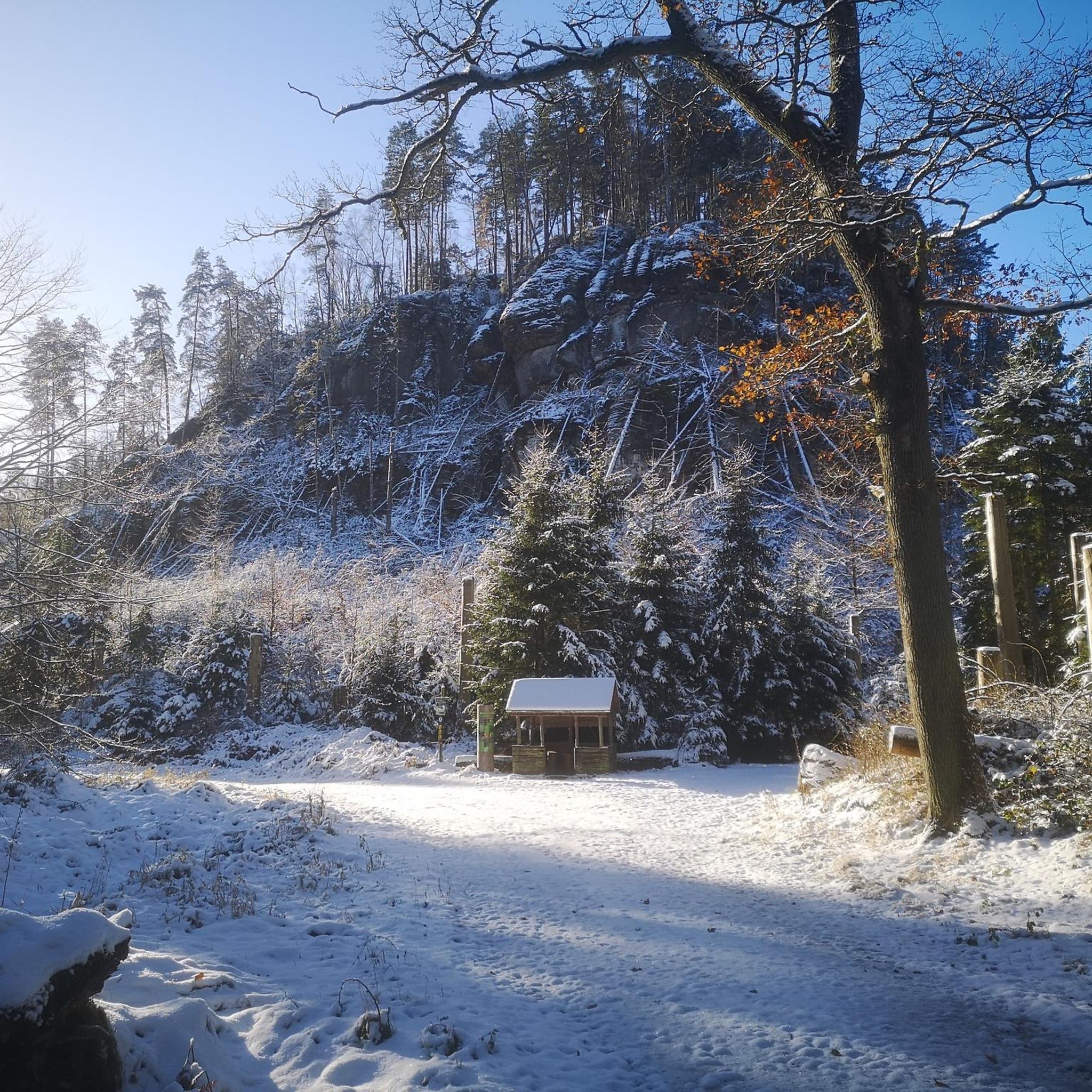
Tips from the Community

Simply wonderful 👍
0
0


The interior furnishings of Brinnis Church include: In the chancel of Brinnis Church, a tabernacle (circa 1480) and two figurative gravestones (second half of the 17th century); at the altar, a late Gothic, life-size crucifix (first half of the 16th century); in the south (beneath the tall, round triumphal arch of the 16th century, which connects the chancel and nave) a neo-Gothic wooden pulpit from 1830, which only received its current location during the last renovation; furthermore (from 1830): galleries in the south, west, and north of the nave; a classicist wooden baptismal font and a neo-Gothic organ with a five-part facade. The old Brinnis altar, a triptych, is lost. It was already out of use and partially damaged by the end of the 19th century and was later sold. Let us not mourn what is lost, but rather listen to what the bell from the tower calls us. There were once three bells; only one remains: the bronze bell from 1782, 128 cm in diameter. It bears the inscription: "The sermon announces the dead, as well as the sorrows, and is carried forth, and only my bell's sound awakens the heavy hearts everywhere." Source: https://www.pfarrbereich-schenkenberg.de/index.php/kirche-brinnis
3
0
What sustains the church and propels it forward are the dates of its renovations. A distinctive, difficult-to-decipher inscription stone on the outer eastern chancel wall reveals the year 1518. At that time, the church in Brinnis, with its 12th-century Romanesque nave and west tower (whose south wall still retains Romanesque round-arched windows), was extended by this three-sided, late Gothic chancel. A short time later, in 1557 – as an inscription stone on the north wall of the church tells us – the nave was raised. Further renovations took place in 1830, 1914, and 1968/69. At the end of 1968, Pastor Heine, who served in Brinnis for almost half a century, reported with great joy in a church newsletter on the painstakingly initiated and ultimately successful restoration of the Brinnis church. Past generations have repeatedly built upon this house of God, striving to preserve it – leaving their mark in stone as a reminder to us to continue the work. Source: https://www.pfarrbereich-schenkenberg.de/index.php/kirche-brinnis
4
0
The frost has taken hold of the connecting channel... beautiful
6
0
Magnificent view of the Mulde from the bridge
7
0

The floating observation tower is quite an attraction and not everyone dares to go up there.
0
0
Frequently Asked Questions
How many road cycling routes are available around Paupitzscher Lake?
The Paupitzscher Lake region offers a wide selection of road cycling routes, with over 110 tours available on komoot. These routes cater to various skill levels, from easy loops to more moderate rides.
Are there easy road cycling routes suitable for beginners or families?
Yes, the area is very welcoming for beginners and families. About 30 of the routes are classified as easy, featuring minimal elevation changes and smooth, paved surfaces, often utilizing former railway lines. A great option is the Neuhauser Lake Loop – View of Neuhauser Lake loop from Holzweißig, an easy 26.2 km path offering scenic views.
What kind of terrain can I expect on road cycling routes in this area?
Road cycling routes around Paupitzscher Lake traverse a unique landscape transformed from former open-cast lignite mines. You'll find a mosaic of re-naturalized lake landscapes, wetlands, and young forests. Many paths are converted former rail lines, ensuring smooth, paved surfaces ideal for road bikes. The broader Leipzig New Lake District also offers diverse landscapes, including floodplains.
Can I find circular road cycling routes around Paupitzscher Lake?
Yes, many of the road cycling routes in the Paupitzscher Lake area are designed as circular loops, allowing you to start and end at the same point. For example, the Neuhauser Lake Loop – View of the Mulde River loop from Holzweißig is a popular circular route that takes you through diverse scenery.
Are there any challenging road cycling routes for experienced riders?
While the region is generally known for its gentle terrain, there are routes that offer a bit more distance and moderate elevation gains. The area features 87 moderate routes, providing longer rides with some undulating sections. For instance, the View of Lake Goitzsche – Großer Goitzschesee loop from Bitterfeld covers 45.8 km with over 100 meters of elevation, offering a good workout for experienced cyclists.
What are the best times of year for road cycling around Paupitzscher Lake?
The spring, summer, and early autumn months generally offer the best conditions for road cycling around Paupitzscher Lake. During these seasons, the weather is typically mild, and the transformed landscape is vibrant. Winter cycling is possible, but be prepared for colder temperatures and potentially icy conditions on paths.
Where can I find parking for road cycling routes in the Paupitzscher Lake area?
Parking is generally available in the towns and villages surrounding Paupitzscher Lake, such as Holzweißig, Benndorf, Rödgen, or Bitterfeld. These locations often serve as starting points for many of the popular routes, making it convenient to park your vehicle and begin your ride.
Are there places to stop for refreshments or food along the routes?
Yes, the broader Goitzsche area, which encompasses Paupitzscher Lake, has several towns and recreational hubs where you can find refreshments. The Bitterfeld City Harbor on the Großer Goitzschesee, for example, offers restaurants and cafes, perfect for a break during your ride. Smaller villages along the routes may also have local eateries.
What natural features or attractions can I see while road cycling here?
While Paupitzscher Lake itself is a protected nature reserve with limited direct access, the surrounding region offers diverse sights. You can enjoy views of other nearby lakes like Goitzsche, Neuhäuser See, Holzweißiger See, and Ludwigsee. The area is a striking example of post-mining transformation, with developing biotopes and reforested areas. Towns like Delitzsch offer historical attractions such as Barockschloss Delitzsch, and the Goitzsche features landmarks like the Pegelturm (gauge tower) and the Bitterfeld Arch.
How can I access the road cycling routes around Paupitzscher Lake using public transport?
The region is accessible by public transport, particularly via train connections to towns like Bitterfeld or Delitzsch. From these larger hubs, you can often connect to smaller villages by local bus services, or simply start your ride directly from the train station. It's advisable to check local public transport schedules and bike carriage policies before your trip.
What makes the Paupitzscher Lake region unique for road cycling?
The Paupitzscher Lake region stands out due to its fascinating post-mining landscape transformation. Cyclists can experience a unique blend of rewilded nature, extensive networks of well-maintained, paved cycle paths (many on former railway lines), and the opportunity to explore multiple interconnected lakes within the Saxon Lake District. It offers a distinct blend of natural beauty and industrial heritage.
How long are the typical road cycling routes in this area?
The road cycling routes around Paupitzscher Lake vary in length to suit different preferences. You can find shorter, easy loops around 25-30 km, such as the View of Neuhauser Lake – Neuhauser Lake Loop loop from Rödgen (28.3 km). Longer, moderate routes can extend to 50 km or more, like the Lober-Leine Canal – Schenkenberg Church loop from Benndorf, which is 37.5 km.
What do other cyclists say about road cycling around Paupitzscher Lake?
The road cycling experience around Paupitzscher Lake is highly regarded by the komoot community, with an average rating of 4.7 stars from over 280 reviews. Cyclists often praise the smooth, well-maintained paths, the unique re-naturalized lake landscapes, and the variety of routes suitable for different skill levels. Many appreciate the peaceful atmosphere and the scenic views of the transformed environment.
Most popular routes around Paupitzscher Lake

Get inspired with the komoot mobile app


Explore more
Browse the best Road cycling routes in other regions.
