The best cycling routes around Großer Goitzschesee
4.5
(7529)
27,119
riders
650
rides
Touring cycling around Großer Goitzschesee offers routes through a unique landscape, transformed from a former lignite mining site into a recreational and nature reserve. The region features extensive lake views, mostly paved paths, and minimal elevation changes, making it accessible for various fitness levels. This area showcases a blend of industrial heritage and flourishing nature, providing a distinct backdrop for cycling.
Best touring cycling routes around Großer Goitzschesee
- The most popular touring cycling route is Großer Goitzschesee Gauge Tower – Bitterfeld Arch loop from Pouch, an 11.3 miles (18.1 km) trail that takes 1 hour 4 minutes to complete. This easy route features prominent landmarks like the 26-meter-high Goitzschesee Gauge Tower and the Bitterfeld Arch.
- Another top favourite among local touring cyclists is View of Lake Goitzsche – Red Tower Pouch loop from Mühlbeck, an easy 12.1 miles (19.4 km) path. This route offers continuous scenic views of the lake and passes by the Red Tower Pouch.
- Local touring cyclists also love the Great Goitzsche Lake – Großer Goitzschesee Gauge Tower loop from Mühlbeck, a 9.4 miles (15.2 km) trail leading through varied landscapes, often completed in about 53 minutes. This easy route provides further opportunities to experience the lake and its iconic Gauge Tower.
- Touring cycling around Großer Goitzschesee is defined by transformed industrial landscapes, extensive lake views, and flourishing nature reserves. The network offers options for different ability levels, with many routes featuring mostly paved surfaces.
- The routes in Großer Goitzschesee are highly rated by the komoot community with an average score of 4.5 stars from over 7400 reviews. More than 26700 touring cyclists have used komoot to explore Großer Goitzschesee's varied terrain.
Last updated: May 14, 2026
4.6
(47)
292
riders
18.1km
01:05
70m
70m
Easy bike ride. Great for any fitness level. Mostly paved surfaces. Suitable for all skill levels.
4.3
(11)
100
riders
Easy bike ride. Great for any fitness level. Mostly paved surfaces. Suitable for all skill levels.

Sign up for free
4.9
(22)
118
riders
Easy bike ride. Great for any fitness level. Mostly paved surfaces. Suitable for all skill levels.
4.6
(5)
46
riders
27.0km
01:36
90m
90m
Hard bike ride. Great for any fitness level. You may need to push your bike for some segments of this route.
4.9
(7)
39
riders
Hard bike ride. Great for any fitness level. You may need to push your bike for some segments of this route.
Get access to more routes and recommendations from other explorers.
Sign up for free
Already have an account?
Our route recommendations are based on thousands of hikes, rides, and runs completed by other people on komoot.
Start today with a free account
Your next adventure awaits.
Login or Signup
Popular around Großer Goitzschesee
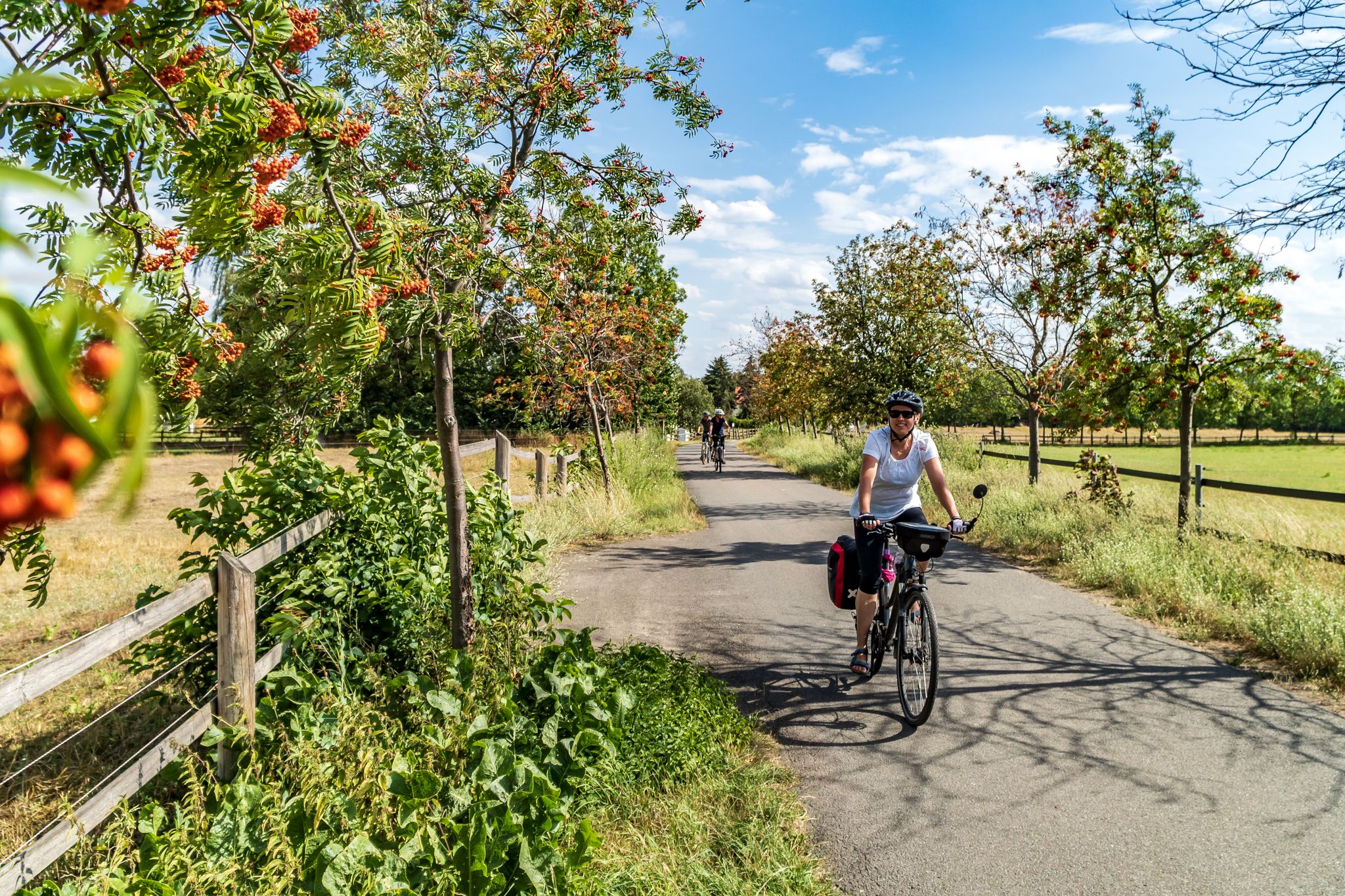
Cycling into the countryside – urban escapism around Leipzig
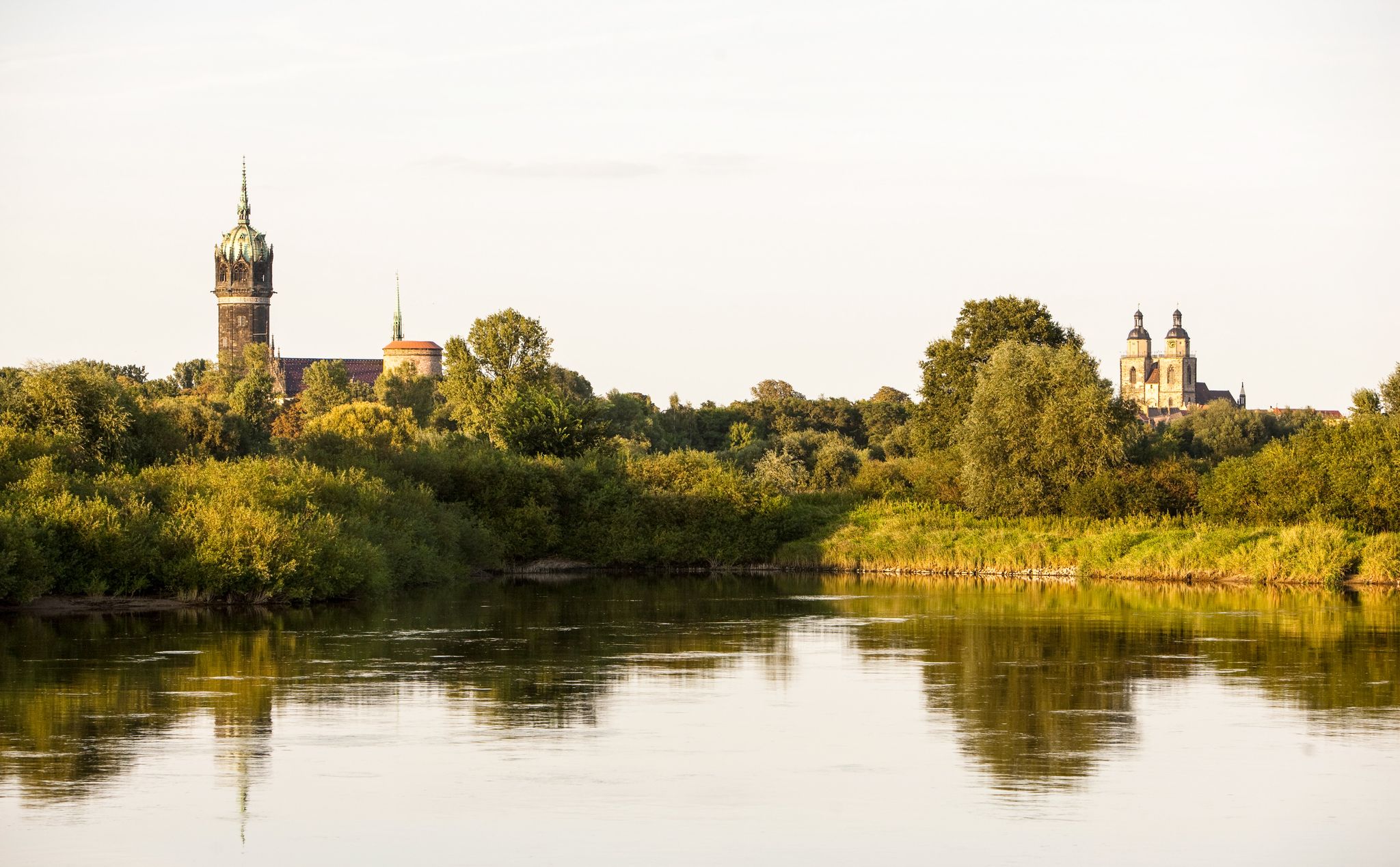
Holiday in Germany – Discover Saxony-Anhalt by bike
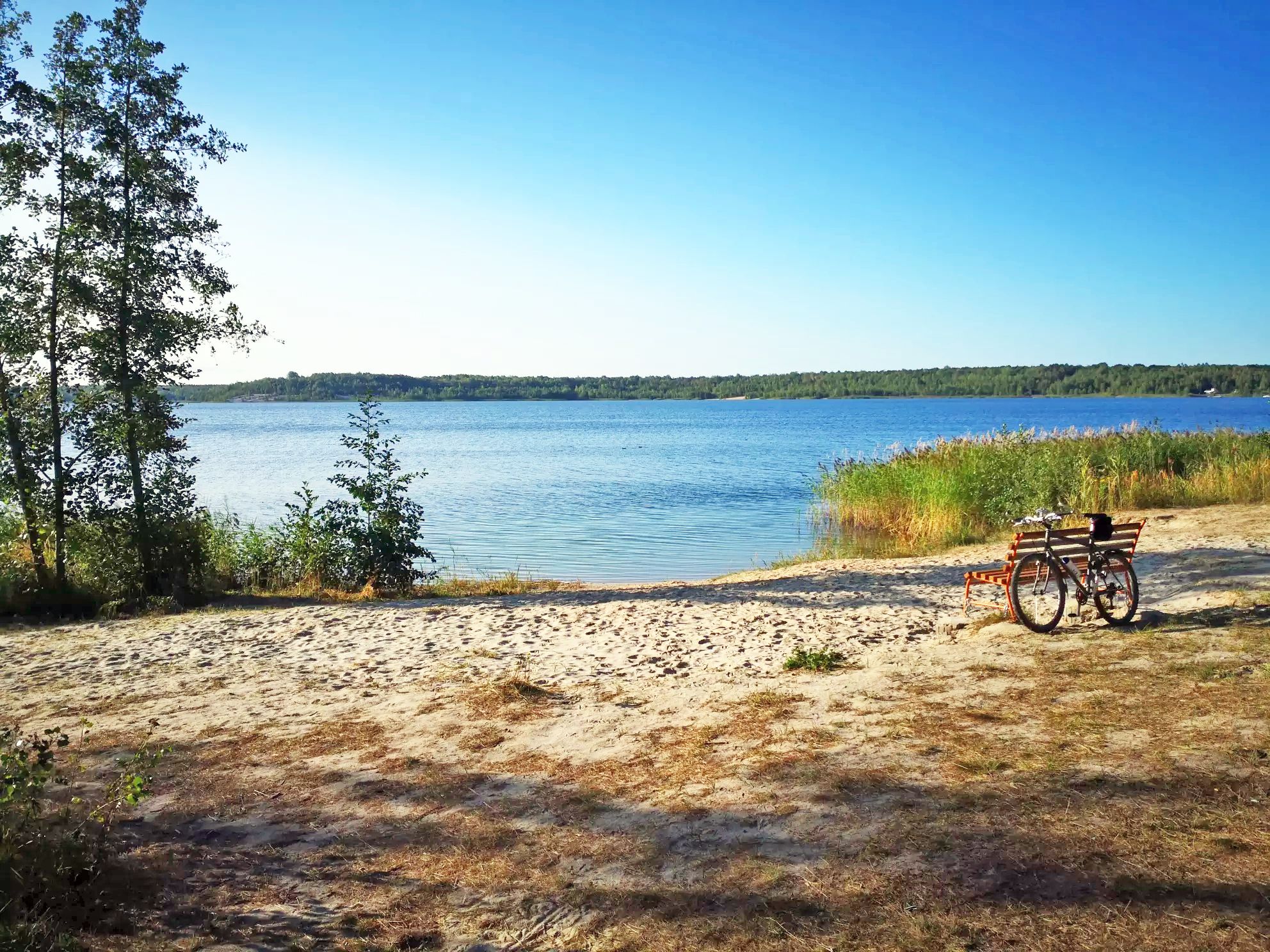
Ancient forests & pretty lakes – Cycling adventures around Leipzig
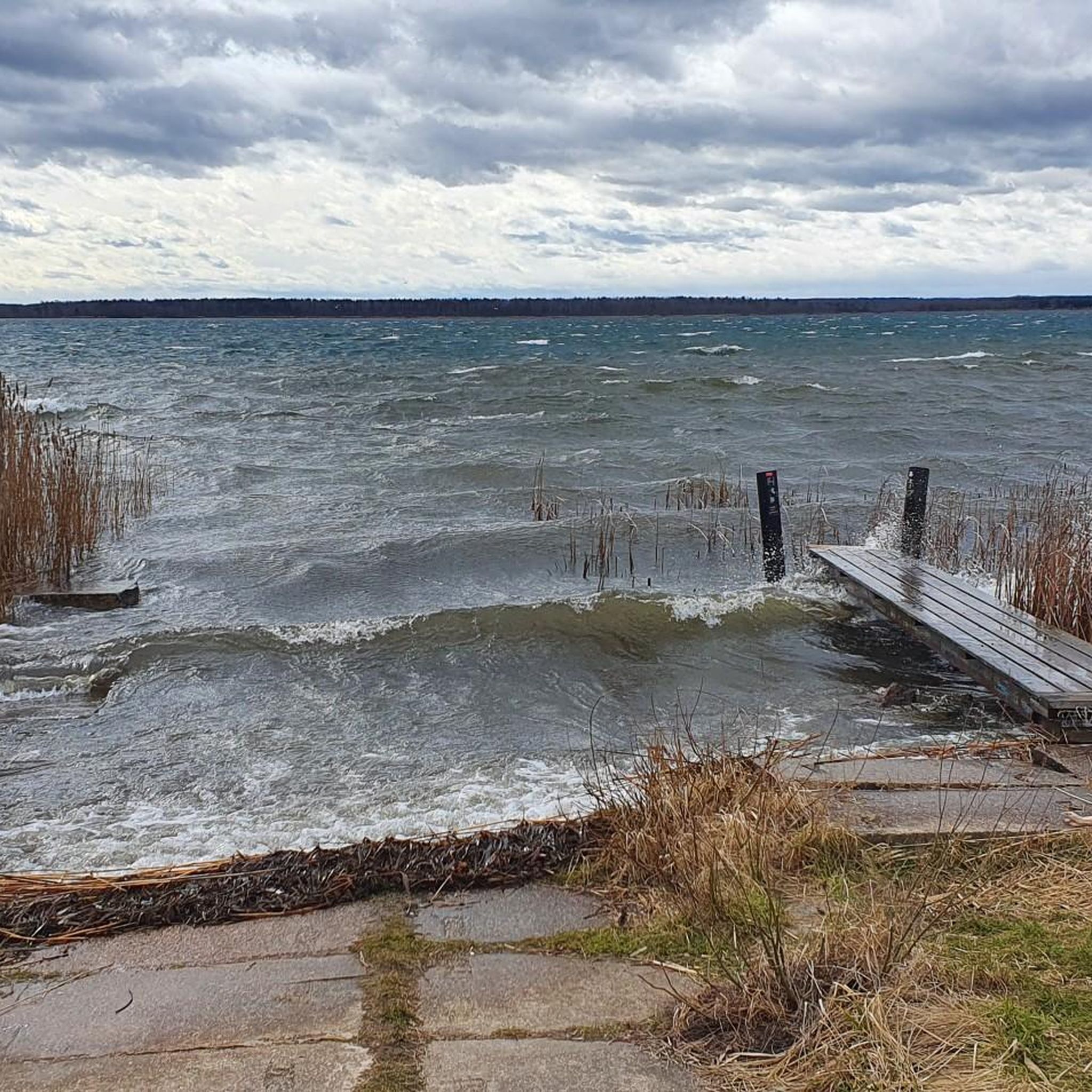
Hiking around Großer Goitzschesee
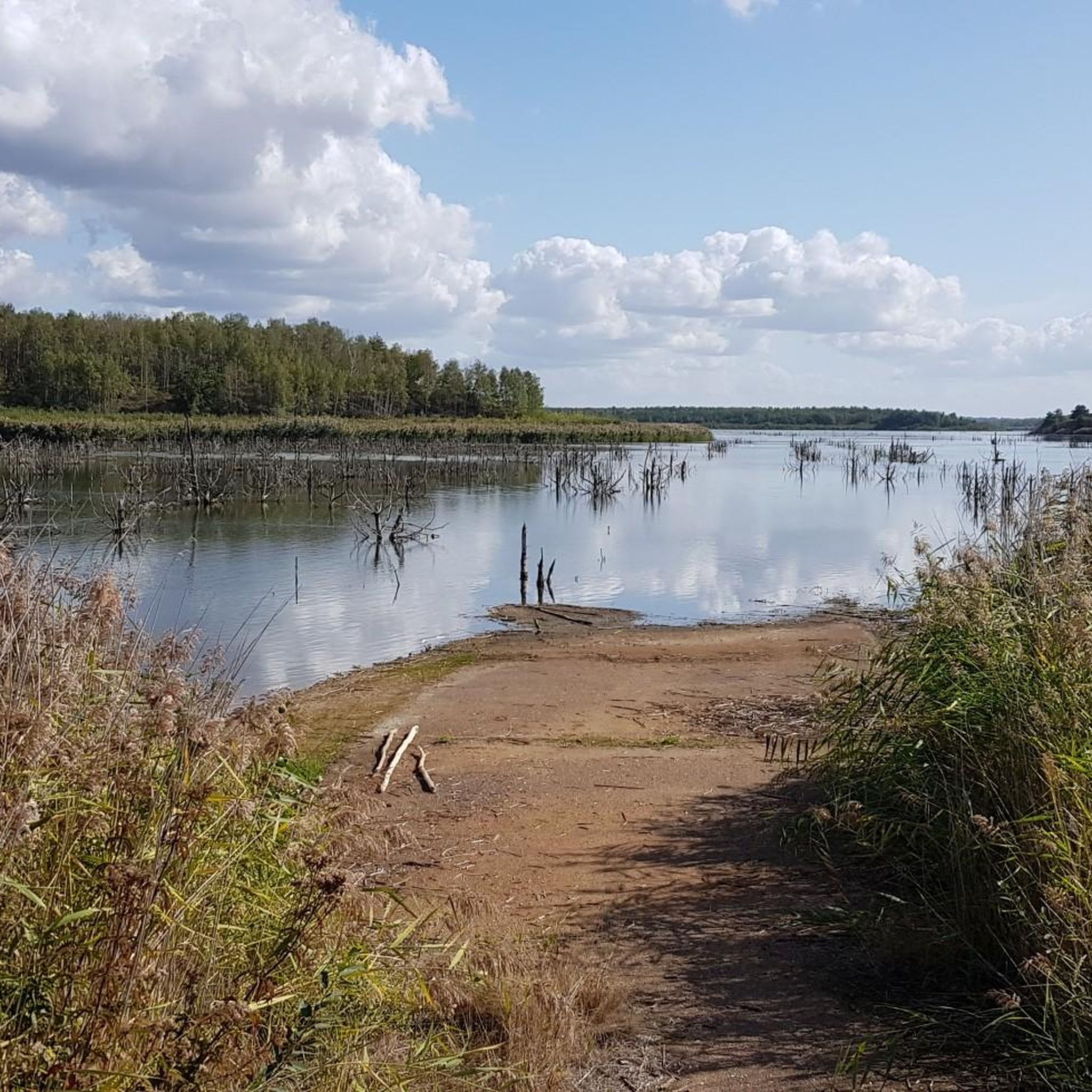
Running Trails around Großer Goitzschesee
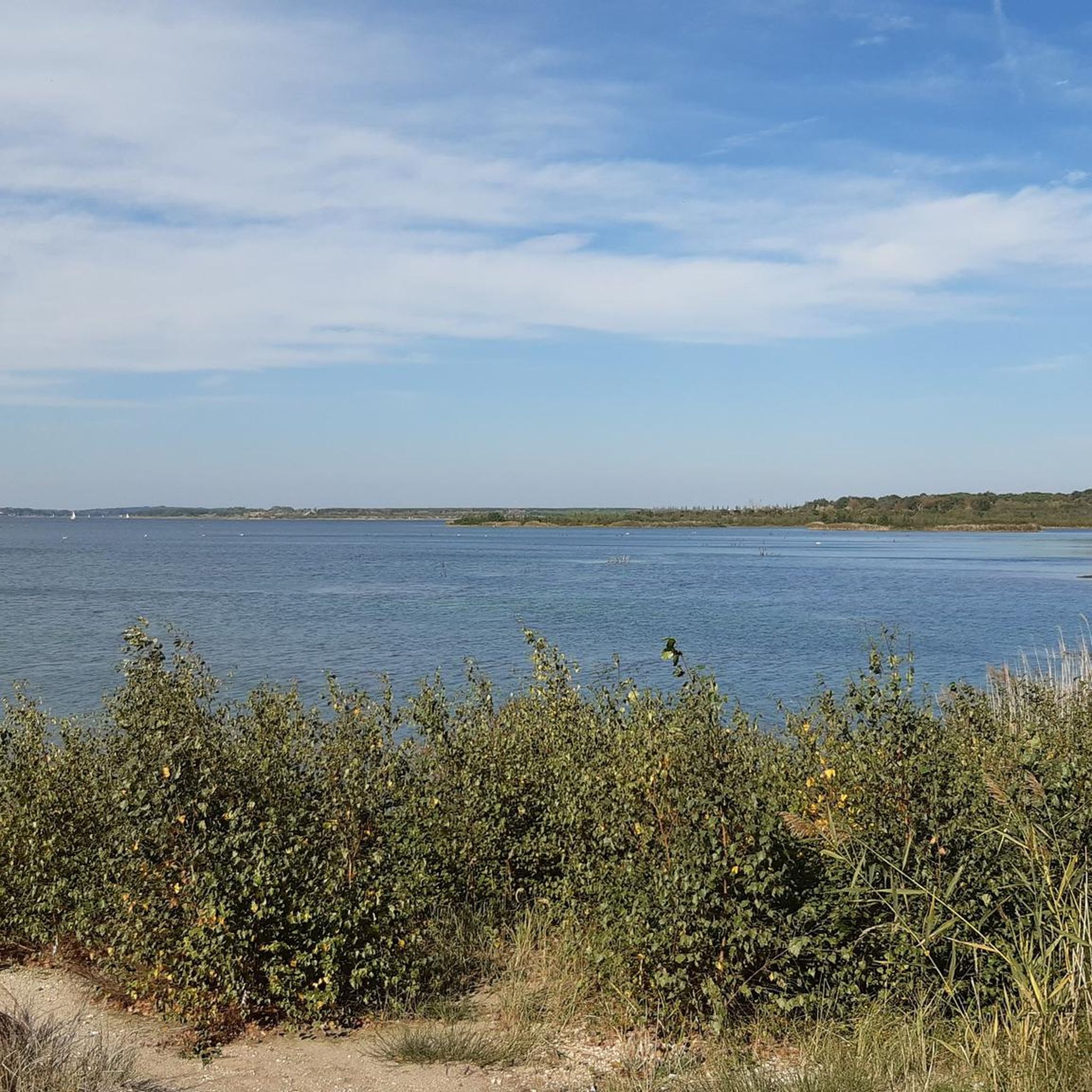
Road Cycling Routes around Großer Goitzschesee
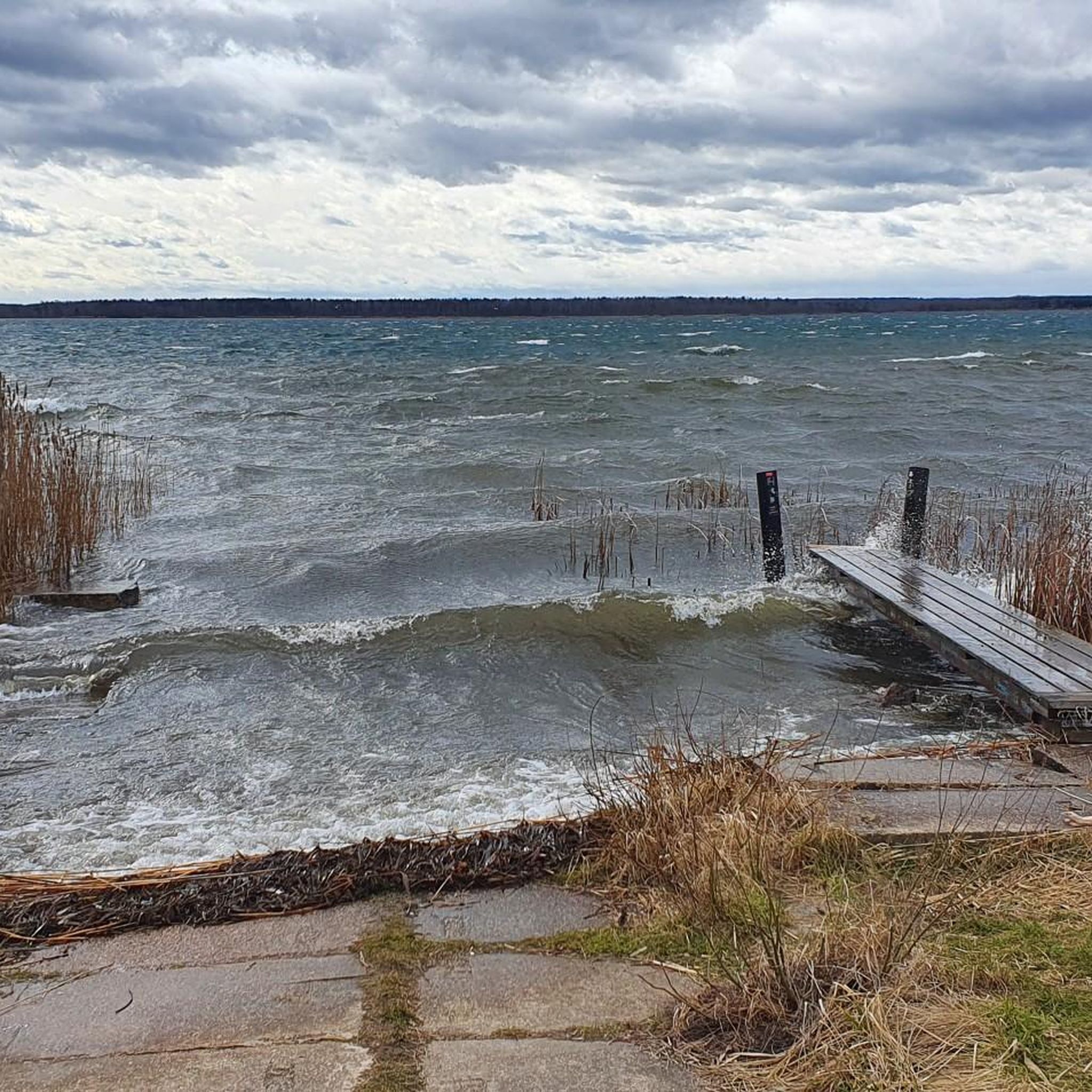
MTB Trails around Großer Goitzschesee
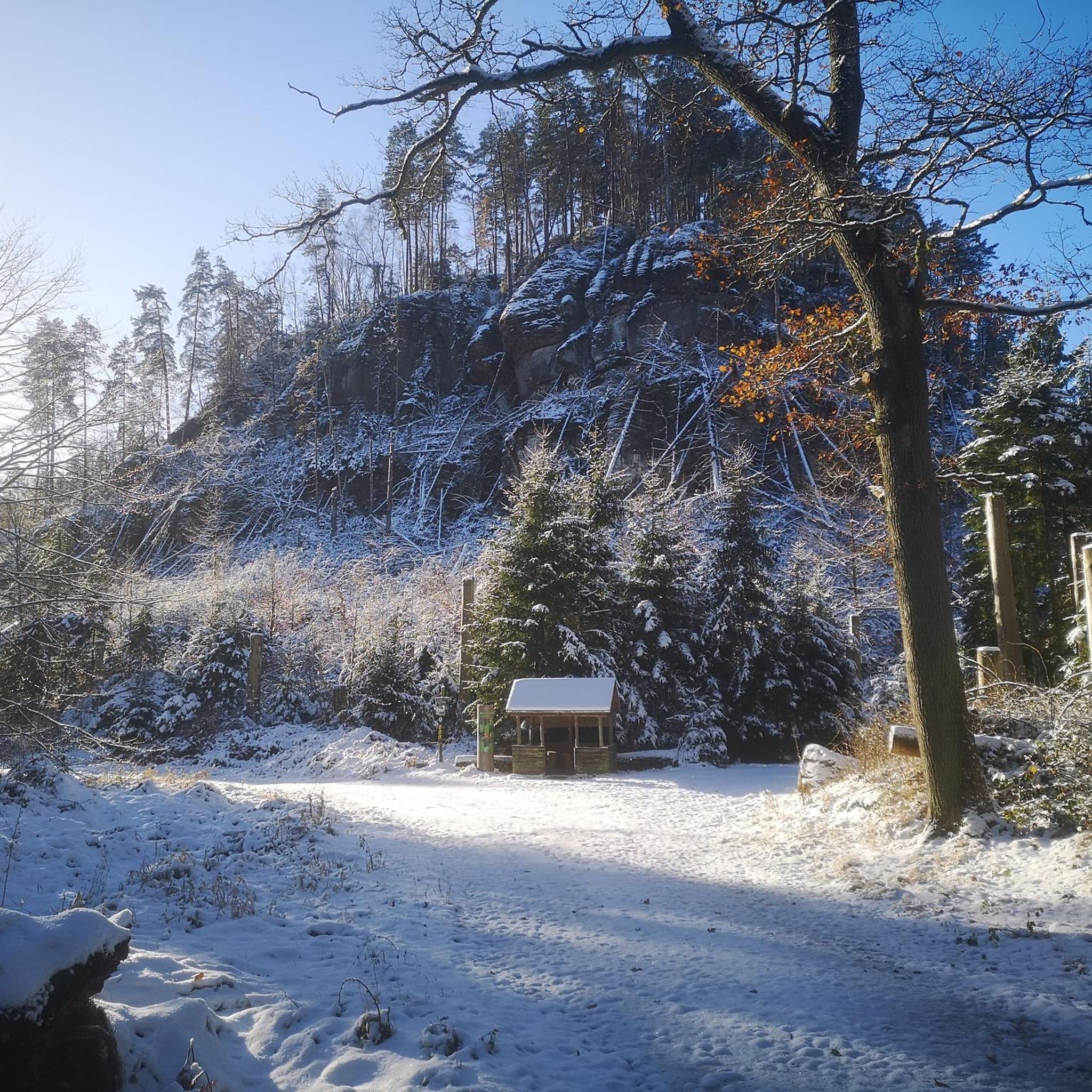
Gravel biking around Großer Goitzschesee
Other adventures around Großer Goitzschesee


Tips from the Community

The barrier structure near Friedersdorf is a 19 m high and 303 m long gravity dam with a construction volume of 40,000 m³. On February 17, 2023, a hydropower plant was commissioned, which is expected to generate 13.6 GWh of electrical energy per year. The construction cost 25 million euros and began in October 2016.[1] Source https://de.wikipedia.org/wiki/Muldestausee
1
0
The normal water level is around 79 m above sea level with a storage volume of approx. 115 million m³. The role of the Muldestausee as a flood retention basin is insignificant. However, the basin can temporarily retain 3 million m³ during floods (difference between total storage and usable storage). In fact, it is not a reservoir in the true sense, but rather a river dam. Since the flow velocity of the Mulde slows down considerably upon entering the lake, the Muldestausee acts as a sedimentation trap, into which approx. 400,000 t of solids (gravel, sand, silt) are deposited annually. These solids are missing from the river upon exiting the outlet structure, leading to a greater deepening of the riverbed of the lower Mulde and having ecological consequences. Source https://de.wikipedia.org/wiki/Muldestausee
1
0
After the excavation of coal from the Muldenstein open-cast mine (1954–1975), the relocation of the Mulde river over a distance of approximately eleven kilometers was necessary to expand the Goitzsche open-cast mine (today's Großer Goitzschesee). Part of the new river course was laid through the excavated Muldenstein open-cast mine. Flooding took place from April 30, 1975, to March 1, 1976. The Muldestausee lake has an inlet and an outlet structure. Source https://de.wikipedia.org/wiki/Muldestausee
1
0
The Muldestausee is an flooded open-cast mine in the district of Anhalt-Bitterfeld/Sachsen-Anhalt. Its bordering towns are Friedersdorf, Schlaitz, Pouch and Mühlbeck. With a surface area of 6.3 km², it is the third largest body of water in the state of Saxony-Anhalt. Its length is approx. 9 km, its widest point is 2 km, and its greatest depth is 35 m Source https://de.wikipedia.org/wiki/Muldestausee
1
0
The village of Seelhausen was buried in 1987 during the expansion of the Goitzsche open-cast mine. The Seelhausen Lake was created by flooding the remaining open-cast mine pit. It lies west of Löbnitz, south of Bitterfeld, and north of Delitzsch, in the Central German Lake District. From the end of July 2000, the lake was filled with water from the Mulde River via a pipeline at a rate of 1 m³/s[1] until the pipeline was destroyed by the Elbe River flood in 2002. Since then, the lake has been fed by the Lober-Leine Canal. According to the LMBV (Lausitz and Central German Mining Company), 96% of the planned water level had been reached by March 2004. The flooding work was completed in 2005.[1] A beach area has since been built at the flooding site, and further development of the lake as a recreational area is planned. The larger Goitzsche Lake lies northwest of the Seelhausen Lake. The lake district also includes Lake Paupitzsch, Lake Holzweißig, Lake Ludwig, Lake Neuhaus, and Lake Zöckeritz with Essigloch and Lake Auensee. The total surface area of all lakes in the former Goitzsche open-cast mine is estimated at 24 square kilometers. Lake Seelhausen is a former open-cast mine lake with a water level of 78 meters above sea level. Its storage capacity is 74 million cubic meters, with a surface area of 622 hectares. Source: https://de.wikipedia.org/wiki/Seelhausener_See
2
0
Lake Seelhausen is a former open-cast mining lake of approximately 622 hectares, formed from the former Rösa lignite mine (part of the Goitzsche). It lies mostly in the German state of Saxony and partly in Saxony-Anhalt. Source: https://de.wikipedia.org/wiki/Seelhausener_See
2
0
Frequently Asked Questions
How many touring cycling routes are available around Großer Goitzschesee?
There are over 600 touring cycling routes around Großer Goitzschesee, offering a wide range of options for different preferences and fitness levels. The majority, over 400, are considered easy, with a good number of moderate and difficult routes also available.
What is the typical terrain and difficulty level for cycling around Großer Goitzschesee?
The terrain around Großer Goitzschesee is generally flat with minimal elevation changes, making it accessible for most riders. Many routes feature mostly paved surfaces, ensuring a smooth cycling experience. While most routes are easy, there are also moderate and some more challenging options for those seeking a greater workout.
Are there any circular touring cycling routes around Großer Goitzschesee?
Yes, the region is well-known for its circular paths. The Großer Goitzschesee Gauge Tower – Bitterfeld Arch loop from Pouch is a popular option, offering continuous scenic views. Another great choice is the Great Goitzsche Lake – Großer Goitzschesee Gauge Tower loop from Mühlbeck, which provides further opportunities to experience the lake and its iconic tower.
What landmarks and natural features can I see along the touring cycling routes?
The routes offer a unique blend of transformed industrial landscapes and flourishing nature. You can encounter prominent landmarks like the 26-meter-high Goitzschesee Water Level Tower and the architectural Bitterfeld Arch. The area is also rich in biodiversity, with parts designated as nature reserves, making it a haven for waterfowl and other wildlife. The Großer Goitzschesee itself, a former lignite mine, is a testament to successful environmental restoration.
Are there any family-friendly touring cycling routes around Großer Goitzschesee?
Yes, many routes around Großer Goitzschesee are suitable for families due to their easy difficulty and mostly paved surfaces. The minimal elevation changes make for a relaxed ride. For example, the Red Tower Pouch – Great Goitzsche Lake loop from Bitterfeld is an easy, shorter option that families might enjoy.
What do other touring cyclists enjoy most about cycling in Großer Goitzschesee?
The area is highly rated by the komoot community, with an average score of 4.5 stars from over 7400 reviews. Cyclists often praise the extensive lake views, the well-maintained, mostly paved paths, and the unique landscape that blends industrial heritage with flourishing nature. The accessibility for various fitness levels is also frequently highlighted.
Are there places to eat or get refreshments along the cycling paths?
Yes, the Stadthafen Bitterfeld (City Harbor) is a vibrant area that offers restaurants and ice cream parlors, making it a pleasant stop during a cycling tour. You'll find various opportunities for refreshments, especially in the towns and villages bordering the lake.
Can I rent a bike or e-bike in the Großer Goitzschesee area?
Yes, bike rentals are available in the Großer Goitzschesee area for those who don't bring their own. This includes options for e-bikes, allowing more people to enjoy the extensive network of paths around the lake.
What is the best time of year to go touring cycling around Großer Goitzschesee?
The spring, summer, and early autumn months generally offer the most pleasant conditions for touring cycling around Großer Goitzschesee. During these seasons, the weather is typically mild, and the natural landscape is at its most vibrant, making for an enjoyable outdoor experience.
Are there any routes that pass by historical sites or points of interest?
Yes, some routes incorporate historical elements. For instance, the Lutherweg Sachsen Anhalt passes through the area, offering informational plaques about Martin Luther's journey. Additionally, the region's industrial past is evident in the transformed landscape, providing a unique historical context to your ride. The Salegast Church Ruins – Salegaster Forst Forest Path loop from Bitterfeld offers a glimpse into local history.
Is public transport available to reach the cycling routes, and can I bring my bike?
Public transport options are available to reach the Großer Goitzschesee area. While specific details on bringing bikes on all public transport vary, it's generally possible on regional trains. It's advisable to check with local transport providers for their specific policies regarding bicycle carriage before your trip.
Where can I find parking spots for my car when starting a cycling tour?
There are various parking spots available around Großer Goitzschesee, particularly near popular starting points like Pouch, Mühlbeck, and Bitterfeld. These locations often have designated parking areas for visitors, making it convenient to access the cycling routes.
Most popular routes around Großer Goitzschesee
Most popular attractions around Großer Goitzschesee

Get inspired with the komoot mobile app


Explore more
Browse the best Cycling routes in other regions.
