The 12 Most Amazing Peaks around Yosemite Valley
Best mountain peaks around Yosemite Valley are defined by their granite formations and glacial history. This glacial canyon in California's Sierra Nevada mountains features iconic rock formations and towering summits. The region is renowned for its unique geological features, offering diverse experiences for visitors. These natural landmarks provide a range of challenges and viewpoints across the landscape.
Best mountain peaks around Yosemite Valley
- The most popular mountain peaks is Sentinel Dome, a summit that provides 360-degree views of Half Dome, El Capitan, and Yosemite Falls. It is easily accessible from Glacier Point.
- Another must-see spot is Clouds Rest ⛰️ (9,930 feet) Yosemite National Park, a challenging summit with a knife-shaped back. Visitors can expect panoramic views from its elevation of over 9,900 feet.
- Visitors also love El Capitan Summit, a natural monument and challenging climb. This granite monolith rises about 3,000 feet from base to summit, offering unique perspectives of Yosemite Valley.
- Yosemite Valley is known for its granite monoliths, domes, and pinnacles. The variety of mountain peaks to see and explore includes challenging climbs, intermediate trails, and viewpoints.
- The mountain peaks around Yosemite Valley are appreciated by the komoot community, with 15 upvotes and 27 photos shared by visitors.
Last updated: August 30, 2026
Half Dome Summit
Highlight • Summit
Tip by

Sentinel Dome
Highlight • Summit
Translated by Google •
Tip by

Sign up now to discover places like this
Get recommendations on the best single tracks, peaks, & plenty of other exciting outdoor places.
Sign up for free
Eagle Peak
Highlight • Summit
Eagle Peak can be reached by following the Upper Yosemite Falls and Eagle Peak trailsfor 6.0 miles (9.7 km) one way with a climb of over 3,500 feet (1,100 m) from the trailhead at Camp 4 near Yosemite Village. It passes near Yosemite Falls and affords many views of the valley.
For an easier hike with more views ( komoot.de/tour/6939644 ) the peak can also be reached from the Tamarack Flat Campground located off the Tioga Pass Road at about 6,400 feet (2,000 m). It follows the El Capitan trail for 7.7 miles (12.4 km). After descending to Camp 4 a free shuttlebus can be taken back to the start.
Another route starts at Yosemite Creek Campground at an elevation of 7,200 feet (2,200 m). This trailhead is at the end of a very rough, single lane, 4-mile (6.4 km) road.
Tip by

Clouds Rest ⛰️ (9,930 feet) Yosemite National Park
Highlight • Summit
Tip by

Taft Point
Highlight • Viewpoint
Tip by
Sign up for free to discover even more peaks around Yosemite Valley.
Sign up for free
Already have an account?
Start today with a free account
Your next adventure awaits.
Login or Signup
Popular around Yosemite Valley
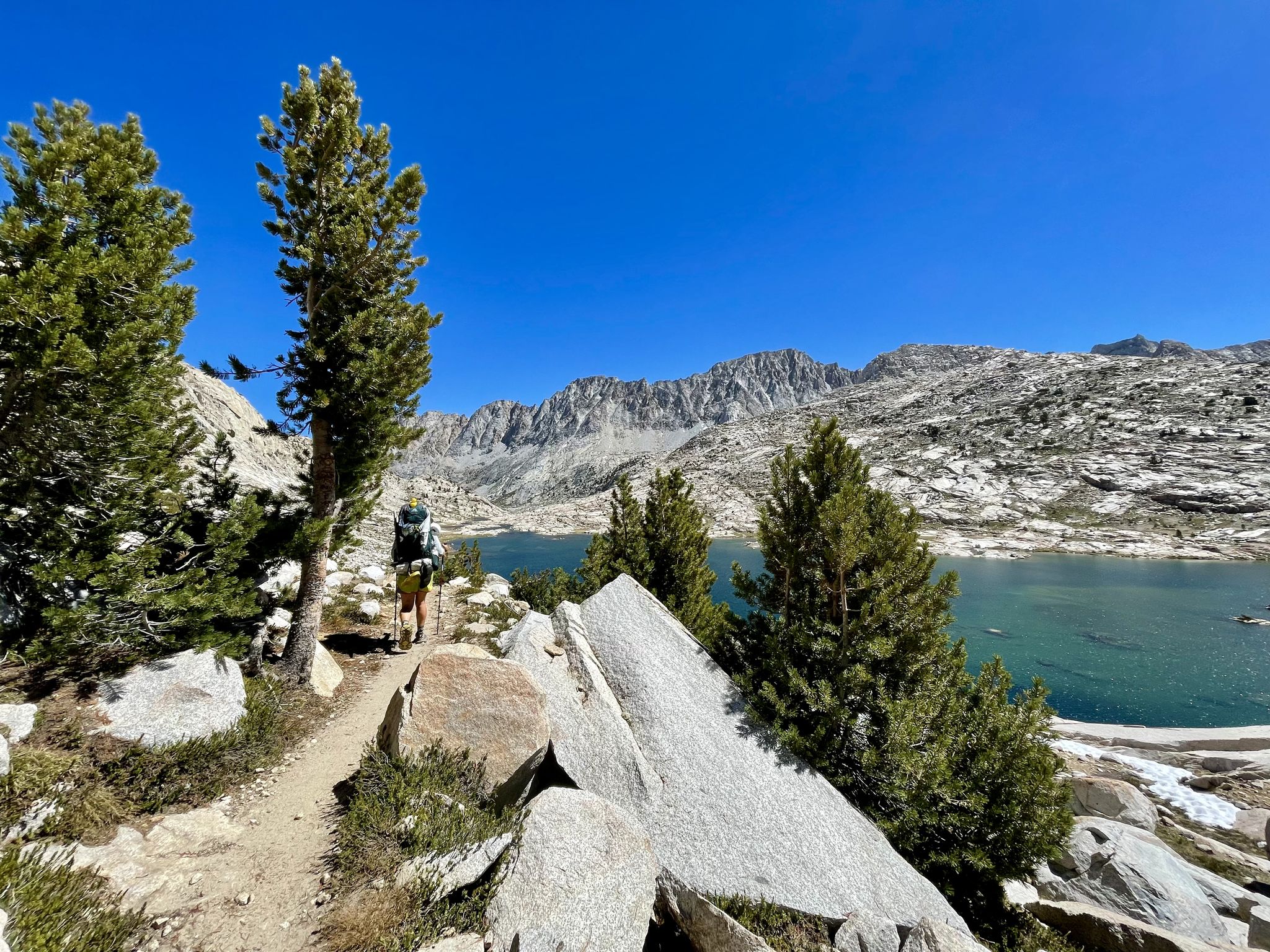
John Muir Trail – Along the legendary trail through the magical Sierra Nevada
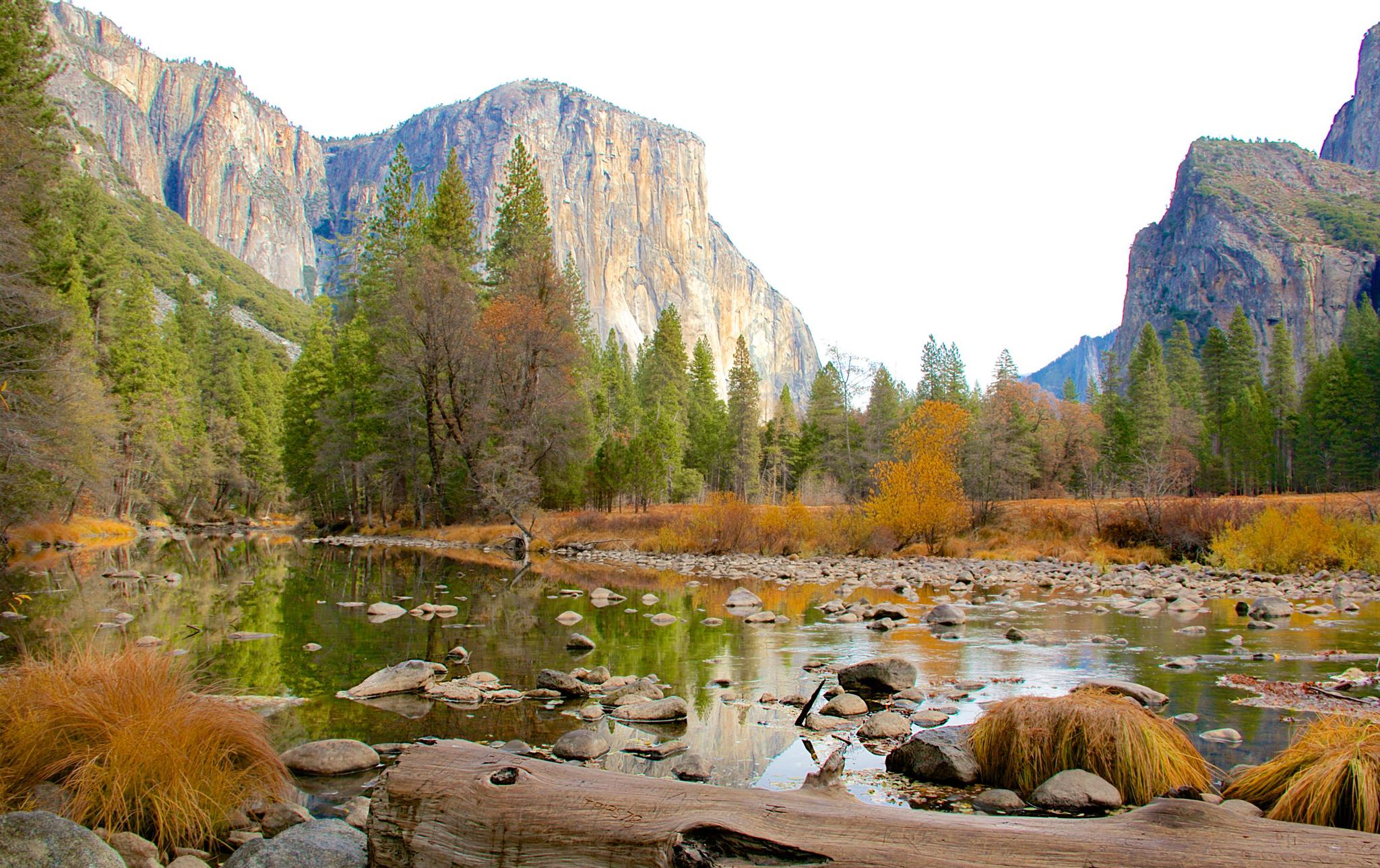
California to Nevada – hiking between Volcanoes, Water & Forest
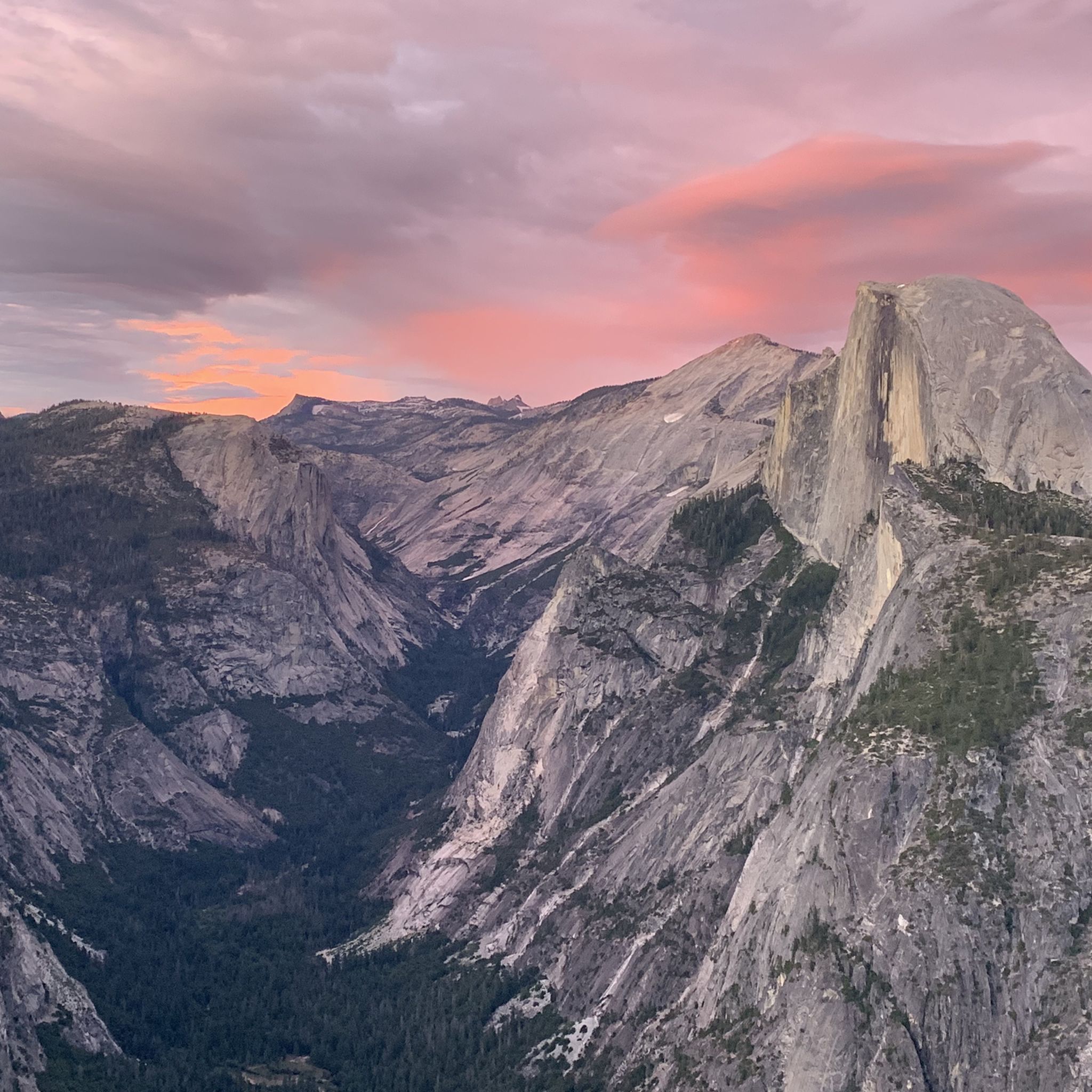
Hiking around Yosemite Valley
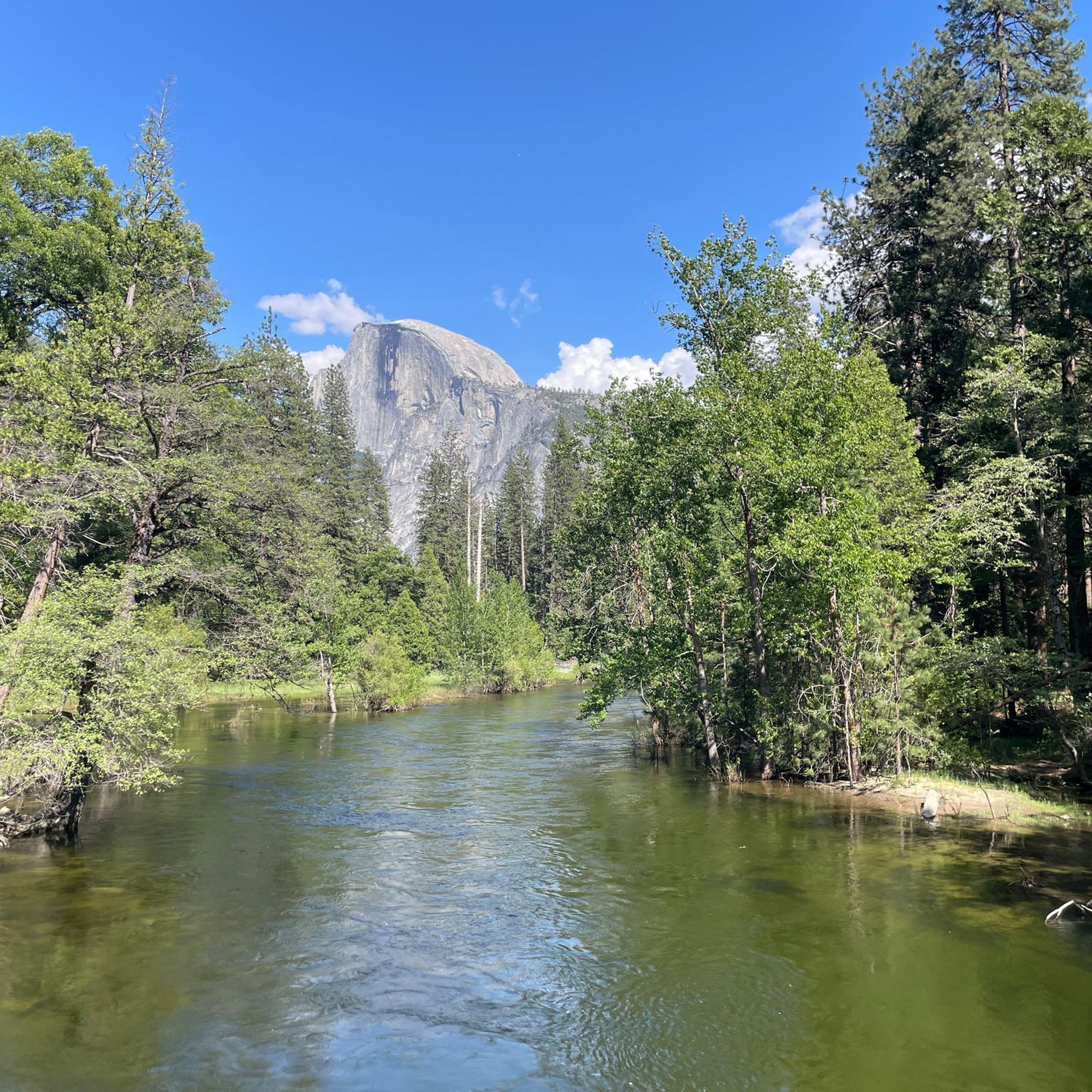
Cycling around Yosemite Valley
Road Cycling Routes around Yosemite Valley
MTB Trails around Yosemite Valley
Running Trails around Yosemite Valley


Tips from the Community


To climb the Sentinel Dome and enjoy the view at Taft Point, surefootedness is necessary!
0
0


Sentinel Dome, a majestic granite formation in Yosemite National Park, invites runners to its breathtaking heights. Situated on Yosemite Valley's south wall, this dome provides a 360-degree spectacle, offering views of Half Dome, El Capitan, Yosemite Falls, and more.
0
0

Long before you set foot in Yosemite National Park, you'll see the majestic Half Dome. Its silhouette, a striking peak that stretches 9,700 feet into the clear California sky, is not only the park's symbol, but has also found its way into pop culture and technology. Any Apple user with OS X Yosemite will recognize this symbol, and outdoor enthusiasts will recognize the shapes of this impressive mountain in The North Face logo. Viewed from the valley floor, Half Dome may seem unreachable, but it can be conquered - if you're willing to take on the challenge. It's a path that challenges both body and mind, taking you through an ever-changing landscape: from dense forests to bubbling streams to sheer rock faces. If you want to attempt the climb, note that a special permit is required, which is awarded annually in March. But even without a permit, Yosemite National Park, with its 3,000 square kilometers of untouched nature, offers an almost endless variety of hiking routes to explore. The final 120 meters of elevation of Half Dome pose a particular challenge: a steep, almost smooth piece of rock with an incline of up to 45 degrees. Here, wire ropes help to secure the way up. And even if the cables inspire respect in some people - they look worse than they are. With the right technique, gloves and a bit of courage, this section becomes an unforgettable experience. For those who prefer something a little more leisurely or are traveling in the company of family and friends, the park has a variety of less challenging routes. And after a long day of hiking, you can look forward to watching the picturesque sunset in one of the most breathtaking settings in the world before a shuttle bus takes you back to the starting point.
1
0

Beautiful mountain with a view of Half Dome, Yosemite Valley, Clouds Rest and many other peaks. Also easily accessible via the Sentinel Dome Trail. can be full
0
0

Clouds Rest is a prominent mountain along the icon John Muir Trail and a true gem in Yosemite National park. Although it is not the highest peak with an elevation of 9,930 feet, the views from the knife-shaped back that was shaped by glaciers are just breathtaking. If the trail is buried under deep snow, there is a Bypass Trail that leads you around the summit at a lower elevation.
2
2
Frequently Asked Questions
What are the most popular mountain peaks around Yosemite Valley for visitors?
Visitors frequently enjoy Sentinel Dome, which offers excellent 360-degree views of iconic landmarks like Half Dome, El Capitan, and Yosemite Falls. Another highly appreciated peak is Clouds Rest ⛰️ (9,930 feet) Yosemite National Park, known for its breathtaking panoramic views from its knife-shaped ridge. El Capitan Summit is also a favorite, providing unique perspectives of Yosemite Valley.
Are there any challenging mountain peaks for experienced hikers or climbers in Yosemite Valley?
Yes, Yosemite Valley is renowned for its challenging peaks. Half Dome is a significant challenge, requiring a permit for its strenuous 8.2-mile hike that includes a cable ascent. El Capitan is world-famous for big wall climbing, attracting elite climbers, though a challenging nearly 20-mile hiking trail also leads to its summit. The Cathedral Rocks also offer various adventurous Class 5 climbing routes.
What kind of views can I expect from the mountain peaks in Yosemite Valley?
The mountain peaks in Yosemite Valley offer diverse and spectacular views. From Sentinel Dome, you can see Half Dome, El Capitan, and Yosemite Falls. Clouds Rest ⛰️ (9,930 feet) Yosemite National Park provides panoramic vistas of the High Sierra and Yosemite Valley. Eagle Peak, the highest point on the north rim, offers one of the most comprehensive views of the valley, as noted by John Muir.
Are there family-friendly hiking options near the mountain peaks in Yosemite Valley?
While many peaks involve strenuous climbs, there are easier trails in the valley that offer views of the peaks. For example, the Lower Yosemite Fall Trail is an easy option. You can find more family-friendly routes in the Easy hikes around Yosemite Valley guide, which includes routes like the Yosemite Village to Mirror Lake trail.
What permits are required for hiking or climbing certain peaks in Yosemite Valley?
A special permit is required for the challenging ascent to Half Dome, which is awarded annually in March. For other backcountry peaks, permits may also be necessary, especially for overnight stays. It's always advisable to check the official Yosemite National Park website for the most current permit requirements before planning your trip.
What are some notable rock formations besides the main peaks in Yosemite Valley?
Beyond the prominent peaks, Yosemite Valley features several striking rock formations. The Cathedral Rocks, including Higher, Middle, and Lower Cathedral Rock, are a collection of pinnacles and buttresses known for their symmetrical balance. Sentinel Rock is another striking granite formation, recognized for its sheer face and needle shape, looming over the valley opposite Yosemite Falls.
What outdoor activities can I do near the mountain peaks in Yosemite Valley?
Besides hiking and climbing the peaks themselves, Yosemite Valley offers a range of outdoor activities. You can explore various hiking trails, from easy strolls to difficult mountain hikes. Cycling is also popular, with routes like the Yosemite Valley Loop Trail. For more options, check out the Mountain Hikes around Yosemite Valley and Cycling around Yosemite Valley guides.
When is the best time to visit Yosemite Valley for mountain peak exploration?
The best time to visit Yosemite Valley for mountain peak exploration largely depends on the activity. Spring and fall generally offer pleasant weather for hiking. Summer is popular but can be crowded, and some high-elevation trails might still have snow early in the season. Winter brings snow, making some trails inaccessible or requiring specialized gear, though it offers a unique, serene experience for those prepared for cold conditions.
How long does it take to hike some of the major mountain peaks in Yosemite Valley?
Hiking times vary significantly by peak and route. The strenuous hike to Half Dome is a full-day adventure, typically taking 10-12 hours round trip. Reaching El Capitan Summit via hiking trails can be an 8-mile (one way) journey, taking several hours. Shorter, easier hikes like the one to Sentinel Dome can be completed in about half an hour from Glacier Point.
Are there less crowded alternatives to the most popular peaks in Yosemite Valley?
While many peaks are popular, exploring areas slightly off the main tourist paths or visiting during the shoulder seasons (spring or fall) can offer a less crowded experience. For instance, while Clouds Rest ⛰️ (9,930 feet) Yosemite National Park is popular, its longer approach can deter some, making it feel less crowded than Half Dome. Exploring trails to Eagle Peak also offers stunning views with potentially fewer people than the most iconic spots.
What is the geological history behind Yosemite Valley's granite peaks?
Yosemite Valley's magnificent granite peaks and rock formations were primarily formed through a combination of intrusive igneous activity and subsequent glacial erosion. Massive granite intrusions occurred approximately 87 million years ago, forming the bedrock. Later, during the Ice Ages, glaciers carved through this granite, sculpting the valley into its U-shape and creating the sheer faces and domes seen today, such as the distinct shape of Half Dome and the colossal monolith of El Capitan.
Most popular routes around Yosemite Valley
Most popular attractions around Yosemite Valley

Get inspired with the komoot mobile app


Explore more
See even more amazing summits around Yosemite Valley with these guides:
