Attractions and Places To See around Twin Lakes - Top 20
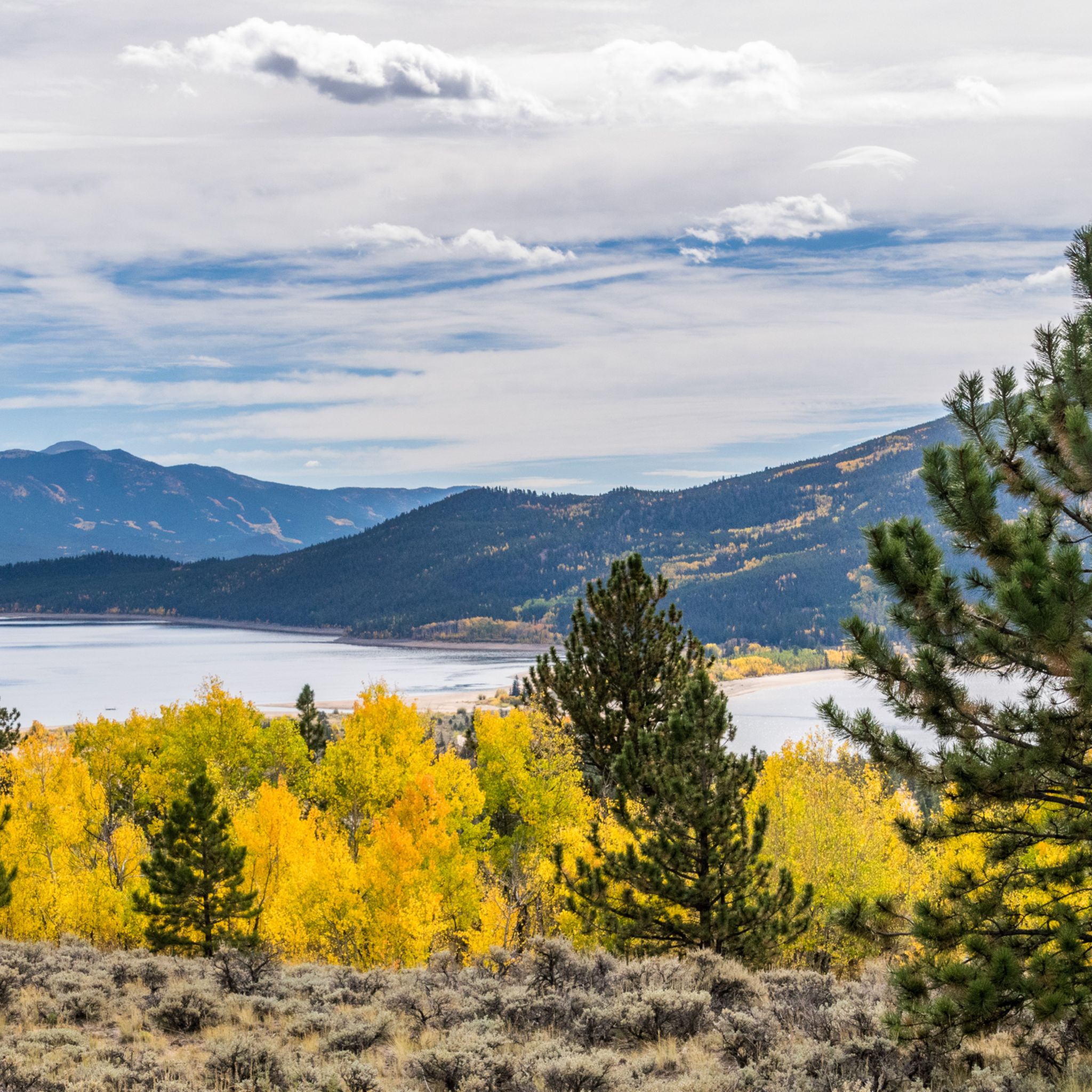
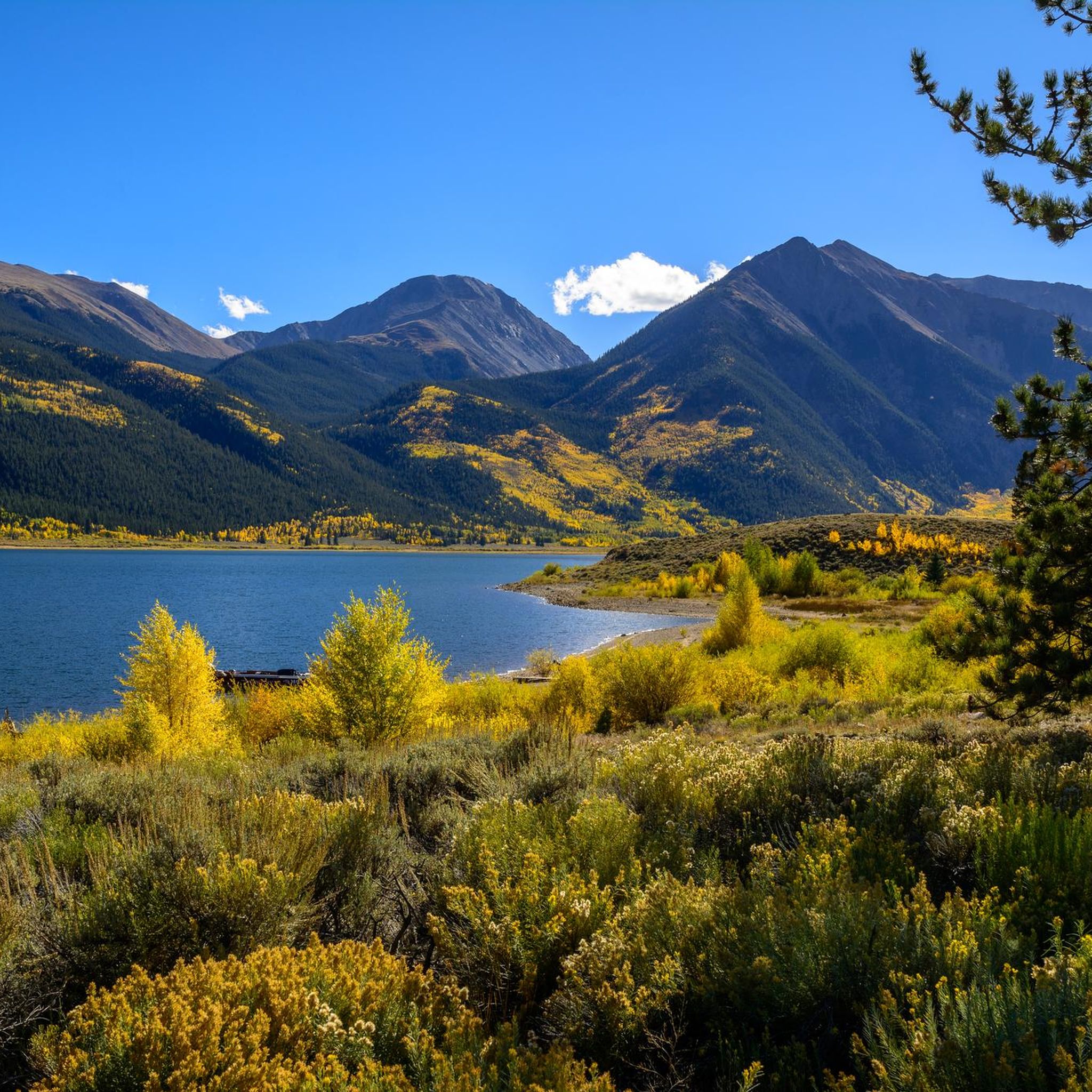
Best attractions and places to see around Twin Lakes, Colorado, include a scenic alpine community situated at the base of Mount Elbert, the state's highest peak. This area features two glacier-carved alpine lakes, which are central to its natural appeal. Historically a mining transportation hub, Twin Lakes now offers a blend of natural landscapes and significant historical sites for exploration.
Best attractions and places to see around Twin Lakes
- The most popular attractions is Summit of Mount Elbert, a…
Last updated: July 6, 2026
Summit of Mount Elbert
Highlight • Summit
Tip by

Mount Elbert Trailhead
Highlight • Trail
Tip by
Sign up now to discover places like this
Get recommendations on the best single tracks, peaks, & plenty of other exciting outdoor places.
Sign up for free
Lily Pond Lake
Highlight • Lake
Tip by
Hope Pass
Highlight • Mountain Pass
Tip by
Bridge Over Willis Creek at Colorado Trail and Willis Gulch Junction
Highlight • Bridge
Tip by
Sign up for free to discover even more attractions around Twin Lakes.
Sign up for free
Already have an account?
Start today with a free account
Your next adventure awaits.
Login or Signup

Tips from the Community

I saw an advertisement in a regional magazine from Ternitz and wanted to see if the technology was stable. I was frustrated after a series of bad card games and actually wanted to quit the whole thing. But Hot Chilli Bells https://hotchilli-bells.pro/ offered me a fresh start on the slot machines. I achieved a win that immediately lifted my mood and covered my old losses. I am very satisfied with the result today.
0
0

To be honest, it's a bit disappointing that they haven't managed to install a decent summit cross or other special marker on Colorado's highest mountain. Arizona, Texas, and New Mexico are much better at that on their highest mountains.
0
0

That was the starting point for our trail up to Mount Elbert.
0
0

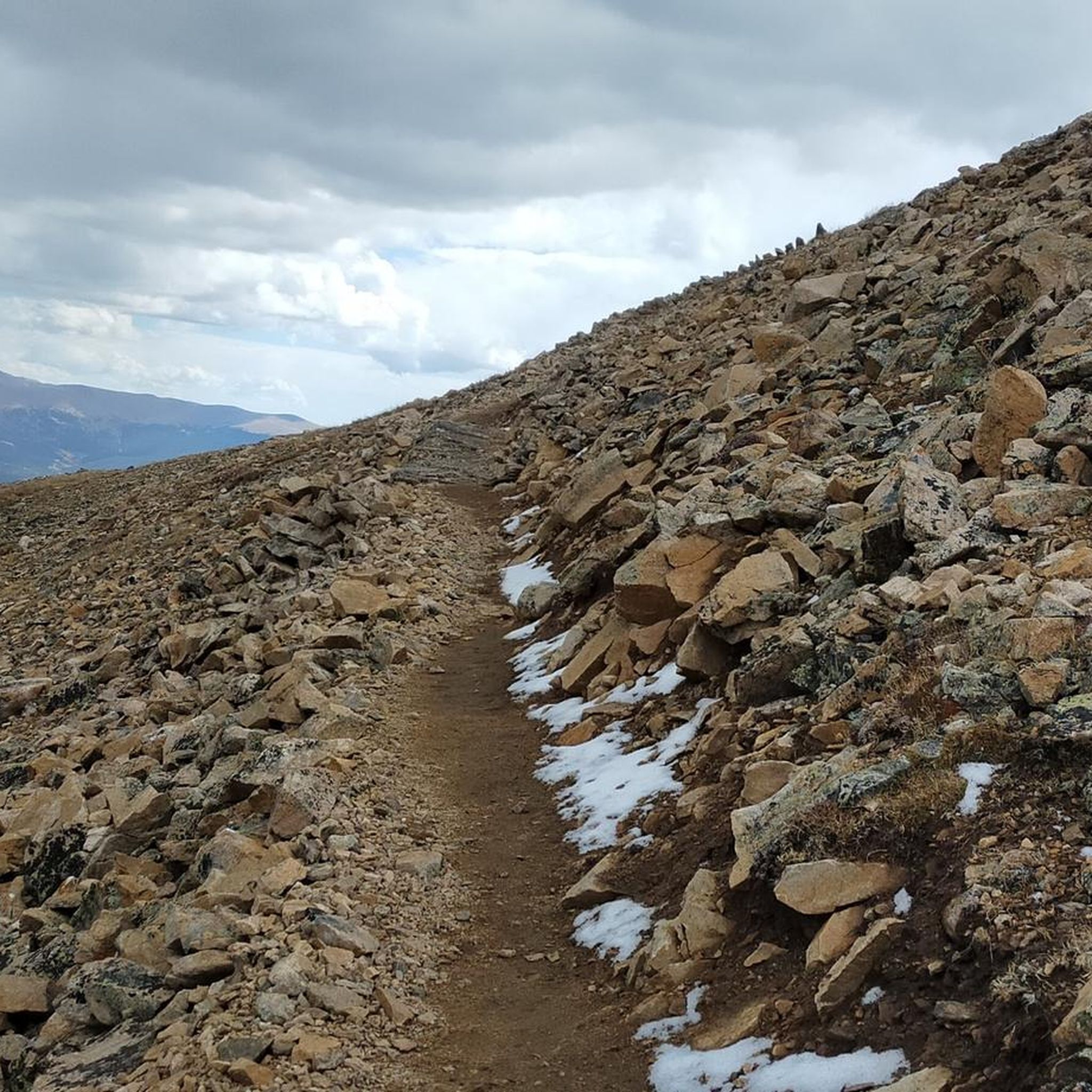
There are a handful of different places you can park to do Mount Elbert, but this is the official starting point for the Standard Route. The North Mount Elbert Trail shares its route with the Colorado Trail briefly before branching off and heading up the northern ridge of the mountain. The first couple miles of the route are runnable before the trail gets too steep (though it still definitely starts out uphill). This is a well maintained trail and a good first 14er to try to run.
0
0
Lily Pond Lake is actually a collection of small mountain pools at the eastern base of Mount Elbert. Beavers are constantly changing the way water flows around the area, and you can easily observe beavers, fish, birds, and frogs at these ponds. Some of the pools are directly beside the Colorado Trail, and some of the larger ponds are further down a spur trail. This is an easy detour to add on to other runs when you are passing by the area.
0
0
At the trail junction of the Colorado Trail and the Willis Gulch cutoff trail (coming directly from Willis Gulch Trailhead), there is a bridge crossing the creek running down from Willis Lake. In the spring and early summer months, this "creek" is somewhat raging and is a beautiful cascade from the upper alpine lake all the way down to Lake Creek. The Willis Gulch has a flat section leading to this bridge, but the Colorado Trail merges here in the middle of a big climb/descent. If traveling up to Hope Pass from Willis Gulch Trailhead, this is the last real "resting spot" before getting to the pass.
0
0
Reaching an altitude of 12,600 feet, Hope Pass is nearly 1,000 feet above treeline and is a true Rocky Mountain Pass. The trails on both sides of the mountain have to use switchbacks to reach the peak that can sometimes stay snow covered until late July. A wooden staff with prayer flags marks the top of the pass, which is sandwiched between Quail Mountain (13,469 feet) to the east and Mount Hope (13,941 feet) to the west. This marks the high point in the Leadville 100 trail race. Both sides of the pass feature steep climbs and steep descents, but aid stations await at the river crossings in both valleys.
0
0
At the trail junction of the Colorado Trail and the Willis Gulch cutoff trail (coming directly from Willis Gulch Trailhead), there is a bridge crossing the creek running down from Willis Lake. In the spring and early summer months, this "creek" is somewhat raging and is a beautiful cascade from the upper alpine lake all the way down to Lake Creek. The Willis Gulch has a flat section leading to this bridge, but the Colorado Trail merges here in the middle of a big climb/descent. If traveling up to Hope Pass from Willis Gulch Trailhead, this is the last real "resting spot" before getting to the pass.
0
0
Frequently Asked Questions
What are the prominent natural features around Twin Lakes?
The Twin Lakes themselves are a primary draw, offering clear blue mountain waters for various activities. The area is also dominated by Summit of Mount Elbert, Colorado's highest peak, and features other notable mountains like Mount Hope and La Plata Peak. Independence Pass offers awe-inspiring panoramic views, and the Lake Creek Valley showcases significant glacial deposits.
What historical sites can I explore in the Twin Lakes area?
You can explore the Historic Twin Lakes Village, which offers a self-guided walking tour starting at the Red Rooster Visitor Center, featuring a log cabin, blacksmith shops, and an 1895 schoolhouse. The remains of the Interlaken Resort (Ghost Town), a National Historic Site, are accessible via the Colorado Trail and include preserved structures like Dexter's cabin and a hotel.
Are there challenging hikes for experienced adventurers?
Yes, the ascent of Summit of Mount Elbert is a challenging hike, offering 360-degree views from Colorado's highest peak. Another demanding route is to Hope Pass, which reaches 12,600 feet and features steep climbs and descents. You can find more challenging routes in the Hiking around Twin Lakes guide.
What are some easy or family-friendly hiking options?
For easier walks, a serene 4.6-mile trek along the lakes to Interlaken is a notable segment of the Colorado Trail. The area around Lily Pond Lake also offers an easy detour to observe wildlife. The Hiking around Twin Lakes guide also lists easy routes like Forebay Dispersed Campground Road.
Can I find opportunities for wildlife viewing?
Yes, Lily Pond Lake is an excellent spot to observe beavers, fish, birds, and frogs, as beavers are constantly changing the water flow in the area. The natural surroundings of Twin Lakes generally offer chances to spot local wildlife.
What water activities are available on Twin Lakes?
The Twin Lakes are popular for boating, kayaking, paddleboarding, and fishing. Daily guided boat tours are also available, offering a unique way to explore the lakes' formation and historic sites.
When is the best time to visit Twin Lakes?
The summer months are ideal for outdoor activities like hiking, water sports, and exploring Independence Pass, which is only open seasonally. Winter offers opportunities for ice fishing and access to nearby ski areas like Ski Cooper.
Where can I find amenities like stores or visitor information?
The Red Rooster Visitor Center is a great starting point to learn about the area's history and attractions. The Historic General Store in Twin Lakes Village has been resupplying visitors since 1879, offering gas, groceries, souvenirs, and camping supplies.
Are there camping options available in Twin Lakes?
Yes, Twin Lakes offers several beautiful campsites. White Star and Dexter Point campgrounds are located right on the lake, while Lakeview campground provides amazing lake views.
What kind of outdoor activities are popular in the Twin Lakes area besides hiking?
Beyond hiking, the area is excellent for mountain biking, with several routes listed in the MTB Trails around Twin Lakes guide, including the 'Twin Lakes loop'. Running is also popular, with routes like the 'South Mount Elbert Trail' and 'Continental Divide Trail: Twin Lakes' detailed in the Running Trails around Twin Lakes guide.
Is Twin Lakes accessible for stargazing?
Yes, Twin Lakes is a popular spot for stargazing. Mount Bump, accessible via stairs and a ramp near the Red Rooster Visitor Center, offers bench seating and a flat area suitable for telescopes, providing excellent views of the night sky.
What is the significance of the Twin Lakes Historic District?
The Twin Lakes Historic District, listed on the National Register of Historic Places in 1974, marks the site of Dayton, Lake County's first county seat. It encompasses the historic village and other significant structures, preserving the area's rich mining and resort history.
Most popular attractions around Twin Lakes

Get inspired with the komoot mobile app


Explore more
Still not found the Highlight you’re looking for? See guides of the top attractions in other regions:
