Attractions and Places To See around Jupiter Inlet Colony - Top 16
Best attractions and places to see around Jupiter Inlet Colony include a mix of natural features, historic sites, and outdoor activities. This coastal community offers access to the Jupiter Inlet, connecting the Indian River Lagoon and Loxahatchee River to the Atlantic Ocean. The area is characterized by diverse habitats, including tropical hardwood hammock and mangrove wetlands, alongside significant archaeological sites. Visitors can explore a variety of parks, beaches, and waterways.
Best attractions and places to see around Jupiter Inlet Colony
…Last updated: July 15, 2026
Riverbend Park Trail
Highlight • Trail
Tip by

Juno Beach
Highlight • Beach
Tip by

Sign up now to discover places like this
Get recommendations on the best single tracks, peaks, & plenty of other exciting outdoor places.
Sign up for free
Jupiter Beach Park
Highlight • Beach
Tip by

Blowing Rocks Park
Highlight • Natural Monument
Tip by
Loggerhead Park
Highlight • Beach
Tip by
Sign up for free to discover even more attractions around Jupiter Inlet Colony.
Sign up for free
Already have an account?
Start today with a free account
Your next adventure awaits.
Login or Signup

Tips from the Community

Unfortunately, this natural wonder isn't always visible… it requires specific weather and water conditions. It's still quite a walk from the parking lot… making it difficult for strollers or wheelchairs.
0
0


Jupiter Beach Park lies on the south side of the Jupiter Inlet. It has 1,700 feet of guarded beach, picnic areas with grills, restrooms, outdoor showers and a sand volleyball court. Park hours are sunrise to sunset but inlet fishing is available 24 hours. To rent a pavilion please call (561) 966-6611
0
0

This park is named after the threatened species of turtle and is located right off Juno Beach. It features the Loggerhead Marinelife Center, which focuses on the protection and conservation of sea turtles.
0
0

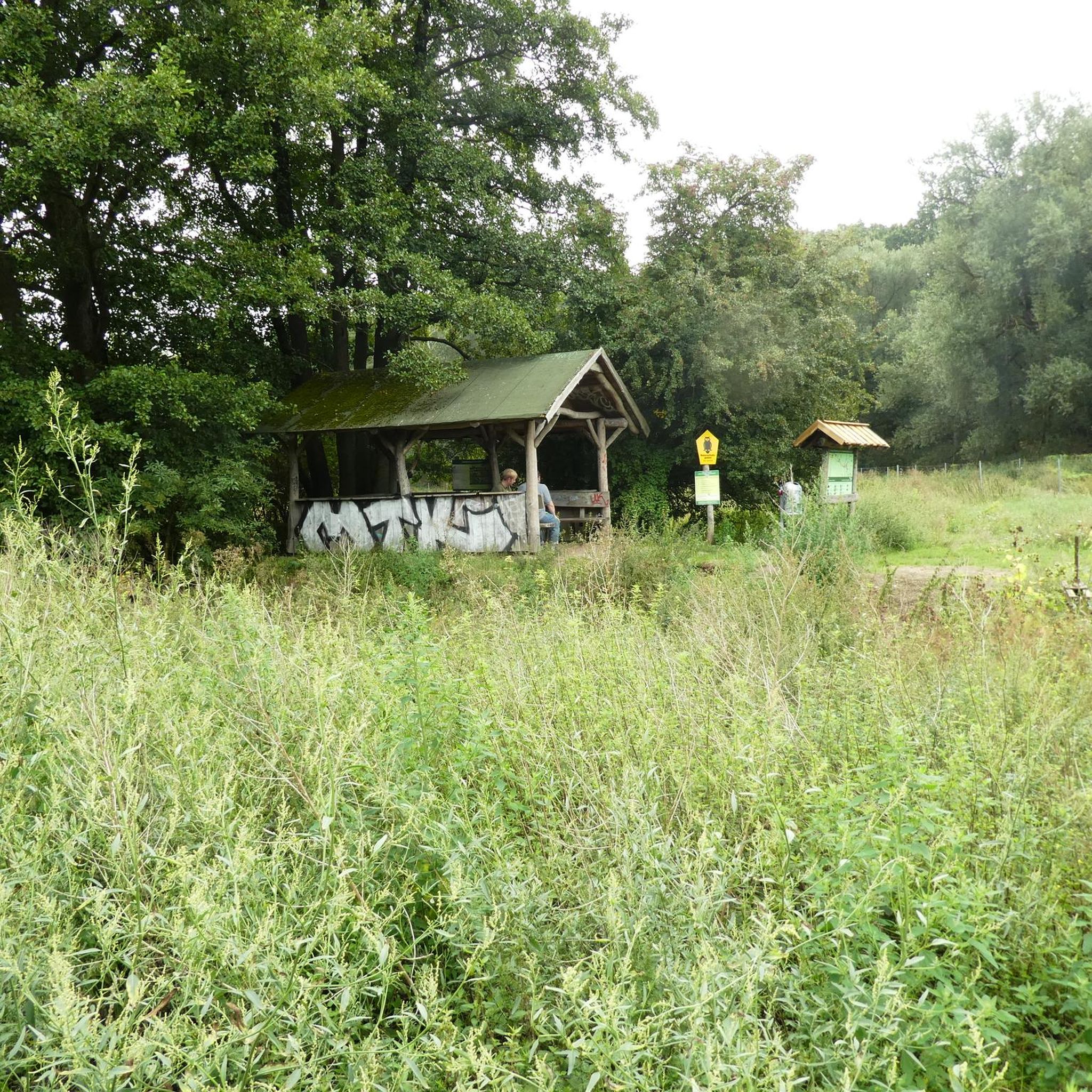
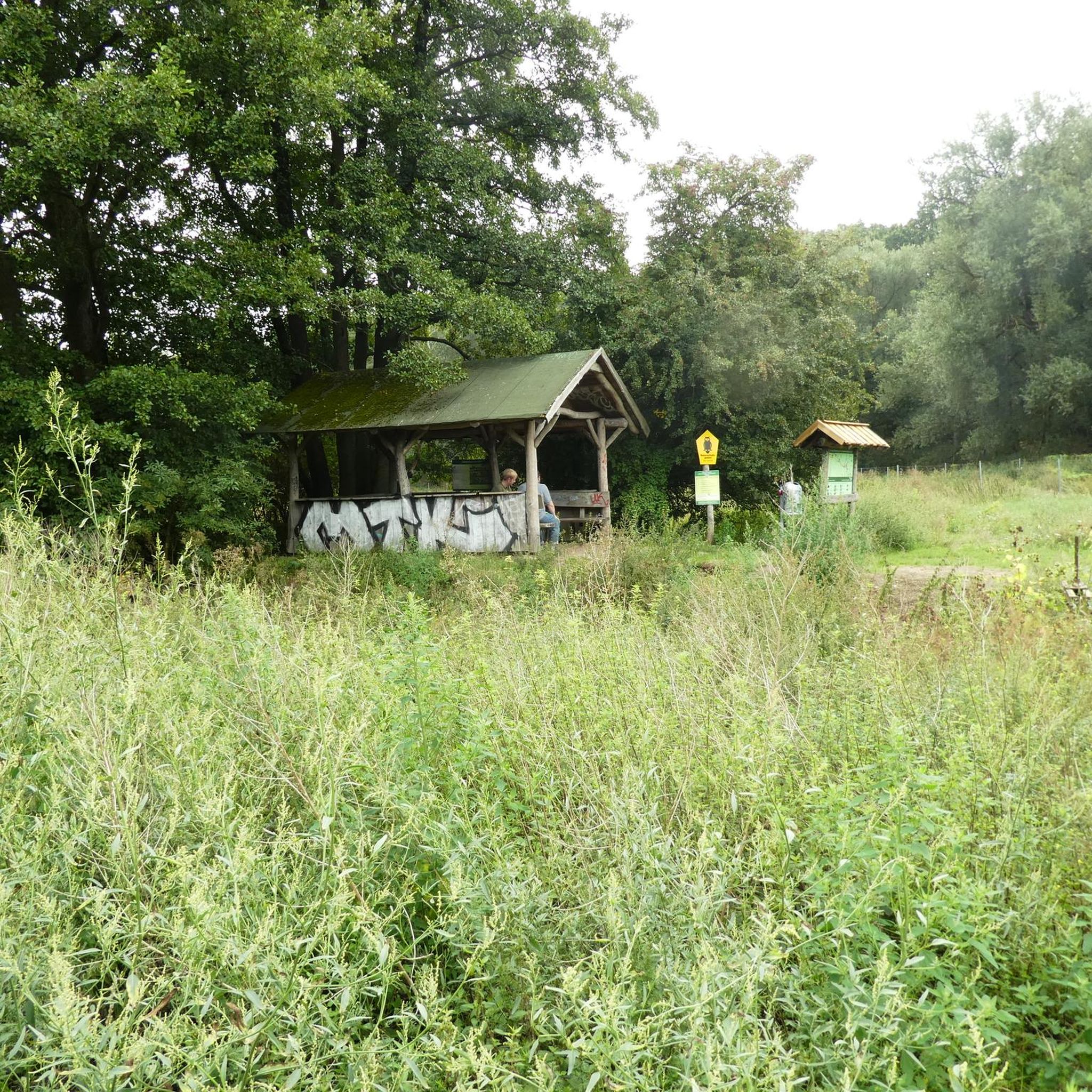
Ten miles of hiking/biking trail run through the nice Riverbend Park including a small portion of the Ocean to Lake Hiking Trail. There are some picnic chickees and picnic pavilions if you want to spend a relaxing day in the park. You can also bring your kayak or canoe for a little cruise. Opening hours: from sunrise to sunset.
0
0

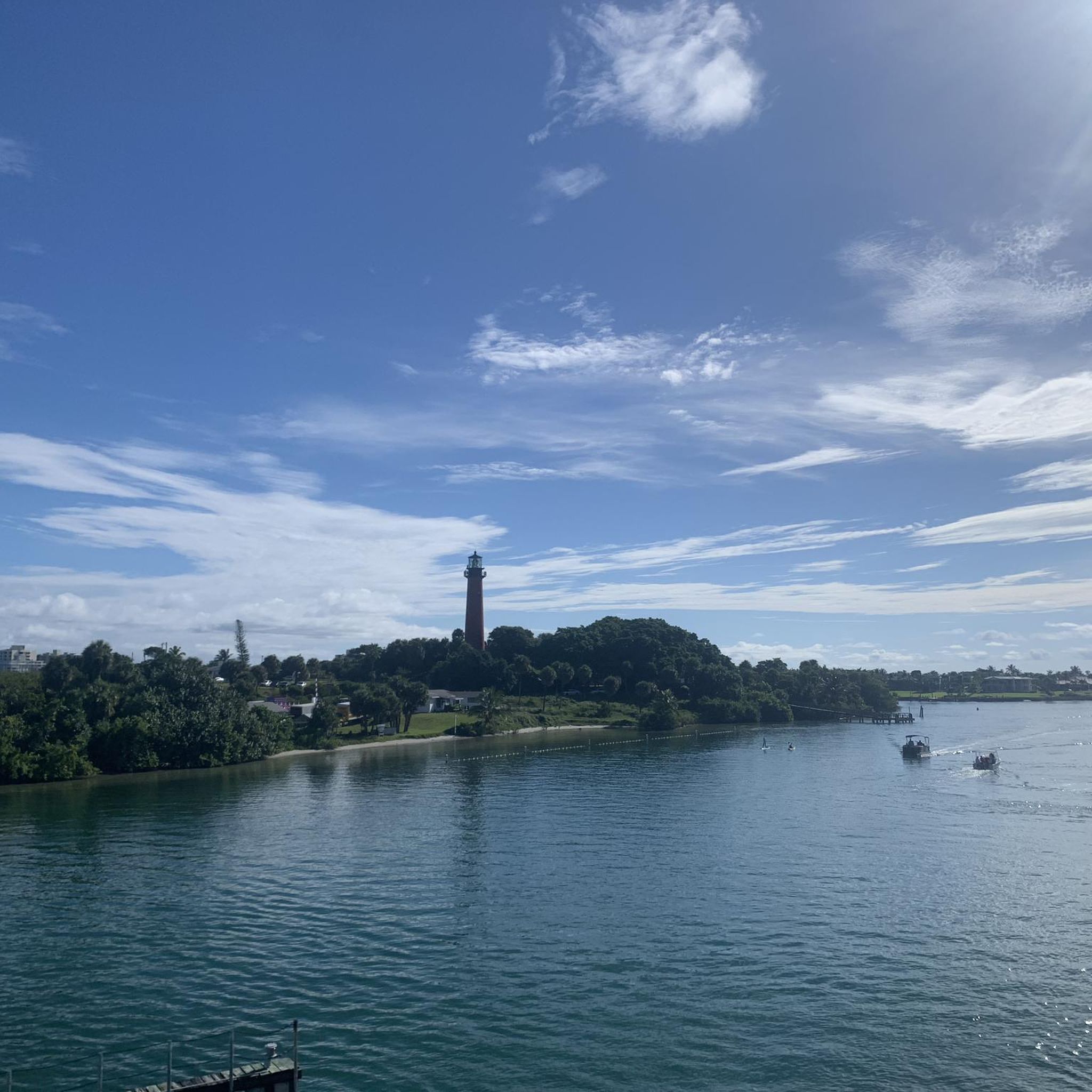
A beach park at Jupiter Bay that offers relaxing areas at the riverside, picnic areas with grills, restrooms, outdoor showers and a sand volleyball court. From the beach you can see the Jupiter lighthouse. The Florida coast is susceptible to seaweed waves that can leave a strong smell at the beach; the season of seaweed is between April and October, peaking in June and July.
0
0
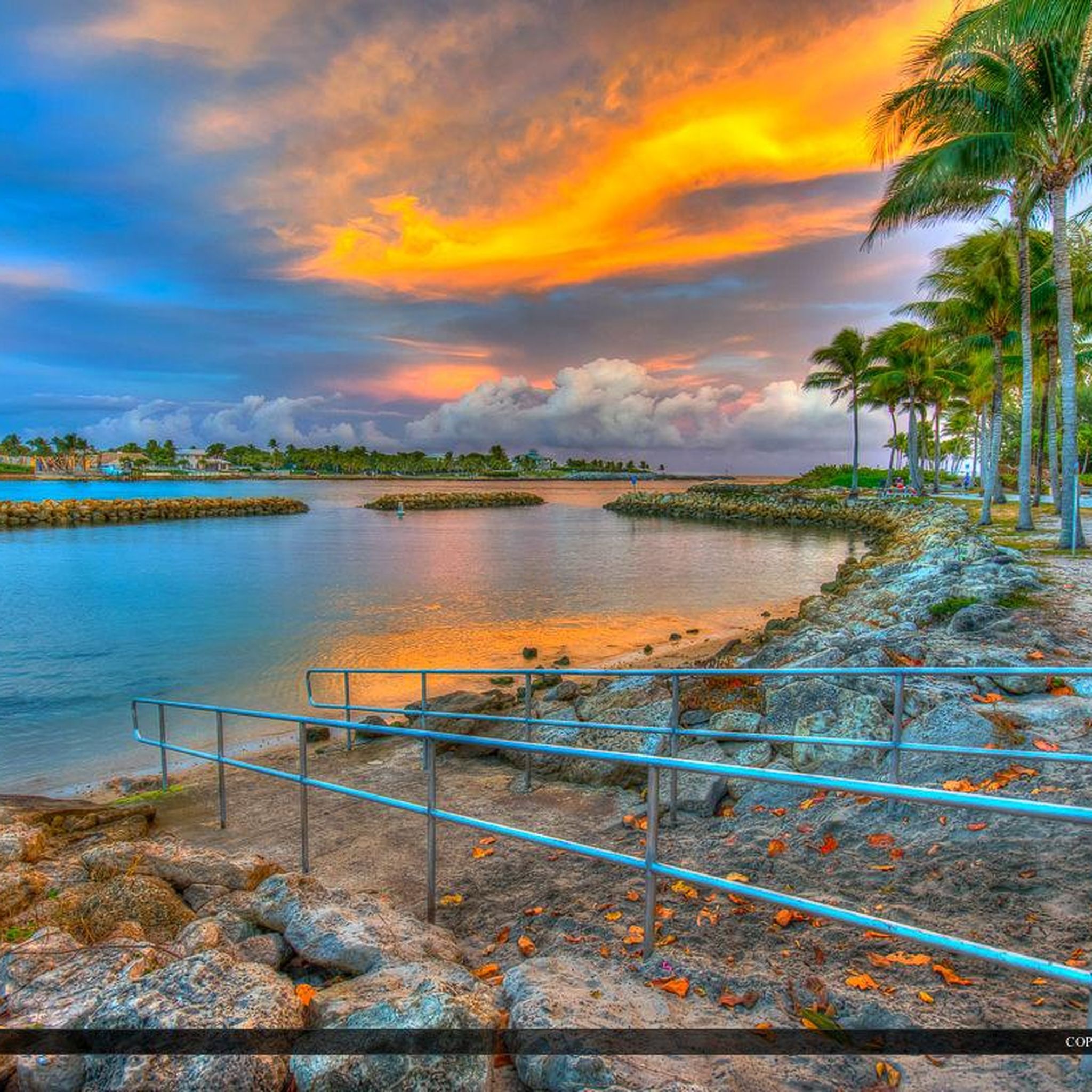
This area is situated between the Intracoastal Waterway and the Atlantic Ocean, providing a feel of island life. The Juno Pier is one of the main attractions in this area, popular for fishing and catching stunning sunsets.
0
0
This is a preserved area at Jupiter Island to protect the largest Anastasia limestone outcropping on the Florida east coast. The waves breaking in the rock outcrop spray plumes of water through the holes, a very special phenomenon. The area is administered by The Nature Conservancy, which preserves the coastal ecosystem, including maritime hammocks, mangrove wetlands, and beach dunes. Here you can also find an educational center, native plant nursery, ocean side path and a butterfly garden.
2
0
Frequently Asked Questions
What natural features can I explore around Jupiter Inlet Colony?
The area boasts diverse natural features. The Jupiter Inlet connects the Indian River Lagoon and Loxahatchee River to the Atlantic Ocean, offering clear, blue waters. The Jupiter Inlet Lighthouse Outstanding Natural Area (ONA) preserves diverse habitats like tropical hardwood hammock and mangrove wetlands. You can also explore the Loxahatchee River, a designated National Wild & Scenic River, perfect for kayaking and canoeing. Don't miss Blowing Rocks Preserve, known for its unique Anastasia limestone outcropping where waves create spectacular plumes of water at high tide.
Are there hiking and biking trails available near Jupiter Inlet Colony?
Yes, there are several options for hiking and biking. Riverbend Park Trail offers over ten miles of paths, including a portion of the Ocean to Lake Hiking Trail. For more options, you can find various routes in the area, such as those listed in the Cycling around Jupiter Inlet Colony and Easy hikes around Jupiter Inlet Colony guides.
What historical sites can I visit in the Jupiter Inlet Colony area?
The region is rich in history. The iconic Jupiter Inlet Lighthouse & Museum, first lit in 1860, offers guided climbing tours and a waterfront museum with exhibits on Florida history. You can also visit the DuBois Pioneer Home, an 1898 structure located within DuBois Park, which sits on a significant shell mound built by the indigenous Jeaga people. Both the home and the mound are listed on the National Register of Historic Places.
Where can I go for water activities like paddleboarding or kayaking?
Jupiter Inlet Colony is a haven for water enthusiasts. The Jupiter Inlet itself is popular for paddleboarding and kayaking, offering clear waters and abundant marine life. The Loxahatchee River is another fantastic destination for these activities, with opportunities to spot manatees. DuBois Park, at the mouth of the Jupiter Inlet, also provides excellent access for water sports, and Cato's Bridge is known for its clear waters, ideal for snorkeling.
Are there family-friendly attractions around Jupiter Inlet Colony?
Absolutely! Loggerhead Park, located off Juno Beach, features the Loggerhead Marinelife Center, which focuses on sea turtle conservation and is a great educational experience for all ages. DuBois Park offers a guarded 100-foot swimming lagoon and picnic areas. Jupiter Beach Park also provides picnic areas, grills, and a sand volleyball court, making it perfect for a family day out.
Which beaches are recommended for swimming and relaxation?
You have several excellent choices for beaches. Juno Beach is situated between the Intracoastal Waterway and the Atlantic Ocean, offering a true island feel. Jupiter Beach Park is another great spot with relaxing areas and amenities. DuBois Park also features 1,200 feet of beach frontage and a guarded swimming lagoon, providing scenic views of the Jupiter Lighthouse.
What is the best time of year to visit Jupiter Inlet Colony?
The best time to visit Jupiter Inlet Colony is generally during the cooler, drier months from November to May. This period offers pleasant temperatures ideal for outdoor activities and exploring the attractions without the intense heat and humidity of summer. The summer months (June to October) can be hot and humid, with a higher chance of rain and seaweed on the beaches.
Are there opportunities for fishing in the area?
Yes, fishing is a popular activity around Jupiter Inlet Colony. The Juno Pier is a well-known spot for fishing, and excellent snook fishing can be found off the docks of homes lining Jupiter Inlet. Jupiter Beach Park's jetty also provides great saltwater fishing opportunities.
Where can I find parking for popular attractions like the Jupiter Inlet Lighthouse?
Parking is available at most major attractions. For the Jupiter Inlet Lighthouse & Museum, there is dedicated parking on-site. DuBois Park also offers ample parking for visitors accessing its facilities and the historic sites within. For specific details on parking availability and any potential fees, it's always recommended to check the individual attraction's website before your visit.
What makes Blowing Rocks Preserve a unique attraction?
Blowing Rocks Preserve is unique because it protects the largest Anastasia limestone outcropping on Florida's east coast. During high tide, waves crashing against the rocks force water through natural holes, creating spectacular plumes that can spray dozens of feet into the air. The preserve also features an educational center, a native plant nursery, and an ocean-side path, preserving diverse coastal ecosystems.
Can I spot wildlife around Jupiter Inlet Colony?
The area is excellent for wildlife spotting. The clear waters of the Jupiter Inlet are known to attract manatees and porpoises, especially near Cato's Bridge. The Loxahatchee River is another prime location for spotting manatees while kayaking or canoeing. The Jupiter Inlet Lighthouse Outstanding Natural Area (ONA) and Riverbend Park also provide diverse habitats for birdwatching and observing local flora and fauna.
Are there dog-friendly parks or beaches in the Jupiter area?
While Jupiter Inlet Colony itself is primarily residential, the broader Jupiter area offers dog-friendly options. Jupiter Beach Park is known for having a designated off-leash dog beach area, making it a popular spot for pet owners. It's always a good idea to check specific park rules and regulations regarding pets before your visit.

Get inspired with the komoot mobile app


Explore more
Still not found the Highlight you’re looking for? See guides of the top attractions in other regions:
