Attractions and Places To See around Volcano - Top 20
Best attractions and places to see around Volcano refer to the region dominated by Hawaiʻi Volcanoes National Park, a UNESCO World Heritage Site. This area preserves the natural setting of two of the world's most active volcanoes, Kīlauea and Mauna Loa. The park features diverse environments, including rugged lava fields, rainforests, lava tubes, and craters. It offers insights into dynamic landscapes shaped by ongoing volcanic activity and ancient Hawaiian culture.
Best attractions and places to see around Volcano
- The most…
Last updated: September 26, 2026
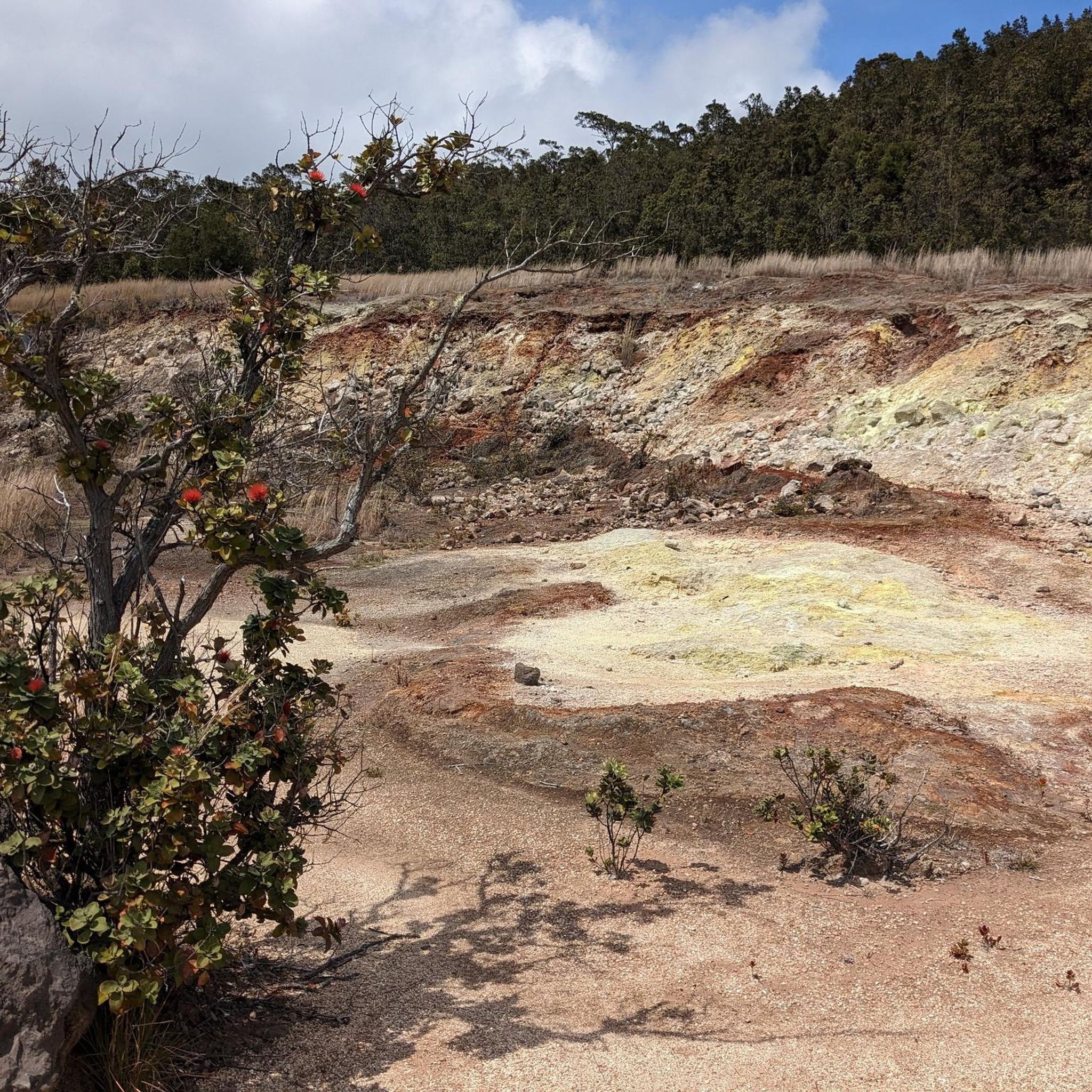
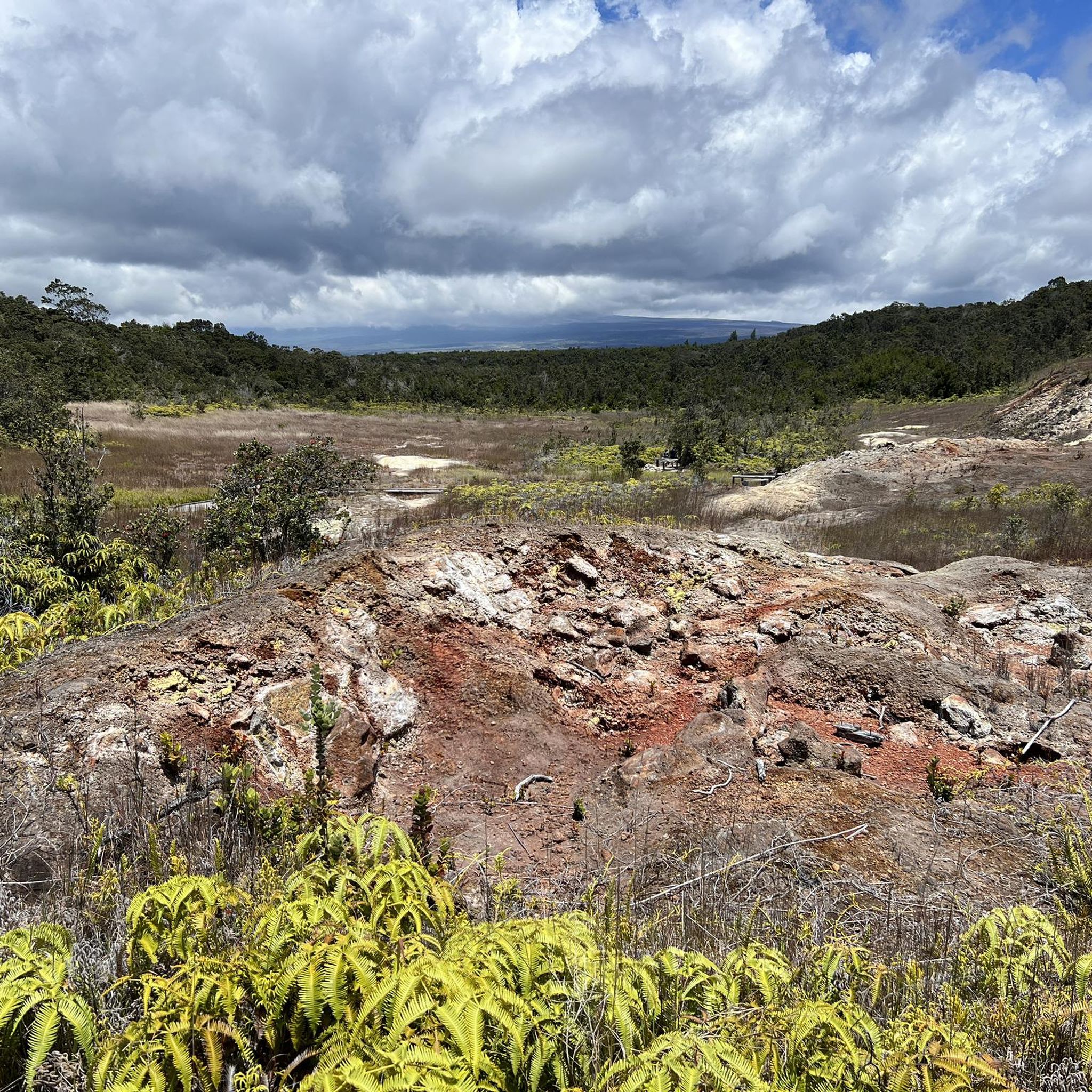
Kīlauea Iki Crater Trail
Highlight (Segment) • Trail
Translated by Google •
Tip by

Nāhuku (Thurston Lava Tube)
Highlight (Segment) • Cave
Translated by Google •
Tip by

Sign up now to discover places like this
Get recommendations on the best single tracks, peaks, & plenty of other exciting outdoor places.
Kīlauea Visitor Center
Highlight • Rest Area
Tip by

Devastation Trail
Highlight (Segment) • Trail
Tip by
Fern Rainforest
Highlight • Forest
Translated by Google •
Tip by

Sign up for free to discover even more attractions around Volcano.
Already have an account?
Start today with a free account
Your next adventure awaits.
Tips from the Community

impressive 500-meter-long tunnel in the lava flow
2
0
The center is closed for renovations until August 2026
2
0

Ferns in oversize - super impressive
0
0
Never seen anything like this before
0
1
World class, like a moonwalk
2
0

This 500-year-old lava tube was created by a river of lava. Nowadays the lava tube is lit for visitors from 8am-8pm, and the National Park Service urges you to be avoid touching the tube's walls and any hanging roots, as they support entire ecosystems of very delicate organisms. Parking around the lava tube is extremely scarce, but you can hike here along the Crater Rim Trail, which offers many more parking opportunities.
1
0

You have to do it once. Great landscape
3
0

Open 9am-5pm daily, the Kīlauea Visitor Center is a great place to stop before entering the park. There is a park store here that sells books, posters, and other souvenirs! On the back side of the building there are restrooms and across the street you can find a few restaurants and another gift shop!
0
0
Frequently Asked Questions
What unique geological features can I explore in Hawaiʻi Volcanoes National Park?
Hawaiʻi Volcanoes National Park offers a dynamic landscape shaped by volcanic activity. You can walk across a solidified lava lake on the Kīlauea Iki Crater Trail, explore the impressive 500-year-old underground Nāhuku (Thurston Lava Tube), and witness the aftermath of eruptions on the Devastation Trail. Other notable features include the active Kīlauea and Mauna Loa volcanoes, Halemaʻumaʻu Crater, and the scenic Chain of Craters Road.
Are there any easy or family-friendly trails in Hawaiʻi Volcanoes National Park?
Yes, several attractions are suitable for families. The Nāhuku (Thurston Lava Tube) offers an easy, lit walk through a lava tube. The Fern Rainforest, located above the lava tube, provides a short, beautiful stroll. The Devastation Trail is also a paved path, making it an accessible option. For a short nature walk, consider the Kīpuka Puaulu (Bird Park) trail.
Where can I learn about the park's geology and cultural history?
The Kīlauea Visitor Center is the ideal starting point. It provides exhibits, films, and ranger activities to educate visitors on the park's geology, environment, history, and culture. You can also get the latest updates on volcanic activity there. The adjacent art museum showcases native Hawaiian culture.
What kind of outdoor activities, besides hiking, can I do around Volcano?
Beyond hiking, the Volcano area offers opportunities for running and cycling. You can find various running trails, including the Crater Rim Trail and Kīpuka Puaulu Trail. For cyclists, there are cycling routes like Hilina Pali via Devil's Throat and the Mauna Loa Road to Mauna Loa Lookout.
Can I see ancient Hawaiian cultural sites within Hawaiʻi Volcanoes National Park?
Yes, the park preserves significant cultural sites. The Puʻu Loa Petroglyph Field is one of Hawaiʻi's largest petroglyph fields, featuring ancient Hawaiian lava etchings accessible via an easy trail. The Kīlauea Visitor Center also offers exhibits on the park's cultural history.
What are some scenic drives or viewpoints in the Volcano area?
The Chain of Craters Road is a highly recommended scenic drive that winds past several craters from historic eruptions and leads to the coast, offering views of volcanic features and the Hōlei Sea Arch. For impressive views into Kīlauea Iki Crater, visit the Puʻupuaʻi ("Gushing Hill") Overlook, accessible via the Devastation Trail.
What should I know about visiting Nāhuku (Thurston Lava Tube)?
The Nāhuku (Thurston Lava Tube) is a 500-year-old lava tube that is lit for visitors from 8 am to 8 pm. It's an impressive walk, but parking can be scarce. Consider hiking there along the Crater Rim Trail, which offers more parking opportunities. Visitors are encouraged to avoid touching the tube's walls and hanging roots to protect delicate ecosystems.
What is the best time of year to visit Hawaiʻi Volcanoes National Park?
Hawaiʻi Volcanoes National Park is open year-round. The weather can vary significantly due to the park's diverse elevations. Generally, the dry season (April to October) offers sunnier days, while the wet season (November to March) brings more rain, which can enhance the lushness of the rainforest areas. Volcanic activity is unpredictable, so check current conditions regardless of the season.
Are there any accessible attractions for visitors with mobility needs?
Yes, several areas in Hawaiʻi Volcanoes National Park are wheelchair accessible. The Kīlauea Visitor Center is accessible, as is the paved Devastation Trail. The Fern Rainforest also features an asphalt path leading to the lava tube entrance, making it accessible.
What do visitors particularly enjoy about the Kīlauea Iki Crater Trail?
Visitors find the Kīlauea Iki Crater Trail to be a very impressive experience. Many describe walking over the solidified volcanic crater as feeling like a 'lunar landscape' and note the hollow sounds underfoot. It's considered a beautiful and unique hiking experience that showcases the raw power and regenerative nature of the volcano.
Where can I find amenities like food and accommodation near the park?
Volcano Village, located near the park entrance, is an artist community offering amenities such as art galleries, studios, and a farmers market. The historic Volcano House hotel, situated within the park, provides dining options and views of the Kīlauea crater. The Kīlauea Visitor Center also has facilities and information on nearby services.
What is the significance of the Fern Rainforest?
The Fern Rainforest is a small, beautiful area featuring huge tree ferns that create a primitive, ancient atmosphere. It's often described as feeling like a step back in time to the age of dinosaurs, showcasing how the world looked in earlier geological periods. It's located just above the Nāhuku (Thurston Lava Tube).
Most popular routes around Volcano
Most popular attractions around Volcano

Get inspired with the komoot mobile app


Explore more
Still not found the Highlight you’re looking for? See guides of the top attractions in other regions:
