The best road cycling routes around Hainich
4.6
(305)
3,167
riders
227
rides
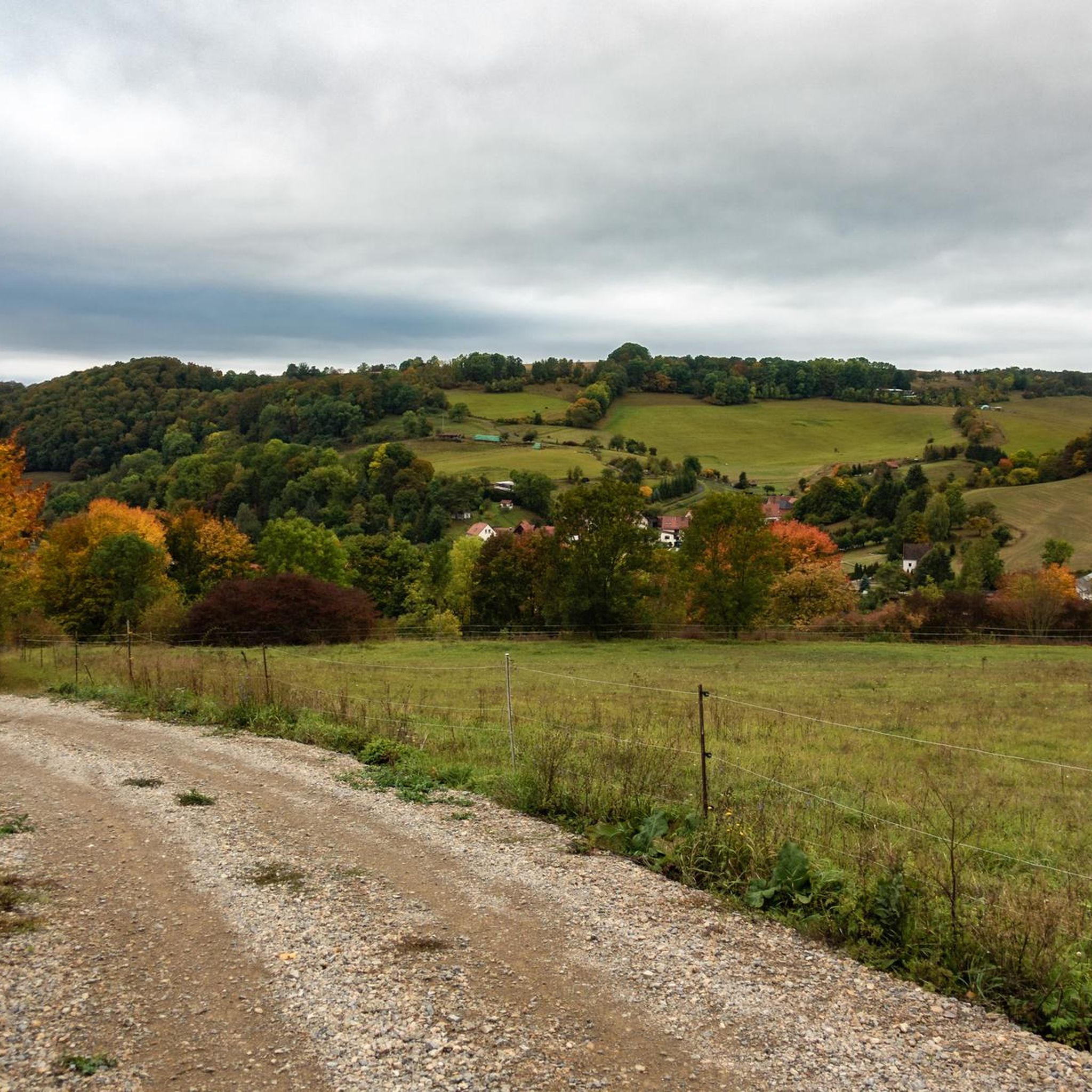
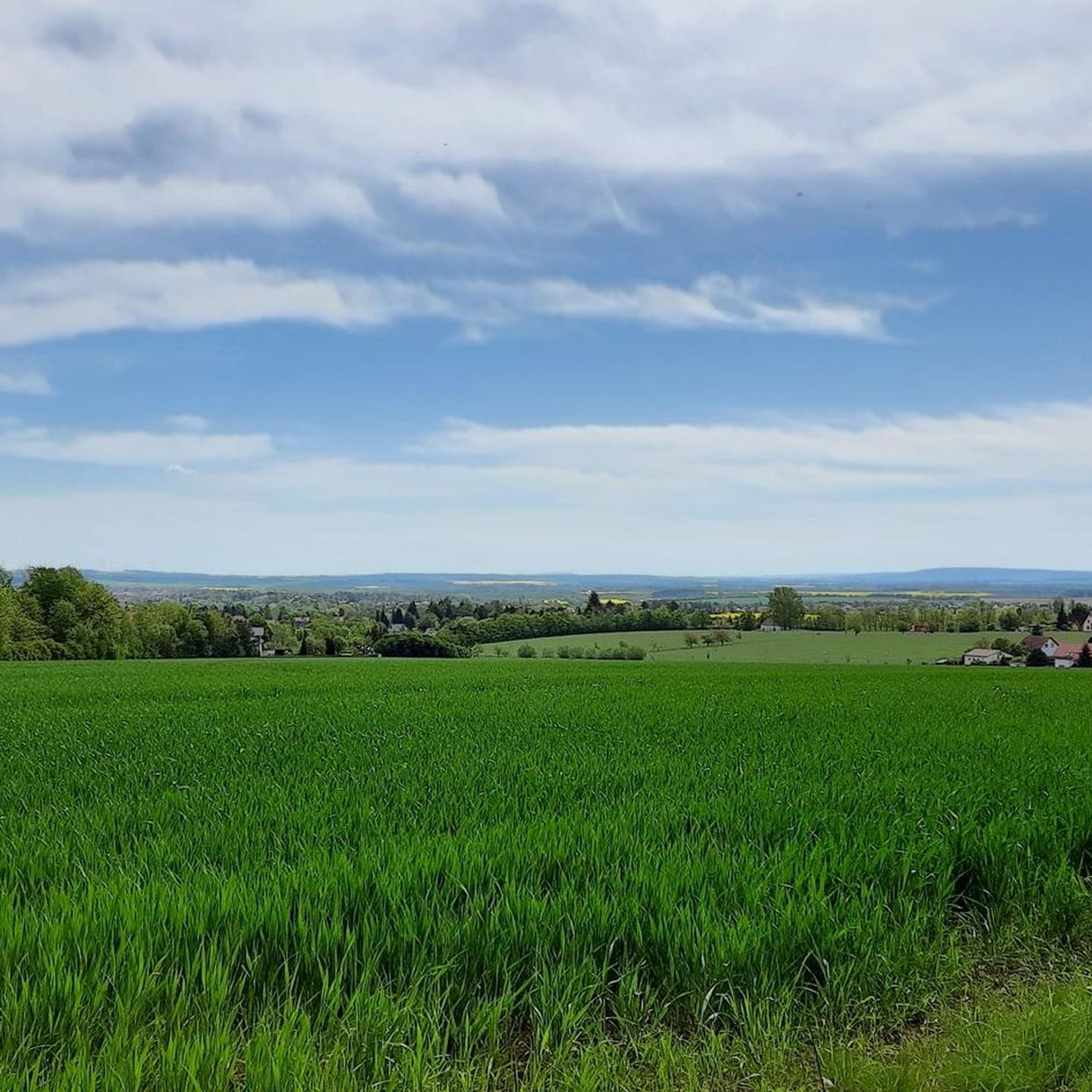
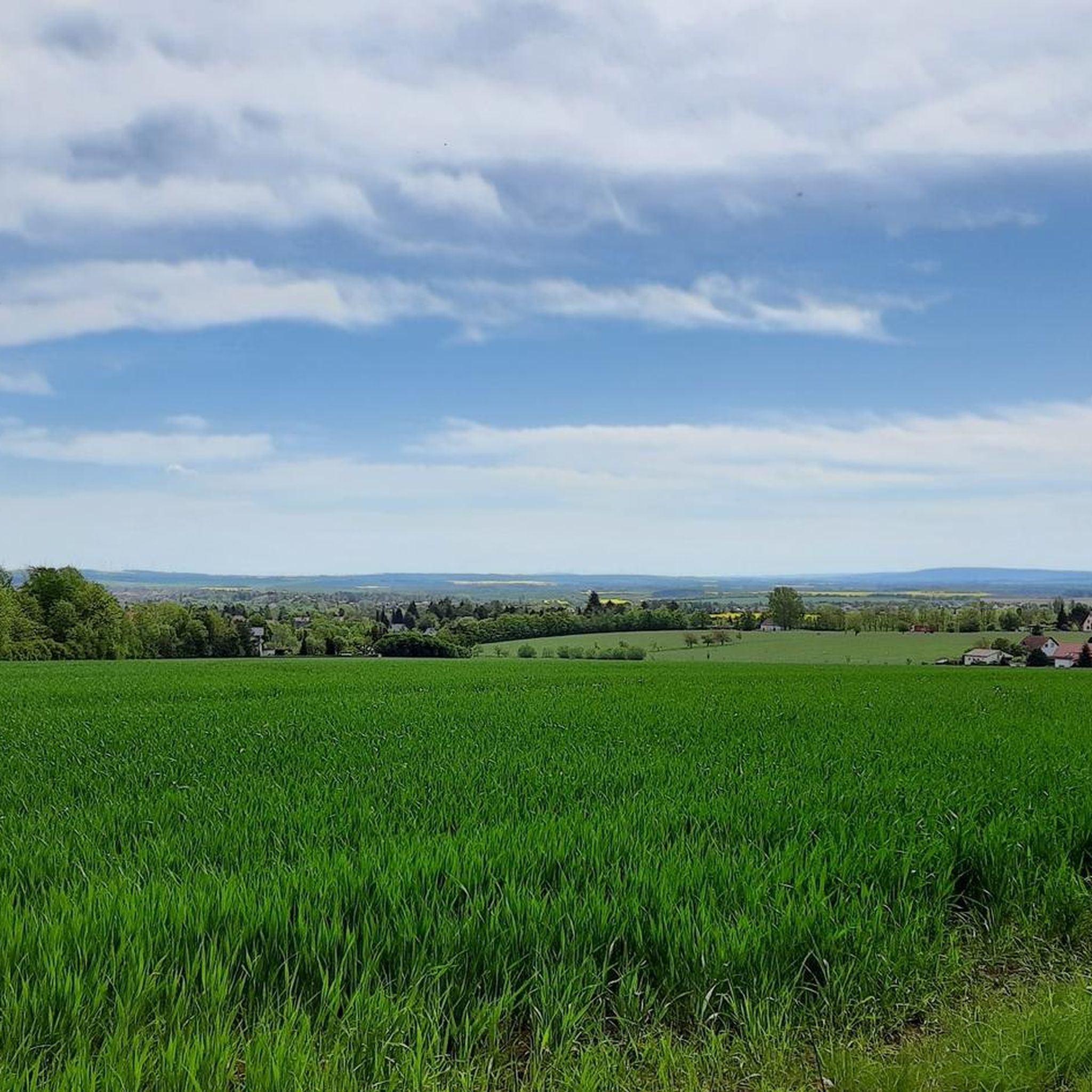
Road cycling around Hainich offers routes through Germany's largest contiguous deciduous forest, a UNESCO World Heritage site. The region is characterized by gently undulating hills and ancient beech forests on limestone terrain, with elevations generally not exceeding 500 meters. While eastern slopes present flatter sections, the western edge features steeper ascents carved by rivers, providing varied terrain for road cyclists. This area protects one of Europe's last remaining extensive beech forests, offering a unique natural backdrop for rides.
Best road…
Last updated: May 8, 2026
3.0
(3)
24
riders
29.1km
01:16
180m
180m
Moderate road ride. Great for any fitness level. Some segments of this route may be unpaved and difficult to ride.
5.0
(1)
16
riders
79.2km
04:03
900m
890m
Moderate road ride. Good fitness required. Some segments of this route may be unpaved and difficult to ride.

Sign up for free
4.0
(2)
20
riders
31.3km
01:53
320m
320m
Moderate road ride. Good fitness required. Some segments of this route may be unpaved and difficult to ride.
14
riders
Easy road ride. Great for any fitness level. Mostly well-paved surfaces and easy to ride.
5.0
(1)
10
riders
86.1km
04:04
1,110m
1,110m
Hard road ride. Very good fitness required. Mostly well-paved surfaces and easy to ride.
Get access to more routes and recommendations from other explorers.
Sign up for free
Already have an account?
Our route recommendations are based on thousands of hikes, rides, and runs completed by other people on komoot.
Start today with a free account
Your next adventure awaits.
Login or Signup
Popular around Hainich
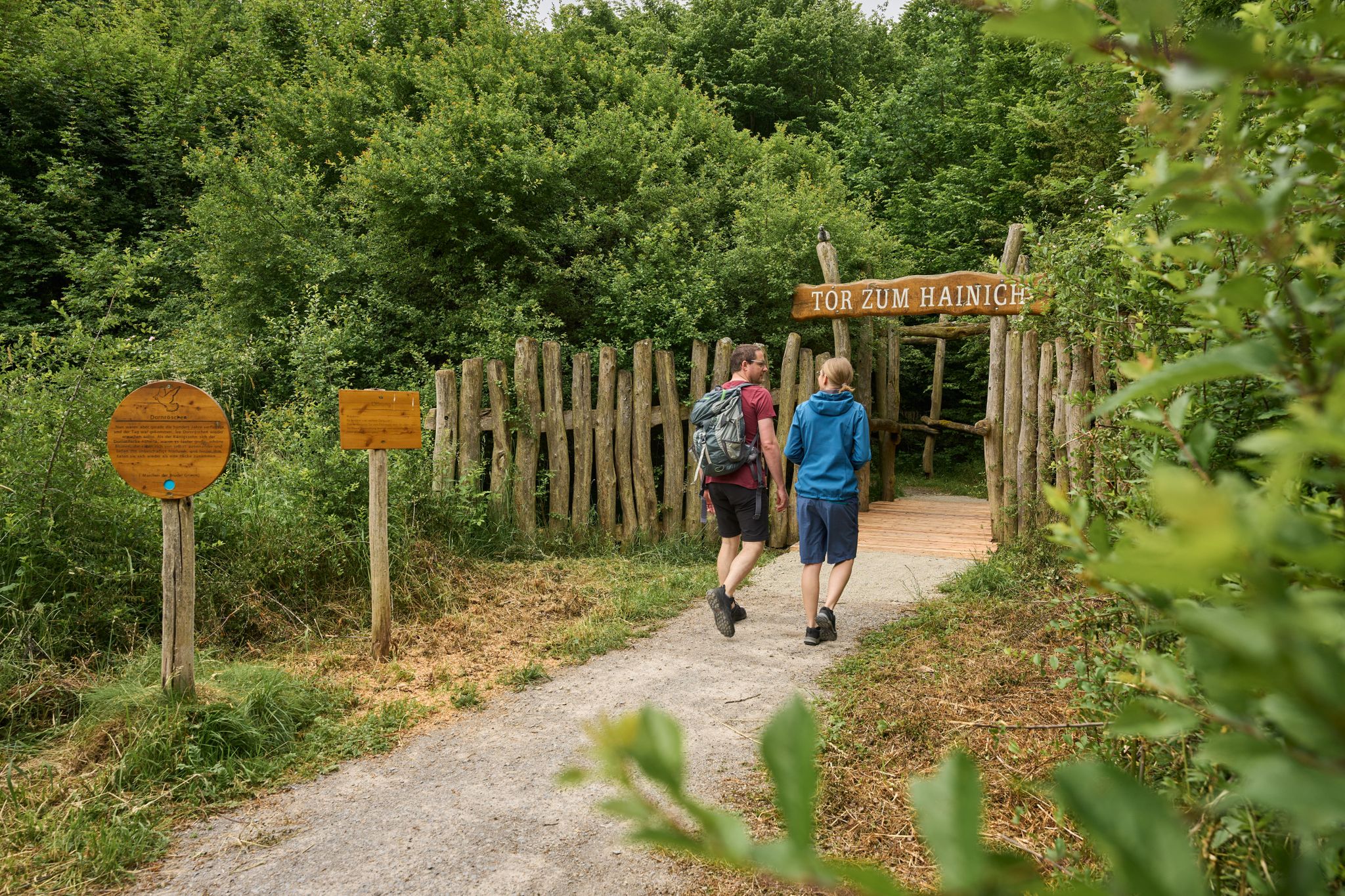
Varied hiking on the Hainichlandweg
The Waagebalkenweg - in two days through the Hainich
The Rennstieg - the Hainich for hiking enthusiasts
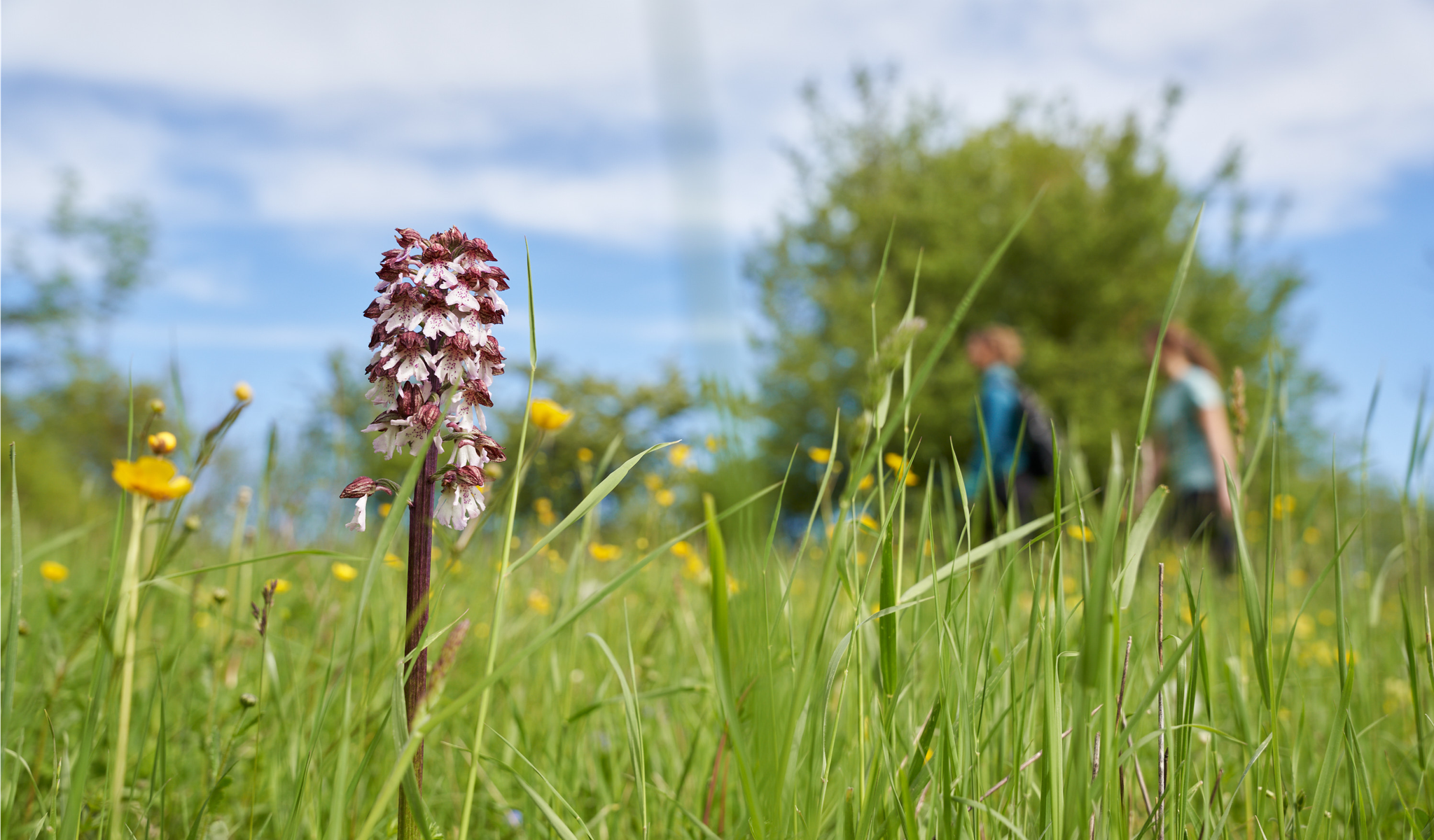
Hier blüht dir was – Blühende Vielfalt auf unseren Wanderwegen
Hiking around Hainich
Cycling around Hainich
Running Trails around Hainich
MTB Trails around Hainich
Gravel biking around Hainich
Other adventures around Hainich


Tips from the Community

The church is the parish church of the Mühlhausen old town and was gifted to the Teutonic Order in 1227. The current building was constructed between 1270 and 1300 as an early Gothic hall church, influenced by French cathedral architecture. It possesses significant art-historical elements such as a rose window, medieval stained glass, a late Gothic carved altar, and tomb slabs of important personalities. After the Reformation, religious expressions changed, and much of the original furnishings were lost. The west towers still date from the predecessor building and house historical bells. The church also developed into an important center for Protestant church music, with a peak in the work of Johann Sebastian Bach in the early 18th century.
1
0
From the Hohen Graben, visitors enjoy a beautiful view of the imposing double-towered St. James' Church. Construction of the present-day St. James' Church began around 1280. An inscription, now lost, attributes the imperial figure in the arch of the north portal to Henry VII. Another inscription names 1363 as the year of completion of the church. The motif of the unequal couple is taken up in the impressive tower group completed in 1418. After the Reformation, the church seems to have been used only sporadically. It lost almost all its furnishings in the last century. St. James' Church was extensively renovated from 1992 to 2004 with financial support from the state of Thuringia, the federal-state program "Urban Monument Protection," and the German Foundation for Monument Protection. Since April 2004, St. James' Church has housed the city library with a children's library and a sound library. Interesting for visitors: so-called "Archaeological Windows" provide insights into the church's construction history. Source: https://www.thueringen.info/kultur/muehlhausen-stadtbibliothek-jakobikirche/
1
0
The chapel was first mentioned in a document in 1314, in connection with a dispute between the Mühlhausen council and the Teutonic Order, which eventually gained control of the chapel. The originally planned basilica was realized as a hall church, but remained unfinished for a long time and was only partially completed and extensively renovated at the end of the 19th century. Some significant works of art have been preserved from the medieval furnishings, including figures and a triumphal cross. A figure of Saint Nicholas from around 1500 is particularly noteworthy. The church played an important role during the Reformation: Between 1523 and 1525, it turned to the Reformation early on. After an interim return to Catholicism, the Reformation was finally established in 1565.
1
0
The Mühlhausen city wall is one of the best-preserved medieval fortifications in Germany. It encloses the old town for about 2.7 kilometers and was primarily built in the 12th and 13th centuries when Mühlhausen was an important imperial city. The complex consisted of an inner and outer wall with a moat in between, which strengthened the defense. Numerous towers and gates secured access to the city and allowed for the control of trade traffic. It is particularly noteworthy that large parts of the wall have survived to this day. Massive stone walls, ramparts, and embrasures offer an insight into medieval construction methods. Today, the city wall is an important landmark and invites visitors to experience the history of Mühlhausen up close.
1
0
Since April 2004, the Mühlhausen city library has been located in the renovated and converted Jakobikirche. Here, the main library, children's library, and phonotheque have been brought together under one roof. As a cultural and educational institution, working with children, particularly promoting reading, is a focus of the library team's activities. The Jakobikirche is also a popular venue for lectures, author readings, and concerts. Since 2021, the city library has also offered a scientific and local history reference library in the Jakobikirche. The user workstations of the Mühlhausen City Archives are also located there. Source: https://www.muehlhausen.de/rathaus-erkunden/stadtverwaltung/stadtarchiv-stadtbibliothek/stadtbibliothek-jakobikirche/
1
0
The Church of St. Peter was built on the city's plague cemetery to replace a chapel that had already fallen into disrepair in 1295. Construction began around 1352. A few years later, in 1356, the existing church is mentioned. It was incorporated into the parish of St. Mary of the Teutonic Order in the Neustadt. Agreements regarding liturgical care were notarized in 1371. St. Peter only became an independent parish in modern times. The late Gothic structure with a 5/8 choir has undergone multiple changes. A flat ceiling was initially inserted to replace the vault that collapsed in the city fire of 1422. Demolition material from the abandoned Chapel of St. John at Blobach was used in 1577 for a new vestibule. Between 1893 and 1895, St. Peter was given its present form through a re-vaulting of the church interior and the extension of the nave to the west with a new facade. Source: https://www.muehlhausen.de/tourismus/sehenswuerdigkeiten/kirchen/petrikirche/
1
0

My absolute favorite church. I love libraries and books. 😉
0
0

Currently a construction site.
0
0
Frequently Asked Questions
How many road cycling routes are available in Hainich?
There are over 200 road cycling routes around Hainich, offering a wide range of options for different preferences and skill levels. You'll find 25 easy routes, 160 moderate routes, and 44 difficult routes.
What is the terrain like for road cycling in Hainich?
The terrain in Hainich primarily consists of gently undulating hills, with elevations generally not exceeding 500 meters. While the eastern slopes offer relatively flatter sections, the western edge of Hainich features steeper ascents carved by rivers, providing more challenging rides. The routes traverse ancient beech forests on limestone terrain.
What natural features can I expect to see while road cycling in Hainich?
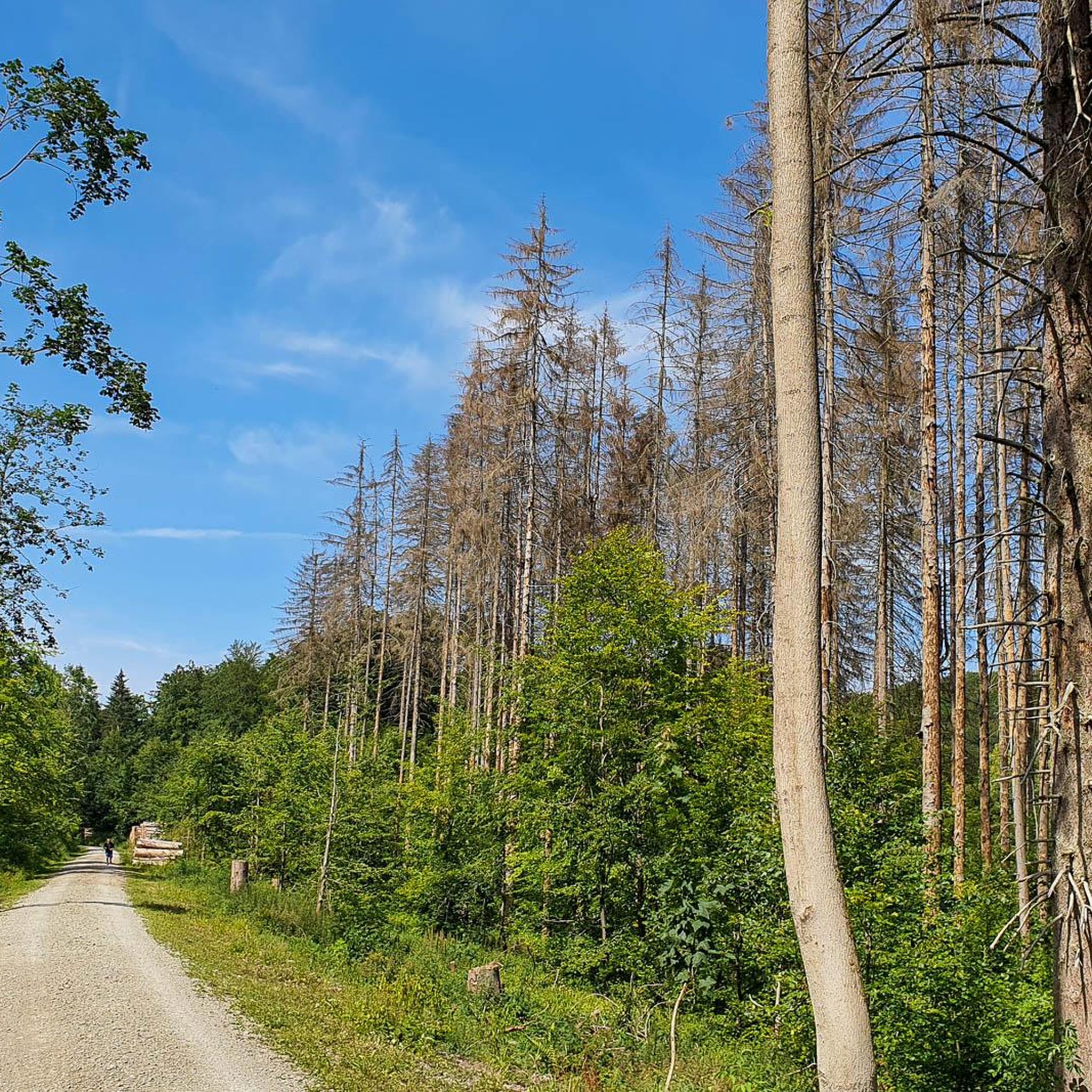
Hainich is renowned for its ancient beech forests, part of a UNESCO World Heritage site. You'll cycle through magnificent deciduous trees, including European beeches, ashes, hornbeams, sycamores, and checker trees. In spring, the forest floor comes alive with early bloomers like wild garlic, forest violets, and various orchid species.
Are there any specific landmarks or viewpoints along the road cycling routes?
Yes, several routes offer access to notable landmarks. The National Park Circular Route, for example, guides cyclists past the Canopy Walk (Baumkronenpfad), which provides impressive panoramic views of the forest. Other points of interest include the National Park Center Thiemsburg and the ancient 'Betteleiche' (begging oak). You can also find natural monuments like the Giant Sequoias Planted by Forester Brehme and the Spittelbrunnen.
What do other road cyclists enjoy most about road cycling in Hainich?
The area is highly rated by the komoot community, with an average score of 4.6 stars from over 300 reviews. Cyclists often praise the unique experience of riding through Germany's largest contiguous deciduous forest, the well-maintained paths, and the diverse scenery that ranges from gentle hills to more challenging ascents.
Are there circular road cycling routes in Hainich?
Yes, many of the road cycling routes in Hainich are designed as loops, allowing you to start and end your ride in the same location. Examples include the Falkener Cliffs – St. Michael's Church, Falken loop from Mihla and the Cycle Path to Volteroda – Wasserburg Netra loop from Heyerode.
Are there family-friendly road cycling options in Hainich?
While Hainich offers a range of difficulties, some routes are suitable for families, particularly those on the eastern, flatter sections. Look for routes categorized as 'easy' in the guide, such as the St. Mary's Church, Mühlhausen – St. James' Church, Mühlhausen loop from Kammerforst, which offers a gentler ride through the region.
Where can I park my car when road cycling in Hainich National Park?
Parking is generally available at various entry points to the National Park and in nearby towns. Specific parking information can often be found on the National Park's official website or at local information centers. Many routes start from towns like Mühlhausen or Eisenach, which offer parking facilities.
How can I reach the cycling routes by public transport?
Public transport options connect to towns surrounding Hainich, such as Mühlhausen and Eisenach. From these towns, you can often access the cycling network. It's advisable to check local bus and train schedules, especially regarding bike transport, as services may vary.
Are there cafes or places to stop for refreshments along the road cycling routes?
Yes, you'll find opportunities for refreshments, especially in the towns and villages bordering the National Park, such as Mühlhausen, Eisenach, and Bad Langensalza. The National Park Center Thiemsburg also offers facilities. While some routes might pass through more remote areas, planning your stops in advance is recommended for longer rides.
What is the best time of year to road bike in Hainich?
The spring and autumn months are particularly beautiful for road cycling in Hainich. In spring, the forest floor is vibrant with early bloomers, and the fresh green leaves are emerging. Autumn offers stunning foliage colors. Summer is also pleasant, though it can be warmer. Winter cycling is possible but requires checking weather conditions, as some paths might be affected by snow or ice.
Are there challenging road cycling routes in Hainich?
Yes, for experienced road cyclists seeking a challenge, Hainich offers routes with significant elevation gains. The western edge of the region features steeper sections carved by rivers. An example of a more difficult route is the Lengenfeld Railway Viaduct – Kanonenbahn Railway Path loop from Hallungen, which includes over 1100 meters of elevation gain.
Most popular routes around Hainich
Most popular attractions around Hainich

Get inspired with the komoot mobile app


Explore more
Browse the best Road cycling routes in other regions.
