The best walks and hikes around Waldgebiet Hammerberg
4.6
(11544)
46,390
hikers
1,448
hikes
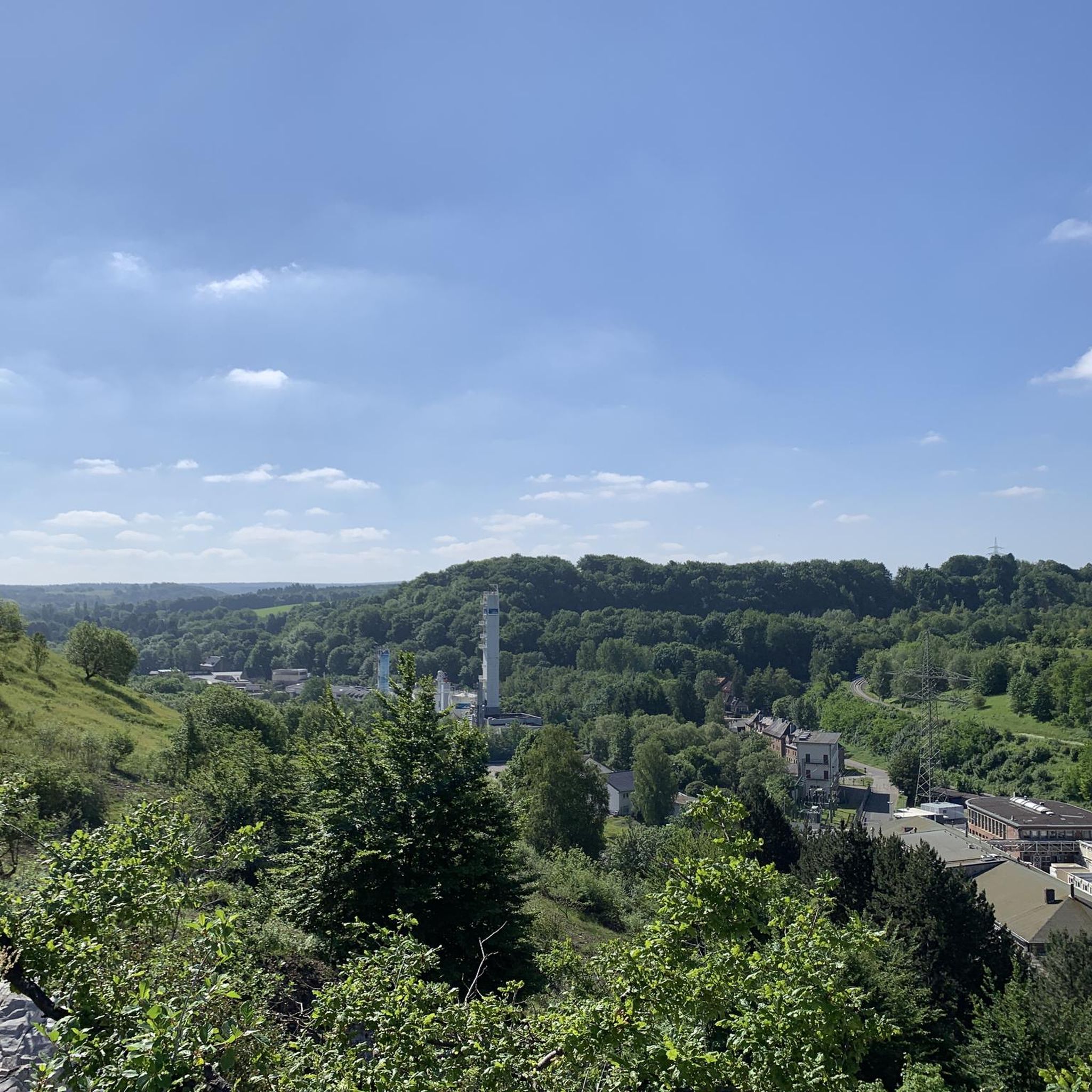
Hiking around Waldgebiet Hammerberg offers a diverse landscape characterized by dense woodlands, historical towns, and varied terrain within the Städteregion Aachen. The region features a mix of forest paths, open areas, and routes that explore the cultural heritage of places like Stolberg. Hikers can expect trails that traverse gentle hills and provide views of the surrounding natural environment.
Best hiking trails around Waldgebiet Hammerberg
- The most popular hiking route is Copper Route – Eifelsteig partner trails, an 11.8 miles…
Last updated: July 5, 2026
4.3
(13)
53
hikers
19.0km
05:12
330m
180m
Hard hike. Very good fitness required. Mostly accessible paths. Sure-footedness required.
4.5
(50)
182
hikers
Moderate hike. Good fitness required. Mostly accessible paths. Sure-footedness required.

Sign up for free
3.2
(6)
18
hikers
5.62km
01:31
80m
80m
Easy hike. Great for any fitness level. Easily-accessible paths. Suitable for all skill levels.
4.2
(6)
25
hikers
Easy hike. Great for any fitness level. Easily-accessible paths. Suitable for all skill levels.
4.5
(19)
76
hikers
Easy hike. Great for any fitness level. Easily-accessible paths. Suitable for all skill levels.
Get access to more routes and recommendations from other explorers.
Sign up for free
Already have an account?
Our route recommendations are based on thousands of hikes, rides, and runs completed by other people on komoot.
Start today with a free account
Your next adventure awaits.
Login or Signup
Tips from the Community

The castle towers over the city and is worth a visit.
0
0

I was totally impressed by how beautiful Stolberg is 👍 it's wonderful to walk through the streets.
0
0

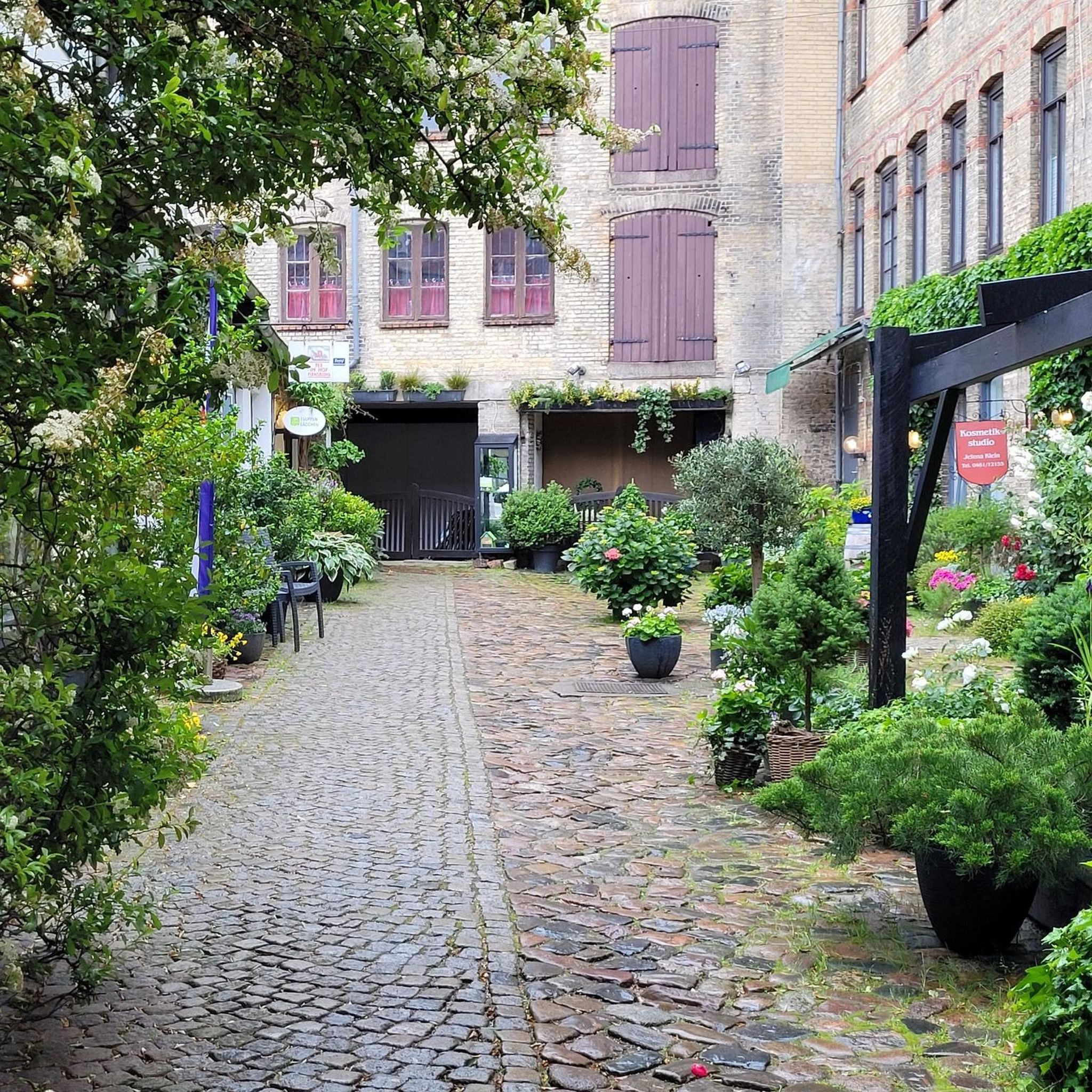
Schleichers Hof is the name of a historic building in Stolberg's old town, dating back to the 16th century. It played a central role in the early history of Stolberg's copper and brass industry. The complex was originally known as a Kupferhof (literally, a copper or brass yard) and was built in 1575 by Leonhard (Leonard) Schleicher, a copper master from Aachen. In the early 1570s, Leonard Schleicher recognized the economic advantages of the Stolberg Vicht Valley for the brass industry, including its abundant water supply and proximity to ores and coal, and therefore moved his company from Aachen to Stolberg. There, on Burgstraße, he had the foundation stone Kupferhof of Stolberg built, which later became known as Schleichers Hof. At that time, it was one of the few buildings in the city constructed of stone, besides the imposing Stolberger Burg. A copper farm was not a regular residence, but a fortified courtyard-like commercial and residential structure surrounded by residential and factory buildings with a secure entrance gate and windows facing the courtyard, intended to combine both production and protection. As Stolberg's first copper farm, Schleichers Hof marks the beginning of the Stolberg brass industry. From this location, the urban and economic network expanded, and several similar farm complexes were later built. The presence of these companies is why Stolberg is also known as "Kupferstadt," the copper city. Using the water from nearby streams, metal could be processed in hammer mills and furnaces, which was essential for the production of brass (an alloy of copper and zinc). Over the centuries, the function of Schleichers Hof changed. Around 1790, the complex underwent a significant transformation, and a country pharmacy (Adler-Apotheke) was established on part of the site, one of the earliest in the Aachen district. This pharmacy remained in continuous operation for almost 200 years, contributing to the city's infrastructure far beyond the court's former industrial use. The building still has a recognizable façade today, while the interior and its use have changed. Remaining architectural elements, such as 16th-century wall anchors, serve as reminders of the original construction.
0
0
The Pont de Valognes is not a bridge in Valognes, France, but rather the name of a bridge in the German town of Stolberg. It is a symbolic bridge over the Vicht River on Stolberg's historic Burgstraße and commemorates its French twin town, Valognes, in Normandy. The Pont de Valognes is the official name of a bridge over the Vicht River on Stolberg's Burgstraße and one of the old main streets in the Altstadt (Old Town) of Stolberg in North Rhine-Westphalia, Germany. It has been part of the city's infrastructure for centuries, but was officially named "Pont de Valognes" in 2010. This naming ceremony marked the 20th anniversary of the twinning between Stolberg and Valognes, a municipality in the Normandy Cotentin region of France. Hikers report that the bridge offers views of the old town and Stolberg Castle and that it's a pleasant stop along routes through the historic streets of the Altstadt.
0
0
The old town of Stolberg in North Rhine-Westphalia is one of the most characteristic historic town centers in the region around Aachen and the Eifel region. The town center, which developed around medieval fortifications and trade routes, has retained its own charming identity over the centuries, with narrow streets, old squares, and well-preserved monuments from various periods. Stolberg was already mentioned in the early Middle Ages and grew into an important center for trade, crafts, and industry. Its location between Aachen, Liège, and Maastricht made it attractive to merchants and craftspeople from early on. The town boasts a rich industrial history, including iron and copper processing, which has left its mark on the architecture and structures of the old town. Stolberg's old town is not a single street but a cohesive historical urban fabric where you can discover countless sights.
0
0
The view of the Vichtbach from the Burgstraße Bridge offers a characteristic and atmospheric view of Stolberg's old town. From this bridge, you look down on the Vichtbach, the stream that runs through the valley like a lifeline and has historically shaped the city's development. The flowing water, the narrow banks, and the densely built houses together create an intimate cityscape in which nature and architecture are closely intertwined. For centuries, the Vichtbach played a central role in Stolberg's daily life. Its water was used for crafts, particularly in the metalworking and copper industries for which the city was known. From the Burgstraße Bridge, it becomes clear how the stream carves its way through the narrow valley and how the city has literally formed around the water. The facades, bridges, and retaining walls follow the course of the stream, enhancing the sense of a historically developed whole. The view from the bridge is unique because it brings together several layers of the city. You see the flowing water below, the old houses built close to the banks, and above them, the rising streets and slopes toward the castle. This perspective reveals the vertical structure of Stolberg, from stream valley to castle hill. At the same time, the rippling water creates tranquility and continuity in an urban environment.
0
0
The Kupferhof Adler is a historic building in the heart of Stolberg (Aachen, Germany), known as the former Adler Pharmacy (Adler-Apotheke). The building is one of the characteristic monuments in the old town and, along with the nearby city castle and other medieval structures, forms an essential part of Stolberg's urban heritage. The building was originally built in the 16th and 17th centuries during a period of urban expansion and increasing prosperity. The name Adler ("eagle") refers to the emblem under which the pharmacy once operated, a name and symbol traditionally associated with quality, reliability, and recognition in Germany at a time when literacy was not a given. For centuries, the pharmacy served as a public facility, dispensing medicinal products to the population, ranging from herbal mixtures to prepared medicines. The building served not only as a pharmacy but also as a meeting place in the city. In a time before modern healthcare, pharmacies were important sources of advice and knowledge, and the Adler Pharmacy played that role for the residents of Stolberg and the surrounding area. The Kupferhof Adler is typical of the architecture of inns and commercial buildings during the transition from late medieval to early modern architectural styles in this region. The facades are constructed of brick and half-timbering with wooden decorative details and typical German Renaissance influences. Small window divisions and rich facade accents testify to the craftsmanship of the construction and the aesthetic preferences of the time. What makes the building special is how it fits into the urban landscape of Stolberg. It stands close to other monumental buildings, squares, and alleyways, forming part of a continuous historical fabric that brings the atmosphere of the old town to life. The combination of its function (pharmacy), name (Adler), and architecture makes the building a recognizable landmark. As a former pharmacy, the Kupferhof Adler was more than just a shop. It was a social hub, a place where people gathered, exchanged information, and sought support. During its centuries of operation, the building guided Stolberg's development from a medium-sized trading town to a regional center of culture and economics. Today, the building is an important part of the historic cityscape. It commemorates a time when medicine, trade, and city life were closely linked. Visitors to Stolberg can admire the building from the outside as one of the tangible witnesses to the town's long history.
0
0
Stolberg Castle (German: Burg Stolberg) is the iconic landmark of the town of Stolberg, located in Germany's Eifel region. Perched high above the old town on a rocky hill overlooking the Vichtbach valley, the castle offers impressive panoramic views from many vantage points in and around the town. The castle is often praised for the way its imposing fortress rises above the medieval rooftops and winding streets. From strategically located vantage points in the town or on hiking trails around Stolberg, the castle can be seen in its entirety. With its blend of medieval foundations, Renaissance elements, and historicist reconstructions from the 19th and 20th centuries, it forms a visual highlight in the landscape. The complex itself dates back to the 12th century and has been rebuilt and expanded several times. In the 15th century, the later medieval castle was built, and in the late 19th century, under the influence of industrialist Moritz Kraus, it underwent a historicizing restoration, followed by redesign and renovations in the mid-20th century. These layers of architecture together give the building its characteristic silhouette, reflecting diverse styles and eras.
0
0
Frequently Asked Questions
How many hiking trails are available in Waldgebiet Hammerberg?
Waldgebiet Hammerberg offers a vast network of nearly 1400 hiking trails. This includes a wide variety of routes, from easy strolls to more challenging treks, ensuring options for all skill levels.
Are there easy hikes suitable for beginners or families in Waldgebiet Hammerberg?
Yes, Waldgebiet Hammerberg has over 800 easy hiking routes. A good option for families or beginners is the Stolberg Old Town – Stolberg Old Town loop from Aachen (district), which is about 5.5 km long and offers a gentle introduction to the area's charm.
What kind of terrain can I expect on hikes in Waldgebiet Hammerberg?
The terrain in Waldgebiet Hammerberg is quite diverse, characterized by dense woodlands, gentle hills, and paths that explore historical towns and former industrial areas like quarries. You'll find a mix of forest paths and open sections, providing varied scenery throughout your hike.
Are there any circular walks available in Waldgebiet Hammerberg?
Yes, many routes in Waldgebiet Hammerberg are circular. For example, the Stolberg Old Town – Stolberg Old Town loop from Stolberg Altstadt is a moderate 12.9 km circular path that takes you through the historic parts of Stolberg.
What do other hikers enjoy the most about hiking in Waldgebiet Hammerberg?
The area is highly rated by the komoot community, with an average score of 4.6 stars from over 10,000 reviews. Hikers often praise the diverse landscape, the well-maintained paths, and the blend of natural beauty with historical townscapes, making it a rewarding experience for many.
Are dogs allowed on the hiking trails in Waldgebiet Hammerberg?
Generally, dogs are welcome on most hiking trails in Waldgebiet Hammerberg. However, it's always recommended to keep them on a leash, especially in nature protection areas or near wildlife, and to respect local regulations regarding pets.
Are there any trails that feature interesting natural or historical sights?
Many trails in Waldgebiet Hammerberg offer a blend of nature and history. The Bernhardshammer Quarry – Exotic-looking jungle loop, for instance, takes you through an area with unique geological features and a distinct atmosphere, hinting at the region's industrial past.
Where can I find parking for hiking trails in Waldgebiet Hammerberg?
Parking is generally available at various trailheads and near popular starting points, especially around towns like Stolberg. It's advisable to check specific route descriptions on komoot for details on parking facilities closest to your chosen trail.
What is the best time of year to go hiking in Waldgebiet Hammerberg?
Waldgebiet Hammerberg offers enjoyable hiking experiences throughout the year. Spring brings blooming flora, summer provides lush green forests, autumn showcases vibrant foliage, and even winter can be beautiful with crisp air and potentially snow-dusted landscapes. The best time depends on your preference for weather and scenery.
Are there any trails with good viewpoints or panoramic vistas?
Yes, the region offers trails with scenic outlooks. The Hammerberg Panorama Trail – Stolberg Old Town loop from Liester is specifically named for its panoramic views, leading through varied forest and open terrain that provides glimpses of the surrounding landscape.
Can I reach hiking trails in Waldgebiet Hammerberg using public transport?
Stolberg, a central town in the Waldgebiet Hammerberg area, is well-connected by public transport, including train and bus services. Many trailheads are accessible from stops within or near Stolberg, making it possible to start your hike without a car.
Most popular routes around Waldgebiet Hammerberg

Get inspired with the komoot mobile app


Explore more
Browse the best Hikes in other regions.
