The best walks and hikes around Döhlau
4.5
(84)
369
hikers
53
hikes
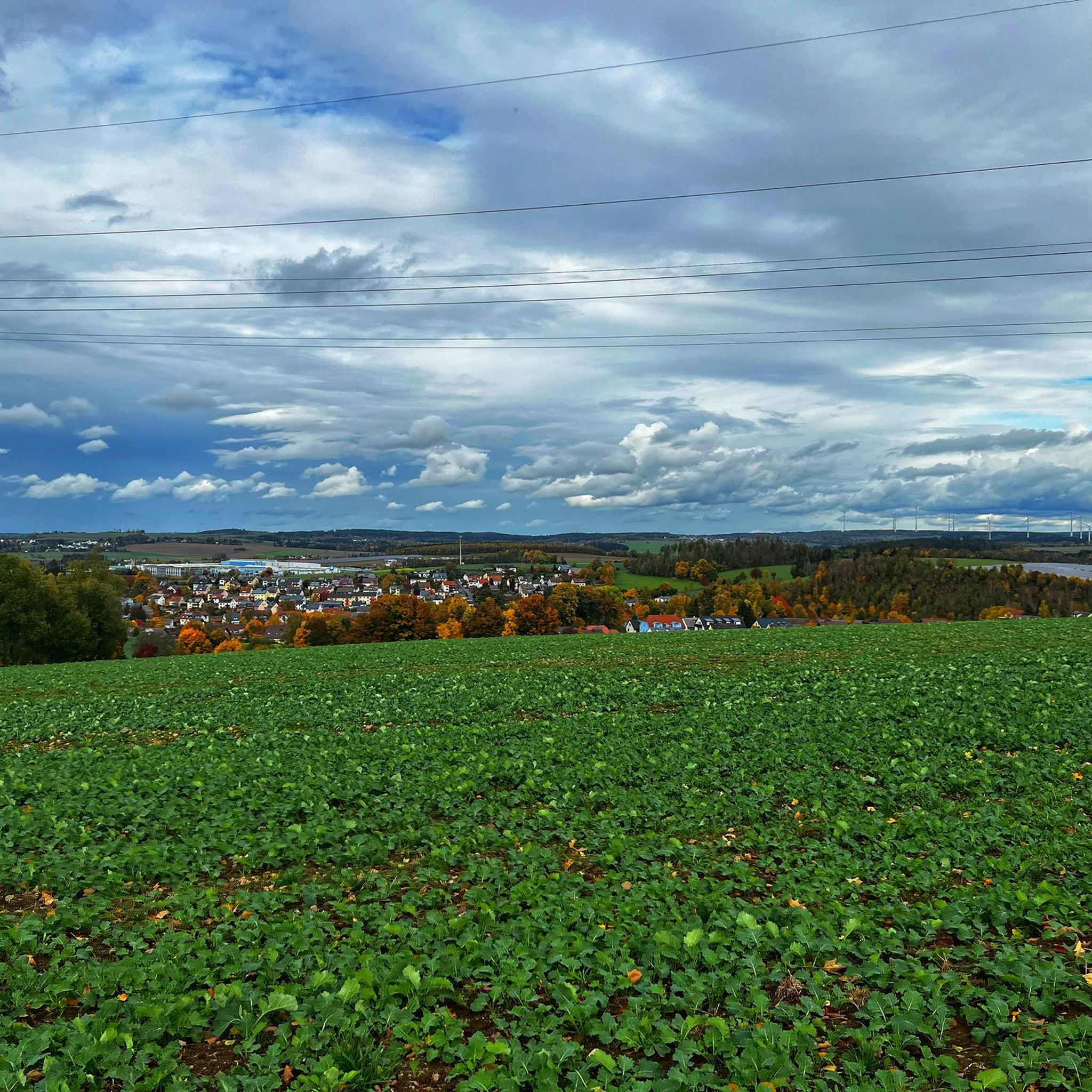
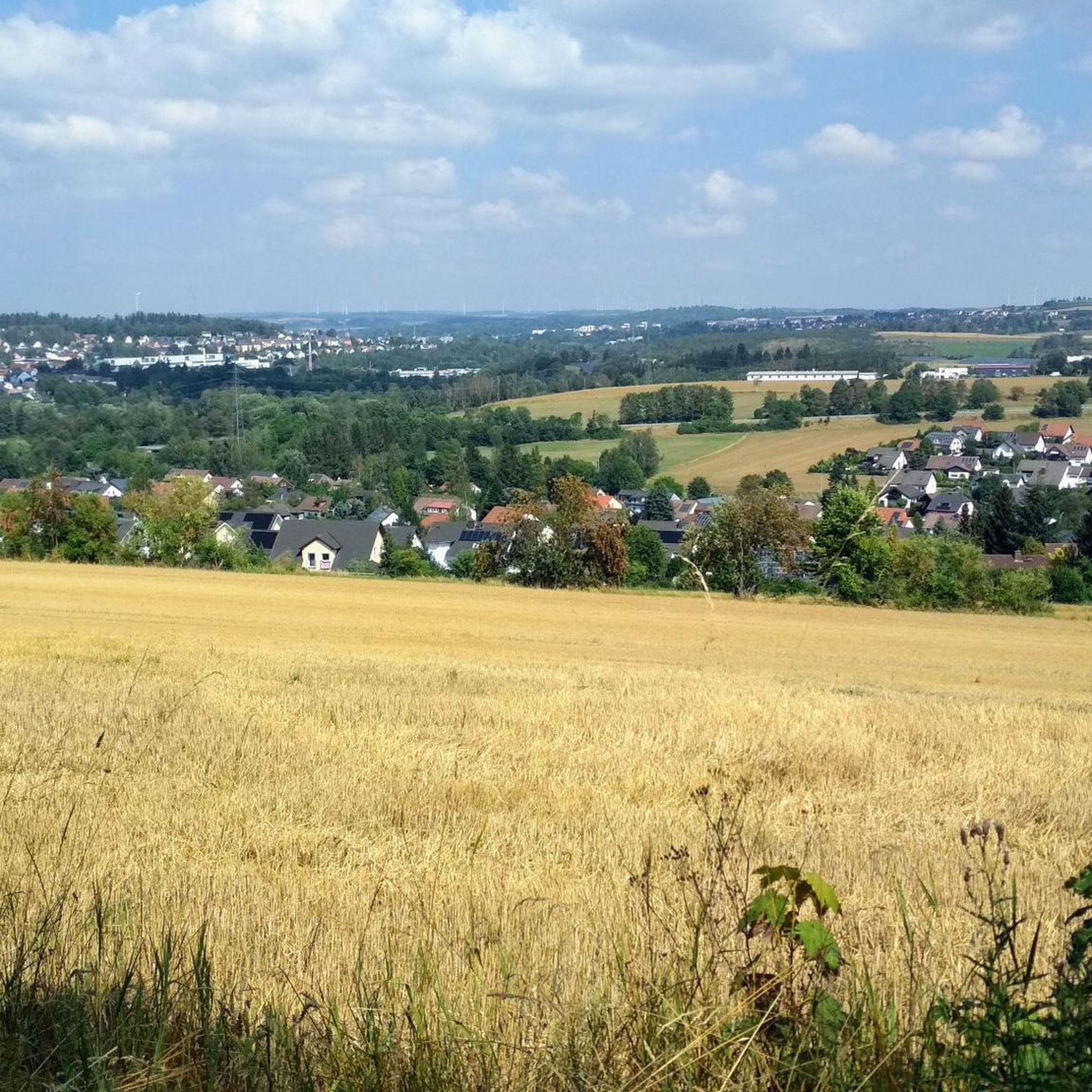
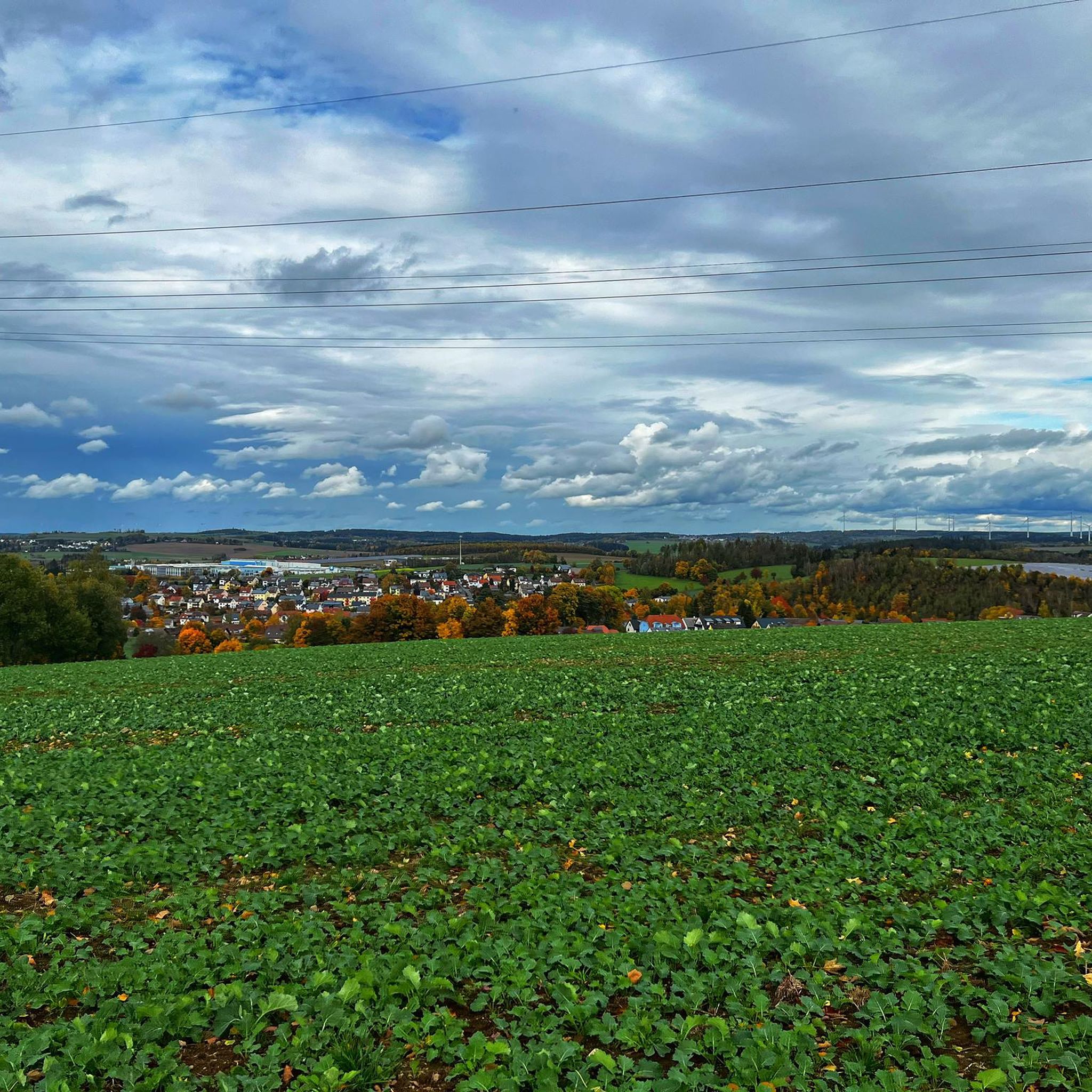
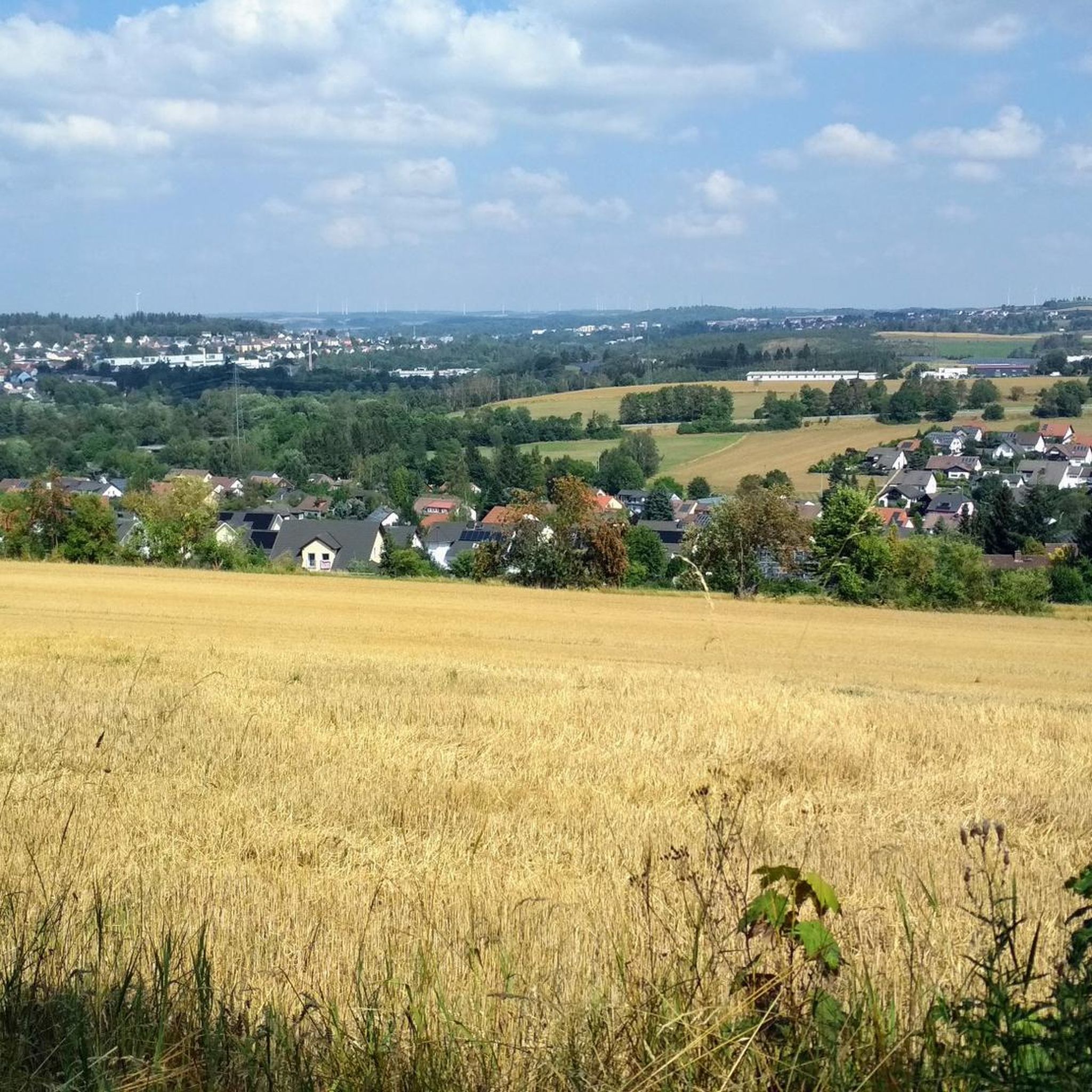
Hiking around Döhlau offers diverse outdoor experiences within Germany's Hof district. The region is characterized by rolling hills, lush green forests, and open fields, with trails often meandering alongside small streams. Panoramic views of the surrounding countryside and the valley are common features. This varied terrain provides options for both experienced hikers and families seeking leisurely strolls.
Best hiking trails around Döhlau
- The most popular hiking route is Quellitz Reservoir – Quellitzsee loop from Tauperlitz, a 4.9 miles (7.9…
Last updated: June 28, 2026
4.8
(6)
21
hikers
8.28km
02:13
90m
100m
Moderate hike. Good fitness required. Easily-accessible paths. Suitable for all skill levels.
4.5
(4)
26
hikers
14.1km
03:39
80m
80m
Moderate hike. Good fitness required. Easily-accessible paths. Suitable for all skill levels.

Sign up for free
4.4
(5)
19
hikers
4.38km
01:14
90m
90m
Easy hike. Great for any fitness level. Easily-accessible paths. Suitable for all skill levels.
5.0
(2)
16
hikers
6.53km
01:45
80m
80m
Easy hike. Great for any fitness level. Easily-accessible paths. Suitable for all skill levels.
5
hikers
4.16km
01:08
60m
60m
Easy hike. Great for any fitness level. Easily-accessible paths. Suitable for all skill levels.
Get access to more routes and recommendations from other explorers.
Sign up for free
Already have an account?
Our route recommendations are based on thousands of hikes, rides, and runs completed by other people on komoot.
Start today with a free account
Your next adventure awaits.
Login or Signup

Tips from the Community

Interesting work of art on the Saale cycle path, directly on the Saxon Saale river.
1
0
The town hall fountain is covered during the winter months, but the figures above it are visible.
0
0
The water lily fountain is covered during the winter months.
0
1

St. Mary's Church in Hof is an architectural landmark of the old town. After the Reformation, Hof was almost exclusively Protestant for centuries. It was only with its annexation by Bavaria in 1810 and the influx of Catholic officials and workers from Bohemia and the Franconian Forest that a Catholic community was re-established. The growing number of parishioners led to the construction of St. Mary's Church between 1864 and 1877, based on plans by the Regensburg Cathedral architect Vincenz Denzinger. It was built on the site of the former inn "Zur goldenen Sonne" (At the Golden Sun) – the present-day Sonnenplatz (Sun Square) still commemorates this. The church is built in the Neo-Gothic style and, with its artistic unity, forms an imposing conclusion to the old town. Its furnishings are entirely Neo-Gothic and are listed as historical monuments, including the romantic mechanical cone-valve organ. The Steinmeyer organ from 1885 complements the furnishings and underscores the church's musical tradition. St. Mary's is the main Catholic church in Upper Franconia and belongs to the northeasternmost deanery of the Archdiocese of Bamberg. It is also a memorial to Bernhard Lichtenberg, the Blessed Provost of the Cathedral and a martyr under National Socialism. After the opening of the border in 1989, the church once again became a place of cultural exchange with Catholic communities in Plauen and Weida. https://de.wikipedia.org/wiki/St._Marien_(Hof)
3
1
At Oberer Torplatz 1 was the location of Germany's oldest printing house, the Mintzel printing works. Printing in Hof began as early as the 16th century. In 1642, Johann Albrecht Mintzel came to Hof, having founded a printing house in Leipzig in 1625. The Mintzel family operated a printing house, a book publishing house, and, from 1802, a newspaper publishing house in Hof. The last Mintzel died in 1840; his widow married her manager, Carl Hoermann, in 1844, whose descendants ran the business until very recently. https://saechsisch-bayerisches-staedtenetz.de/dokument/Stadtspaziergang_Hof_1480354153_3090.pdf
4
0
The water lily fountain in front of St. Mary's Church in Hof is a relatively recent addition to the townscape. Erected in 1987, it blends remarkably harmoniously into its historic surroundings. With its clean lines and three-dimensional water lily leaves, it acts as a tranquil oasis within the urban fabric. The fountain invites visitors to linger: the gentle lapping of the water creates a relaxed atmosphere that enlivens the square without overwhelming it. Its striking contrast with the Gothic architecture of St. Mary's Church lends it a unique effect – a modern element that complements, rather than disrupts, the historic setting. http://www.schwabenmedia.de/Bauwerke/Bayern/Hof-seerosenbrunnen.php?style=styleB
4
1
The Town Hall Fountain in Hof is a striking landmark in the heart of Hof's Neustadt district, combining art, local history, and urban life in a compact space. It stands on the north side of the Town Hall, directly on Klosterstraße, just steps from Ludwigstraße and opposite St. Michael's Church. Its central location makes the fountain easy to find, whether on foot through the city center, by bus to the Rathaus (Town Hall) stop on Ludwigstraße, or by car in the adjacent underground parking garage "Am Rathaus" on Karolinenstraße. The Town Hall Fountain was created in 1979 by the sculptor Margarete Wiggen as a bronze sculpture ensemble. Over the years, it has become a popular meeting place for locals and visitors alike and also serves as the starting point for various themed city tours. The fountain is particularly eye-catching in spring when it is traditionally decorated as an Easter fountain. At this time, colorful decorations accentuate the fountain's contours and create vibrant accents against the backdrop of the historic Town Hall facade. Visitors to Hof will find the town hall fountain not only a great photo opportunity, but also a perfect starting point for exploring the surrounding sights and streets at their leisure. https://www.hof-news.de/de/locations/rathausbrunnen-ChIJeVyjd30XoUcRlTyItk9fKKw
4
0
Rebuilt after the devastating city fire of 1823, the town hall, with its Biedermeier facades, is a prominent landmark on Ludwigstrasse and a symbol of the city. The new building, begun in 1563, was constructed in the Renaissance style according to the plans of Nikolaus Hofmann from Halle an der Saale, one of the most important architects of the time. He also designed, among other things, the remarkable town hall in Schweinfurt, as well as impressive buildings in Zwickau and Rothenburg ob der Tauber. At that time, Hof's town hall was not solely the seat of the city administration. Rather, it combined several purposes simultaneously: as a marketplace on the ground floor, as a council chamber, courtroom, and torture chamber on the first floor, and as a function room for dances, elegant weddings, and theatrical performances on the second floor. The oriel windows facing what is now Ludwigstrasse were used to proclaim announcements and decrees of the council. https://www.fichtelgebirge.bayern/detail/id=5f802e333e91d003a390ac90
4
0
Frequently Asked Questions
What kind of terrain can I expect on hiking trails around Döhlau?
Hiking around Döhlau features a diverse landscape of rolling hills, lush green forests, and open fields. Trails often meander alongside small streams, providing a varied experience. You'll find paths suitable for both leisurely strolls and more moderate hikes, with many offering panoramic views of the surrounding countryside and the valley.
How many hiking trails are available in the Döhlau area?
There are over 50 hiking routes available around Döhlau, catering to various preferences and skill levels. This includes a good mix of easy and moderate trails, ensuring there's something for everyone.
Are there any easy hiking trails suitable for beginners or families in Döhlau?
Yes, Döhlau offers numerous easy trails perfect for beginners or families. An example is the Hiking loop from Döhlau, which is 2.7 miles (4.4 km) long and leads through local fields and woodlands. Another easy option is the Quellitzstausee – Birdwatching Spot on the River loop from Döhlau, a shorter 1.2-mile (1.9 km) route.
What is the best time of year to go hiking in Döhlau?
The mild temperatures and pleasant climate during spring and autumn make these seasons ideal for extended hikes in Döhlau. In spring, nature blossoms, and in autumn, colorful foliage creates a picturesque setting, enhancing the natural beauty of the trails.
Are there any circular hiking routes around Döhlau?
Yes, Döhlau has several circular routes. A popular option is the Döhlau loop from Döhlau, which is 4 miles (6.5 km) long. Another well-liked circular trail is the Quellitz Reservoir – Quellitzsee loop from Tauperlitz, offering views of the reservoir.
What kind of natural features or landmarks can I see while hiking in Döhlau?
While hiking in Döhlau, you can enjoy panoramic views of the surrounding countryside and valley. The region is characterized by dense forests, rolling hills, and fields. Nearby, you can also explore attractions like the Untreusee or the Förmitzspeicher Reservoir, both offering beautiful waterside scenery.
Are the hiking trails in Döhlau dog-friendly?
Many of the trails in Döhlau are suitable for hiking with dogs, allowing you and your canine companion to enjoy the natural surroundings. It's always a good idea to keep dogs on a leash, especially in areas with wildlife or near agricultural land.
What do other hikers say about the trails in Döhlau?
The hiking routes in Döhlau are highly rated by the komoot community, with an average score of 4.6 stars from over 200 reviews. Hikers often praise the diverse terrain, the beautiful panoramic views, and the well-maintained paths that cater to various ability levels.
Can I access hiking trails in Döhlau using public transport?
Döhlau is a village in Germany's Hof district. While specific public transport connections directly to trailheads may vary, the region is generally accessible. For detailed information on public transport options to Döhlau and nearby starting points, it's advisable to check local transport schedules.
Are there any longer, more challenging hikes available from Döhlau?
For those seeking a longer hike, the St. Michaelis Church (Hof) – Hof Town Hall loop from Döhlau is a moderate 8.8-mile (14.2 km) path. This route connects Döhlau with the nearby city of Hof, offering a more extended exploration of the area.
Are there any viewpoints along the hiking trails in Döhlau?
Yes, many trails in Döhlau offer excellent viewpoints. The region's rolling hills provide numerous opportunities for breathtaking panoramic views of the surrounding countryside and the entire valley. The 'Panoramawanderung' (Panoramic Hike), for instance, is specifically known for leading to a vantage point at a mountain's summit.
Most popular attractions around Döhlau

Get inspired with the komoot mobile app


Explore more
Browse the best Hikes in other regions.
