The best walks and hikes around Dunwich Forest
4.7
(601)
4,921
hikers
26
hikes
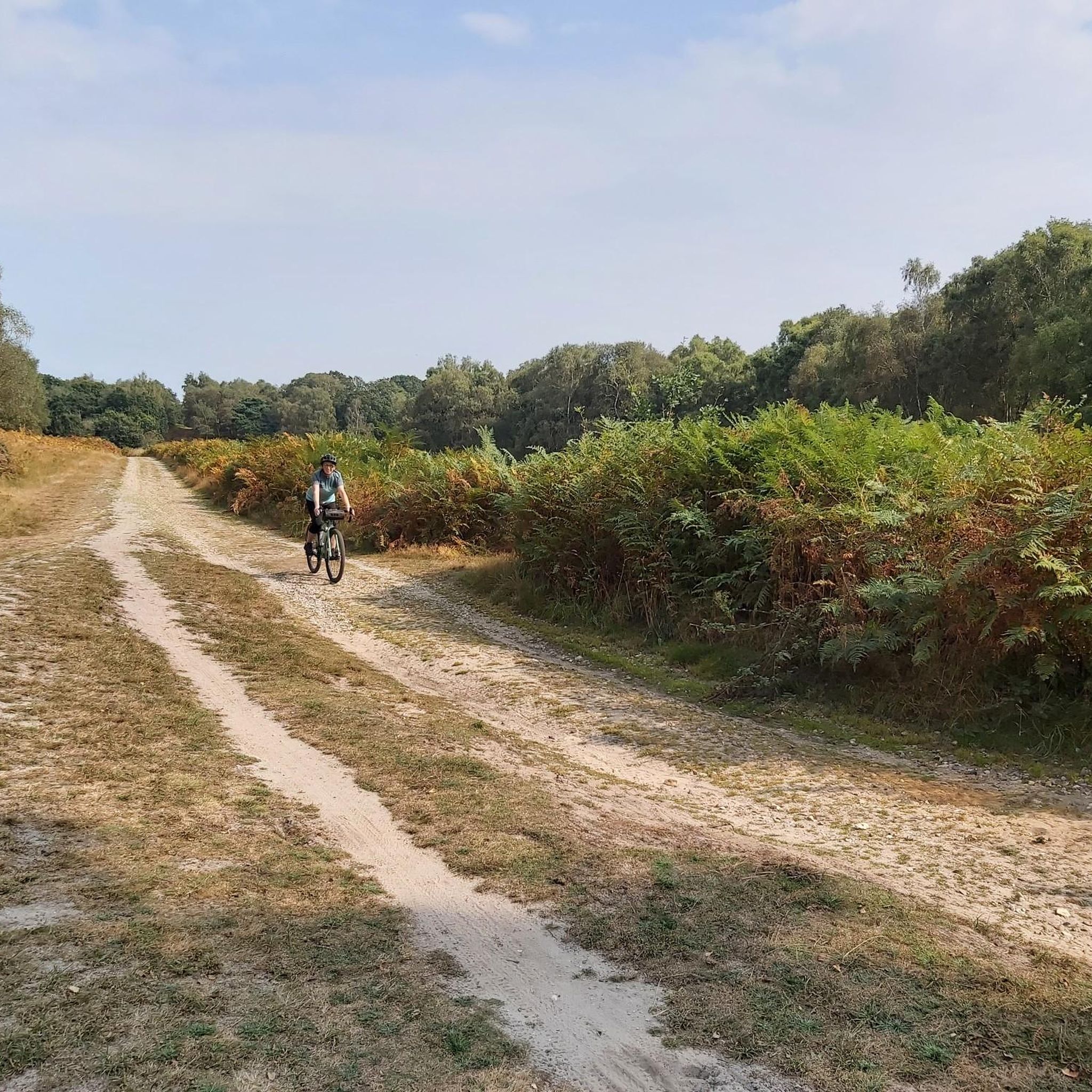
Hiking around Dunwich Forest explores a landscape of mixed woodland, coastal heath, and shingle beaches within the Suffolk Coast & Heaths Area of Outstanding Natural Beauty. The region is characterized by generally flat terrain, with trails passing through conifer plantations, emerging broad-leaved woodland, and open marshland. The unique sandy soil of the Suffolk Sandlings makes for less muddy paths, even when wet.
Best hiking trails around Dunwich Forest
- The most popular hiking route is Dunwich Leper Hospital Ruins – Greyfriars Monastery Ruins loop from Dunwich, a 4.9 miles (7.9 km) trail that takes about 2 hours 3 minutes to complete. This route combines coastal paths with a visit to historic monastery ruins.
- Another top favourite among local hikers is Dunwich Beach – St James' Church, Dunwich loop from Dunwich, an easy 4.1 miles (6.6 km) path. The trail follows a mix of beach and heathland terrain near the village.
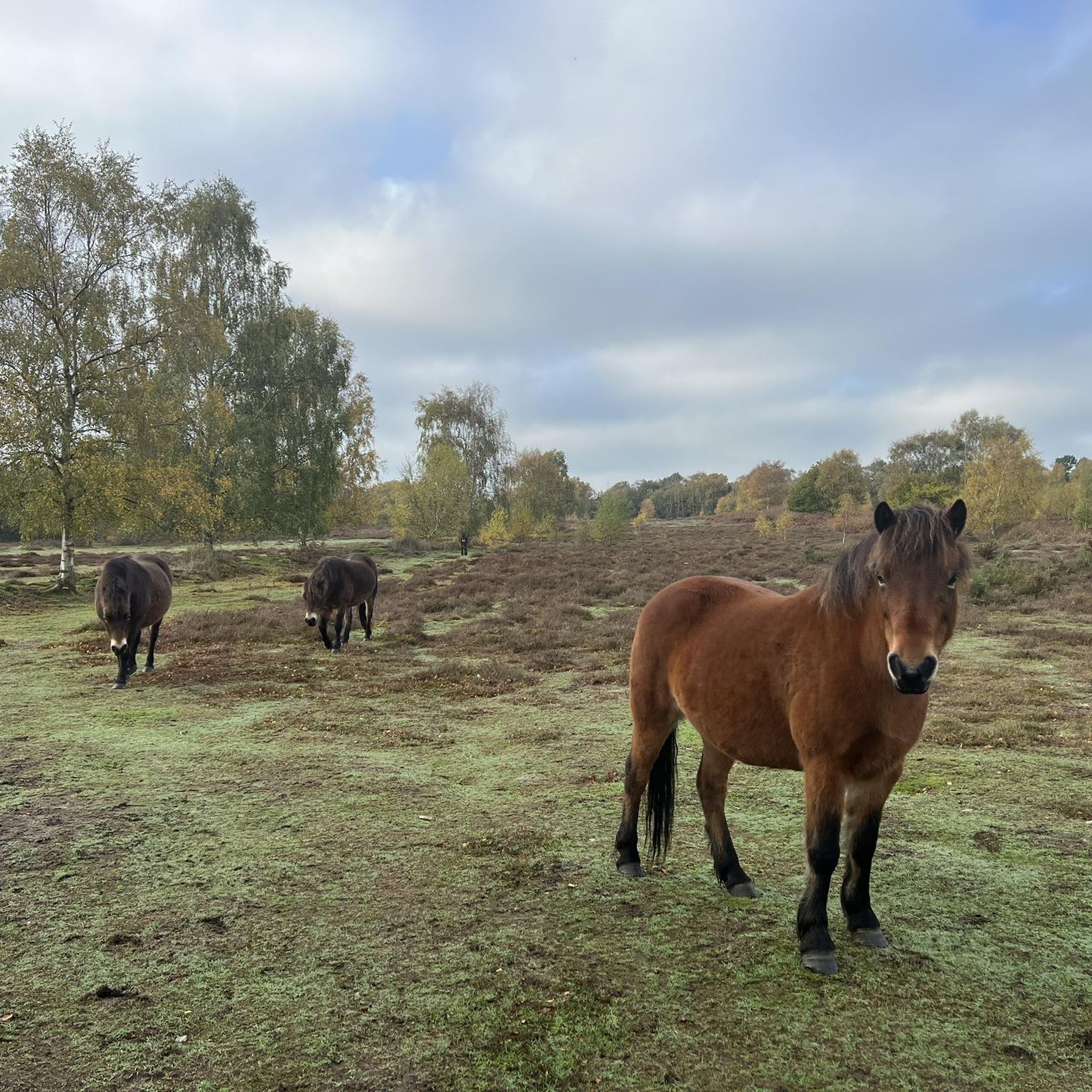
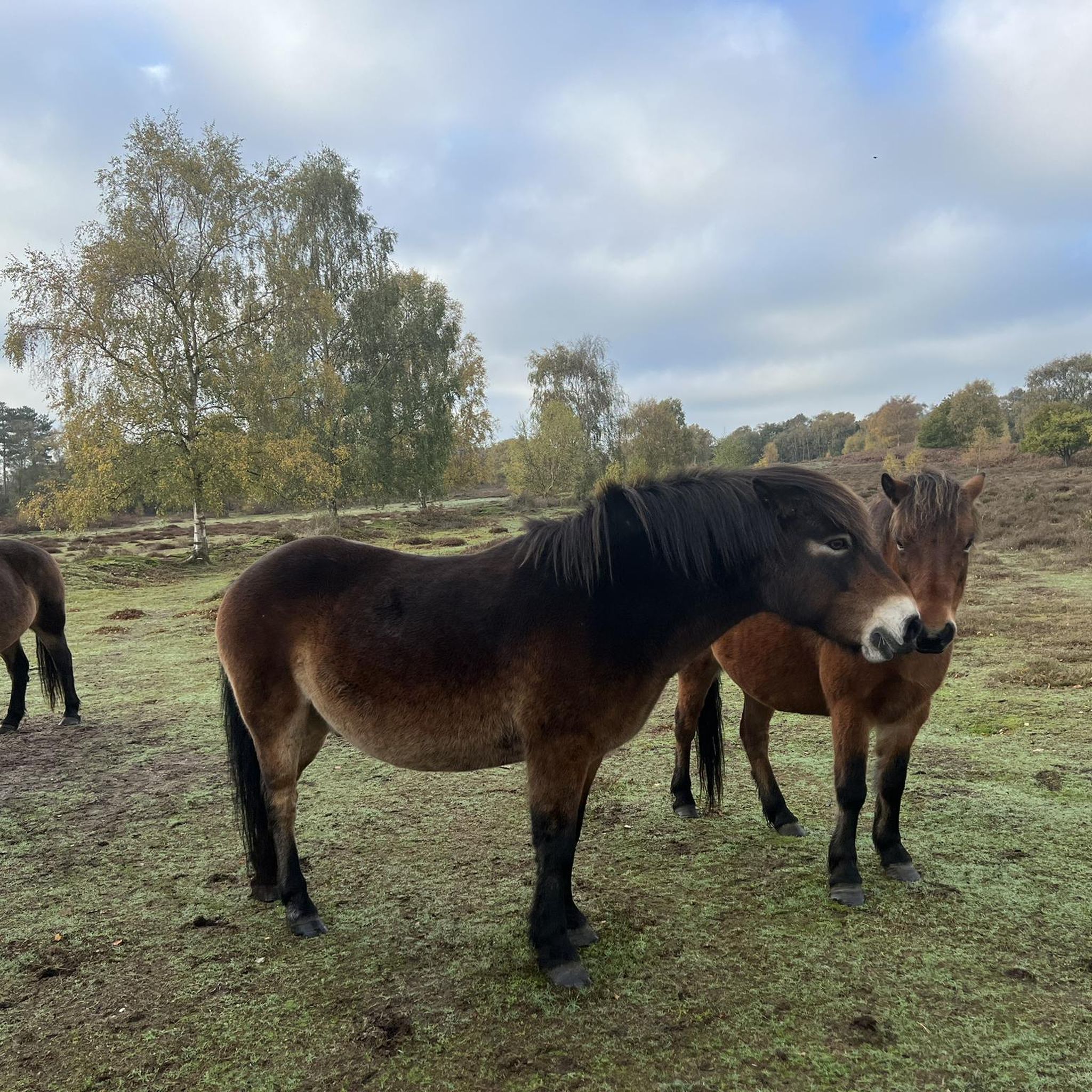
- Local hikers also love the Dunwich Forest – Ponies in Dunwich Forest loop from Dunwich, a 3.7 miles (6.0 km) trail leading through woodland and heath, often completed in about 1 hour 33 minutes.
- Hiking around Dunwich Forest is defined by its mix of coastal paths, lowland heath, and quiet forest trails. The network of Dunwich Forest walking routes provides options for different ability levels.
- The routes in Dunwich Forest are highly rated by the komoot community with an average score of 4.6 stars from over 100 reviews. More than 1,000 hikers have used komoot to explore Dunwich Forest's varied terrain.
Last updated: October 10, 2026
5.0
(1)
10
hikers
8.33km
02:10
50m
50m
Moderate hike. Good fitness required. Easily-accessible paths. Suitable for all skill levels.
3
hikers
6.47km
01:40
30m
30m
Easy hike. Great for any fitness level. Easily-accessible paths. Suitable for all skill levels.

4.8
(4)
7
hikers
6.00km
01:33
30m
30m
Easy hike. Great for any fitness level. Easily-accessible paths. Suitable for all skill levels.
4.3
(3)
9
hikers
25.0km
06:24
90m
90m
Hard hike. Very good fitness required. Easily-accessible paths. Suitable for all skill levels.
5
hikers
Easy hike. Great for any fitness level. Easily-accessible paths. Suitable for all skill levels.
Get access to more routes and recommendations from other explorers.
Already have an account?
Our route recommendations are based on thousands of hikes, rides, and runs completed by other people on komoot.
Start today with a free account
Your next adventure awaits.


Tips from the Community

Fun fact, i got stuck in the toilet as a kid here and he'd to bring rescued by my grandfather
0
0

A lovely local pub and worth the very small detour to stop in and have a drink.
0
0
Terrific little pub, check times for food though
0
0

Nice place to watch birds. Essential to manage the waterlevels at Minsmere.
0
0
Interesting ruin with surprising insights
0
0
Interesting ruin on the outskirts of Minsmere.
0
0

Now just a little set of ruins standing in the churchyard, like some old broken mausoleum.
0
0
Frequently Asked Questions
Are dogs allowed in Dunwich Forest?
Yes, Dunwich Forest is generally very dog-friendly, and the woodland trails are popular for dog walking. However, when your route enters the adjoining Dunwich Heath, especially between March and September, you will be required to keep your dog on a lead to protect ground-nesting birds like the Nightjar and Woodlark.
What are the parking options for hikes in Dunwich Forest?
There are several free parking areas available for accessing the forest trails. The main Dunwich Forest car park is located off the Westleton to Dunwich road and provides direct access to the waymarked paths. Additional parking can be found in Dunwich village, which is a convenient starting point for routes that combine the forest, beach, and heathland.
Are there any family-friendly walks in the area?
Absolutely. The terrain in Dunwich Forest is mostly flat, making it ideal for families. For a shorter, engaging walk, consider the Ponies in Dunwich Forest loop from Dunwich. This easy 2-mile (3.2 km) trail is perfect for little legs and offers the chance to see the Dartmoor ponies that graze in the northern part of the forest.
Can I do a circular walk that includes the forest and the beach?
Yes, combining the forest, heath, and coast is a classic Dunwich experience. The Dunwich Beach – Greyfriars Monastery Ruins loop from Dunwich is a moderate 5.2-mile (8.4 km) circular route that takes you from the shingle beach, through coastal heathland, and past the historic monastery ruins before looping back through the forest.
What kind of wildlife might I see while hiking?
Dunwich Forest and the surrounding reserves are a haven for wildlife. In the woodlands and heath, look for rare species like the Dartford warbler, Nightjar, and the silver-studded blue butterfly. Red deer are also known to roam the area. The adjacent Minsmere RSPB reserve is famous for wetland birds such as avocets, bitterns, and marsh harriers.
Are there any pubs or cafes for a break after a walk?
Yes, after exploring the trails, you can find refreshments in Dunwich village, which has traditional pubs and tea rooms. The Dingle Hill Tearooms are a popular stop for many hikers and are even a highlight on some routes, such as the Dingle Hill Tearooms – St James' Church, Dunwich loop from Dunwich.
What historical sites can I see on a hike around Dunwich?
The area is steeped in history, most famously the story of the 'lost city' of Dunwich. Many trails pass by significant landmarks. You can explore the atmospheric ruins of Greyfriars Priory, a 13th-century monastery, and see the solitary last gravestone of All Saints' Church on the cliff edge, a poignant reminder of the town lost to the sea.
How difficult are the hiking trails in Dunwich Forest?
The majority of trails are rated as easy. The landscape is predominantly flat with very little elevation gain, consisting of well-maintained forest paths, sandy heathland trails, and shingle beaches. While some longer routes are classed as moderate due to their distance, the terrain itself is not technically challenging, making it accessible for most fitness levels.
What do other hikers enjoy most about Dunwich Forest?
The komoot community rates the area highly, with an average score of 4.6 stars. Hikers frequently praise the unique mix of landscapes, from the quiet, shaded woodland paths to the open, sweeping views across the heath and out to sea. The well-marked trails and the sense of peace and history are also commonly mentioned highlights.
Is it possible to do a shorter circular walk?
Yes, there are several shorter options available. A great choice is the St James' Church, Dunwich – Dingle Hill Tearooms loop from Dunwich, which is a pleasant 3.5-mile (5.6 km) walk. It offers a good taste of the local scenery, passing through woodland and heathland, without requiring a full day's commitment.
How many hiking trails are there to choose from?
There are over 25 curated hiking routes around Dunwich Forest available on komoot. These range from short, easy loops of just a couple of miles to longer, more varied excursions that connect the forest with the coast and nearby nature reserves, offering plenty of options for all abilities.
When is the best time of year to hike in Dunwich Forest?
Dunwich offers a wonderful hiking experience year-round, but late summer is particularly special. During August and September, the adjacent Dunwich Heath bursts into a stunning sea of purple and pink as the heather comes into full bloom, creating a truly spectacular landscape for your walk.
Most popular routes around Dunwich Forest

Get inspired with the komoot mobile app


Explore more
Browse the best Hikes in other regions.
